
Tending the House With Children All Around You
Homemaking looks different when your children are with you all day. There’s no other way than being organised yet flexible, letting all those little hands participate — each at their level. Educating your children at home is beautiful, because so much of learning happens in the everyday moments we live together. Being able to teach them, see them, and grow with them is a big part of a woman’s purpose the way He intended it.
But it isn’t all sunshine and rosy edits, no matter what social media suggests.
There are no windows of silence.
No “I’ll clean while they’re out.”
No quick reset that stays tidy for long.
Everything happens with little feet around you, and every task is shared, interrupted, or done in smaller pieces.
Most cleaning advice isn’t written for mothers who homeschool or stay home full-time — mothers whose homes are lived in, constantly, by everyone.
I know this all too well. And because I’ve found a rhythm that works — one you can adapt to any kind of day — this guide is for our reality: simple organization, realistic expectations, and a 7-day system you can start anytime, even with children all around you.
DAY 1 — The Kitchen Maintenance
The Heart of the Home
Most of us already follow a simple evening rhythm which help the following day:
dishes done, countertops wiped, sink cleared, dishwasher running overnight.
And in the morning, one of the first task is almost always the same — unload the dishwasher and put breakfast dishes straight in.
That rhythm is good. It’s enough to keep the kitchen functioning day-to-day.
Day 1 is about what comes after that.
The deeper maintenance that keeps the kitchen healthy, organized, and under control — even with children home all day.
1. One Deep-Clean Mini Task
clean the dishwasher filter
run a dishwasher sanitizing cycle: vinegar first, baking soda second
wipe cupboard surfaces
deep-clean the sink and drain
empty crumbs from toaster + wipe coffee machine + remove limescale from kettle
clean microwave interior + deodorize — use setting, or a manual steam-cleaning method
wipe fridge shelves
wash dish-drying rack + utensil holder
These may look like a long list, but most of them take only minutes and can run at the same time — wiping cupboard fronts while the sink fizzes with baking soda and vinegar, and the kettle disinfects; let microwave deodorize while walking the dog etc. Done together, they lift the whole kitchen and keep it manageable for the week ahead.
2. One Organization Task
Small steps prevent the kitchen from feeling chaotic.
Pick one each week:
declutter a single drawer
wipe and reorganize the spice area
reset the baking shelf
tidy the medicine or supplement drawer
clean and reorganize the snack basket
Tiny organisation makes a huge difference in a lived-in home.
3. One Food Anchor
Something simple that supports the rest of the week.
Pick one:
start a bone broth
cook a batch of rice/quinoa
soak lentils/beans for tomorrow
chop vegetables for the next two meals
minced and freeze ahead onions and garlic
bake muffins for snacks
prep fruit for easy access
Not meal prep — just a helper.
4. Involve the Kids
They don’t need to “deep clean,” but they can:
wipe lower cupboards
rinse, peel or cut vegetables depending on their age
tidy their snack drawer or art cart
match lids to containers
wipe chairs
vacuum
create the fuzzy reaction in the sink to clean the drain
Let their presence work with you.
Why This Works
Because Day 1 isn’t about “having a clean kitchen.”
It’s about maintaining the systems that keep your home running.
A functioning dishwasher, a clean sink, an organized drawer — these things support you every single day.


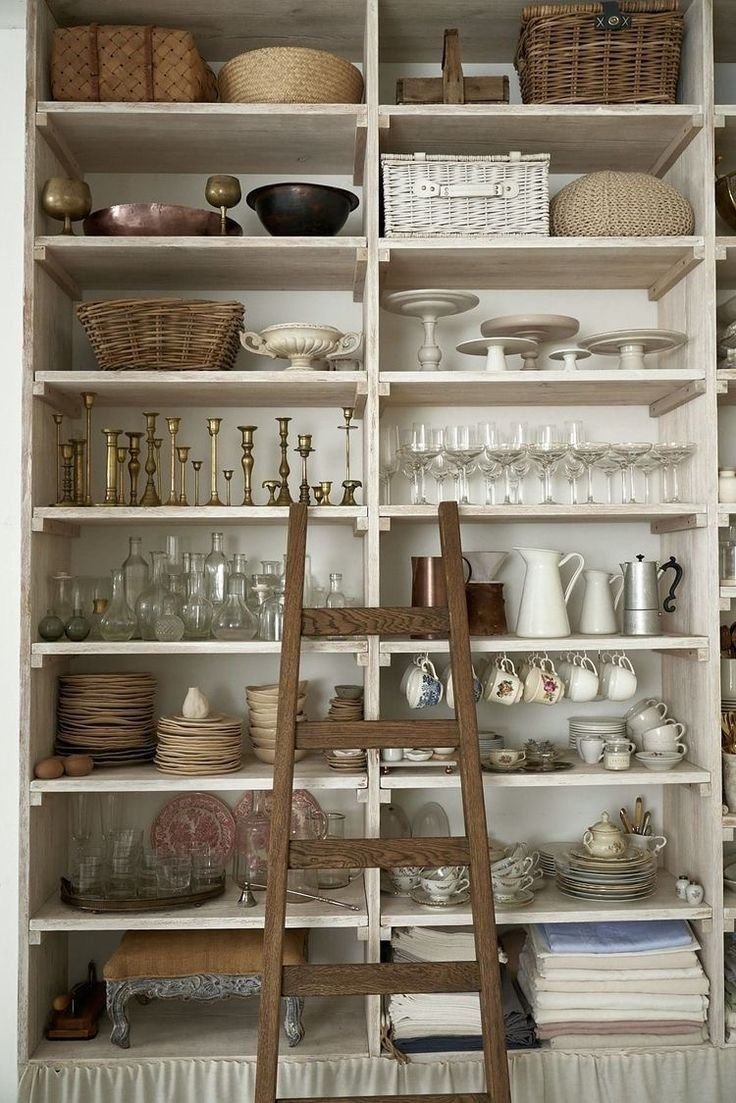

Photos: Found via Pinterest, sources on clickthrough; we always aim to credit photos; if one needs crediting or removal, please contact us with the source.
DAY 2 — Bathrooms Refresh
Little Bathrobes, Warm Towels, Everyday Rituals
Bathrooms in a homeschooling home are high-traffic all day long. Someone is always washing hands, brushing teeth, using the toilet, splashing water, or dragging mud in for a “quick rinse.”
Day 2 isn’t about quick wipe-downs.
It’s about the maintenance work that keeps bathrooms healthy, organized, and pleasant — the things that make a huge difference but rarely fit into a normal day with little ones around.
1. The Weekly Bathroom Maintenance Reset
(This is your real reset — not the quick ones here and there.)
open the windows
wipe toilets thoroughly (seat, rim, base, handle)
scrub sink + surrounding counter
quick scrub of bath or shower
clean mirror and windows
empty bins
wipe door handles + light switches
pour kettleful of boiling water down drains (prevents odors + buildup)
sanitize the toilet brush and base
vacuum and mop
wash/replace bath mats and towels
light a naturally scented candle
This is the weekly “fresh start,” not the everyday upkeep.
2. One Deeper Task
This is where your home stays ahead of the mess.
Choose what fits your time and energy:
clean toothbrush holder
wash soap dishes or dispenser tops
wipe lower cupboard fronts
sanitize bath toys (vinegar + hot water soak)
wipe baseboards
wash the bins properly
wash glass door track (or shower curtain liner)
inventory check: refill, replace, declutter
These tasks take little time but transform how clean the bathroom feels.
3. One Monthly Maintenance Rotation
Only 1-2 per week — rotating prevents overwhelm.
Choose from:
replace shower head filter / descale shower head
scrub tile grout (use hydrogen peroxide)
empty + reorganize bathroom cupboards
wipe shelves + baskets inside
deep-clean behind the toilet
wash walls where water splashes
check inventory for plasters, bath/hair products, baby items
4. Kids’ Involvement (Small, Useful Tasks)
Because they’re always with you:
bring fresh towels
wipe cupboard fronts
rinse bath toys
refill toilet paper basket
help clean mirror lower section
tidy their bath-time essentials
This builds responsibility and keeps them beside you instead of creating chaos elsewhere.
Why Day 2 Matters
Bathrooms are used constantly, but they clean quickly and reset beautifully.
A weekly maintenance rhythm keeps them fresh and healthy without ever needing a huge, exhausting deep-clean session.
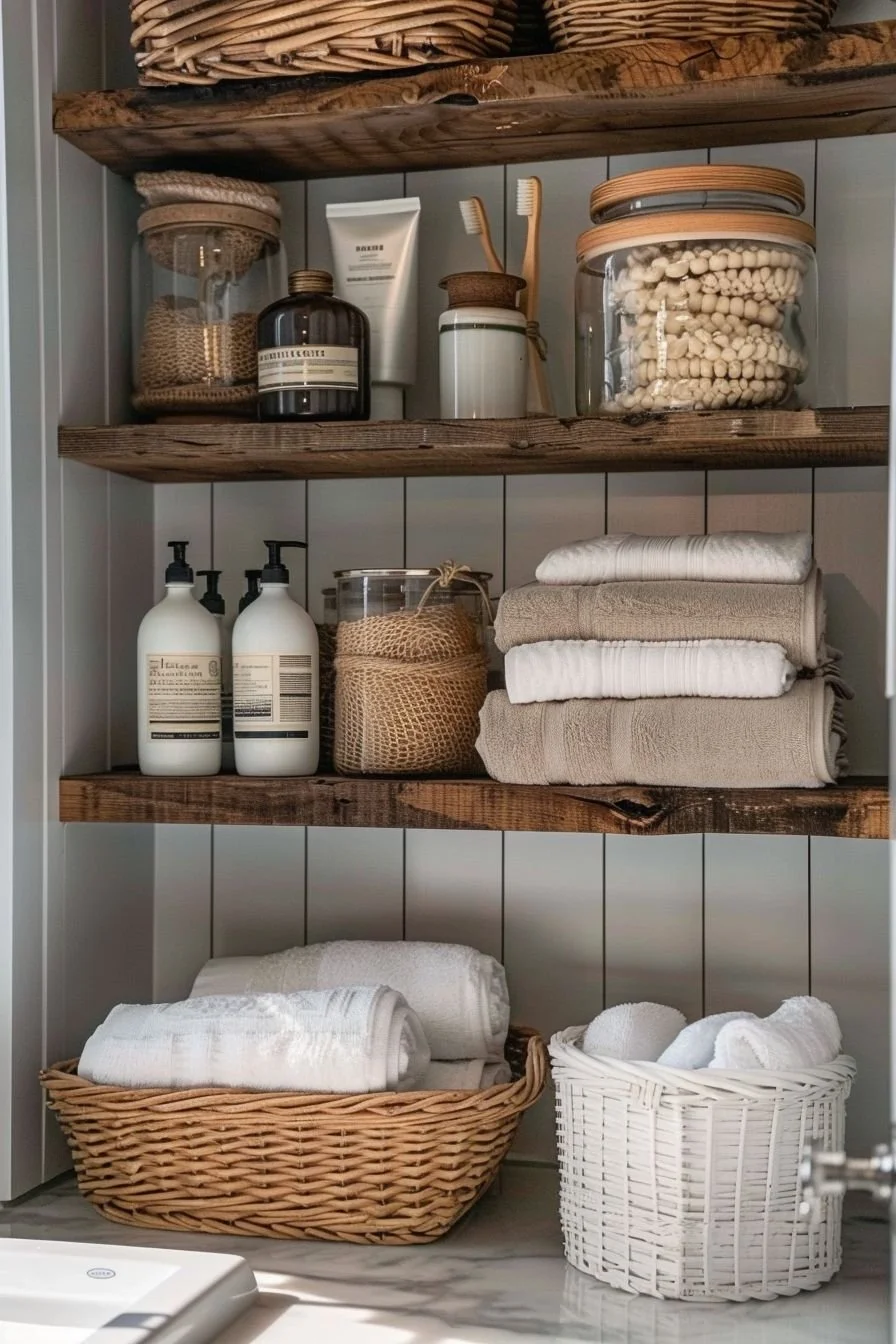

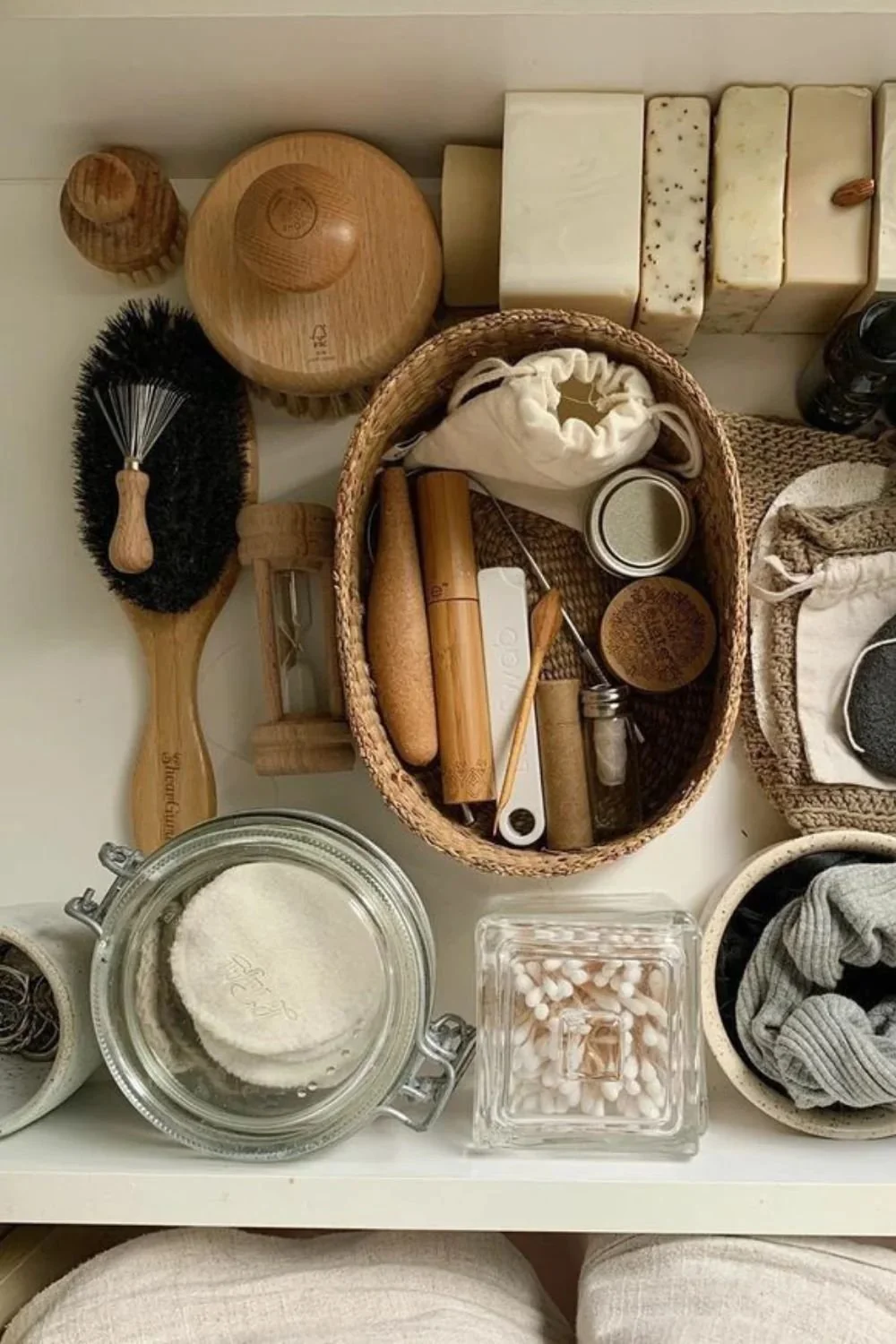
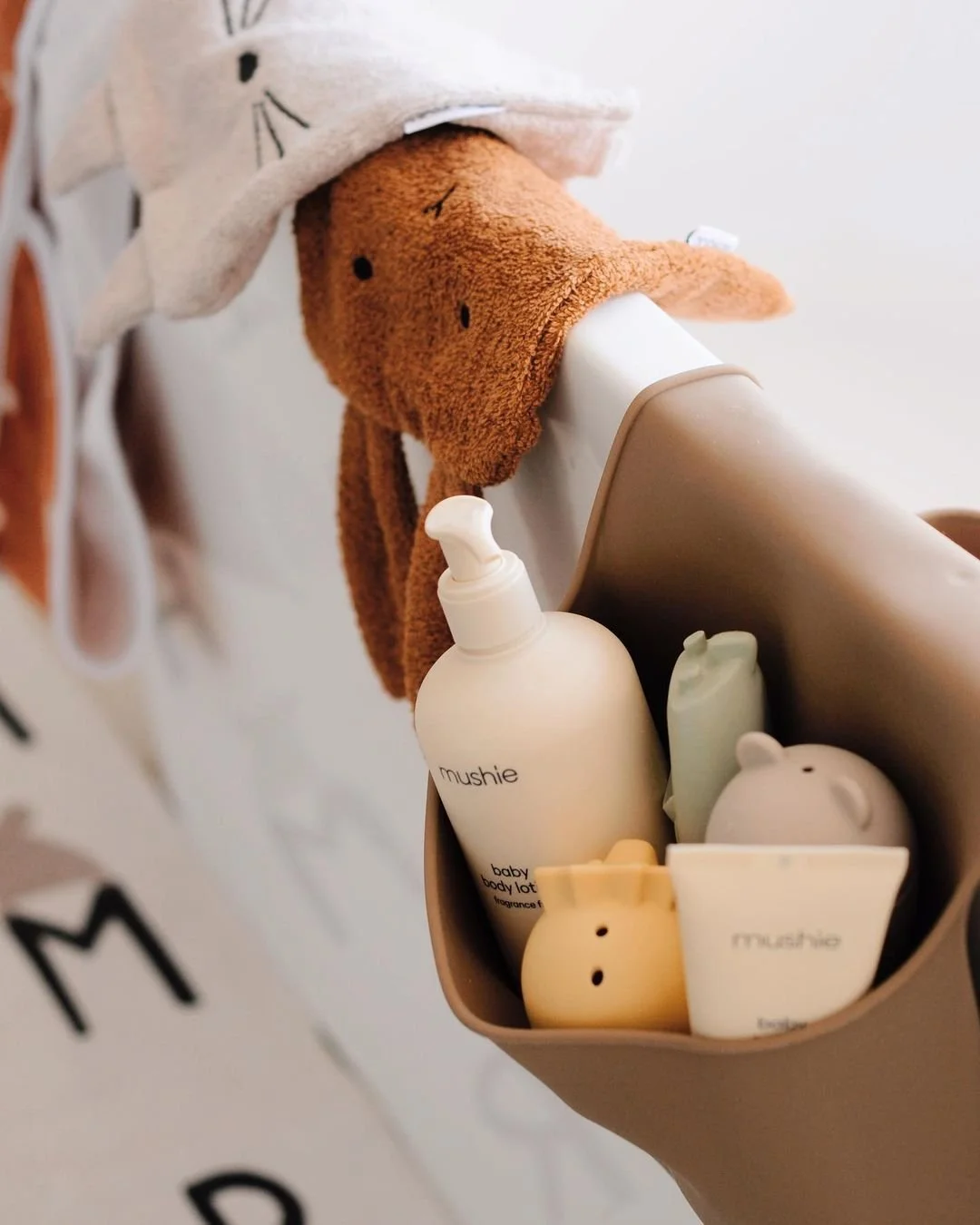
Photos: Found via Pinterest, sources on clickthrough; we always aim to credit photos; if one needs crediting or removal, please contact us with the source.
DAY 3 — Living Areas Reset
Couch, Crumbs, Toys, Movies, and Conversation
Living areas in a homeschooling home are never still.
They carry everything — toys, books, crafts, snacks, blankets, shoes, backpacks, dog hair, puzzles, socks (or at least one random sock), train tracks, and whatever the kids dragged in from outside.
Day 3 is about restoring function, not perfection.
A weekly reset that keeps the space usable, breathable, and easier to maintain the rest of the week.
1. Freshen up the air (open windows) and pick up the toys
Even if they’re coming back.
2. Tidy the Surfaces That Set the Tone
This is where clutter gathers first, so it’s where order matters most:
coffee table and side tables
console table, hallway table
couch cushions + throw blankets
TV stand or shelves
mirrors and frames
dust lamps
Just reset, don’t “style’’ the kids are going to jump on the couch while you’re in there, that’s certain.
Surfaces are visual anchors — when they’re clear, the room feels livable again.
3. Floor Reset
sort the shoe situation — pair, wipe, toss, donate, sell
Give the rug a quick vacuum, fold it, shake it out outdoors if possible, and leave it to air while you reset the room.
shake crumbs from cushions
empty/rotate the entry mat (shoes bring in everything)
vacuum thoroughly (behind and under the couch and furniture, cushions etc.)
mop (twice if your children are outdoorsy like me, maybe thrice depending on the weather)
light up a naturally scented candle, burn incense (frankincense, myrrh, bakhoor)
This alone makes the whole house feel calmer.
4. One Deeper Task
These are the things that actually keep the living areas livable long-term:
clean windows (fingerprints!)
wash and rotate throw blankets
wipe the toys and baskets
wash the entry rug or door mat
sanitize door handles + remotes
rotate or refresh books on the low shelves for the kids
And yes — kids can help with many of these.
5. Quick Declutter Moment (5 minutes max)
Pick one small category each week:
reorganize home sport/yoga station
random toys not played with
papers and art supplies
broken crayons or dried markers
random small items on shelves
things that belong upstairs (or other room)
Keep a donate basket nearby.
Small declutters prevent the living area from becoming a storage room.
6. The Weekly Toy + Craft Reset
This is an anchor for sanity. Choose one:
empty and wipe the craft cart
sort puzzle pieces
rotate toys (put some away, bring others out)
check for broken toys and discard
tidy the bookshelf
This keeps creativity alive without letting clutter take over.
7. Kids’ Involvement (Realistically)
They can:
carry toys to baskets
fold blankets
wipe low tables
shake crumbs from couch cushions
brush or wipe couch for dog hair
pair up shoes and put them where they belong
choose toys for rotation
vacuum (or at least start it)
Kids are always in these spaces — they should help reset them.
Why Day 3 Works
Because the living areas carry the weight of the entire home.
When these spaces feel functional and clear enough to breathe:
homeschool works better
play works better
meals feel calmer
the whole home feels lighter
mom is at ease
Resetting them once a week prevents overwhelm and burnout — the quiet relief is immediate.







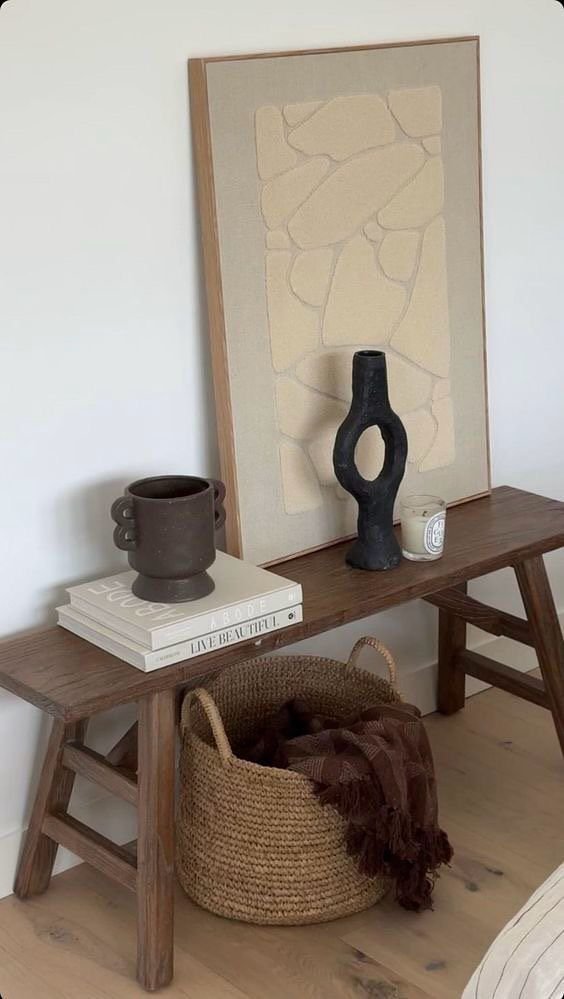
Photos: Found via Pinterest, sources on clickthrough; we always aim to credit photos; if one needs crediting or removal, please contact us with the source.
DAY 4 — Bedrooms Reset
Pajamas, Pillows, Books, and a Bit of Breathing Room
Bedrooms aren’t just for sleeping in our home.
They’re where kids pile up with books, where laundry waits to be folded (or picked up from the floor), where toys migrate.
Day 4 is about restoring a sense of calm — not perfection — so everyone sleeps better, wakes calmer, and the upstairs stops feeling like the forgotten place.
1. Air and Bed Reset (The Weekly Non-Negotiable)
open windows (daily)
change sheets (weekly)
change pillowcases midweek (freshness + skin health)
shake blankets outside
A clean bed resets the entire room.
2. Quick Floor + Surface Clear
Enough to make the space usable again:
put books back on shelves
collect toys, clothes, and random objects
empty bedside tables
Give the rug a quick vacuum, fold it, shake it out outdoors if possible, and leave it to air while you reset the room.
vacuum throughly and mop (bedrooms, stairs and hallway)
wipe bedside tables, frames, mirrors, decor, and lamps
3. One Weekly Deeper Task
This is what keeps bedrooms from getting overwhelming:
Pick what time allows and feels needed.
dust dressers
wipe mirrors
declutter one drawer (clothes, underwear, pajamas)
reorganize kids’ clothes
wipe window ledges
wipe closet doors
clean air purifier filters
gather items to donate or sell (kids grow fast — constant rotation helps)
Little tasks make the biggest difference.
4. Kids’ Involvement (Always Age-Based)
They can:
carry laundry to the basket
help change pillowcases
tidy their bookshelf
put stuffed animals back on the bed
gather toys from under the bed
help match socks
wipe surface and mirrors
vacuum
Teaching them to tend their own space builds calm.
6. Mini-Maintenance for Your Bedroom
Because your room matters, too:
clear your nightstand
put away clothes pile
remove water glasses
shake throw blankets
light a candle or diffuser
A calmer bedroom helps you recharge.
Why Day 4 Matters
Because bedrooms influence everything:
how we sleep, how our mornings start, how overwhelmed we feel walking down the hall.
A simple weekly reset keeps the whole upstairs peaceful — even with children climbing in and out of every bed in the house.

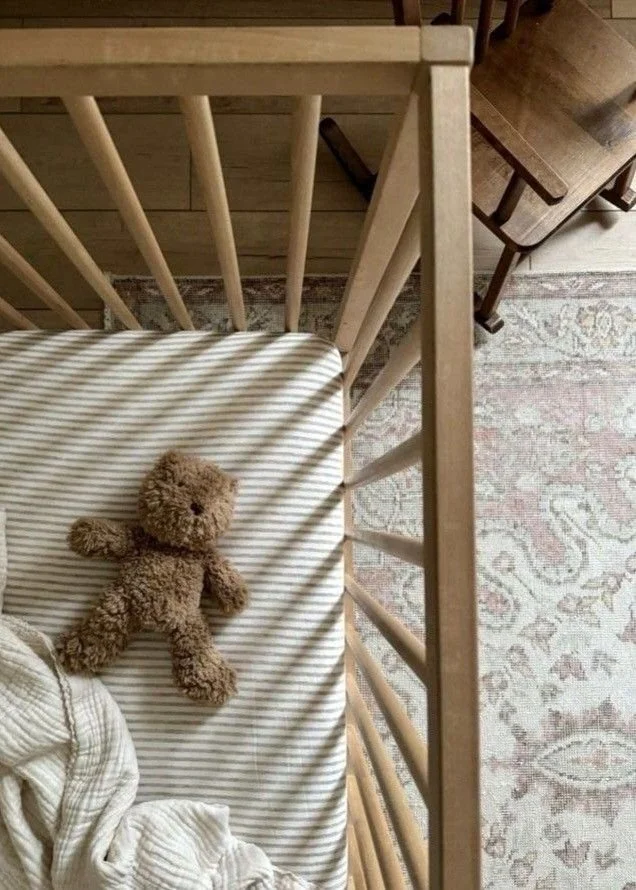


Photos: Found via Pinterest, sources on clickthrough; we always aim to credit photos; if one needs crediting or removal, please contact us with the source.
DAY 5 — Laundry & Linens
The Cycle That Never Stops but Can Become Manageable
Laundry in a home where kids don’t go to school is constant.
Clothes from outdoor play (sometimes a few outfits per day), kitchen towels, bath towels, bibs, pajamas, bedding, dog blankets, and whatever the kids spilled on — it adds up fast.
Day 5 gives you a rhythm that stays realistic even when little ones are always beside you — and while it is called Day 5, laundry should run daily (if needed).
You’re not aiming for “caught up.”
You’re aiming for steady.
1. The Daily Loads (1–2 Maximum)
This is what actually works:
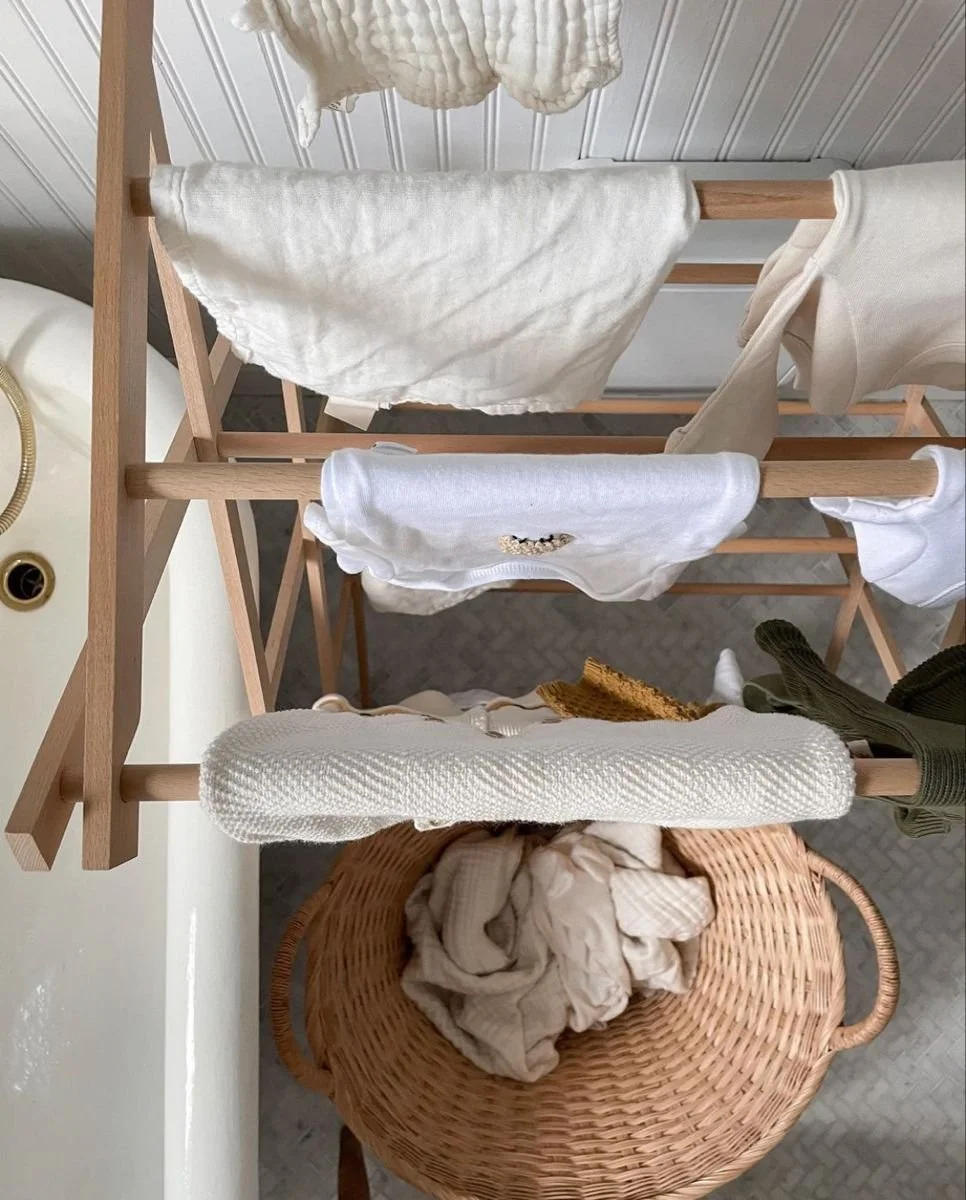
one load of clothes in the morning — the items that don’t go in the dryer; they dry outside or on the rack during the day
one load in the evening — towels, bedding, or anything that can go straight into the dryer for an overnight cycle
That’s it. Two loads is the ceiling — more becomes overwhelming.
Tip: start the first load early so it dries, folds, and gets put away by the end of the day, and your evening load is ready and warm in the morning.
Wipe the rubber seal after each use (essential — collects grime).
2. Folding in a Way That Works With Kids
You don’t need silence — just the right tricks.
fold where the kids play
invite them to pair socks or fold napkins
keep a laundry basket for each bedroom
put away immediately (5 minutes per room)
Small rhythms prevent “Mount Laundry.”
3. Weekly Linen Reset
This belongs on Day 5 so bedding stays fresh and your Day 4 bedroom work remains easy.
kids’ sheets (weekly)
your sheets (weekly)
pillowcases (twice a week)
bath towels (twice a week)
kitchen towels (every 1–2 days)
bathrobes if needed
Fresh linens reset the whole home.
4. One Deeper Laundry Task
These keep your machines and clothing healthy long-term.
Choose two, and rotate each week:
clean the washing machine (vinegar + baking soda cycle)
wipe detergent drawer if using
clean dryer lint trap + vacuum around it
wash laundry baskets (hot water + soap rinse)
reorganize laundry supplies if needed
declutter socks + pajamas
sort kids’ drawers and remove what’s too small
check stain-removal items and restock
One or two task a week prevents breakdowns and odors.
5. Clothing Rotation + Seasonal Check
A weekly micro-rotation keeps kids’ clothing manageable.
Pick one:
remove what no longer fits
store seasonal items
reorganize underwear/pajamas
check if shoes or coats need replacing
refill the “everyday drawer” for quick dressing
This alone reduces laundry stress dramatically.
6. Kids’ Involvement (Age-Based)
Laundry is a perfect teaching moment:
carry small baskets
match socks
fold washcloths
help pick up random clothes around the house
load the machine
press start button
fill up the detergent drawer / replace soap nuts
Involving them = one less task for you and one more skill for them.
Why Day 5 Works
Because laundry isn’t a project — it’s a heartbeat.
It never stops, but it becomes peaceful and predictable when:
loads stay small
routines stay consistent
deeper tasks get done weekly
kids help at their level
And the whole home feels calmer when linens are fresh and laundry isn’t looming.
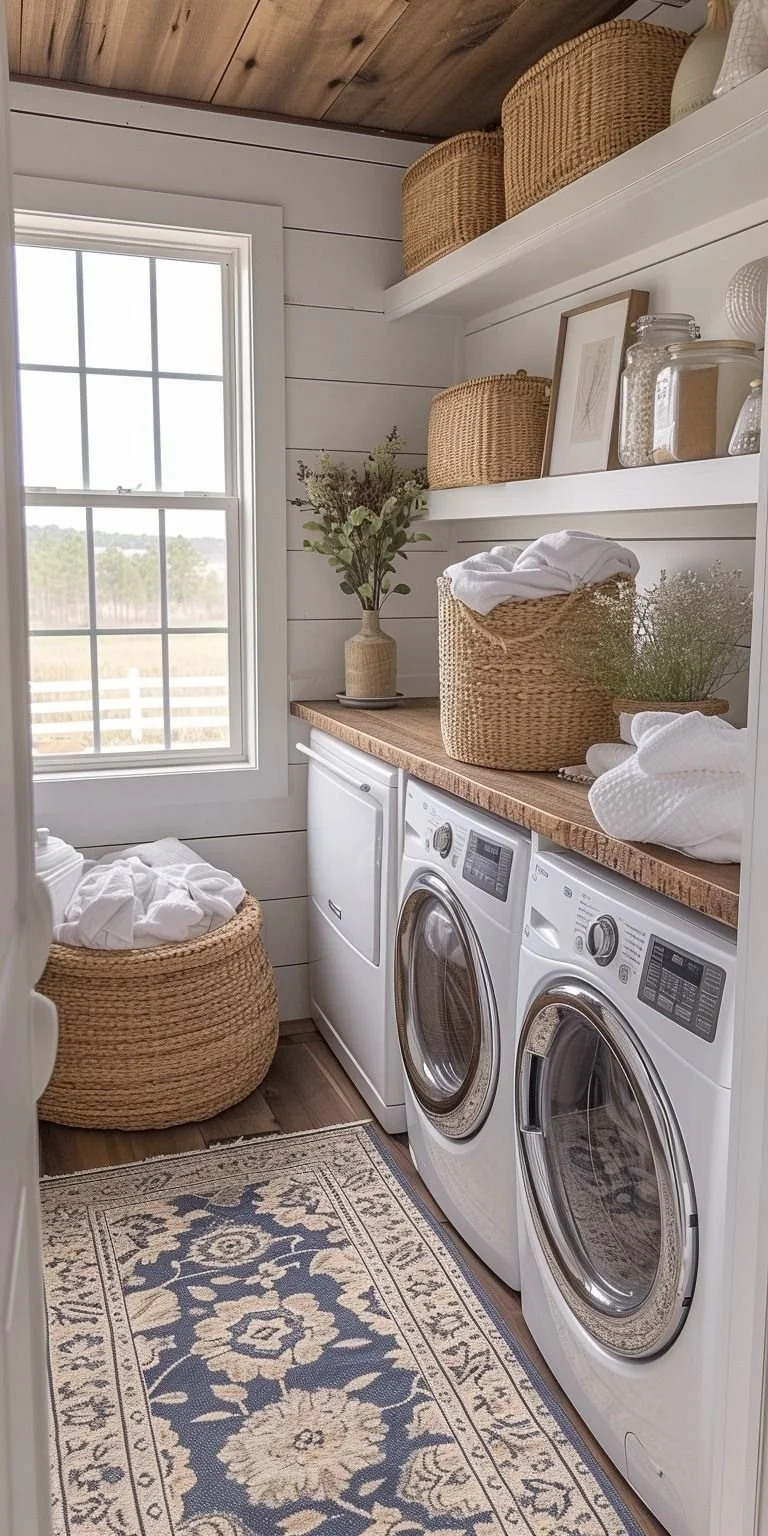
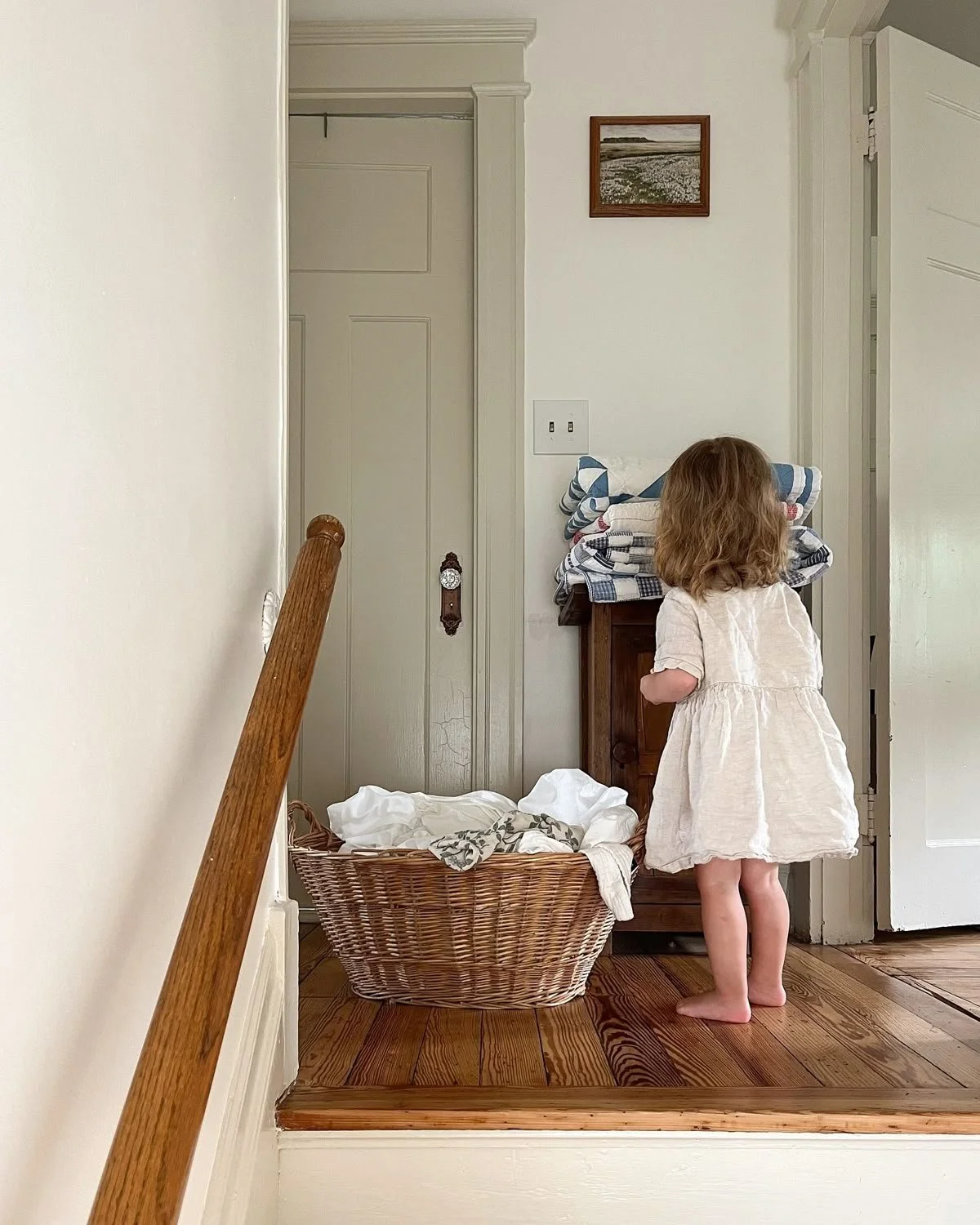

Photos: Found via Pinterest, sources on clickthrough; we always aim to credit photos; if one needs crediting or removal, please contact us with the source.
DAY 6 — Kids’ Rooms & Playroom
Books, Blocks, Costumes, Crumbs — and All the Life Between
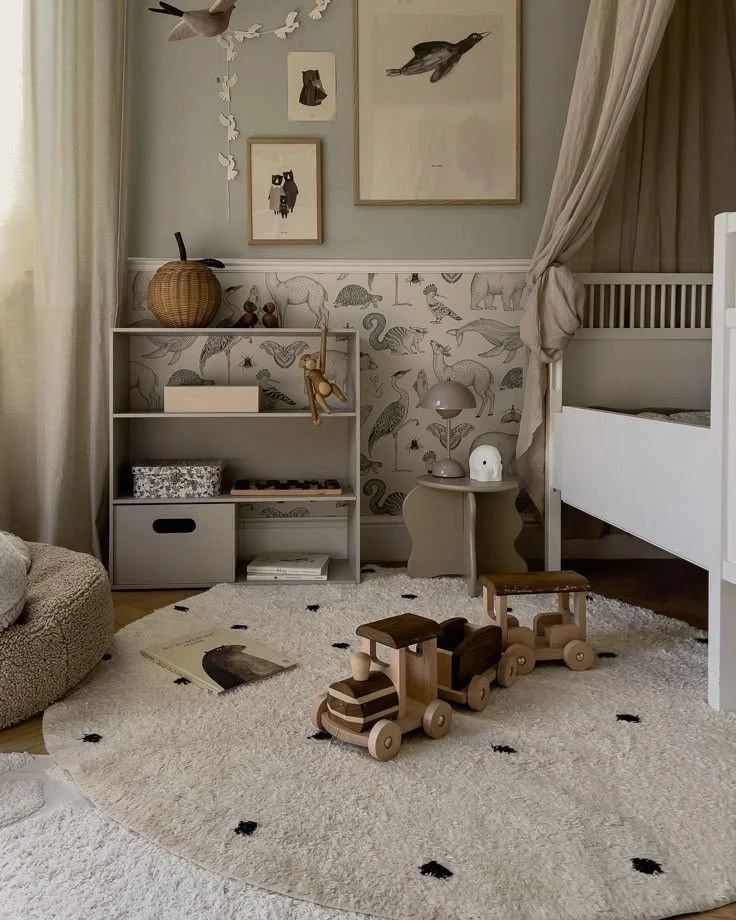
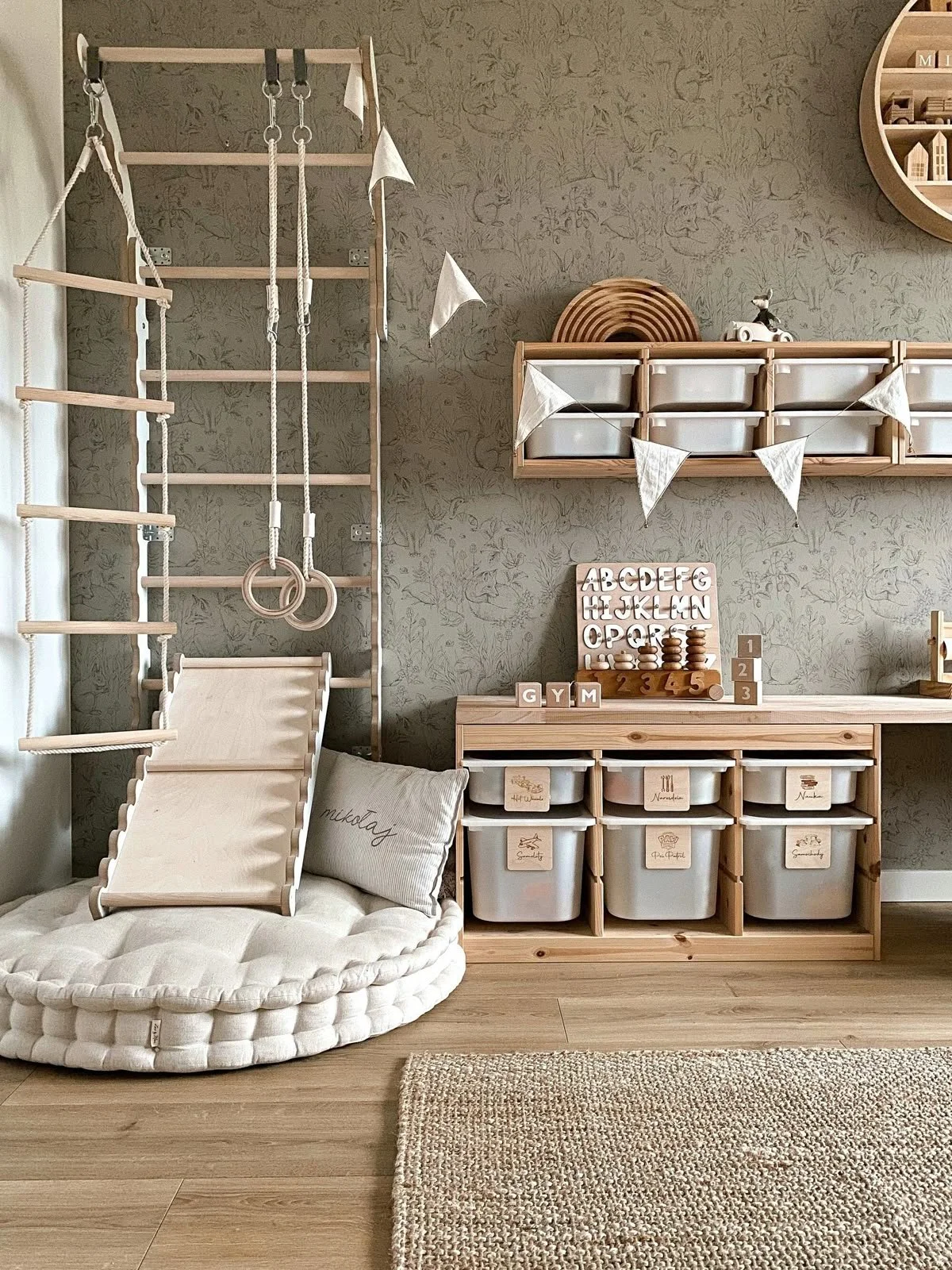
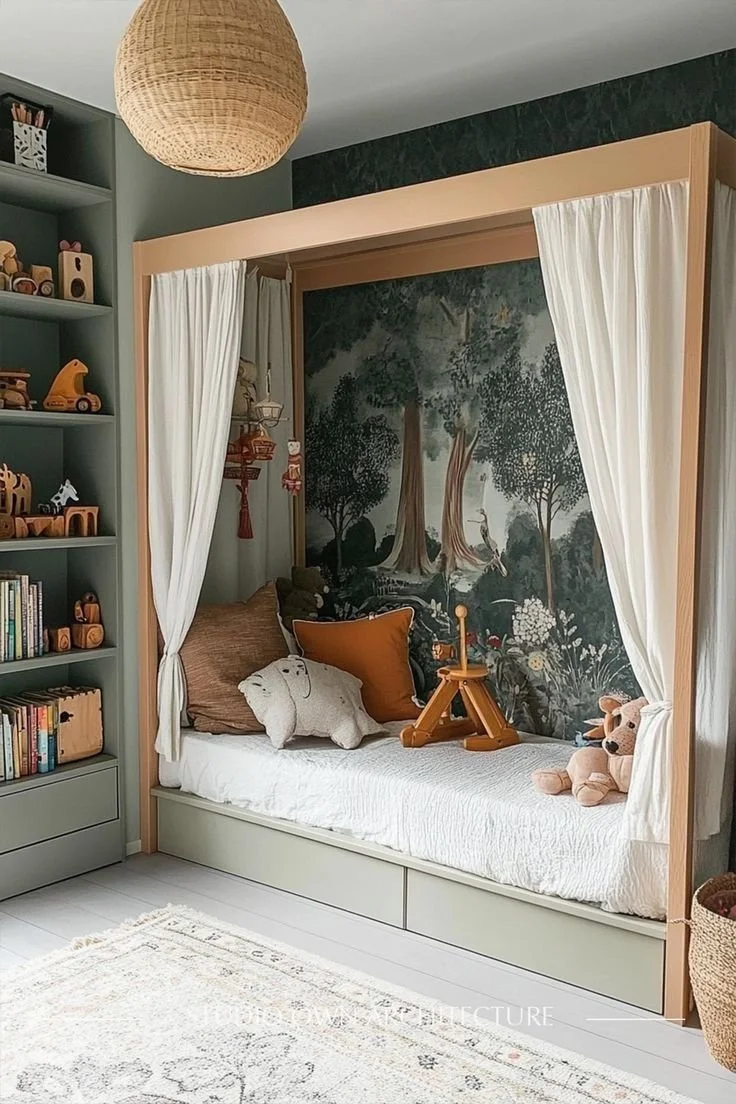
Kids’ spaces hold the most joy and the most chaos.
Their rooms collect clothes, books, toys, art supplies, half-built creations, tiny treasures from outside, and anything else they decide must live with them forever.
Day 6 brings structure back without fighting childhood itself.
It’s a reset that teaches responsibility, keeps clutter under control, and makes the room usable again — for both play and sleep.
1. Floor First: Clear, Quick, Achievable
Not perfection. Not empty. Just usable.
pick up toys
collect books
gather clothes
return items that belong elsewhere
Give the rug a quick vacuum, fold it, shake it out outdoors if possible, and leave it to air while you reset the room.
vacuum thoroughly, mop
A clear floor changes the whole atmosphere.
2. The Bed Reset (Simple & Weekly)
Kids’ beds collect everything — even when no one sleeps in them.
In co-sleeping homes especially, the unused beds often become a holding zone: clean-but-not-folded laundry, toys the kids “just put here for a second,” half-finished art, clothes that need sorting, and anything you didn’t have hands to carry downstairs.
Day 6 is the day to clear it:
remove clothes that need folding or putting away
relocate toys, craft items and all other random items
shake blankets and pillows
wipe the headboard or frame
return stuffed animals to their spot
Leave the bed empty, even if it won’t be slept in. A clean bed anchors the room.
3. One Weekly Deep Task
This keeps the room from ever becoming overwhelming.
Pick a couple, depending on time and needs:
wipe shelves
wipe toy bins inside and out
dust dresser + lamps
clean windows (fingerprints are endless)
wipe baseboards
wipe closet doors and mirrors
wash stuffed animals (gentle cycle)
rotate books
declutter one space, one drawer
One task at a time. That’s it.
4. The Toy Reset (Your Sanity Saver)
This is the heart of Day 6.
Choose one —or more if needed— each week:
rotate toys (put some away, bring others out)
declutter broken or unused toys
organize legos, blocks, trains, small toys
wipe the craft drawer/cart
sort puzzles + games
toss dried markers + broken crayons
Rotations keep the space fresh and stop overstimulation.
5. Clothing Reset (Kids Outgrow Everything Weekly)
Pick one:
remove what’s too small
reorganize the everyday drawer
match socks
tidy pajamas + underwear
make a list of what they need next
pull out seasonal clothes needed soon
This keeps morning dressing simple.
6. Memory + Treasure Check
Kids hoard little treasures — feathers, rocks, sticks, bottle caps, wrappers, drawings.
Do a quick check:
keep what matters (together)
throw away the rest
store treasures in a small basket or box
It respects their world but keeps the room livable.
7. Kids’ Involvement (Realistic Tasks)
putting books on shelves
carrying laundry
folding pajamas
choosing toys to keep out this week
wiping low shelves
putting stuffed animals away
tidying their art supplies
This teaches responsibility, not overwhelm.
Why Day 6 Works
Kids’ spaces won’t stay perfect — they’re supposed to be lived in.
But a weekly reset keeps them from spiraling into overwhelm or clutter piles bigger than the child.
A clear floor, a tidy bed, a fresh rotation of toys, and drawers that make sense change the whole home.
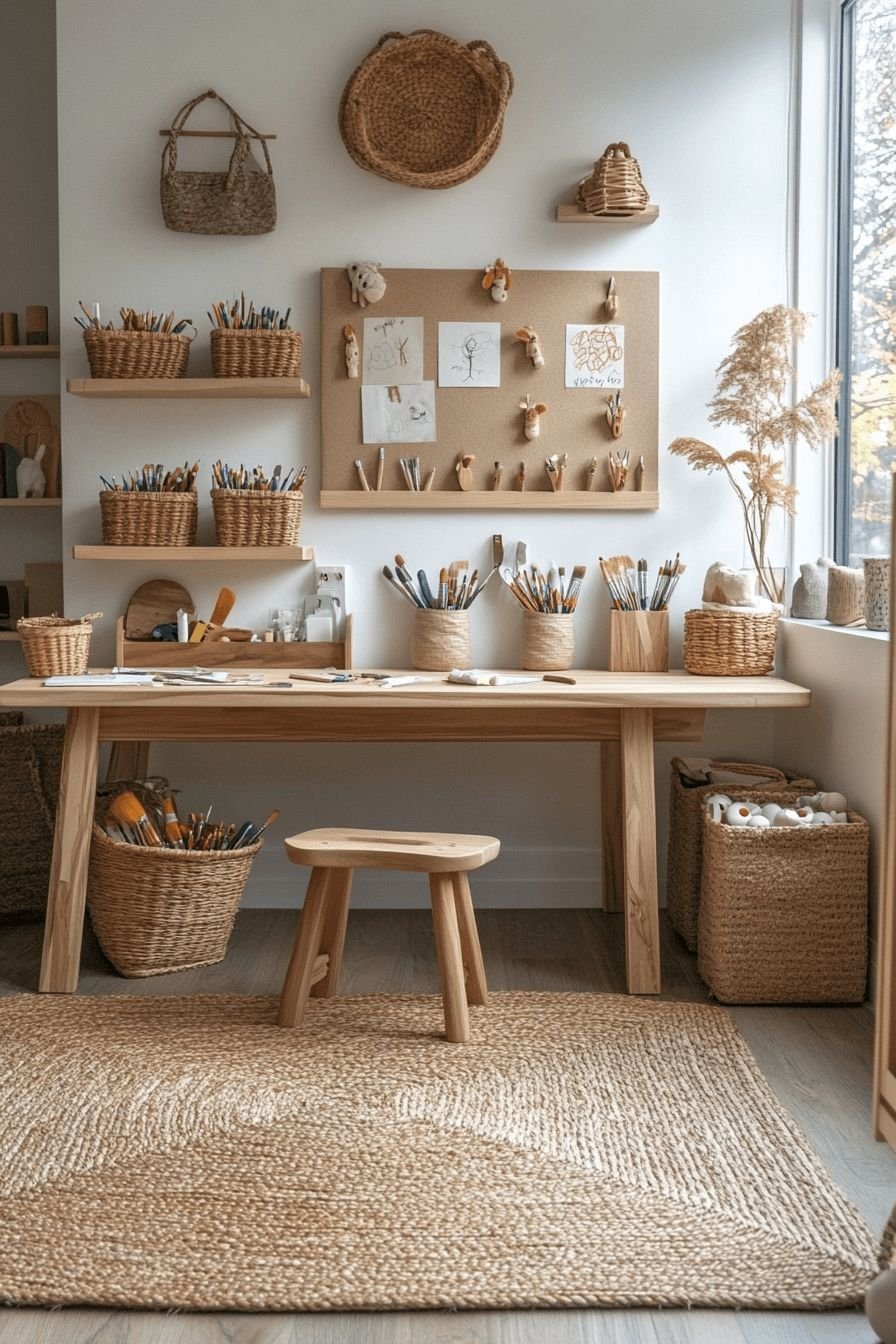
Photos: Found via Pinterest, sources on clickthrough; we always aim to credit photos; if one needs crediting or removal, please contact us with the source.
DAY 7 — Sabbath + House-wide Gentle Reset
Church, Rest, Gratitude, and a Home That Breathes With You
By Day 7, the home has already been tended room by room.
Sunday isn’t for catching up, fixing the week, or squeezing in one more task.
It’s the day the Lord set apart — a day to rest, worship, gather, and remember the blessings He’s placed in our hands.
A clean home is a gift, but rest is obedience.
And the peace of this day steadies the entire week ahead.
This day has its own rhythm — slower, softer, centered on Him.
1. The Sunday Atmosphere (Your Home in Rest Mode)
The goal of this day is not progress but peace.
Your Sunday may look like:
church
slow meals
children drawing or building quietly
a walk or drive
reading
naps
time together without pressure
No big cleaning.
No deep tasks.
Just the kind of stillness that reminds the heart who is in charge.
2. A Moment of Gratitude + Reset of Heart
Sunday isn’t just a pause in routine — it’s a reminder:
that God sustains the home
that rest is not laziness
that caring for family is holy
that slowing down is part of His design
that gratitude transforms the atmosphere
You poured out all week.
Today is when He pours back into you.
3. Optional Meal Prep for the Week
Not work. Not a project.
Just a simple way to bless your week ahead without breaking the peace of the Sabbath.
washing fruit for easy grabbing
chopping and freezing a few vegetables for soups or stir-fries
marinating meat for an early-week dinner
soaking beans or lentils
baking a loaf of bread or a batch of muffins for breakfasts
making a pot of broth while you’re home anyway
boiling eggs for quick protein
preparing one family meal that will stretch over two days
Nothing timed or scheduled.
Just small acts that turn the coming week from heavy to manageable.
This kind of prep isn’t striving — it’s stewardship.
A way of saying:
Lord, thank You for this home, this food, this family. Help me begin the week with peace.
Why Day 7 Matters
Because homemaking is a ministry — and ministry requires rest.
Sunday reminds us that the home doesn’t run on our strength, but His.
This quiet day resets more than the house;
it resets the mother.








Photos: Found via Pinterest, sources on clickthrough; we always aim to credit photos; if one needs crediting or removal, please contact us with the source.
The beauty of this seven-day rhythm isn’t perfection — it’s peace.
A home tended little by little, a mother who doesn’t burn out, and a week shaped with intention rather than pressure.
Homemaking isn’t something we conquer.
It’s something we live — with our children beside us, and with God leading us one small task at a time.
If this guide speaks to you, share your thoughts or your own rhythms below. I read every comment, and I love learning from other mothers walking the same path.
Latest Of
Homemaking




Homemaking changes when your children are with you all day. This seven-day guide is a realistic guide for mothers who homeschool or stay home full-time — simple resets, deeper weekly tasks, and a Sabbath anchored in rest and gratitude. A way to care for the home without losing yourself or the peace God intends for your family.