
What Style Means to Me This Fall: Between Structure and Softness, Silk and Suede
My wardrobe, inevitably, starts to turn, the way a leaf twirls to the ground at the change of season, carrying both what has passed and what is still to come. Linen and lightness are folded away, making room for wool, suede, mohair, and cashmere that breathe with the damp, cooling air. In the closet, boots stand in rows, polished and waiting, coats stretch their sleeves after months of rest, and knits pile high like stacked firewood ready to warm the weeks ahead.
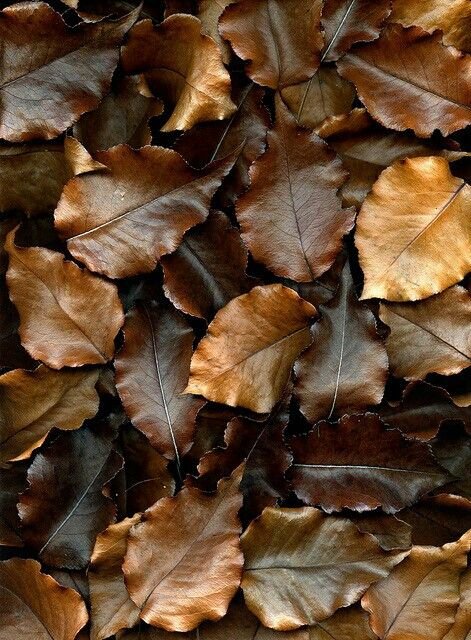
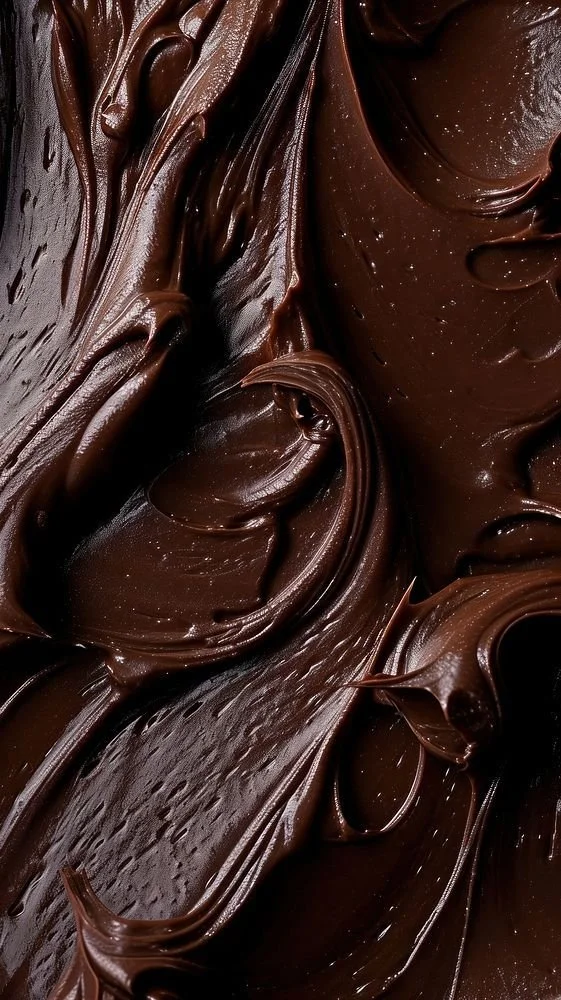
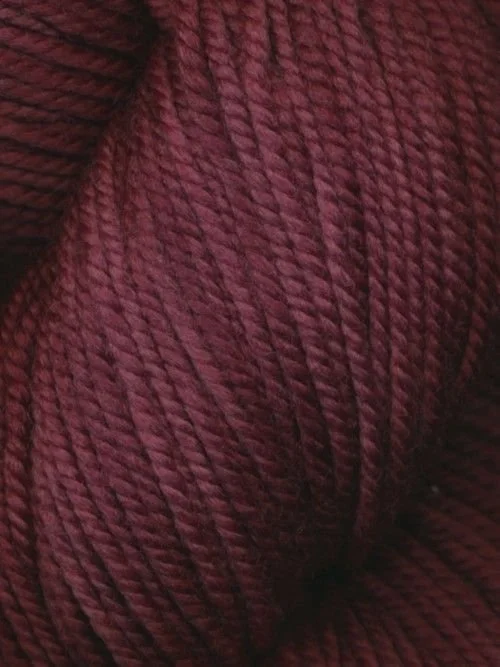
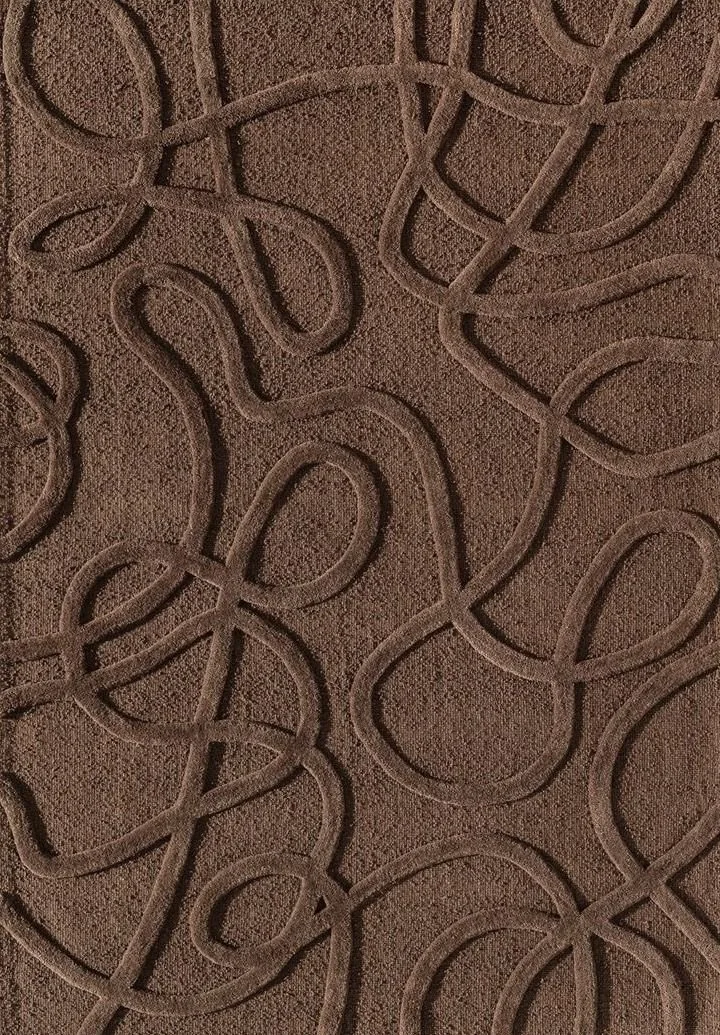
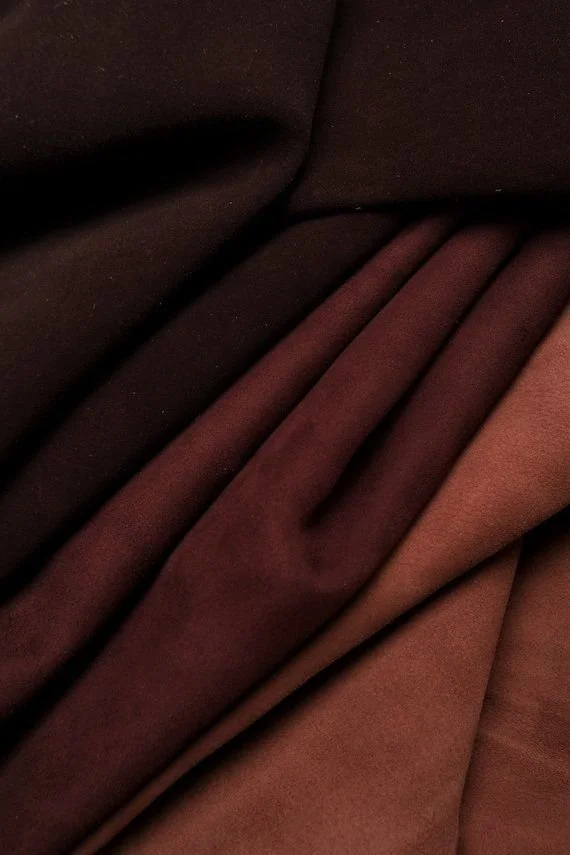
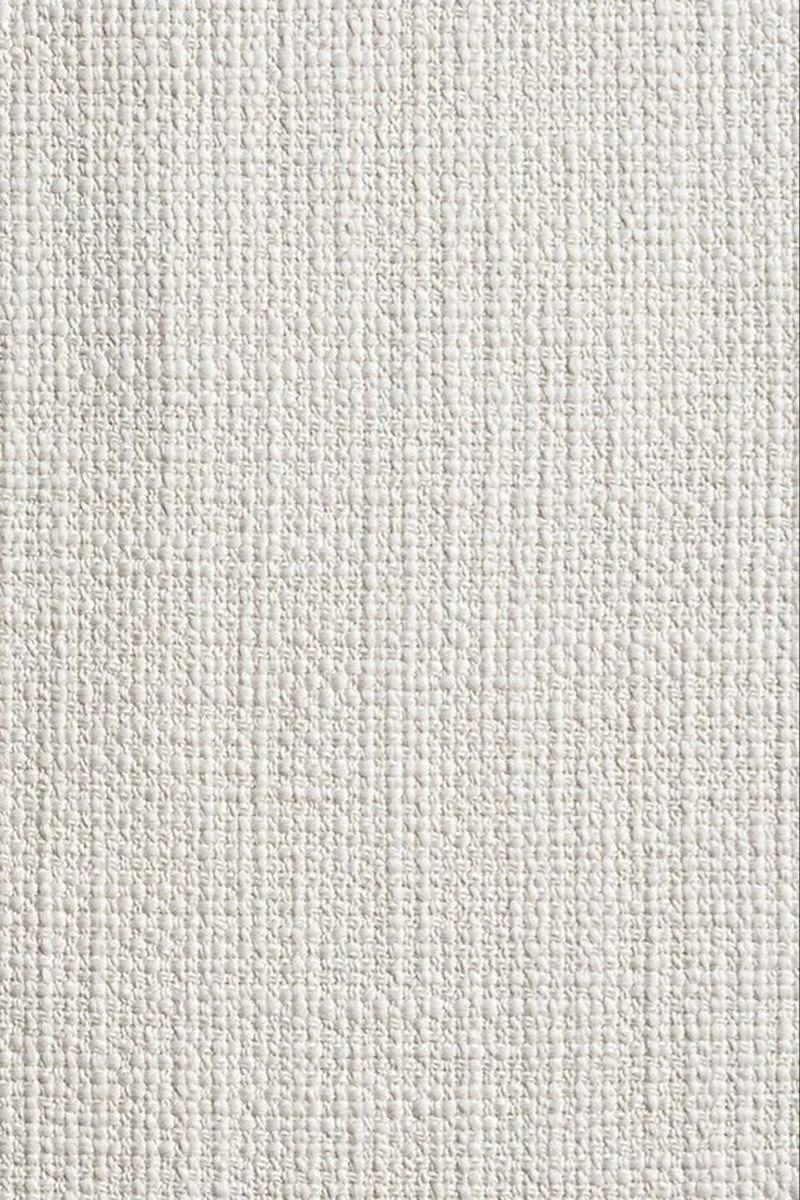
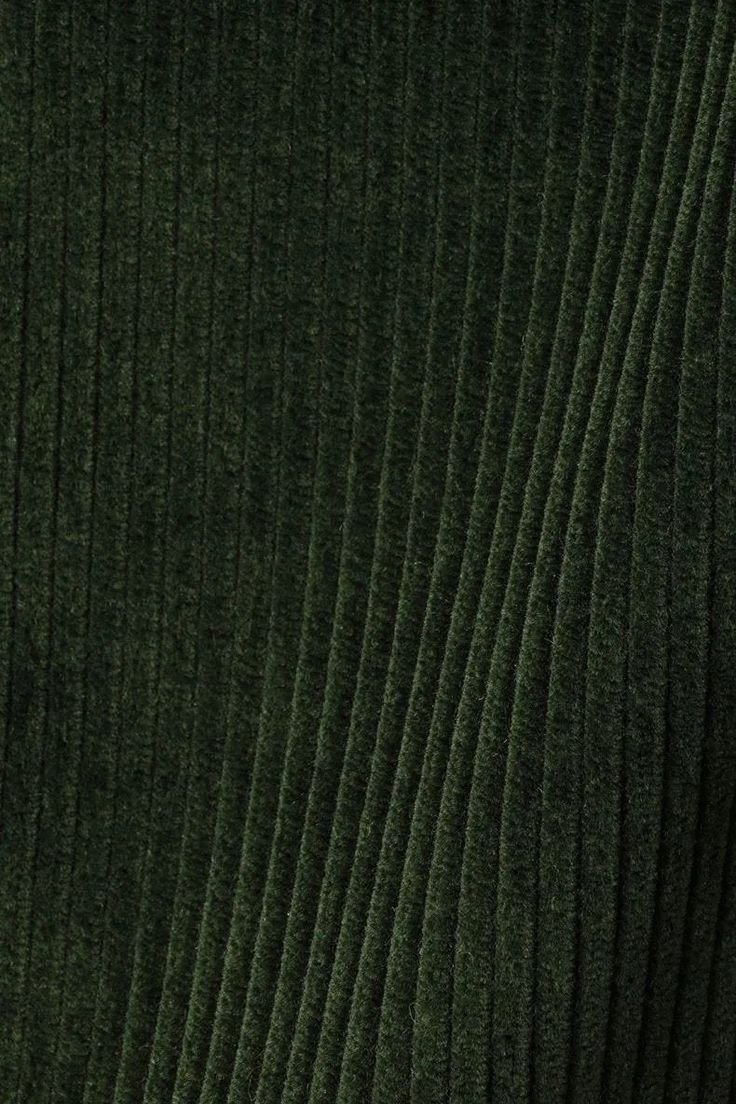
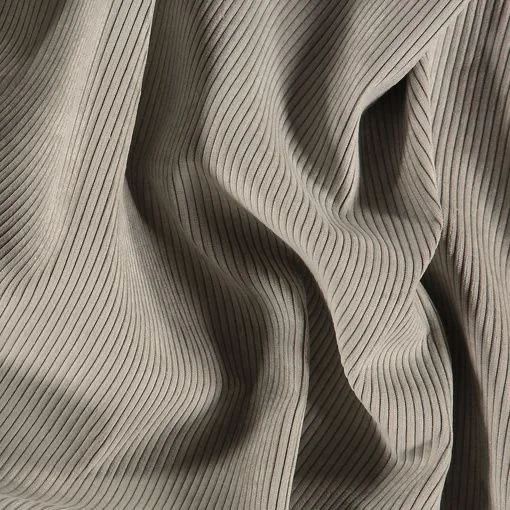
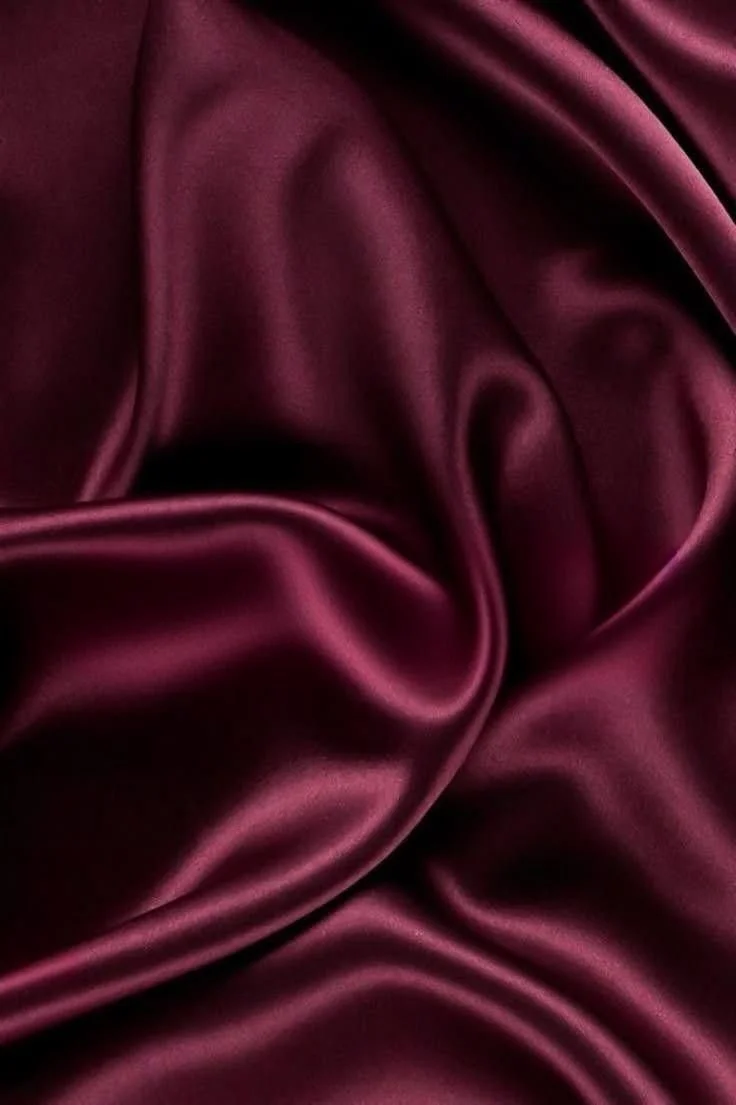
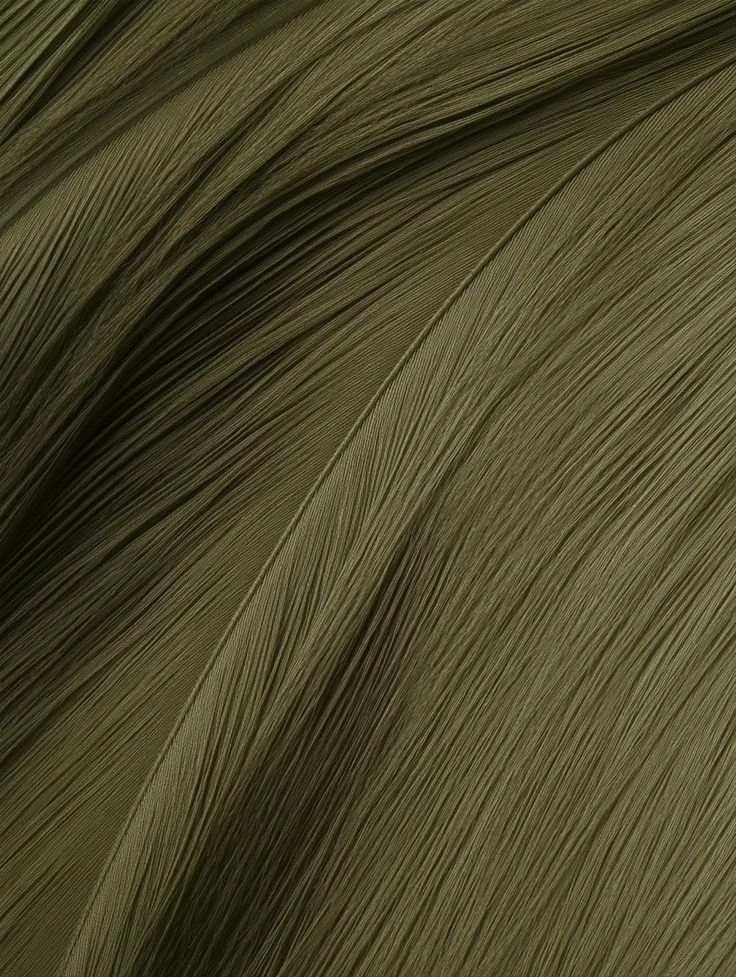
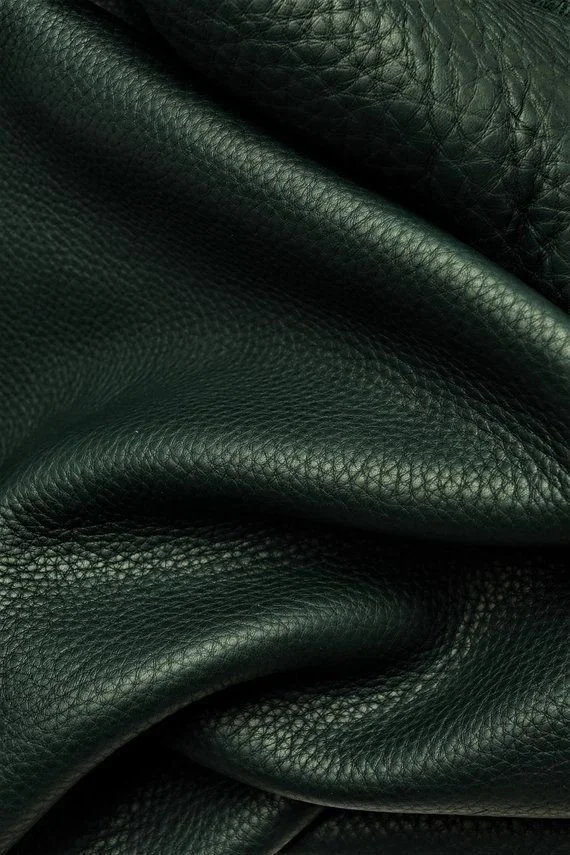
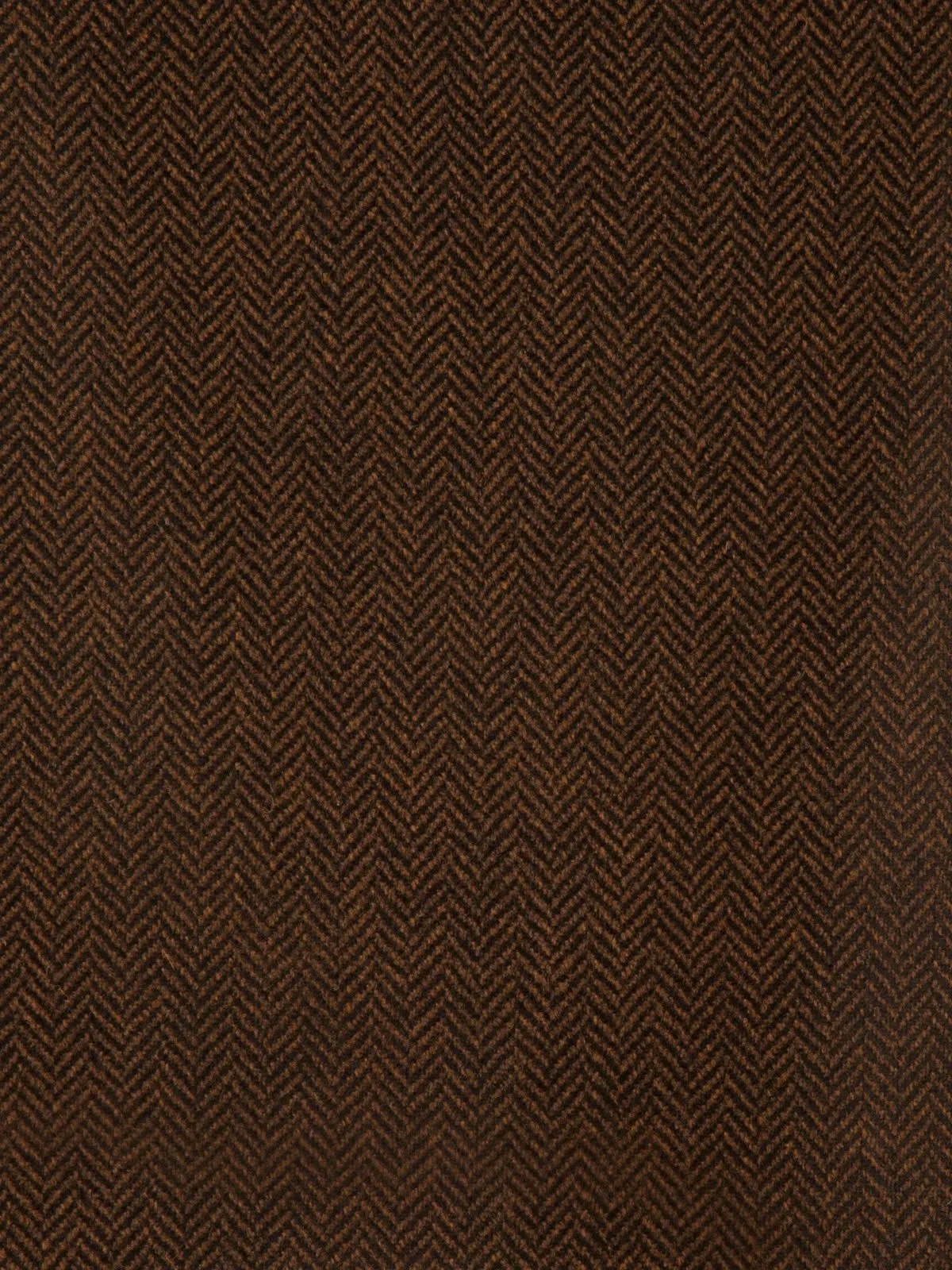
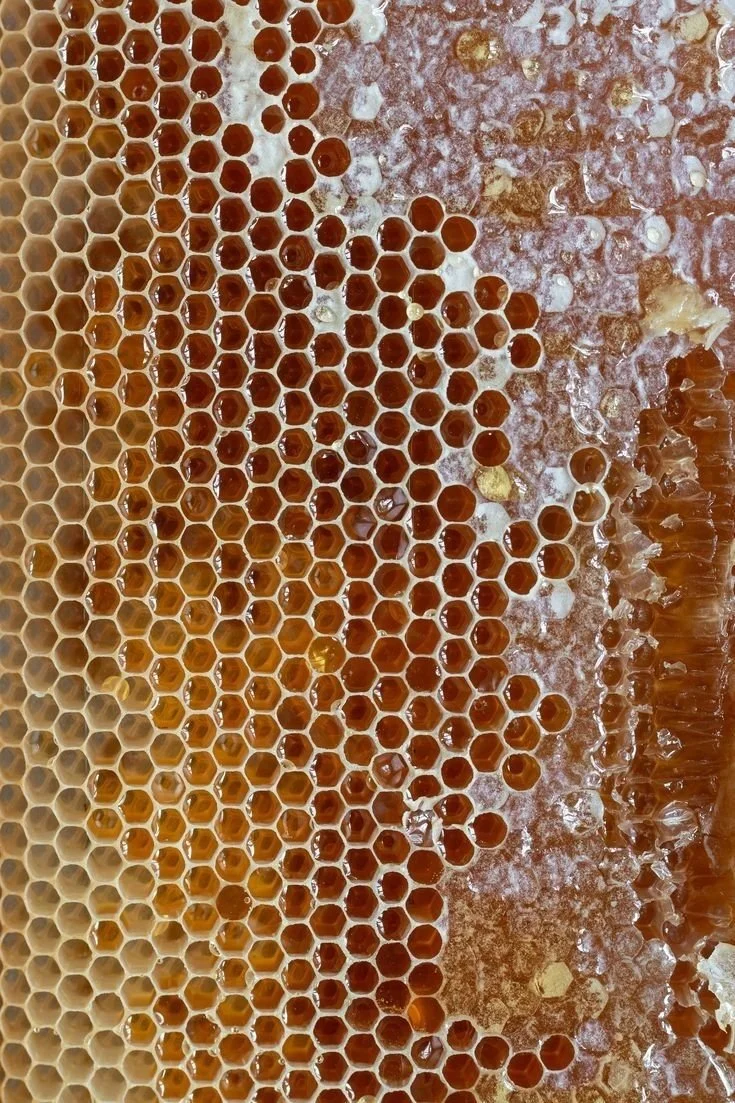
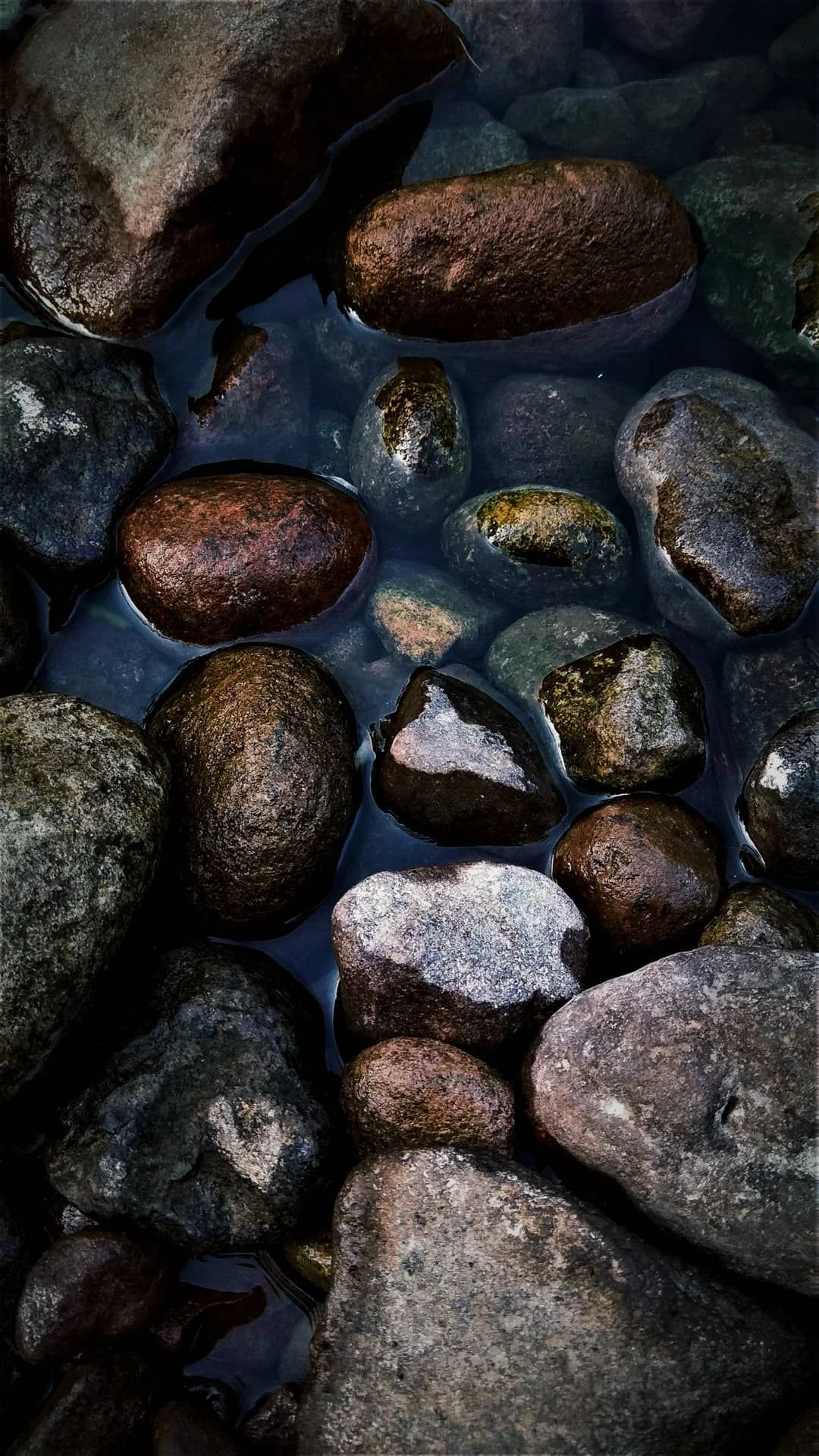
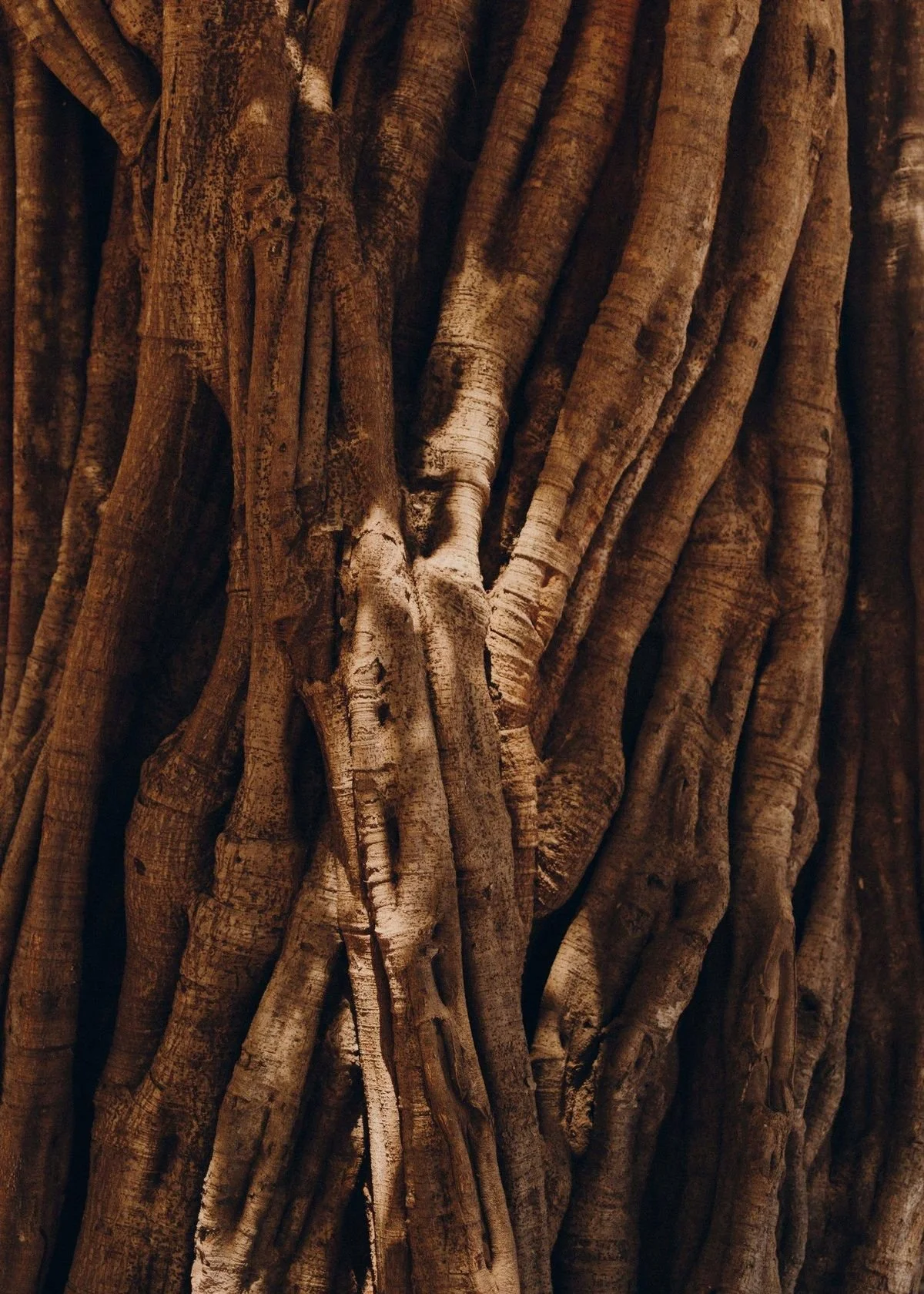
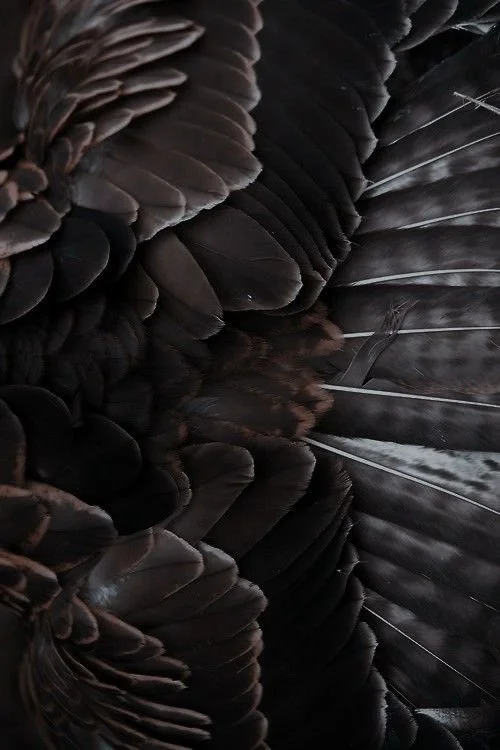
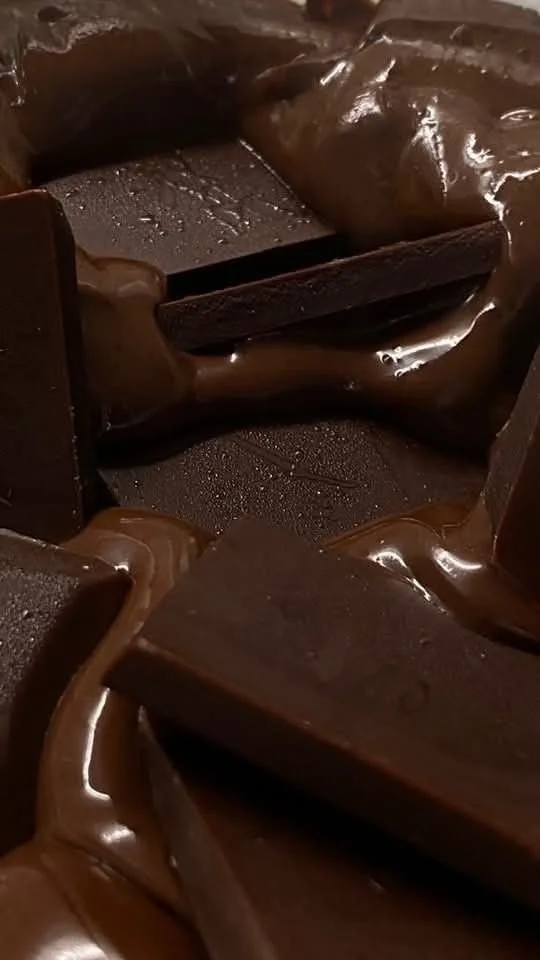
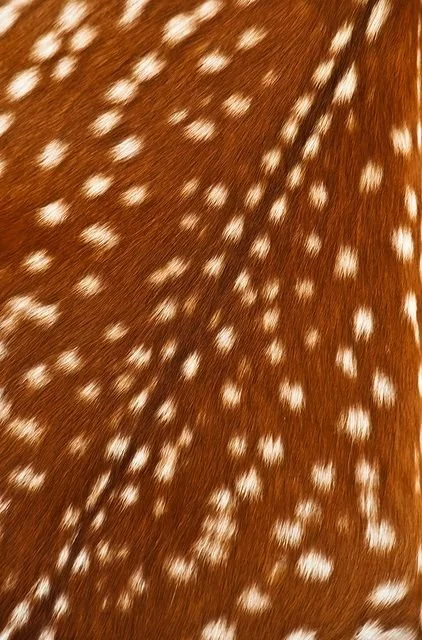
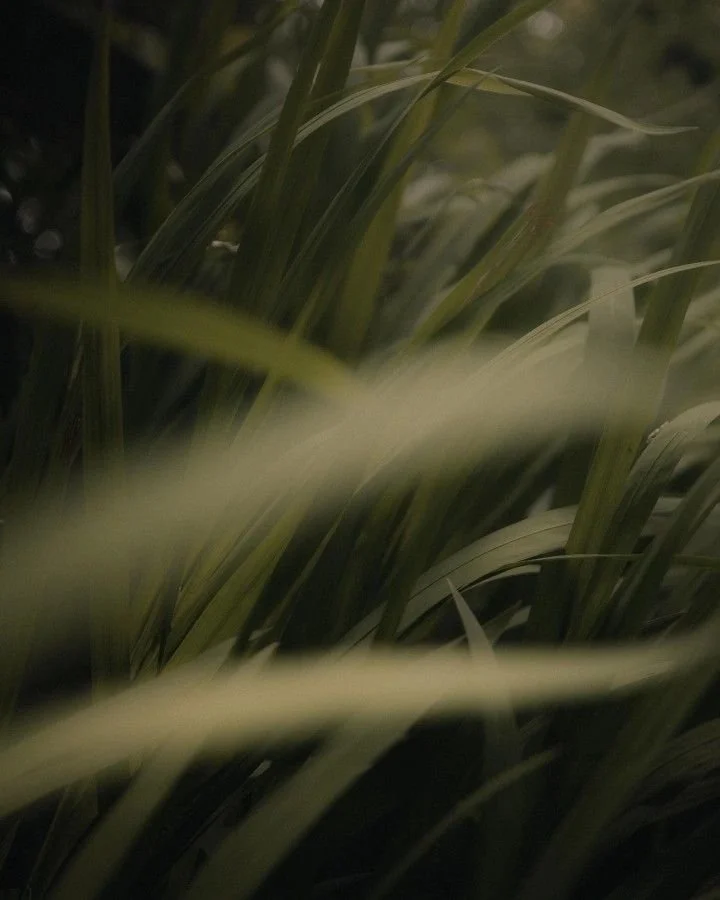
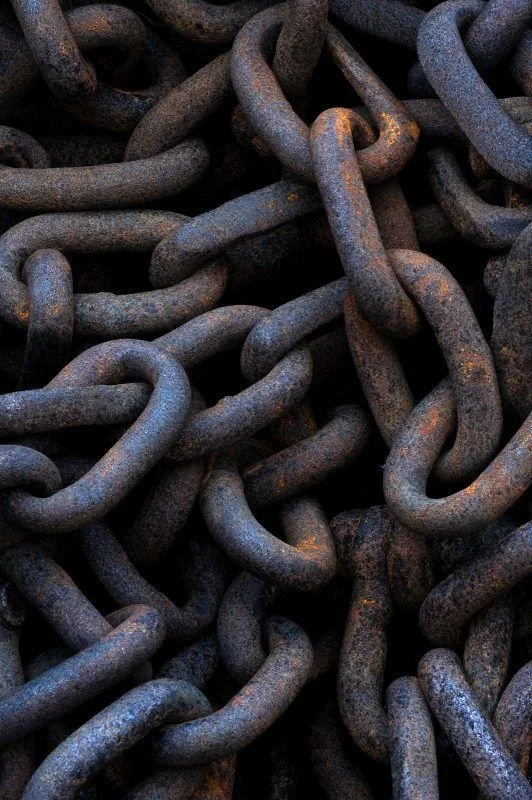
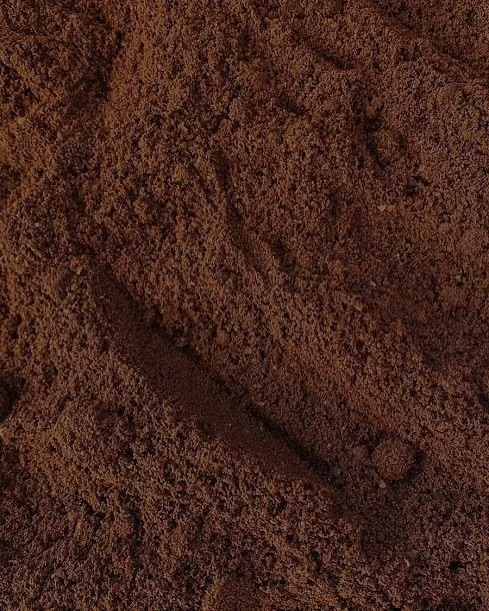
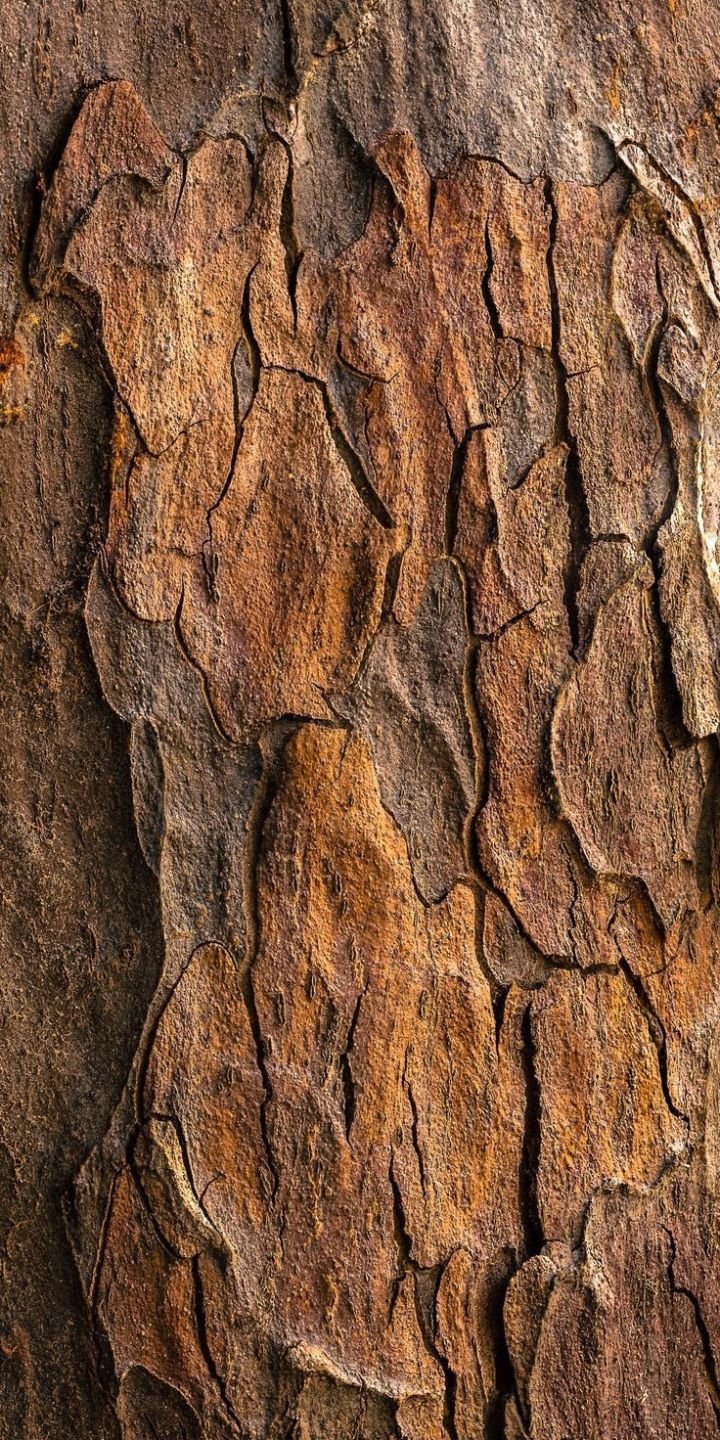
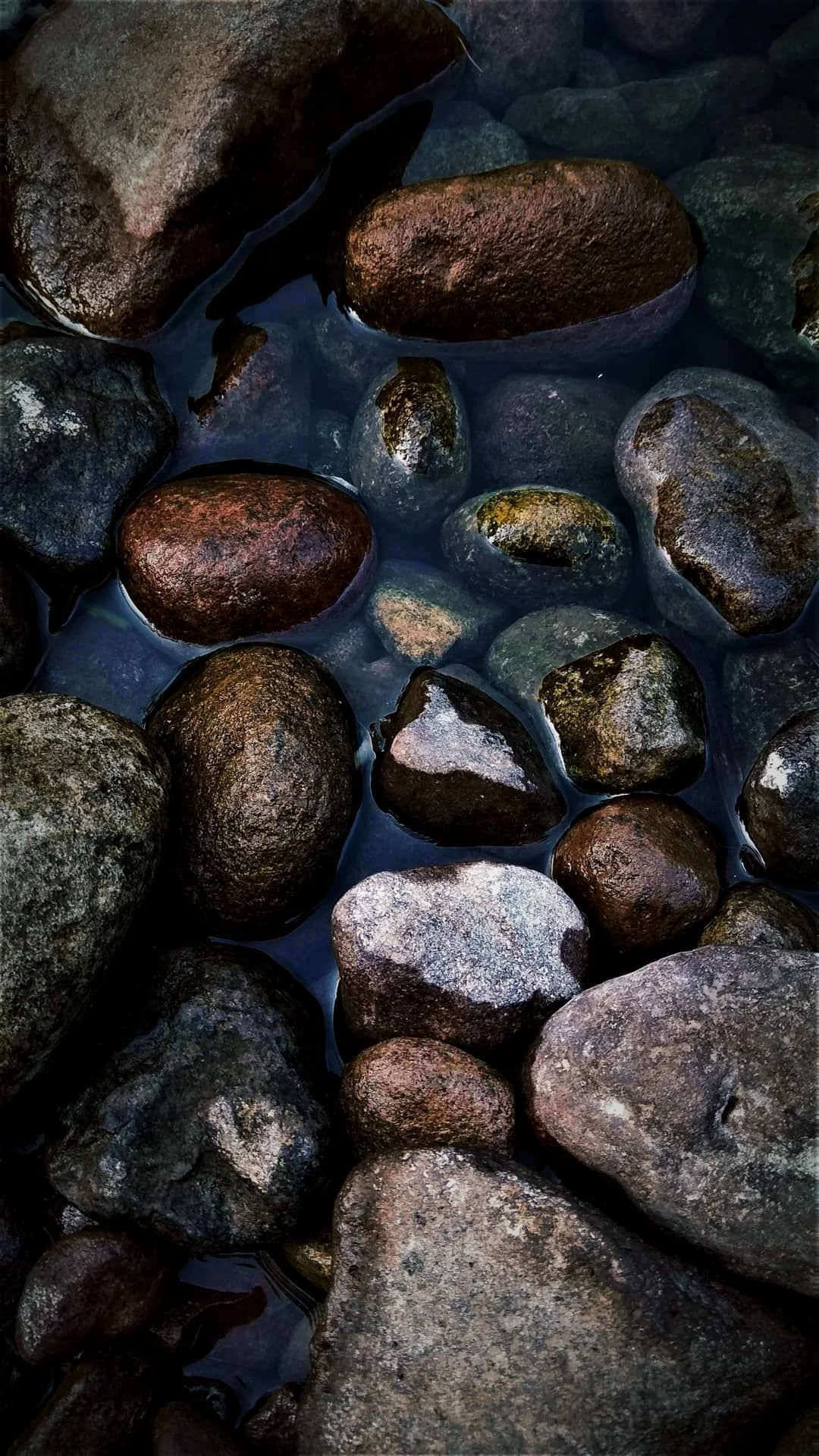
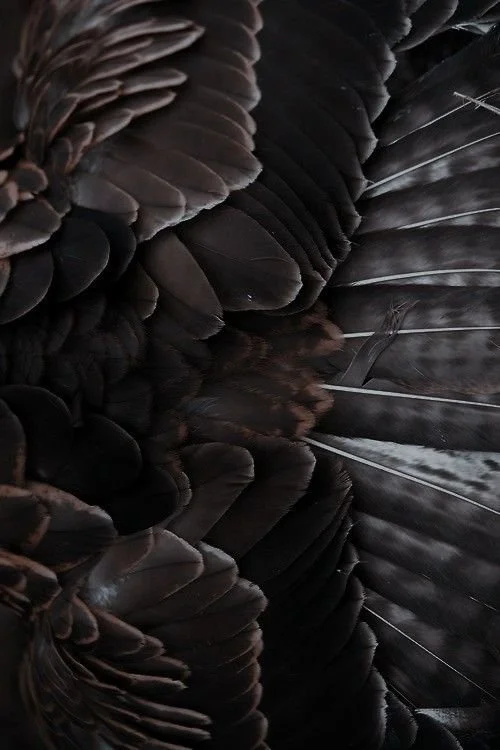
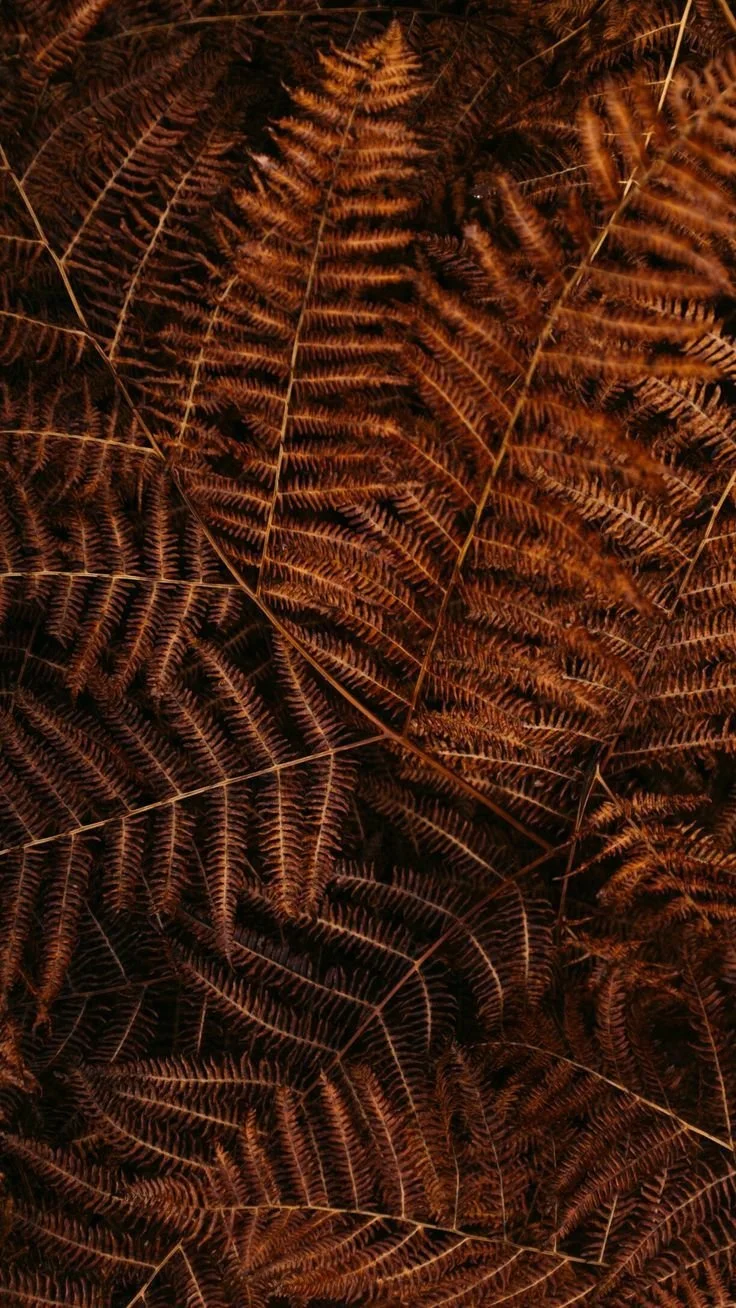
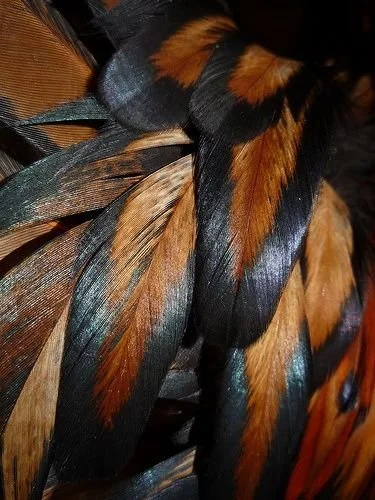
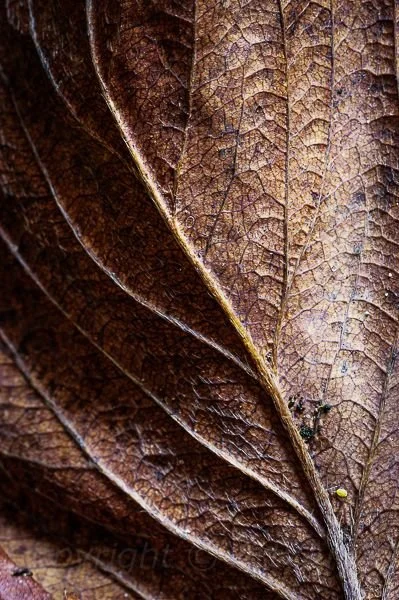
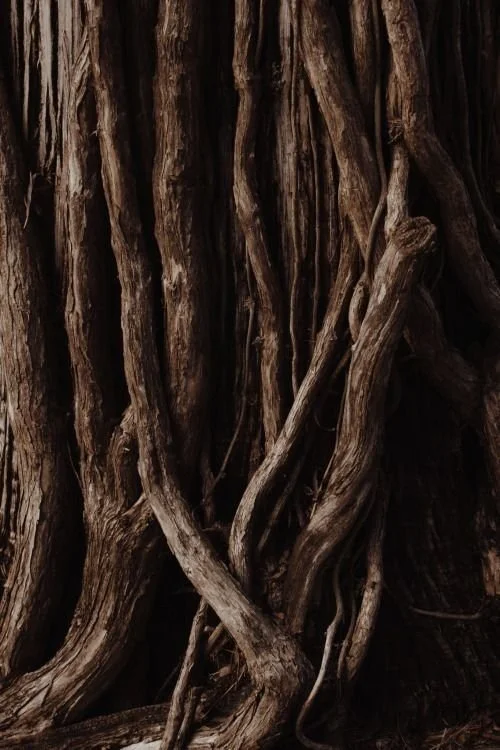
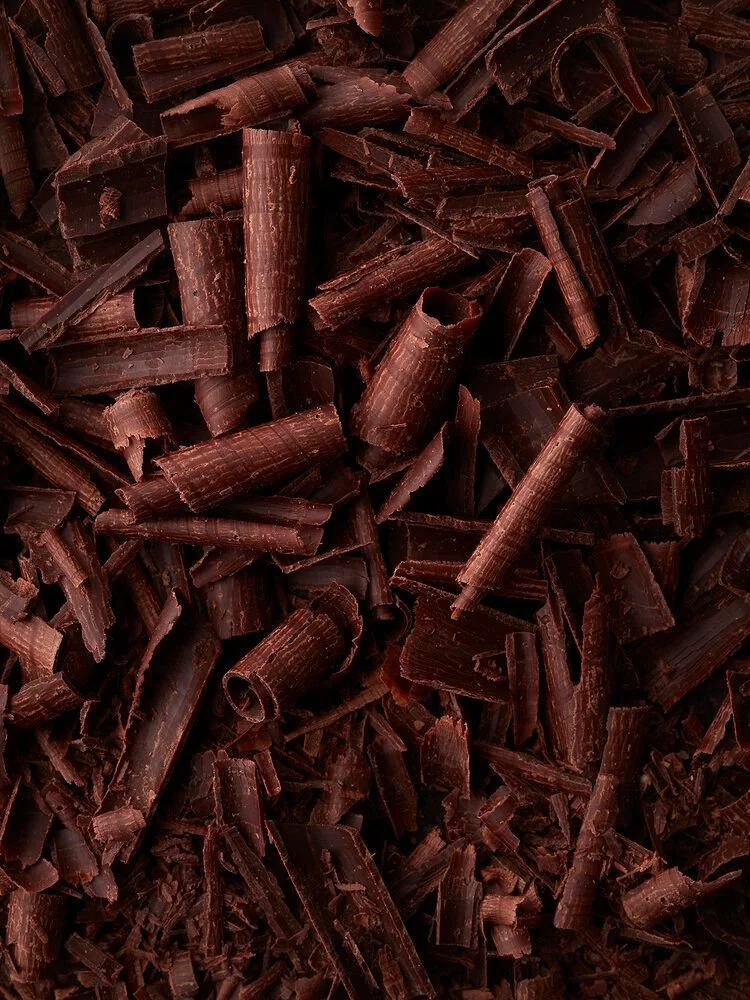
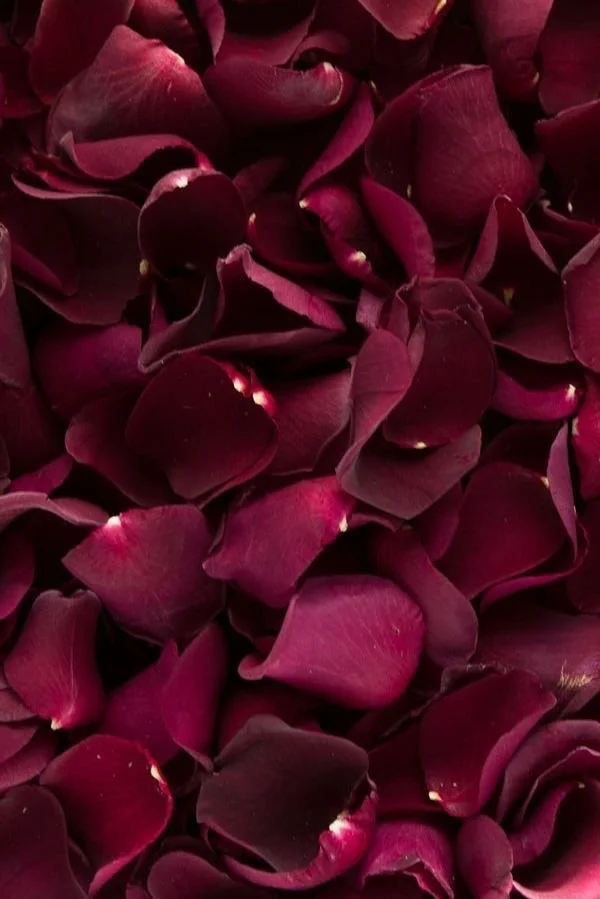
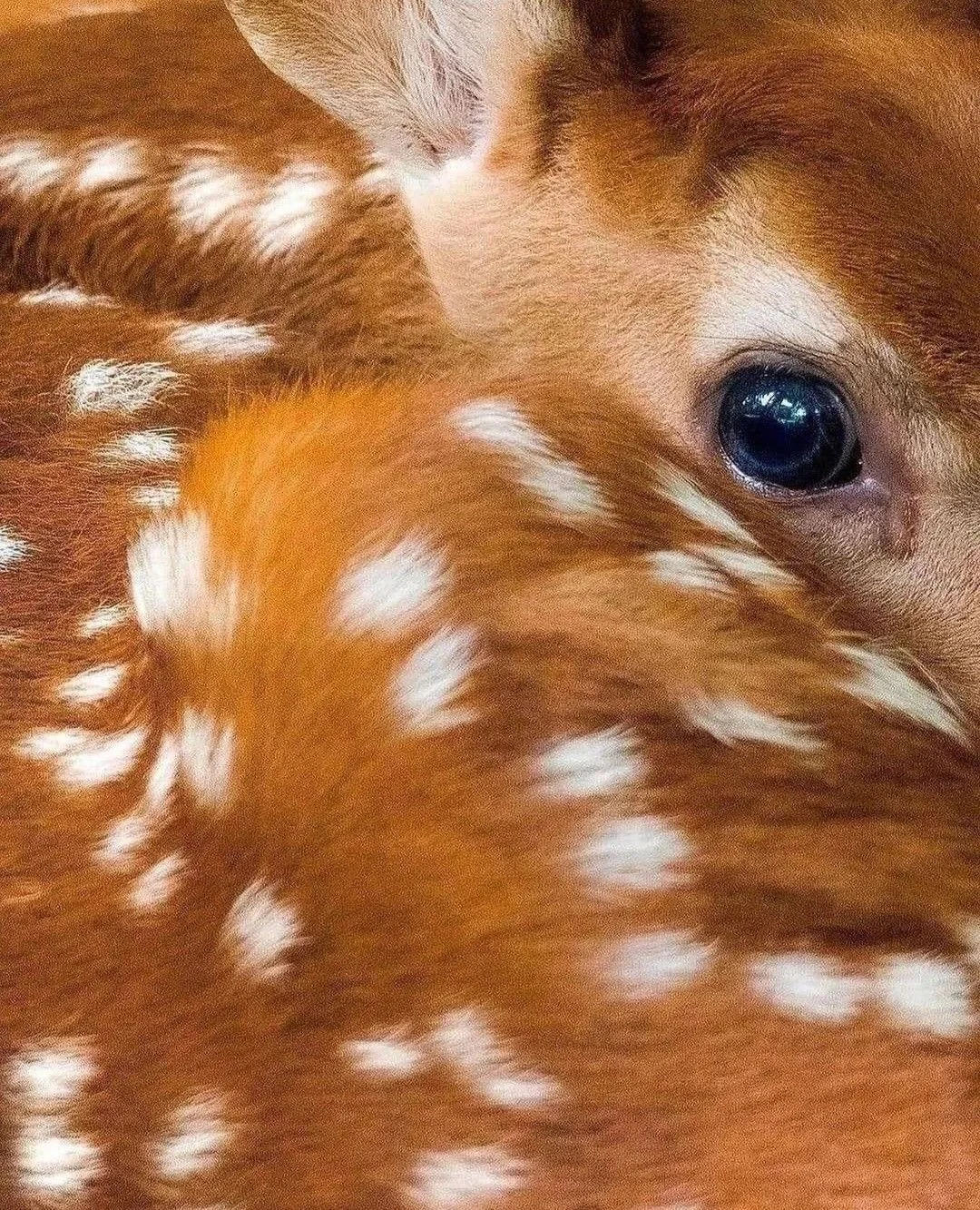
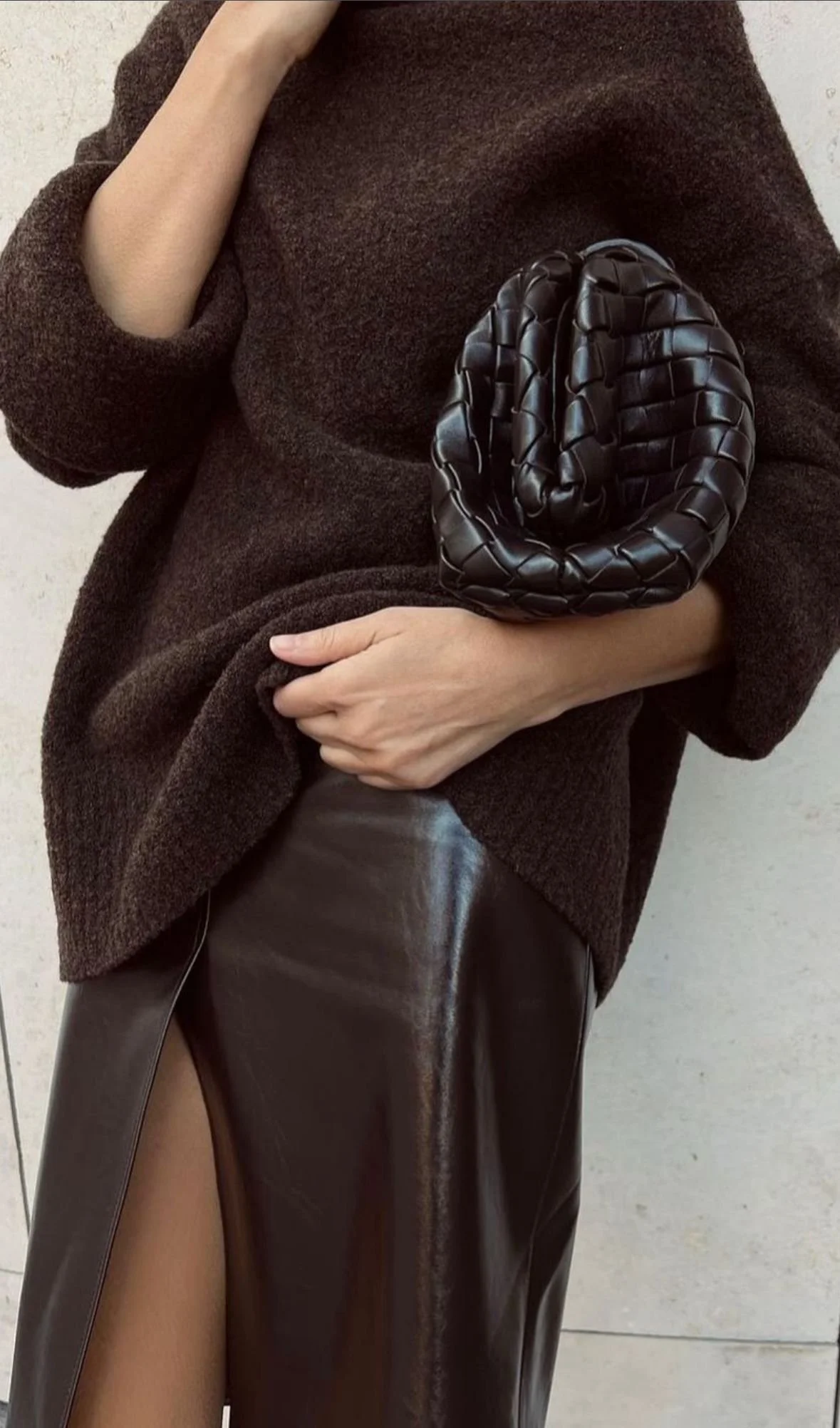
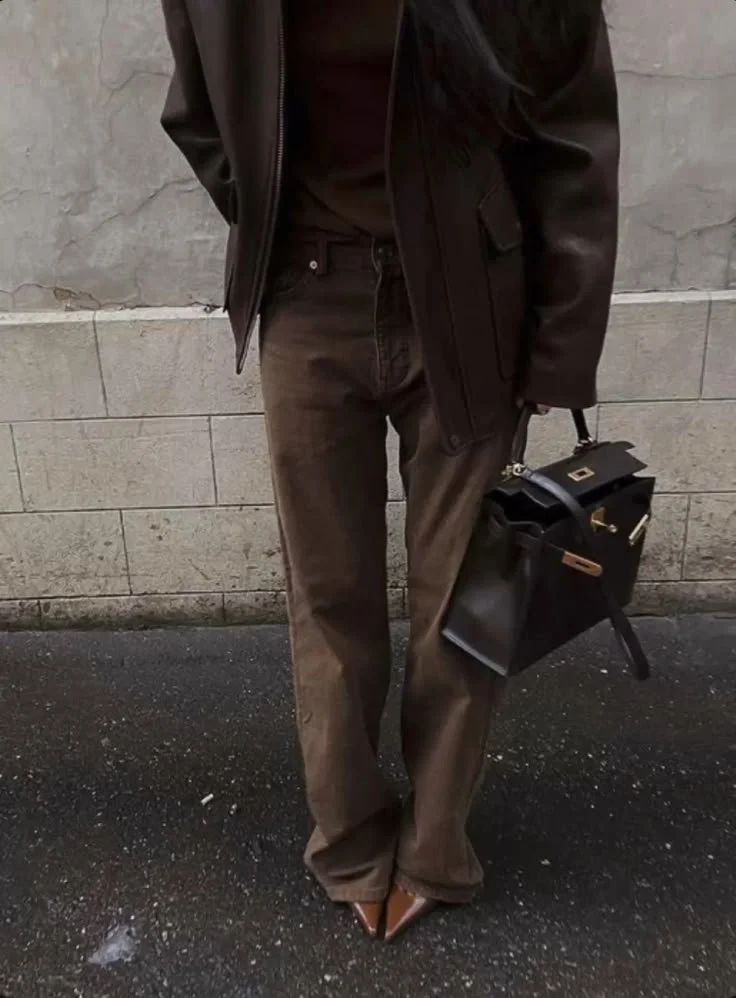
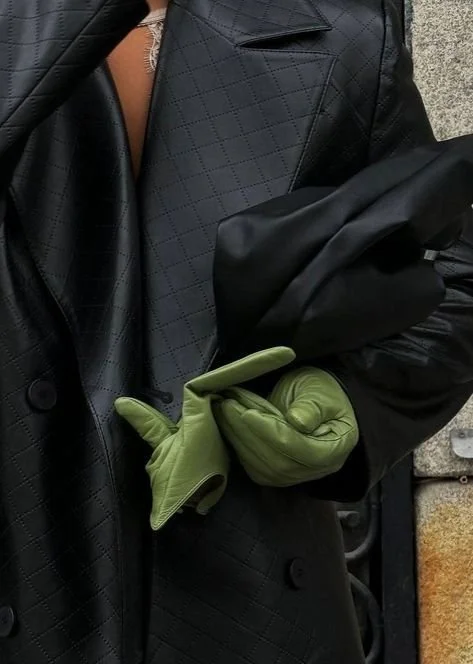
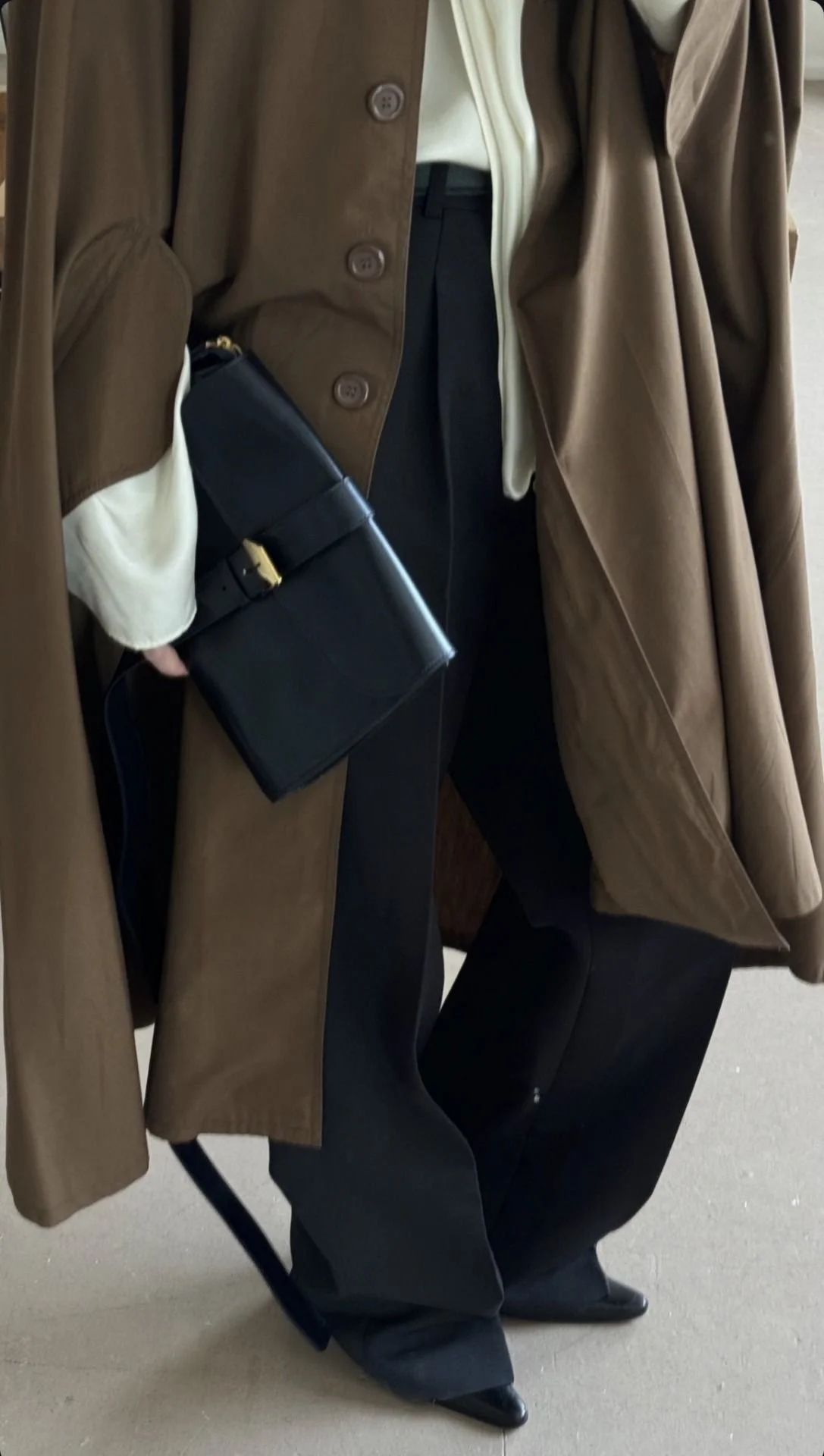
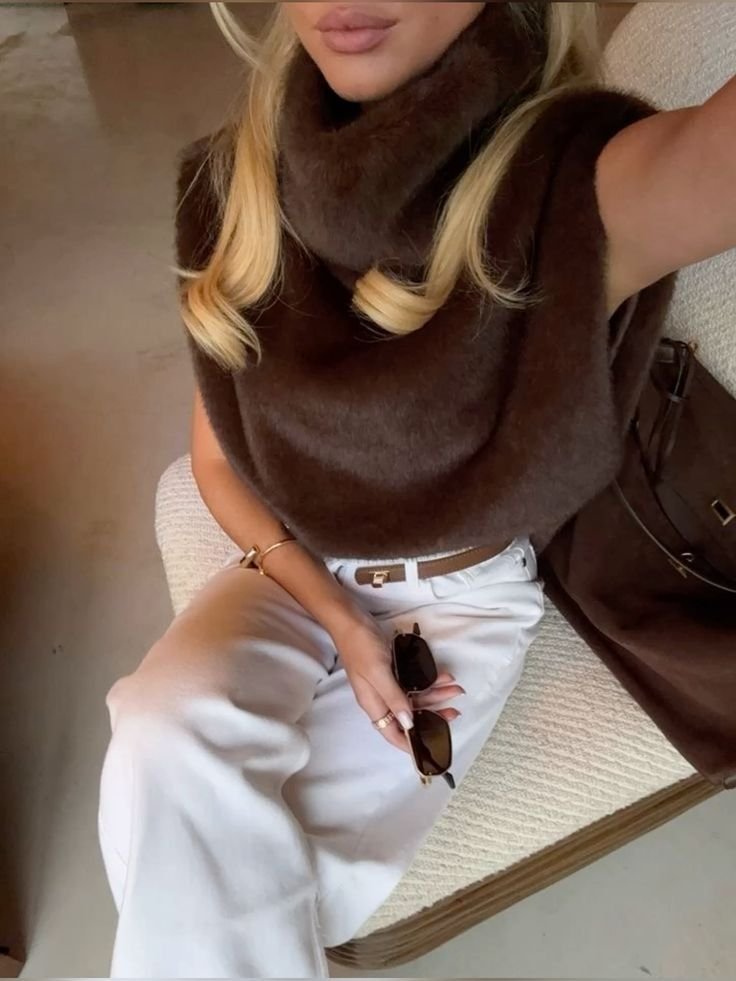
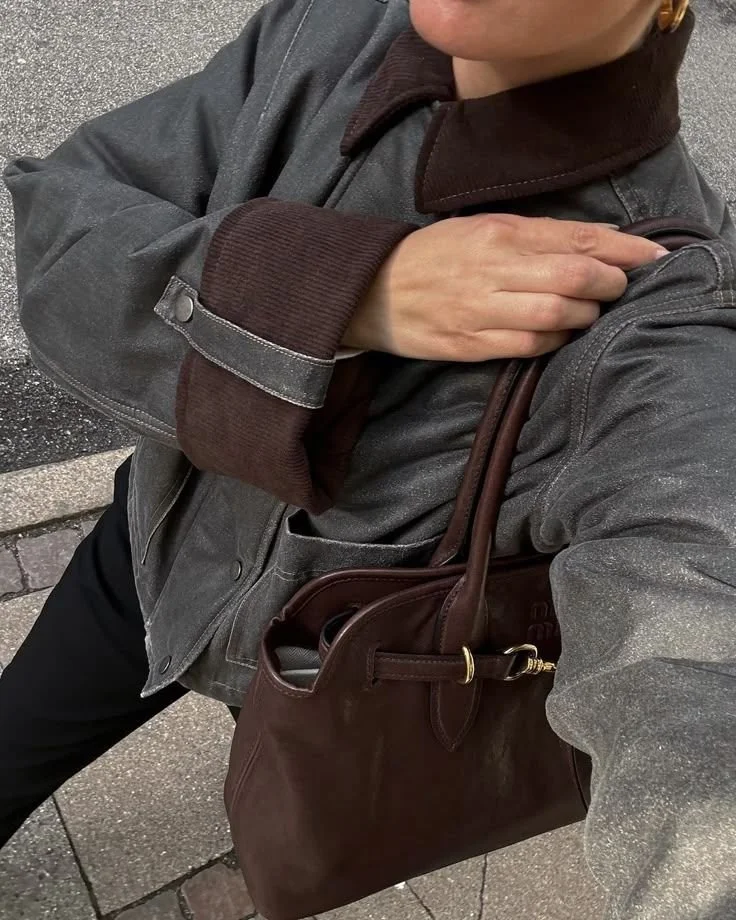
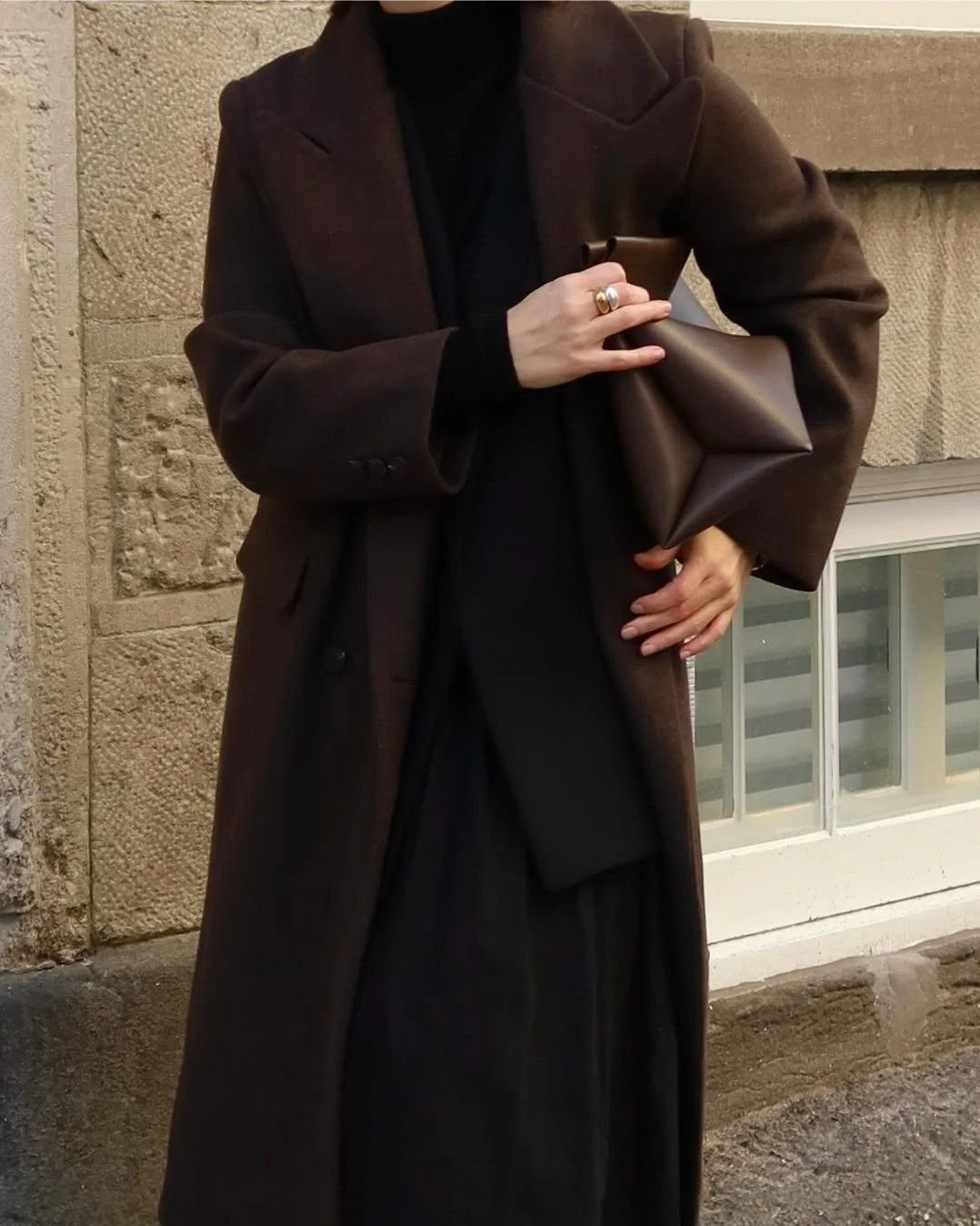
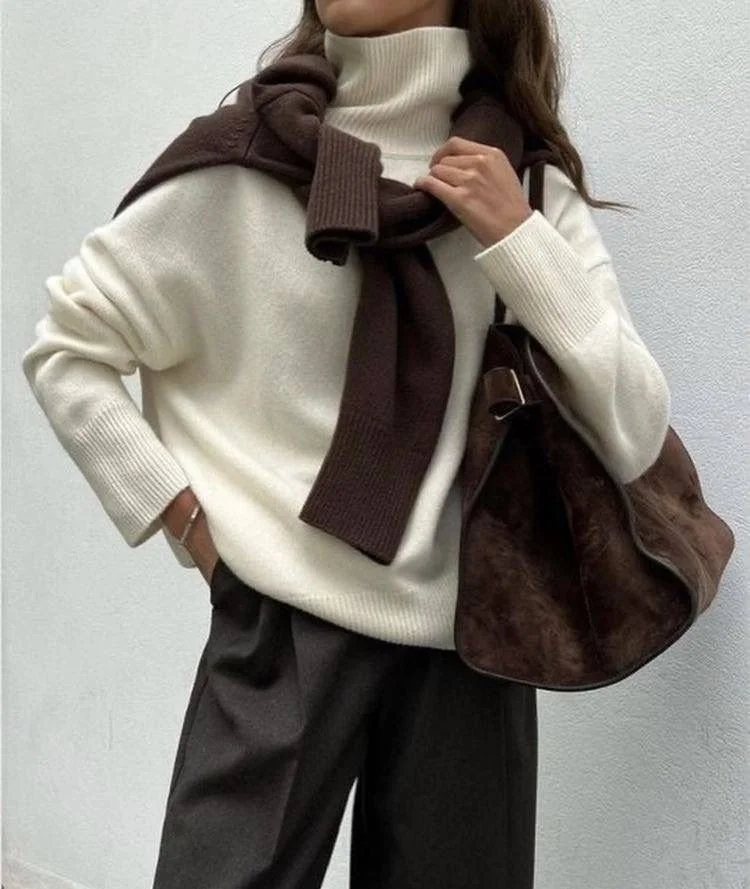
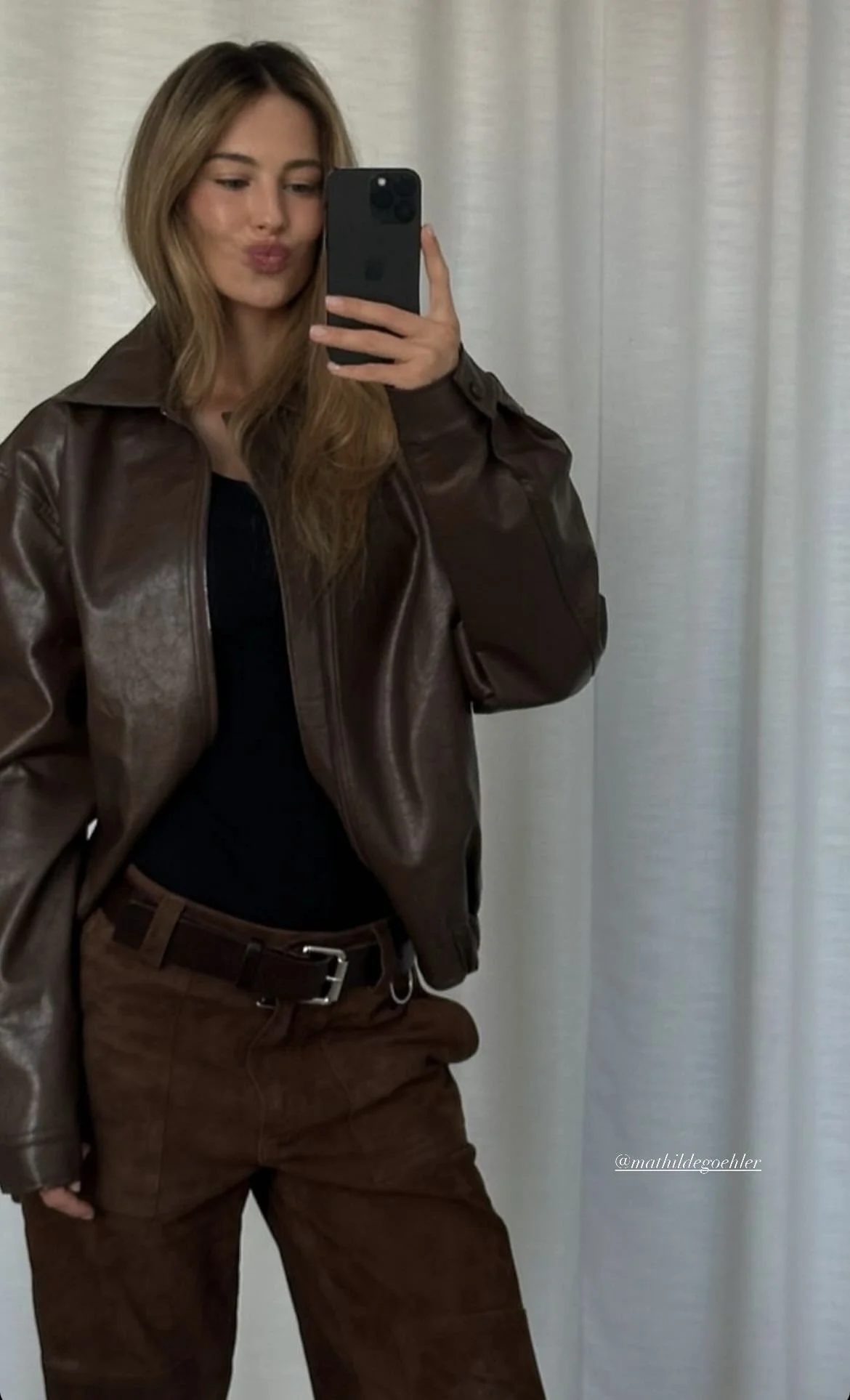
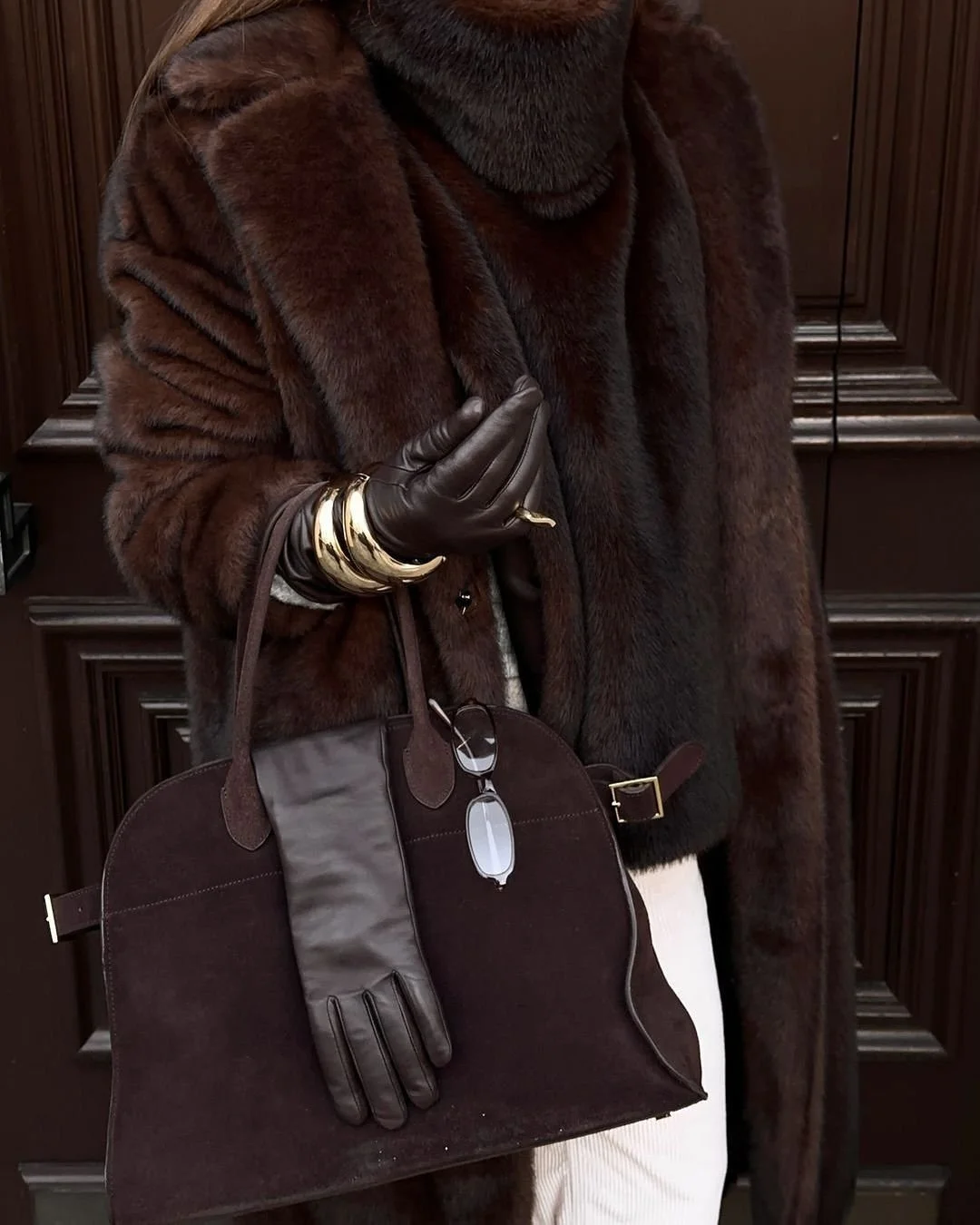
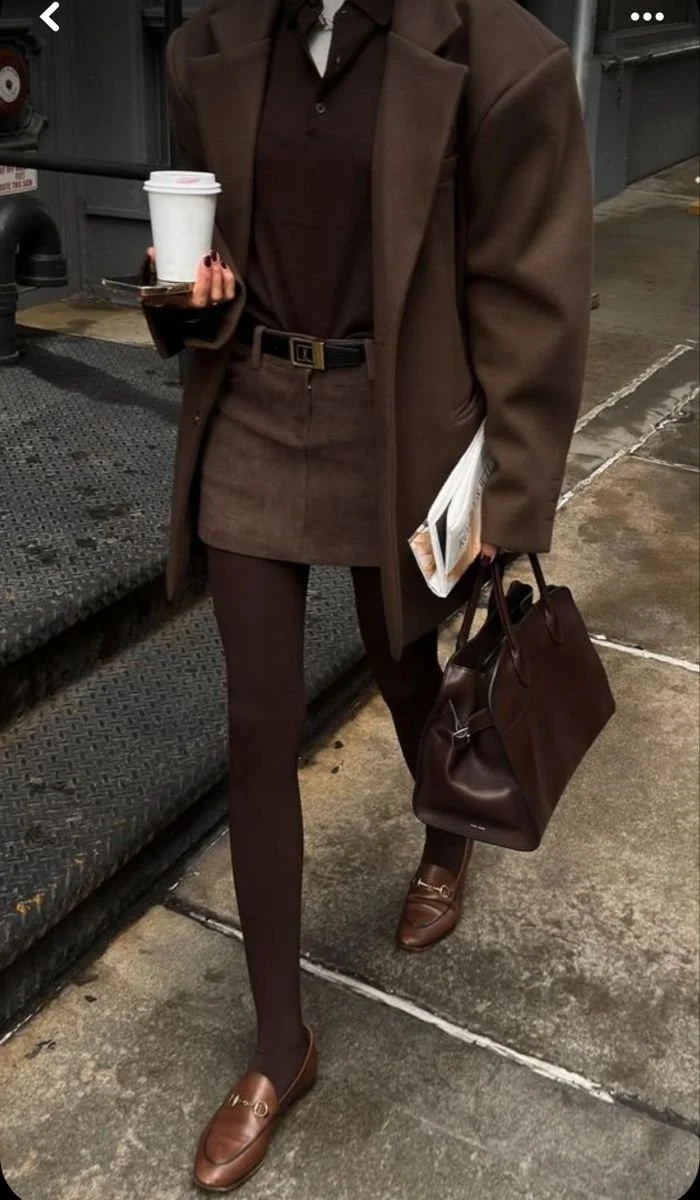
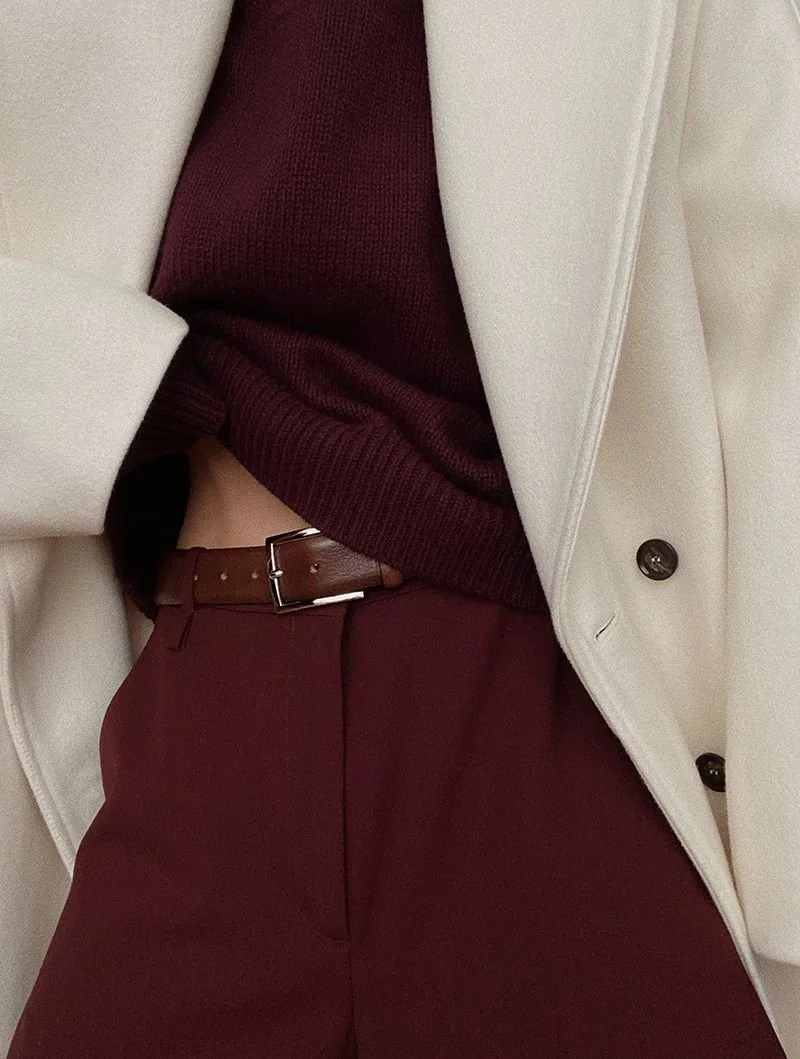
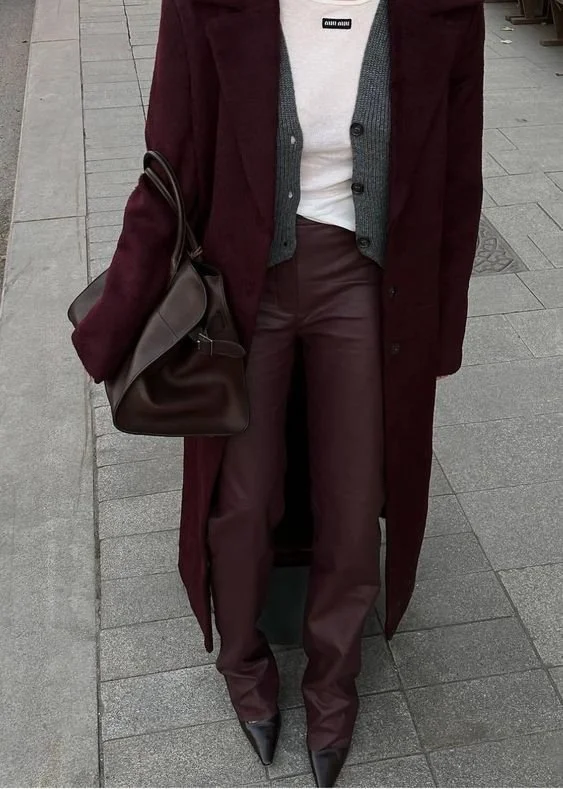
My palette follows the earth outside the window: chocolate, coffee beans, and gingerbread, shades of cream, oat, and smoke, with threads of burgundy like the last of the vineyard grapes, and forest green like moss clinging to stone after rain. These tones don’t demand attention; they ground me, the way soil anchors root and trunk.
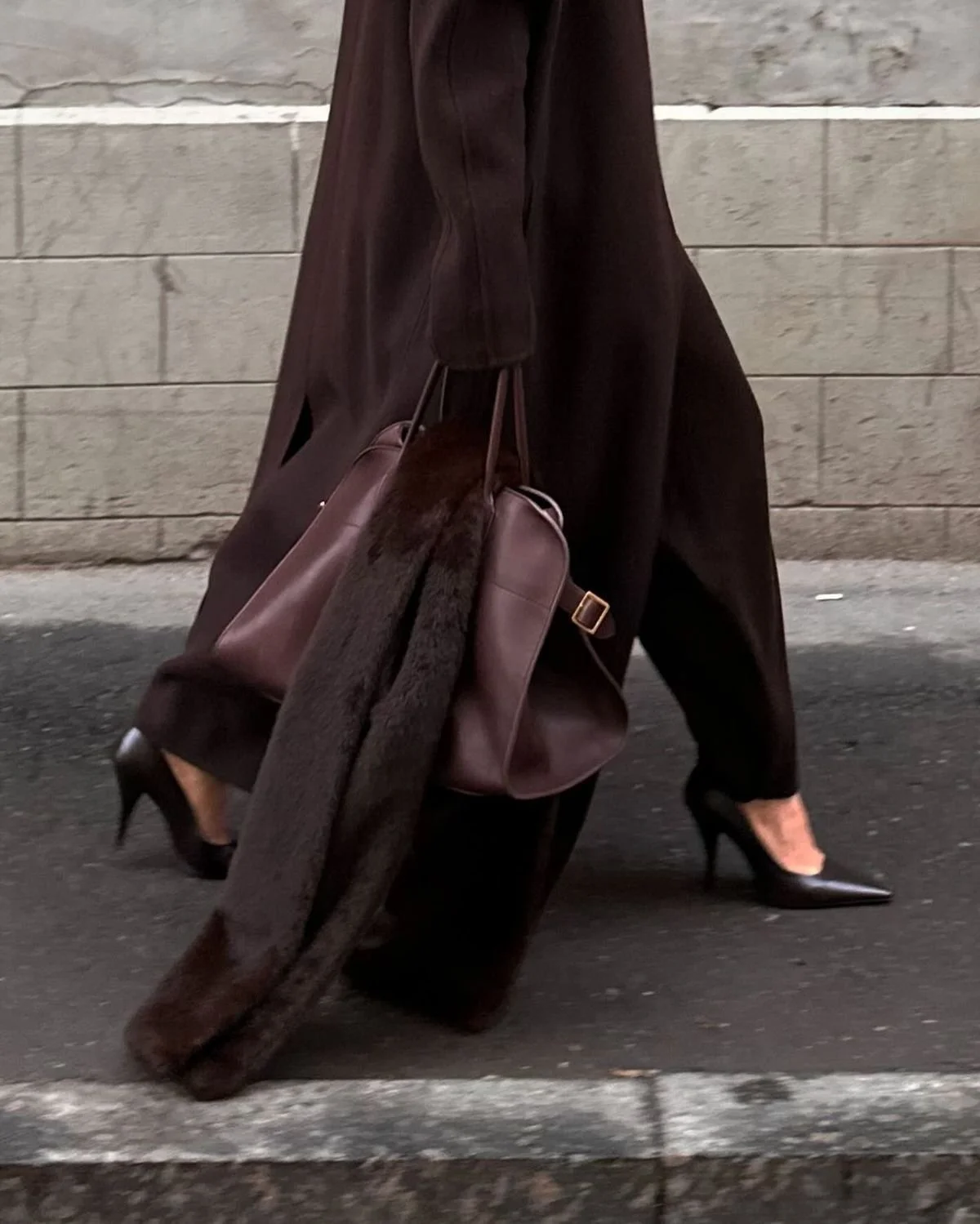
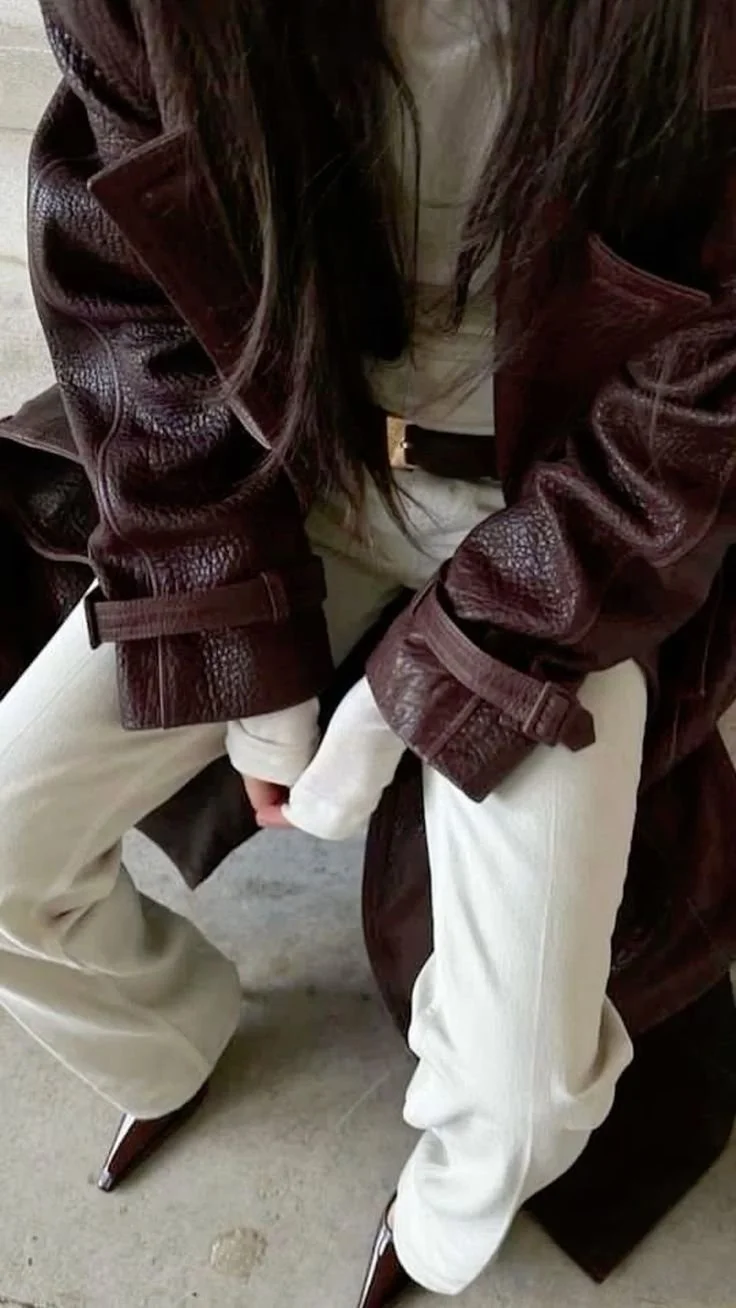
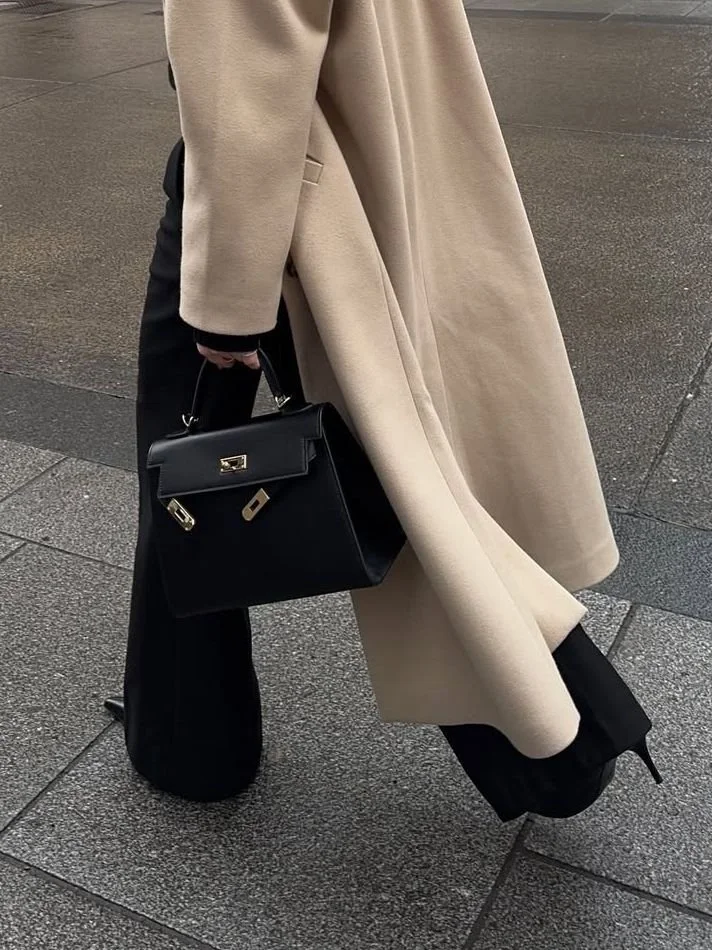
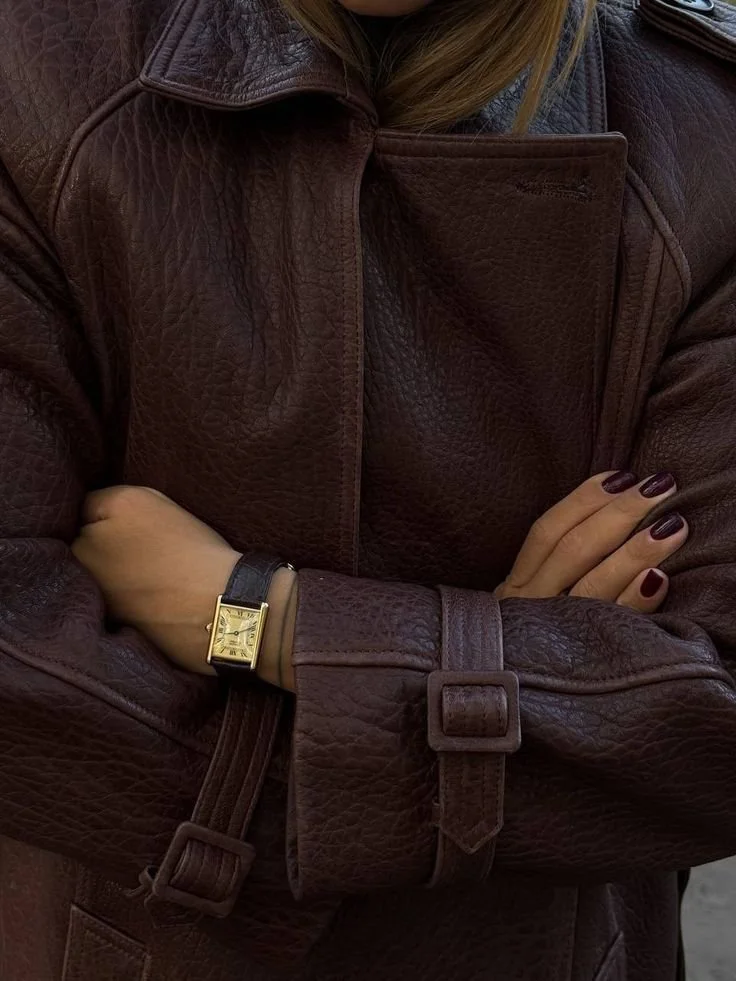
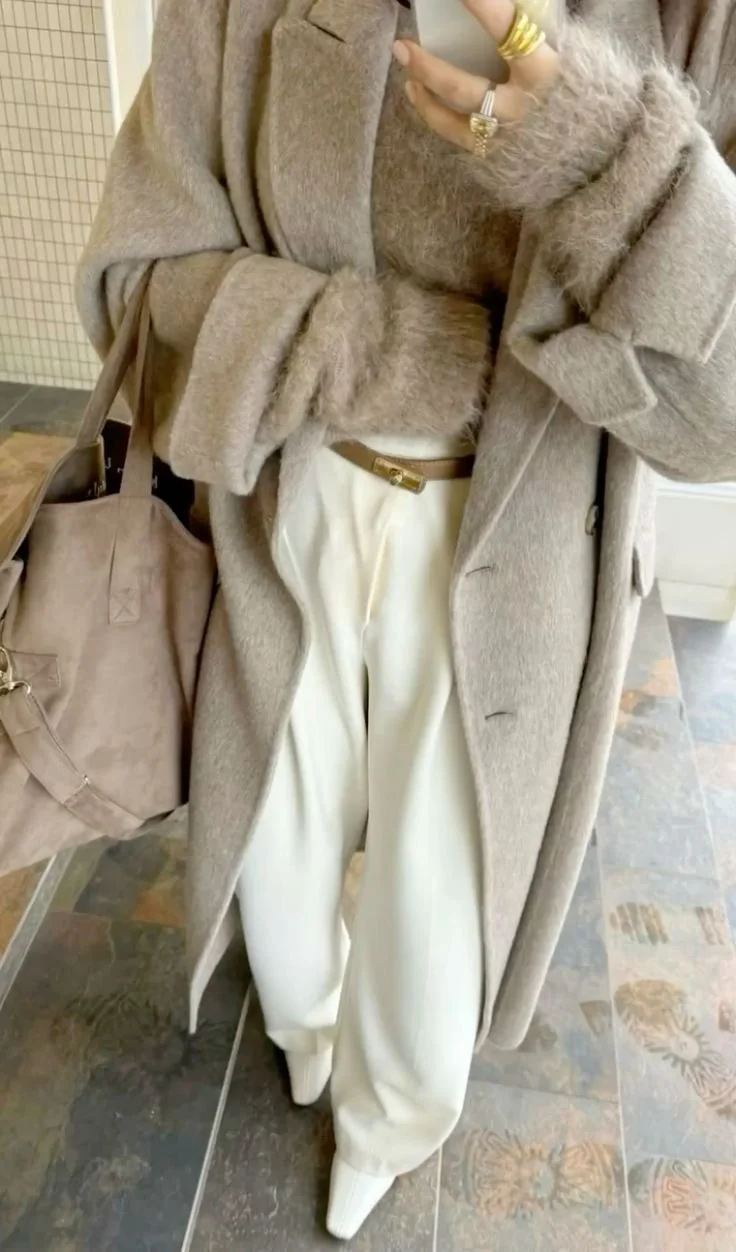
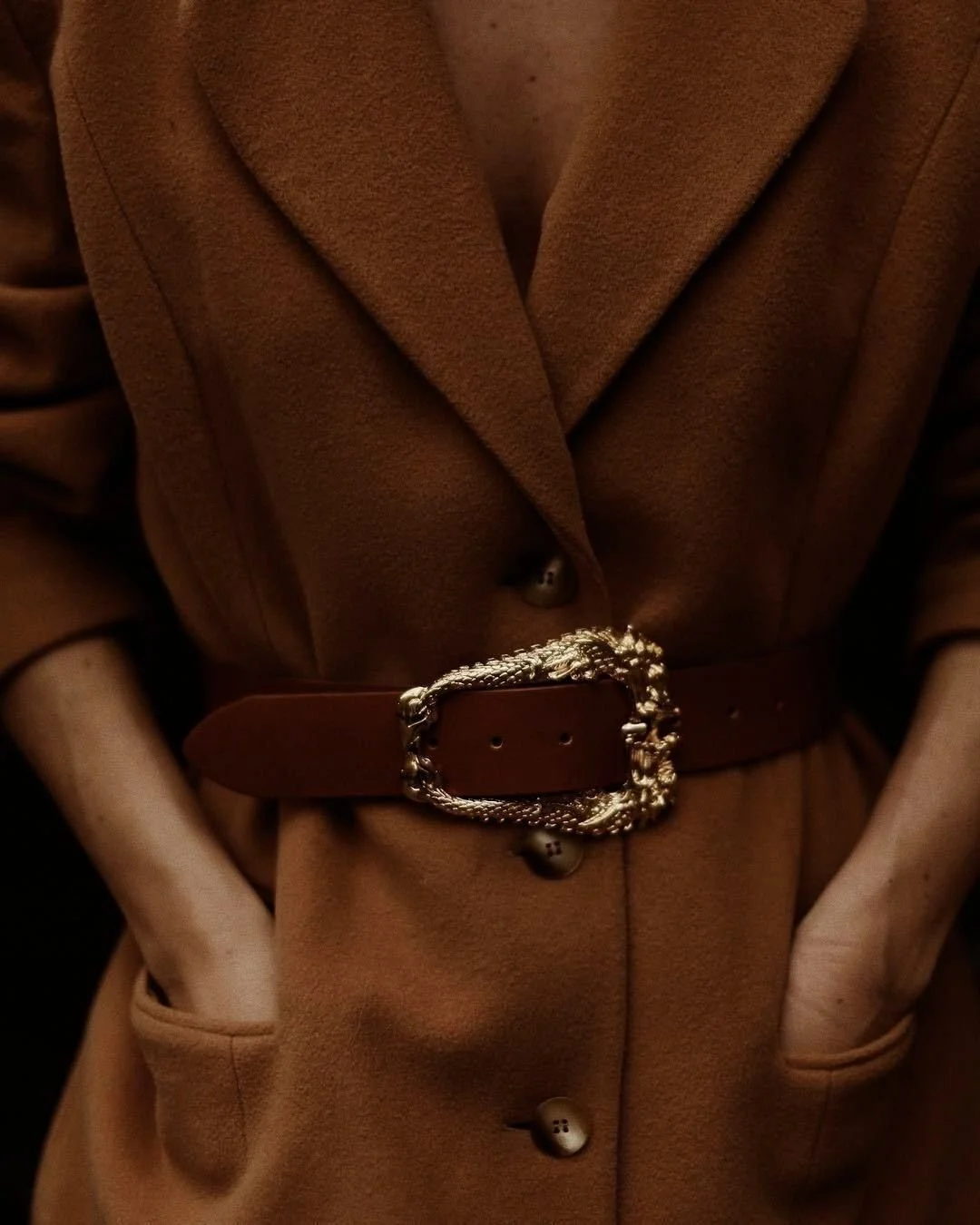
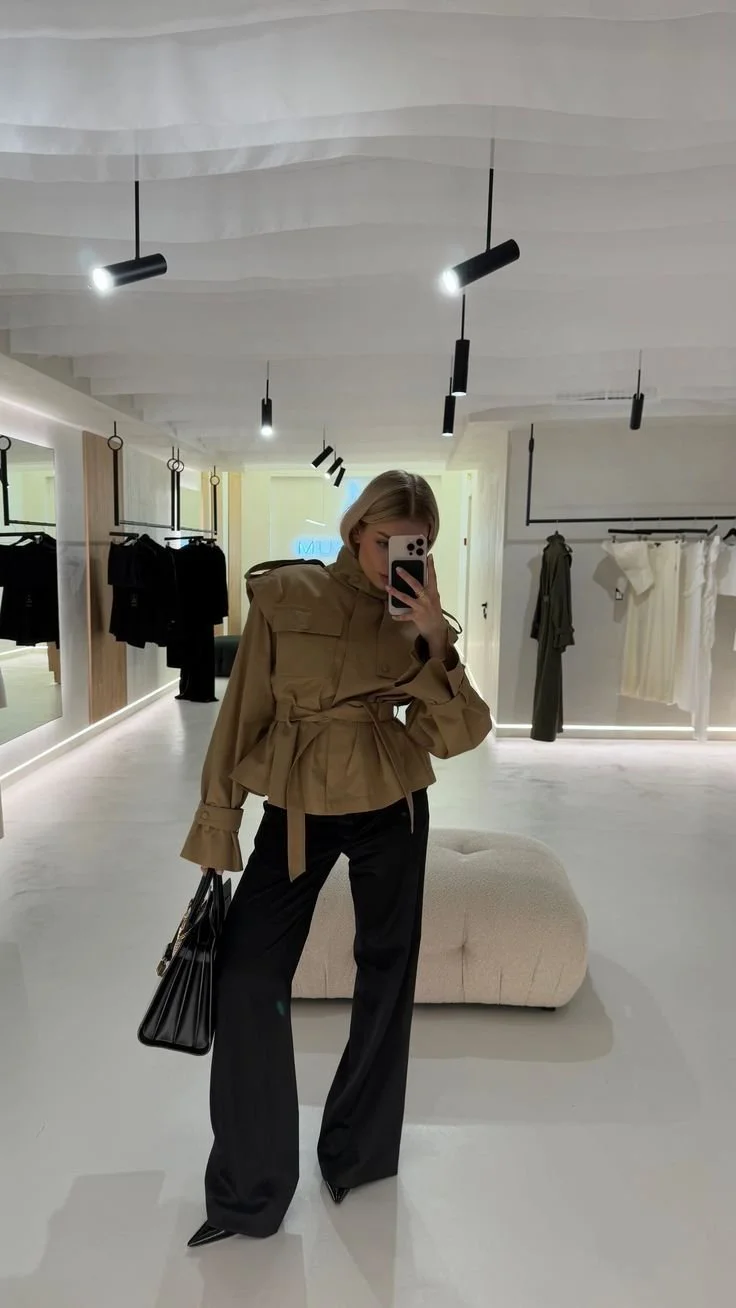
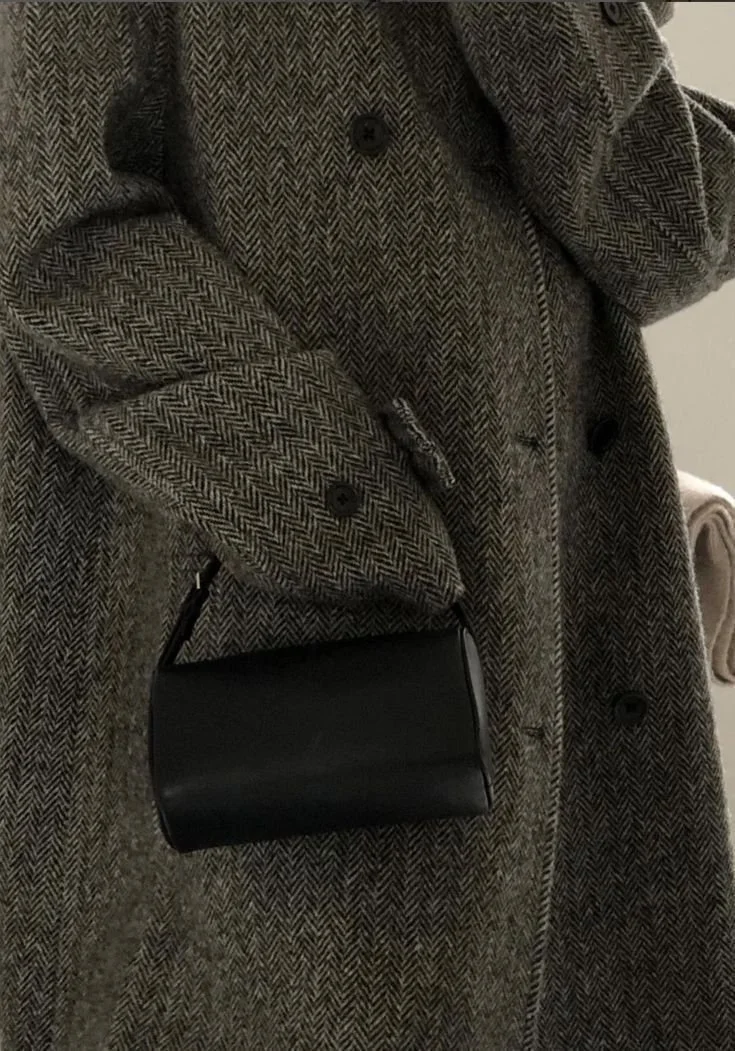
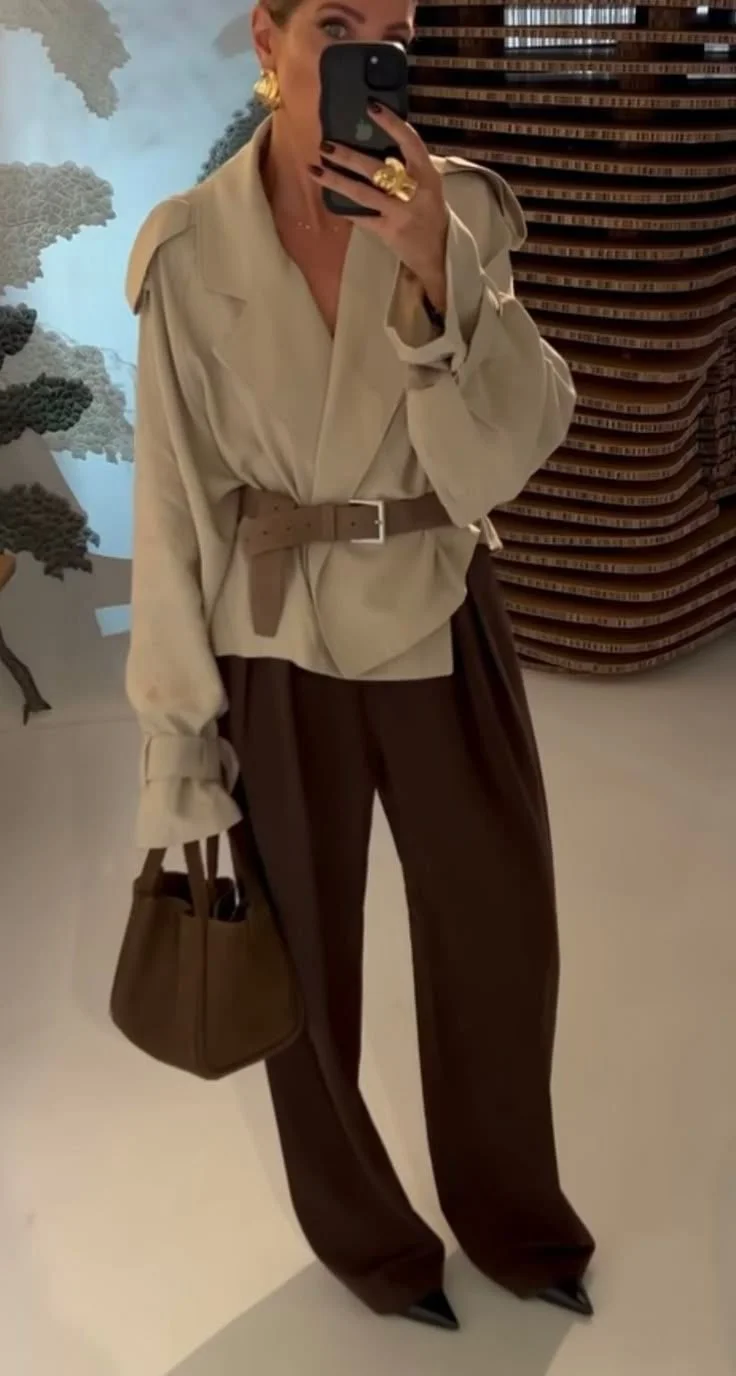
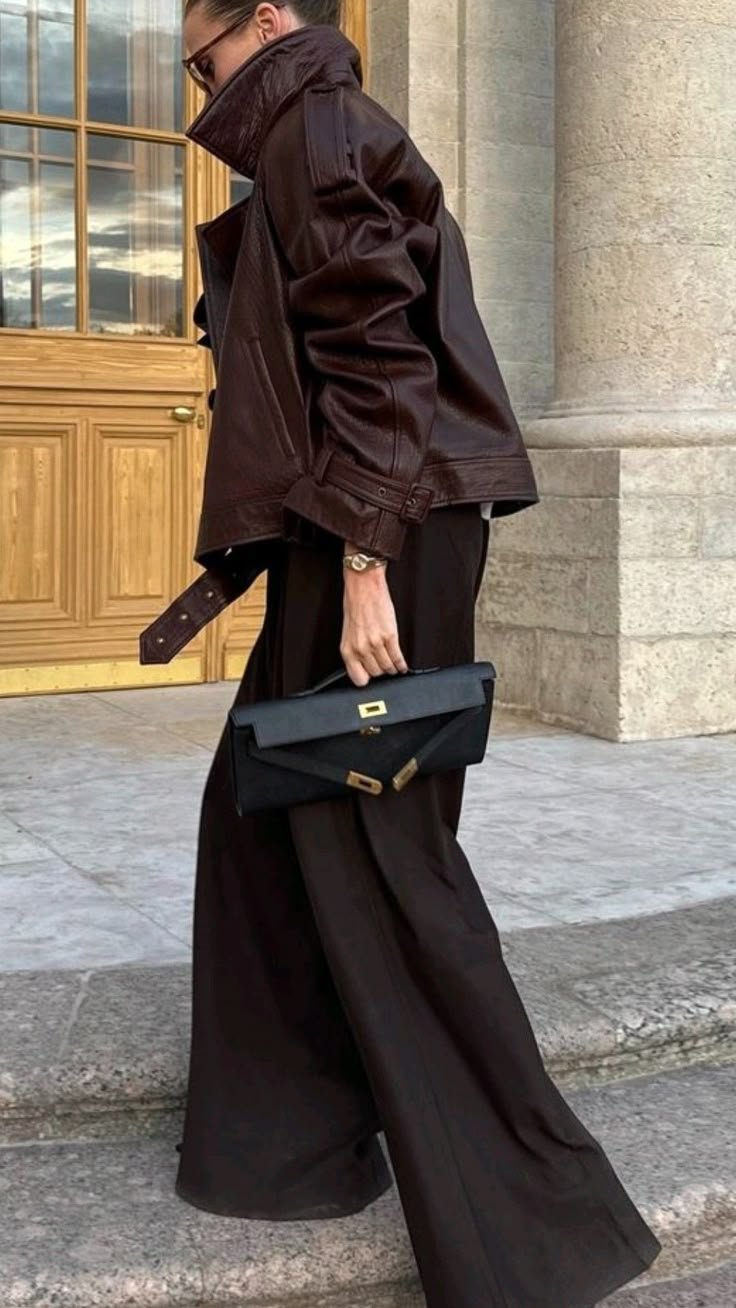
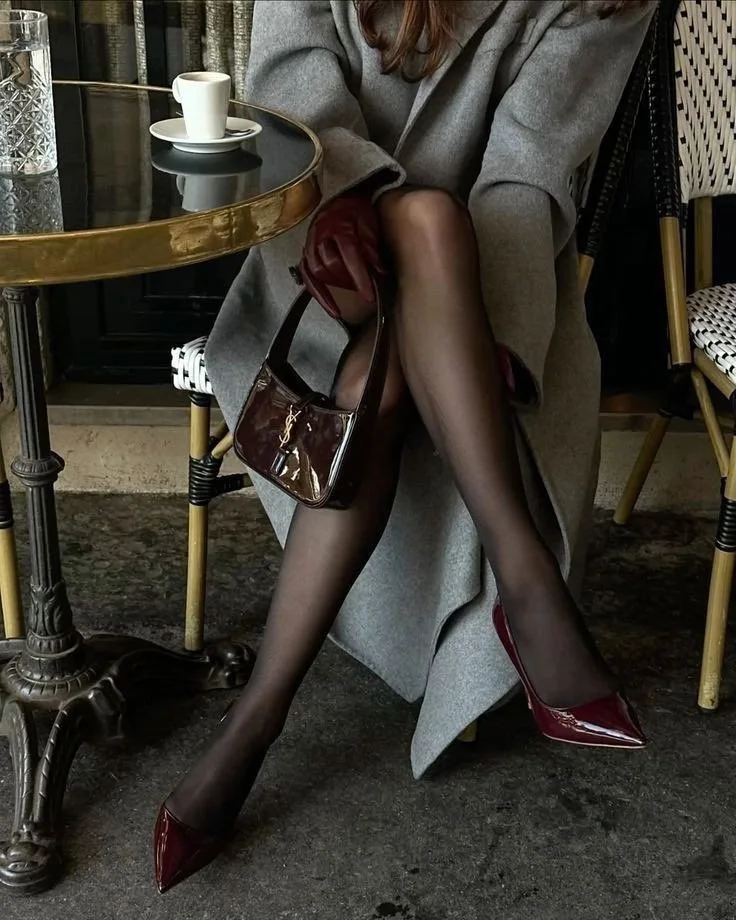
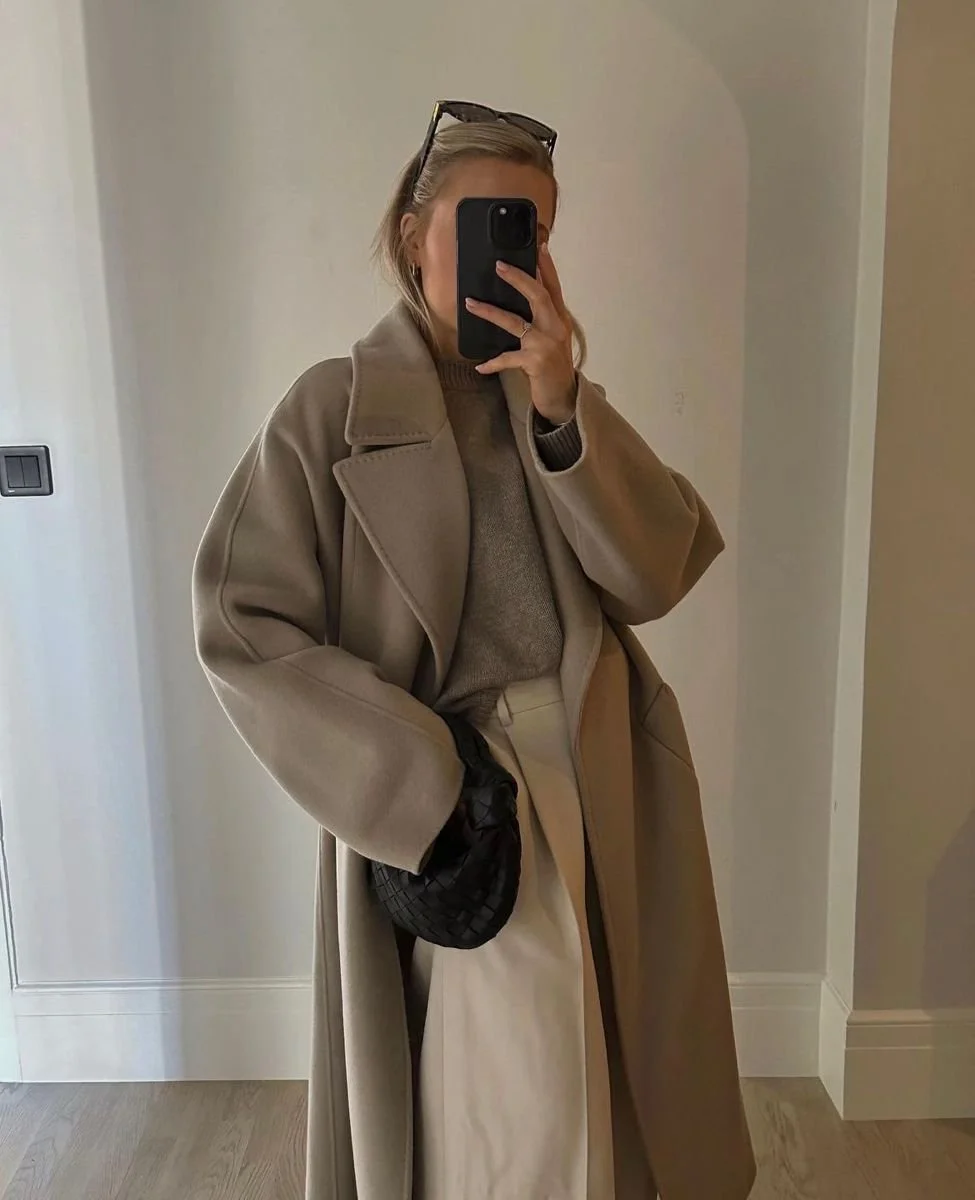
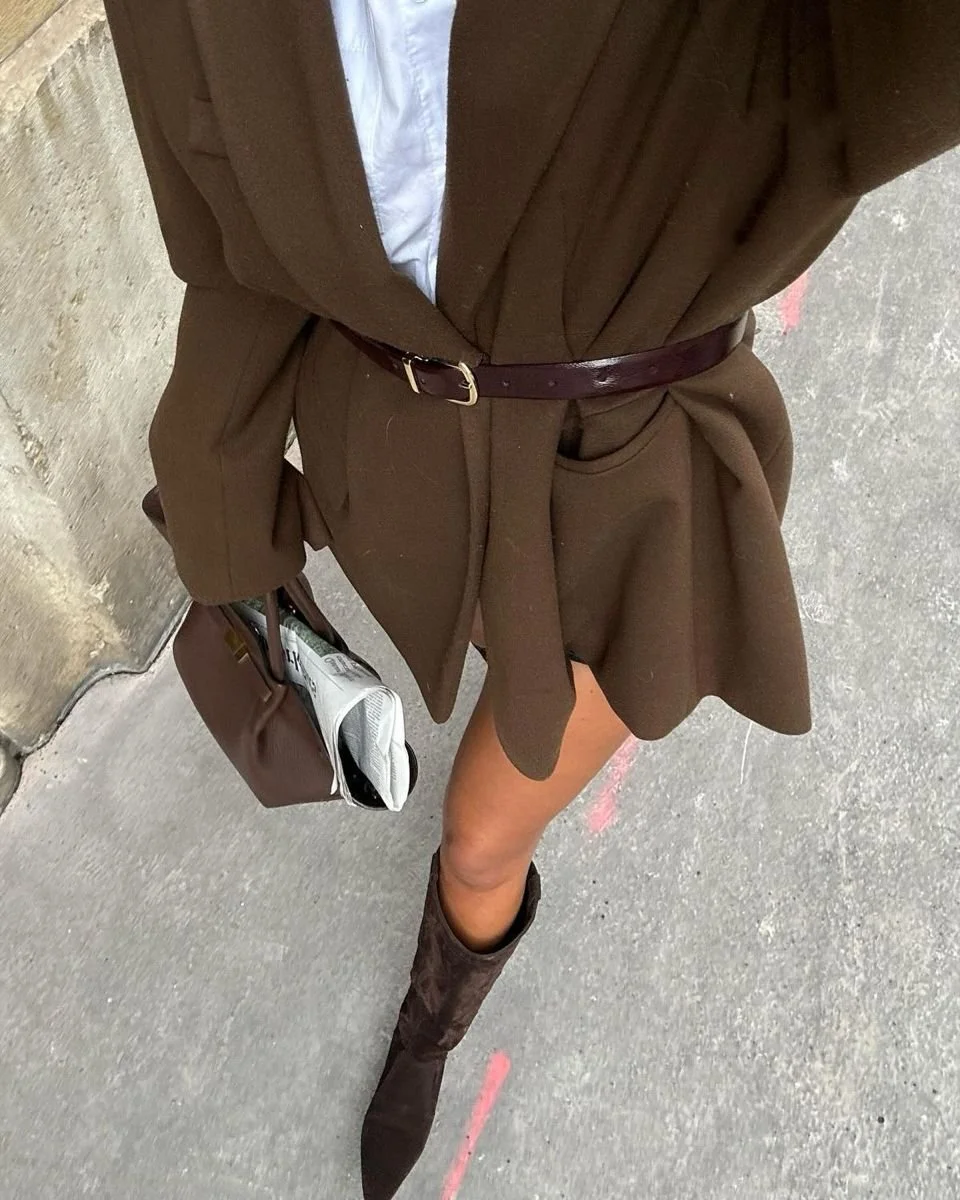
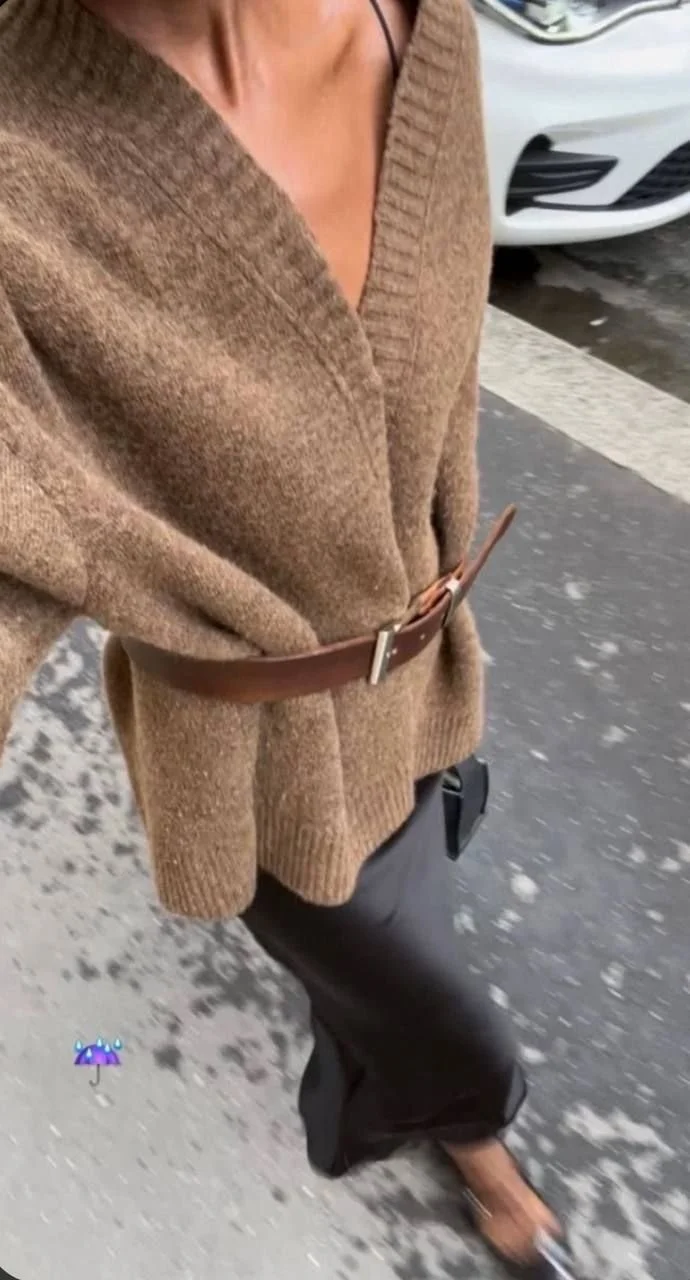
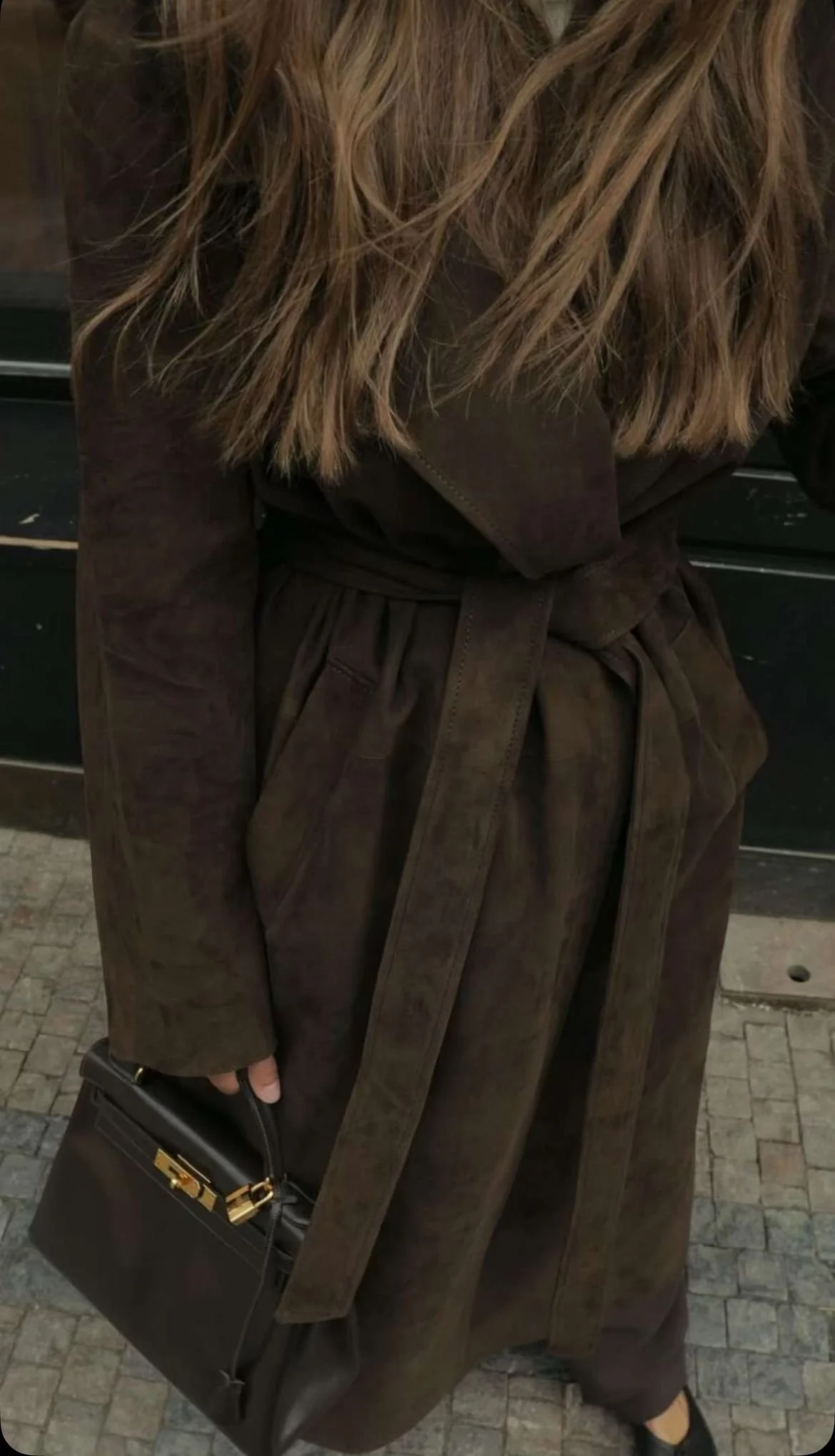
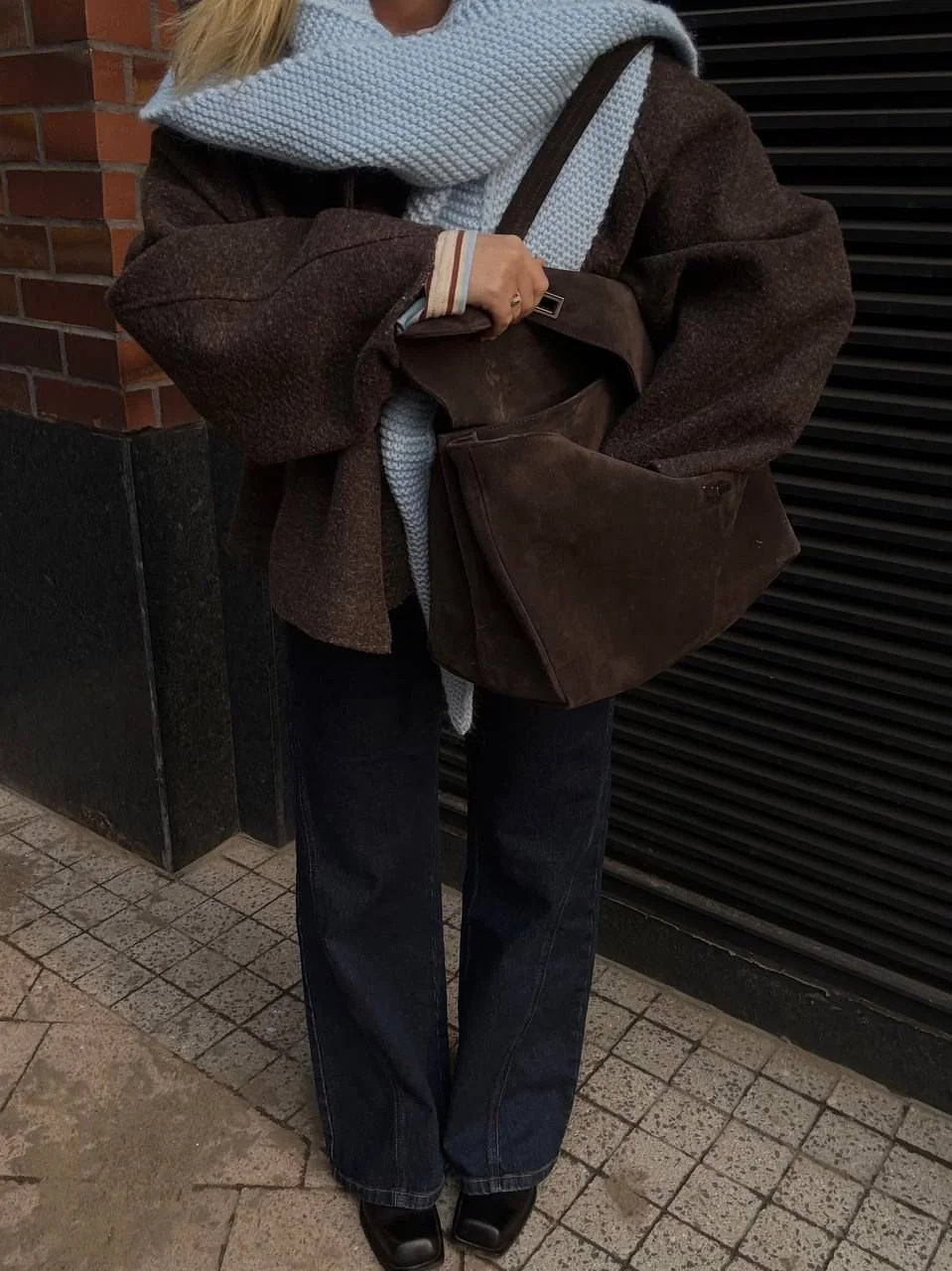
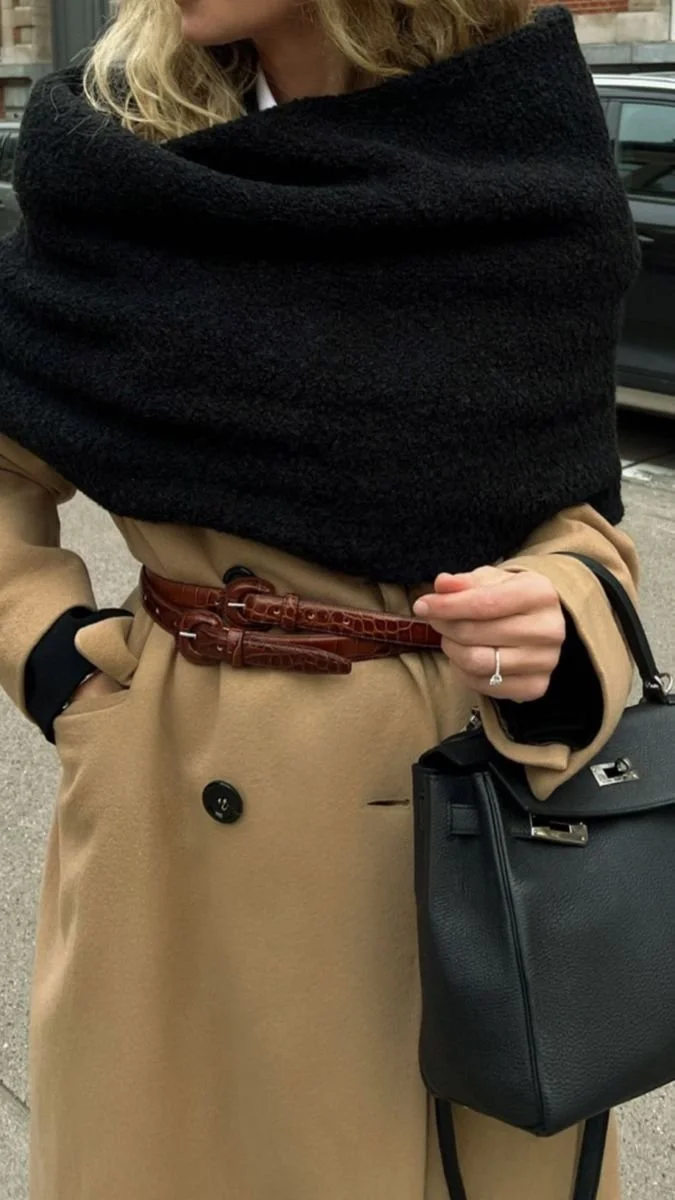
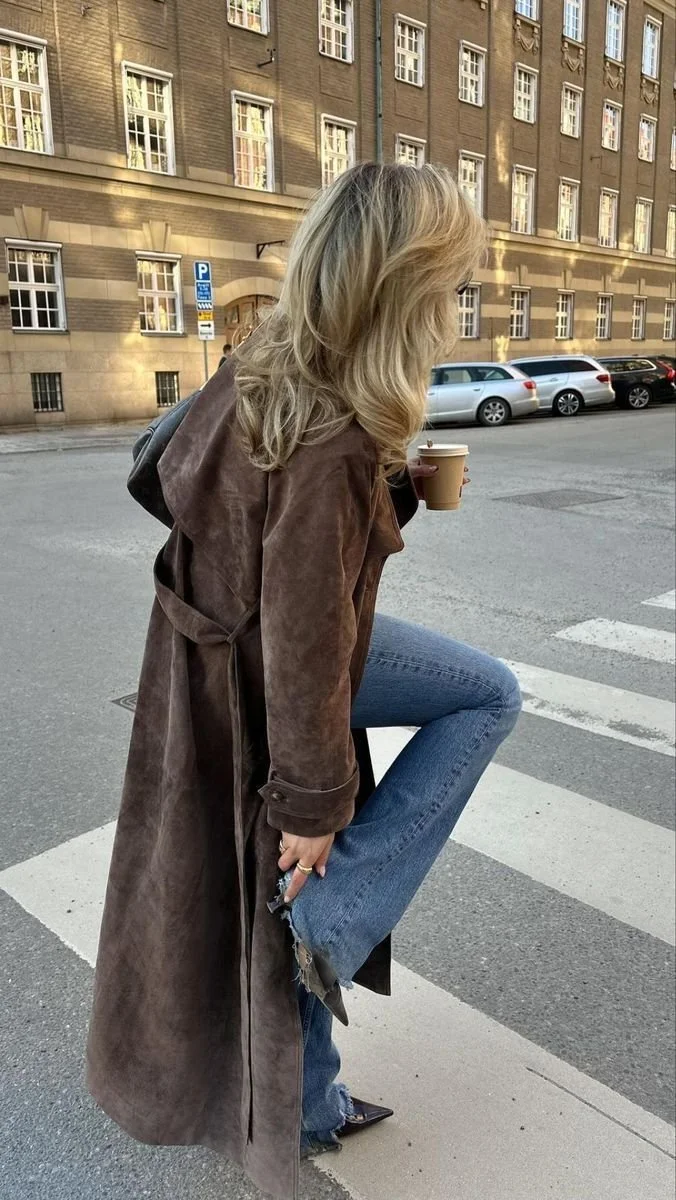
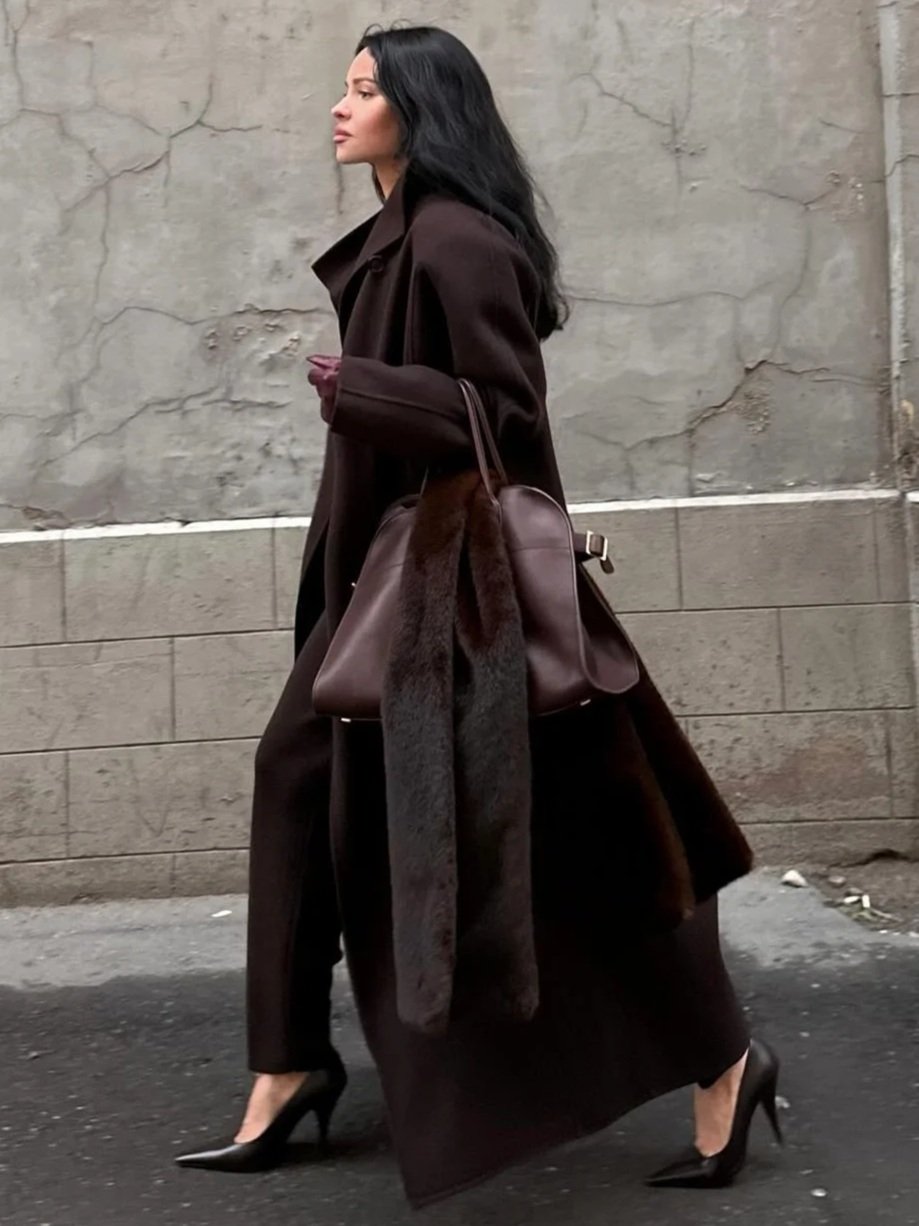
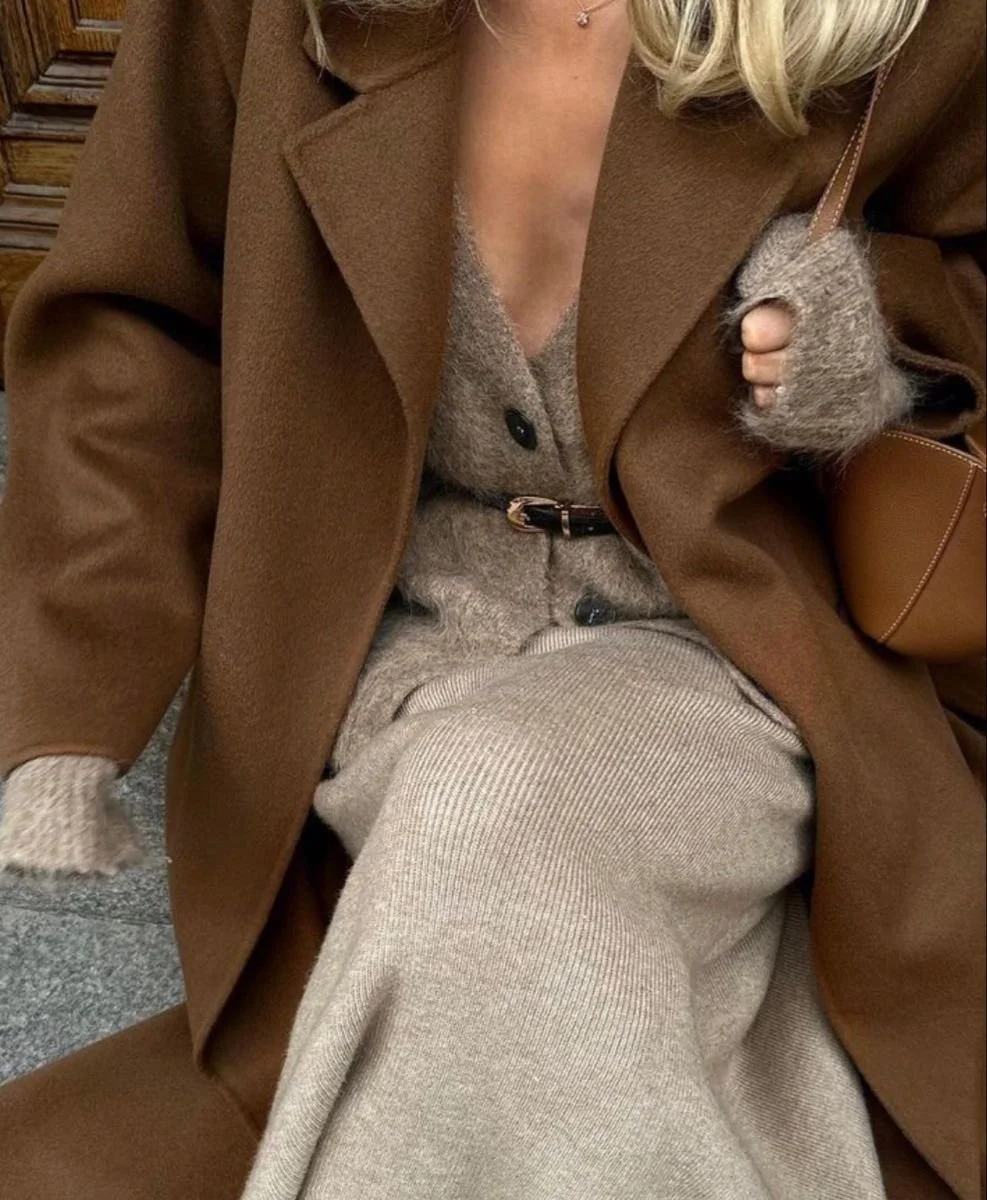
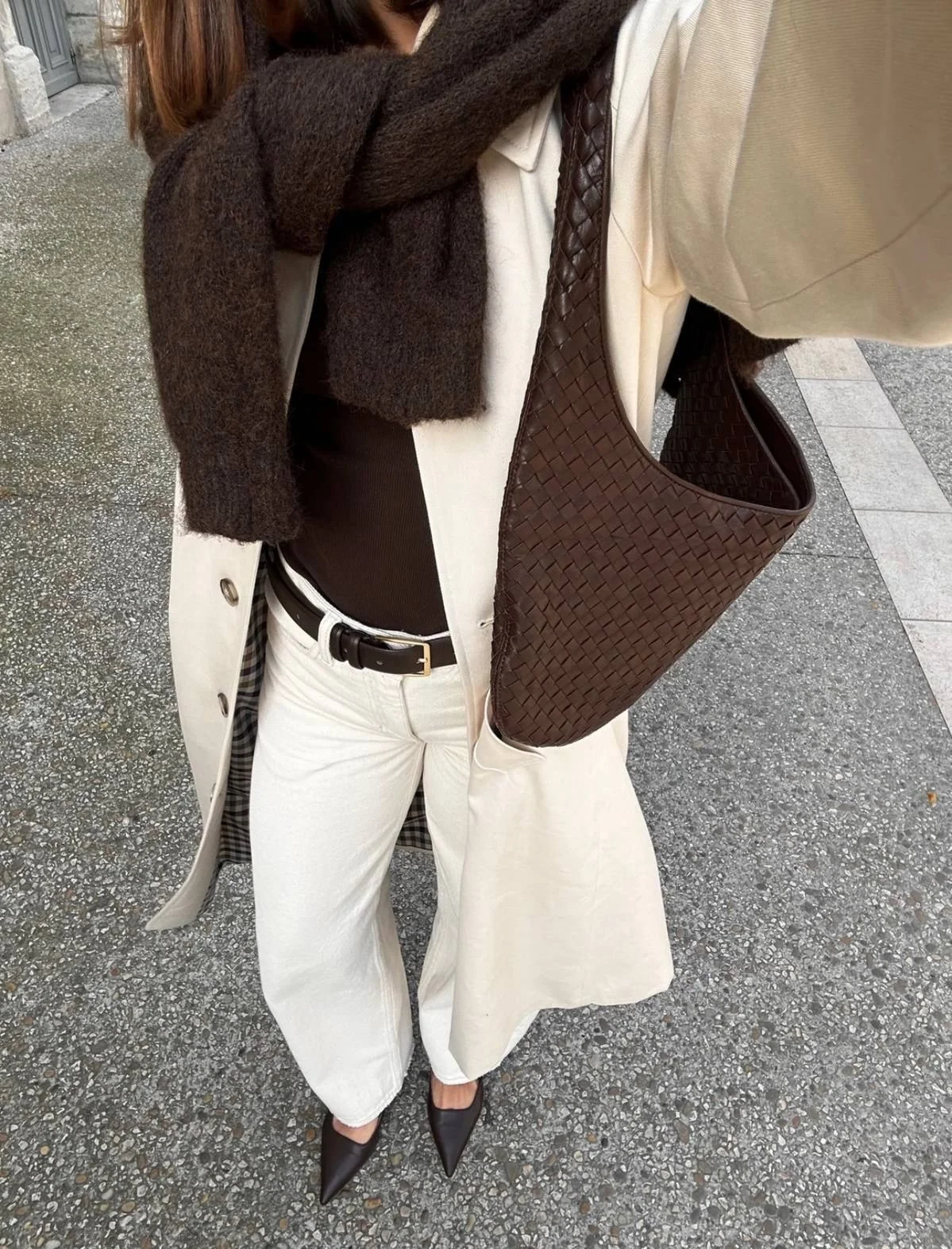
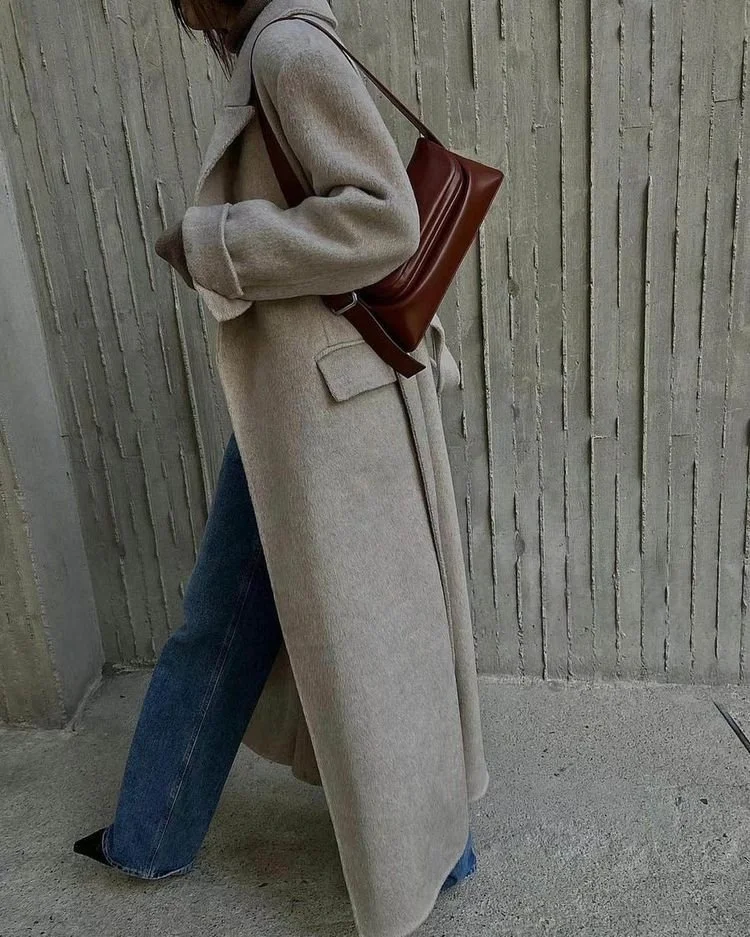
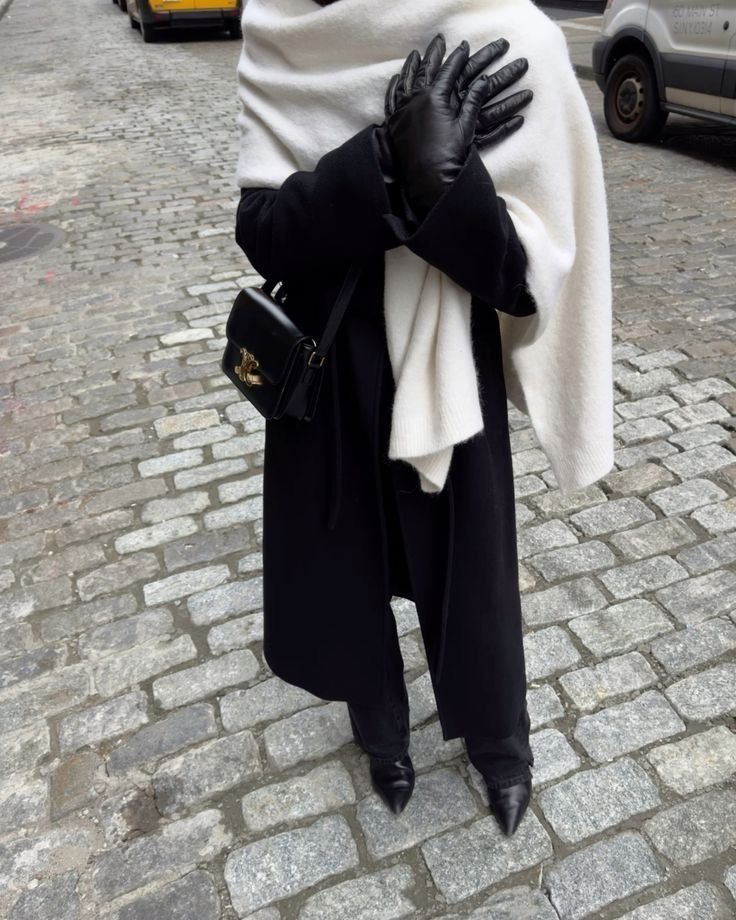
Style, for me, is never just about clothes anymore. It’s about how I move through my days as a wife, a mother, a woman finding beauty in the pace of our home. It’s the long coats that make even errands feel shaped and not rushed, the pointed boots that give structure to softness, the French terry and pointelle knits that carry warmth without losing shape. This fall, I find myself drawn to balance. Oversized coats belted at the waist, mohair against leather, structure softened by texture. Elegance without effort, strength without hardness, femininity without frivolity.
Note: All photos in this article have been carefully curated via Pinterest. We always aim to credit photos; and you should find credit on clickthrough. However if one needs crediting or removal, please contact us with the source.
Fabrics as Language
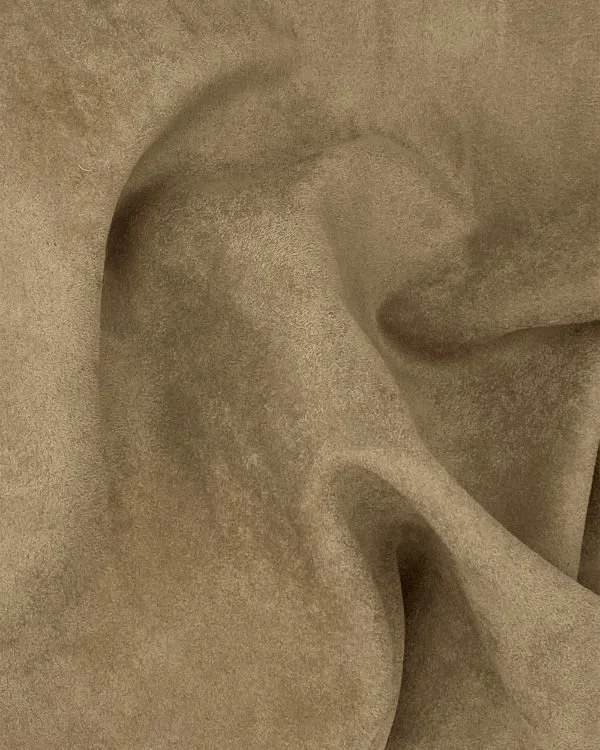
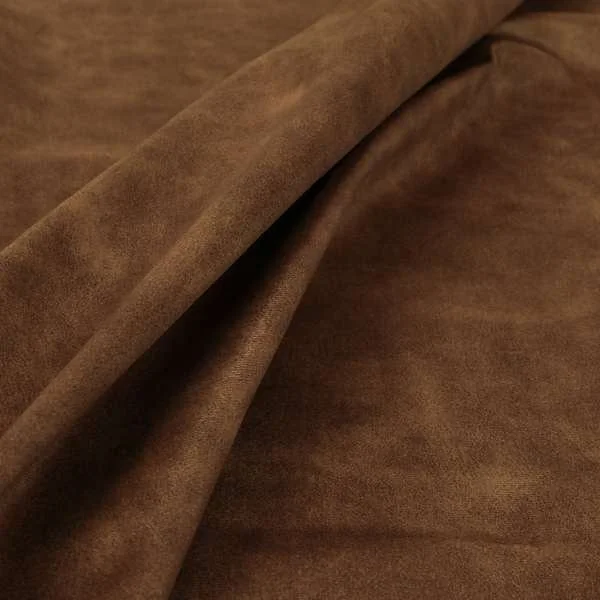
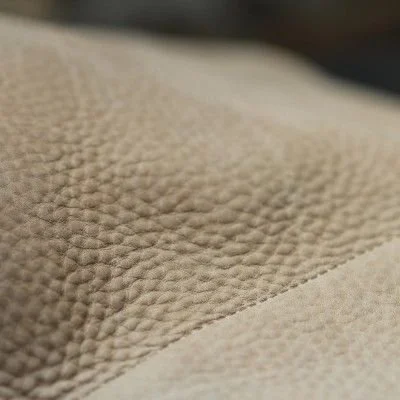
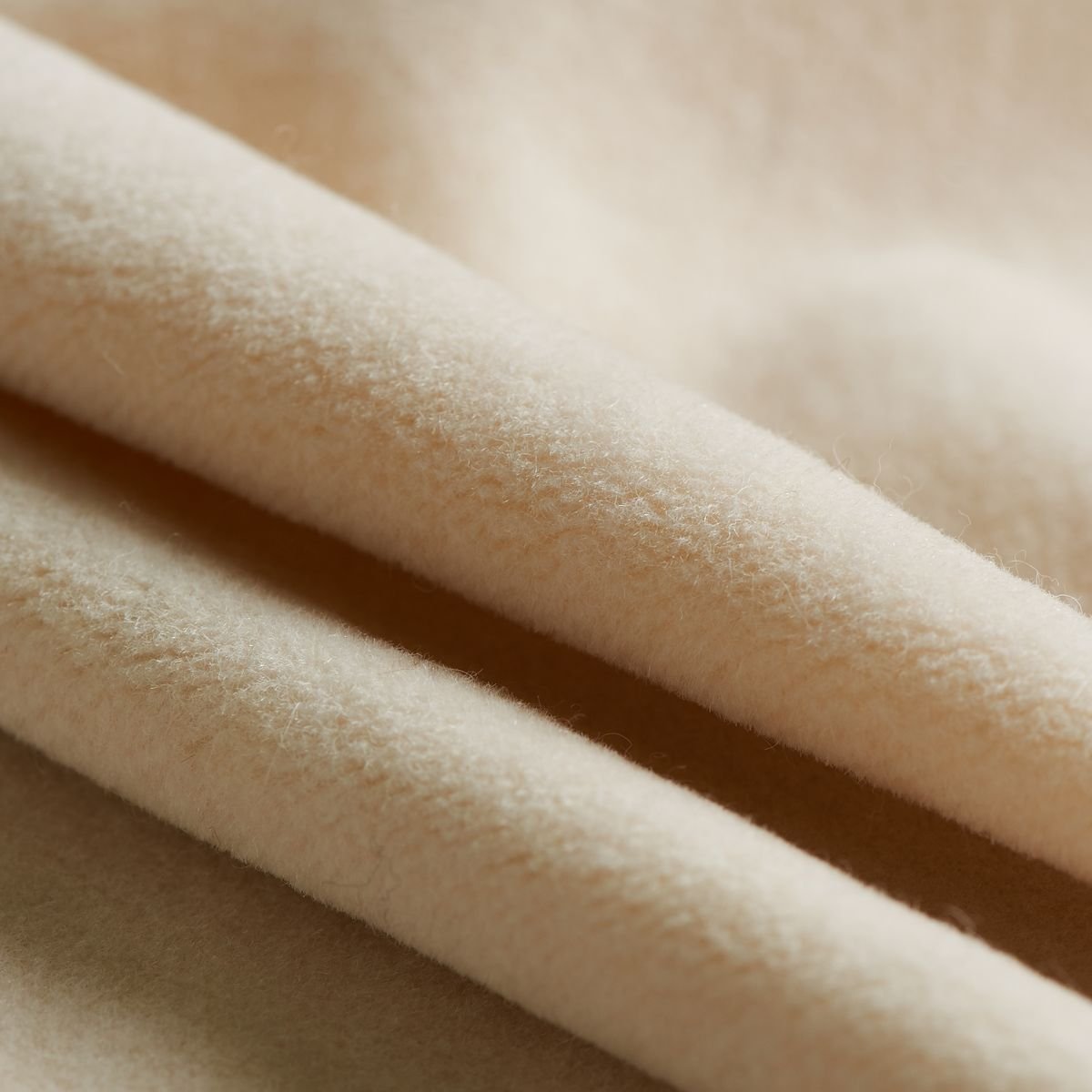
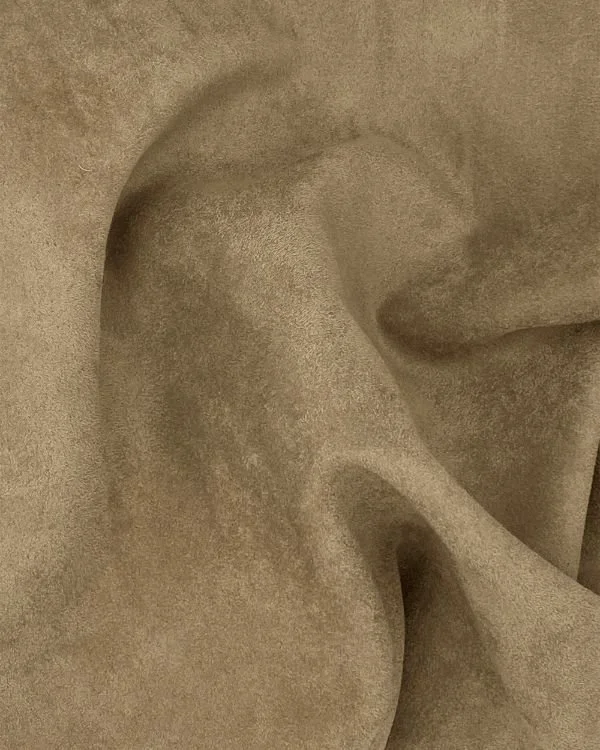
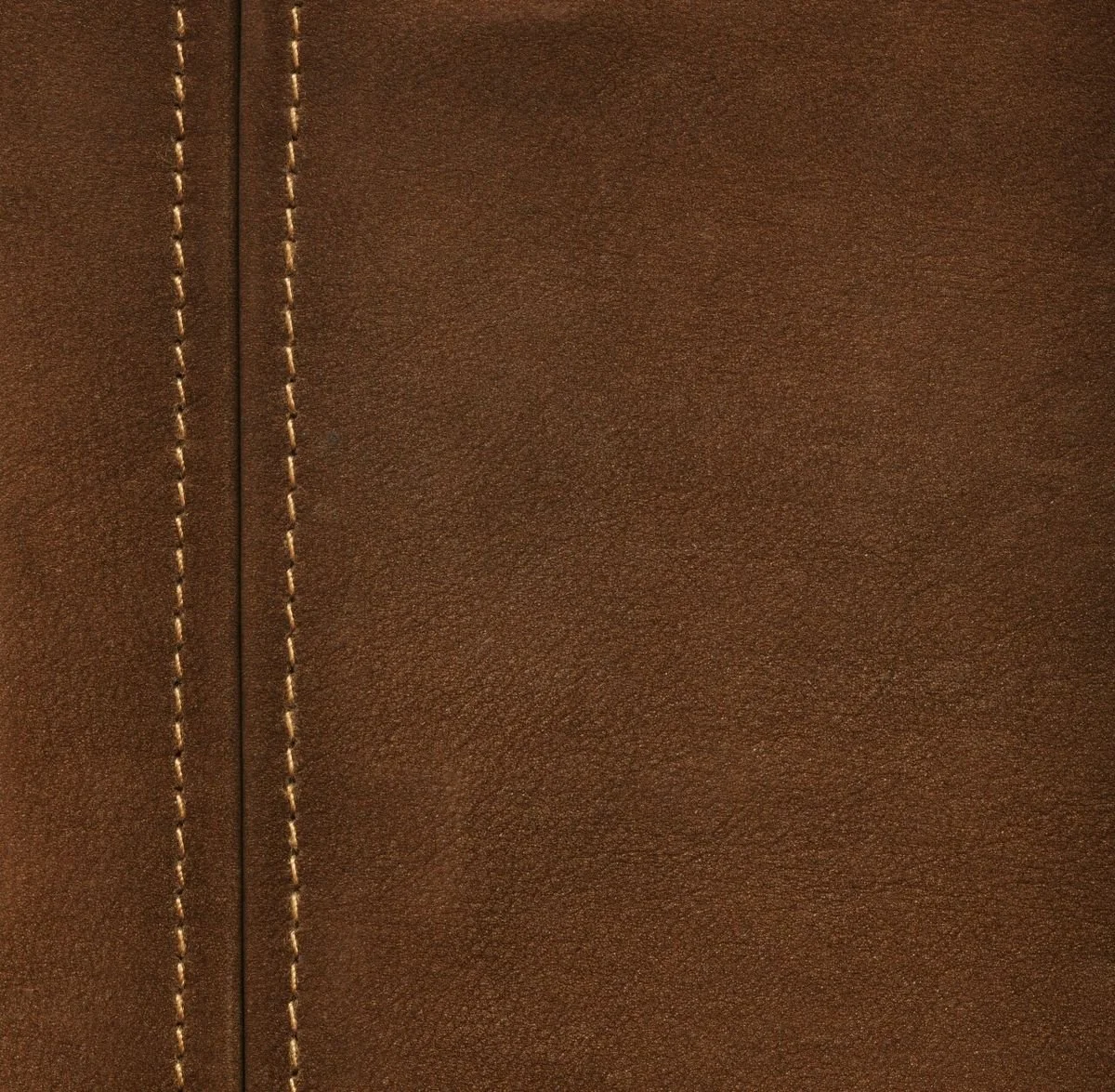
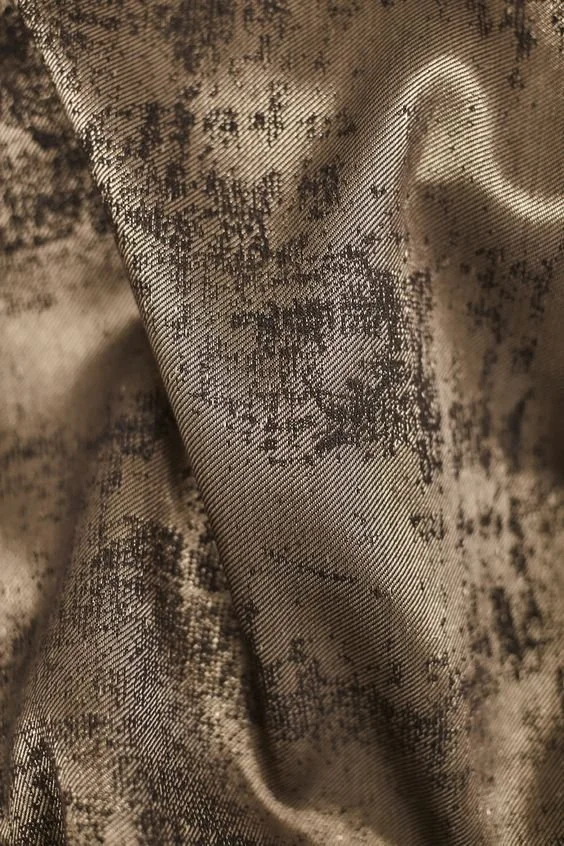
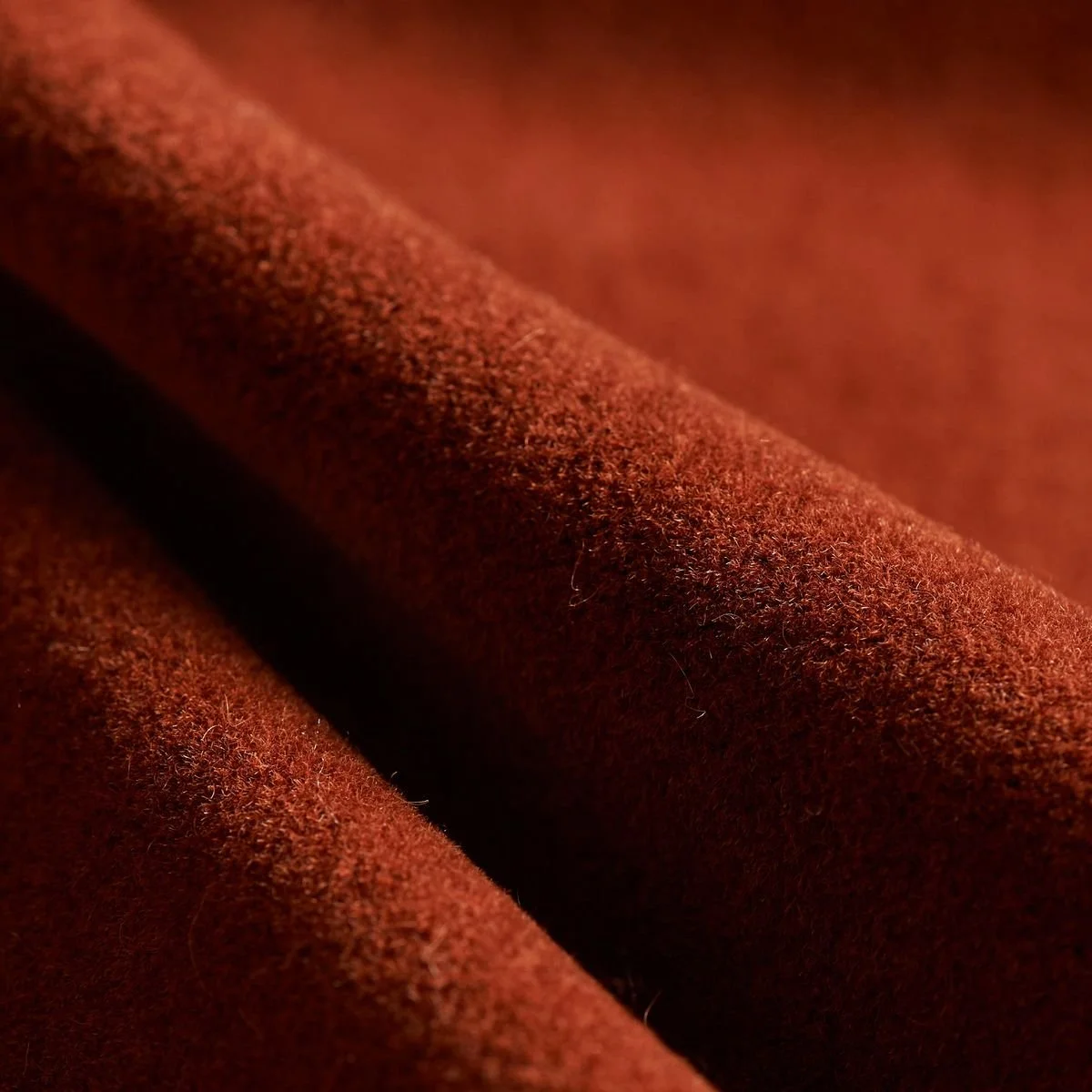
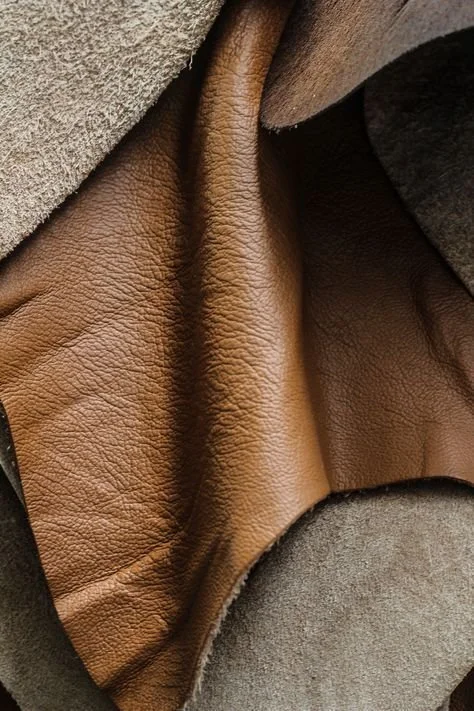
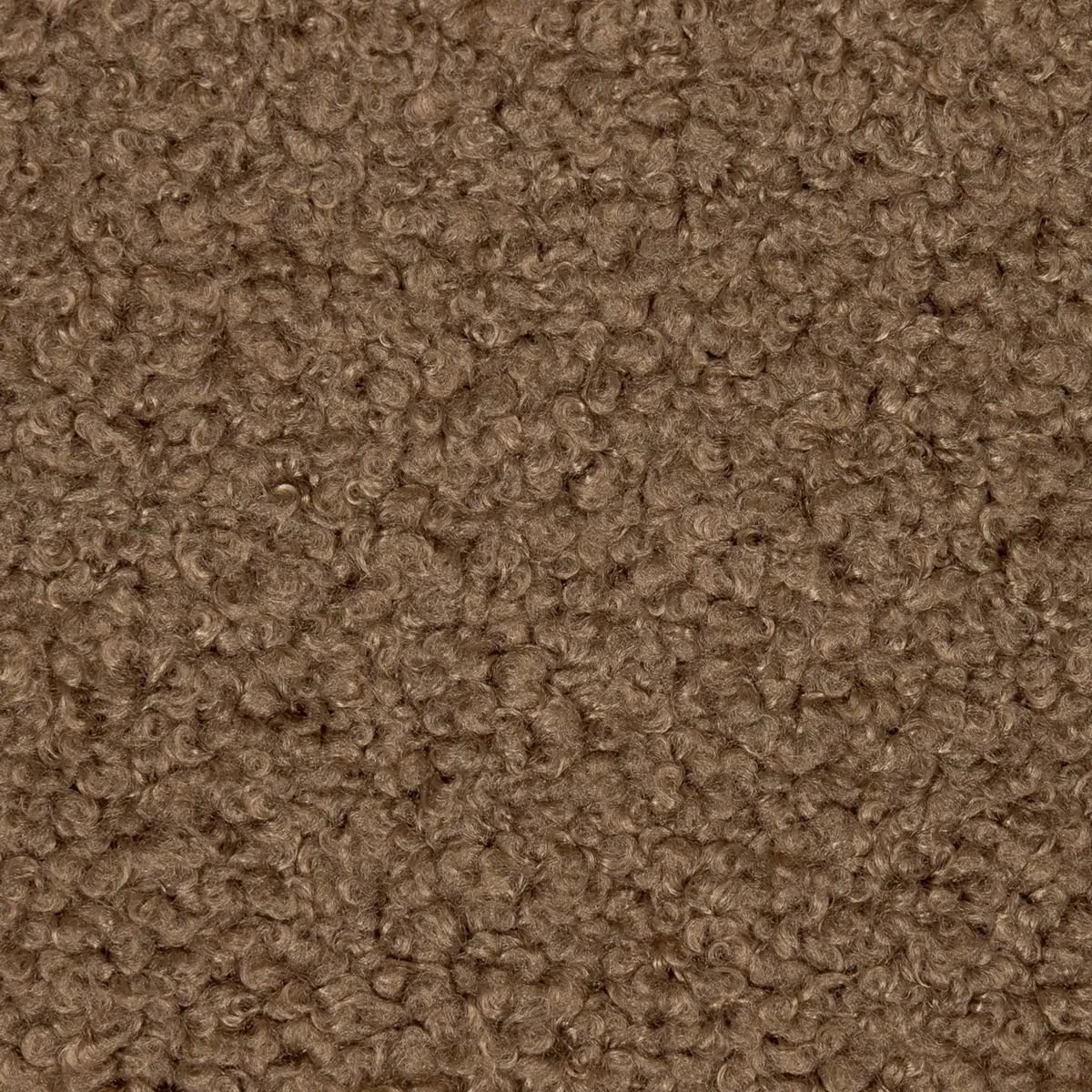
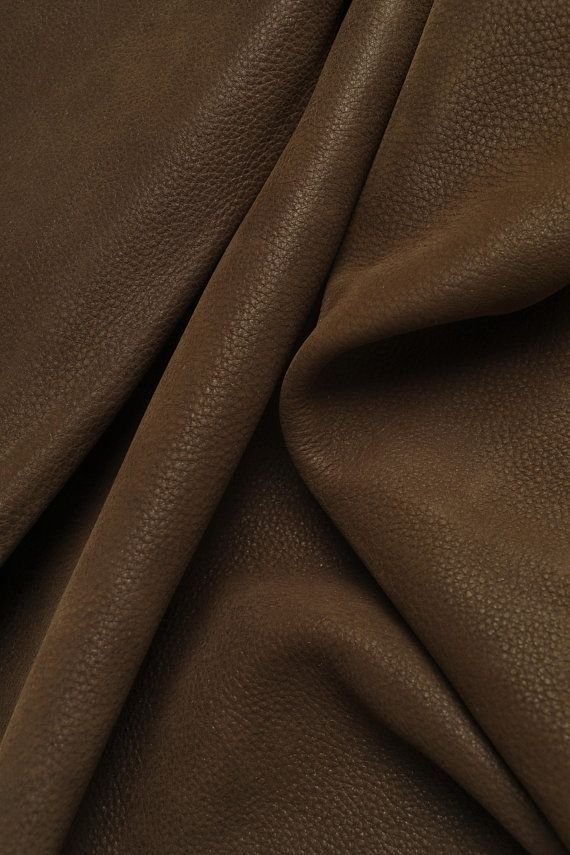
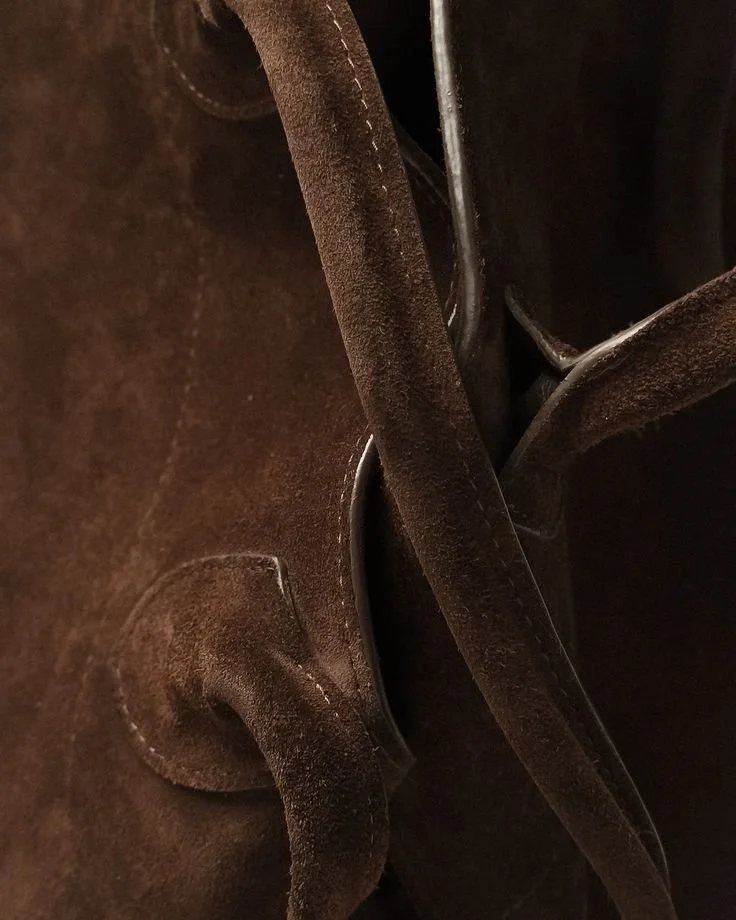
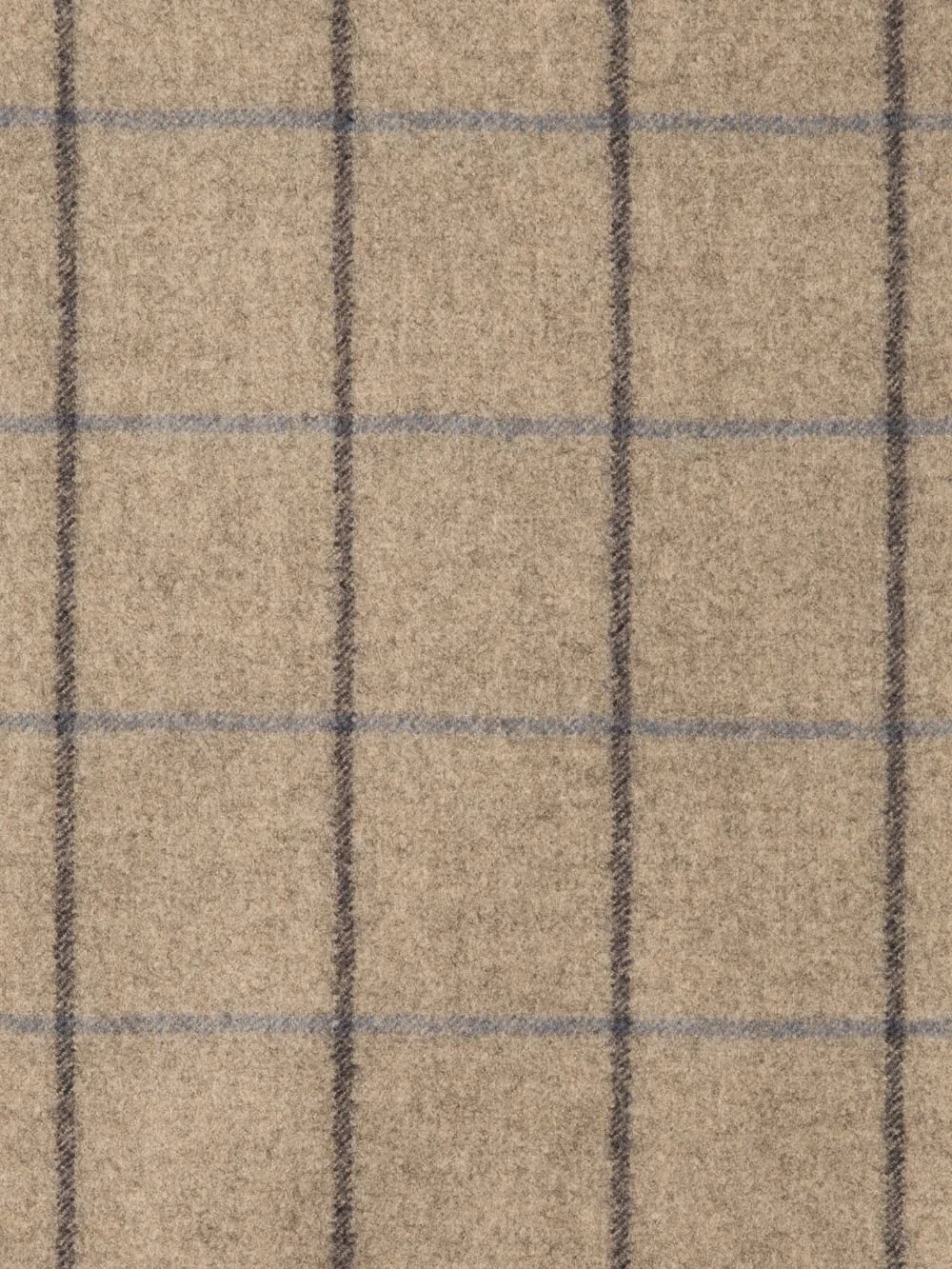
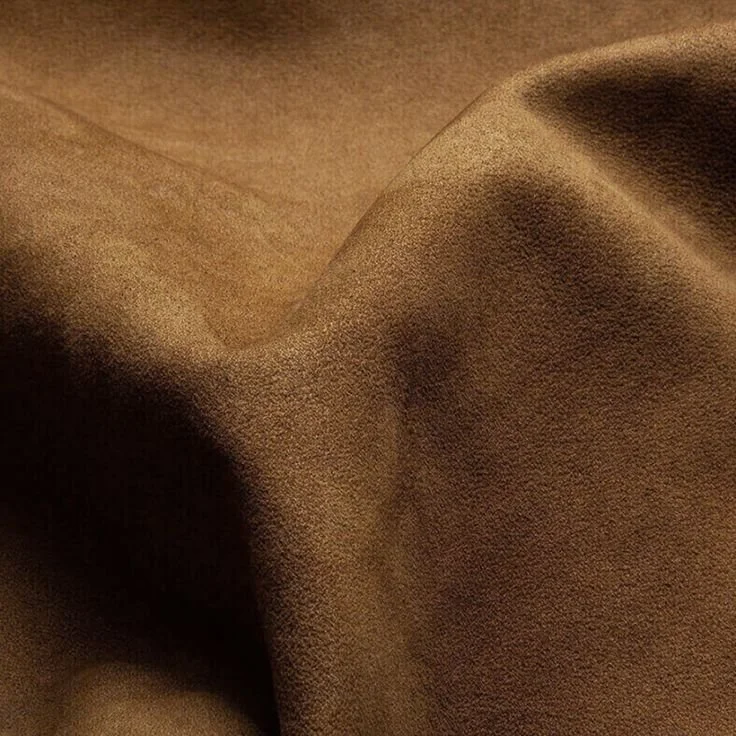
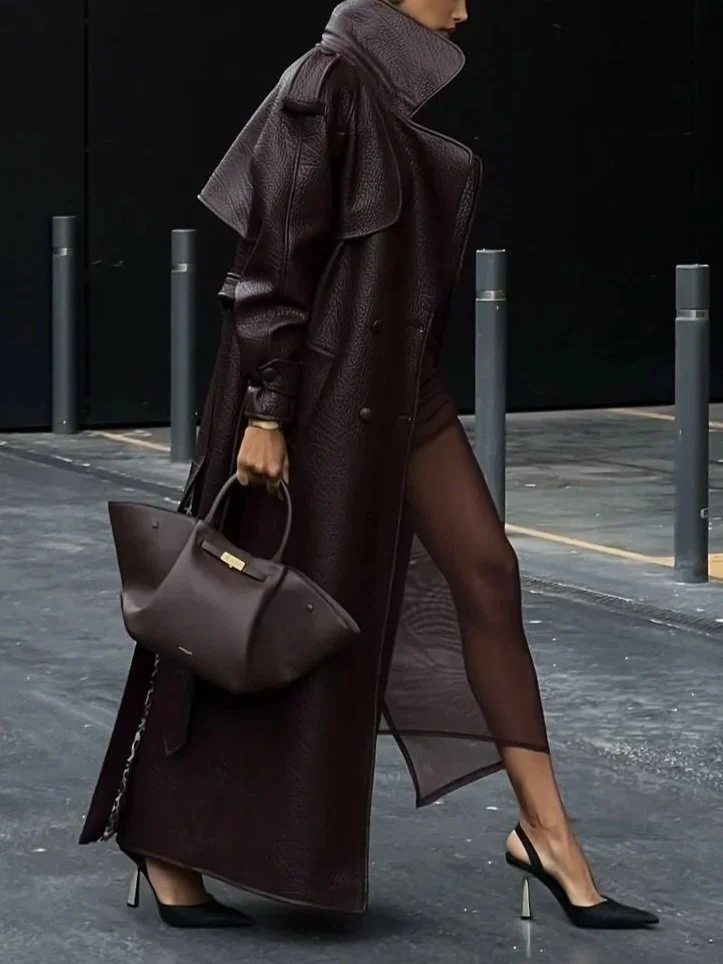
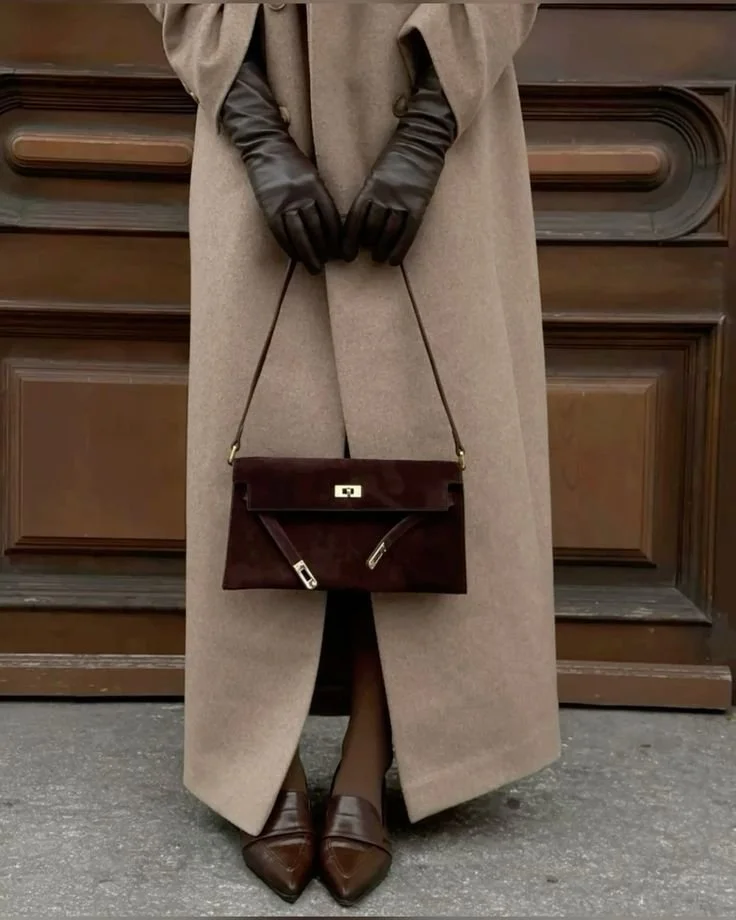
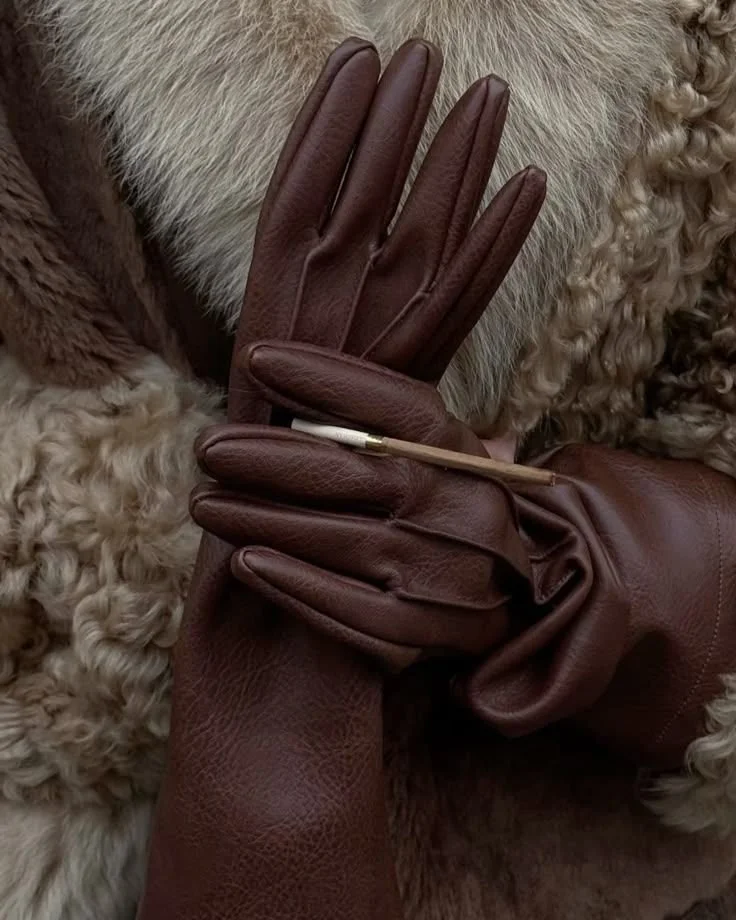
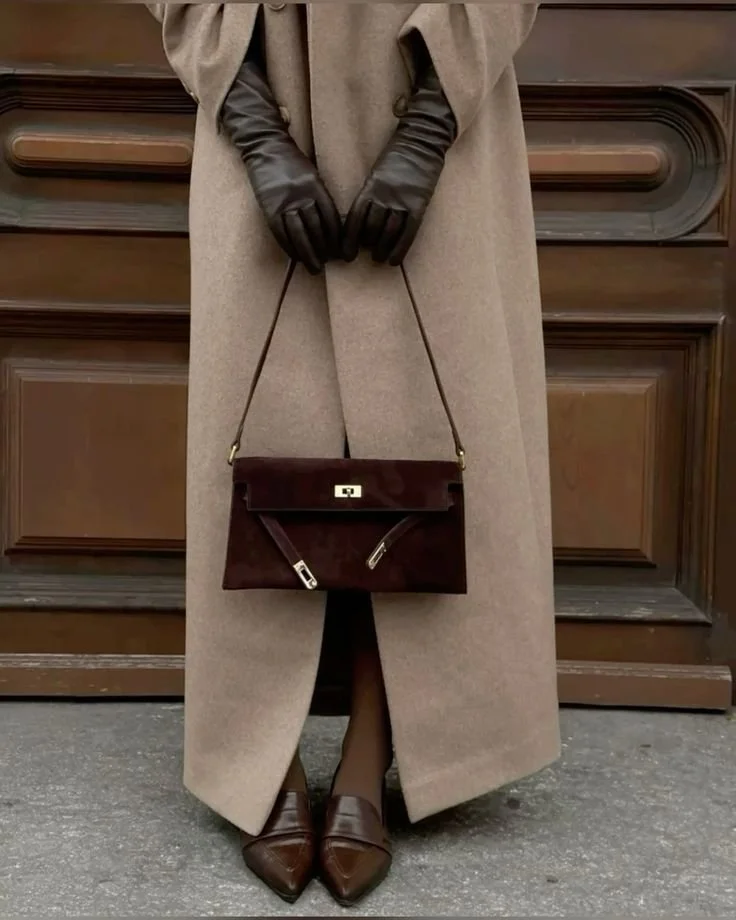
Each fabric I reach for in fall now, as a mom and a woman, speaks its own dialect. Suede is the grounded one: matte, tactile, forgiving. Suede gloves mold to the hand, soft against the skin yet structured enough to hold their shape, best when set against the firmness of a wool coat or the polish of leather. A suede trench, brushed in one direction, catches light differently than when smoothed back; it feels alive, textured, almost like the season itself.
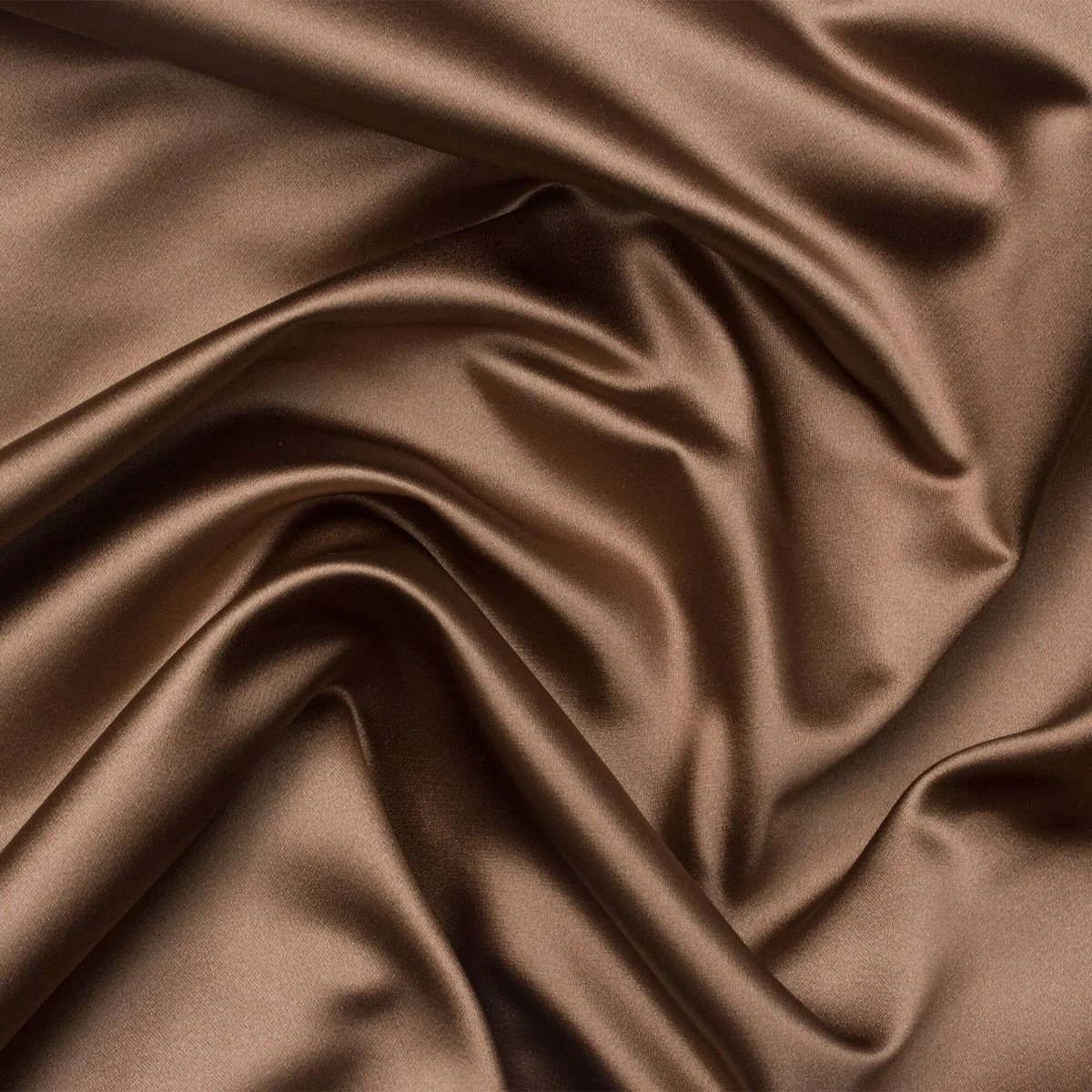
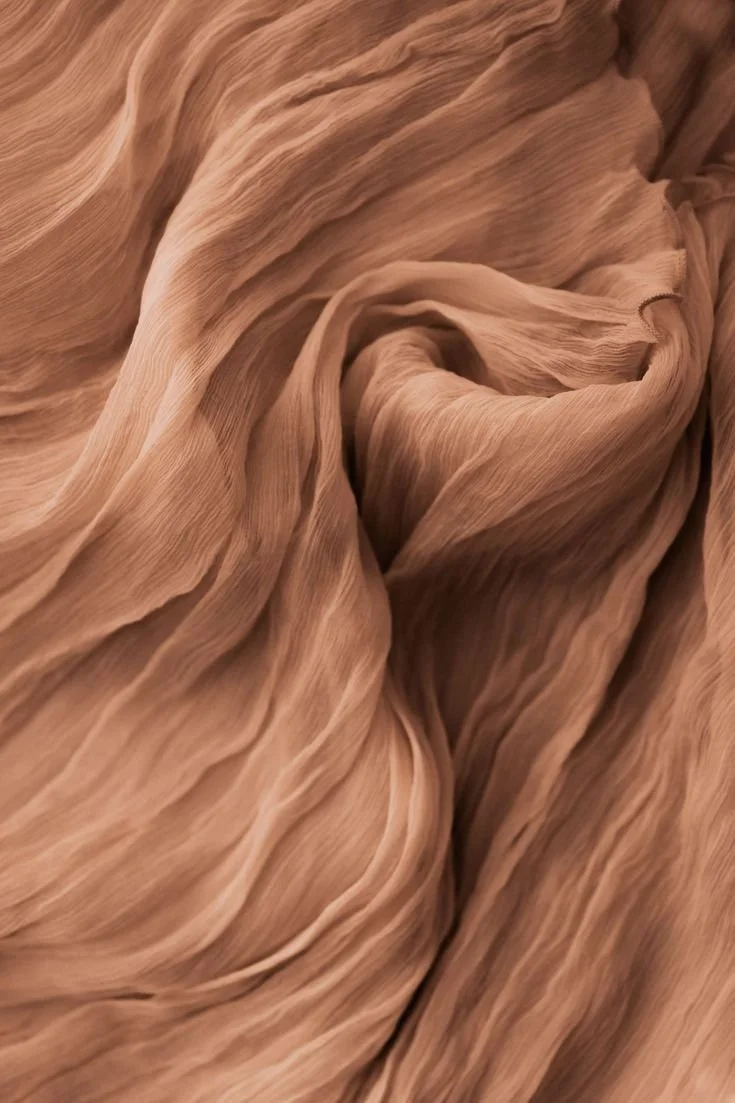
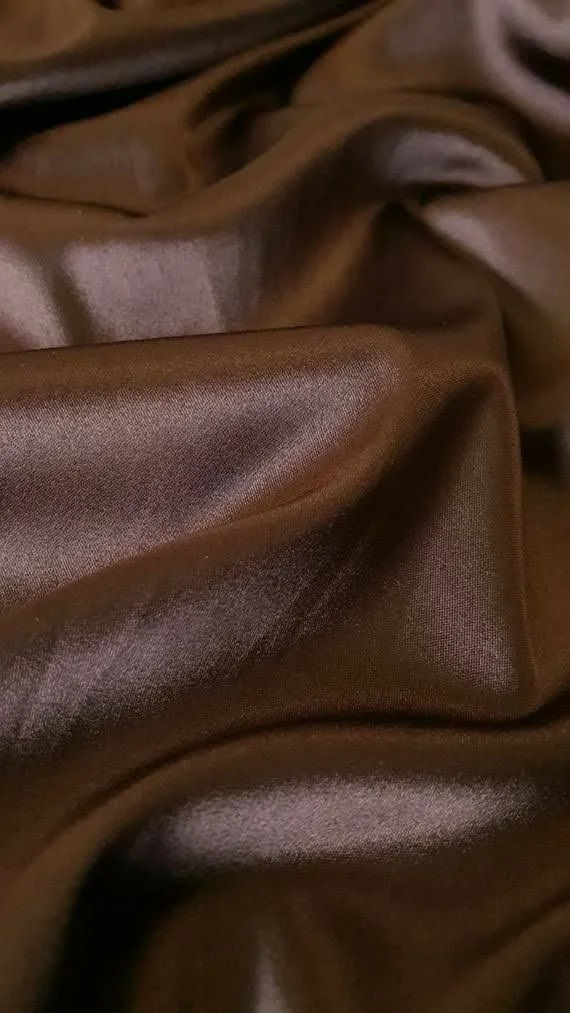
Silk is its counterpoint. A silk blouse under a wool blazer changes everything. The slip of satin weave against skin, the way it falls without effort, fluid where wool holds its line. It isn’t warmth I look for here, but grace, the kind that lingers in movement.
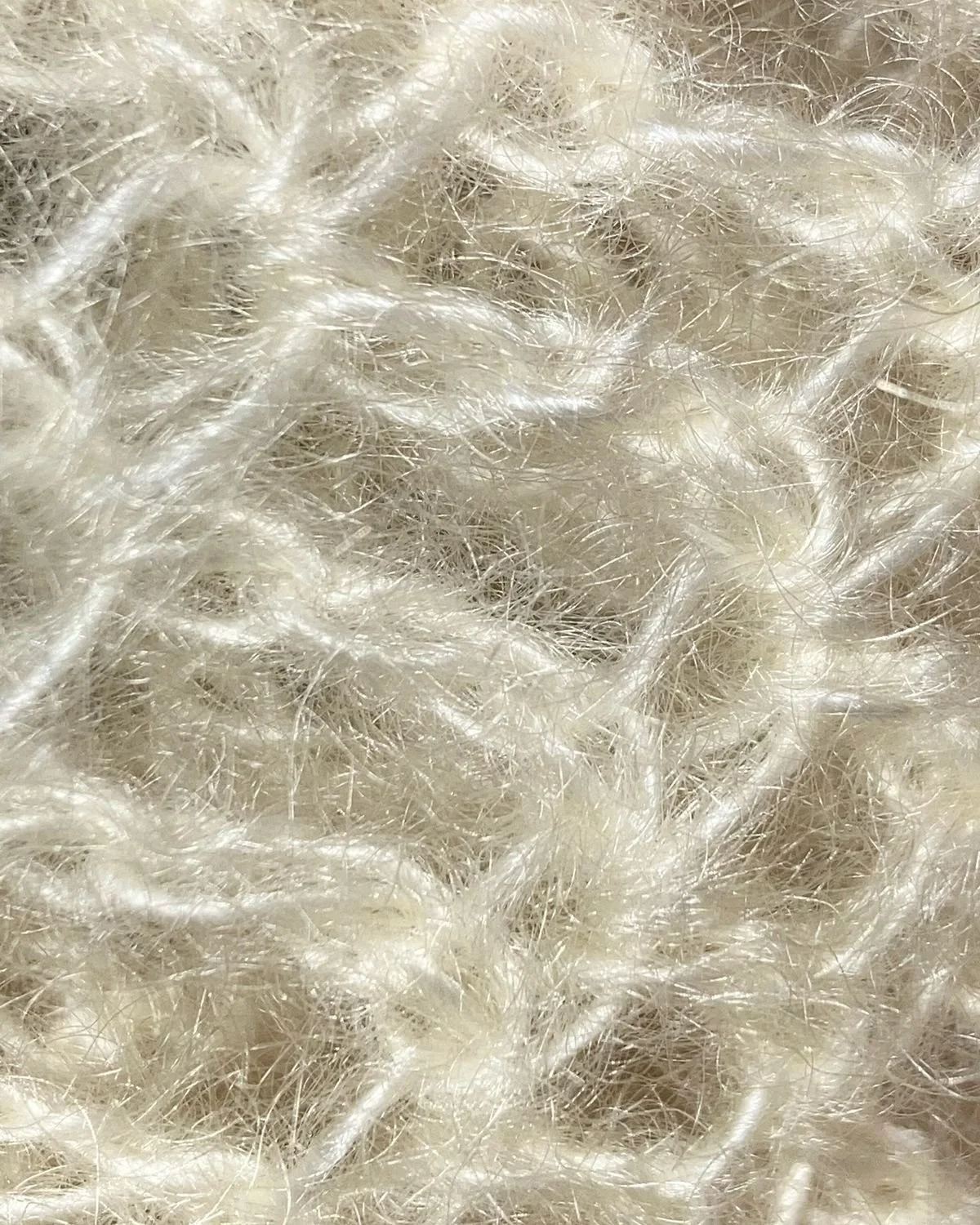
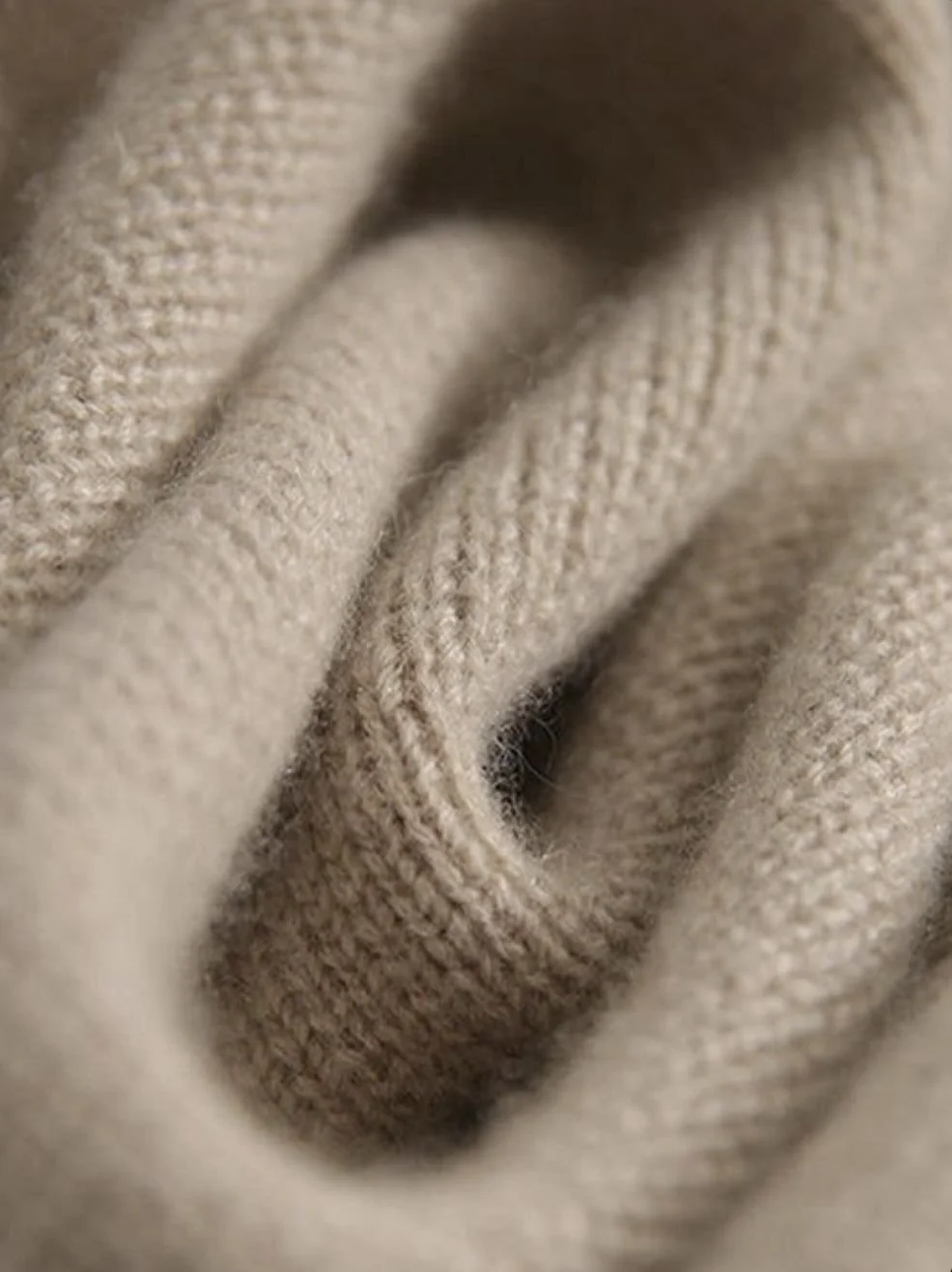
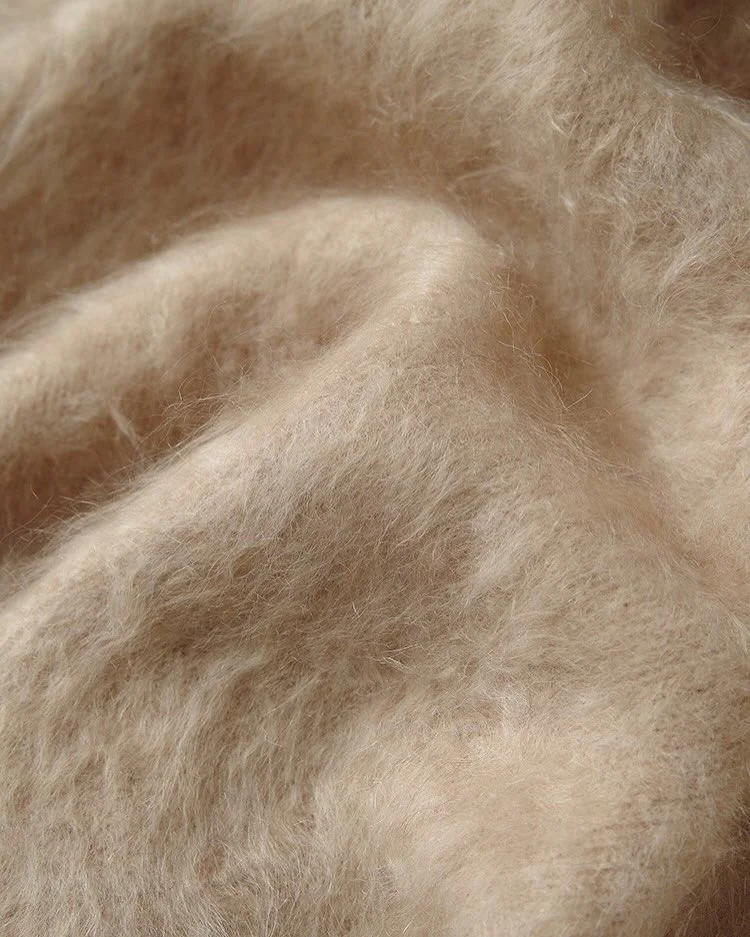
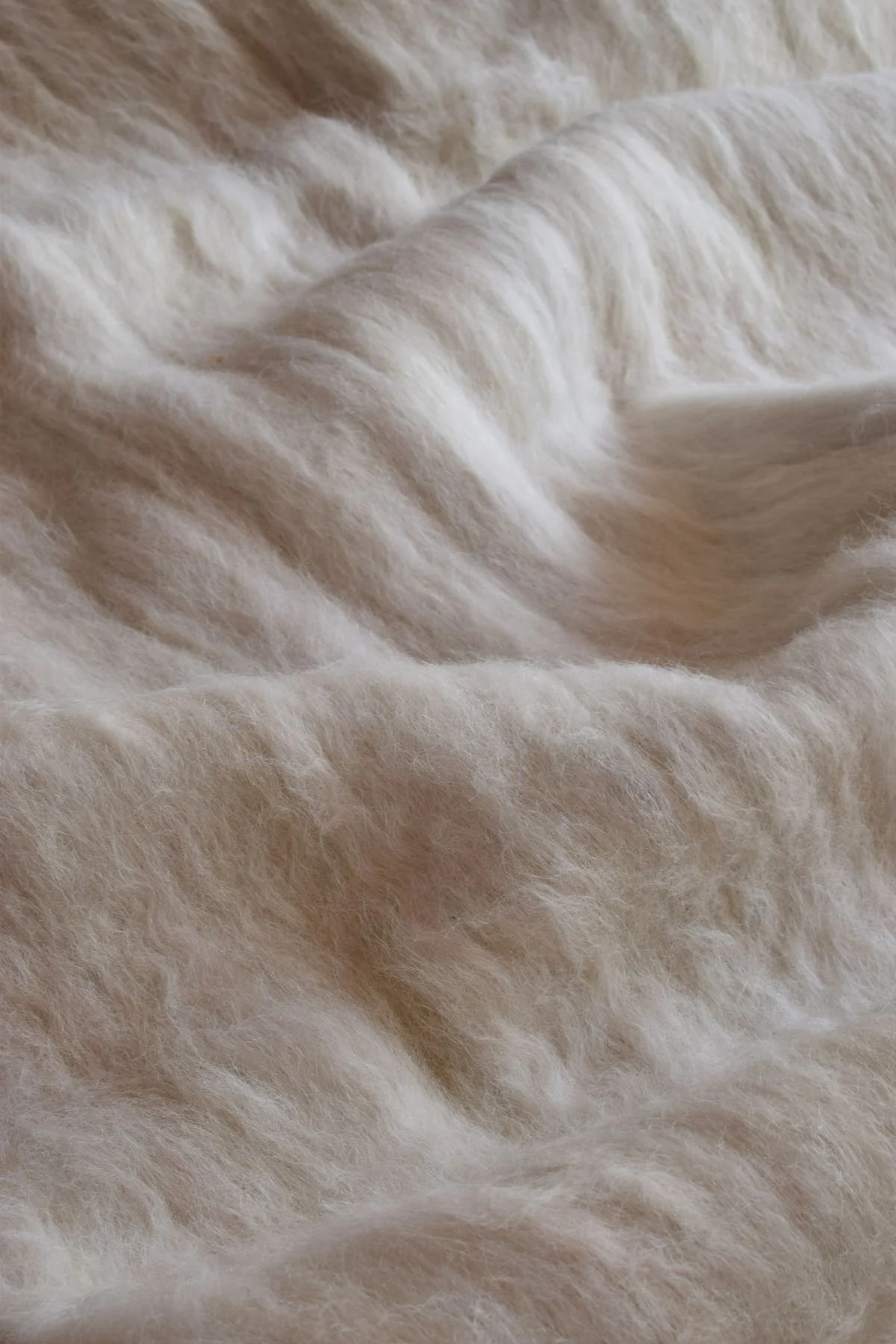
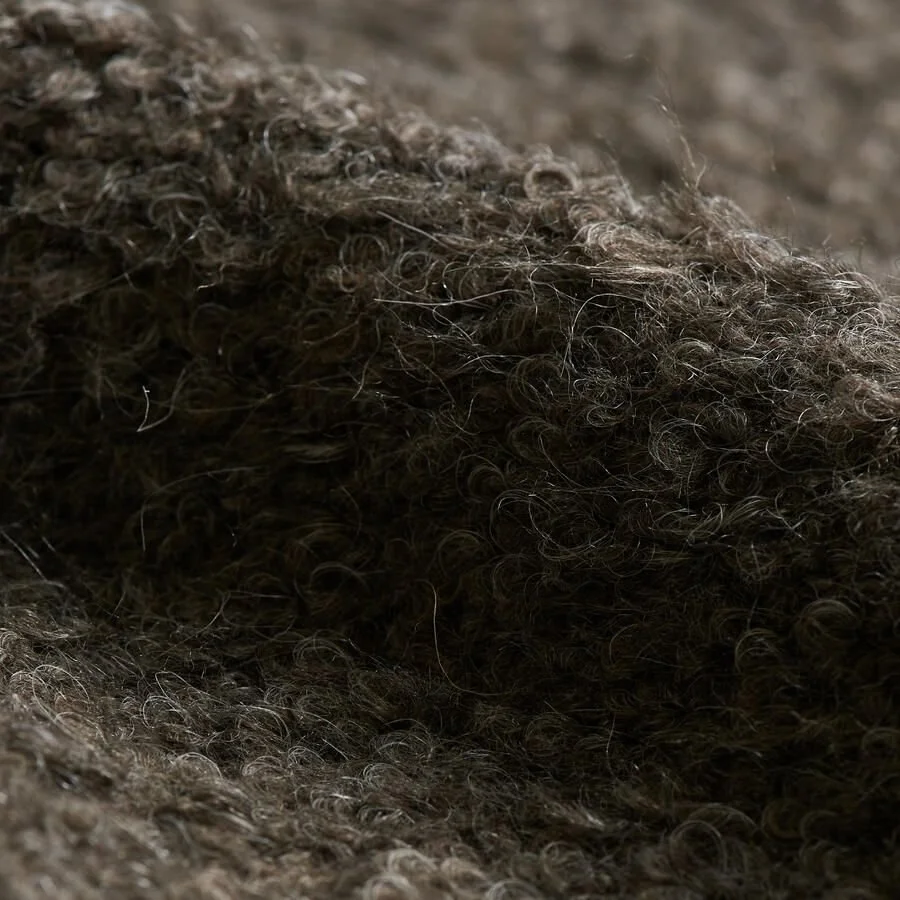
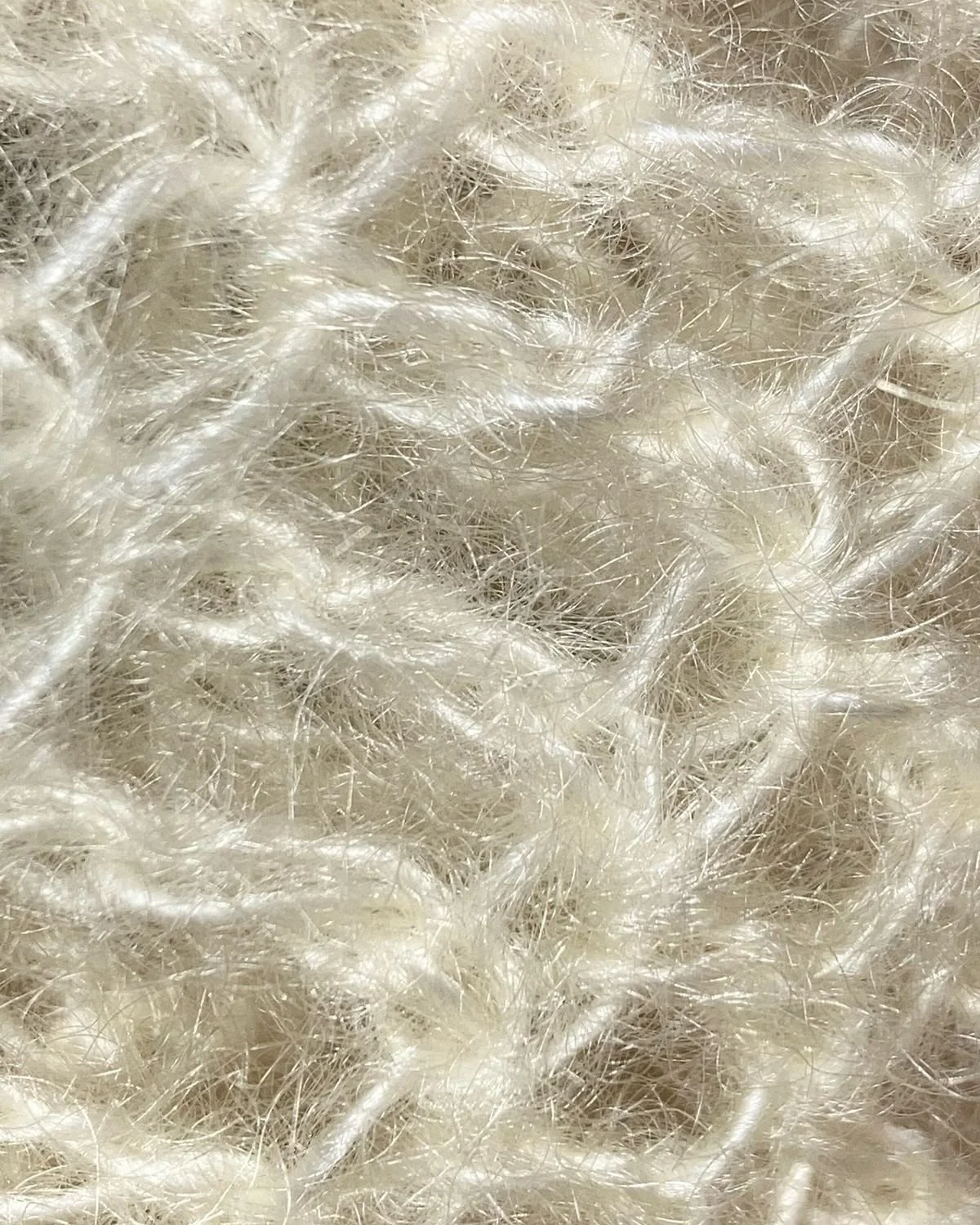
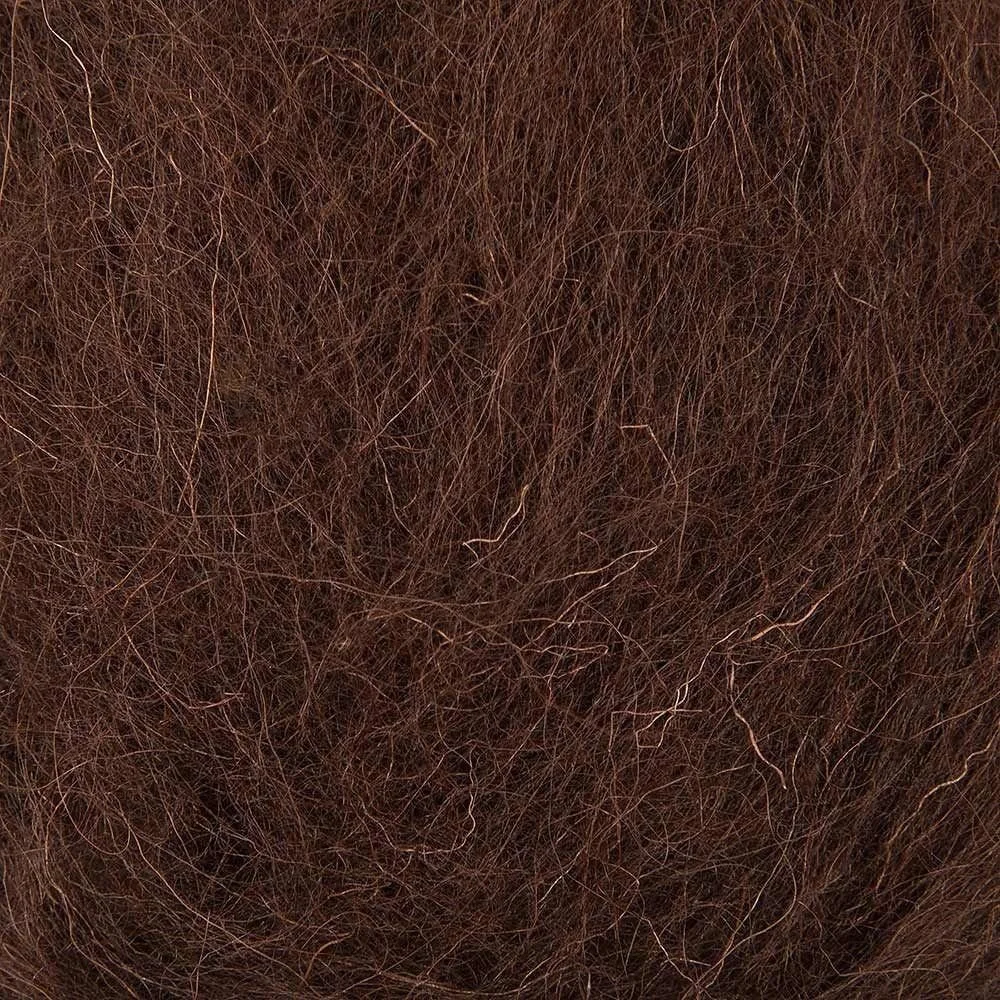
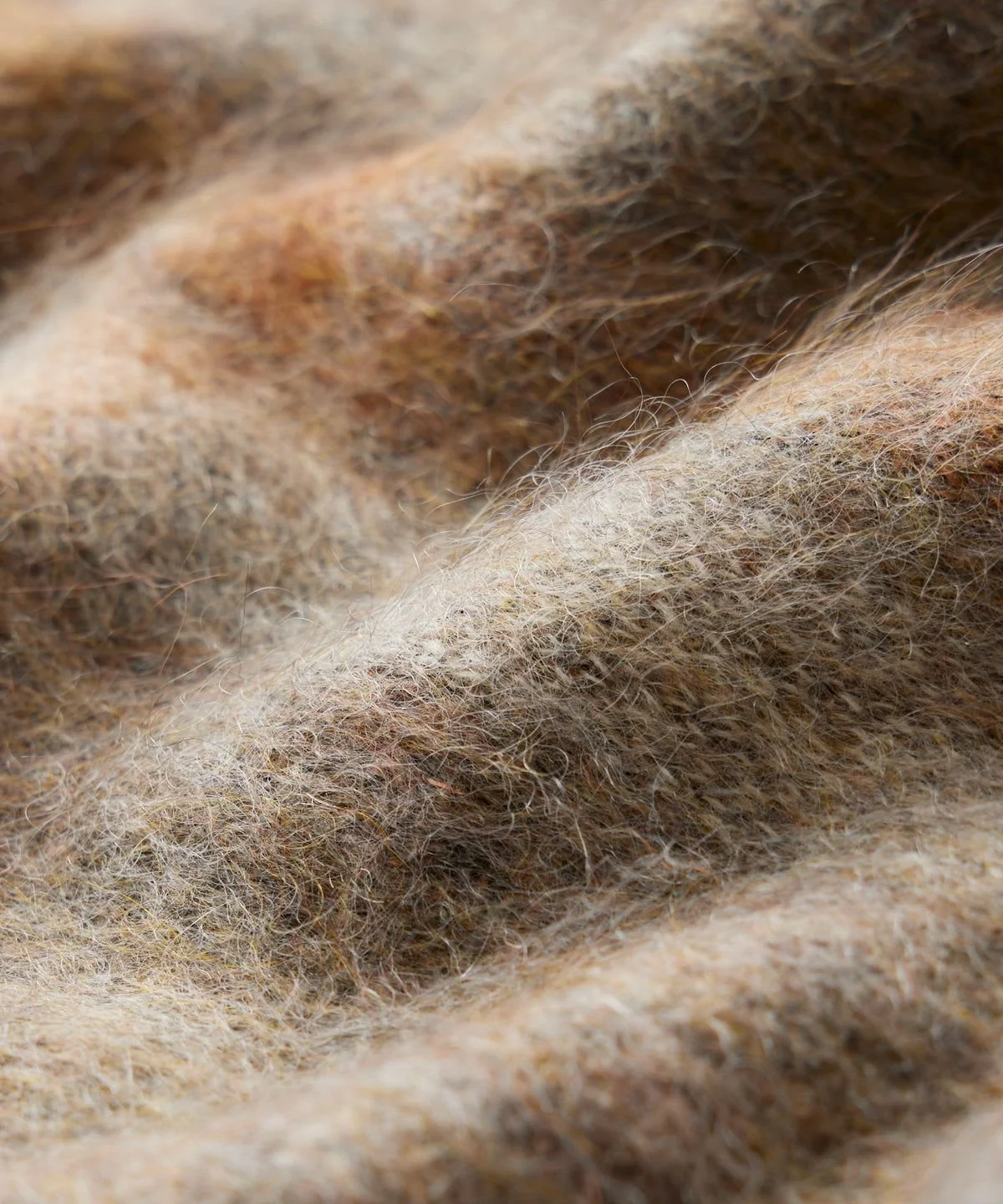
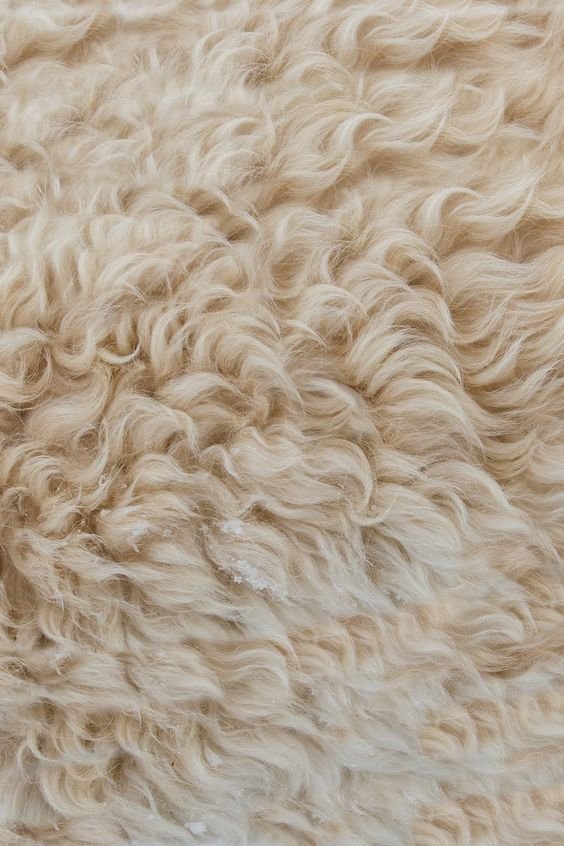
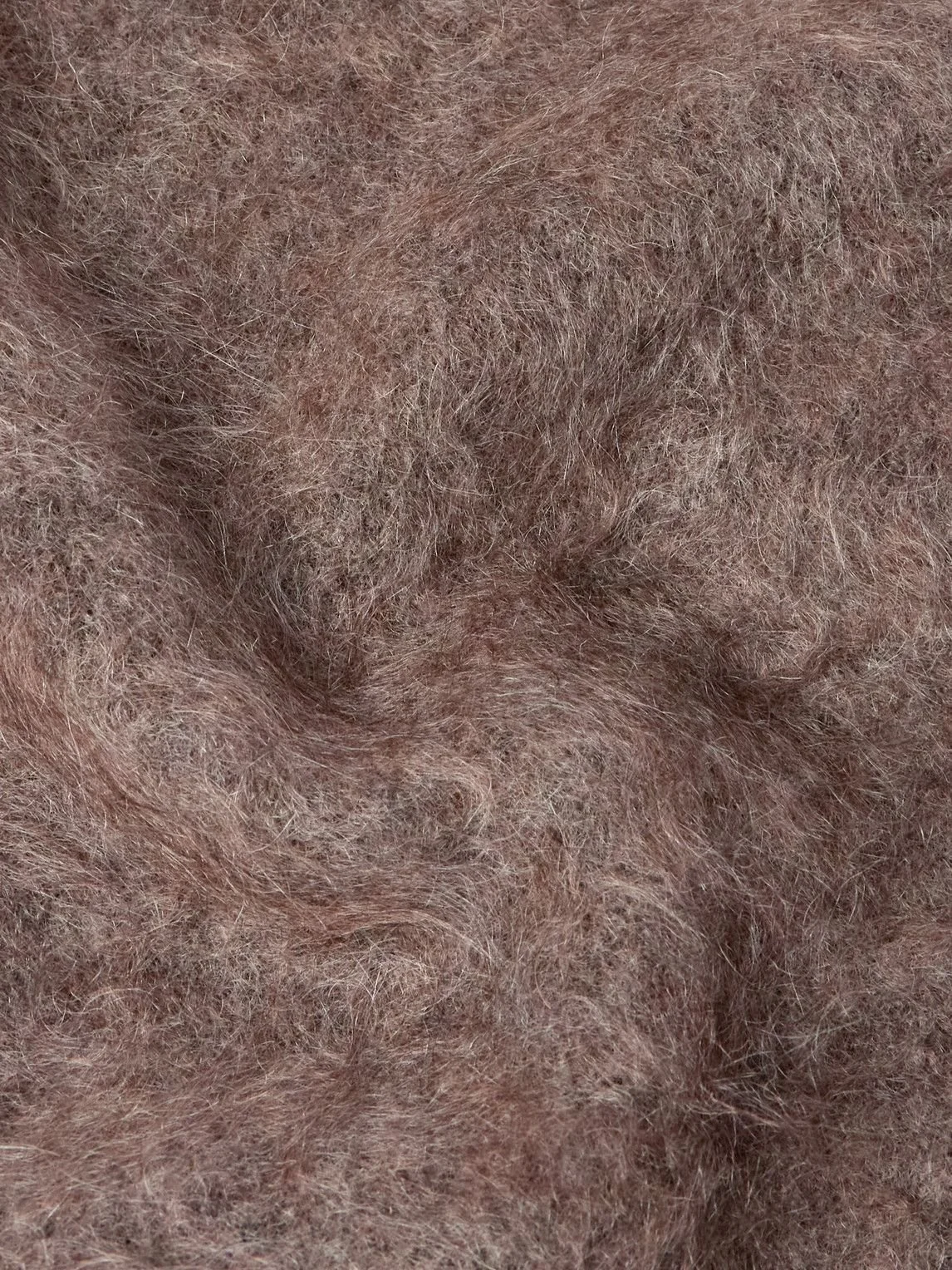
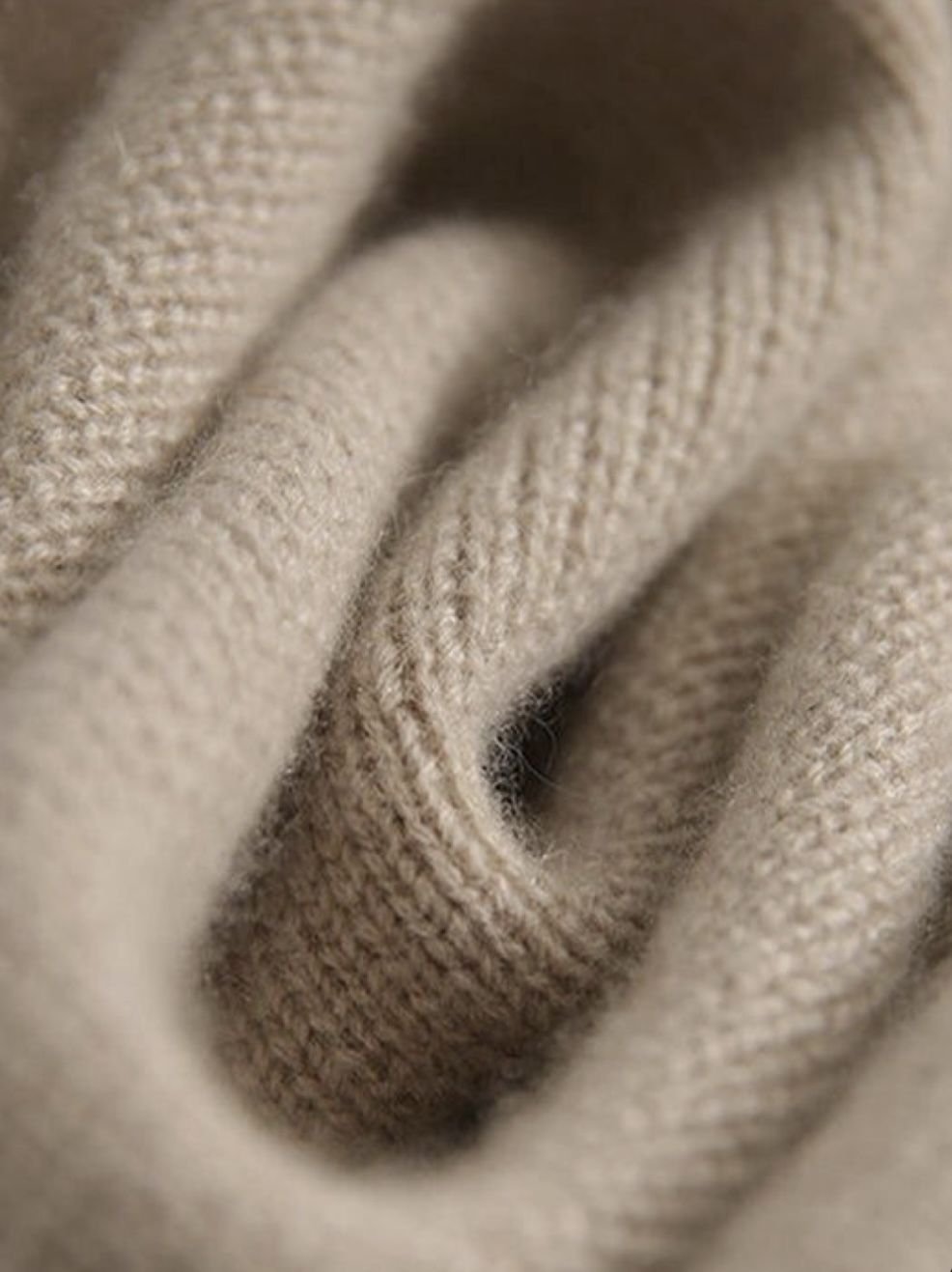
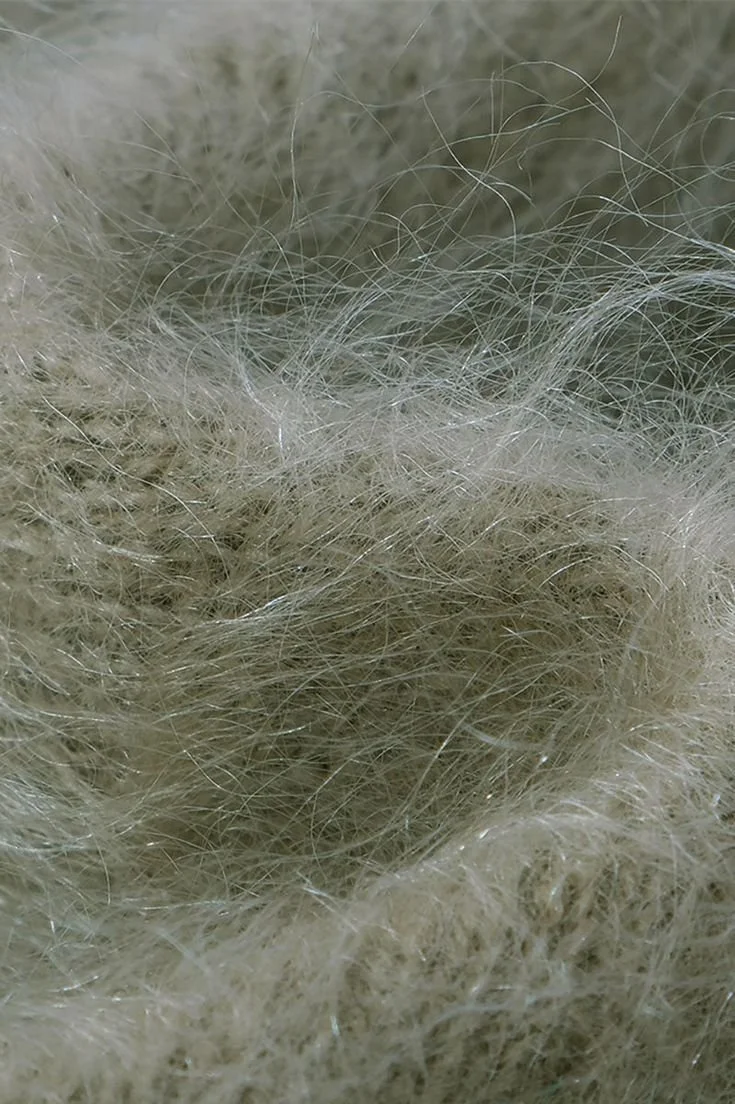
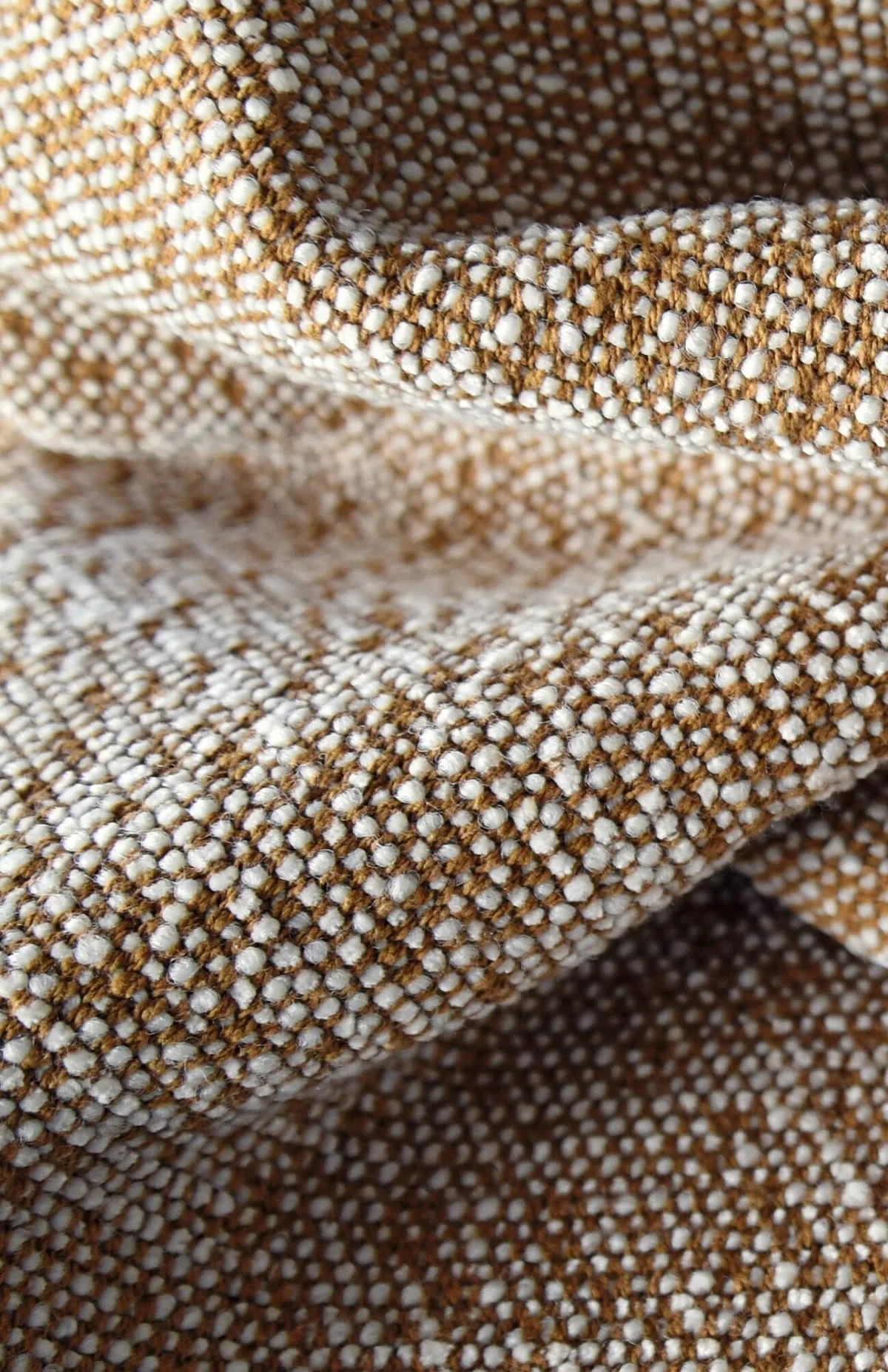
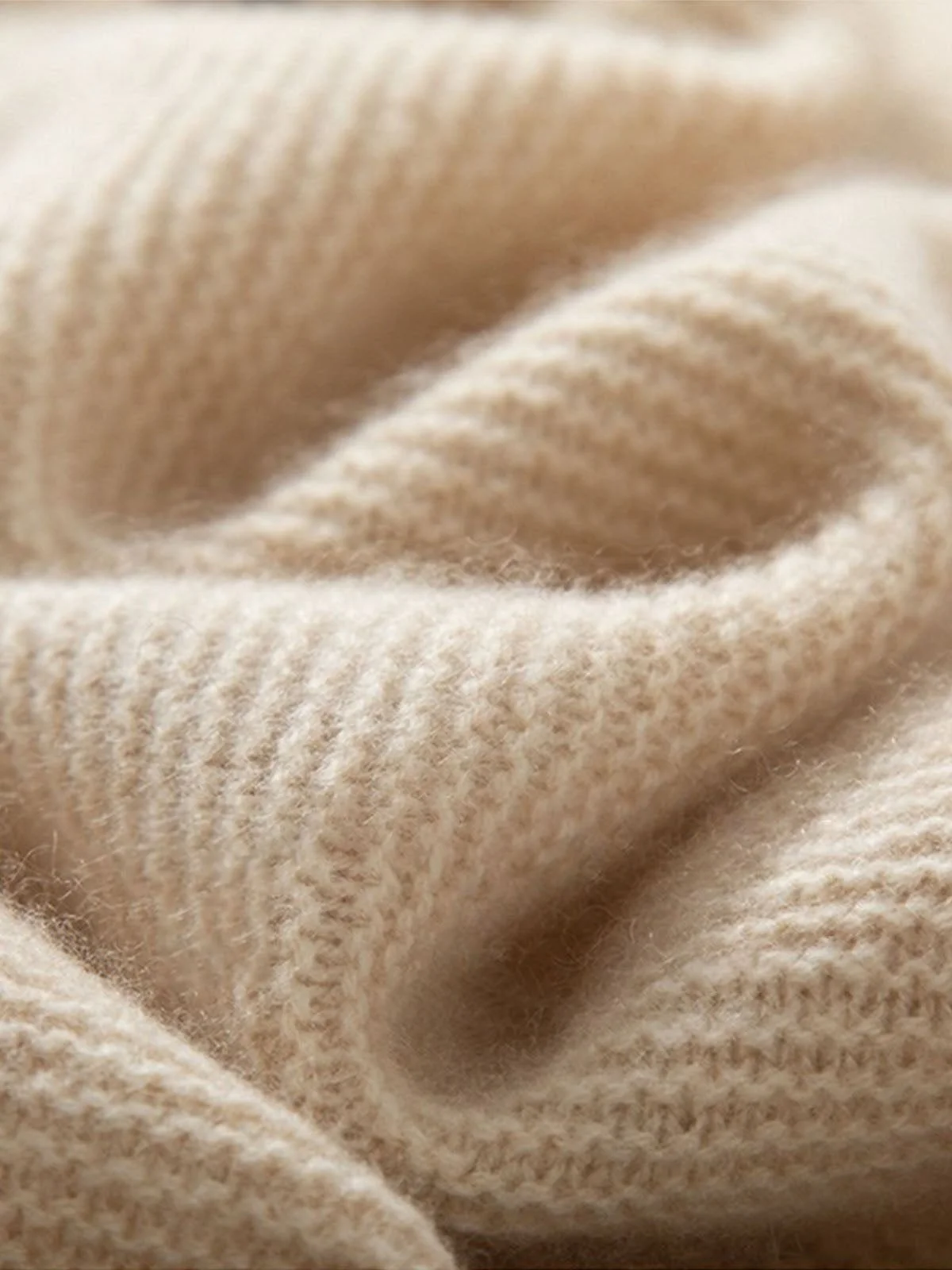
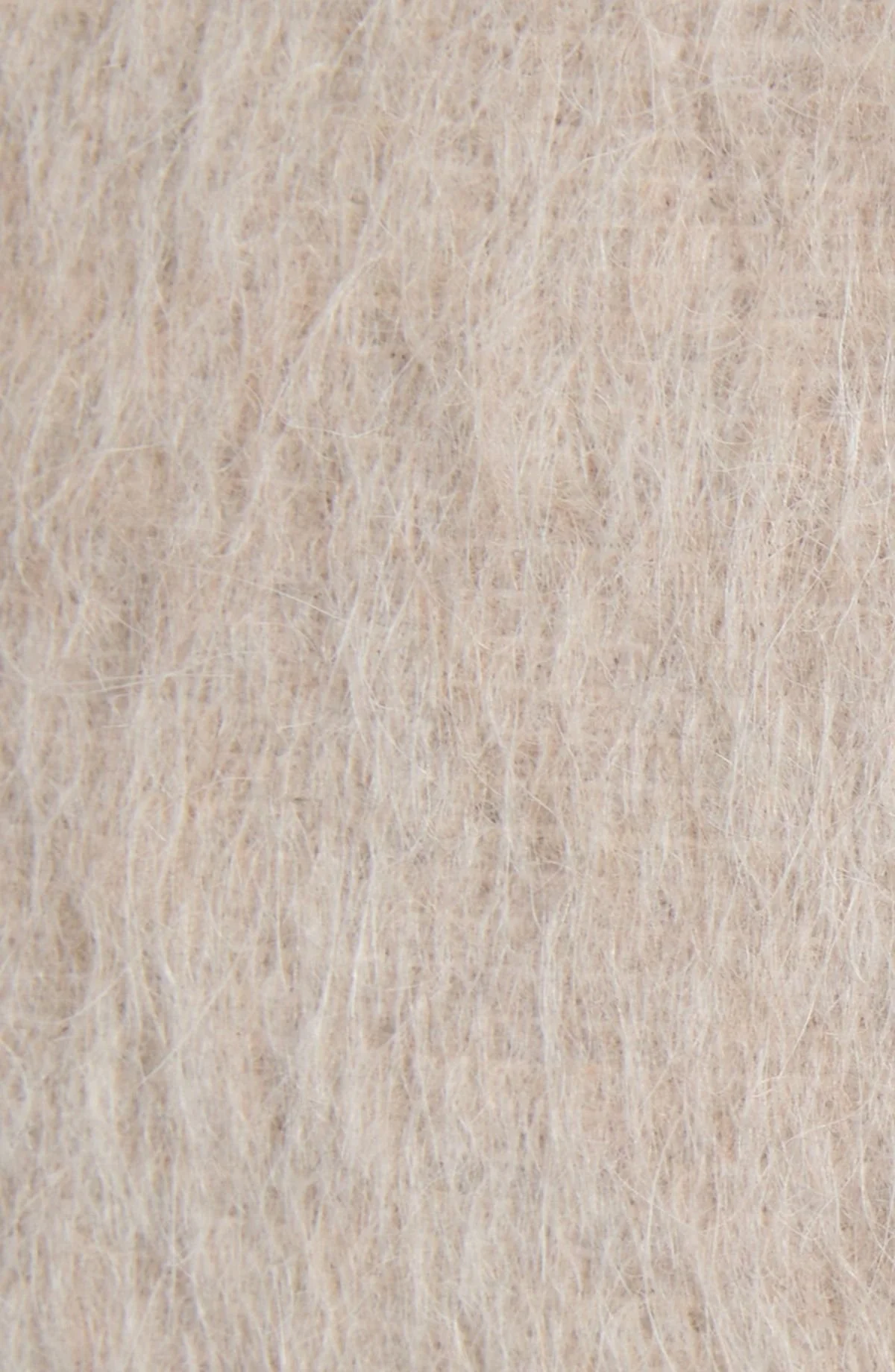
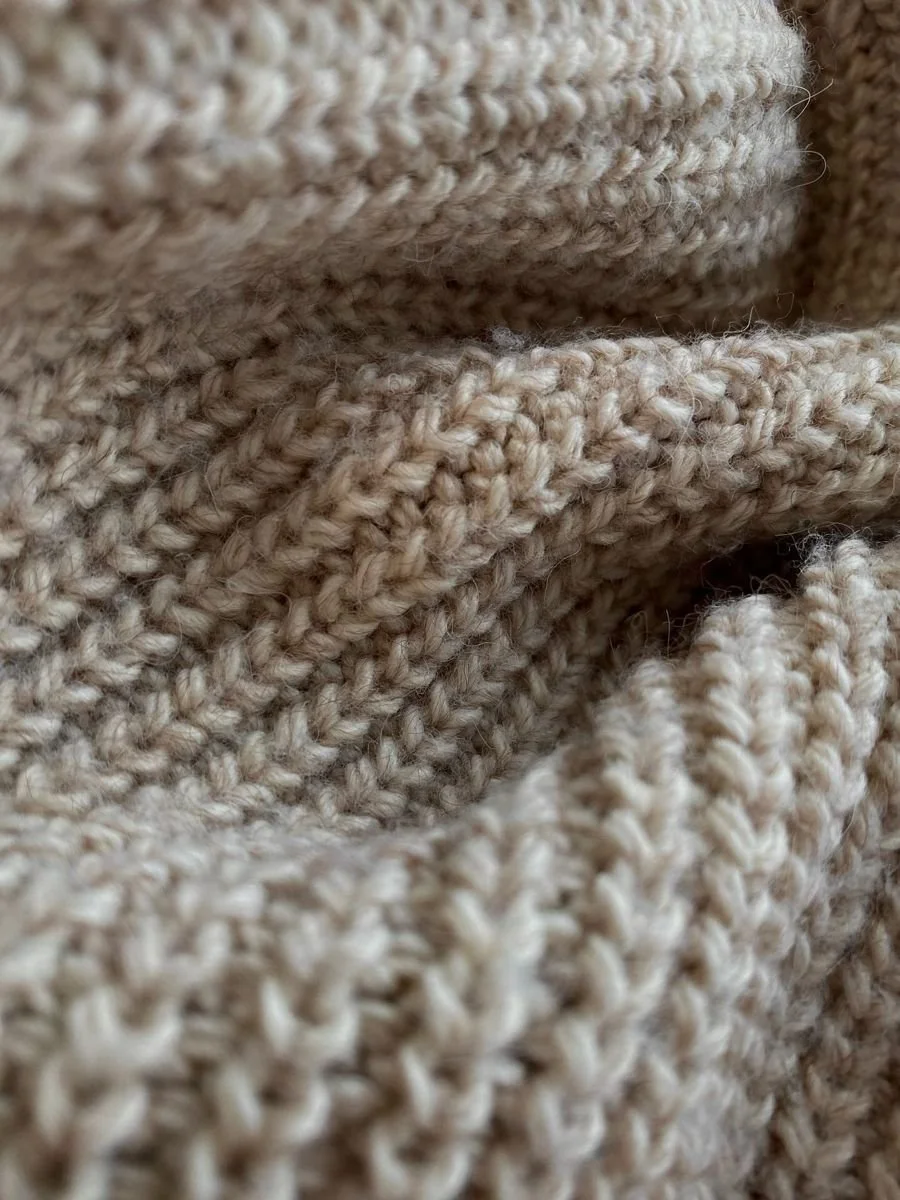
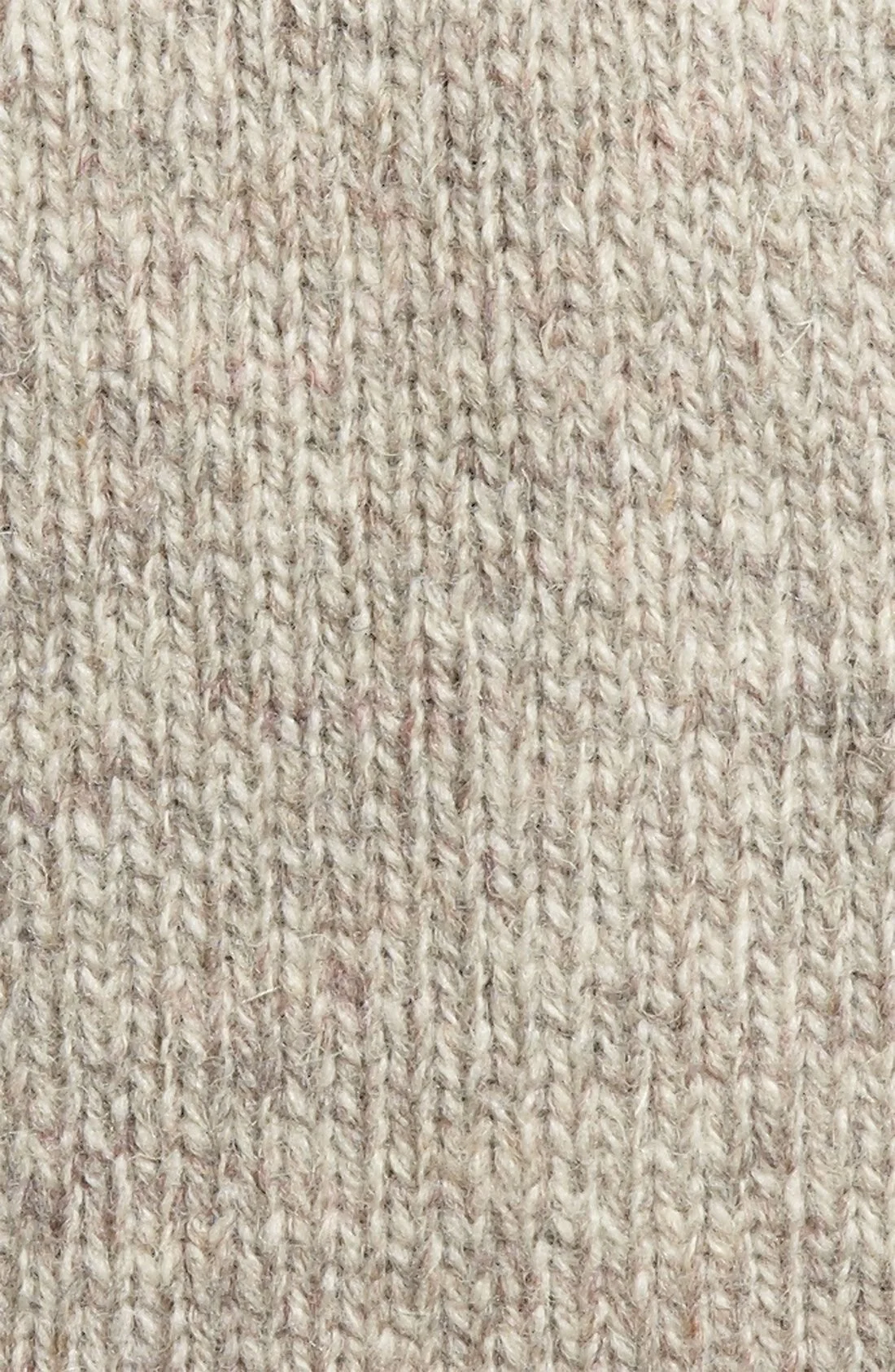
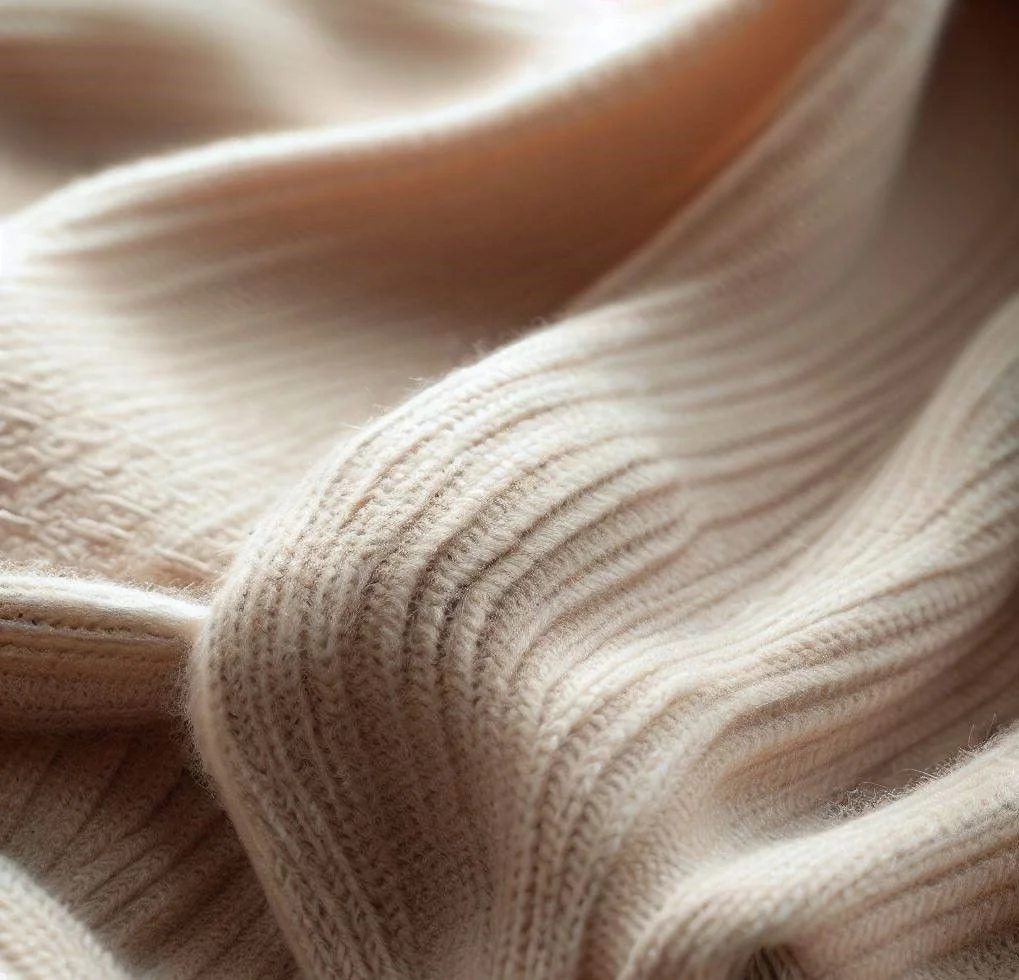
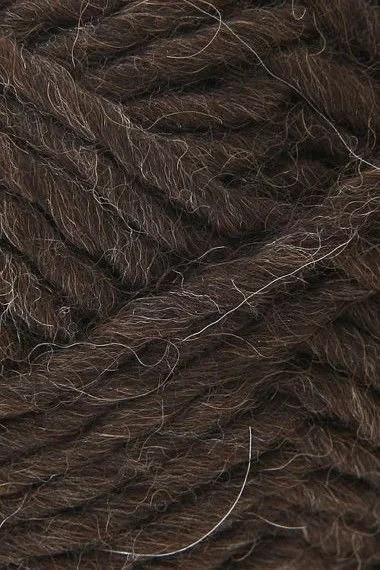
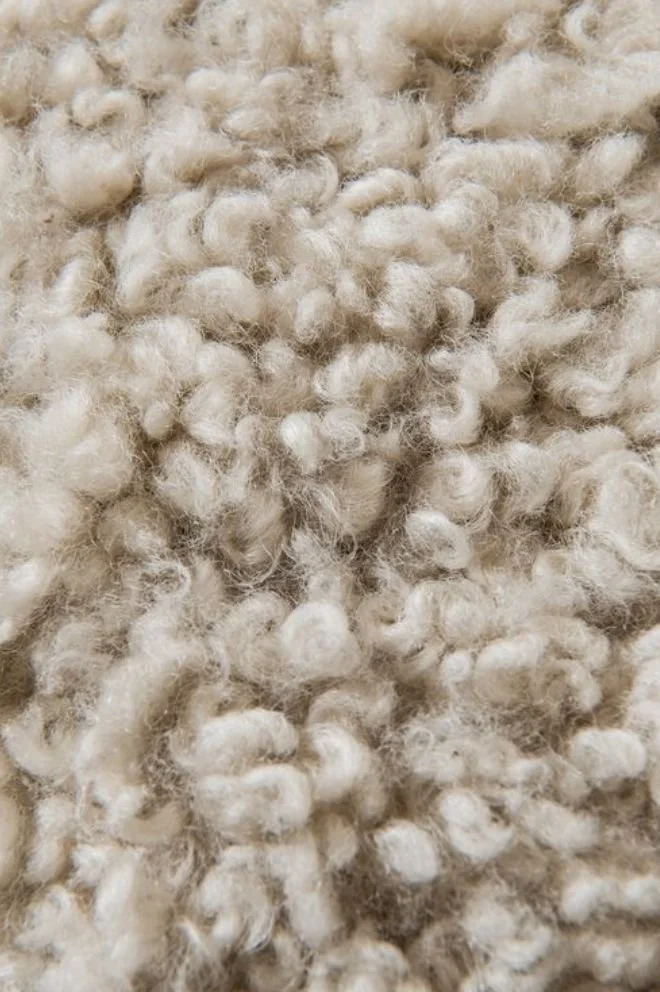
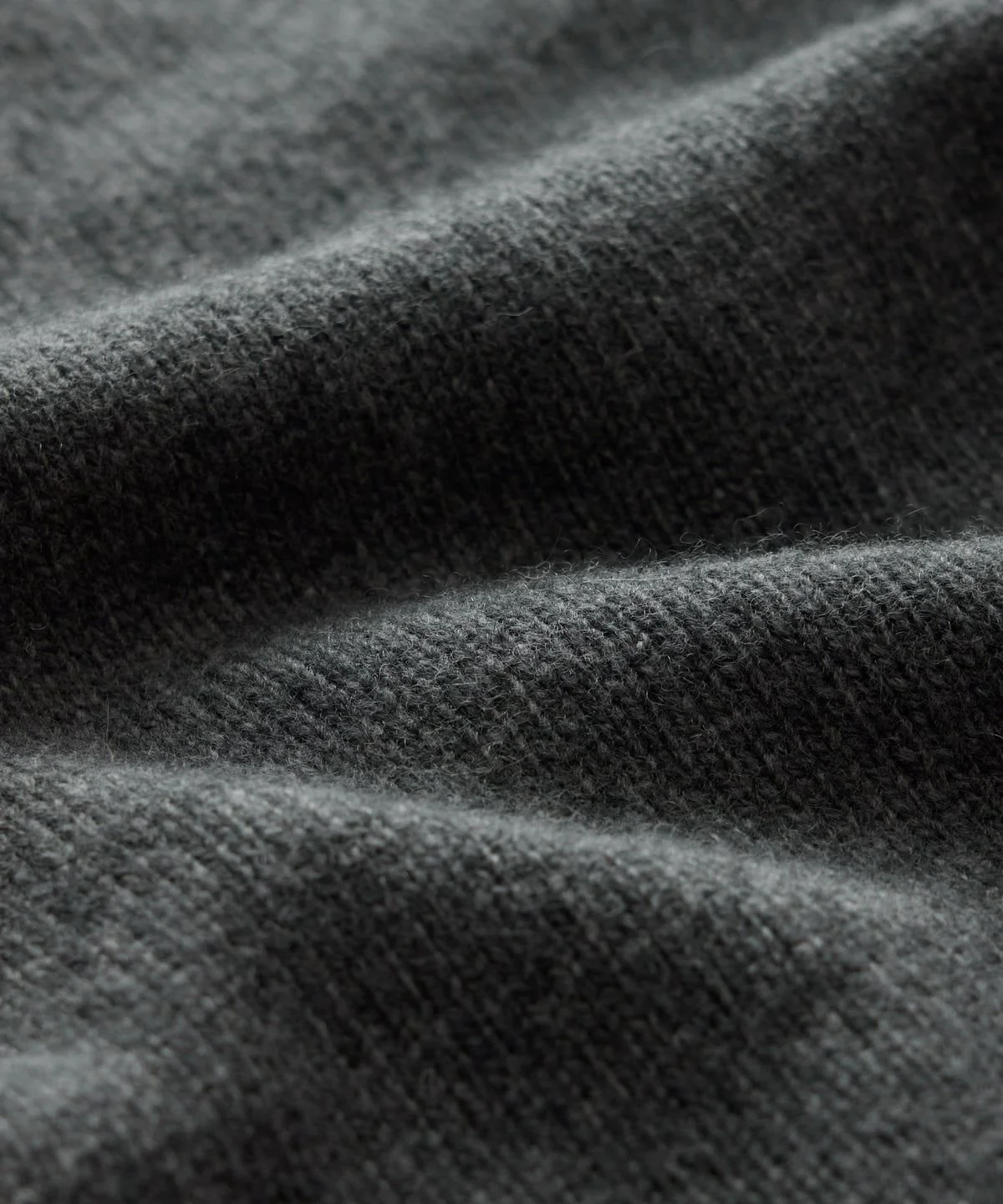
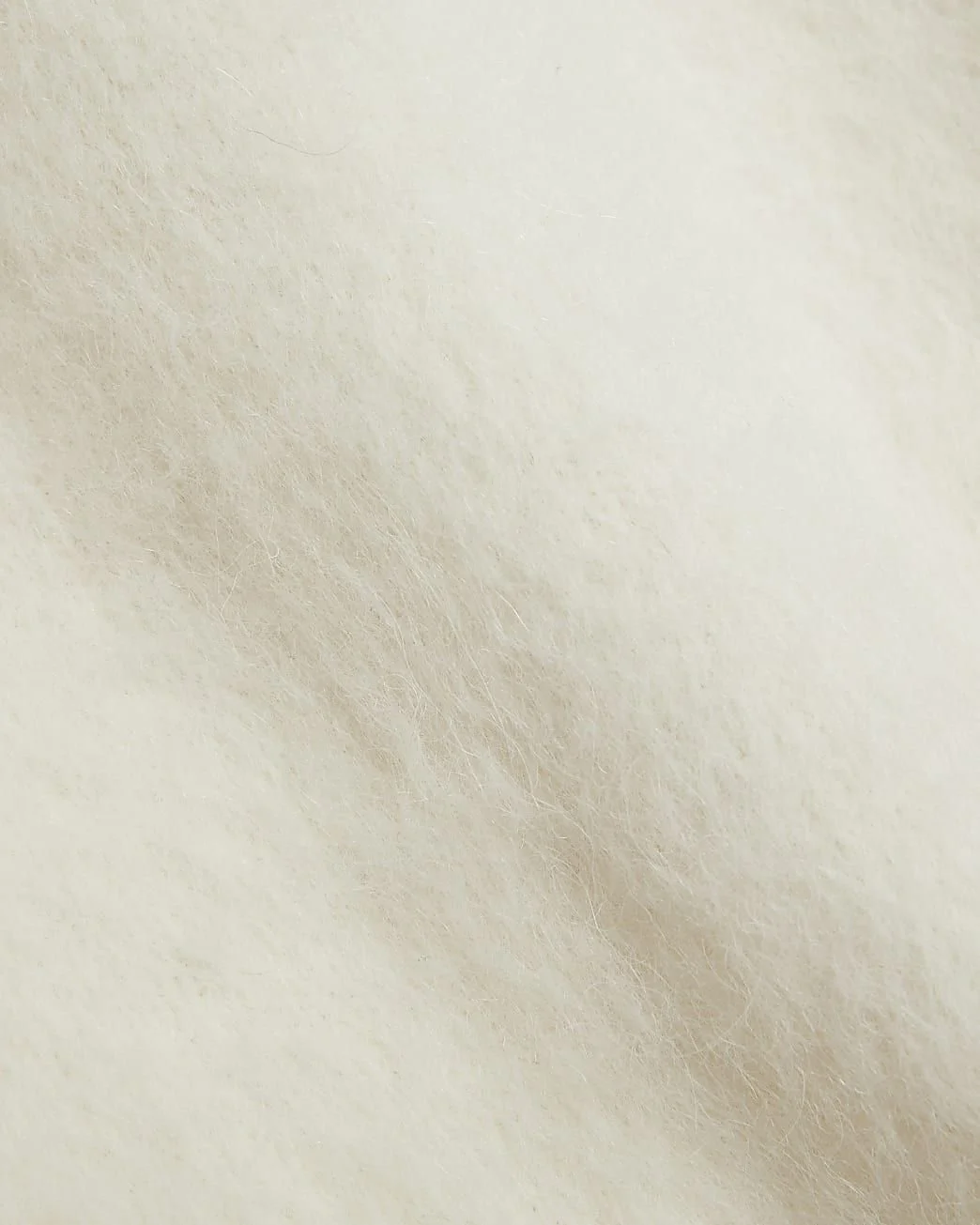
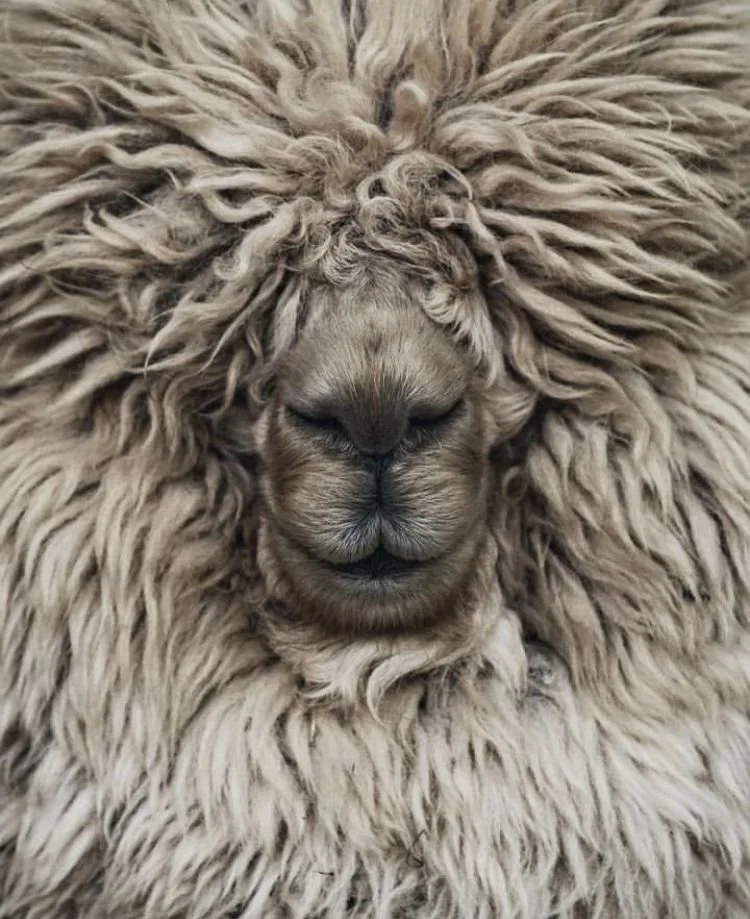
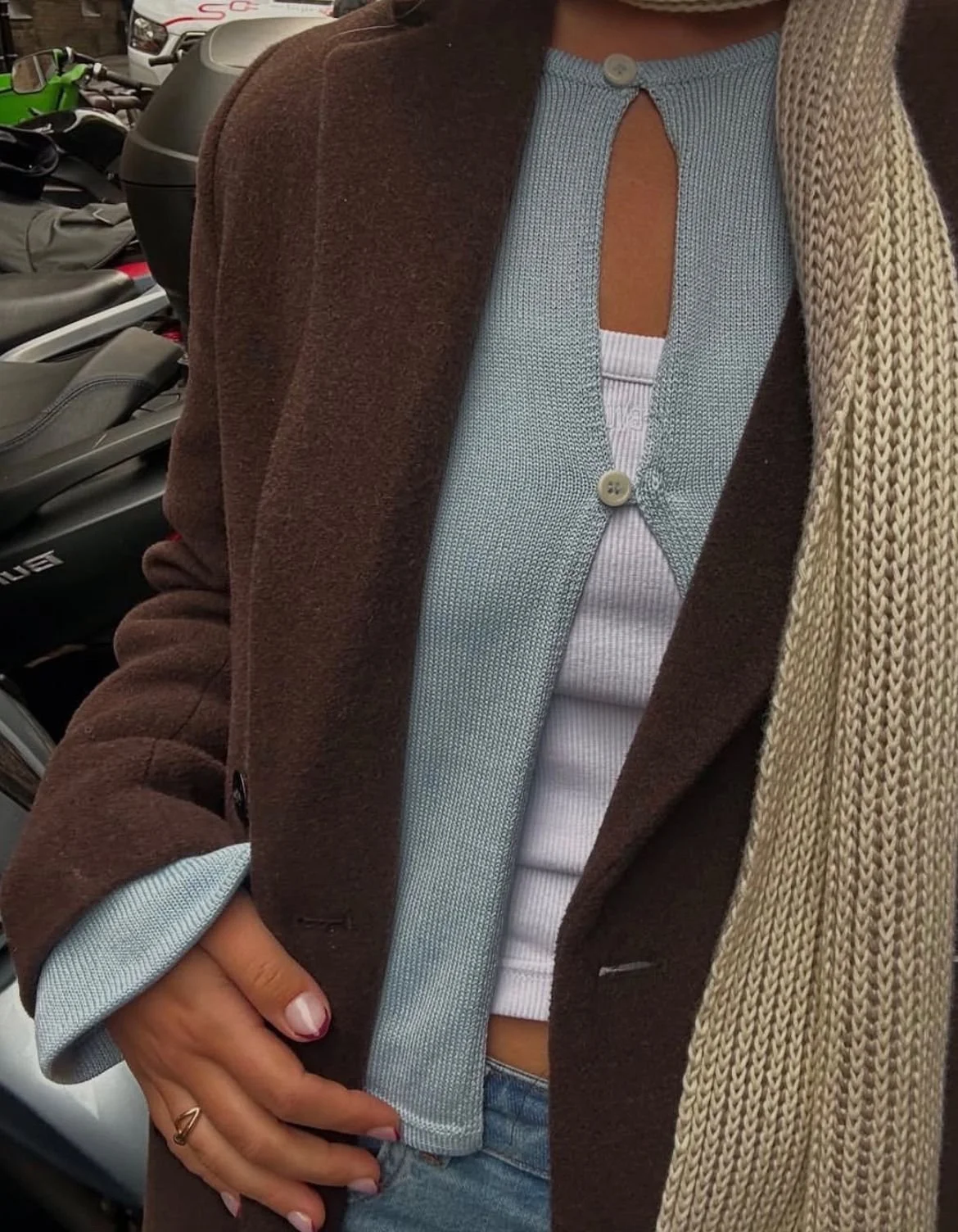
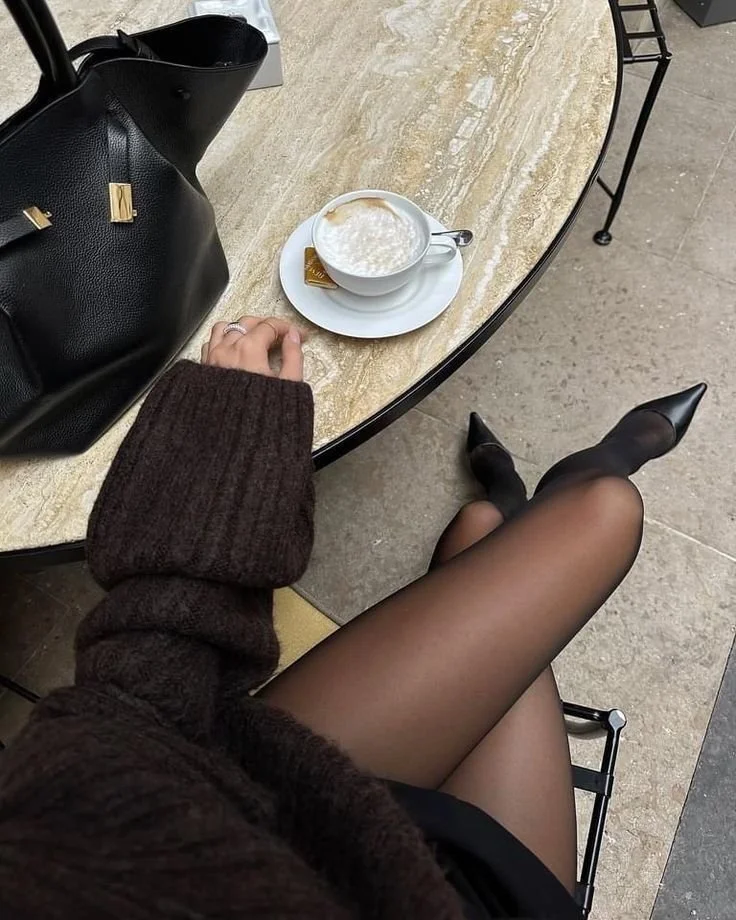
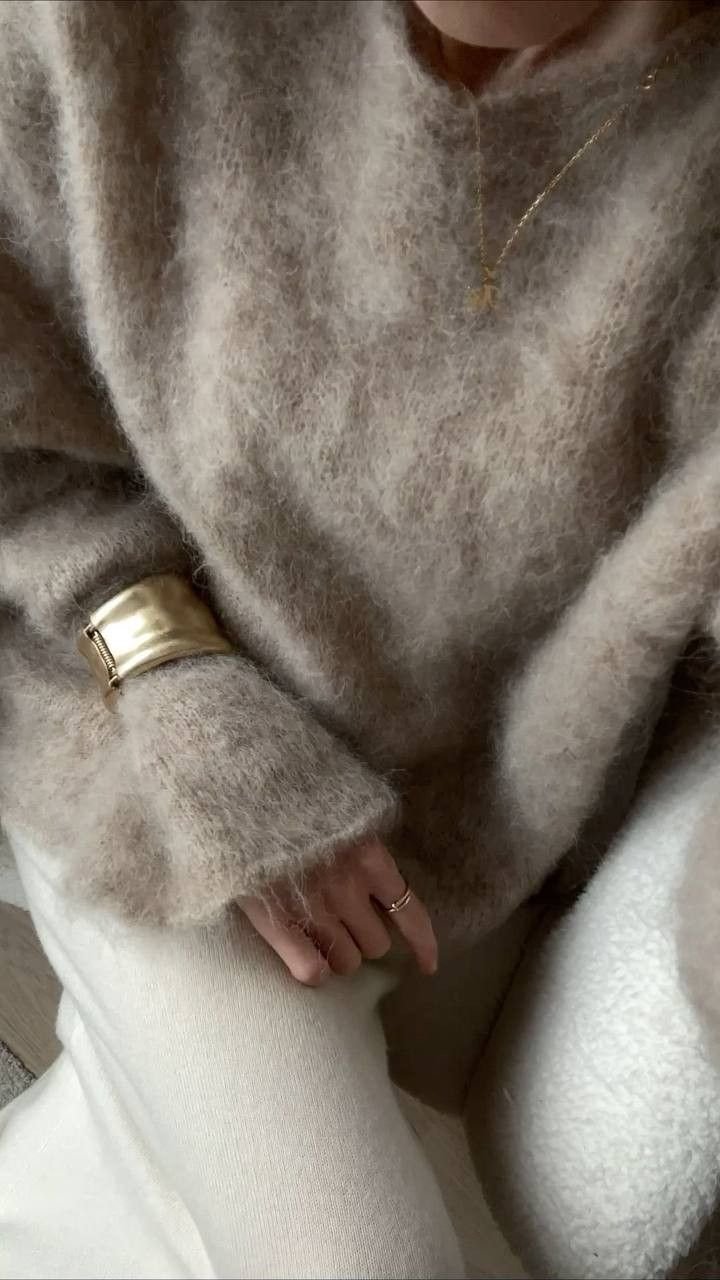
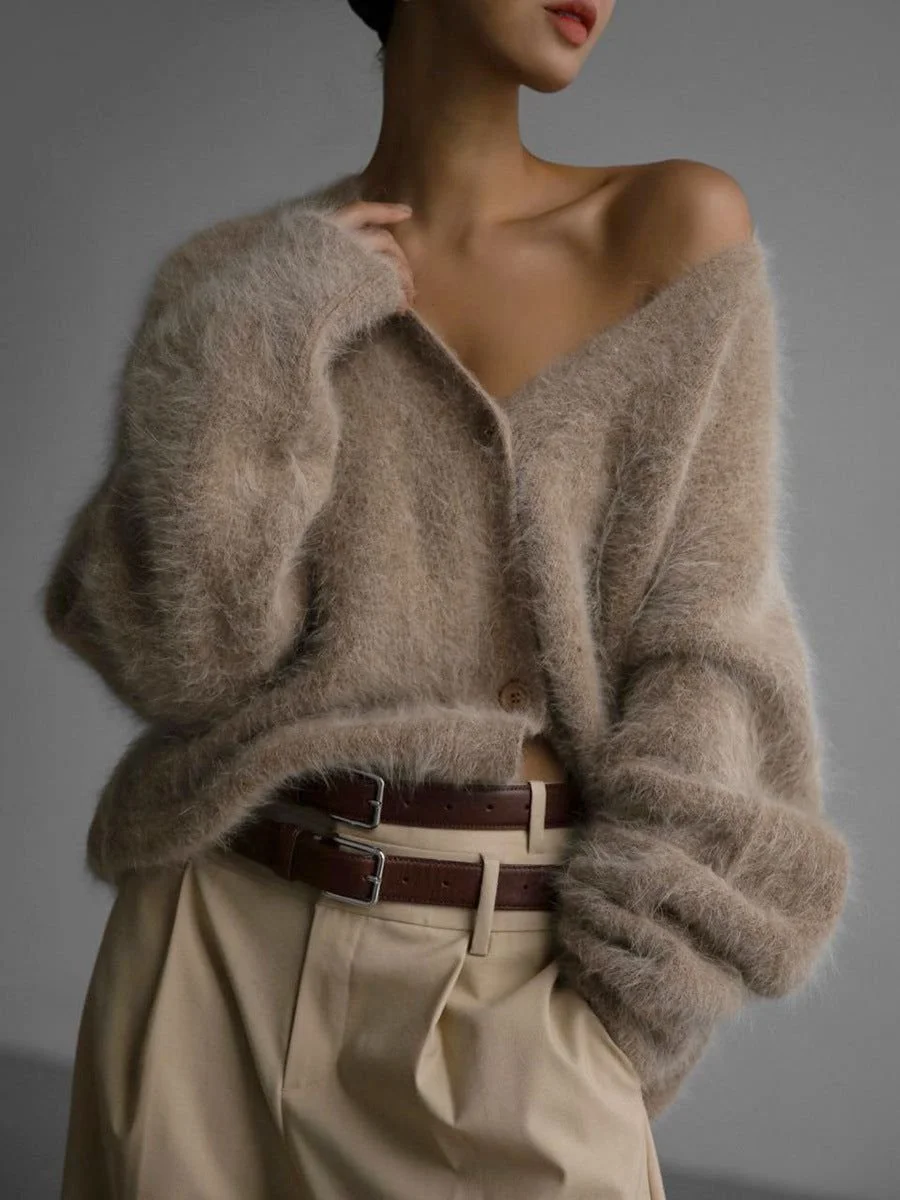
Cashmere is a different softness, dense and steady, almost weightless against the skin yet warming more deeply than its thickness would suggest. Mohair carries a halo, each fiber catching light, airy and tactile, the kind of knit that hovers just above the body. Angora shares something with mohair — a cloudlike texture, almost too delicate, but unforgettable when brushed across the hand.
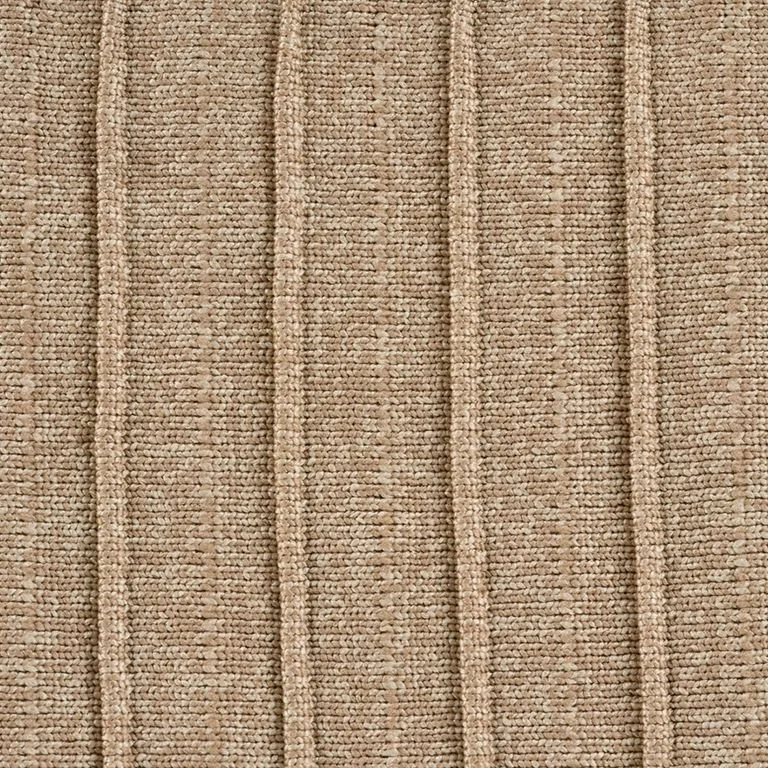
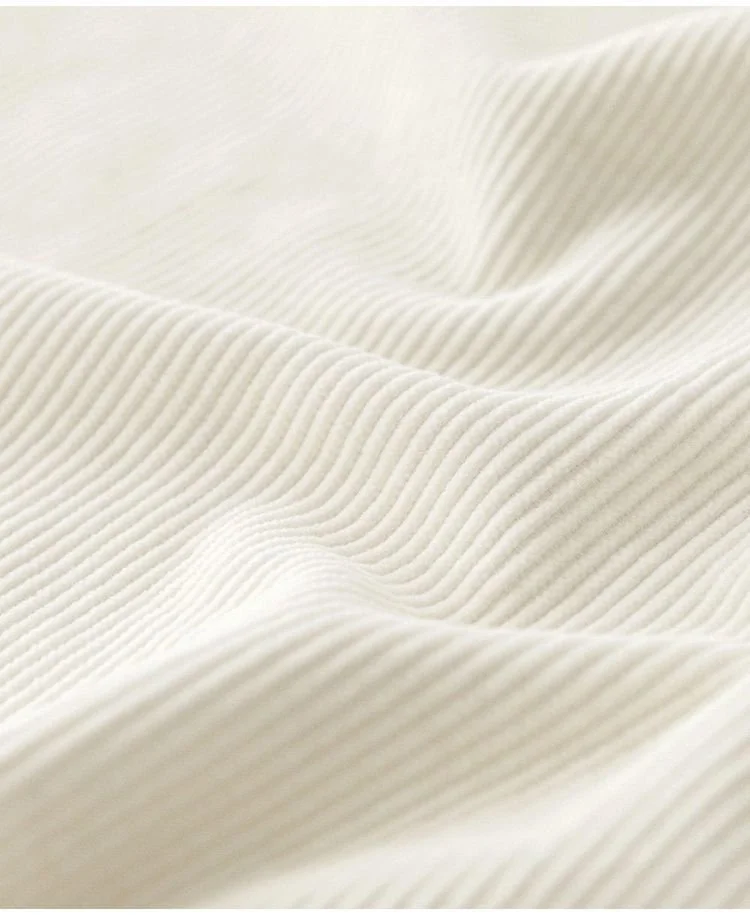
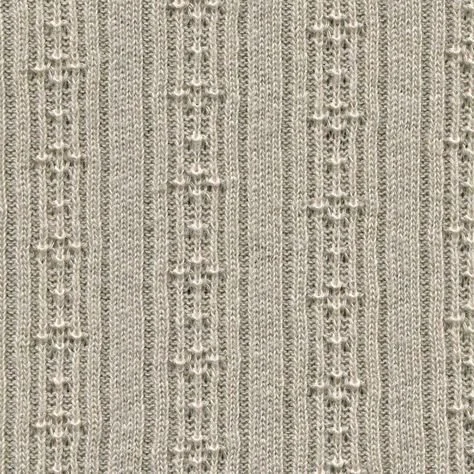
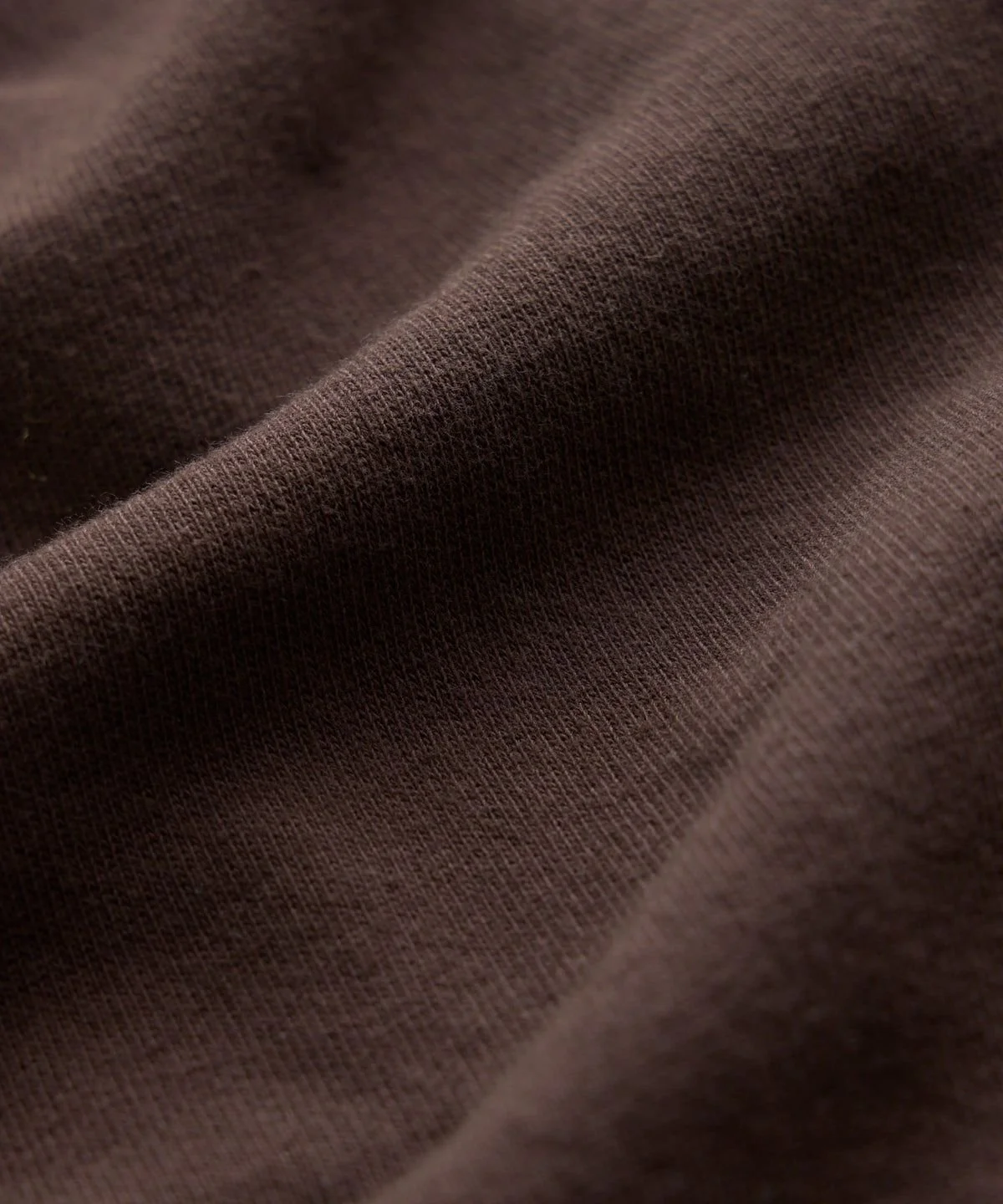
Then there are the knits. I like the small details here: the ladder of a pointelle, the rib of a fine merino, the slight halo of mohair brushed at the surface. Each stitch — jersey, rib, or cable — is as much design as it is utility, allowing breath or trapping heat, stretching for movement or clinging close. They are the pieces that meet me where I am: on the floor with my children, over the stove stirring soup, or out in town with a coat slung over my shoulders.
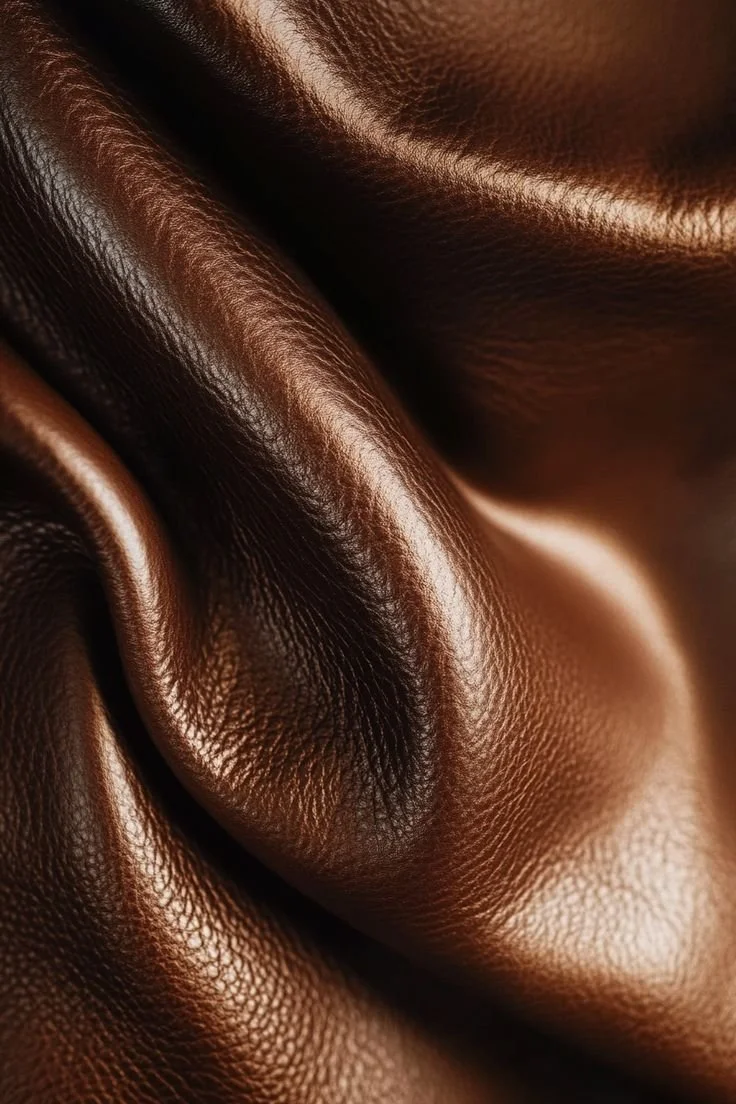
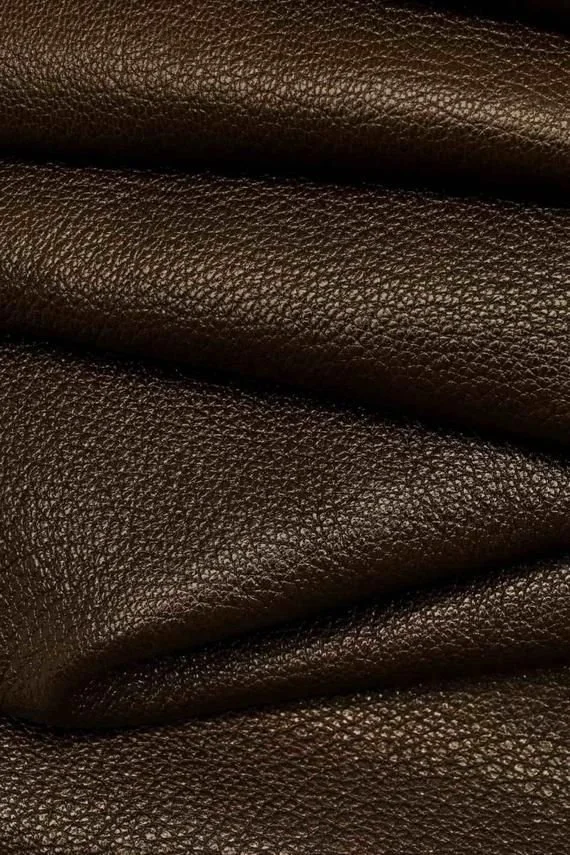
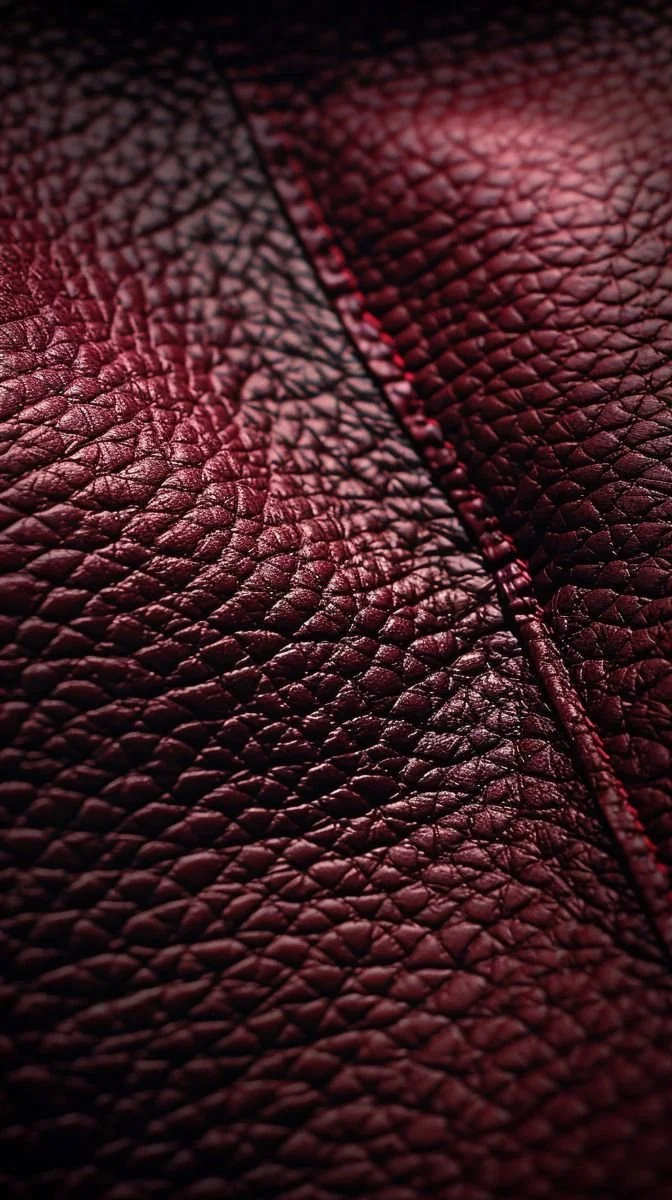
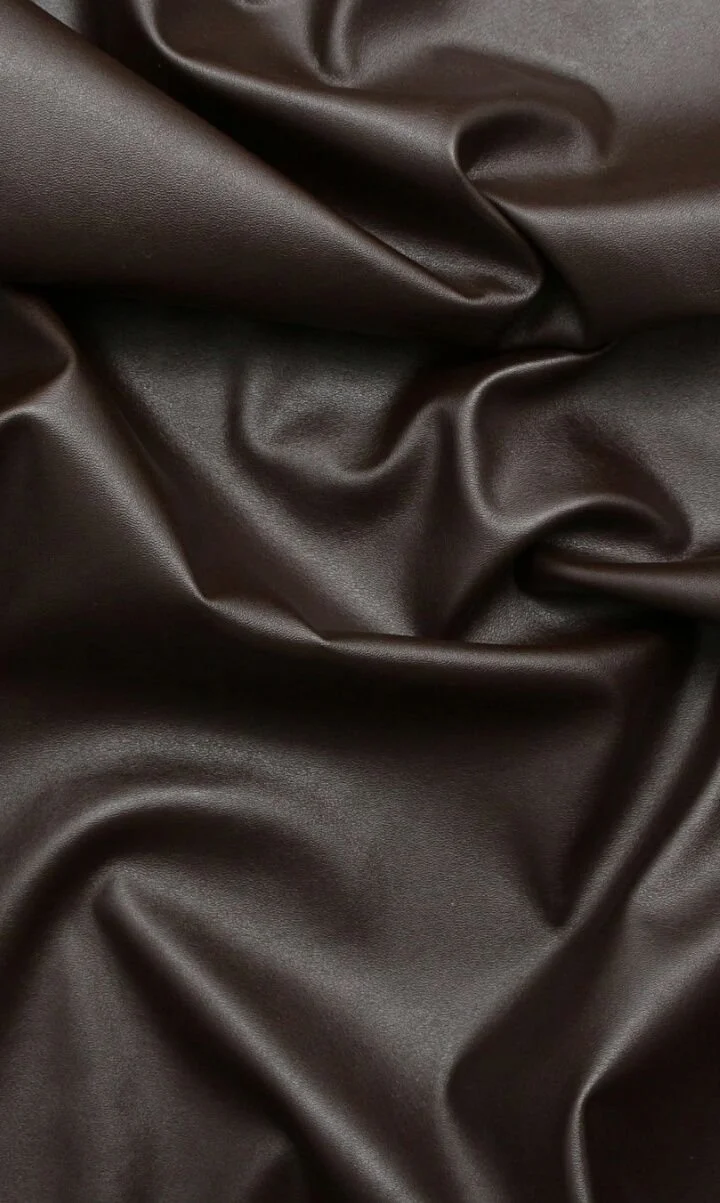
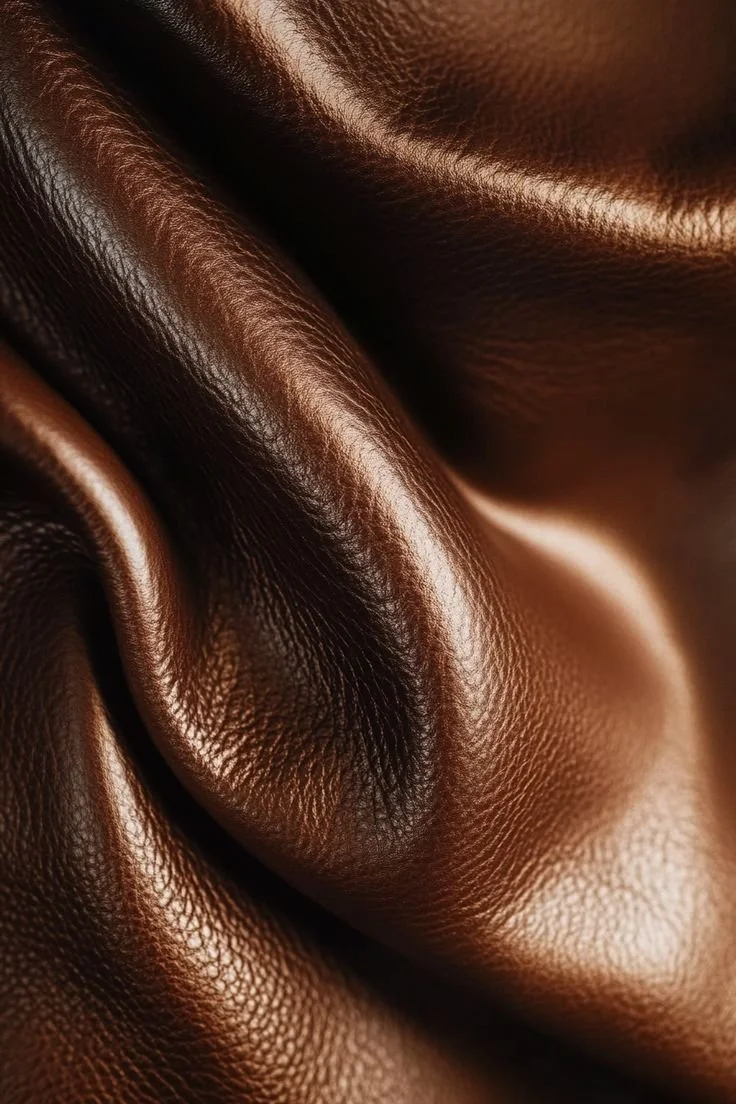
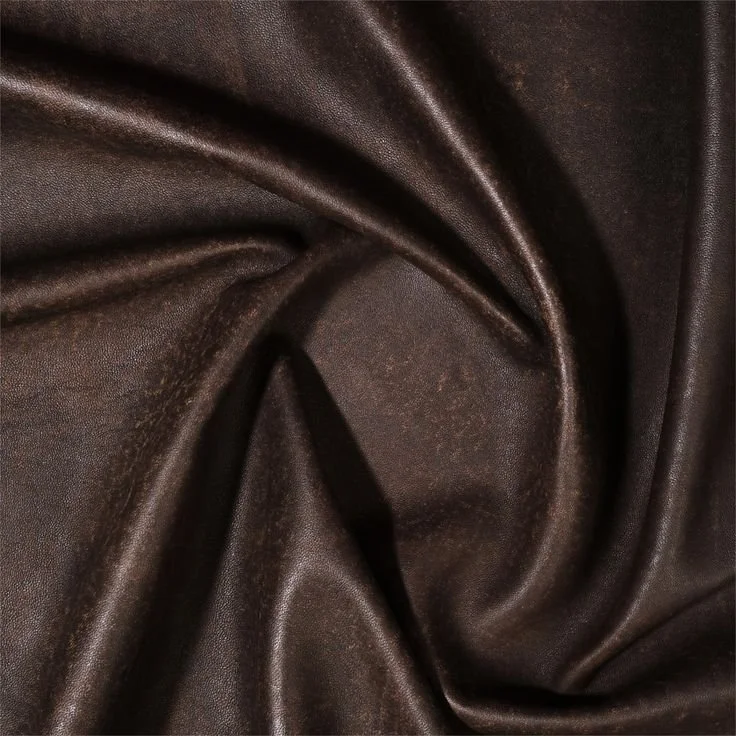
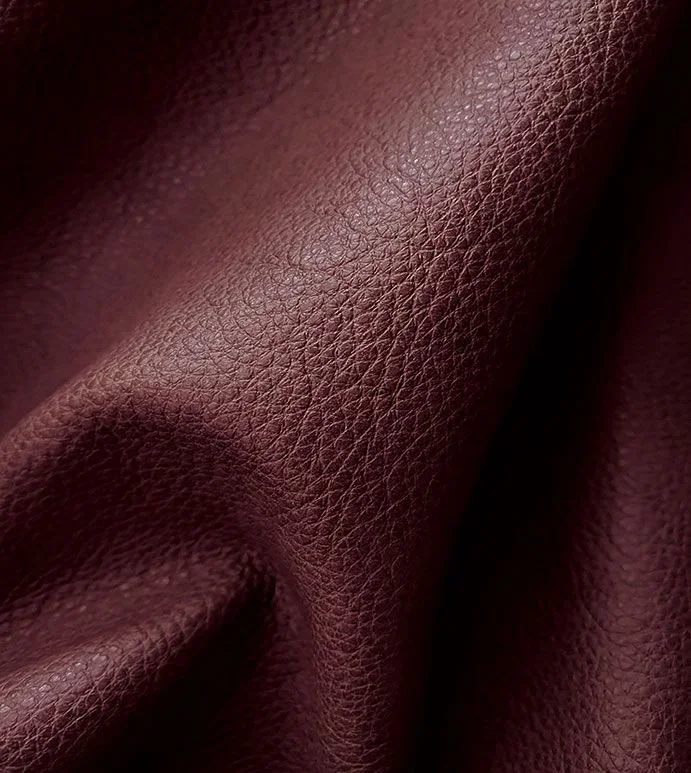
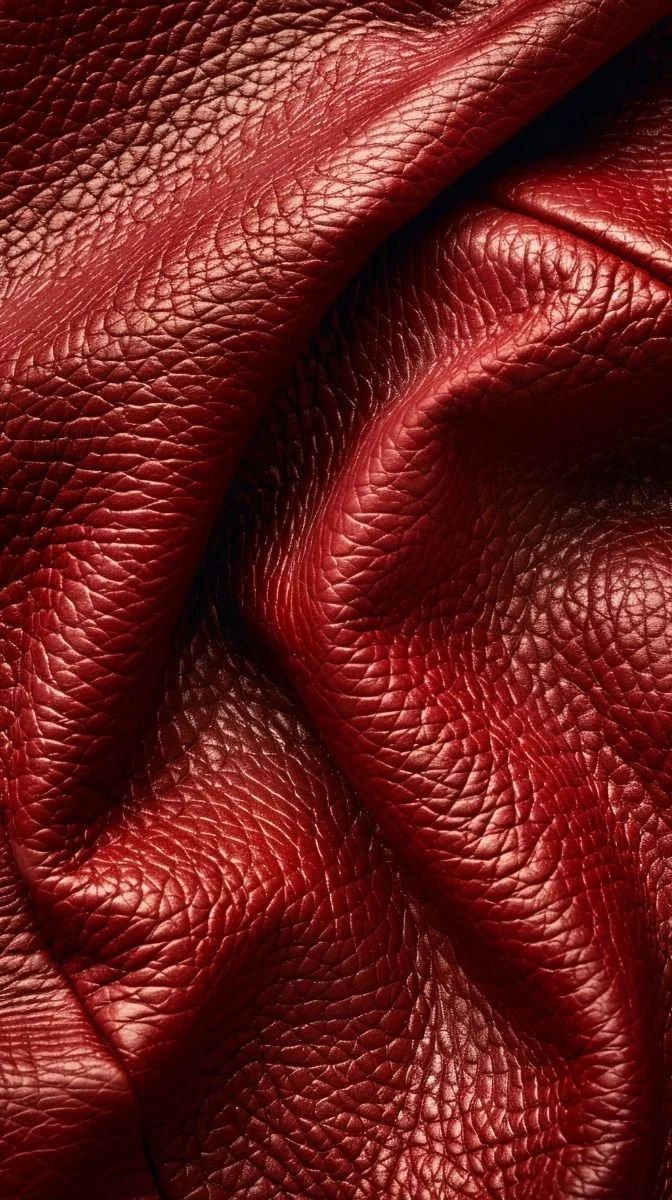
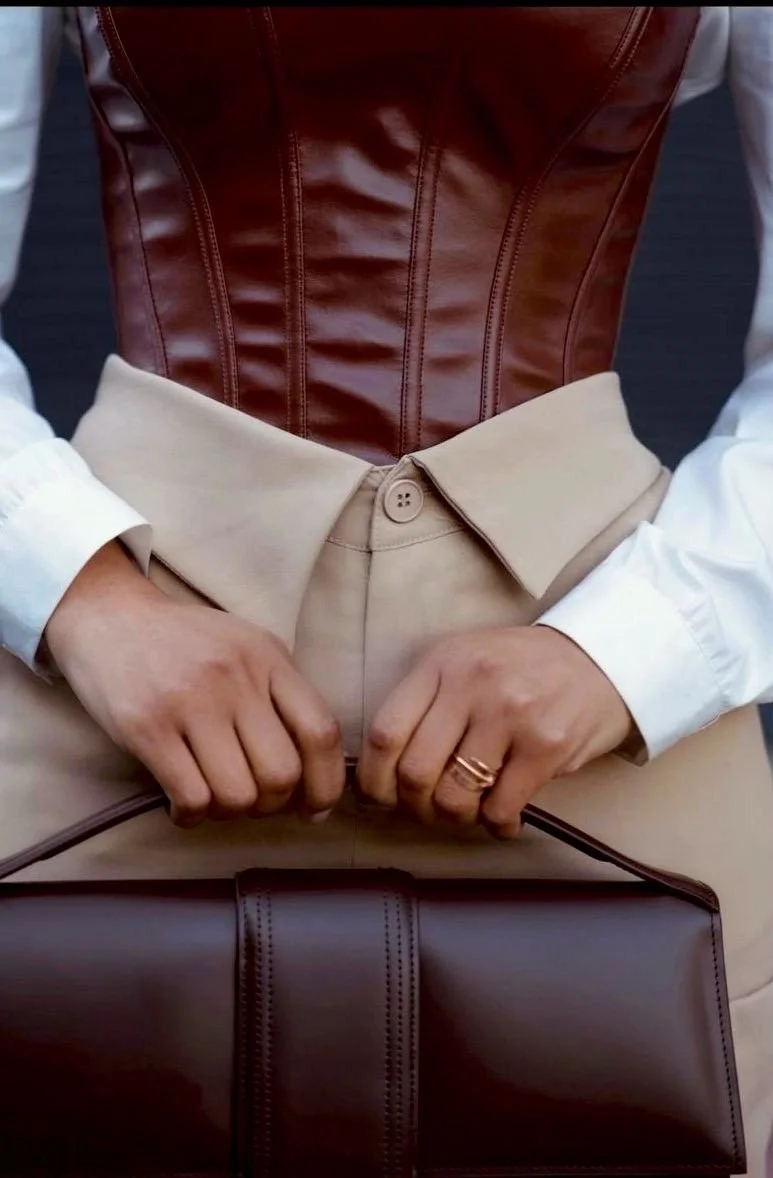
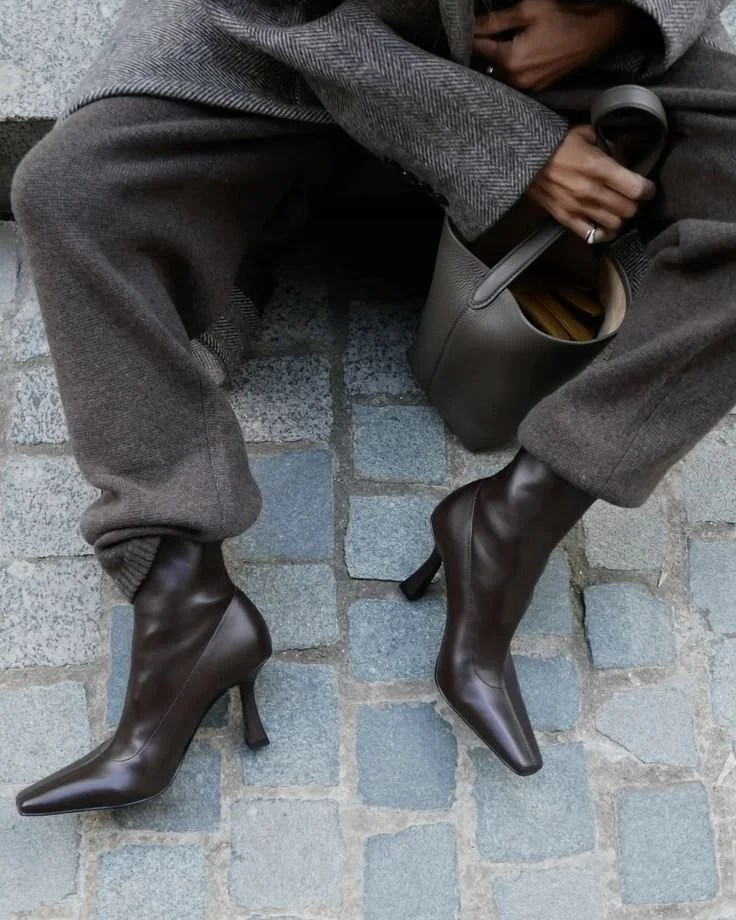
And leather, always leather: polished, full-grain, stitched to last. There’s structure in a calfskin belt pulled tight at the waist, strength in boots with a pointed toe and stacked heel, even tenderness in the way a bag softens over time, seams burnished by use.
These fabrics aren’t interchangeable. They shape how I stand, how I walk, how I carry myself through the day. Together they form a wardrobe that isn’t just assembled — it’s spoken into being, line by line, fiber by fiber.
Note: I cannot write about fabrics without acknowledging what they carry beyond the stitch. Wool, cashmere, mohair — they don’t cost an animal its life, but they do depend on the care with which they are shorn or combed. Leather does cost a life, though it can be chosen with respect — opting for pieces made to endure, not to be discarded. Not every farm or tannery shows kindness, just as not every synthetic alternative is cruelty-free either. Polyester may spare the goat or the calf but harm the worker, made in conditions where age and dignity are often stripped away. It also harms the person wearing it — synthetic fibers were never meant to cover us, and over time they weigh on the body in ways we rarely admit. And then there is the quiet option: second-hand. A suede coat already worn soft, a cashmere knit that has lived a life before mine — no new harm, no waste, only a continuation. Balance, as always, lies in choosing with awareness, with gratitude for what already exists.







The Palette of the Season
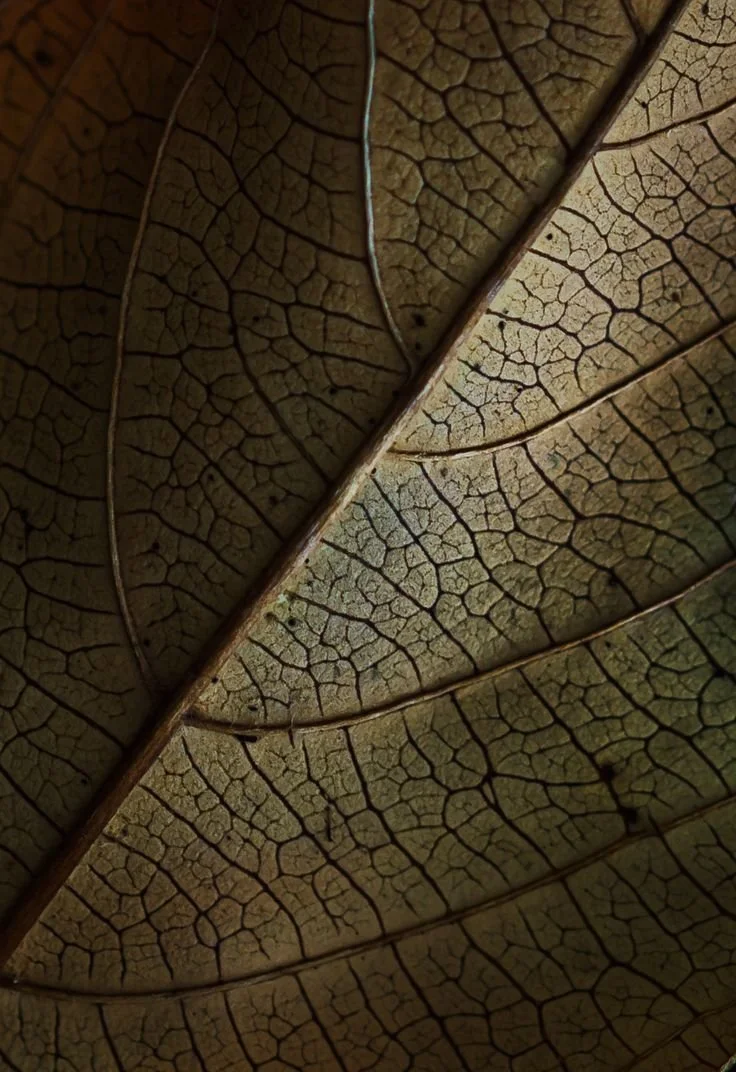
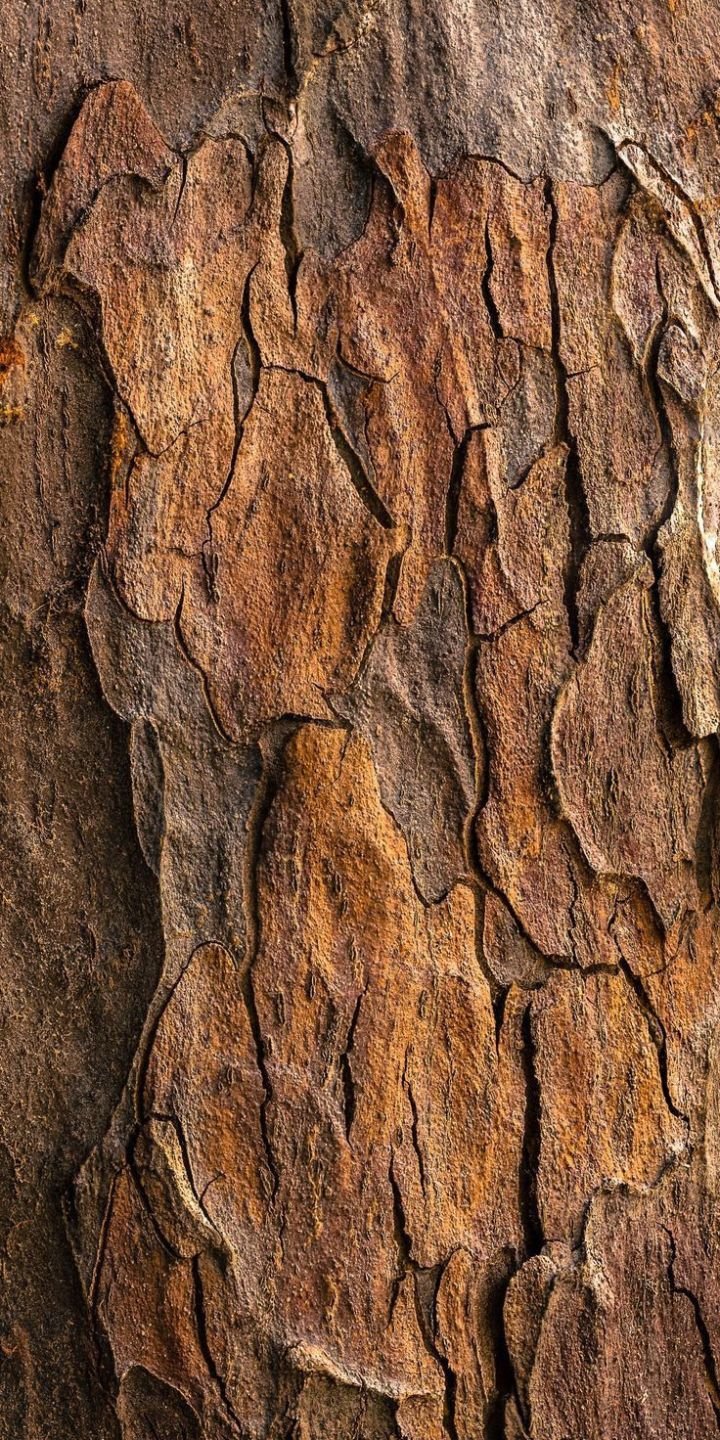
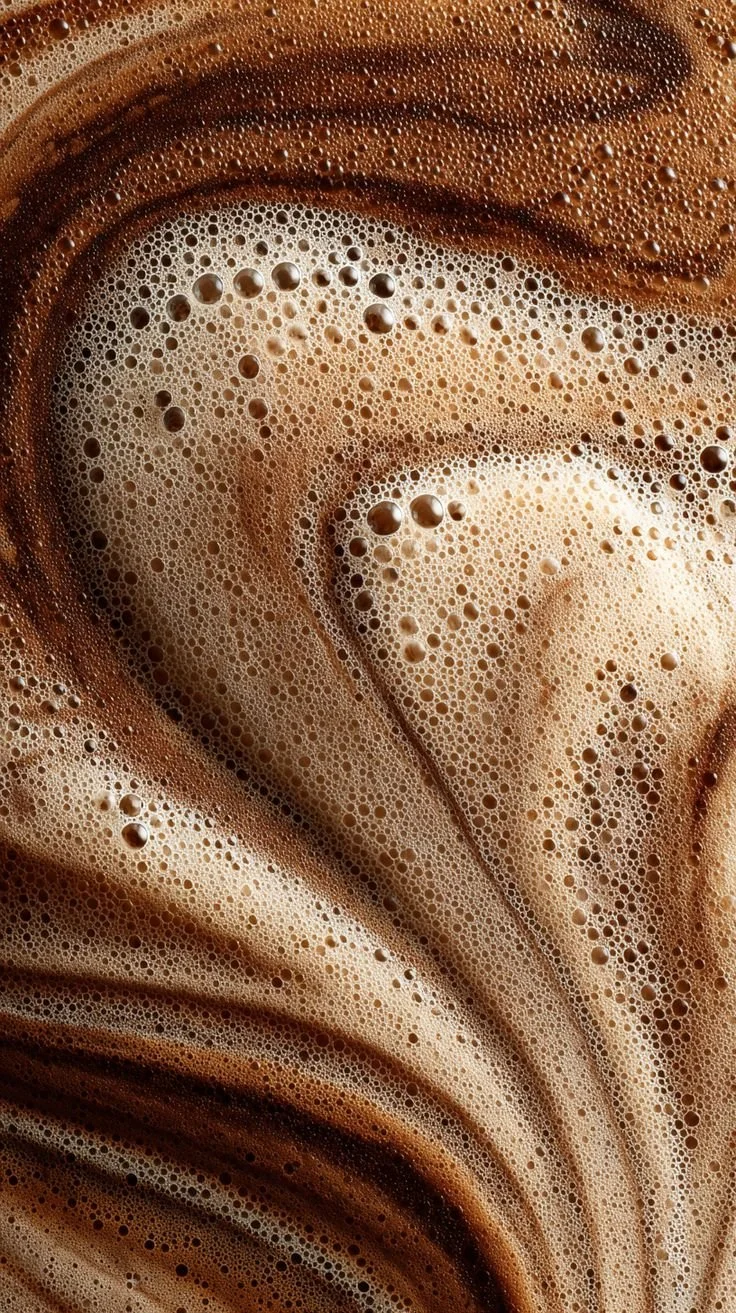
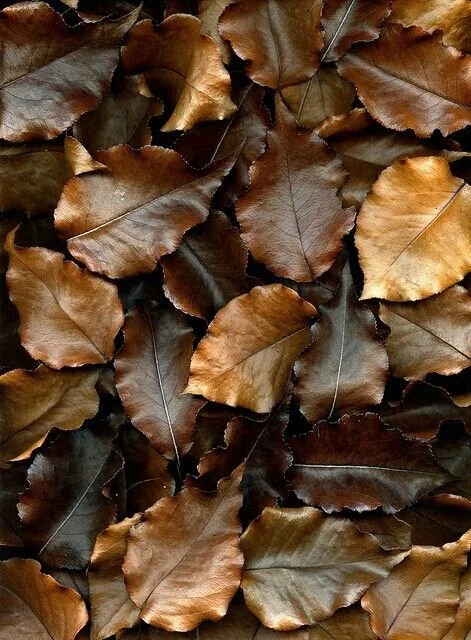
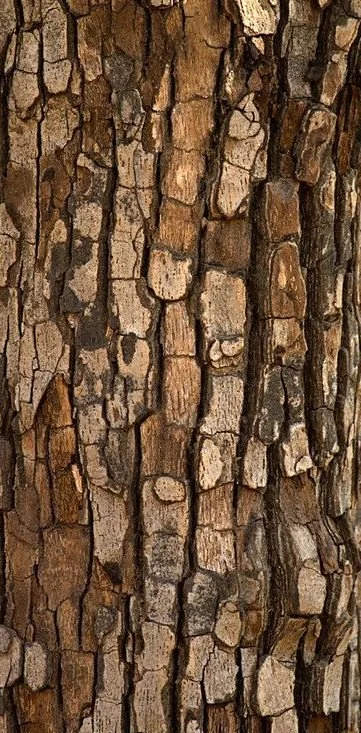
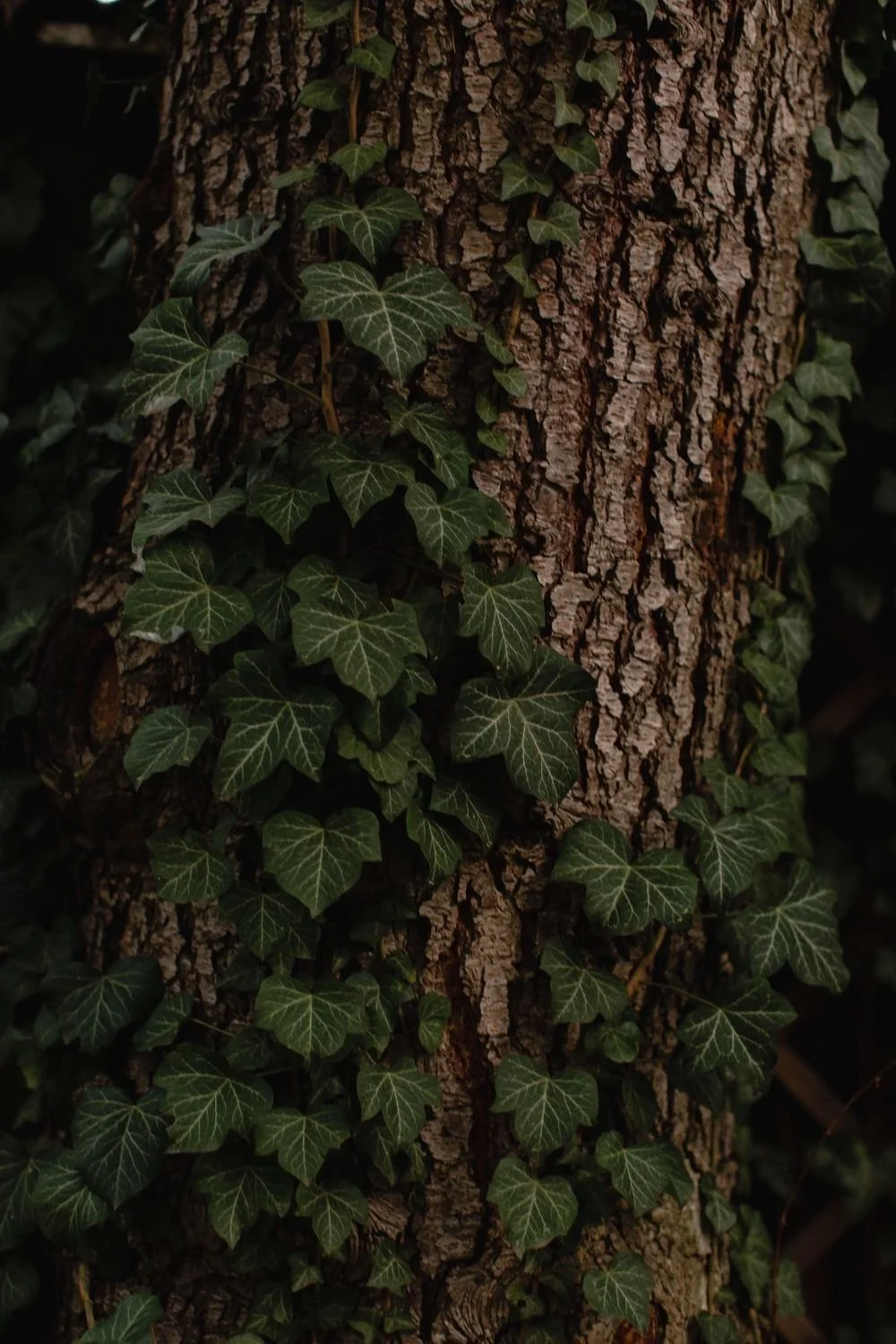
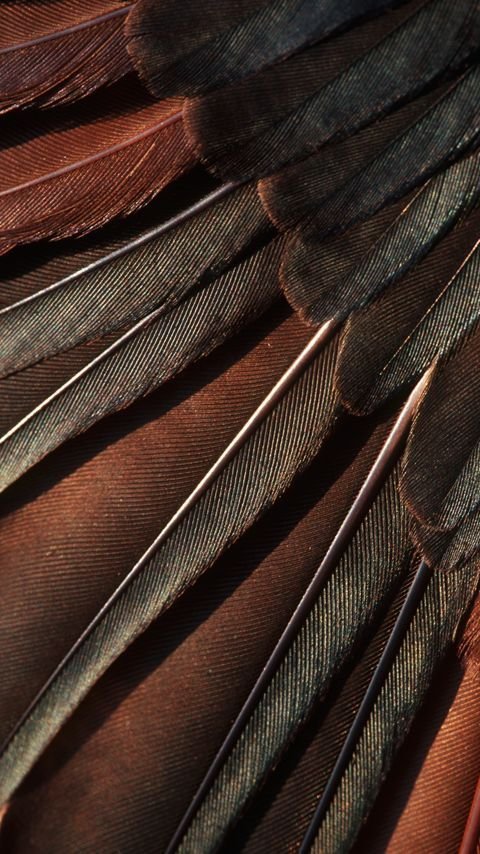
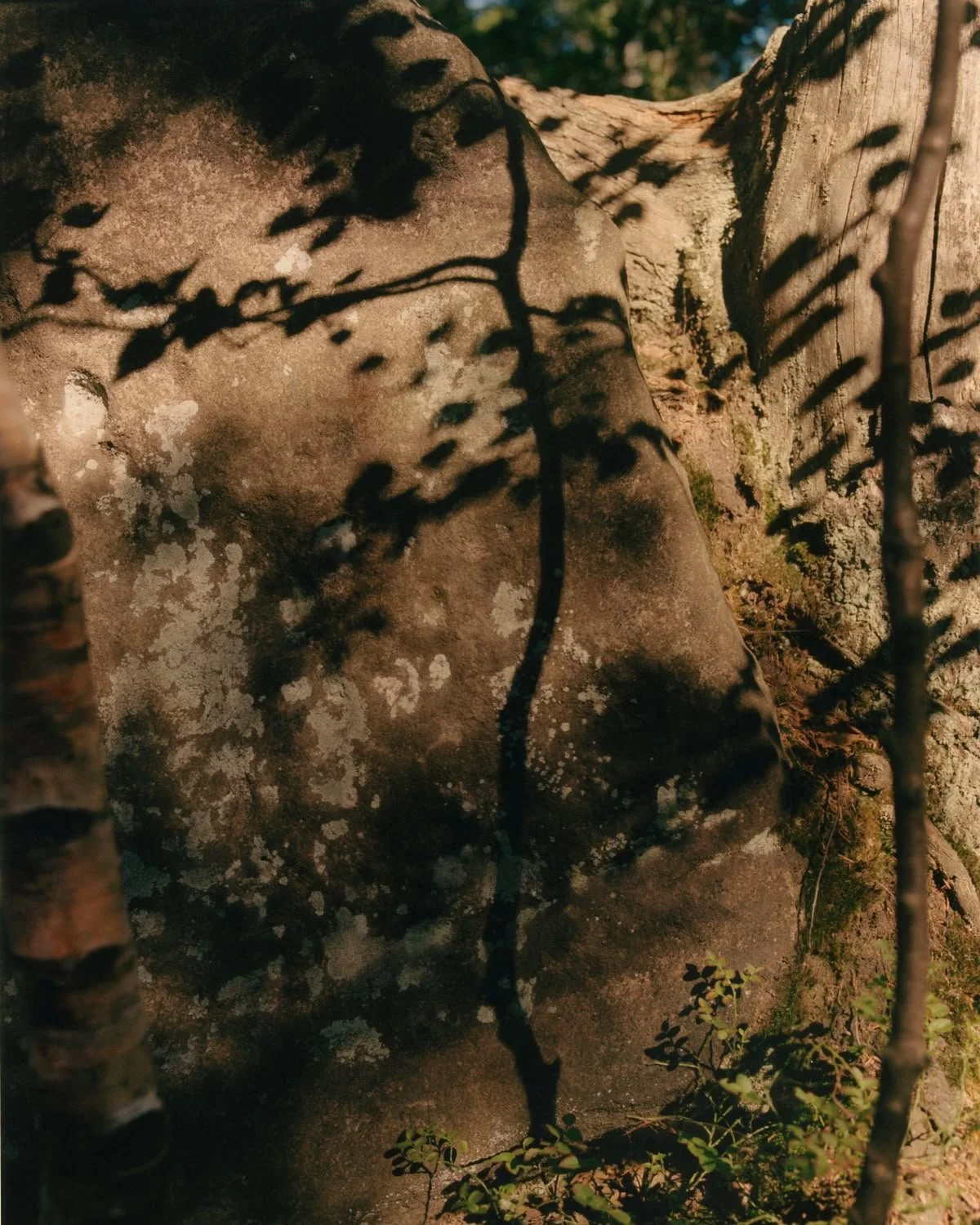
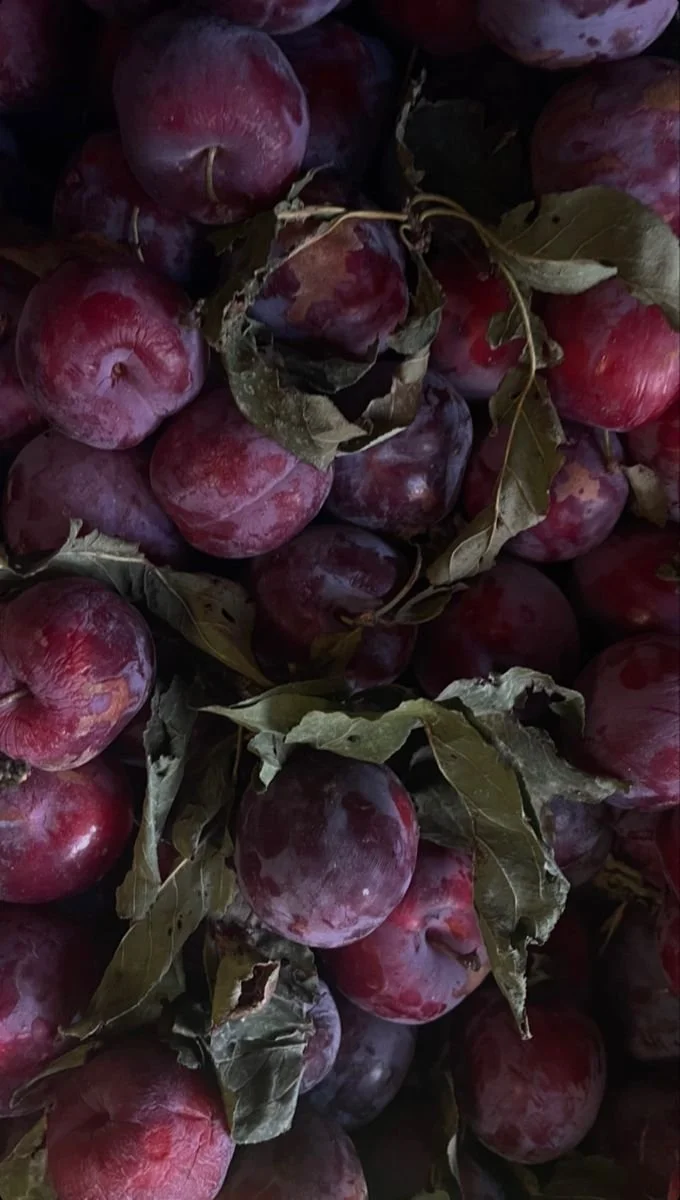
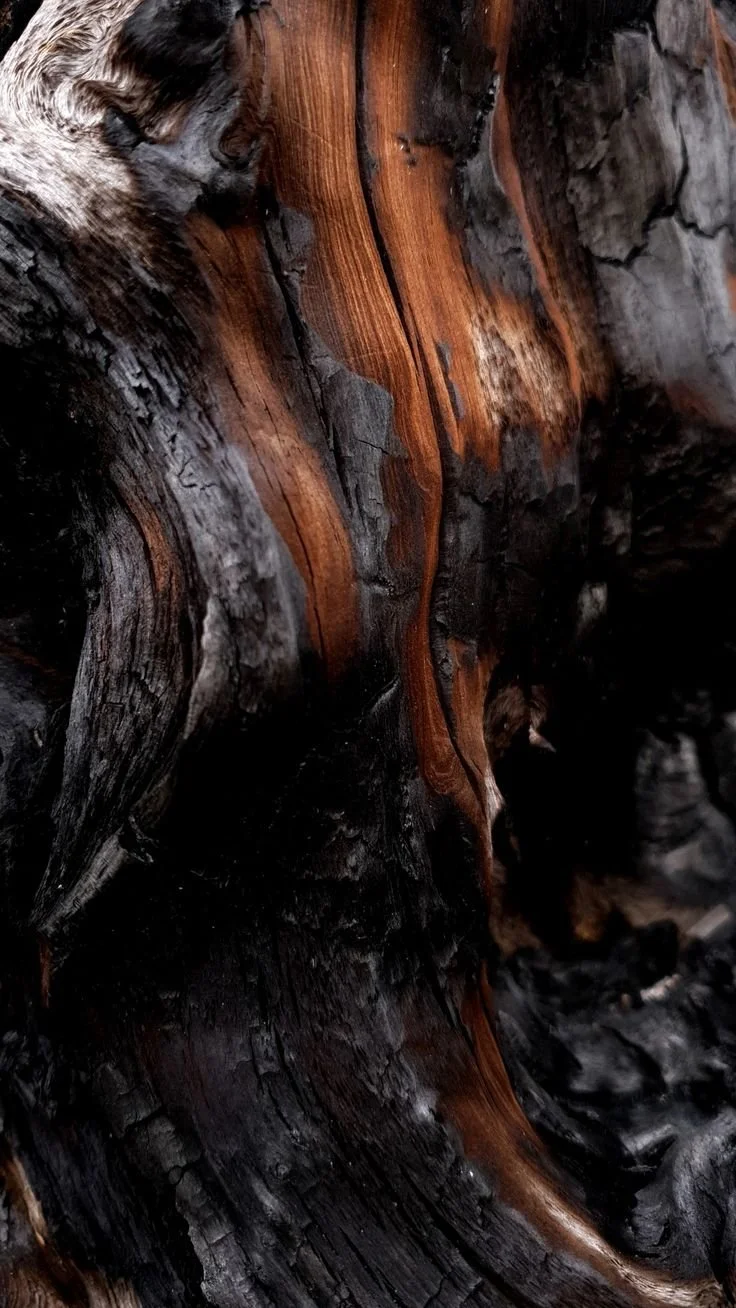
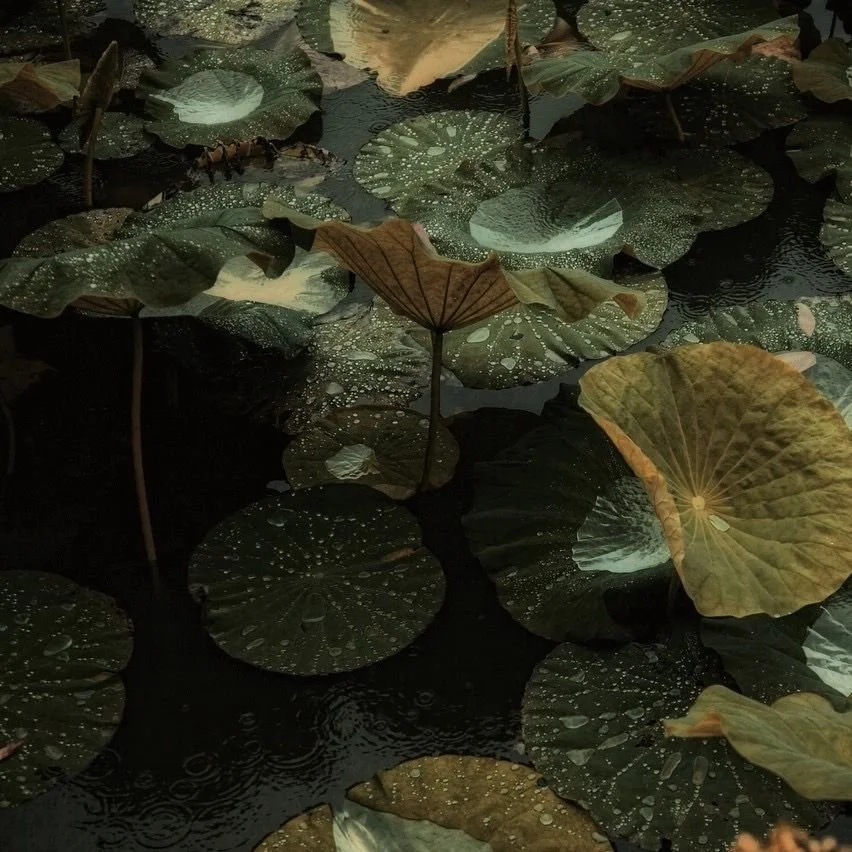
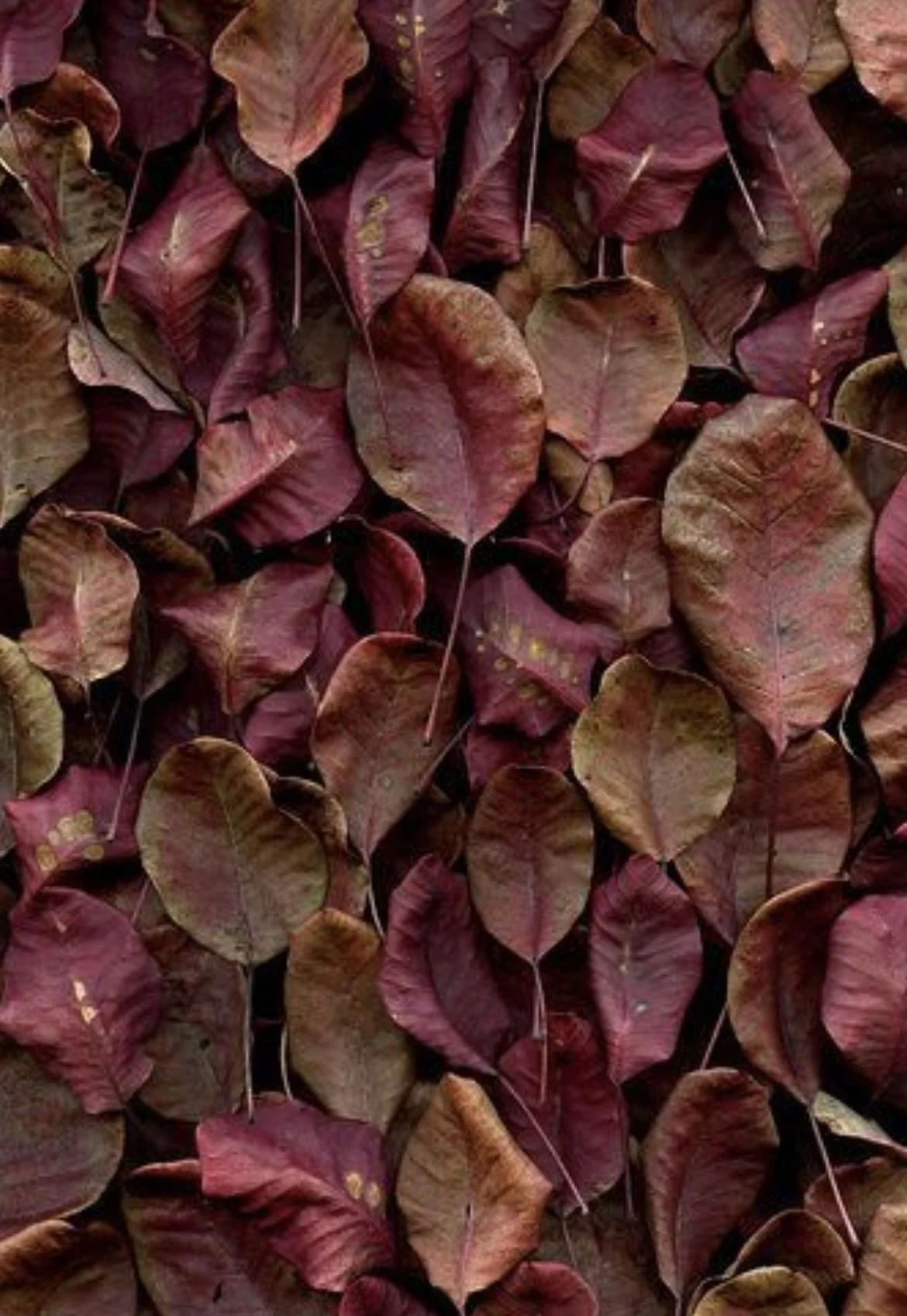
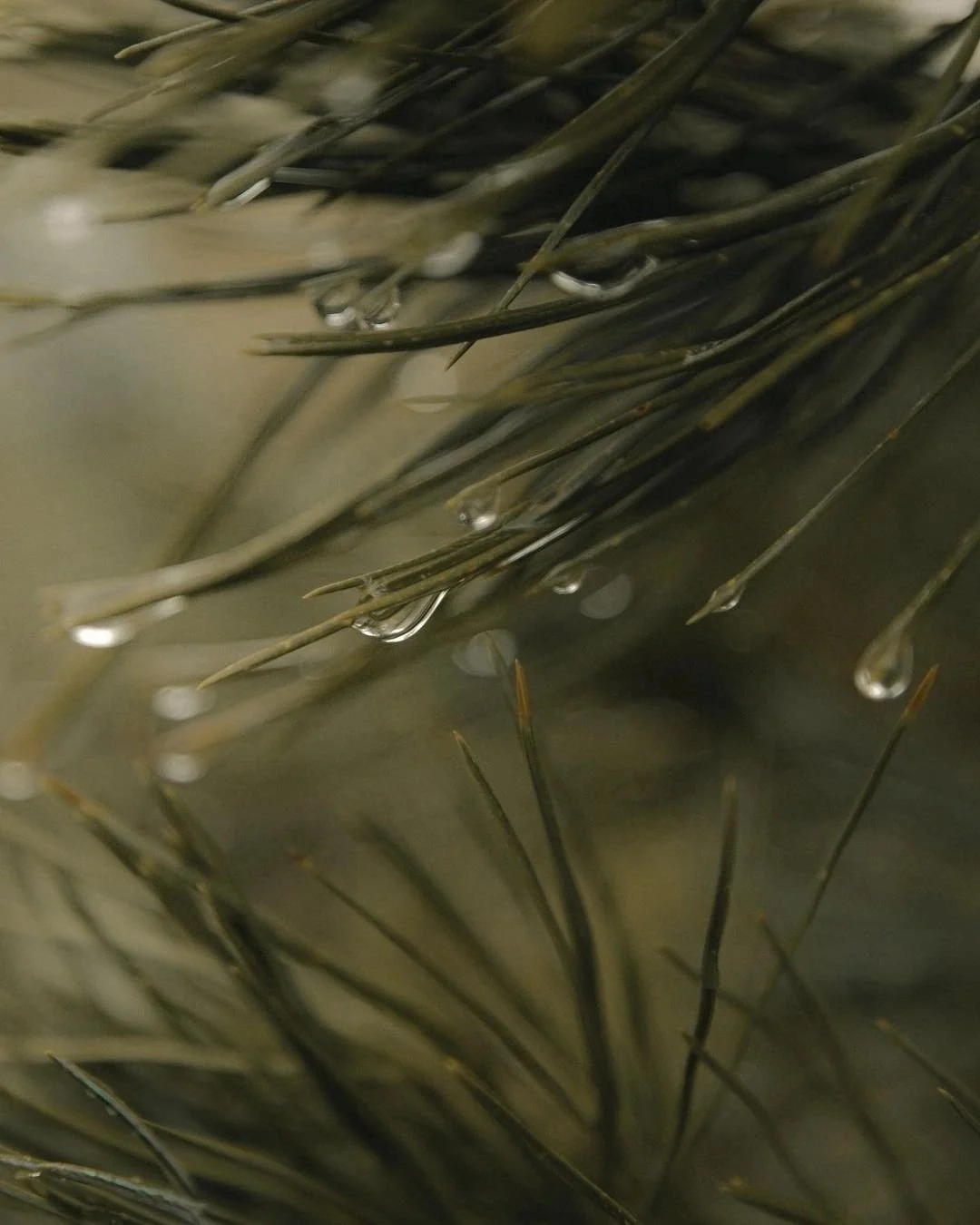
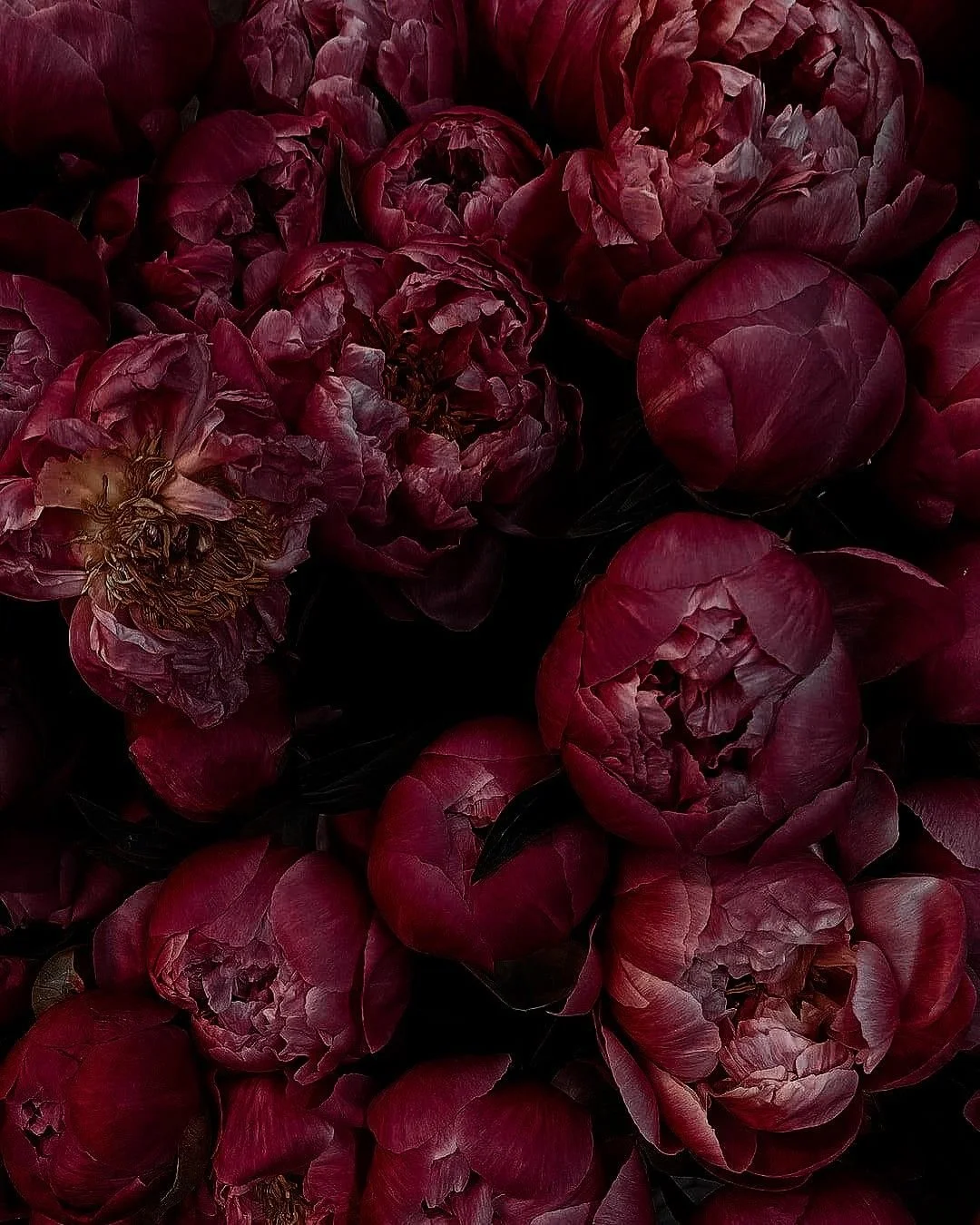
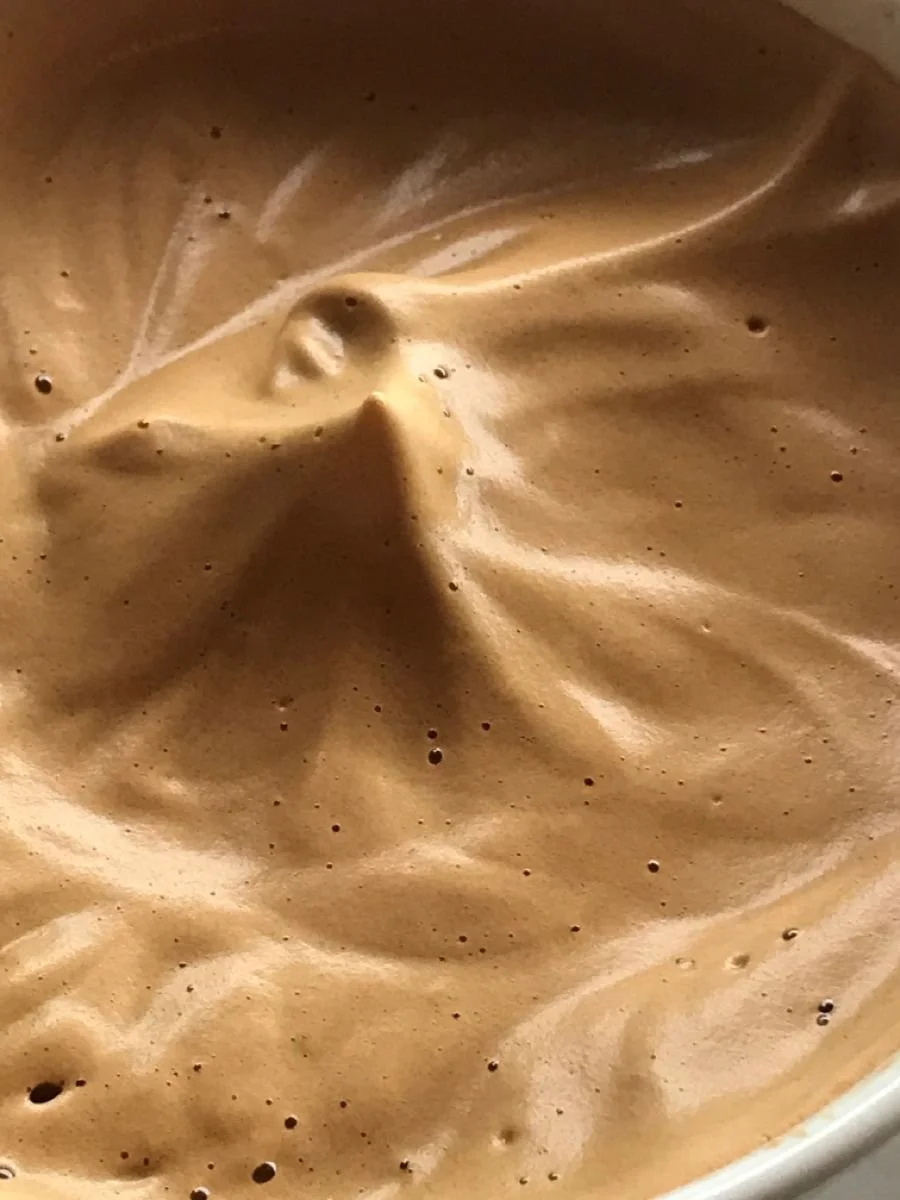
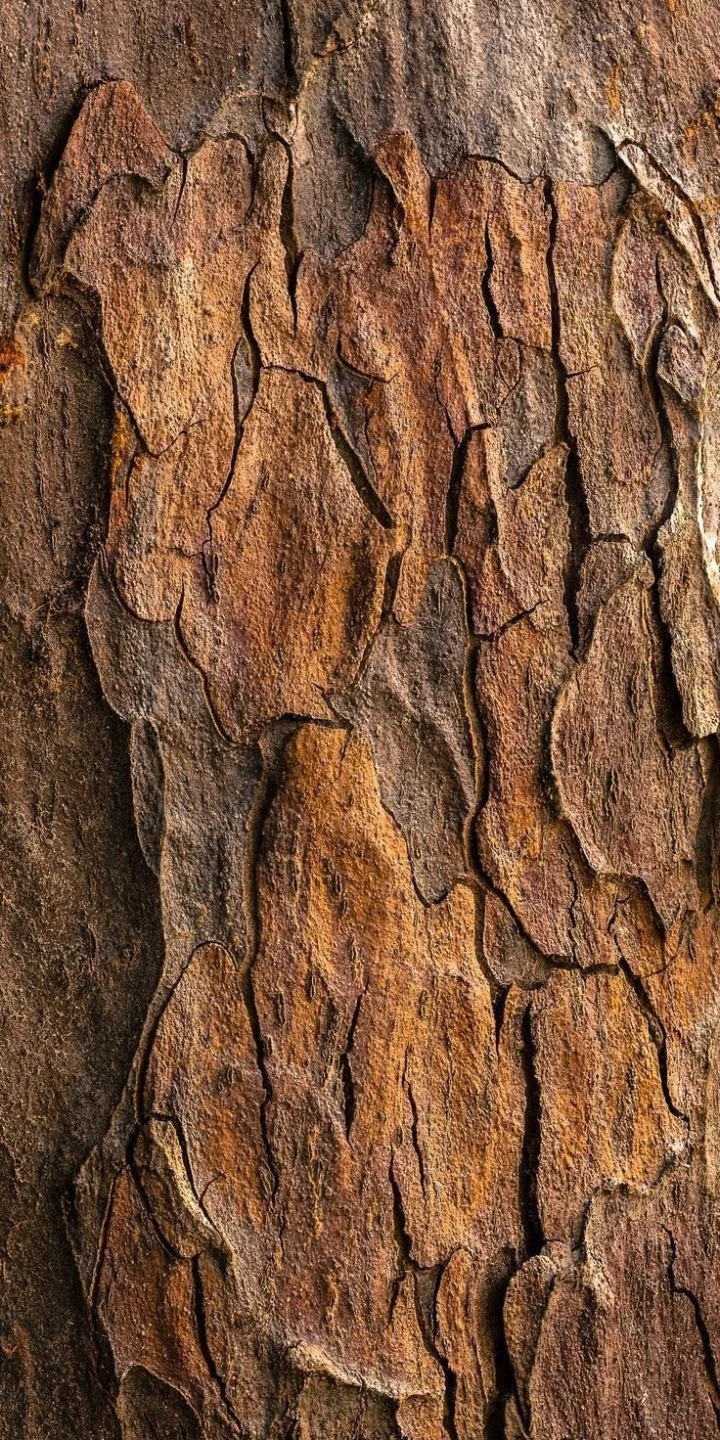
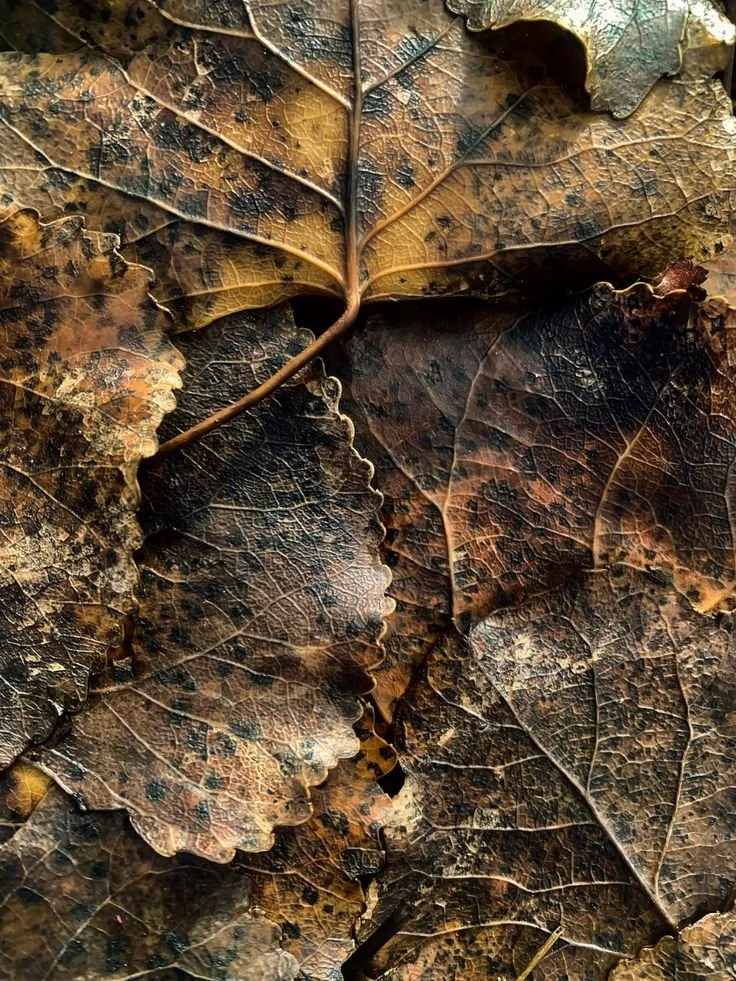
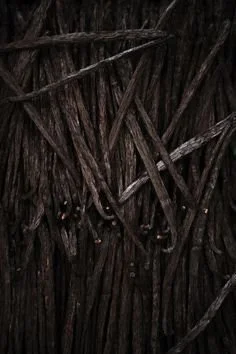
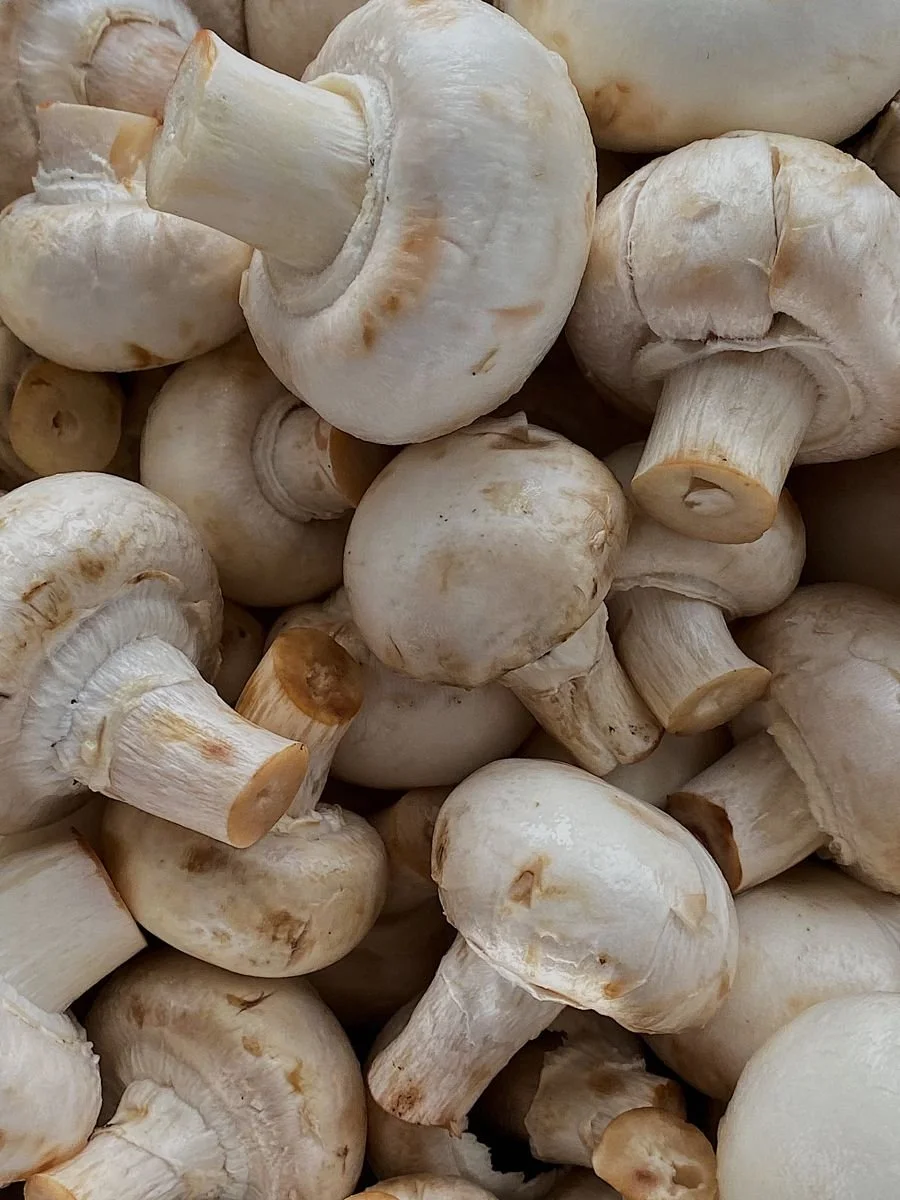
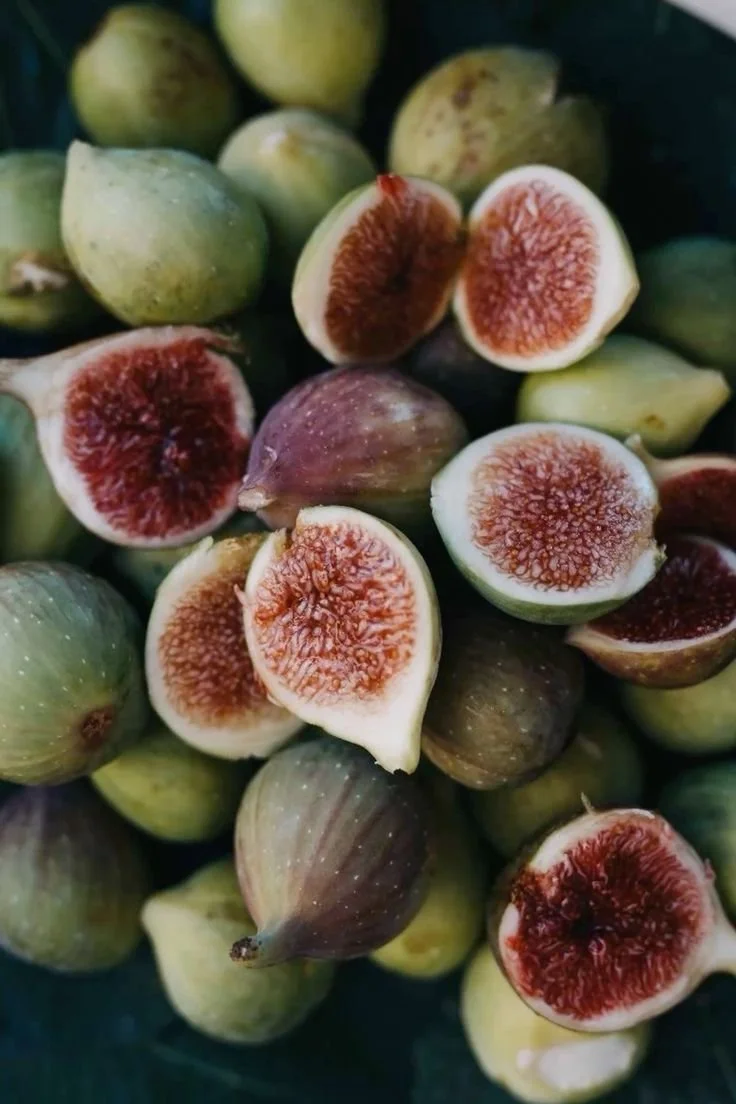
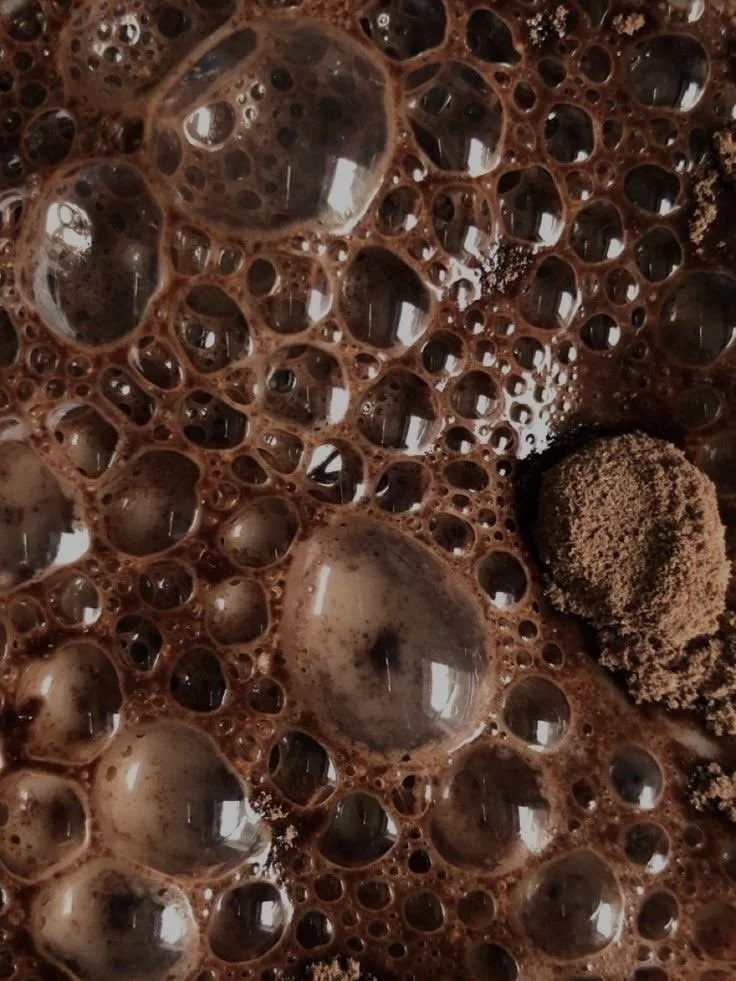
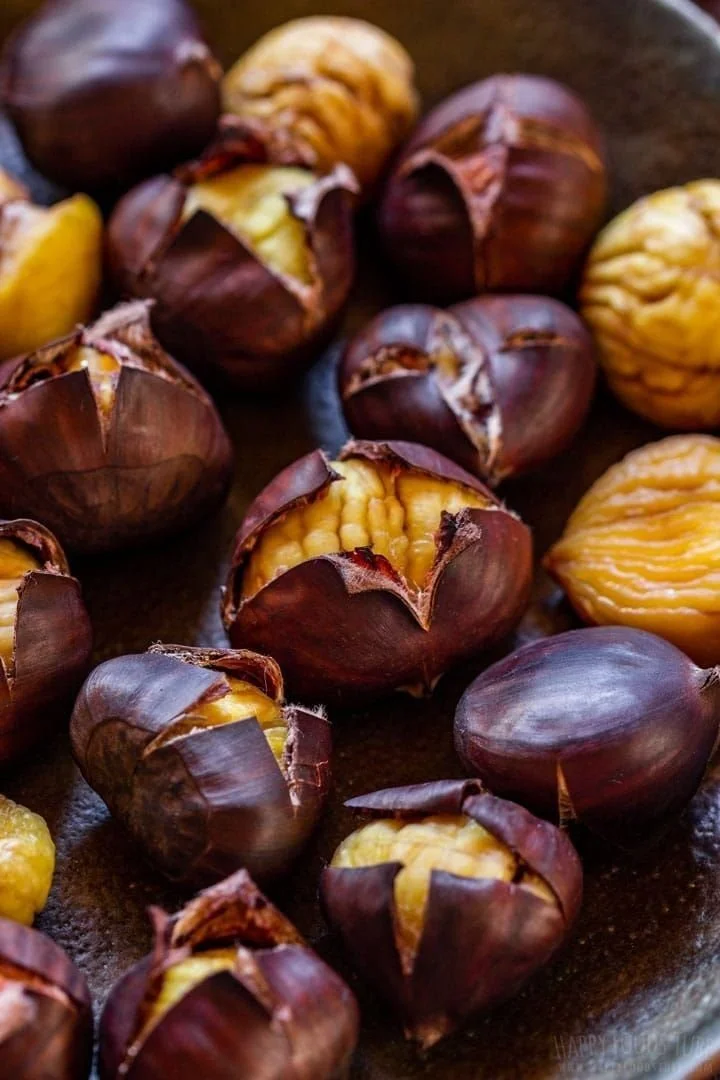
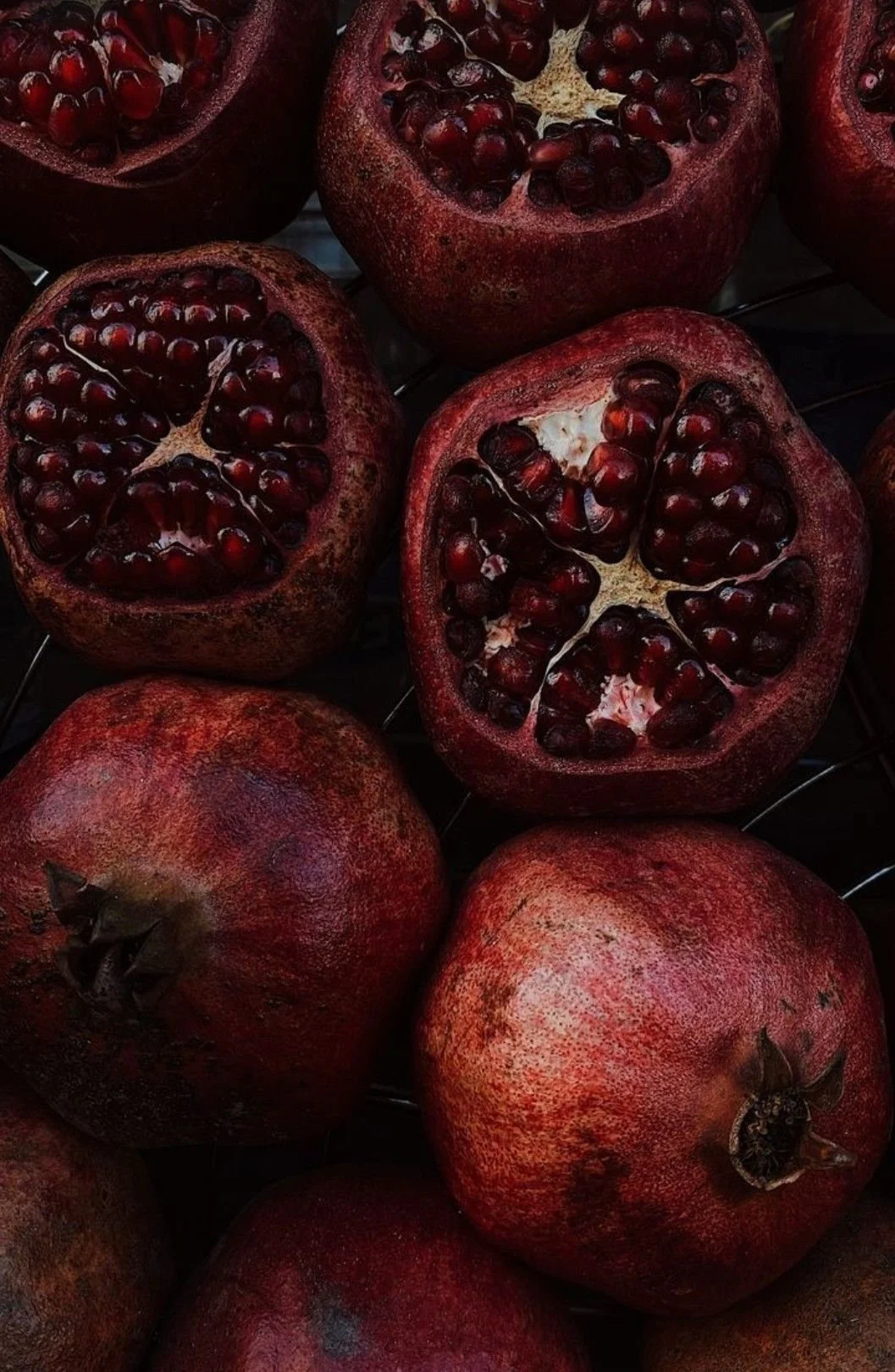
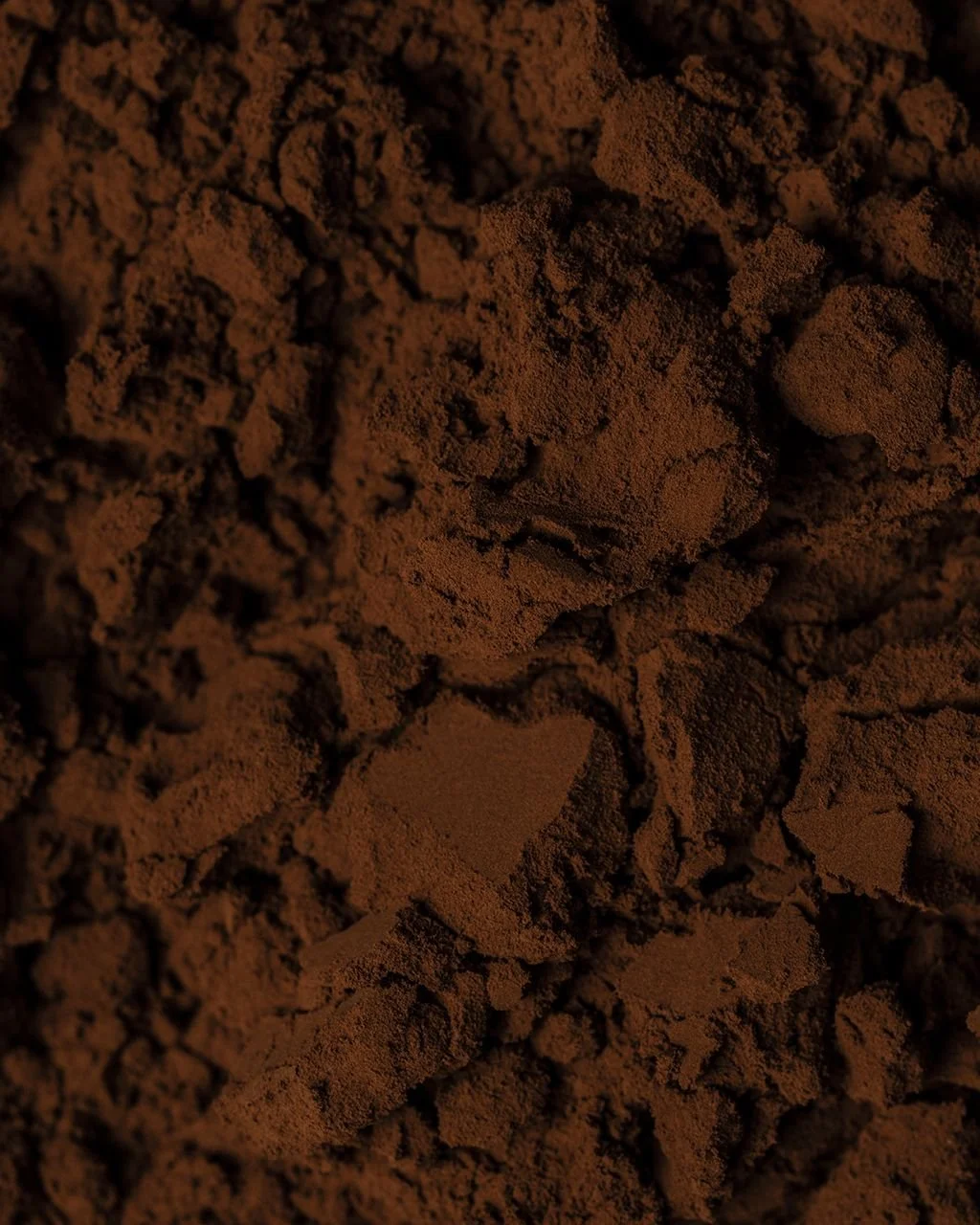
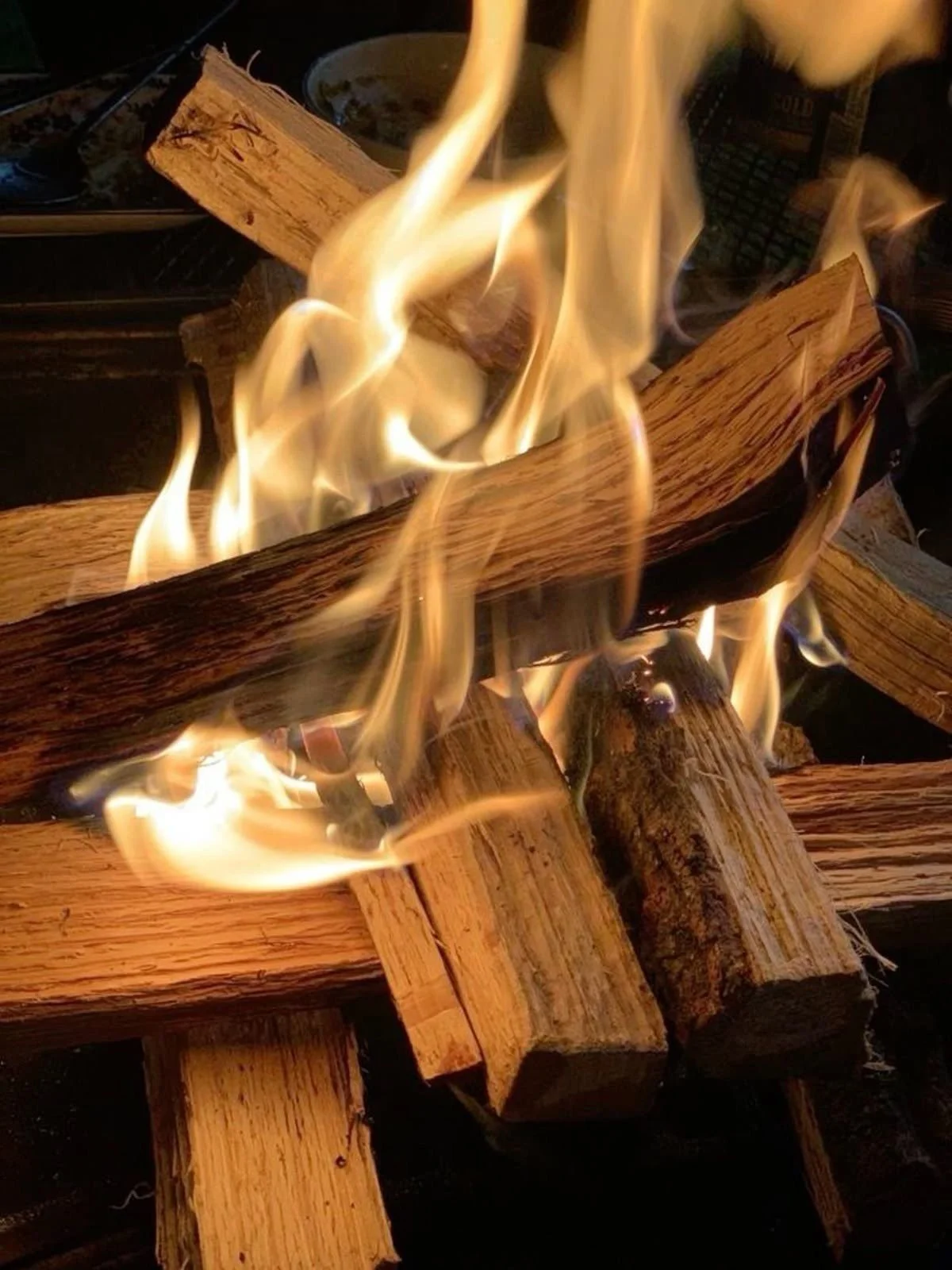
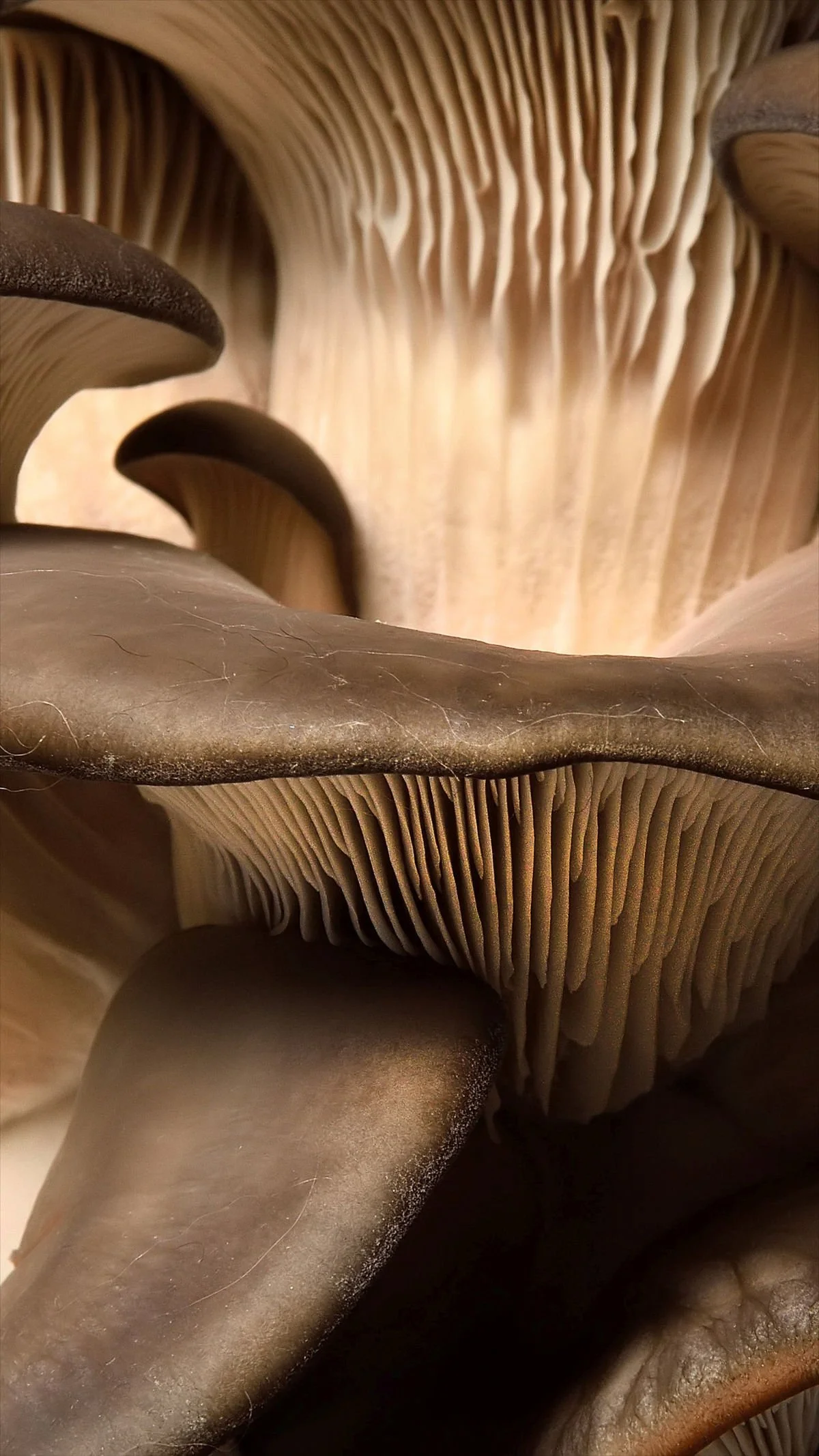
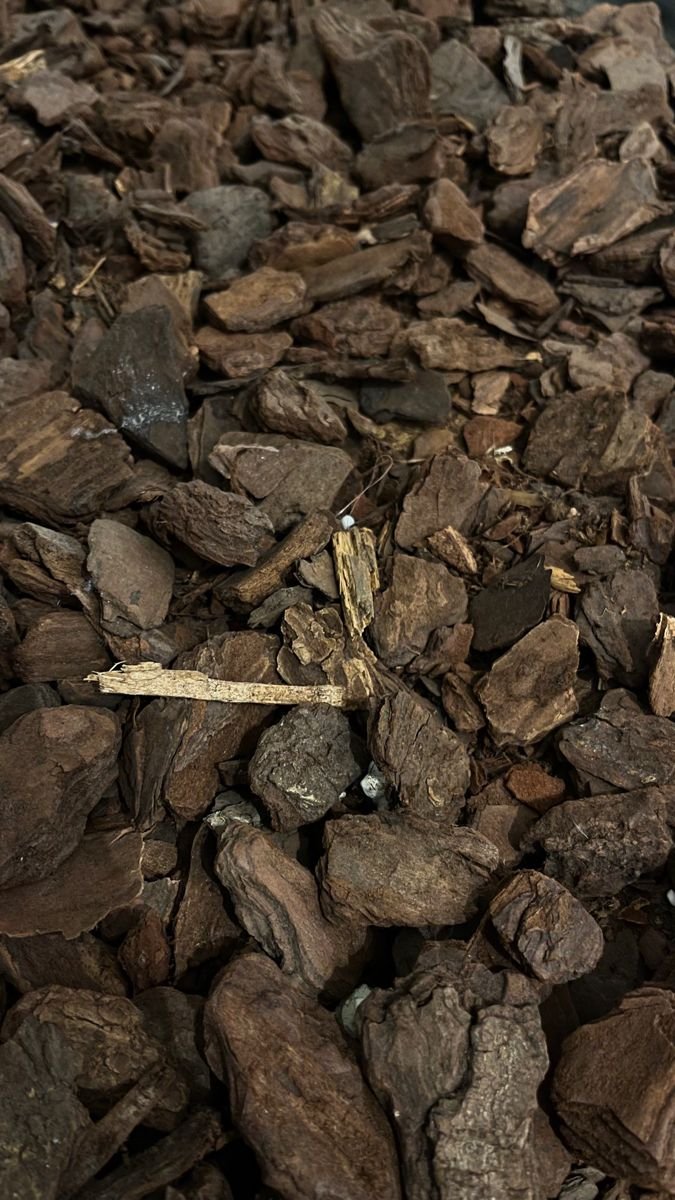
My palette follows the land itself, the way earth turns its shades without effort. Chocolate soil, damp with rain. Smoke drifting between branches. Forest green pressed deep in moss after the storm. Burgundy, heavy as the last grapes clinging to the vine. Leaves curling, shifting, darkening.
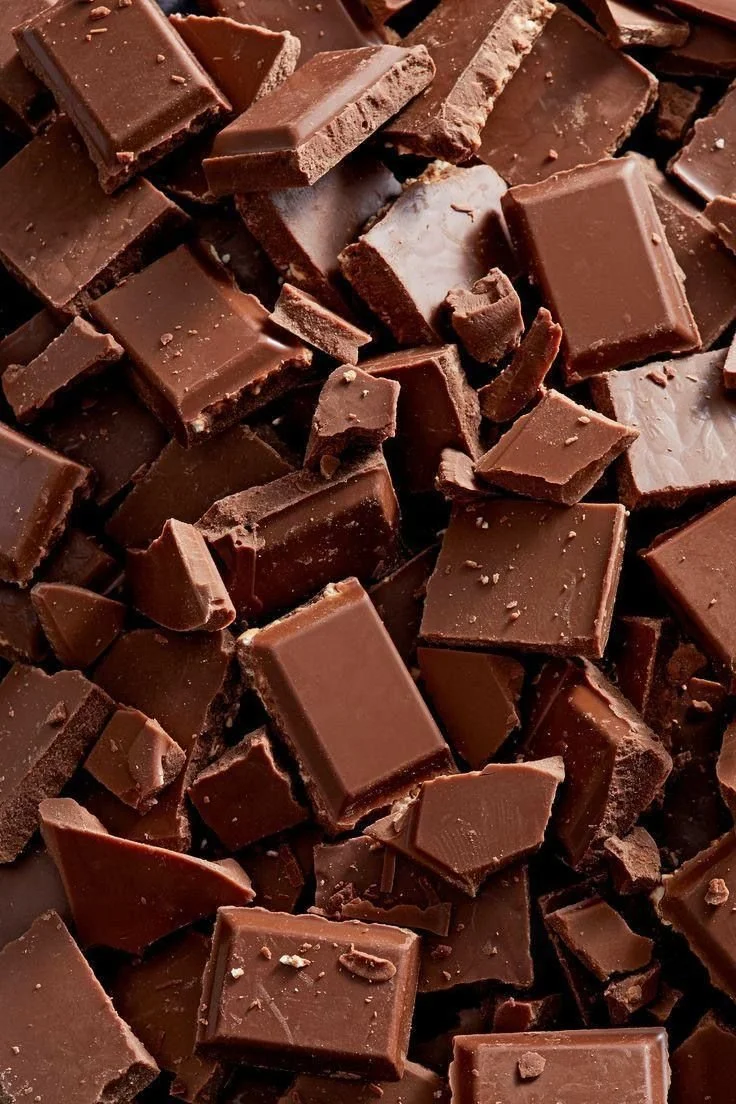
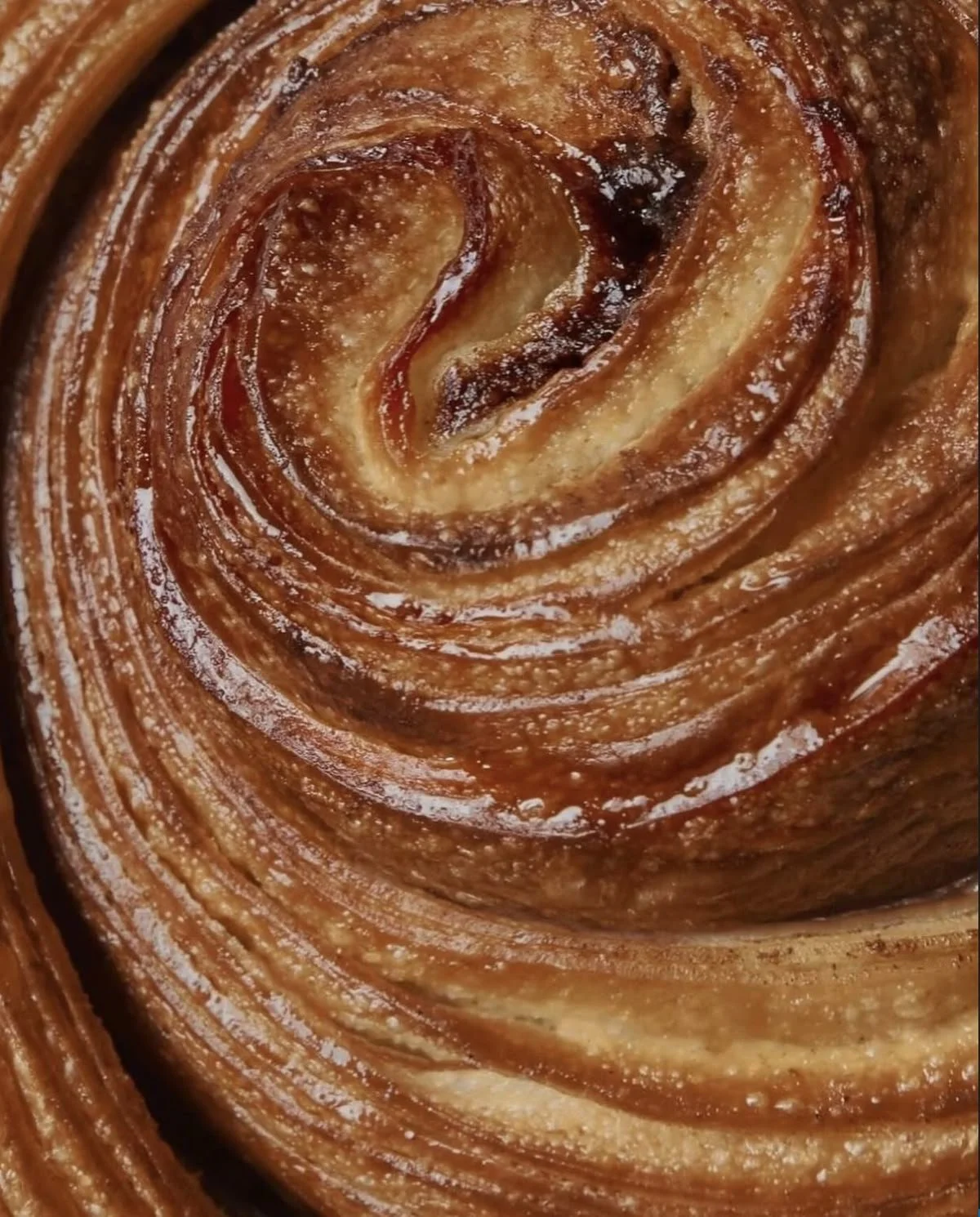
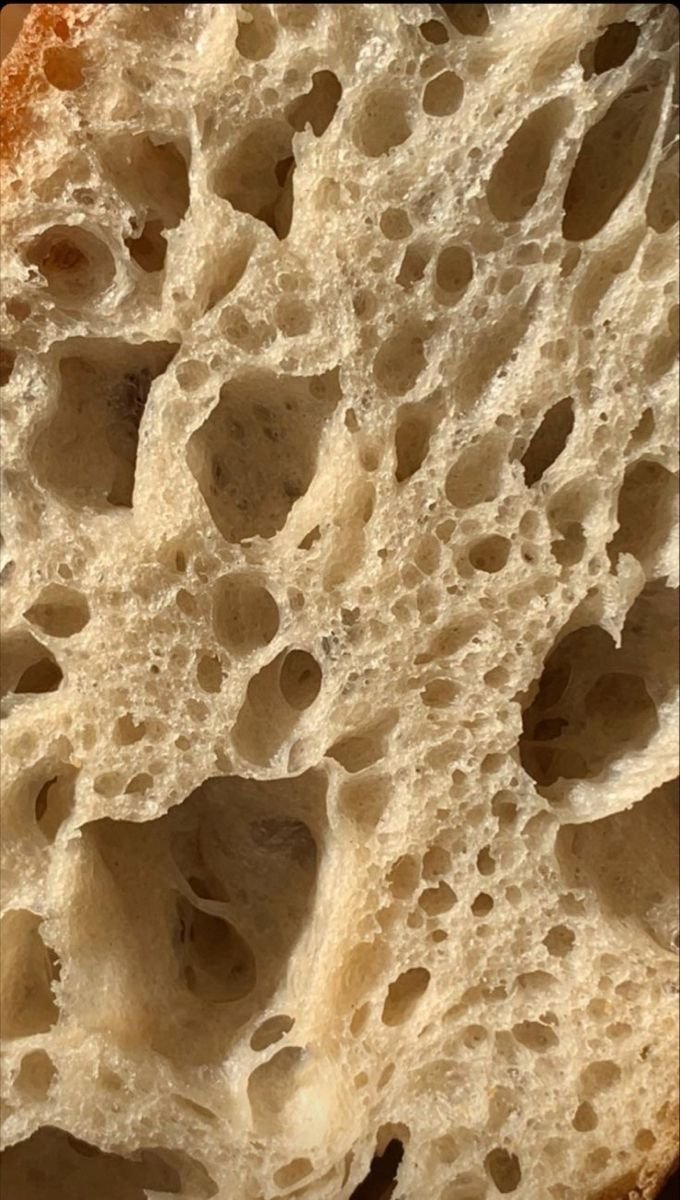
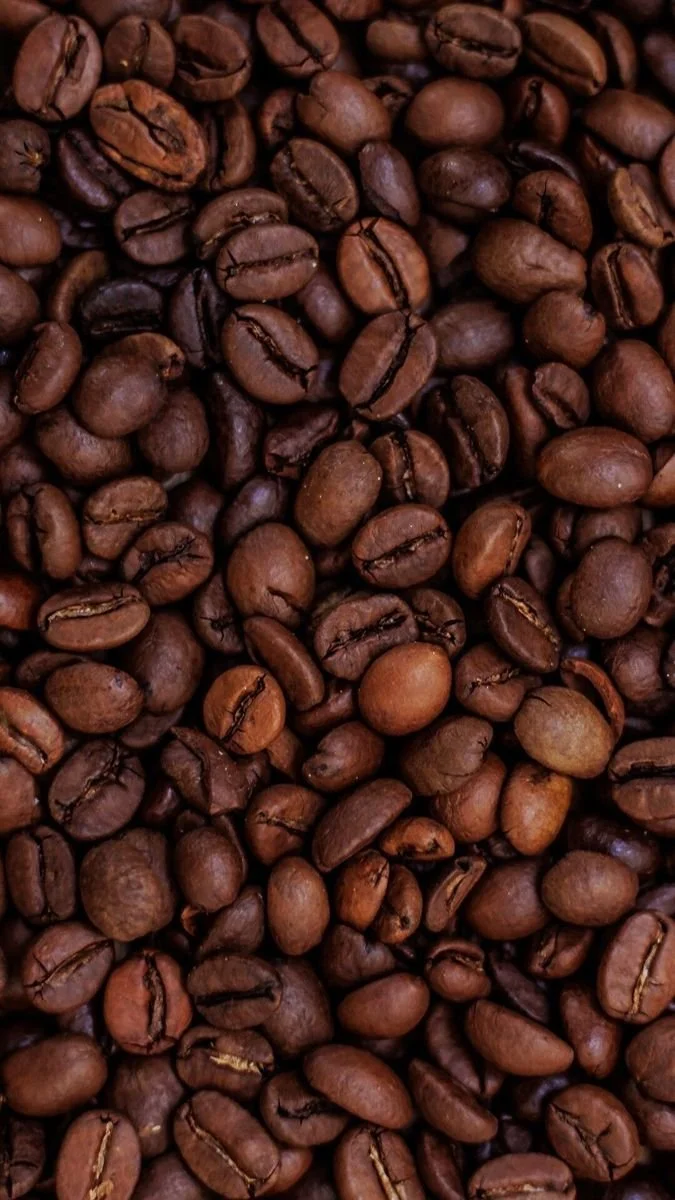
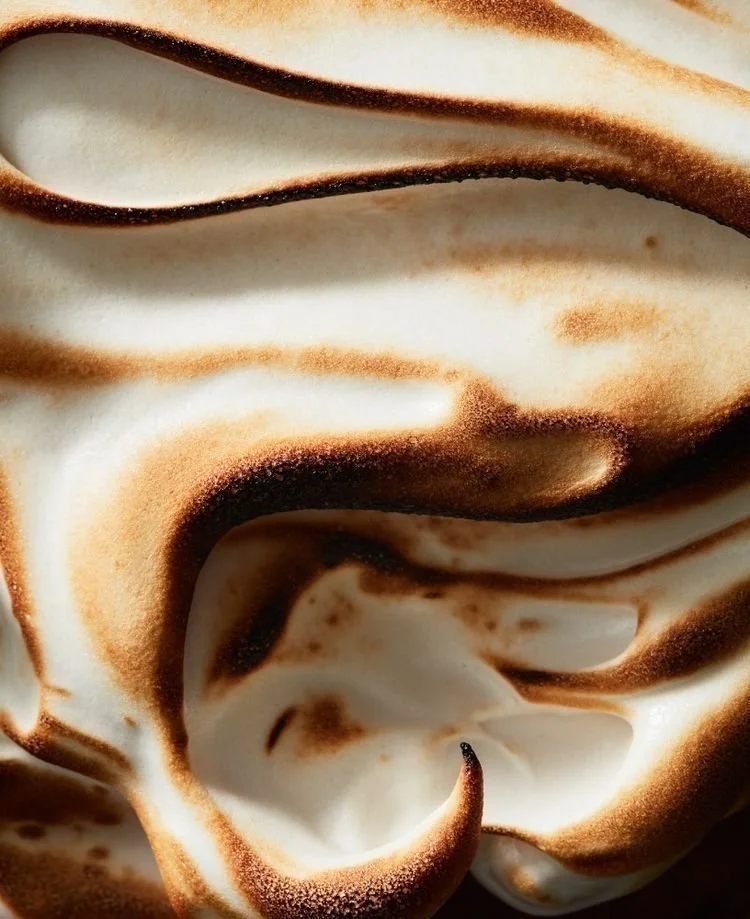
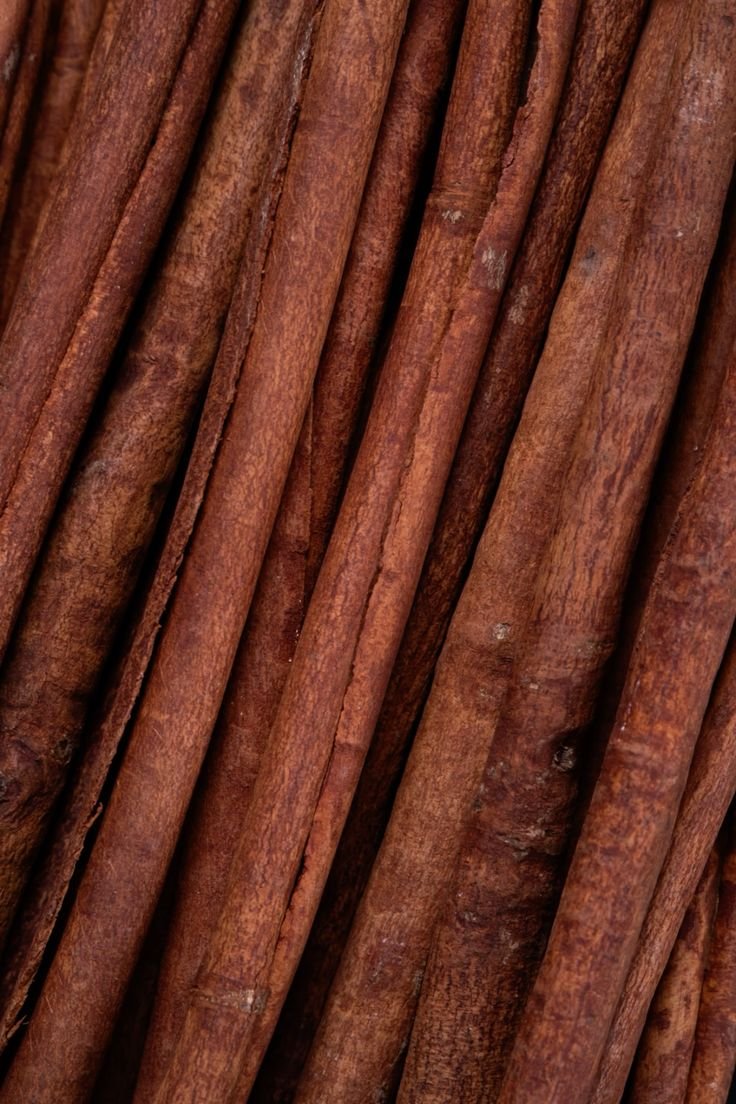
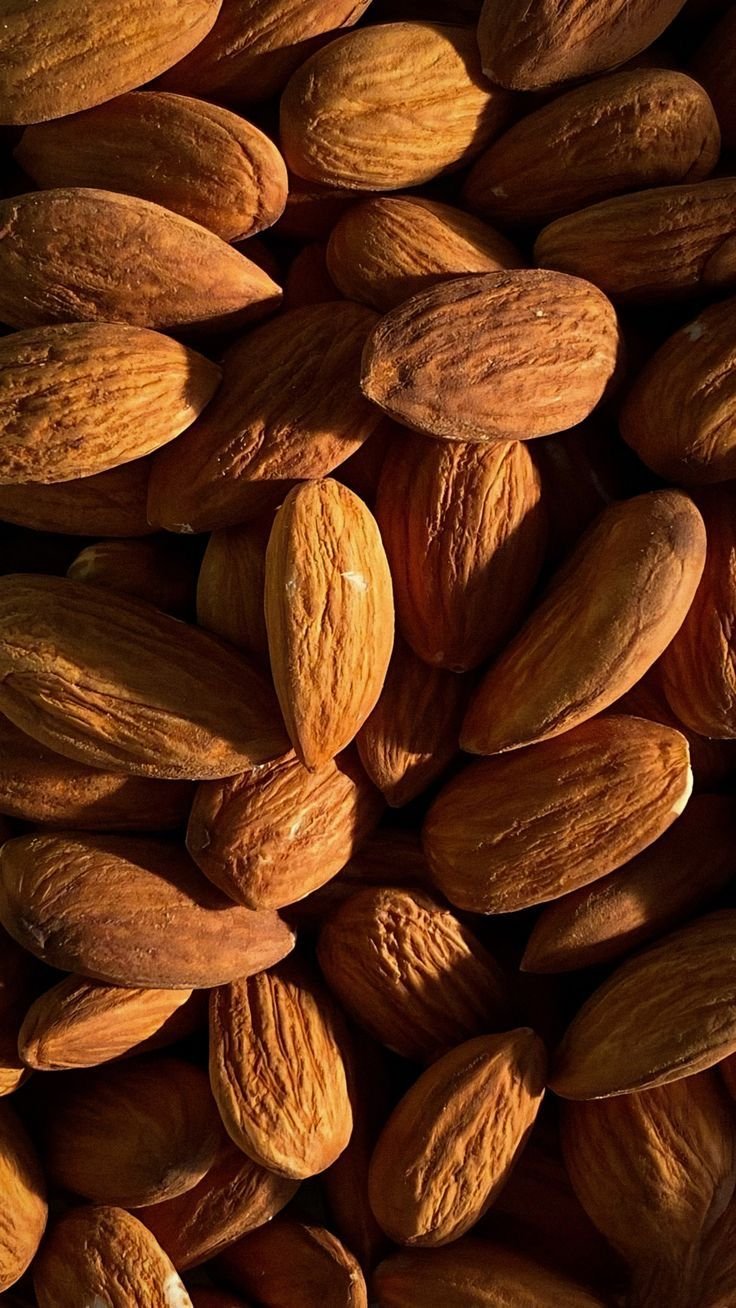
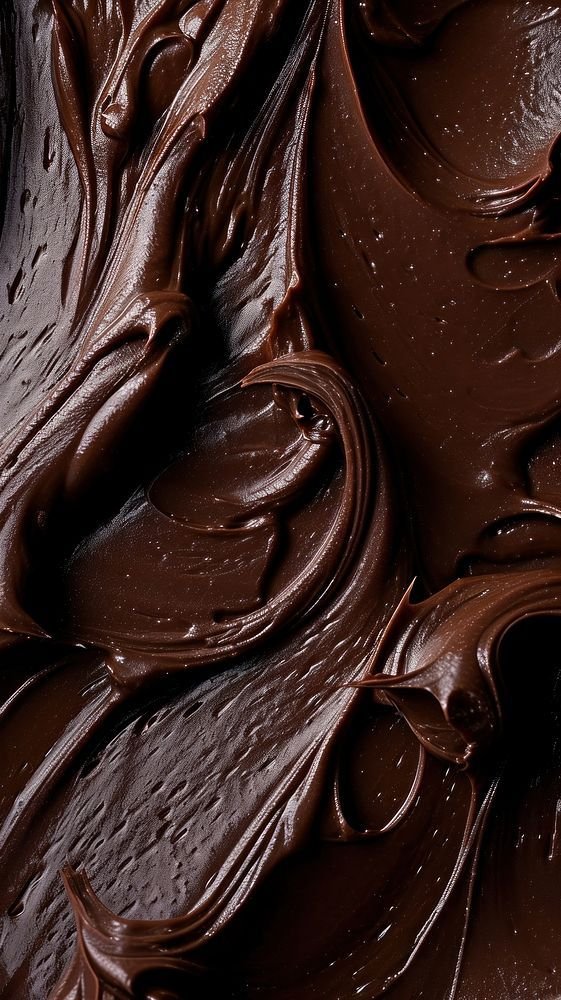
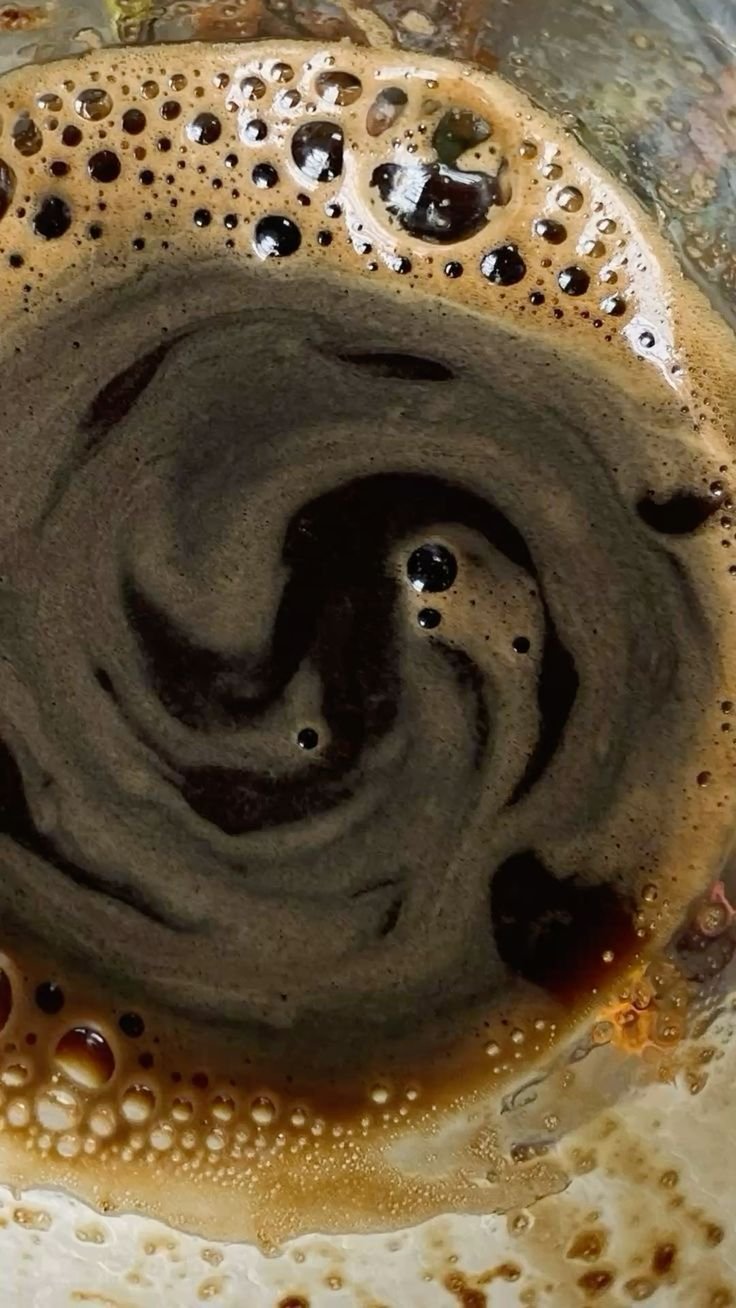
And it is flavor as much as fabric. Burnt cinnamon rising from the oven. Milk chocolate melting slow. Mocha thick in the cup, coffee beans ground fine. Gingerbread cooling on the counter, pecan pie cut open, sugared crust giving way to filling.
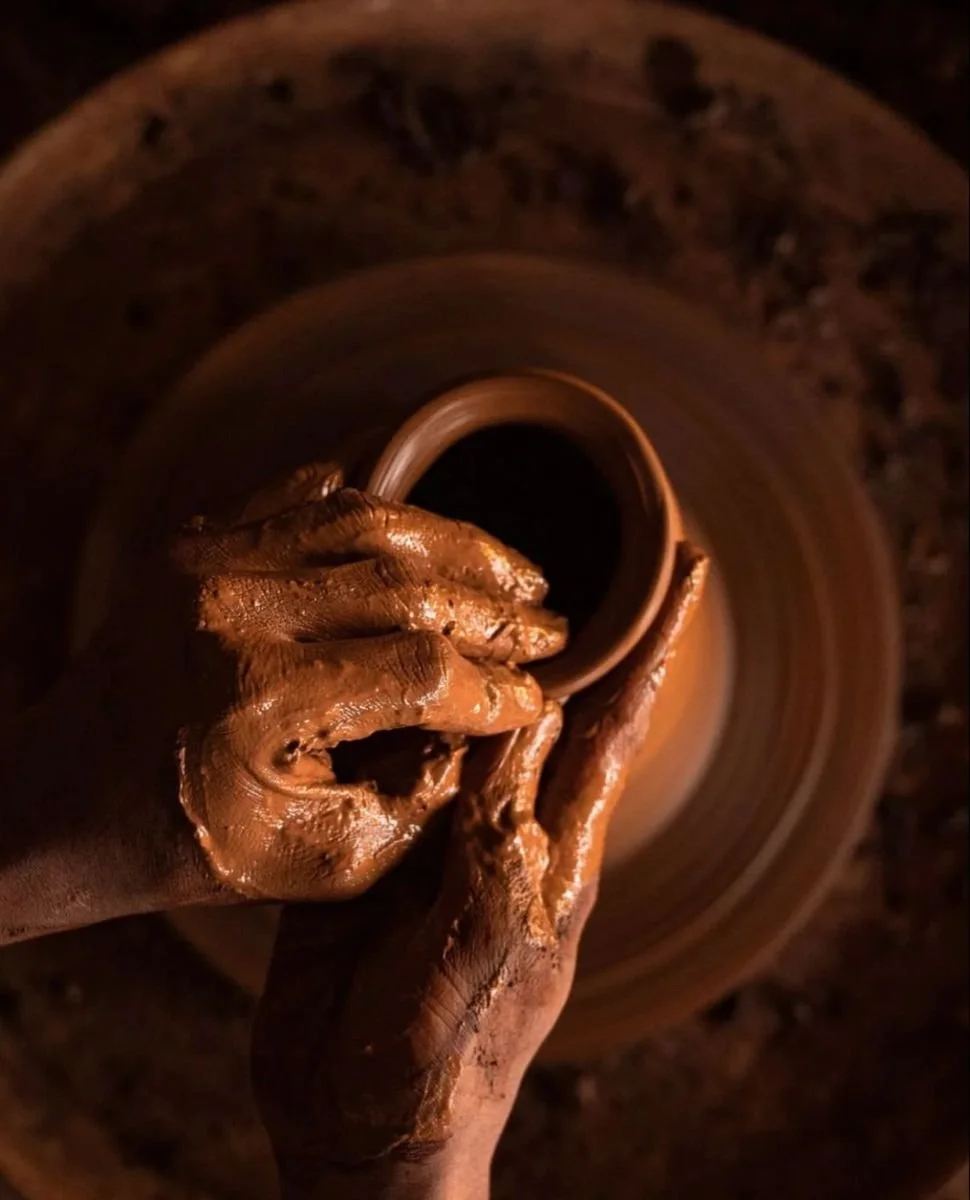
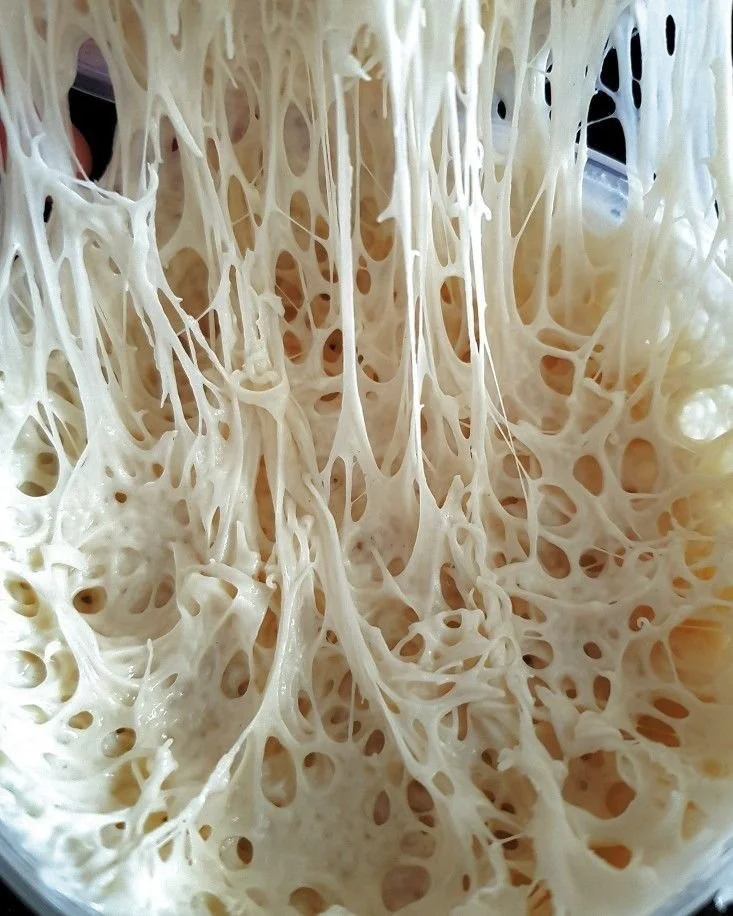
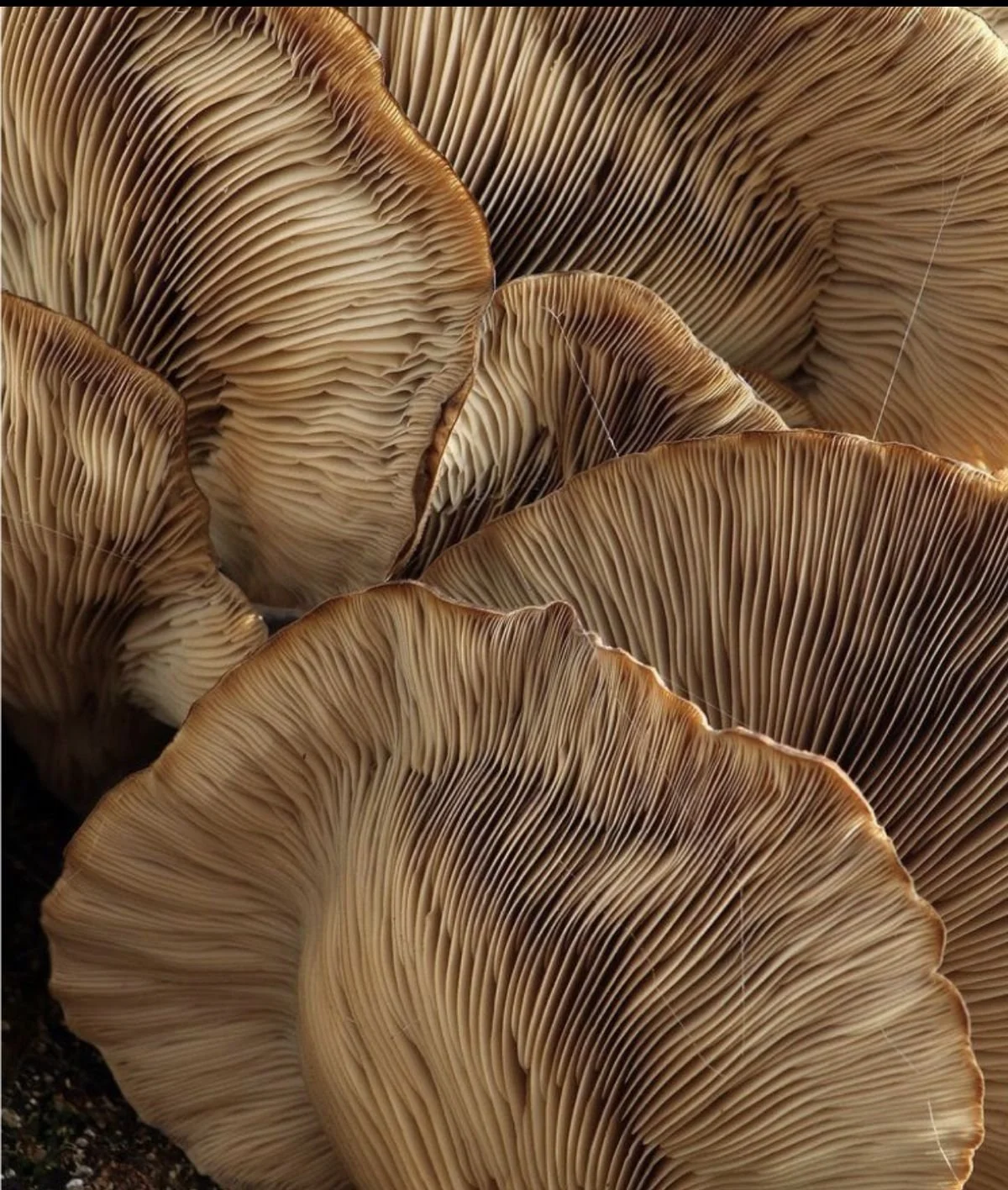
Cream and oat — homemade oat milk poured into a clay mug, linen folded in stacks, foam settling on a babyccino.
These colors don’t clamor; they root me, steady me, carrying grace through the turn of the season.





Shape and Silhouette
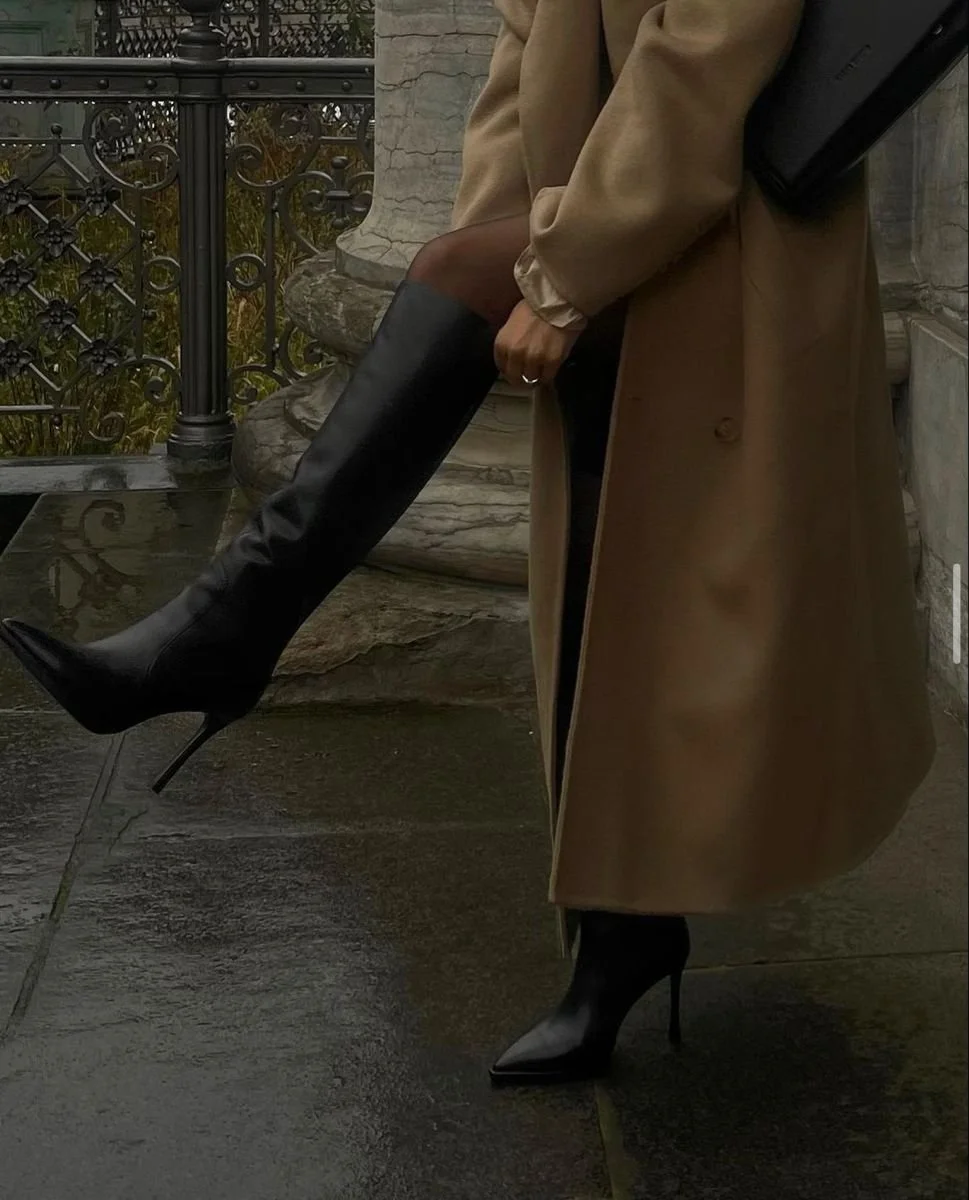
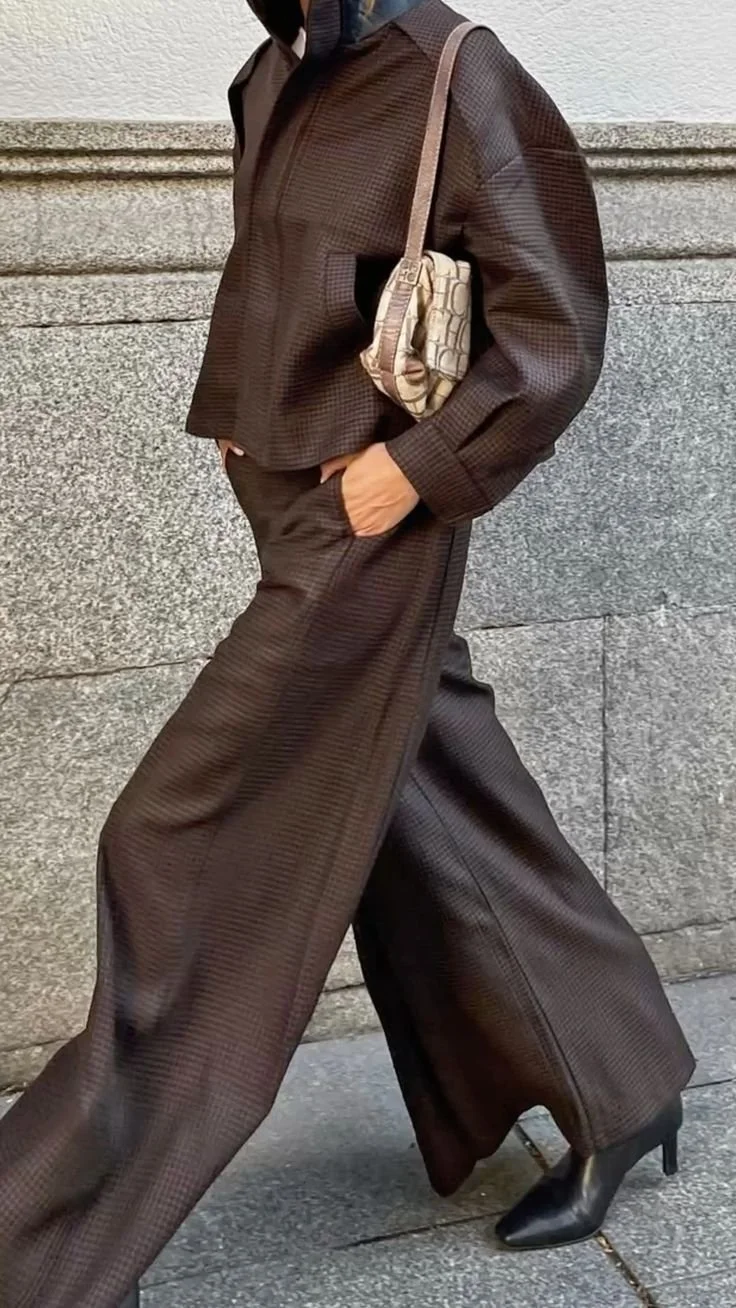
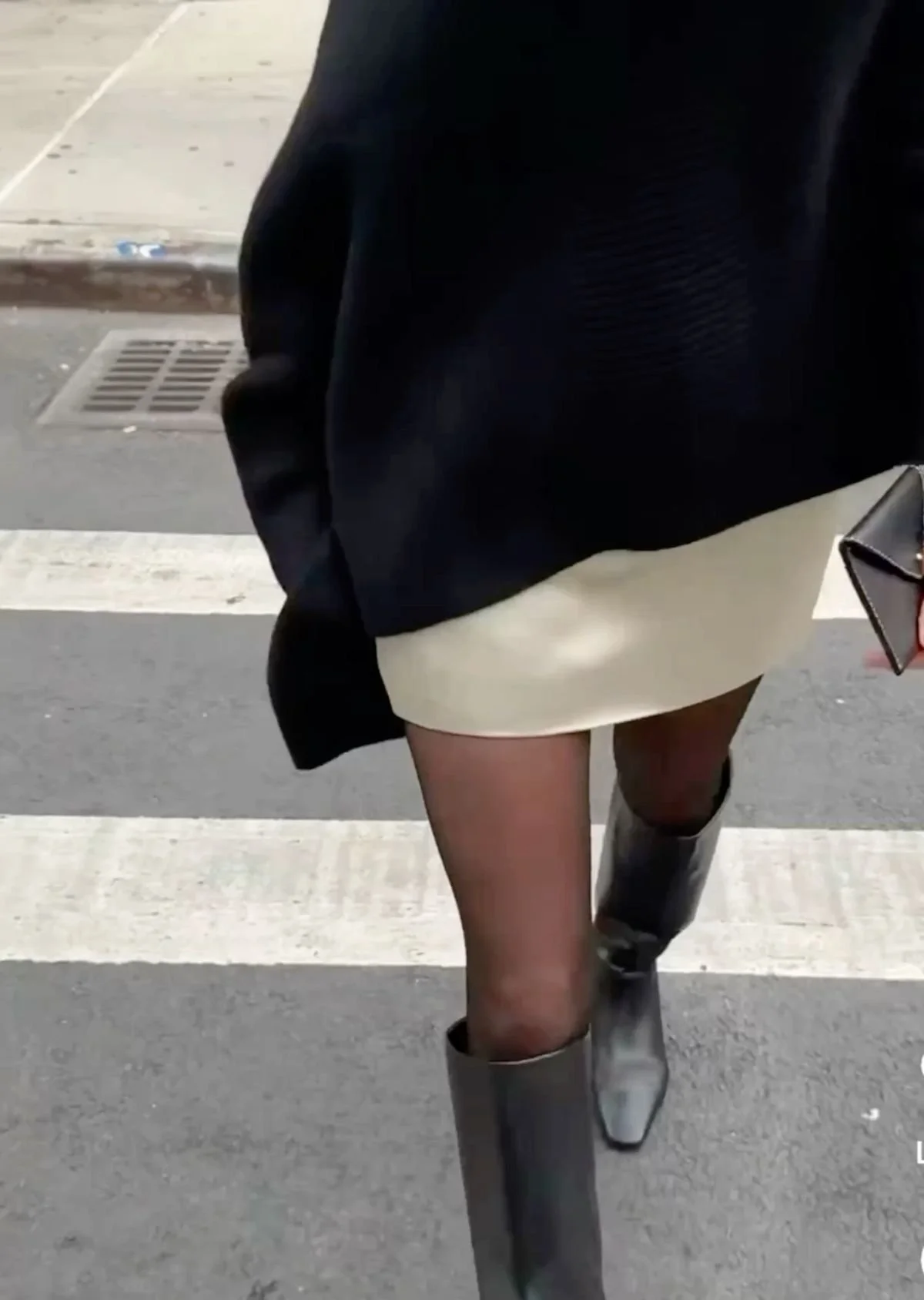
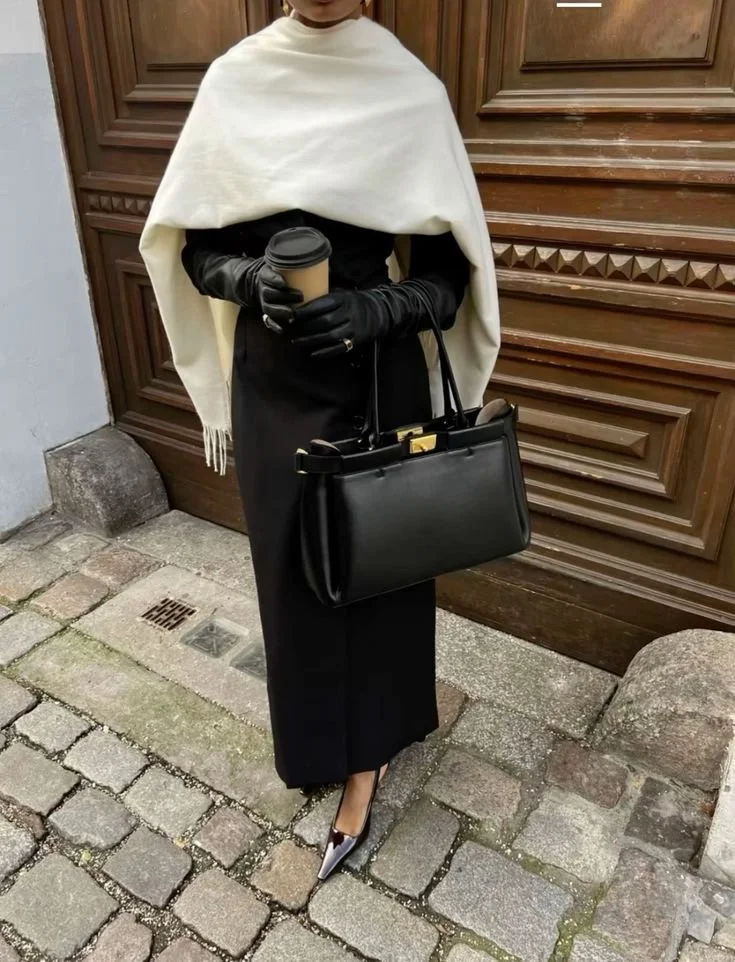
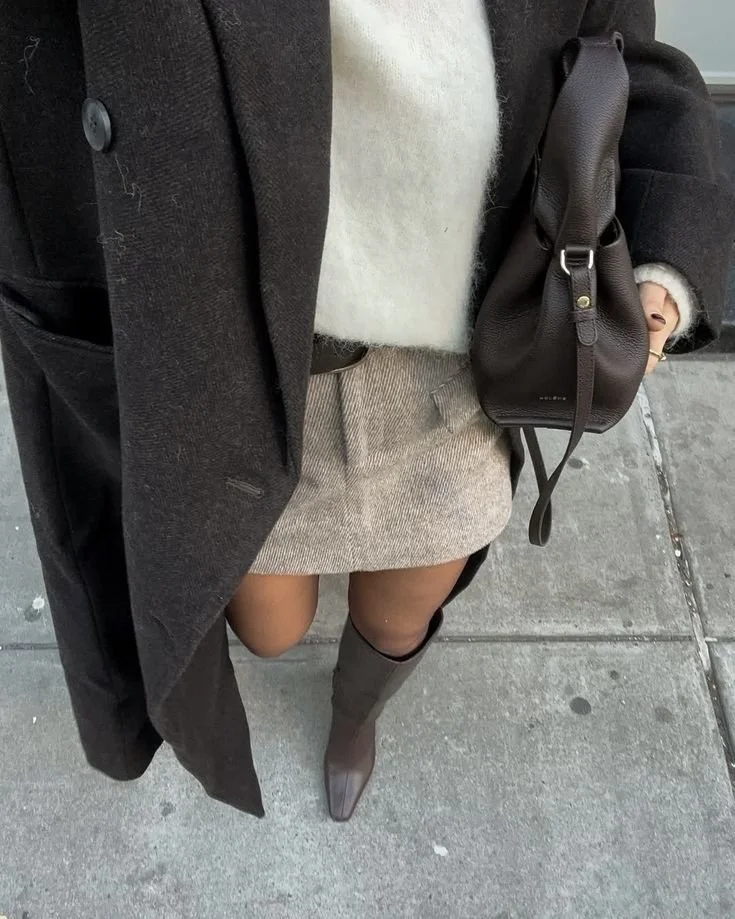
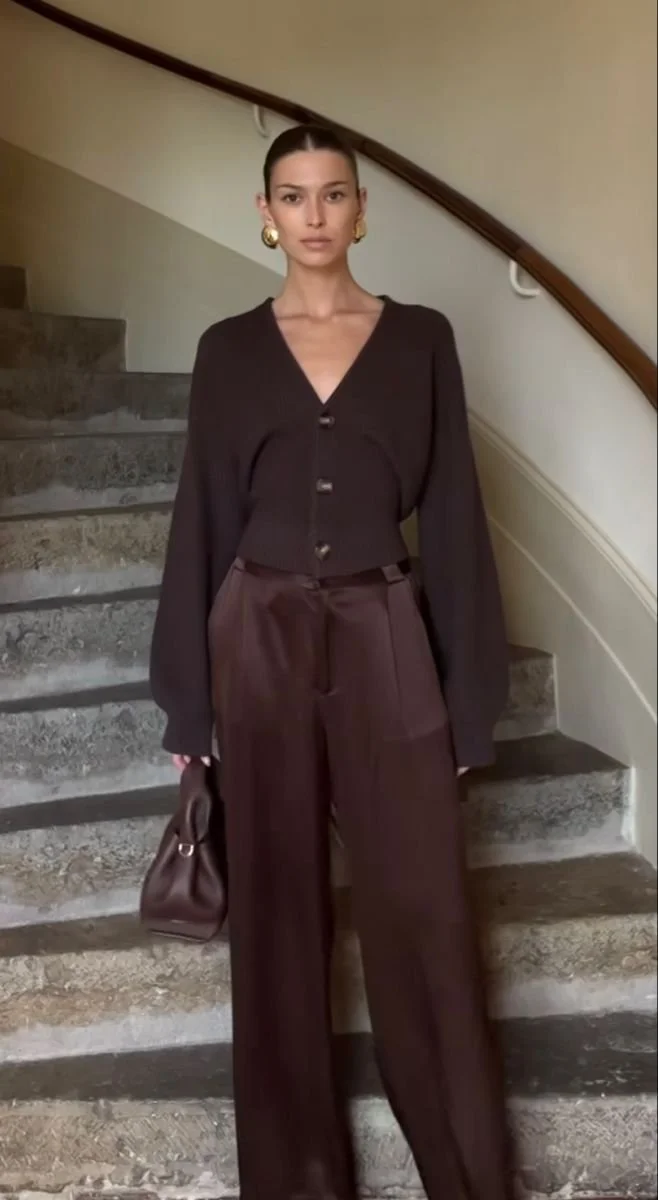
Fall shapes are about balance. Oversized coats pulled close at the waist, their volume reined in by a belt. Trousers cut long and sharp, skimming the ground with every step. Skirts that fall heavy, weighted in wool, or else light and sweeping, silk catching movement as it passes.
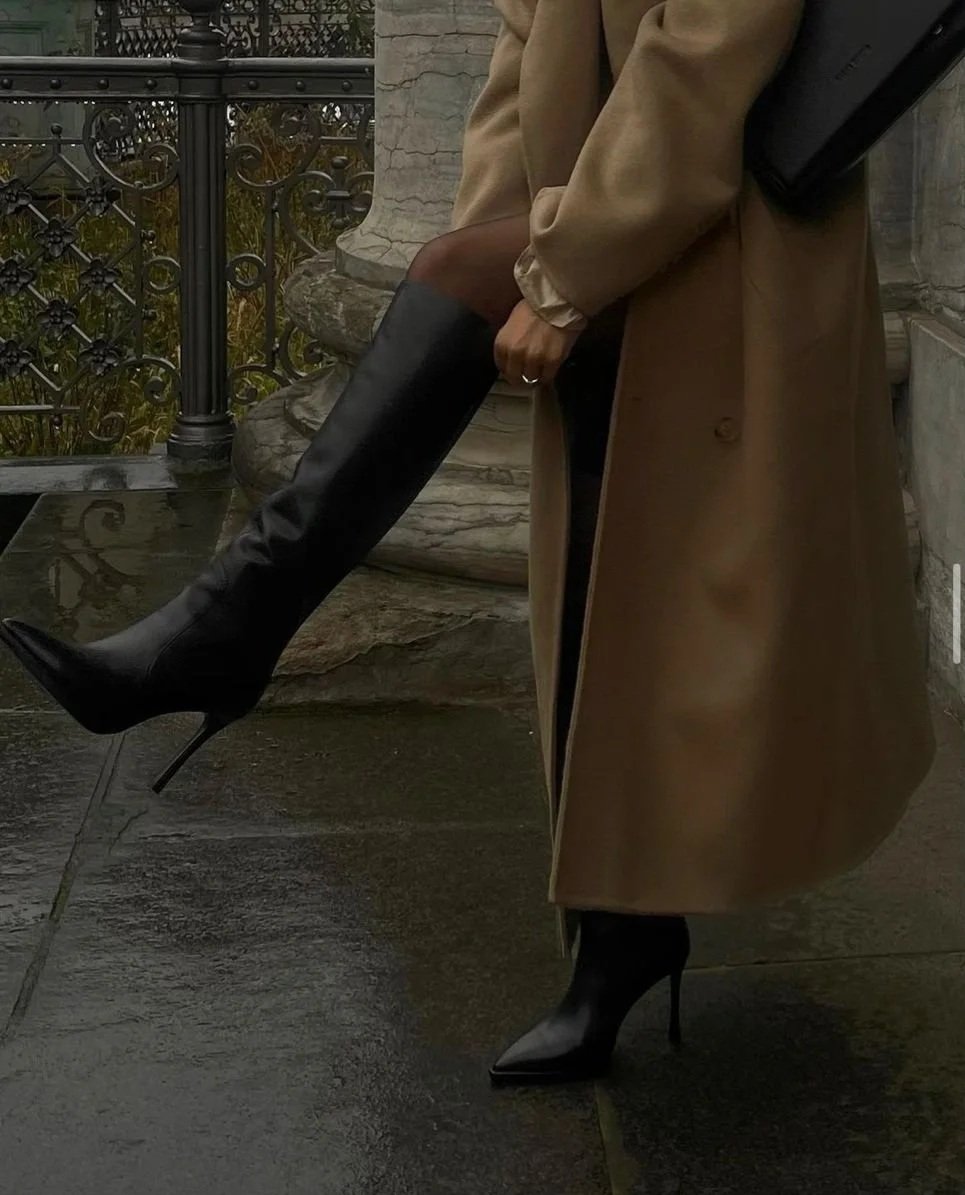
Pointed boots lengthen the line, structured leather giving strength to softer knits. Mohair brushed at the surface floats above, tender but never shapeless. A waistcoat — shoulders cut close, buttons drawing the eye inward — shifts a simple base into something deliberate.
These silhouettes aren’t costume. They are how I hold myself through the season: strength without hardness, softness without collapse.


Style as Daily Living
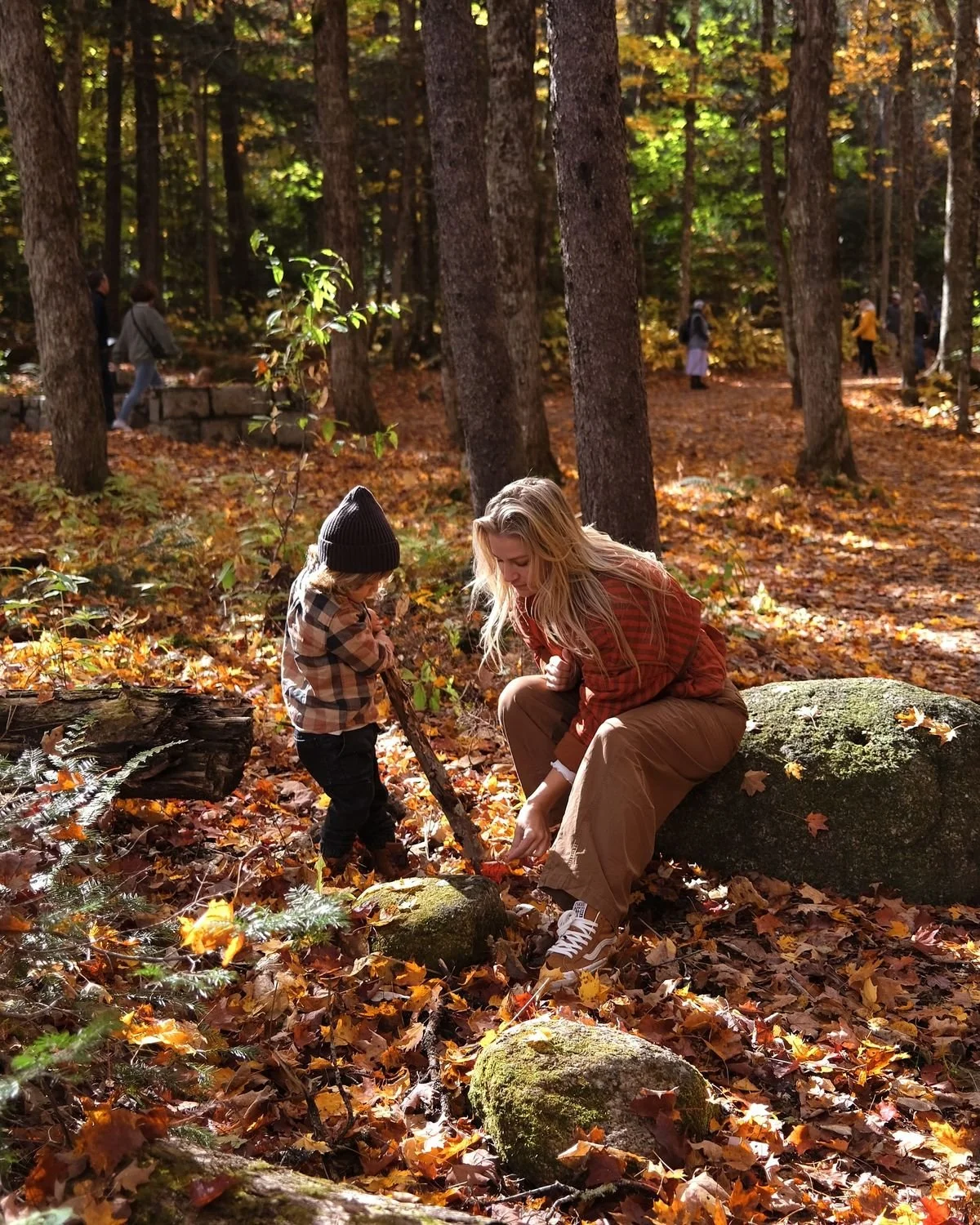
Style slips into the corners of my days now. It is not reserved for evenings out or rare occasions; it threads through our mornings at home, afternoons at play groups, hours at the stove, even the moments spread on the floor with my boys, and the Sunday forest walks we keep as ritual. A long coat shrugged on makes stepping out feel composed, no matter how hurried the exit. A knit in merino or mohair softens the edge of a sleepless night, carrying warmth where I need it most.
Clothes no longer live in a separate world from the rest of my life. They move with me — sleeves rolled to knead dough, skirts lifted from wet ground on the walk back home, a silk blouse tucked under wool when we gather at the table. These pieces are companions; they allow me to carry myself with grace even in the most ordinary moments.
I find that what I wear shapes more than an outfit. It shapes how I stand in the kitchen, how I move through town with the children, how I pause at the window beside my husband in the late afternoon — coffee in hand as we watch the children play in the garden. Dressing with care is not vanity; it is a way of honoring the life I have been given, of finding beauty in the simple patterns of our home.
In the end, my fall style rests in balance. Between the strength of leather and the tenderness of mohair, between the firmness of wool and the ease of cashmere. Between structure and softness, suede and silk.
It is not about perfection, nor about following the season’s noise, but about carrying grace into the ordinary: a walk through the forest, a meal at the table, a moment at the window with the ones I love. Clothes become more than fabric then — they become part of the pattern of living, a way of stepping into the days God has given with beauty, steadiness, and care.
Related Reads You’ll Love
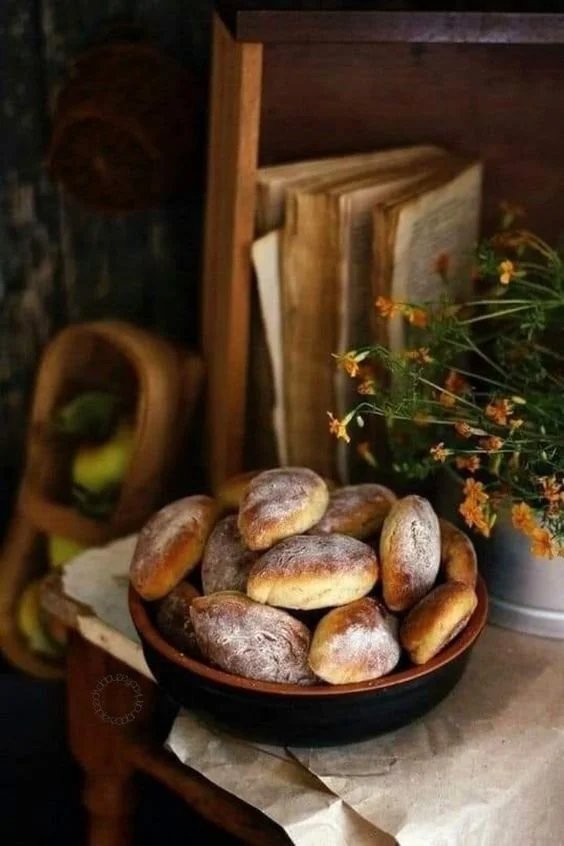

These decadent Apple-Cinnamon Brioche Buns bring the fragrance of fall into the kitchen, with deeply golden edges, soft pull-apart centers and moist ribbons of spiced apple. Finished with brown butter, maple and flaky salt, they are sweet, beautifully comforting and made for slow mornings, rainy afternoons and sharing warm from the oven.