Thanks to awareness campaigns about sun exposure and its effects on our body, by now, most of us know that exposing ourselves to direct sunlight, is a potential danger to our skin, and even our overall health. In the 80s, people started seeing more and more ads about sunscreen, and campaigns about skin cancers directly linked to sun exposure, and started to become more aware of it. Campaigns have now decreased drastically in the past decade and in most parts of the world, and even though we’re very well aware about the dangers that tanning (voluntarily or not) involves, a lot has changed since the campaigns ceased; researchers have learnt a lot more about how to prevent and heal sunburn, and made a lot of progress. Therefore, a lot of what were facts during the campaigning, became myths since.
Skin is the human’s largest organ, and is absolutely crucial to protect all of the other ones too. Skin health is as important as the health of the rest of your body. Moles, spots and early aging of the skin aren’t the end of the world, but why not prevent them if we can? Especially knowing that most skin cancers and diseases start from one of the above.
For you, we’ve gathered all the misconceptions about sun exposure and some clear information to enlighten you, as well as tips to tan as safely as possible.
All products affiliated to this article, or this site in general, are plant-based and cruelty-free.

Sunscreen Will Prevent You From Tanning
Wrong, applying sunscreen will not stop your skin from tanning.
Your skin darkening during and after sun exposure is a defense mechanism against ultraviolet rays, which damage your DNA and RNA (vital molecules found in your cells, both are necessary to cell division, renewing and rebuilding of cells). When UV rays enter your skin, your cells automatically start producing melanin, which darkens through oxidation; the more sun exposure the more melanin. Now applying sunscreen, even with the highest SPF (50+), has for role to filter UV rays that get in contact with your skin, to prevent sunburn; but it doesn’t intervene with the amount of melanin your body produces.
Don’t forget that a tan might look good, it’s not worth playing your health; plus nowadays there are some amazing fake tans that look natural and healthy, and that are completely natural and safe for you.
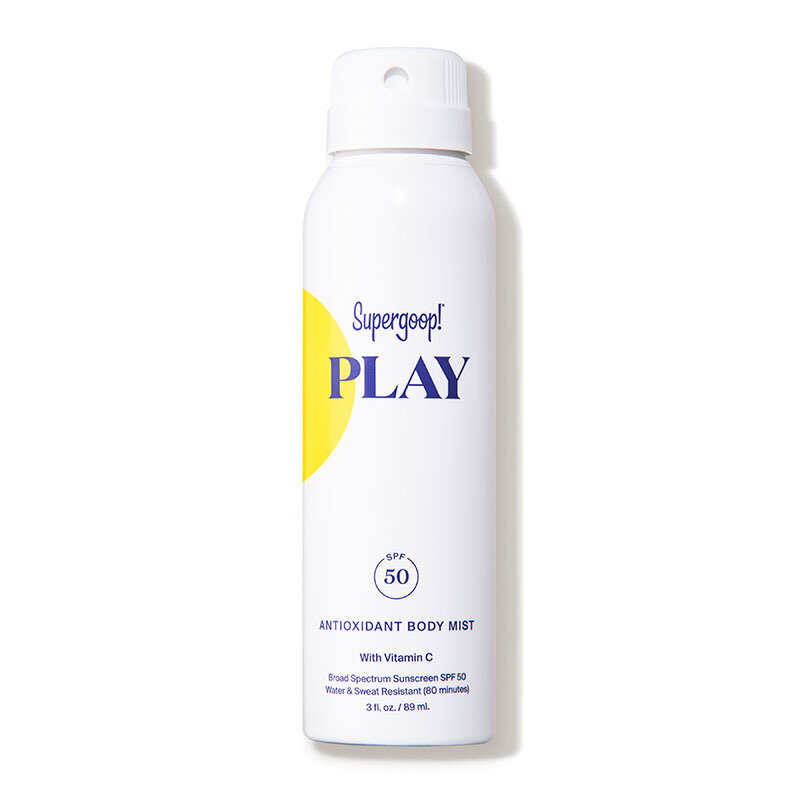
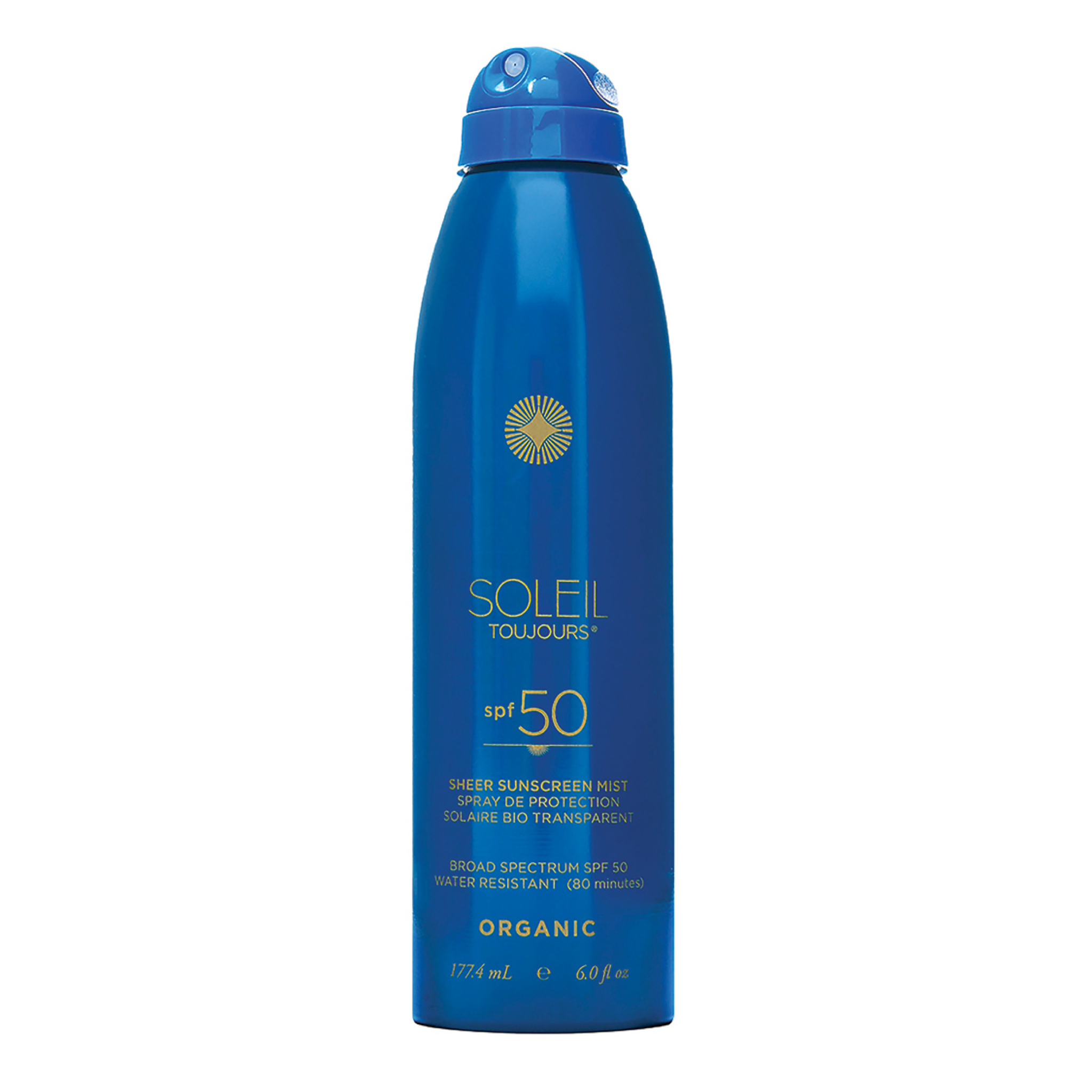
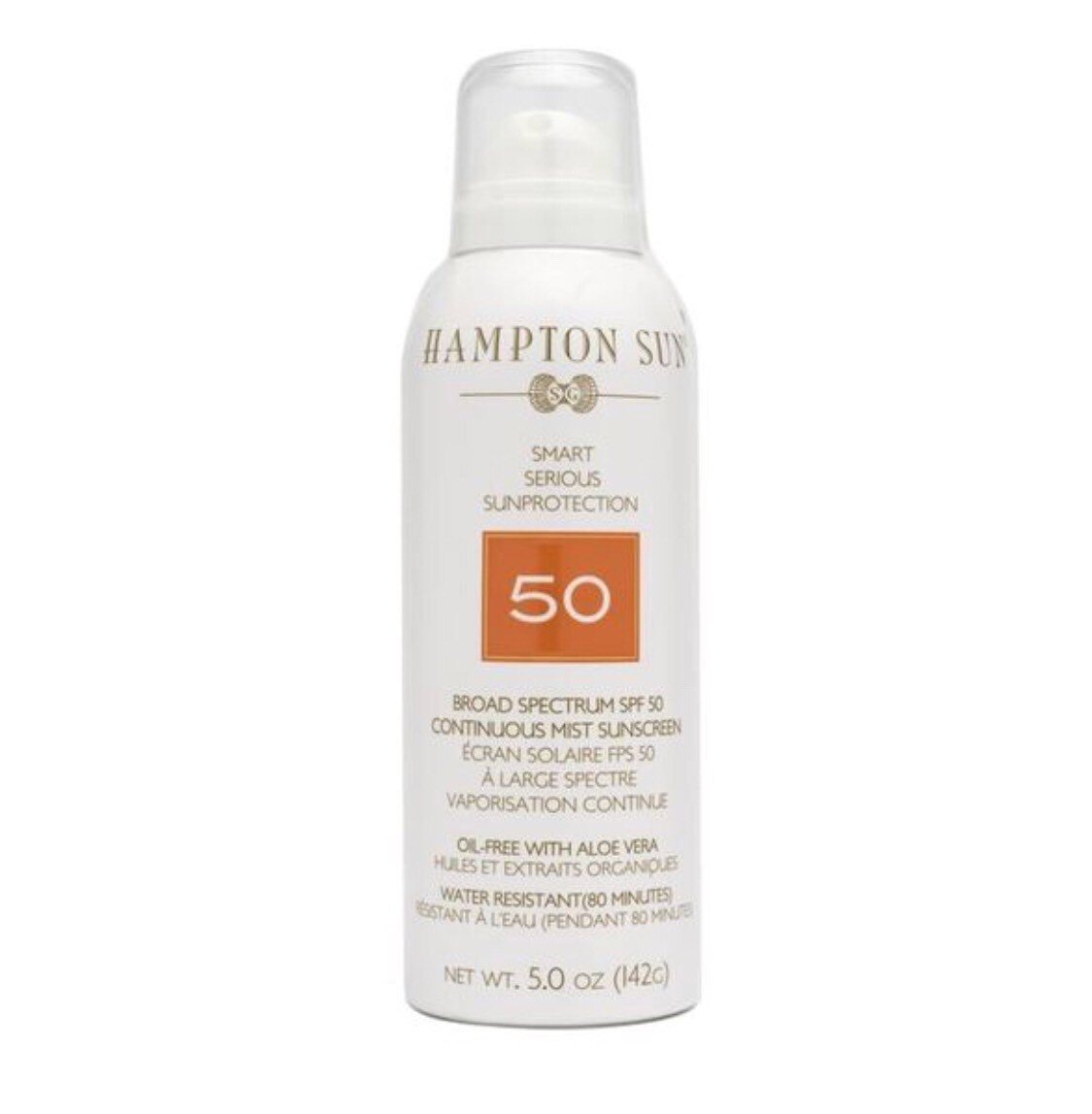
Here are some of our favorite plant-based and cruelty-free fake tan products.
Photo via Pinterest

Deeper Skin Tones Aren’t At Risk
Wrong, your skin tone isn’t in the equation when it comes to the effect the sun have on your skin.
No matter how fair or deep your skin may be, its reaction will more or less result to the same process and damage. Whether from the sun or from tanning beds, people’s skin of all ethnicities can get burnt by UV radiation.
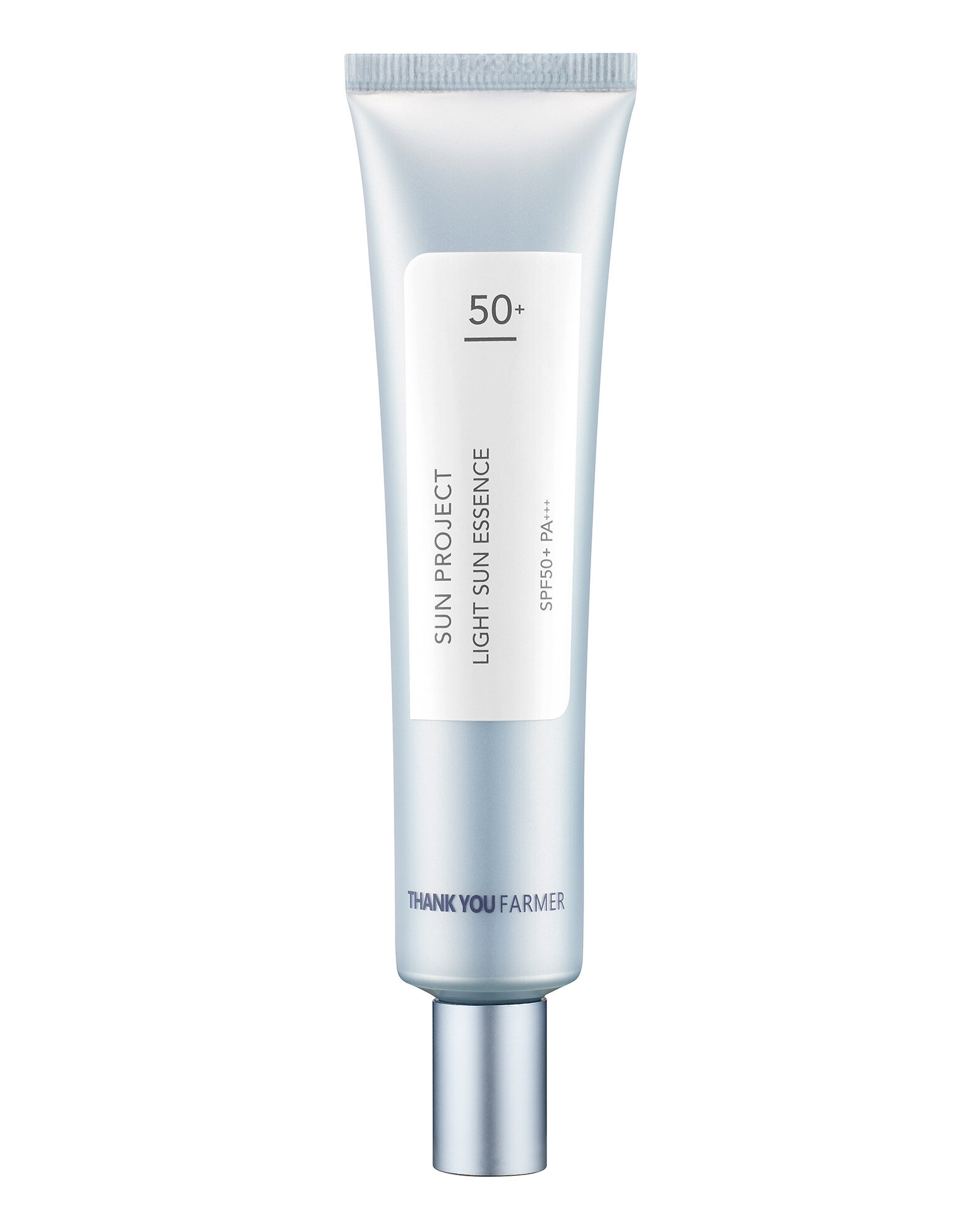
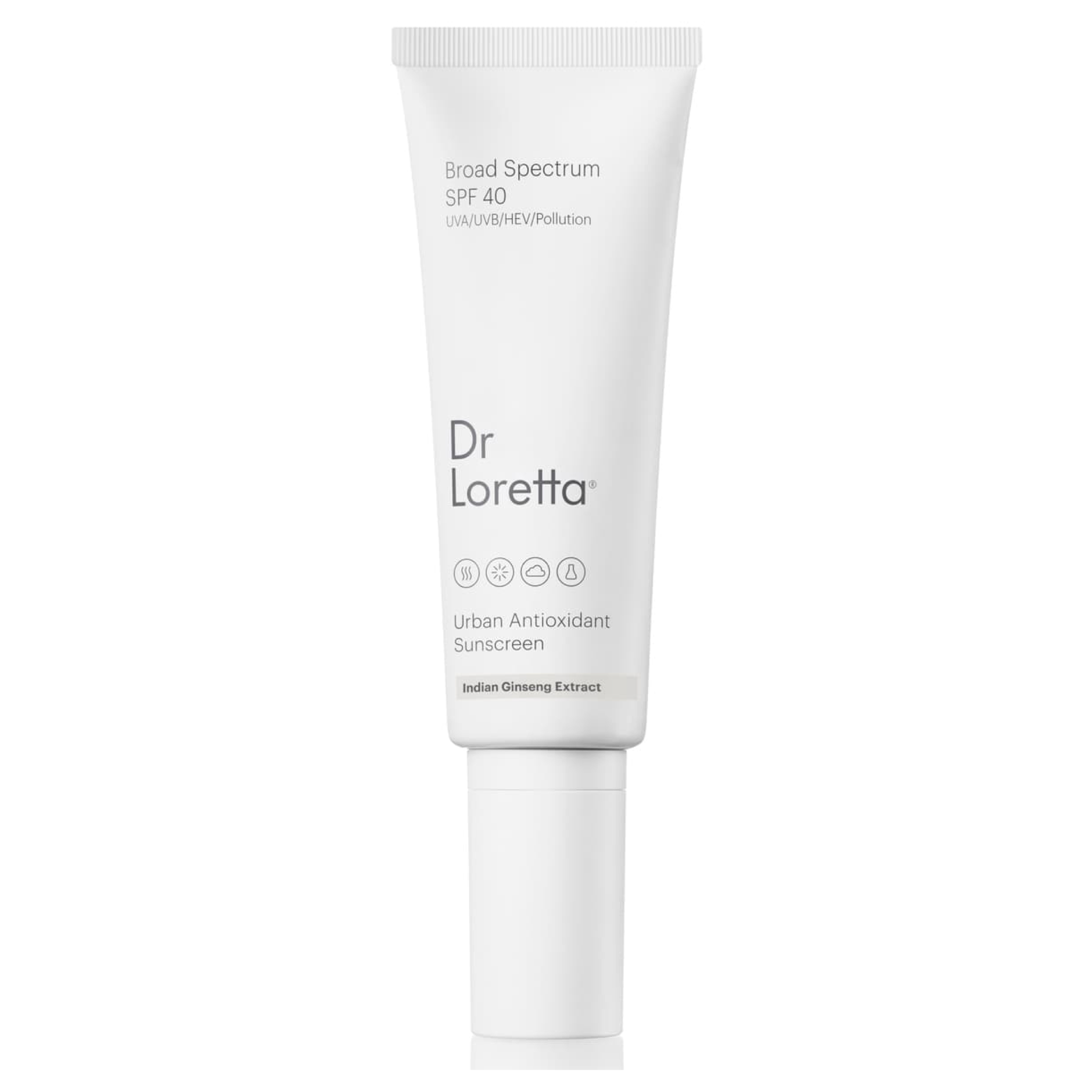
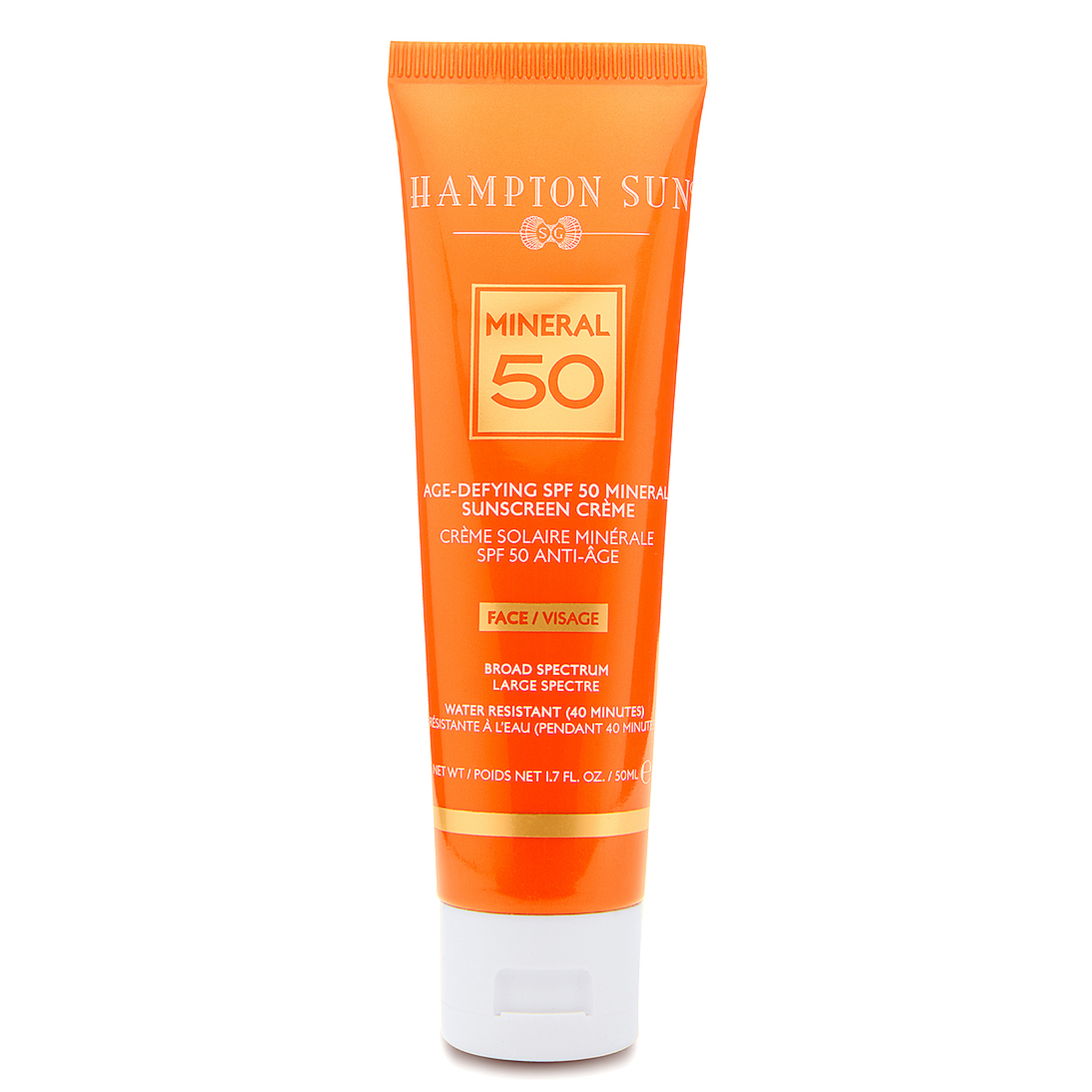
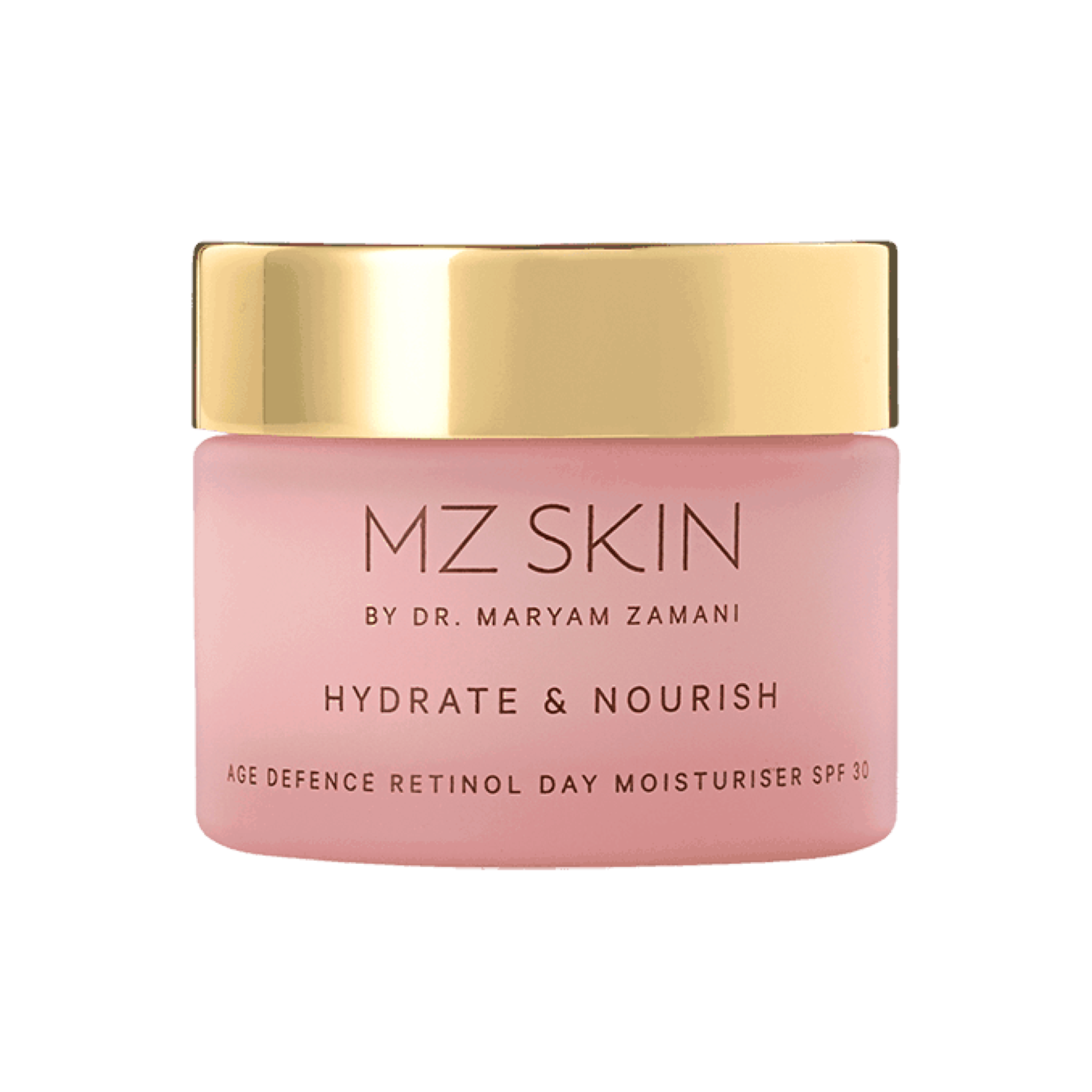
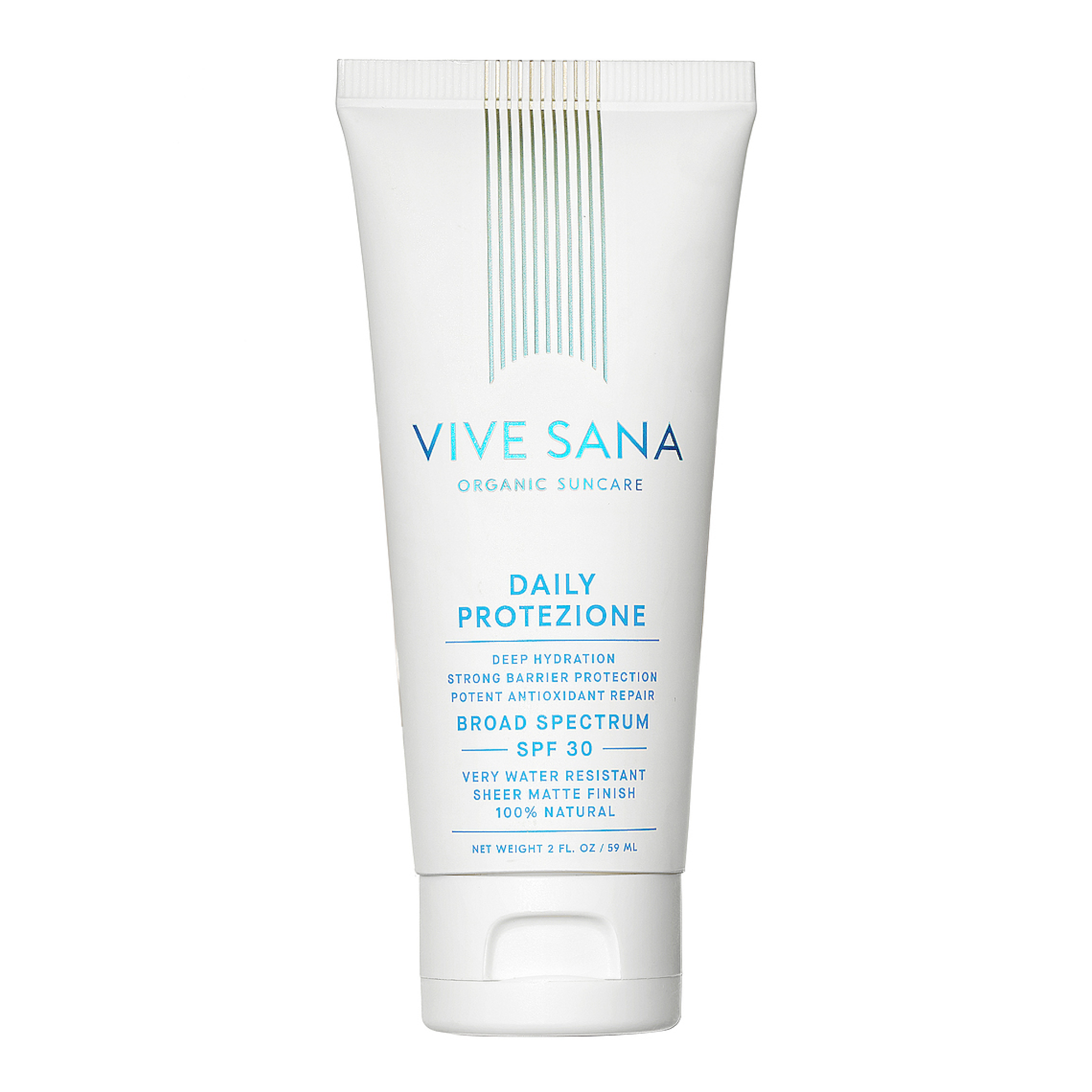
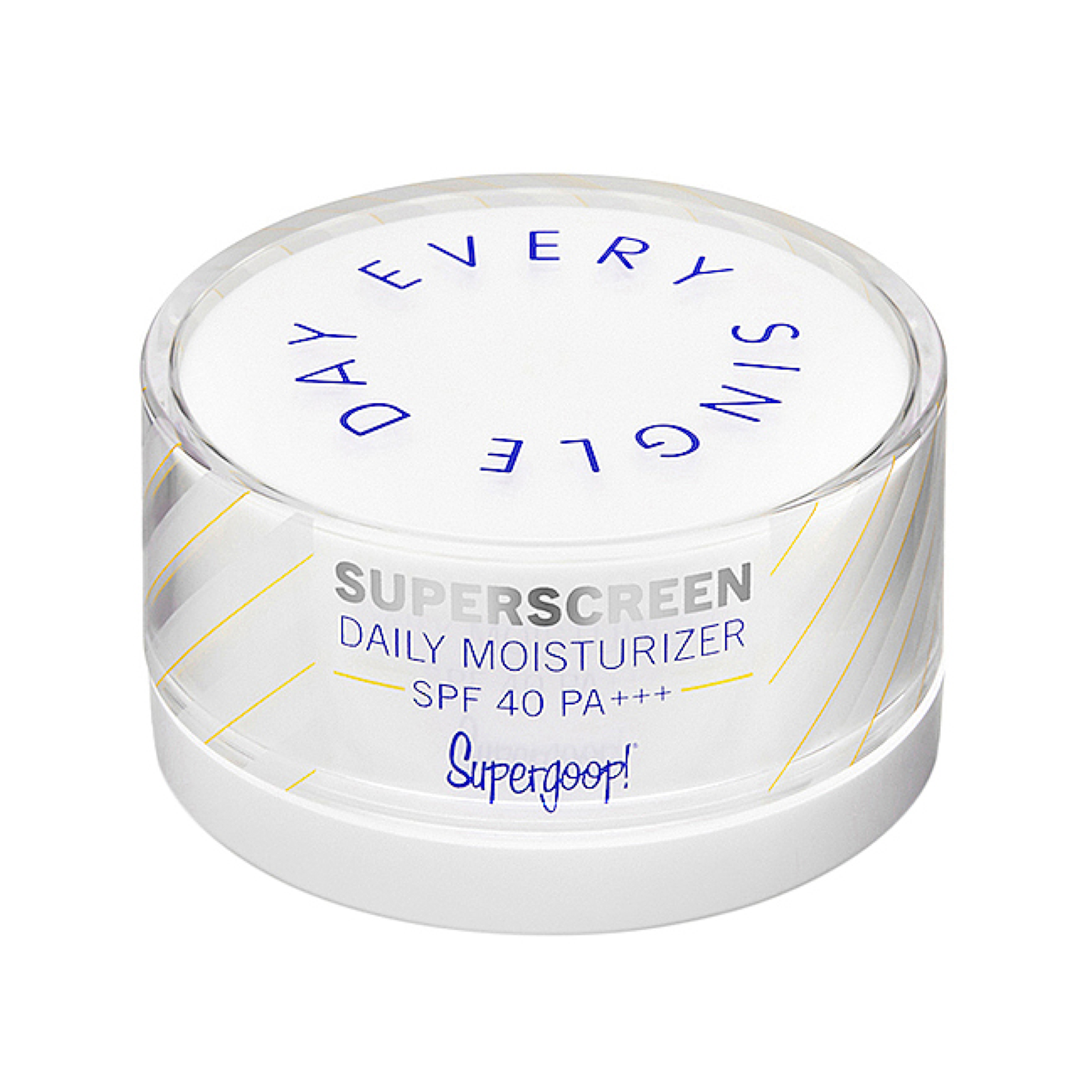
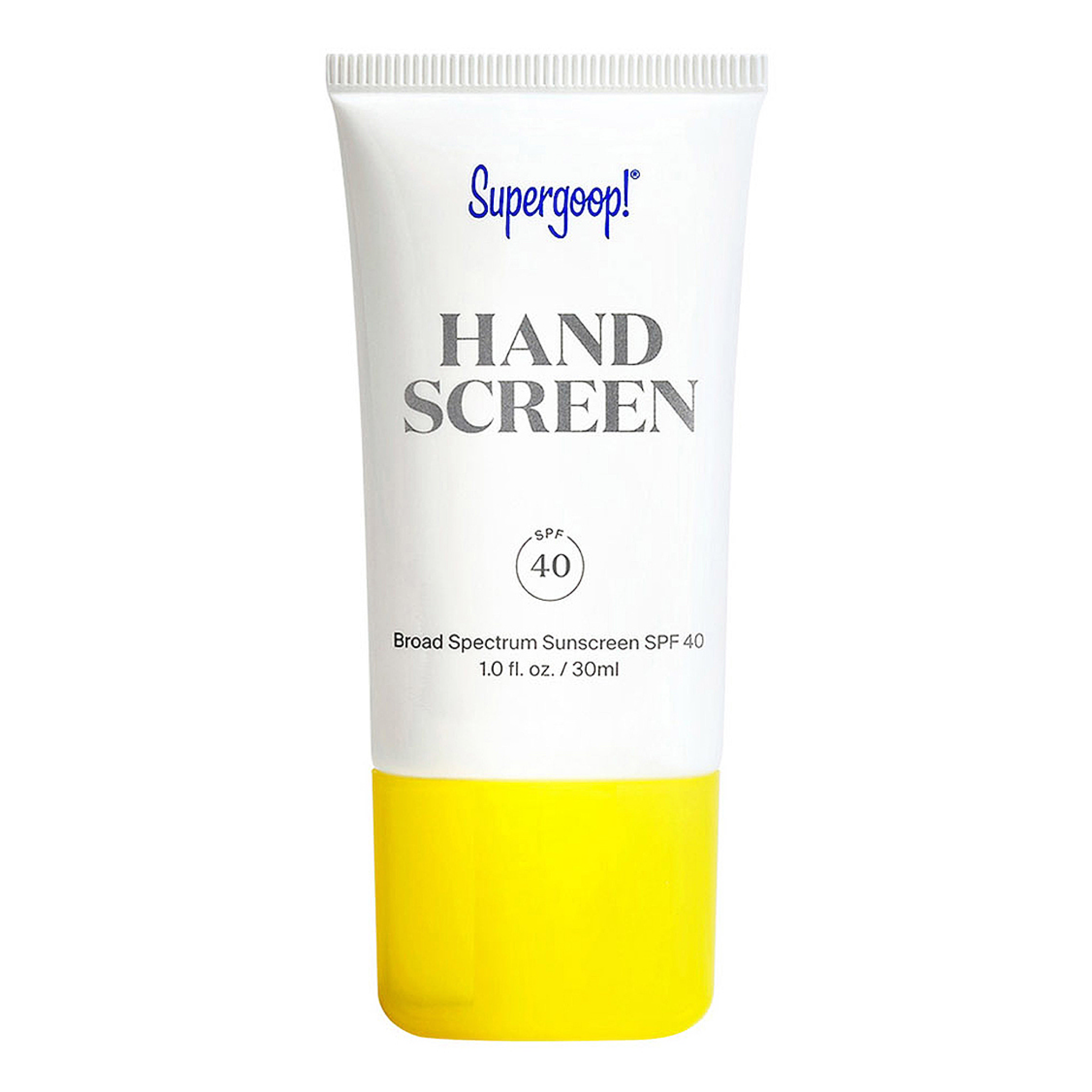
Make sure to always protect your skin when you’re direct exposed to the sun rays, not only at the beach: your hands, face and neck cream should all contain a SPF from 20 to 50+, all year long! You’ll thank us later.

No Sunburn Equals No Skin Disease
Wrong, sun's rays can damage your skin regardless of whether you burn or not. People with history of sunburn may be at a higher risk of skin diseases and cancers, but all of us become at risk as soon as we expose ourselves to the sun and this from just a few days old - the very first time out and each time after that. When sun rays (both UVA and UVB) penetrates our skin, damages are done, and this every single time your skin gets exposed, whether it’s your hand through your windshield when driving or your full body during a day at the beach, both matter; in fact, most skin cancers start from the most exposed part of the body: face, neck, hands, arms and feet. We are all born with a different “sun capital”, in which we may or may not run out at any point of our lives: our skin accumulates the negative effects of the sun's rays, until it just can’t anymore because your sun capital has been reached. Your body will first show you signs such as premature aging of the skin, brown spots and thinning of the skin (watch out for your hands, neck and face). From there, the largest organ of your body (your skin) decreases drastically its immune function which leads to pre-cancerous (actinic keratosis) and cancerous (basal cell carcinoma, squamous cell carcinoma and melanoma) skin lesions. Now whether you burn or not doesn’t change this process; a sunburn is the reaction your skin has to “clean up the mess” of too much UV penetrating your skin: your blood vessels dilate to increase blood flow and bring immune cells to the skin, thus the redness and inflammation.
This may be scary, but it doesn’t mean you shouldn’t let yourself out and enjoy the sun; but you should always wear sun protection on every single part of your skin that aren’t covered.
Photo via Pinterest

Sun Tan Equals Natural Sun Screen
Wrong, wrong, wrong and wrong! This myth needs to be burnt asap. It’s without a doubt the most dangerous misconception about tanning.
As mentioned above, no matter how deep your skin tone may be, or how tanned you already are, the biological reaction your body has when the sun’s rays penetrate your skin remain the same.
There’s no such thing as a “healthy glow”, it may appear to be, but it’s only proof that your skin has been damaged; and even though your skin darkened due to the amount of melanin produced by your body then, this nice color will eventually fade away but the damages are already done and irreparable.
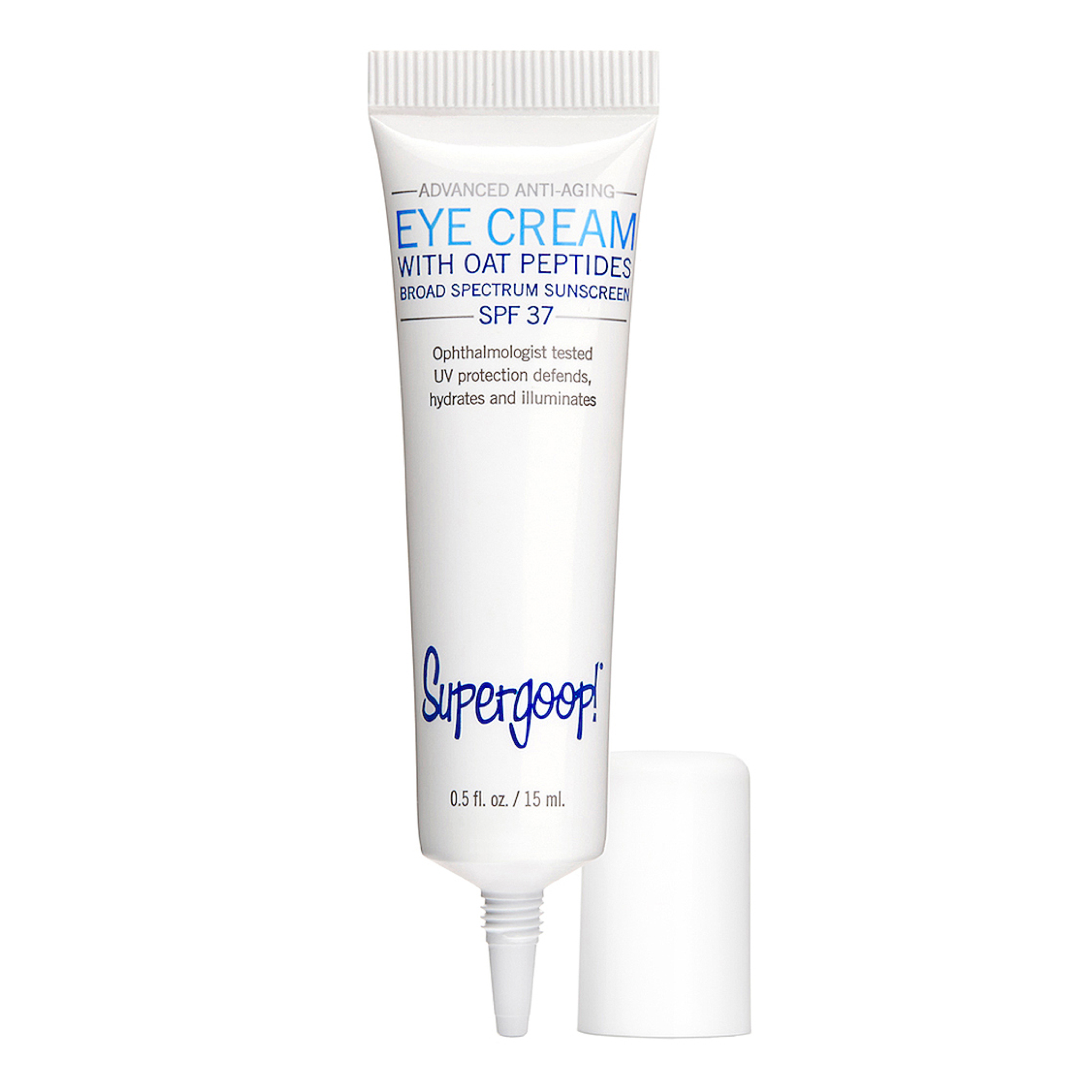
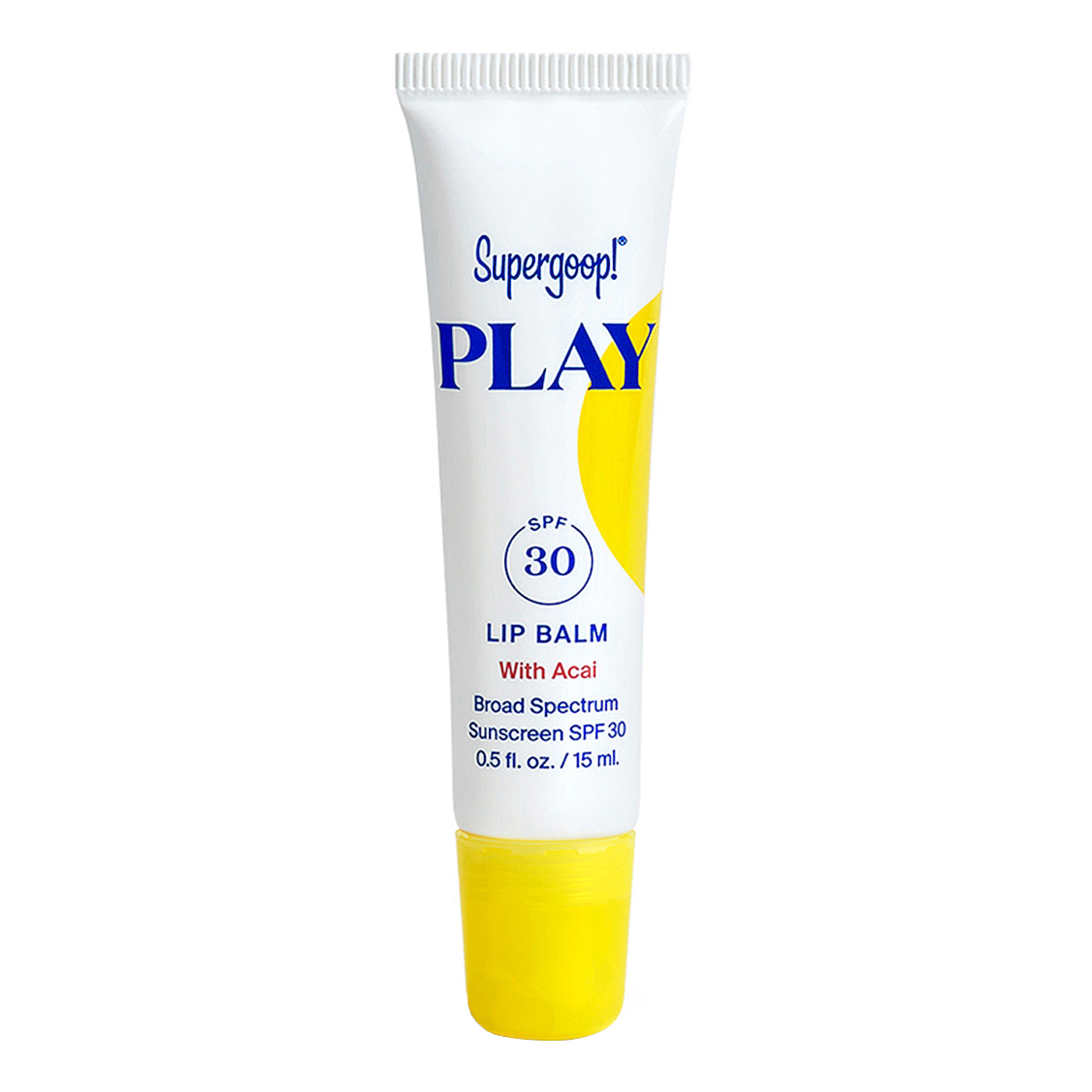
Again, your only option to prevent your skin from the damage as much as possible, is to use sun protector on each part of your body exposed to the sun, and this all year round. No matter if you live in sunny California or rainy London, sun rays always make their way, even through the heavy clouds.
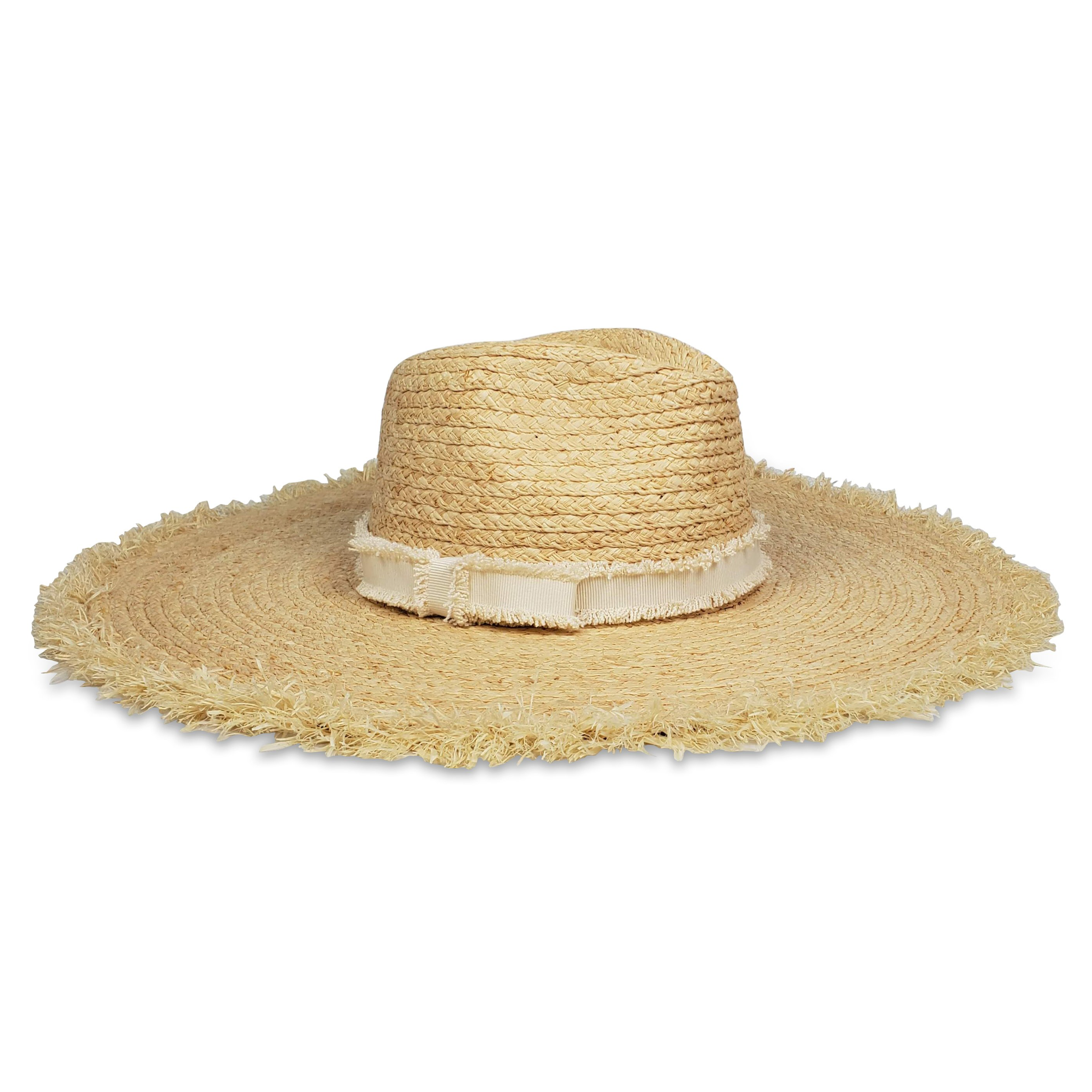
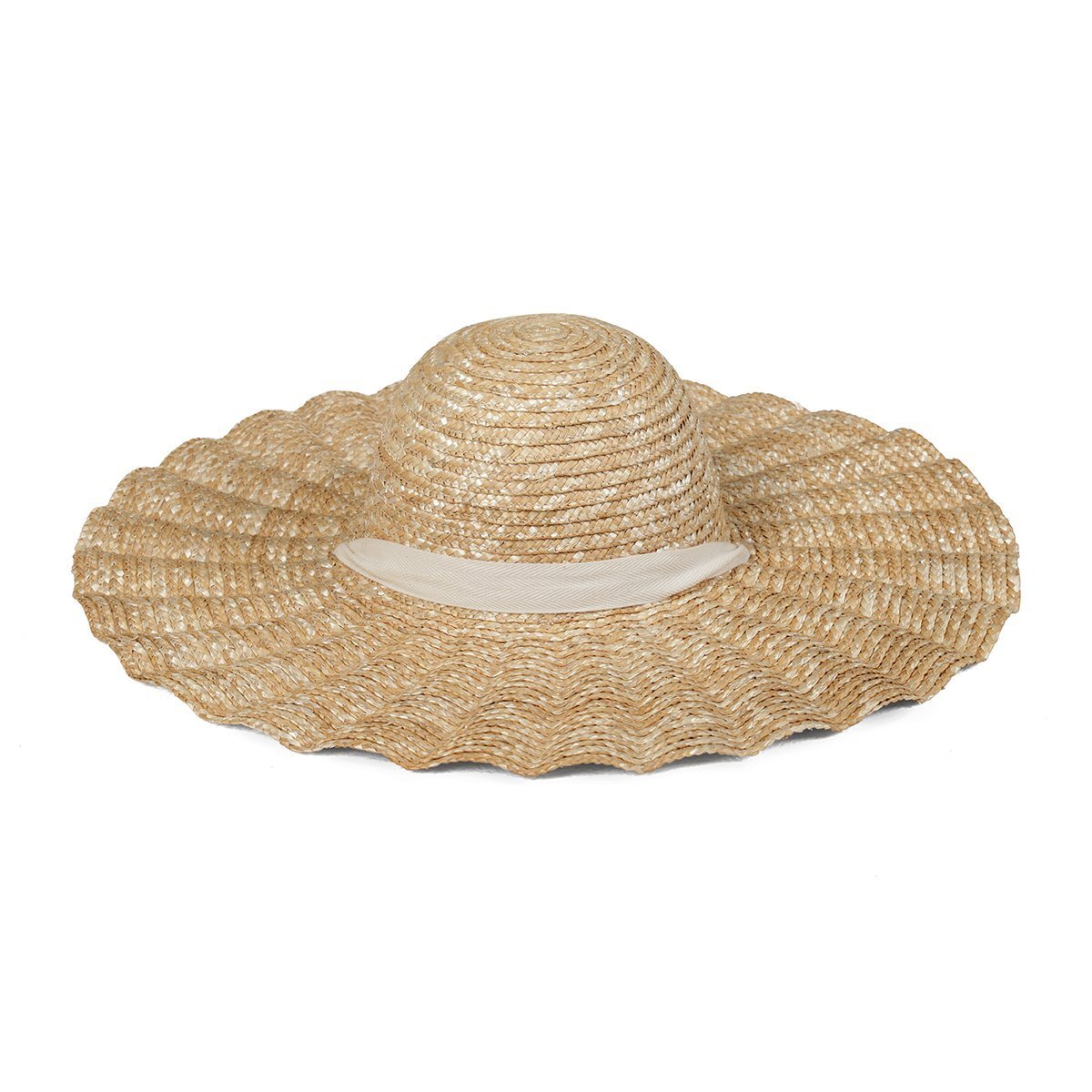
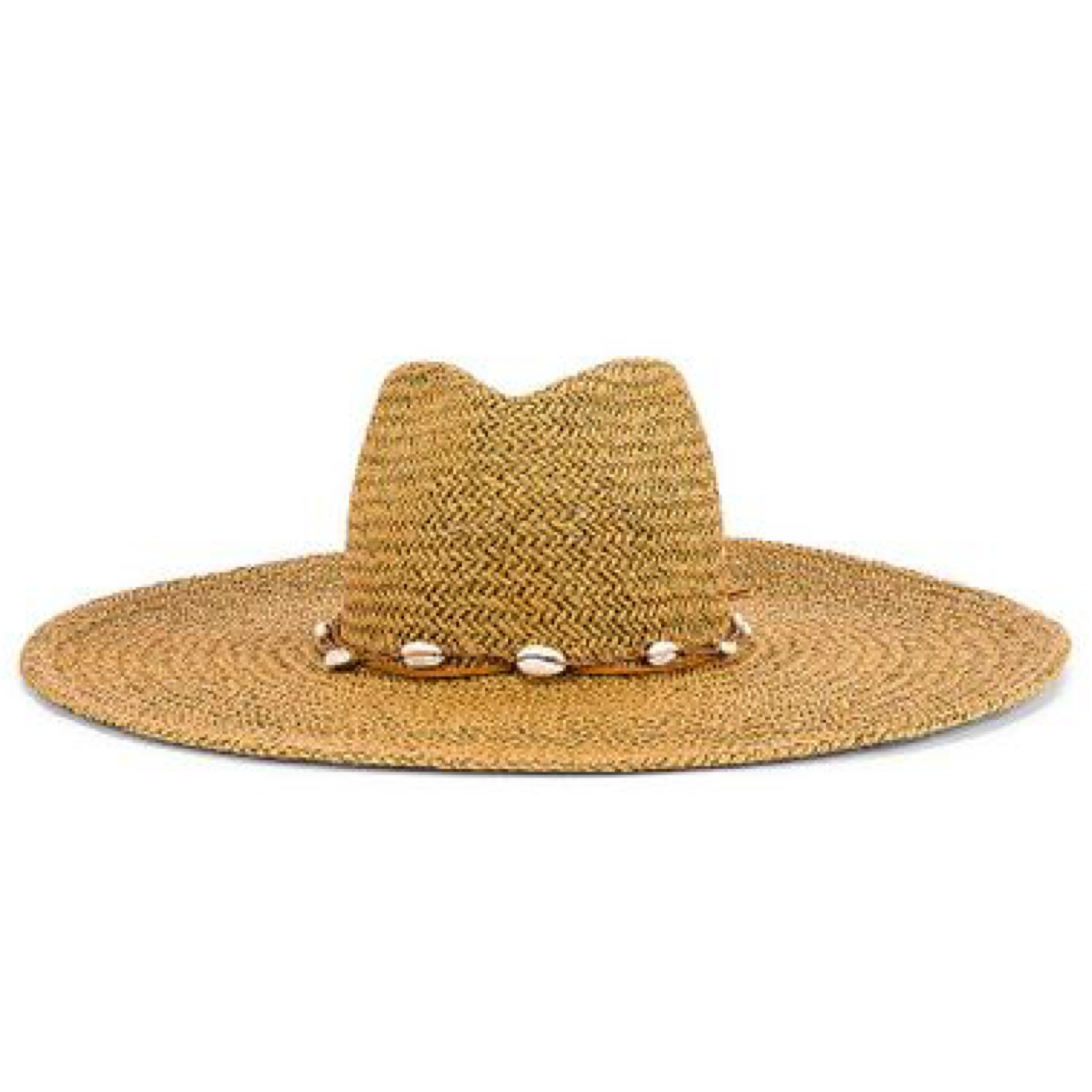
Hats are also a great way to protect your head and face from the bad sun’s rays, so don’t be shy to get this hat you’ve been loving for the past two summers but didn’t dare to get thinking you won’t use it.
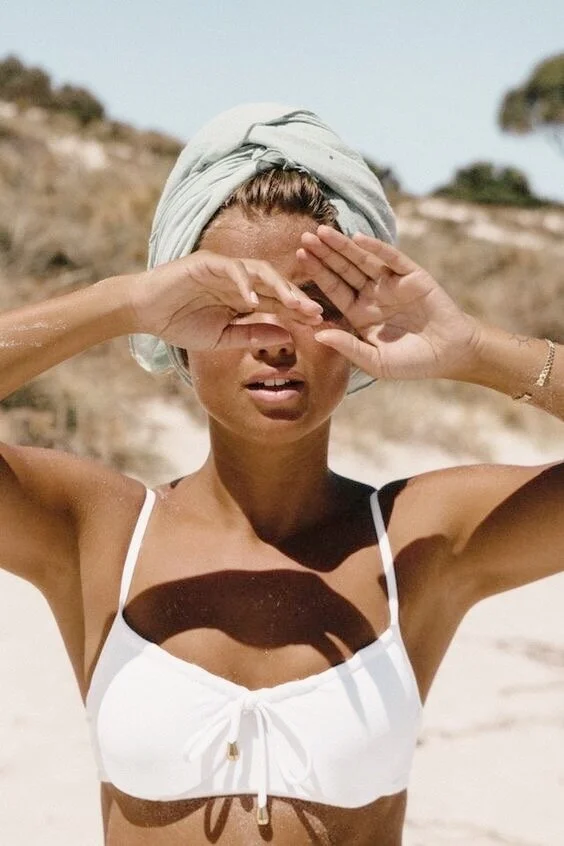
Photo via @MatildaDjerf