
Bread of Comfort: Recipes for the Cold Months
It’s time again.
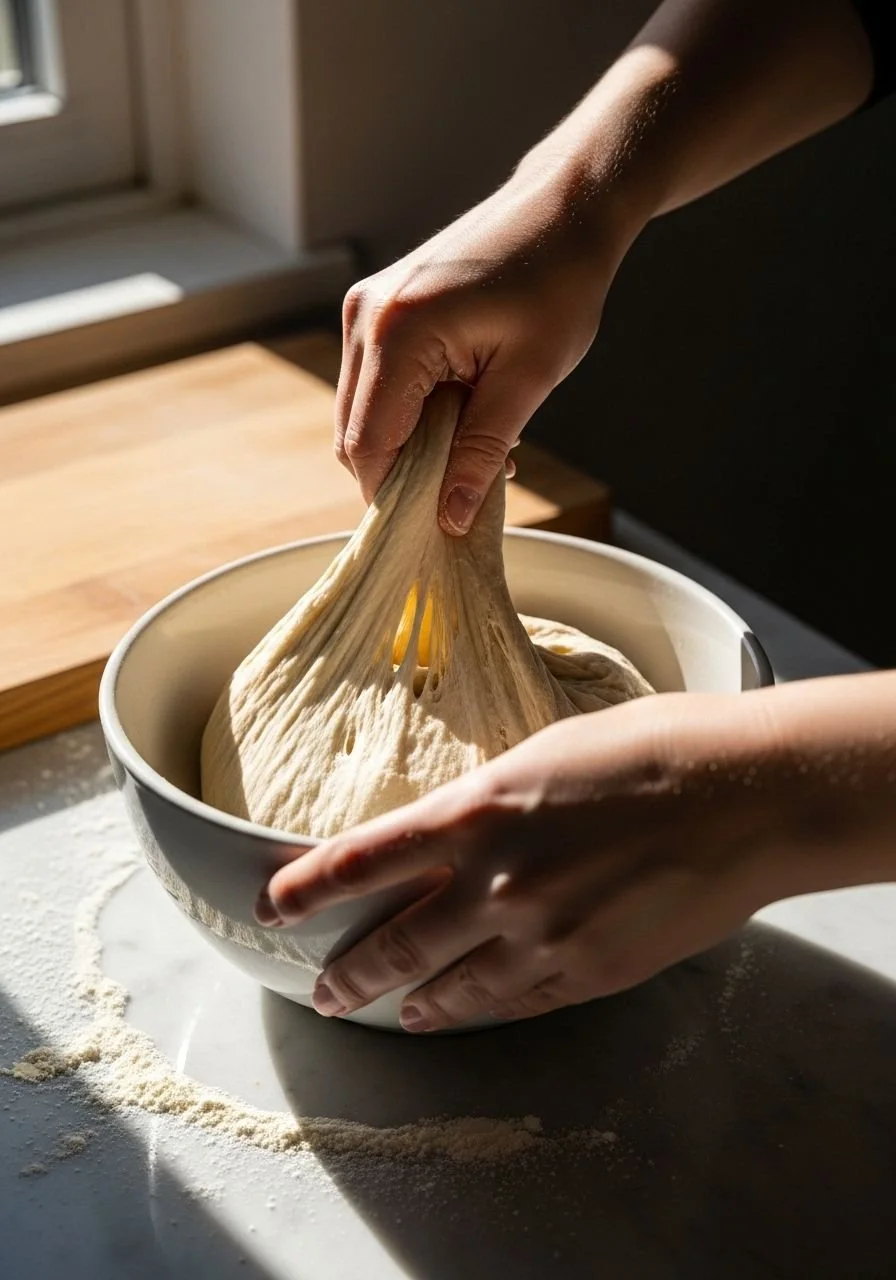
The morning light comes late — pale and steady. After breakfast it slips across the wooden counter, and that’s when I place my bowl of dough to rise beneath a wool scarf. Frost on the outside and steam on the inside draw soft patterns across the windowpane.
The kitchen is full — not loud, just warm in that winter way.
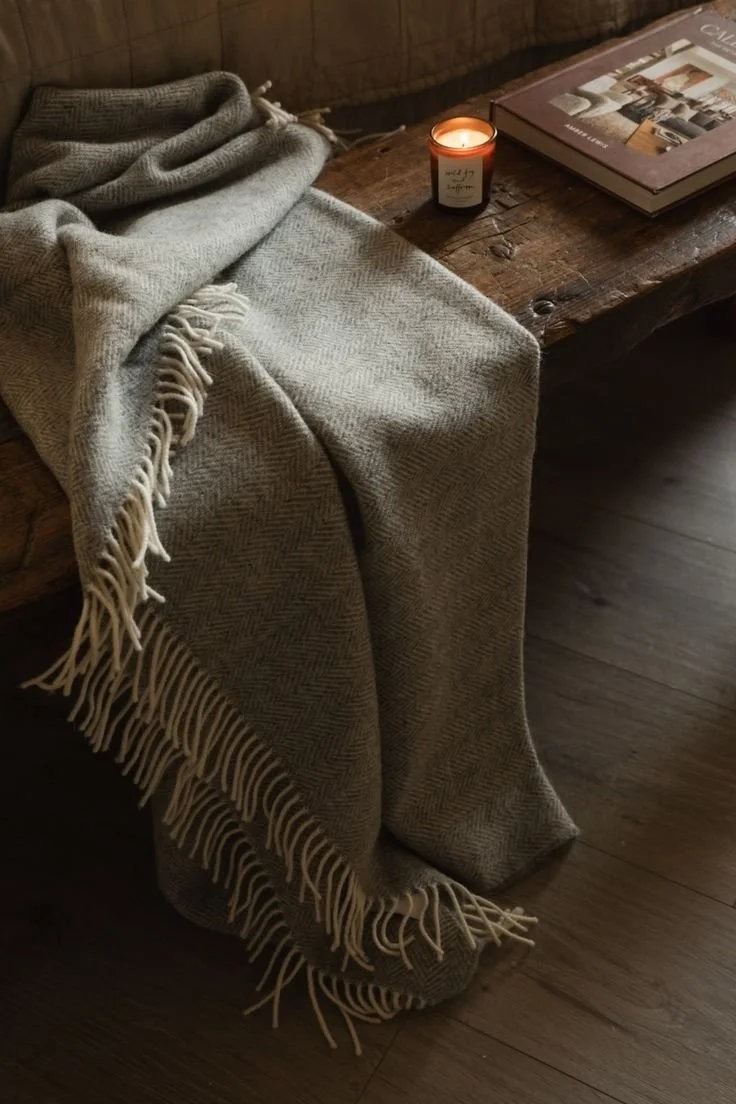
A roughly folded cashmere throw rests on the bench, still carrying the faint scent of last night’s fire. The old kettle begins its slow whistle on the stove for a mid-morning tea, steam gathering at its spout like breath meeting cold air.
Behind me, the boys work at the table, their elbows dusted with flour. Homemade play-dough, pinecones, feathers, pebbles, and branches from our earlier walk — all slowly becoming Christmas creatures in their hands.
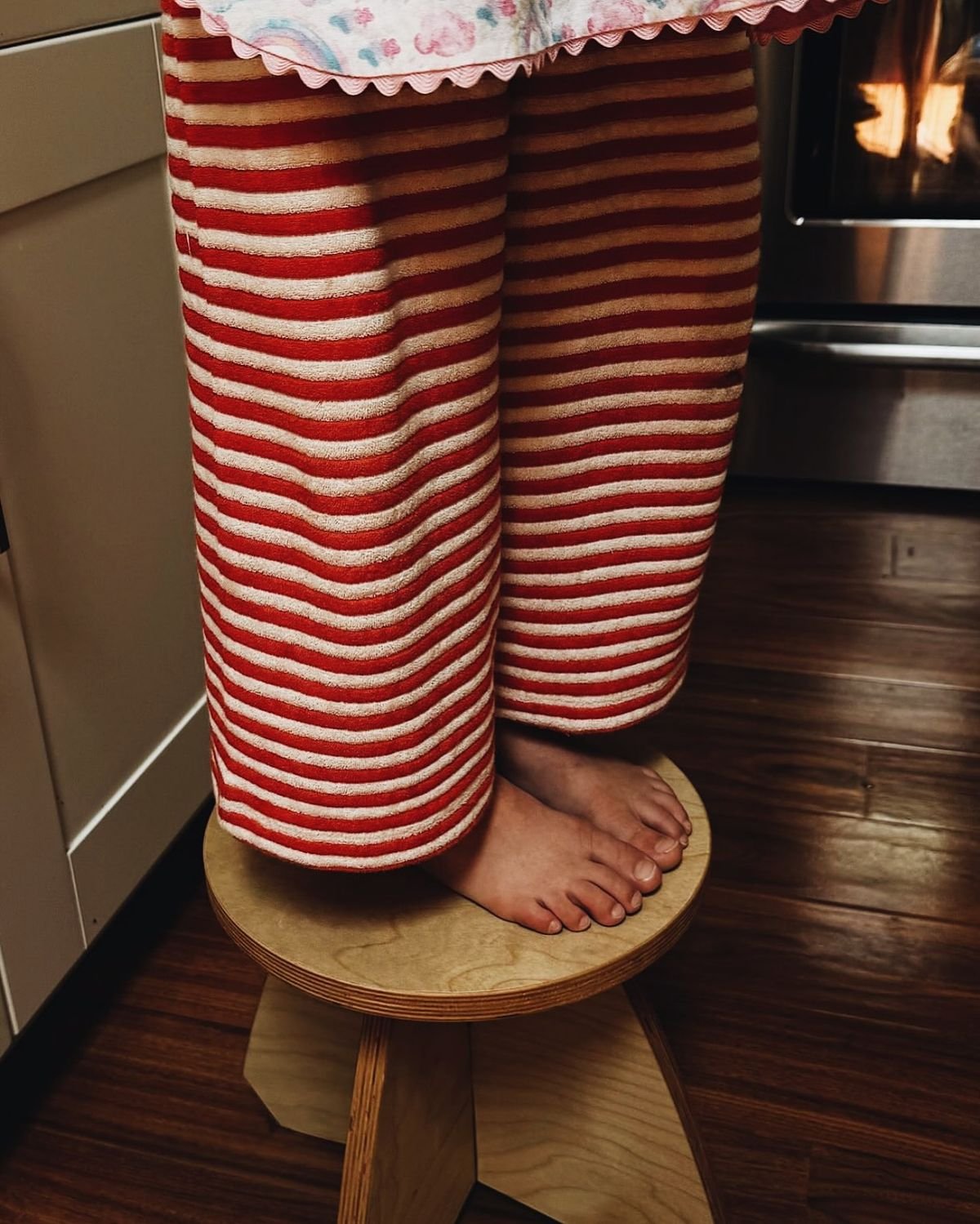
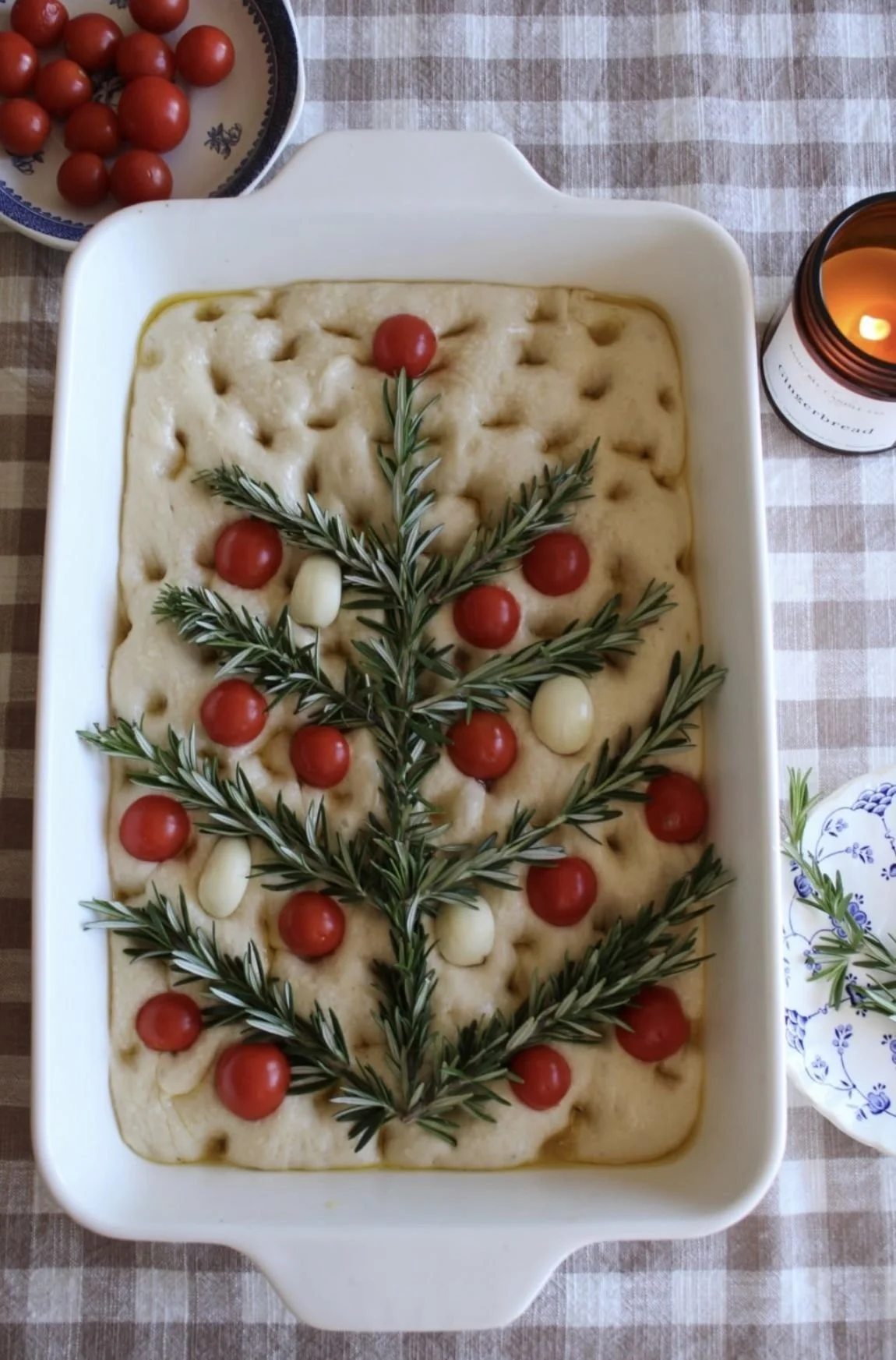
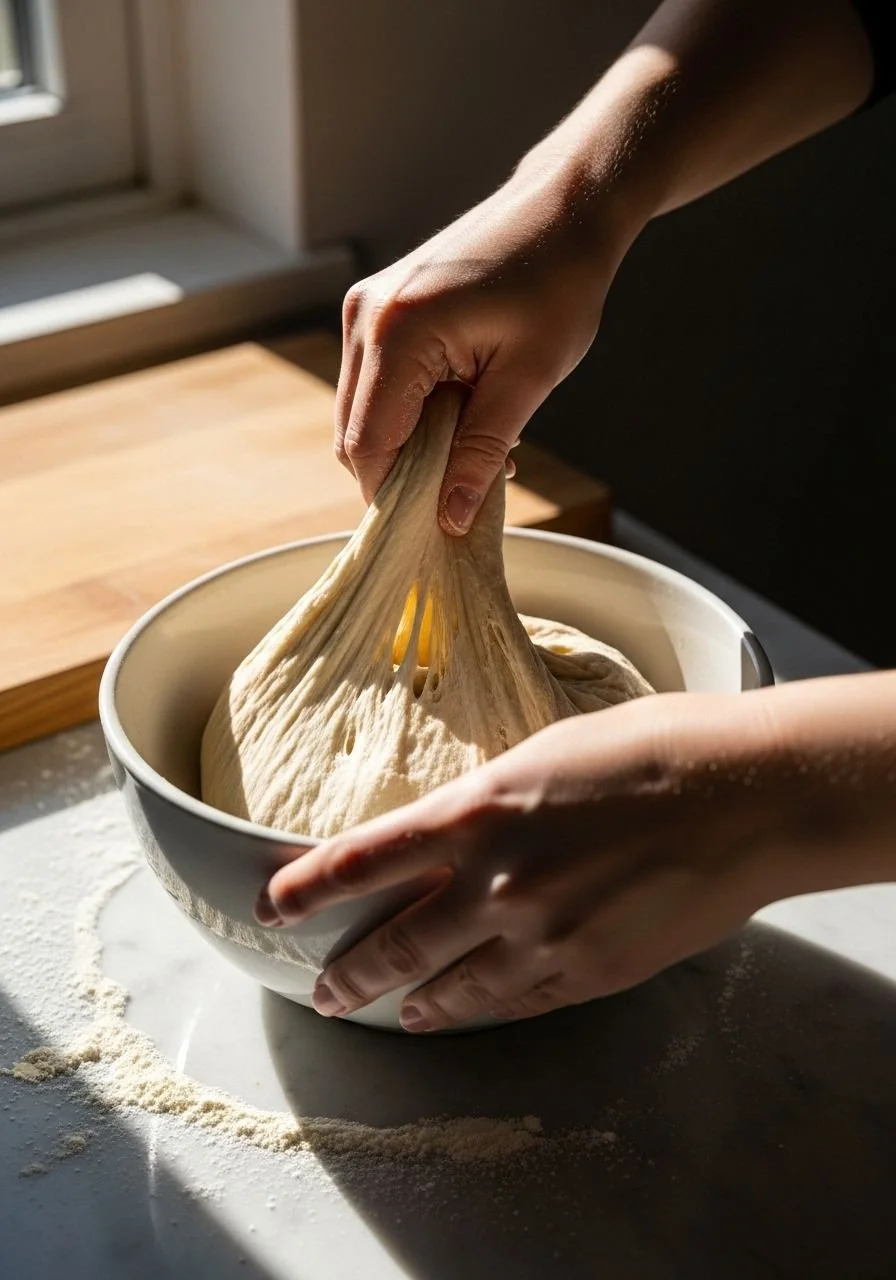
I press my palms into the dough and call them to wash up. They climb onto stools to help — scattering rosemary, pressing herbs into the focaccia, sprinkling Himalayan salt across the surface like snow.
These are the small rituals that carry our season.
Wool, wood, steam, dough.
Children learning by touch.
A home shaped by warmth more than weather.
Winter isn’t something we push through.
It’s something we feed — because if our Lord made it, it’s meant to be embraced.

The Pace of Winter Kitchen
There’s a certain way the day moves once winter settles in.
Not slower — just more intentional. Dough rising on the counter, pots releasing steam, the kids drifting between pajamas and snowsuits; crafts, kitchen chores, and outdoor play. Our home finding its own rhythm between the cold snow and the warmth of the fireside.
Autumn slowly calls us back indoors after weeks spent outside, but winter seals it — gathering us close around the same table, under the same blankets, inside the same warm light.
I feel it most in the kitchen.
The oven heating the room. Winter spice in the air. Herbs waking. Dough warm under the palm. Children lingering near the heat out of curiosity as much as comfort.
Nothing staged.
Just a kettle cooling, a spoon resting, a few pinecones transformed into a nativity scene held up for approval.
These small pieces are how winter becomes tender — a season not to endure, but to receive, just as He intended.
Winter feeds us in ways the rest of the seasons don’t.
We only need to learn to see its beauty for longer than Christmastime.


What Winter Cooking Teaches Us
Winter cooking has a way of slowing the mind without asking us to stop.
There’s a reliability in peeling vegetables, a kind of order in lifting a pot’s lid, a quiet comfort in seasoning by hand. These moments have nothing to prove — they simply gather the day back into focus.
Our boys learn this without being told. They see that nourishment is built one small task at a time, that warmth comes from effort, that care is something we do with our hands long before we speak it. These lessons don’t need a worksheet or a plan — winter offers them naturally.
And there’s something reassuring about it all: the ingredients are simple, the steps are ordinary, and yet together they create a calm the outside world rarely offers in these colder months.
Winter meals remind us we don’t need to hurry to feel accomplished.
We don’t need perfection to feel whole.
We don’t need elaborate routines to feel close to one another.
Sometimes all a home needs is a pot on the stove, a task shared, a table waiting.
Winter cooking is not just about feeding the body — it’s remembering that God often works through the smallest acts. Tender, unremarkable moments that gather into something warm enough to hold a family.

What We Cook When the Cold Deepens
Winter dishes don’t rush, they take their time — warming the house, filling the air, inviting everyone to drift a little closer.
These are the meals that shape our cold-months rhythm:
Cinnamon, Cardamom, Clove & Maple Dahl
A pot that seems to breathe on the stove.
Lentils softened with cinnamon, cardamom, mustard seeds, clove, bay, and garlic — the French-Sri Lankan way we’ve kept for years to gather our cultures.
The kind of dish that warms from the inside out and tastes like steadiness.
Herb-Pressed Focaccia
Little hands pressing rosemary into the dough, scattering Himalayan salt as if making snow.
Olive oil pooling in the dimples.
A bread that carries the scent of winter herbs through the whole house.
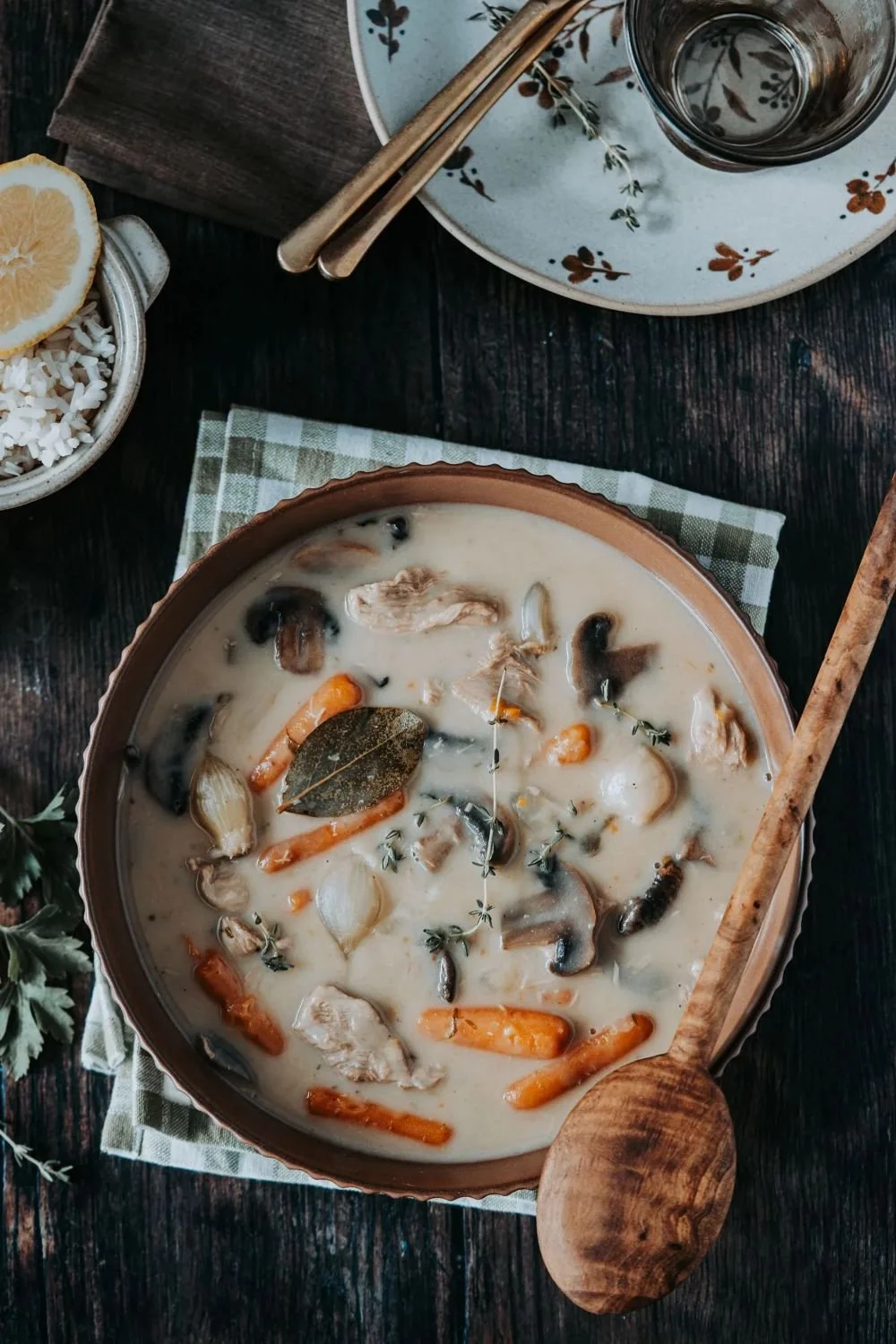
Blanquette de Veau
Slow, creamy, patient, my childhood passing into theirs.
The kind of meal that asks for nothing but time, rewarding you with tenderness that melts into the spoon. Mushrooms melting in the broth, carrots turning sweet, onions almost disappearing into the sauce.
A classic for a reason.
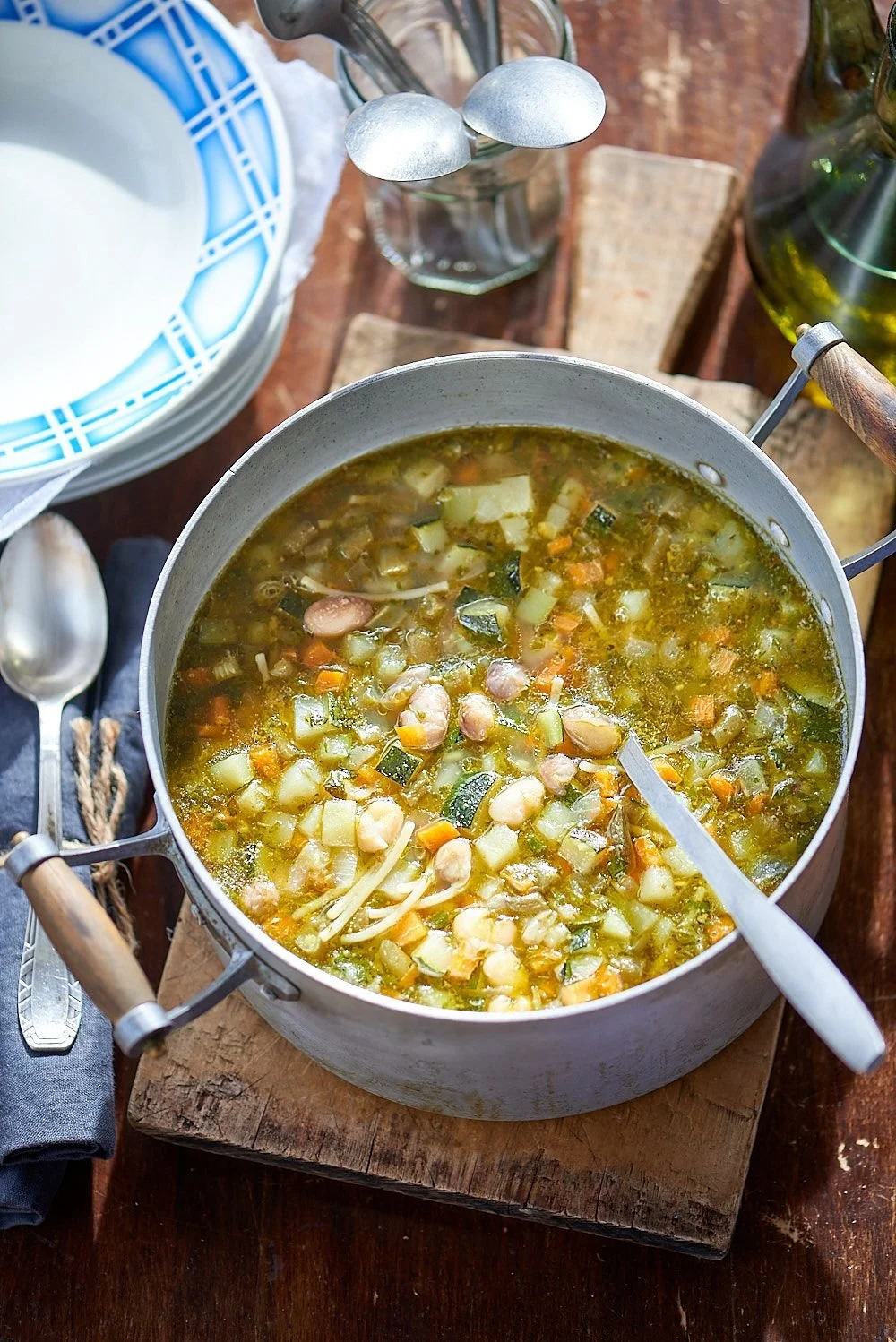
Soupe au Pistou
A bowl that feels like the Riviera in winter — vegetables softened, broth fragrant, pistou stirred in at the last moment like a blessing.
A reminder of home, even in the coldest months.
Roasted Winter Vegetables
Carrots, parsnips, squash, potatoes, rutabaga, garlic.
Edges caramelised in the oven, thyme waking under the heat.
Simple, honest warmth.
Salmon & Potatoes
A family staple — wild salmon roasting beside potatoes tossed in olive oil and herbs.
Bright, nourishing, effortless.
The kind of dish that feels both grounding and clean.
Raclette & Tartiflette (Occasional Magic)
Not everyday meals, but the heartiest winter rituals.
Cheese melting, potatoes steaming, the whole table leaning in.
The kind of evenings that become stories.
Fondue (Cheese or Meat)
A pot set in the middle of the table, everyone leaning in.
For cheese: bread cubes torn by hand, steam rising as each piece disappears beneath the surface — slow, simple, shared.
For meat: thin slices cooked in the bubbling broth, dipped, seasoned, passed around like small offerings.
The kind of meal that keeps everyone close, talking, waiting, reaching — warmth gathered in one place.
Pain d’Épices
Winter in a loaf.
Honey, cinnamon, ginger, cloves — a scent that fills the house long before the knife meets the crust.
A slice with butter feels like childhood and comfort woven together.
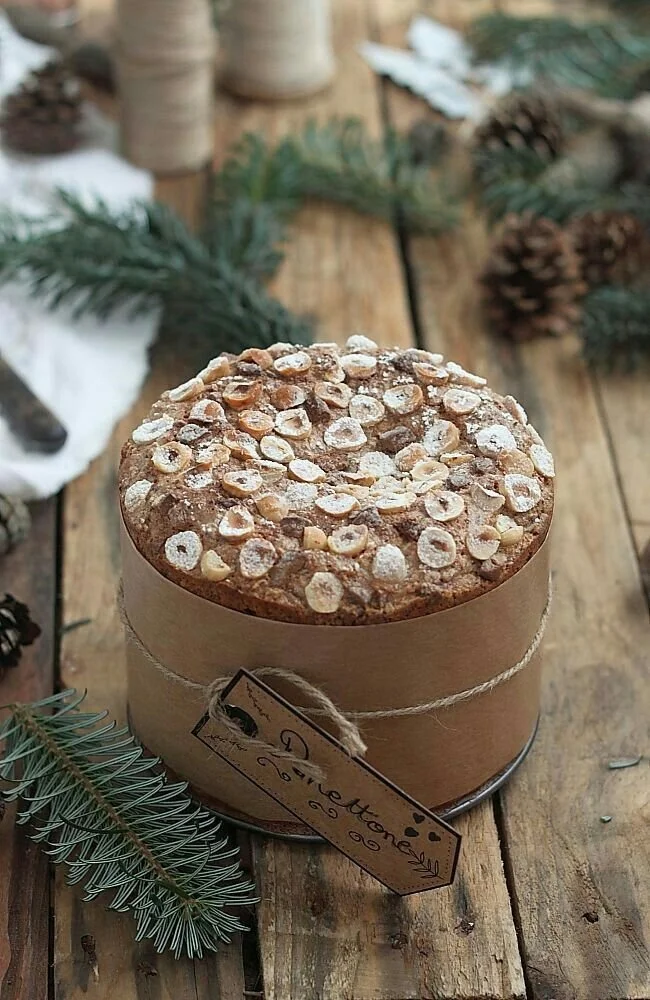
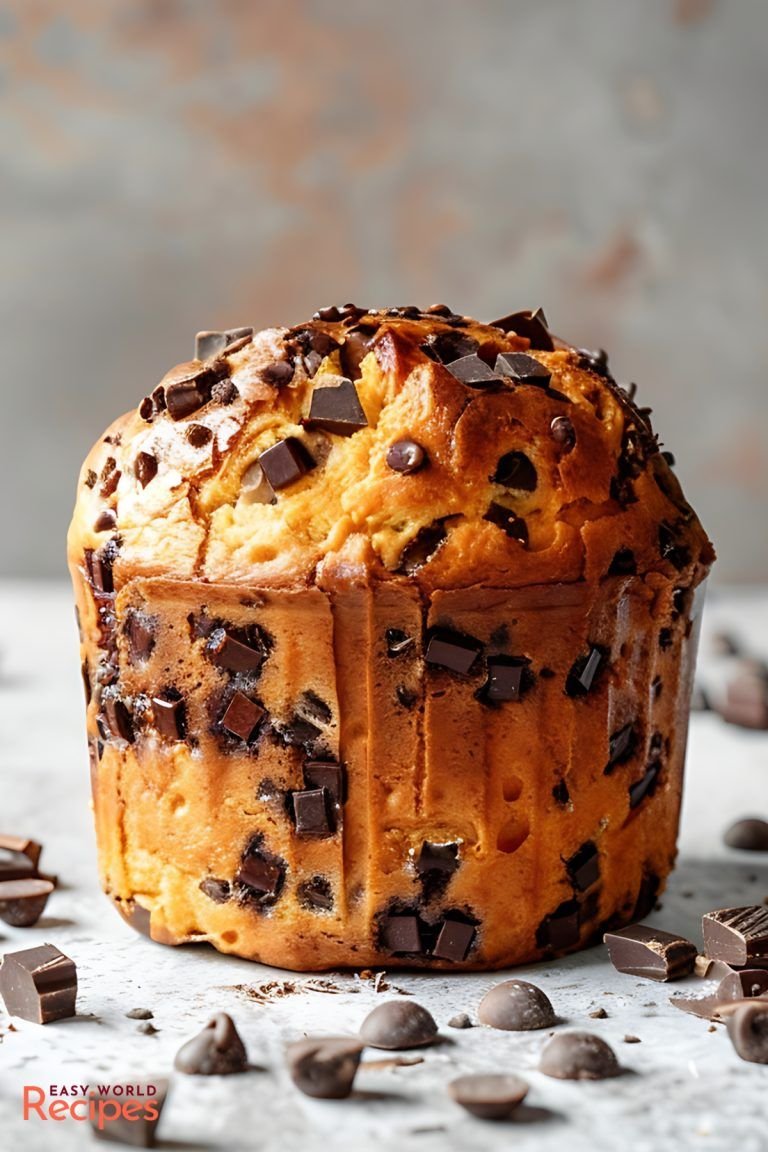
Panettone
Tall, golden, airy.
Citrus peel, soft crumb, the kind of dessert that makes the table feel festive even on an ordinary night.
A once-a-season indulgence that turns into a memory.
Baked Apples & Pears
Apples split open, pears collapsing softly, vanilla rising from the pan.
Dessert that feels almost like nourishment — warm, tender, sweet.
Sweet Potato Brownies
Rich without being heavy.
The kind of treat you can give your children in the afternoon without the sugar crash.
Chocolate, warmth, soft center — winter in a square.
Kabocha Pumpkin Dessert
That Japanese green pumpkin, roasted until buttery, then sweetened (or salted) softly.
A small sweetness — warm, tender, and enough.
S’mores by the Fire
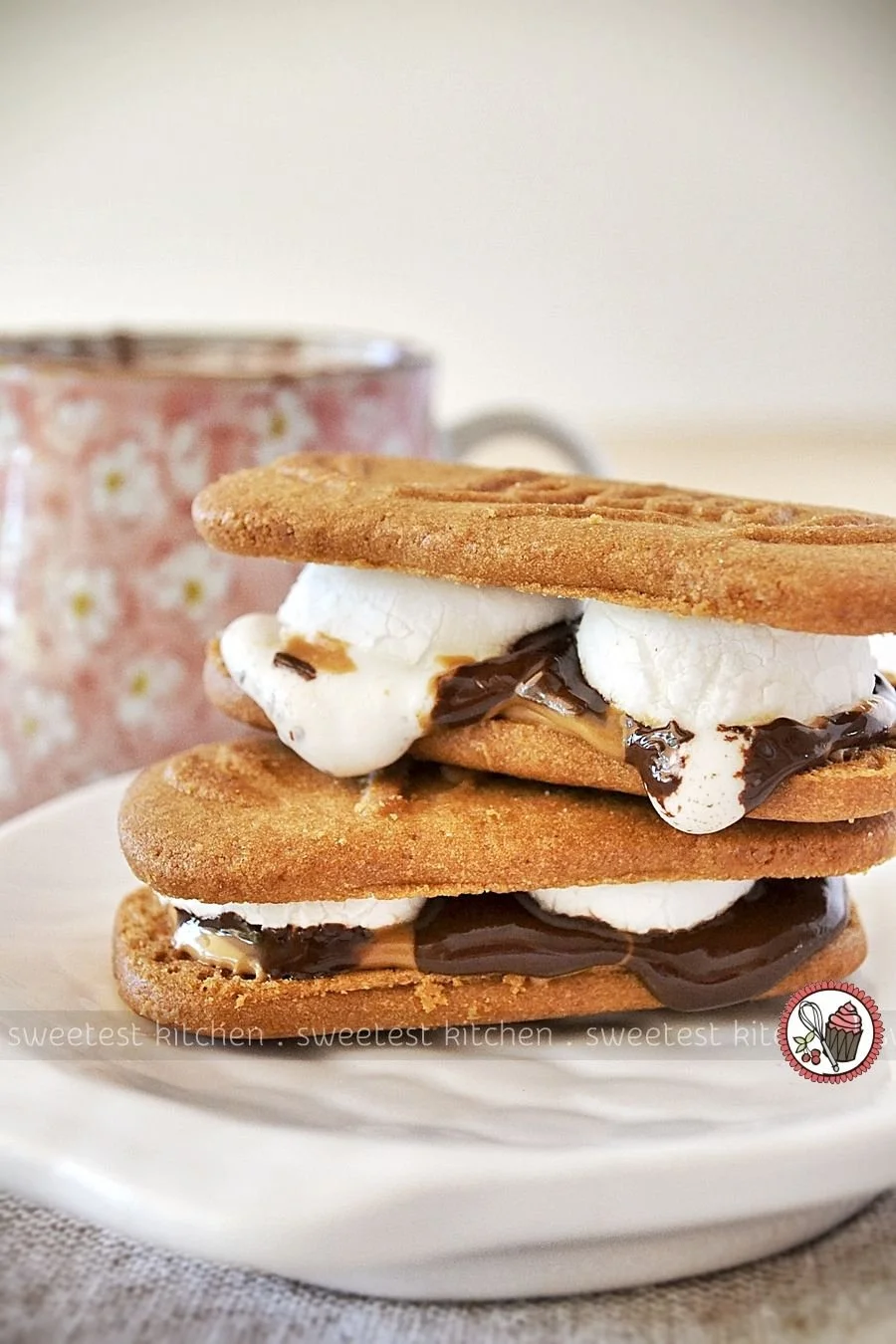
Marshmallows turning golden, Speculoos biscuits waiting on the plate, dark chocolate softening from the heat of the room, melting just enough.
Sticky fingers, uneven stacks, crumbs on the wool blanket — a small winter ritual that feels as warm as the fire beside us.
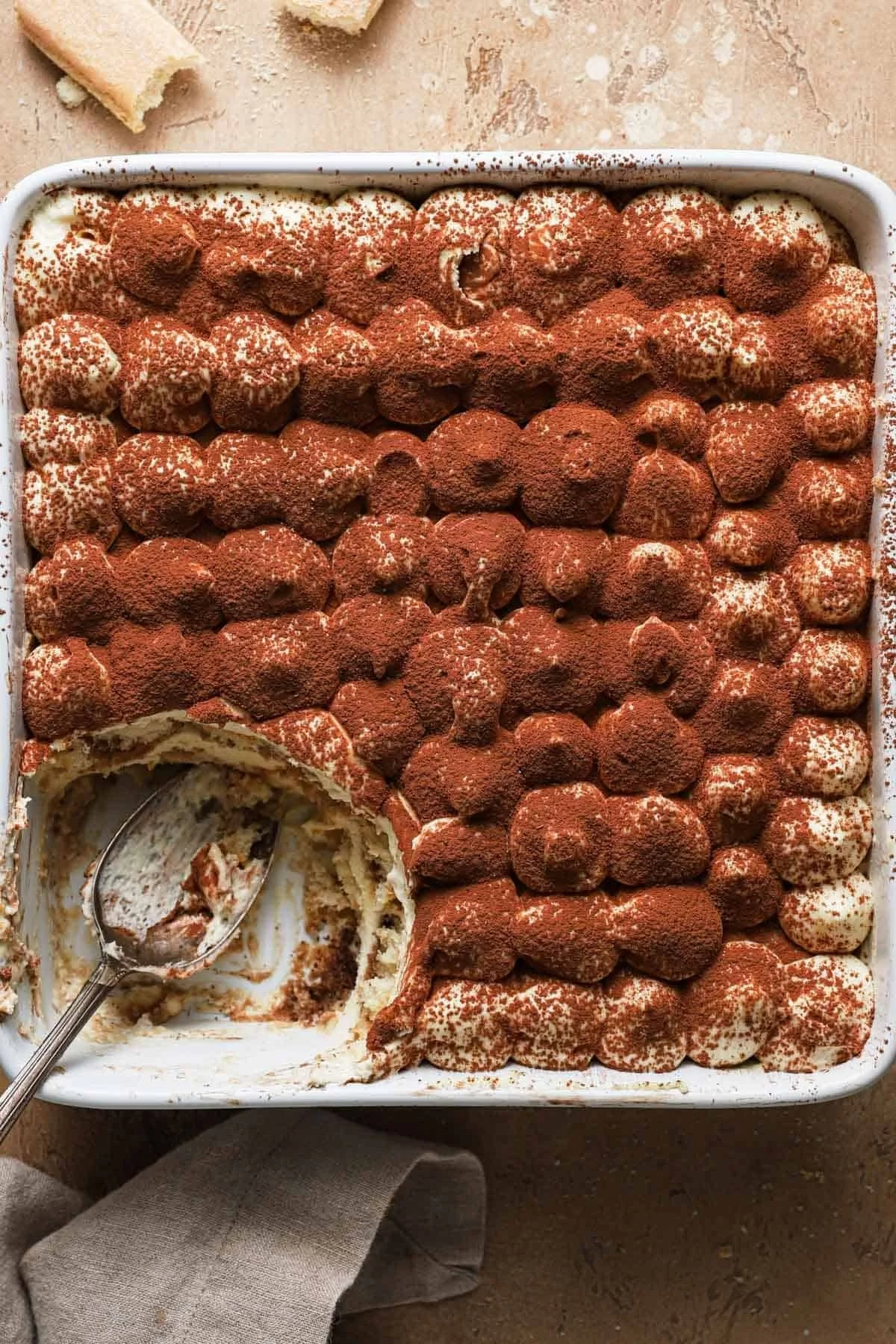
Tiramisu for Winter Nights
A small dish for adults once the boys are asleep, my husband’s favorite.
Coffee, cream, cocoa — a comforting end to a long, cold day.
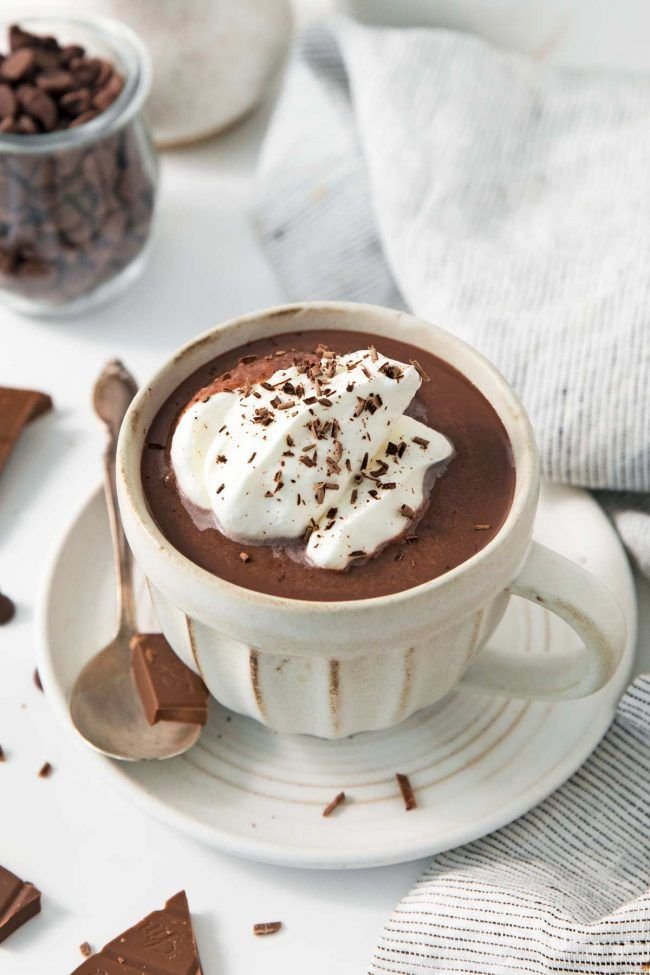
And Always, Hot Chocolate
Thick or silky, spiced or simple — something your home always returns to in winter.
Read our article on a Global Tour of Recipes and Traditions dedicated to the Art of Hot Chocolate.


Bread and Blessing
Winter reminds me that God has always met His people around food.
From the manna in the wilderness (Exodus 16) to Christ breaking bread with His disciples on the road to Emmaus (Luke 24:30–31), He often chooses the table to reveal His care.
The simplest acts in the kitchen echo that rhythm.
A bowl passed, hands helping, warmth shared — all small reflections of His provision.
When my boys stand beside me, flour on their sleeves, I remember this verse:
“Give us this day our daily bread.” — Matthew 6:11
Not a request for abundance, but for enough. For today. For what sustains both body and spirit.
And there’s another truth I return to in winter:
Jesus fed people long before He preached to them.
He multiplied bread, cooked fish on the shore (John 21:9–12), and served meals as a way of drawing hearts close.
It teaches me that care doesn’t need to be grand. It only needs to be given.
So our winter table — simple, imperfect, and warm — becomes a place where His provision is remembered and His presence felt.
Not through ceremony, but through the work of our hands and the warmth we share.
We feed our families, and He feeds us.
Different work, same grace.
Winter just makes it easier to see.
Latest Of
Winter (& Holidays)


A simple, faith-rooted guide to nourishing your body and hormones in the cold months. Warm foods, essential minerals, sunlight, grounding, and winter rhythms that support women naturally — all aligned with God’s design for rest, strength, and nourishment in this season.