
Buried Proofs of the Bible Series: The Quake That Shook the World
The Gospel of Matthew records it plainly:
“Then, behold, the veil of the temple was torn in two from top to bottom; and the earth quaked, and the rocks were split.” — Matthew 27:51
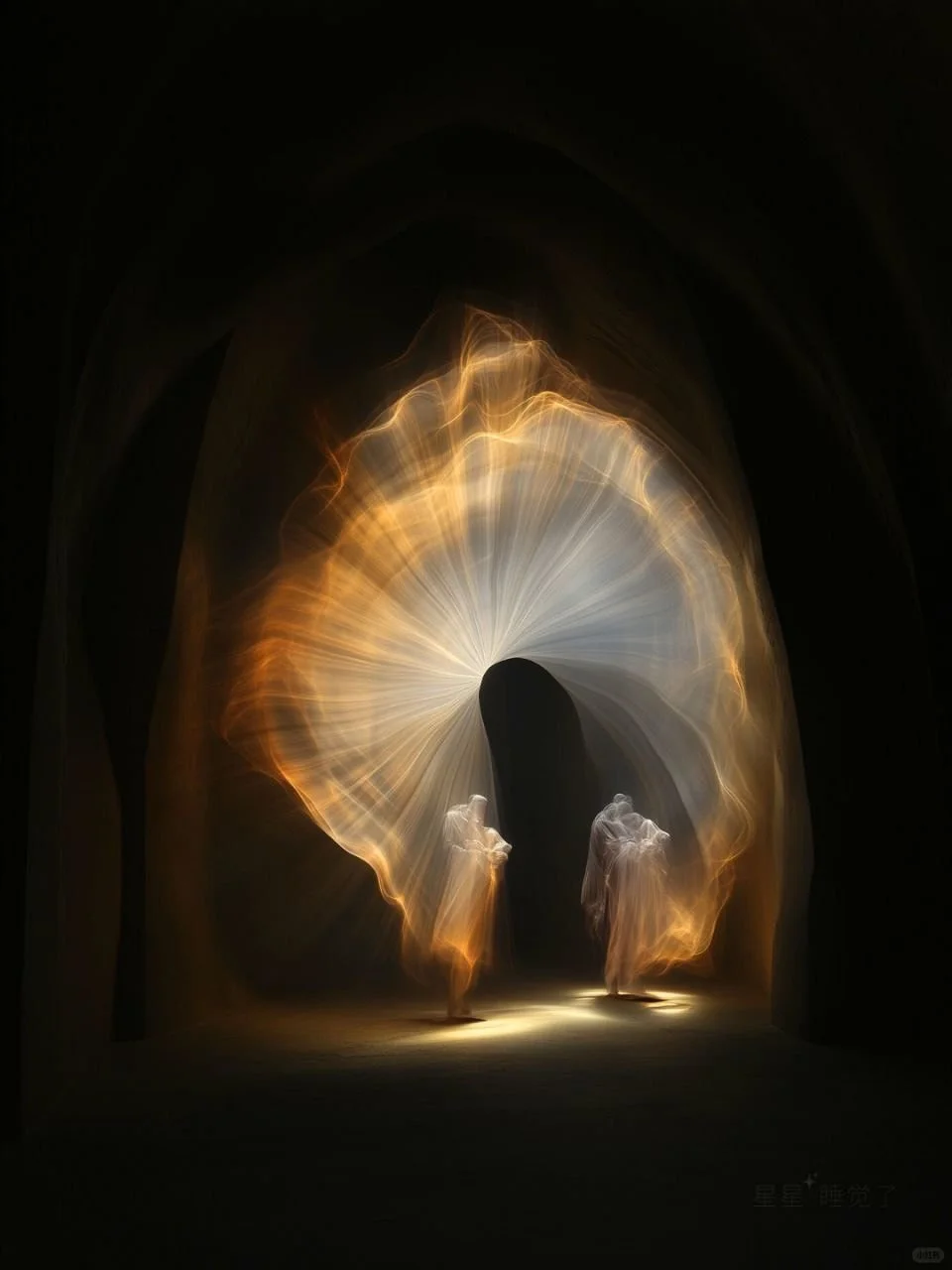
The air was heavy, thick with darkness at noon. The crowd fell silent as if creation itself held its breath. Then it came: the quake that split the hill, the sound of rock tearing apart, the veil in the Temple ripped from top to bottom.
This was no ordinary death. At the moment Jesus released His spirit, the ground convulsed, the heavens darkened, and creation trembled under the weight of what had been accomplished. The earth groaned as its Creator gave His life.
Beneath Golgotha, cracks opened in the stone. The temple veil ripped apart as though unseen hands tore it from heaven downward, and silence fell under the weight of eternity fulfilled.
The Gospel does not describe an accident of nature but a divine act; the earth bearing witness to the death of its Maker. And though centuries of skeptics dismissed it as myth, the ground beneath Judea has kept its own testimony. In the layers of earth and in the records of men, the quake remains, hidden in plain sight.
Photos: Found via Pinterest, sources on clickthrough; we always aim to credit photos; if one needs crediting or removal, please contact us with the source.
The Earth’s Testimony
Beneath the waters of the Dead Sea lies a record written not on parchment but in layers of stone and silt. Each year, thin bands of sediment settled in silence, keeping time like pages in an ancient book. And in those pages, geologists found a rupture.
In 2012, a team led by Jefferson Williams, along with geologists from Germany and Israel, studied these varves — those delicate layers of sediment — and discovered unmistakable signs of a great earthquake. The major seismic event between 26 and 36 AD, the very window in which the Gospels place the crucifixion, and the convulsing earth. The layers were not gently shifted but violently broken, in a way only an earthquake could explain, a fingerprint of upheaval locked beneath the sea for two millennia. The earth itself remembered.
History, too, holds its fragments. The pagan historian Thallus, writing scarcely a generation later, attempted to explain away the strange darkness that fell over Judea — but in doing so, he preserved the record. Later chroniclers like Julius Africanus cited him directly, connecting his words to the death of Christ. Josephus, the Jewish historian, described omens and tremors in Jerusalem around the same time, signs dismissed by Rome yet seared into memory
Stone and scroll alike testify: something shook Judea that day, something beyond chance. Not a myth, not poetry, but an imprint pressed into both earth and history.
Why They Hide It
If the world admitted that the earth itself convulsed at the death of Christ (stone and scroll alike confirm what the Gospel declares), then every skeptic’s foundation would fracture. No longer could His crucifixion be reduced to legend, no longer could Calvary be dismissed as poetry. It would stand as history: written in Judea’s dust, in ancient records, and in the very strata of the earth.
And yet — silence. No major headlines. No textbooks amended. No follow-up studies with urgency. Instead, the conclusion was smothered under skepticism: “perhaps coincidence,” “possibly another local event.” A discovery that could have echoed through every classroom, every museum, every headline was left to gather dust in academic journals. Almost erased, buried in silence.
“Who say to the seers, ‘Do not see,’ and to the prophets, ‘Do not prophesy to us right things; speak to us smooth things, prophesy deceits.’” — Isaiah 30:10
This is the pattern of suppression:
- Evidence rises.
- Institutions scoff, ridicule, or minimize.
- Archives lock it away under the noise of other narratives.
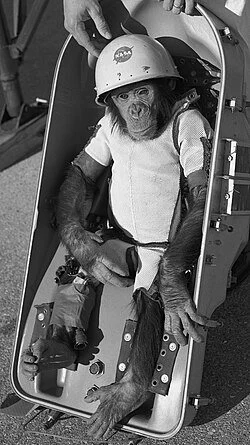
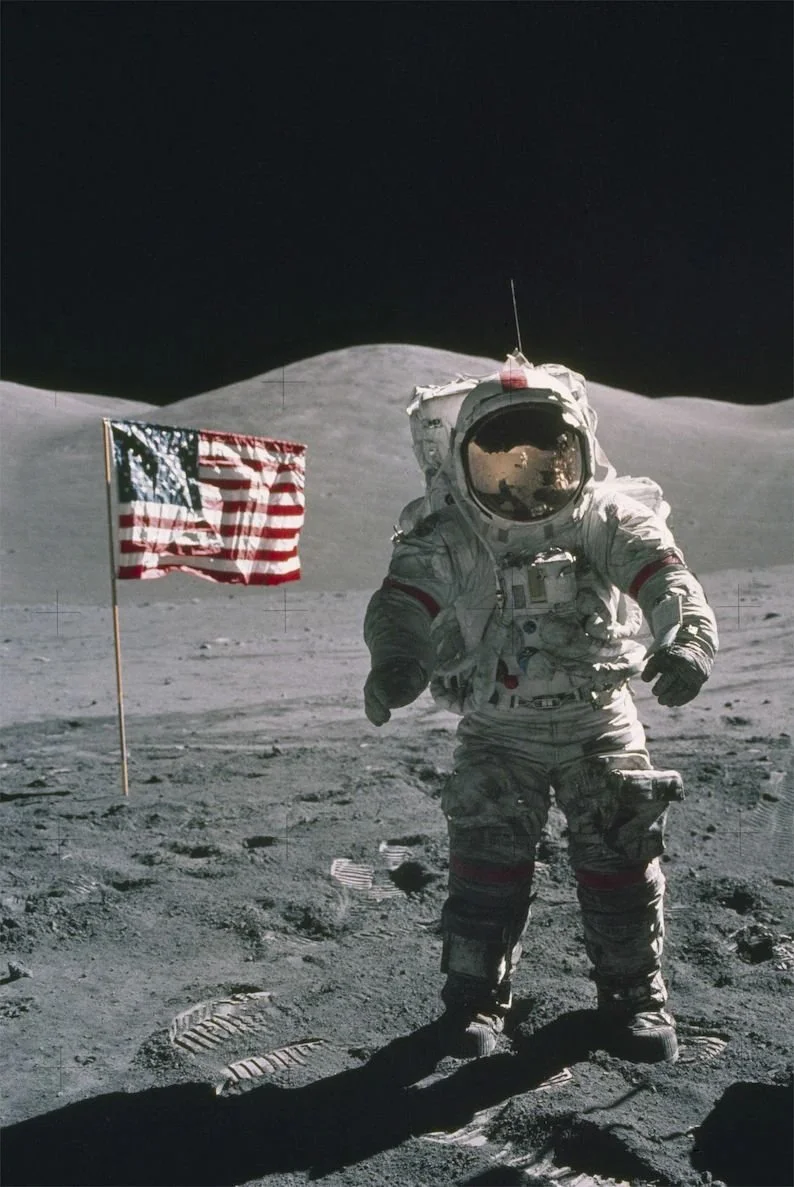
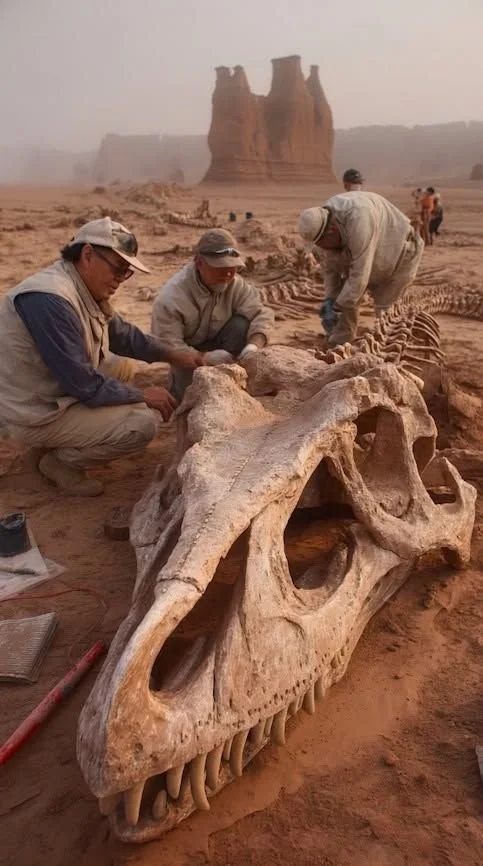
And the noise is loud: men, moneys and apes in space, fossils stretched across imaginary timelines, galaxies spun into endless theories. Anything but the quake that testifies creation groaned when its Creator died.
They fear truth because truth is heavier than their lies. An earthquake in Judea two thousand years ago may seem small, but it splits history in two.
“For there is nothing hidden which will not be revealed, nor has anything been kept secret but that it should come to light.” — Mark 4:22

Photos: Found via Pinterest, sources on clickthrough; we always aim to credit photos; if one needs crediting or removal, please contact us with the source.
Faith Beyond Proof
The earth quaked. The veil was torn. The records engraved in earth, stone and scroll, even as the enemy’s servants labor to bury them. And yet, we do not love Him because geology proves Him, or because historians accidentally preserved His story. We love Him because He first loved us (1 John 4:19).
Proof is for those who demand signs. Faith is for those who hear His voice. The Dead Sea may hold its testimony, but the true witness is written on our hearts. No peer-reviewed paper can replace the Spirit’s whisper that Jesus Christ is Lord.
Still, God in His mercy leaves traces. Fossils on mountains, fire-blackened peaks, sulfur that still burns, quakes locked in the earth’s layers; signs for a generation that mocks. They may dismiss, ignore, and distract, but the stones still cry out.
For us who believe, these proofs are not the foundation but the echo. The foundation is Christ Himself, the Lamb slain, the risen King. The quake that split the earth was a tremor of grace, the groaning of creation at redemption unfolding.
“Now faith is the substance of things hoped for, the evidence of things not seen.” — Hebrews 11:1
The evidence is there, hidden in plain sight. But even if it were not, the cross still stands, the tomb is still empty, and the blood still speaks.
Related Reads You’ll Love



Some questions don’t disappear with time or explanation. They linger, not as doubt, but as something unresolved. This is about what happens when those questions finally find the place where they can rest.