
Buried Proofs of the Bible Series: The Blood That Spoke
The Word bears witness to His blood:
“But one of the soldiers pierced His side with a spear, and immediately blood and water came out.” — John 19:34 NKJV
“Not with the blood of goats and calves, but with His own blood He entered the Most Holy Place once for all, having obtained eternal redemption.” — Hebrews 9:12 NKJV
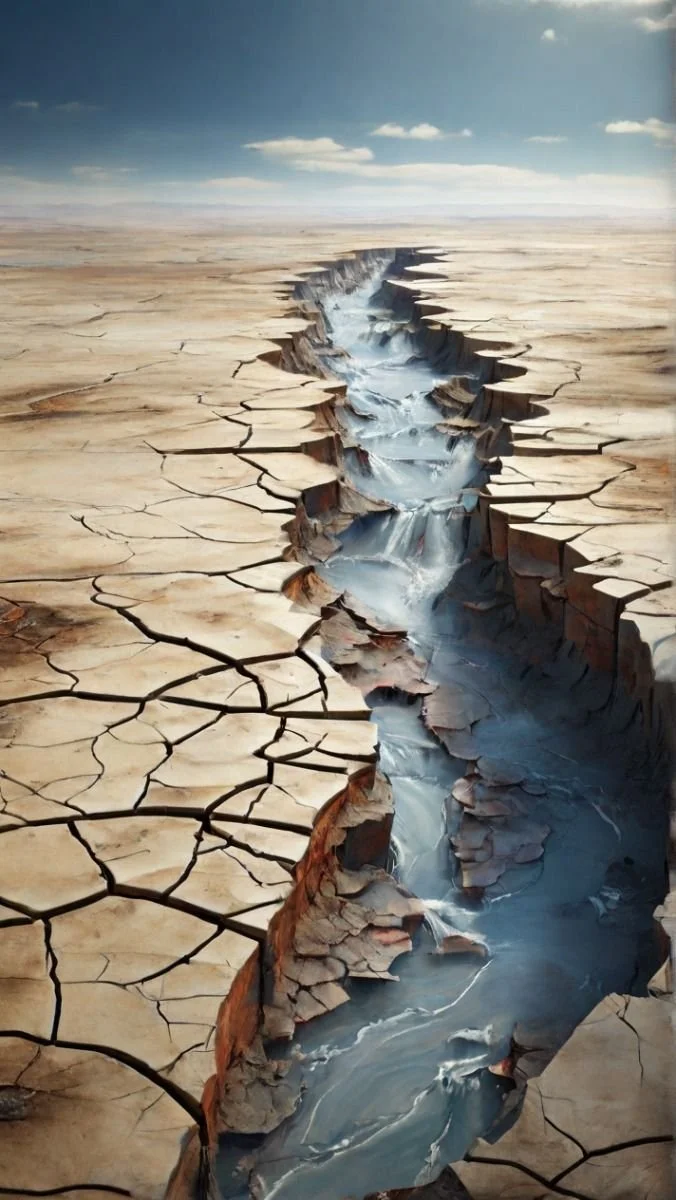
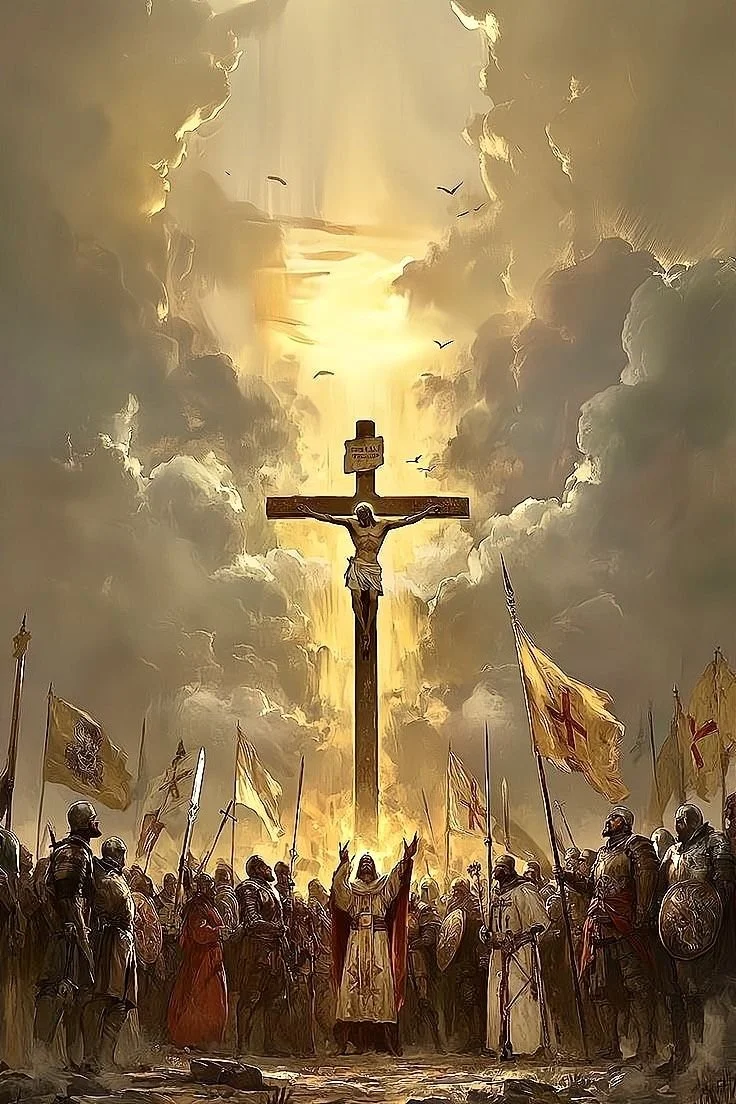
The sky hung heavy over Golgotha. The earth had already convulsed, the veil had been torn, and still the soldiers stood, impatient to confirm the death of the man on the cross. A spear thrust into His side, and from the wound flowed blood and water — not the trickle of an ordinary body, but a sudden, cleansing river.
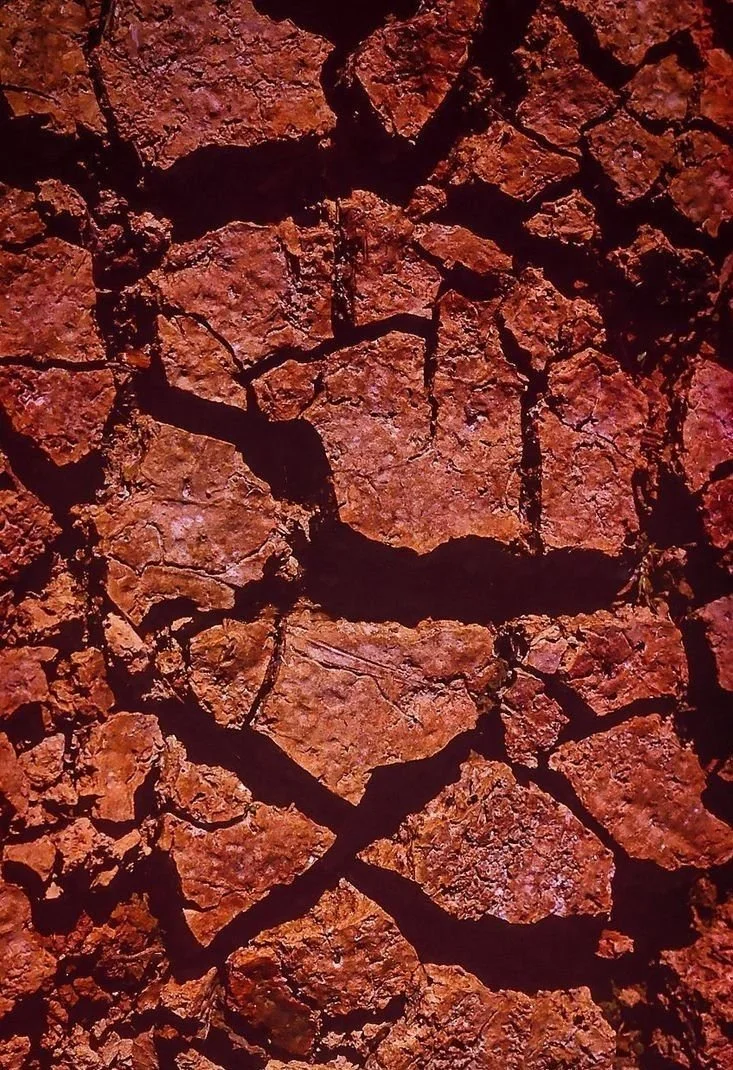
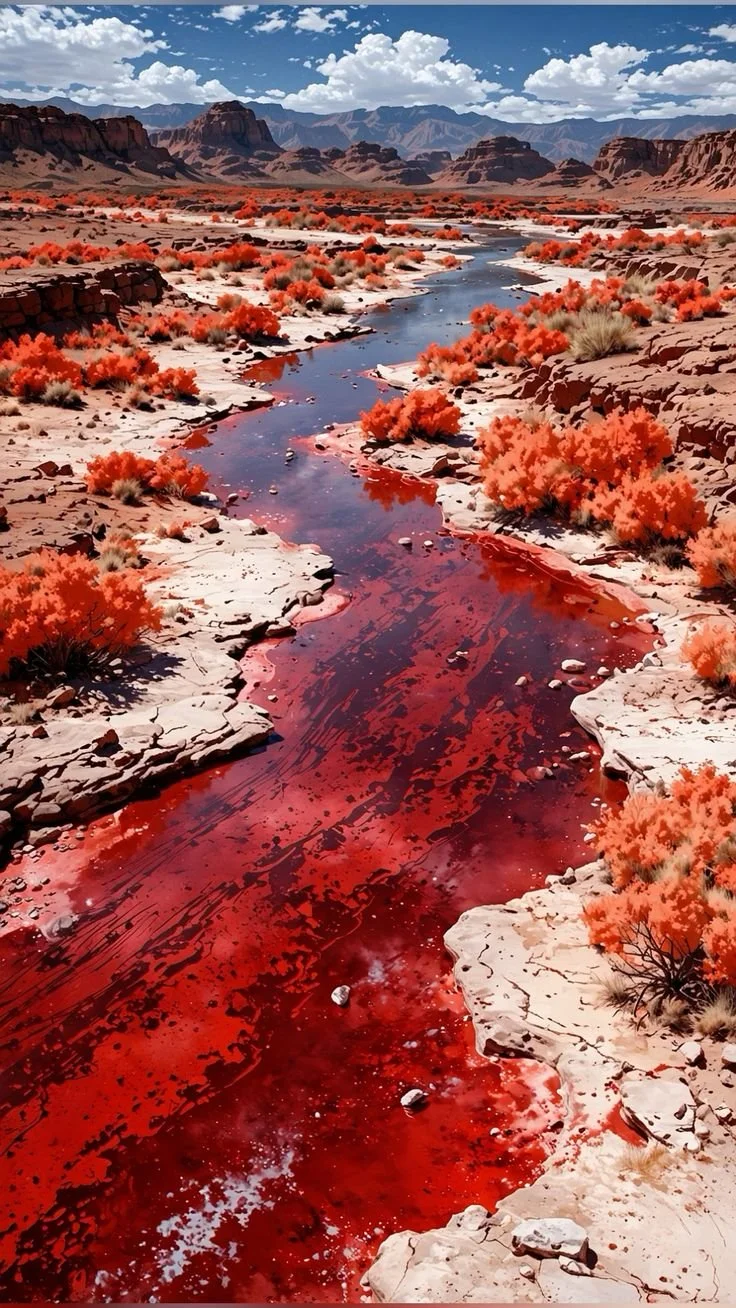
It ran down the wood, over the stone, into the cracks split open beneath the hill. To the bystanders it was only death. To heaven it was an offering. To creation it was the sealing of eternity. And yet, what if those drops carried further than anyone imagined? What if the blood itself left behind a testimony no empire, no skeptic, no devil could erase?
Photos: via Pinterest, sources on clickthrough when available; we always aim to credit photos; if one needs crediting or removal, please contact us with the source.
The Hidden Ark
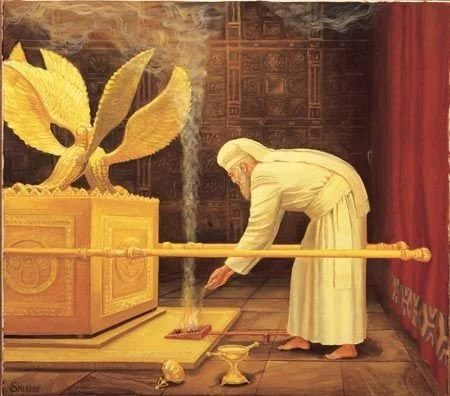
“High Priest Offering Incense in the Holy of Holies,” Temple Institute (Jerusalem), from the Temple Institute painting collection.
The Ark of the Covenant was the most holy vessel in Israel’s history: the golden chest that carried the stone tablets of the Law, Aaron’s rod that budded, and manna from heaven. Upon its mercy seat rested the presence of God between the cherubim. It was the meeting place of covenant and glory, the seat of mercy where blood was sprinkled for atonement by the high priest, once a year.
And then, it vanished. When Babylon stormed Jerusalem, the Ark disappears from Scripture’s record. The temple is plundered, vessels are listed, treasures carried off — but the Ark is never named among them (2 Kings 25; Jeremiah 52). Scripture never says it was destroyed.
Jewish tradition whispers that it was hidden, not lost. In 2 Maccabees 2:4–5,tells that Jeremiah, warned by God, took the Ark, the tabernacle, and the altar of incense, and hid them in a cave on Mount Nebo. When those with him tried to mark the way, he rebuked them, declaring: “The place shall remain unknown until God gathers His people together again and shows His mercy.” In other words, it was sealed until the appointed time, to be revealed by God Himself.
Ethiopian Christians claim the Ark was then carried into Axum — objects in exile (like temple treasures) were often moved during these time — where it is said to remain under guarded watch. Early Church fathers wrote of its concealment, awaiting the day of Messiah. But another testimony points to Golgotha itself — the Ark would have been hidden beneath the very hill where the Lamb of God would be crucified.
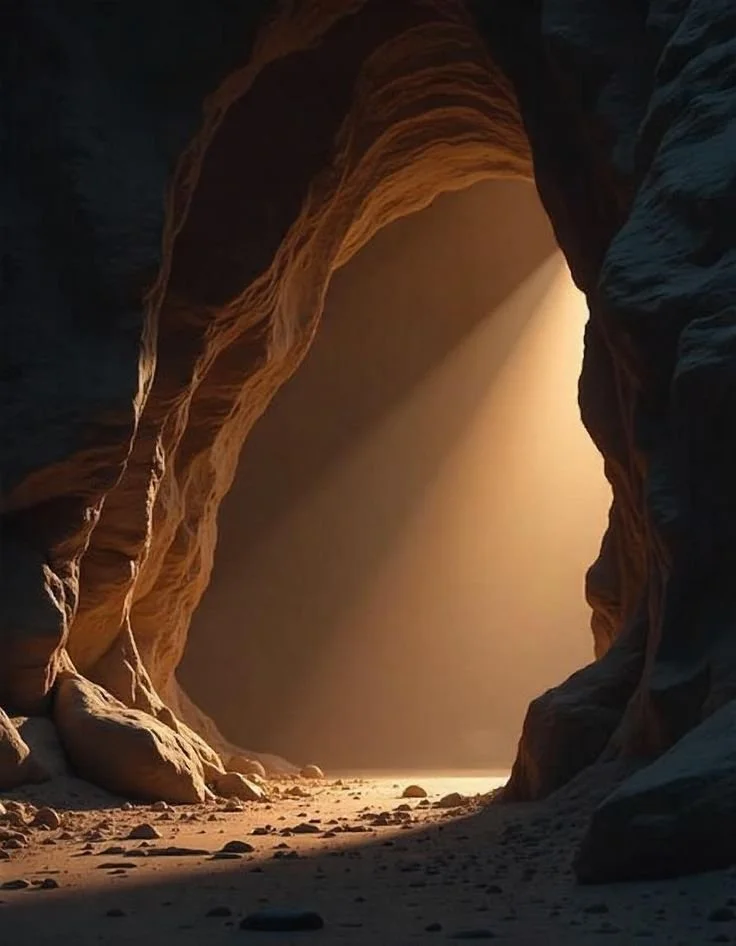
In the 1980s, a self-taught, yet relentless explorer, Ron Wyatt claimed he was led beneath Golgotha, through tunnels and caverns long concealed. After crawling through narrow tunnels and collapsed passages, he reported finding a cavern hollowed from the rock. Inside, resting in silence, he said he saw the Ark of the Covenant. Above it, the stone ceiling was split with cracks — as if an earthquake had opened the way. On the mercy seat itself was a dark stain of blood.
Wyatt reported more: the chamber walls blackened by smoke from an ancient fire, golden cherubim overshadowing the Ark, and even four men in the chamber who told him the Ark was not for public display until God’s appointed time. He described the figures as human in appearance yet radiant, seated calmly in the chamber — guardians of the holy vessel, whom some believe to have been angels. They did not permit him to uncover the Ark, but directed his attention to the crack in the stone above, directly over the mercy seat, and to the dried, dark substance that had flowed through it — blood, he believed, that had fallen from the cross above when the earth split open.
Scripture itself had foretold that His death would open a fountain: “In that day a fountain shall be opened for the house of David and for the inhabitants of Jerusalem, for sin and for uncleanness” (Zechariah 13:1). John’s Gospel records the spear strike, and the sudden surge of blood and water (John 19:34) — a flow so unnatural it revealed His divinity. The apostle later affirms, “This is He who came by water and blood” (1 John 5:6). What poured from Christ was more than human — it was the cleansing river of redemption itself, enough to seep into the depths of the earth and fall upon the mercy seat.
From that crack, Wyatt collected a small sample of the dark substance and brought it to a laboratory in Jerusalem, where the tests would later take place.
Mainstream archaeology dismissed his testimony, branding him a dreamer, even a fraud. Yet they never disproved the claim. Excavations beneath the Garden Tomb are forbidden to this day, tightly controlled and sealed off. And still the question lingers: why has the Ark never been uncovered by official digs, yet lives on in ancient tradition? Why would such a claim be mocked so violently, unless it threatened the fragile scaffolding of denial?
The Blood That Defied Science
The sample, once delivered to the laboratory in Jerusalem, brought results unlike anything the technicians had ever seen. According to Wyatt’s account, when the dried material was rehydrated, it came alive. Under the microscope, cells began to move and divide; something no ancient, dried blood should be capable of. The scientists, stunned, asked where the sample had come from. Wyatt answered simply: “It is the blood of your Messiah.”
But the shock went deeper than the blood being “alive.” Tests showed that the sample did not match the genetic structure of ordinary human blood. Normal human DNA carries 46 chromosomes — 23 from the mother, 23 from the father. The blood Wyatt submitted contained only 24 chromosomes: 23 from the mother, and a single Y chromosome. No earthly father could produce this pattern.
This result, if true, would align exactly with the testimony of Scripture. Isaiah had prophesied: “Behold, the virgin shall conceive and bear a Son” (Isaiah 7:14). Luke records the angel’s words to Mary: “The Holy Spirit will come upon you, and the power of the Highest will overshadow you; therefore, also, that Holy One who is to be born will be called the Son of God” (Luke 1:35). Science itself, unwillingly, seemed to echo what the Word had already declared: Jesus was born of a woman, but not of man.
This is no strange coincidence. For centuries, Jewish rabbis taught that the Ark of the Covenant was hidden, reserved until the days of Messiah. Early Christian fathers spoke of the same mystery — that one day the Ark would be revealed in connection with Christ. Hebrews gives the theology plainly: “to Jesus the Mediator of the new covenant, and to the blood of sprinkling that speaks better things than that of Abel” (Hebrews 12:24).
The mercy seat was made to receive blood, but not the blood of bulls or goats. It awaited the blood of the Lamb.
And still, Jerusalem forbids excavation beneath the Garden Tomb. The site is guarded, sealed, and tightly controlled. Official archaeology will not touch it. Why? If the claim were foolish, excavation could have buried it forever in ridicule. But instead, it is silence — the same pattern seen across history. What cannot be disproved is mocked, forbidden, and locked away.
Mainstream voices called Wyatt a dreamer, even a fraud. Yet no laboratory ever published a counter-test, no scientist ever dared to stand up and declare the blood ordinary. The silence is deafening. If the blood were human, ordinary, mortal, it would have been easy to expose. But if it was not — if it truly lived, if it bore no human father, if it spoke upon the mercy seat — then the cross is not myth but the fulcrum of history, and the testimony of that blood still speaks today.
“For the life of the flesh is in the blood, and I have given it to you upon the altar to make atonement for your souls.” — Leviticus 17:11
Why They Hide It
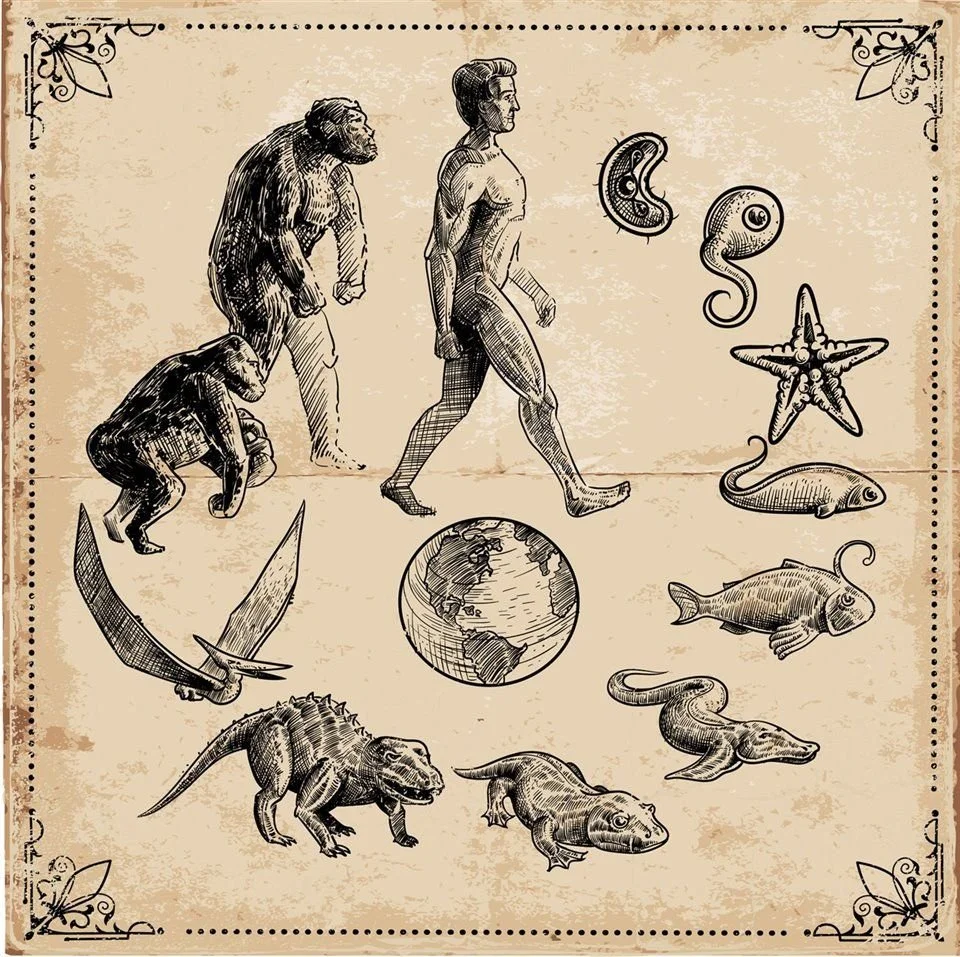
Image: via National Geographic Spain
If the world admitted that the very blood of Jesus fell upon the mercy seat of the Ark — blood still alive, blood without an earthly father — then the entire scaffolding of denial would collapse. The virgin birth would no longer be mocked; it would be written in cells and chromosomes. The cross would no longer be dismissed as theology; it would stand as history, confirmed in both Scripture and science.
But instead, they bury it. The testimony of Ron Wyatt is laughed off, the Ark beneath Golgotha dismissed as fantasy. The laboratories in Jerusalem that saw the blood remain nameless, the technicians silent, and excavation beneath the Garden Tomb is strictly forbidden. If the claim were foolish, one public dig could have ended it forever. But the ground remains sealed, watched, and untouchable. Their fear is louder than their ridicule.
This is the pattern of suppression:
- Evidence rises.
- Institutions mock, scoff, or forbid.
- Silence swallows what cannot be disproved.
Why? Because this testimony threatens every false pillar. Evolution, atheism, humanism, even dead religion crumble before living blood that still speaks. Hebrews tells us: “to Jesus the Mediator of the new covenant, and to the blood of sprinkling that speaks better things than that of Abel” (Hebrews 12:24). His blood still has a voice — a voice they cannot silence.
“For there is nothing hidden which will not be revealed, nor has anything been kept secret but that it should come to light.” — Mark 4:22
“Who say to the seers, ‘Do not see,’ and to the prophets, ‘Do not prophesy to us right things; speak to us smooth things, prophesy deceits.’” — Isaiah 30:10
Faith Beyond Proof
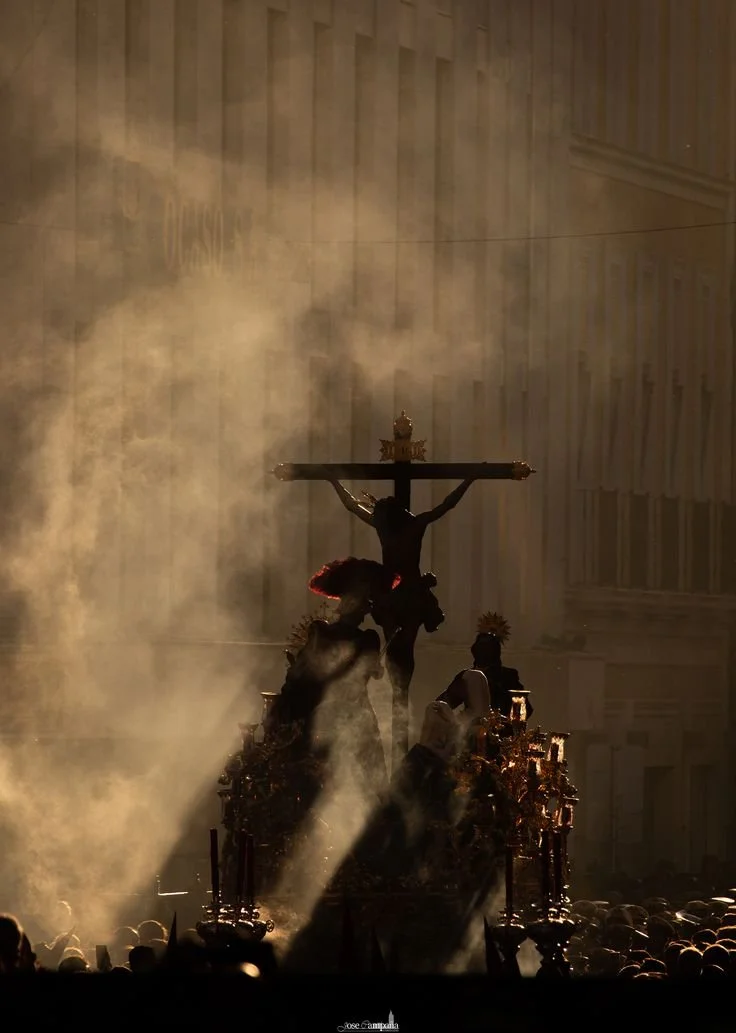
“Semana Santa Procession, Seville” by José Campaña. Photograph of a Holy Week paso with the crucifix of Christ amid incense and light.
The Ark may be hidden, the laboratory nameless, the guardians unspoken. Yet the witness of His blood is not bound. It speaks still: of mercy, of covenant, of redemption bought once for all. Proof may strengthen the wavering, but it is not proof that saves us. We are saved by the Lamb Himself.
Scripture tells us that Christ “with His own blood… entered the Most Holy Place once for all, having obtained eternal redemption” (Hebrews 9:12). If His blood truly fell upon the mercy seat, then heaven and earth saw the covenant sealed in both realms at once. But even if no sample had ever been taken, no claim ever whispered, faith would remain unshaken. For His blood is enough.
The world hides, mocks, forbids — but faith does not rest on men or their silence. Faith rests on Christ. His blood was not spilled in vain; it was poured out as a fountain, fulfilling what had been promised, cleansing sin, reconciling us to God.
“Now faith is the substance of things hoped for, the evidence of things not seen.” — Hebrews 11:1
The silence of men cannot quiet the voice of His blood. It speaks still — better things than Abel, louder than denial, stronger than every lie. And to all who believe, it still cries: redeemed, forgiven, alive.
Related Reads You’ll Love



Buried Proofs of the Bible Series
At Golgotha, blood and water poured from Christ’s side. Explorer Ron Wyatt claimed it seeped through the quake-split rock onto the hidden Ark of the Covenant. Tested in Jerusalem, it was alive still, with no earthly father. His blood continues to speak.