
The Gift of Longer Nights: Finding Family Rhythms in God’s Design

Photos: Found via Pinterest, sources on clickthrough; we always aim to credit photos; if one needs crediting or removal, please contact us with the source.
“You shall not be afraid of the terror by night, nor of the arrow that flies by day” — Psalm 91:5
The days are growing shorter, and night is knitting itself into our routines. I feel it in the absence of sunlight on our bed as we wake, in the way diapers are changed, the kettle steams, and eggs crack against the pan before first light. I feel it again when the windows have already blackened by the time we clear the dinner plates. The long nights pull us inward — into the center and core of our home, both physically and spiritually. He is brilliant that way.
It would be easy to resist, to grasp for light as if we had any power over it. But God did not make the seasons to frustrate us. He folded purpose into every appointed season.
“You have fixed all the boundaries of the earth; You have made summer and winter” — Psalm 74:17
Longer nights are no mistake; they are His invitation to slow, to gather, to soften, to recenter.
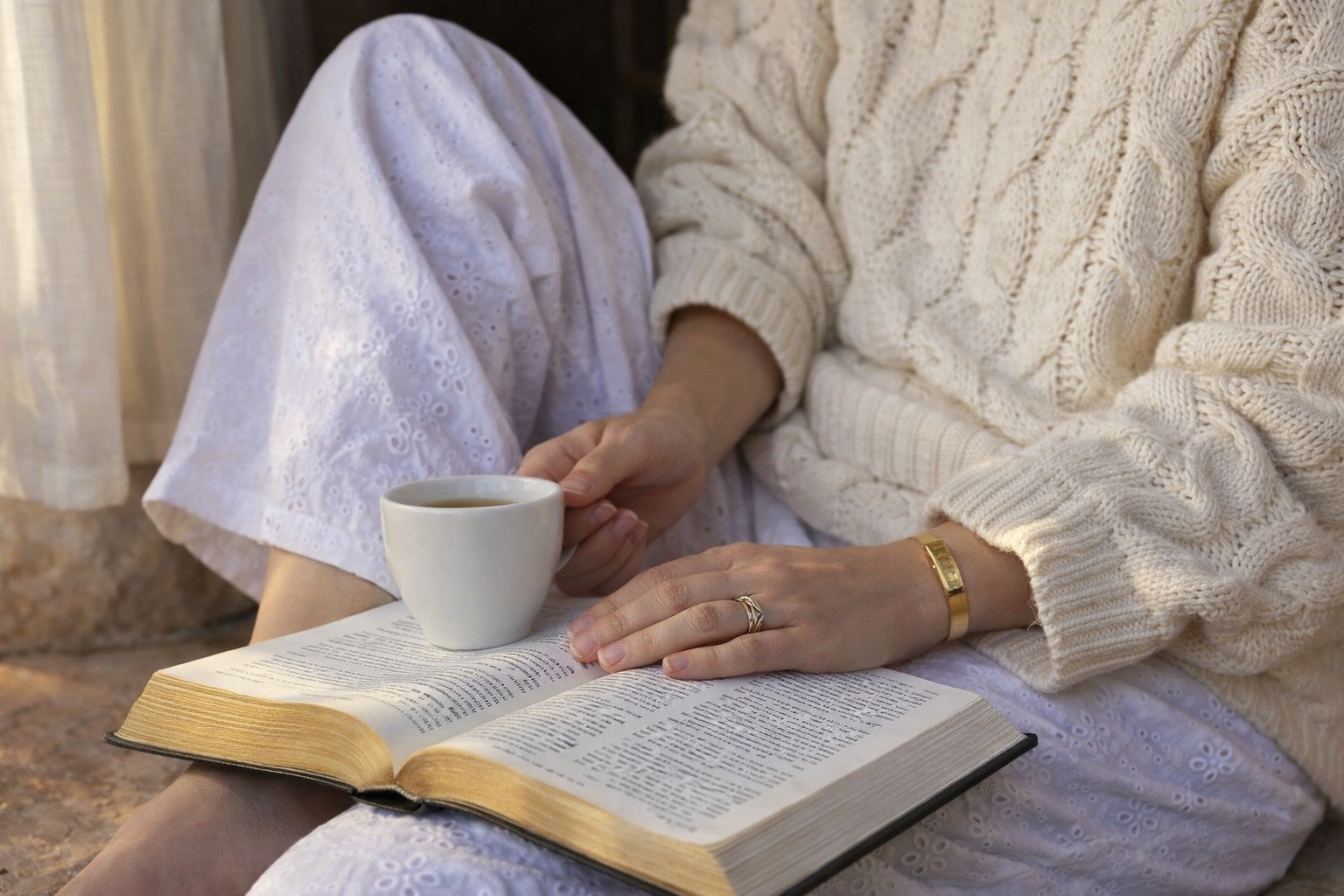
I rise before the sun, usually around five, sometimes six if our youngest allows it, while the house is still and the dog is curled in his corner. Children gather in the kitchen under a lamp lit low, the first verse of Scripture read aloud while the kettle clicks and breakfast begins. Eggs are whisked with small hands, bread sliced, chatter already circling around what we have just read. My husband joins us, and in his presence I find the space to unroll my mat, while breath and movement rise quietly beside the sound of their laughter and play. By the time natural light surfaces, we have already met the morning in prayer, in Scripture, and in breath. This is how shorter days become an ally, not an enemy: by reshaping our rhythms around what God has already given.
Photos: Found via Pinterest, sources on clickthrough; we always aim to credit photos; if one needs crediting or removal, please contact us with the source.
Testimony of Design, Not Loss
This is what I have come to see: the enemy would have us believe that shorter days are an inconvenience; that the dark hours are something to fear, something to drown with noise, screens, and artificial light. But God never wastes what He creates. He wove purpose into the light and into the night, into the turning of the seasons.
The long nights were given as thoughtfully as the long days: one to call us outward to work and harvest, the other to call us inward to rest and draw close. Where the world says “resist” and “extend,” He says “receive” and “abide.” And when we resist His design, we find ourselves restless, overworked, and anxious. But when we yield, family life begins to take on the cadence He intended: slower mornings, earlier evenings, hearts gathered instead of scattered.
These are not just “cozy seasons” but testimony: even what we resist is divine design. It is only the enemy who whispers that the long night is loss.
Part II: Morning Anchors
“Cause me to hear Your lovingkindness in the morning, for in You do I trust” — Psalm 143:8
Our mornings are the anchor of the whole day, and in these shorter seasons they take on a deeper weight. Rising before the sun gives us a head start on the light; it feels like accepting the day as He gives it, not as the world dictates.
Waking & Nursing
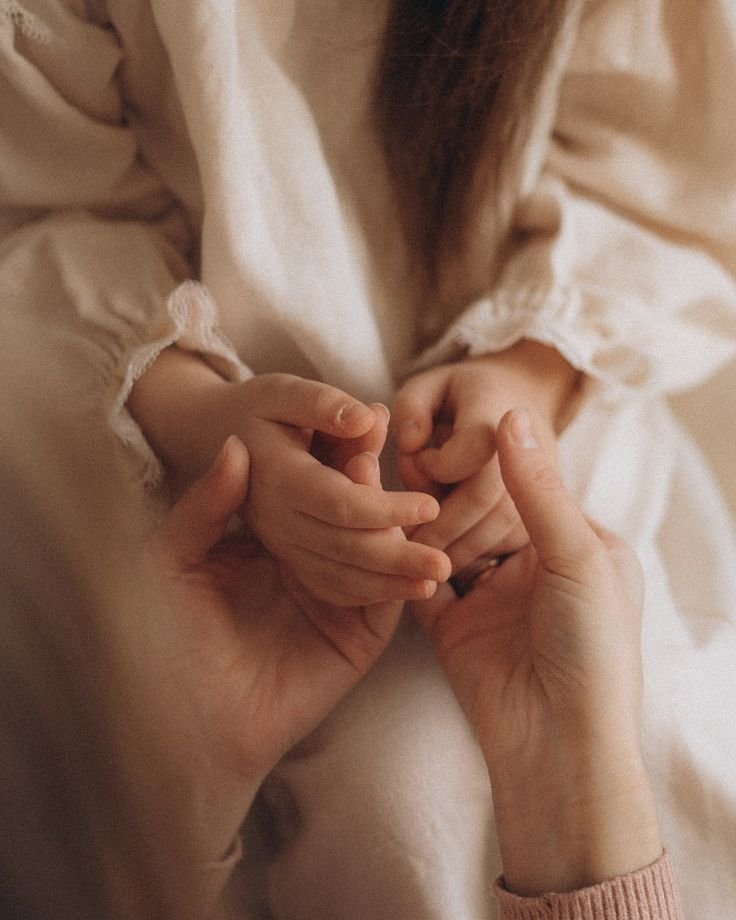
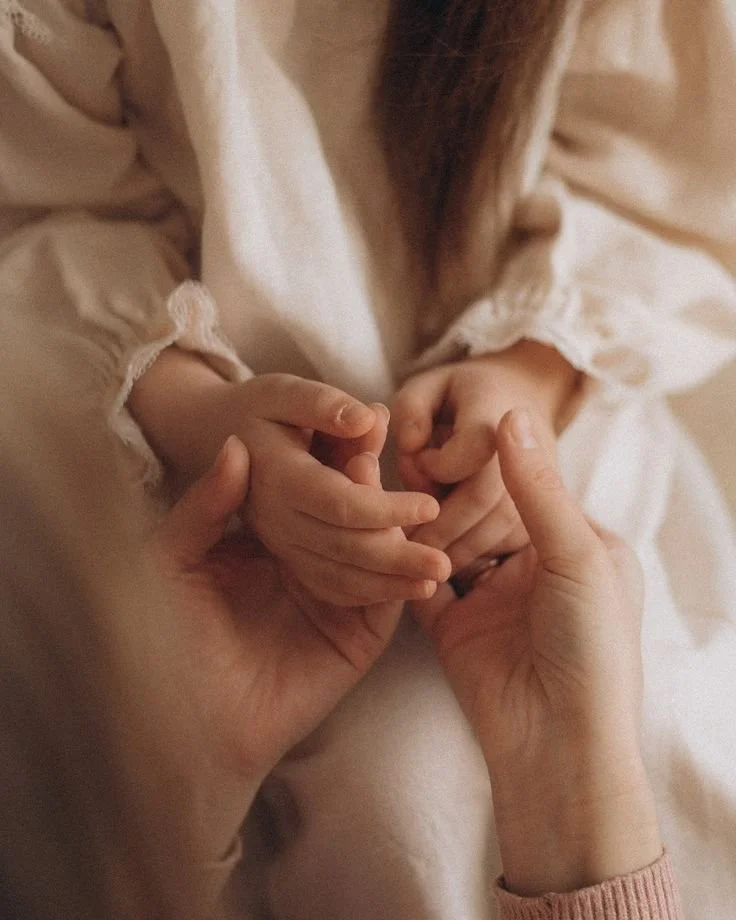
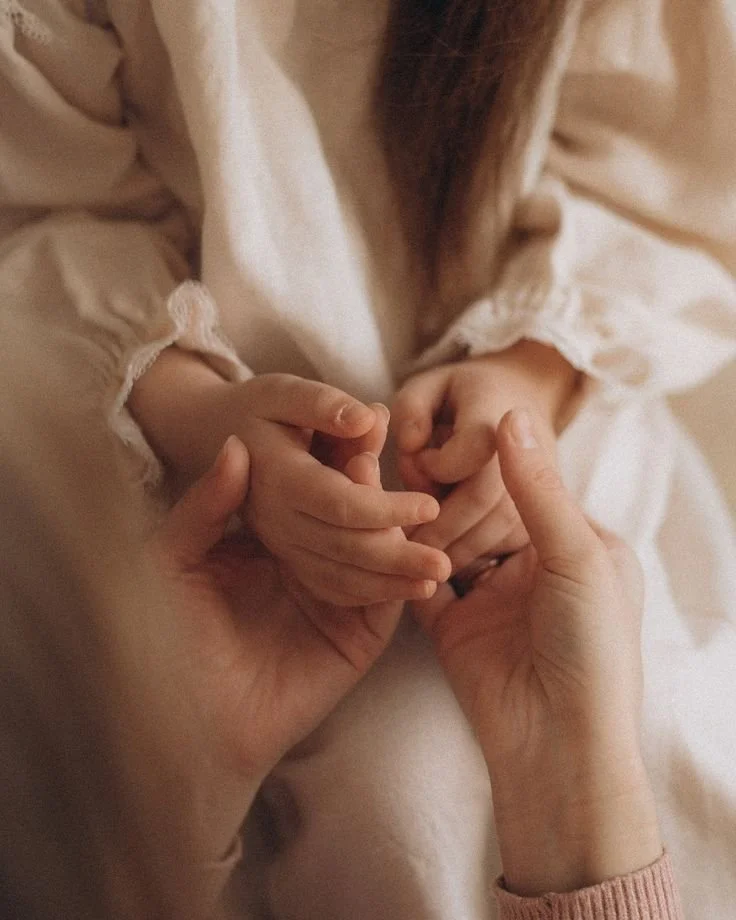
I wake up with little cooing, and fierce but well-intentioned movements: we bed share, and the day always begins with a small body — or two, sometimes three — pressed against mine, nursing before we rise. Once the baby is content, we slip out from under the covers together, leaving my husband another half hour or more of rest, depending on the flow of the day.
Scripture & Breakfast
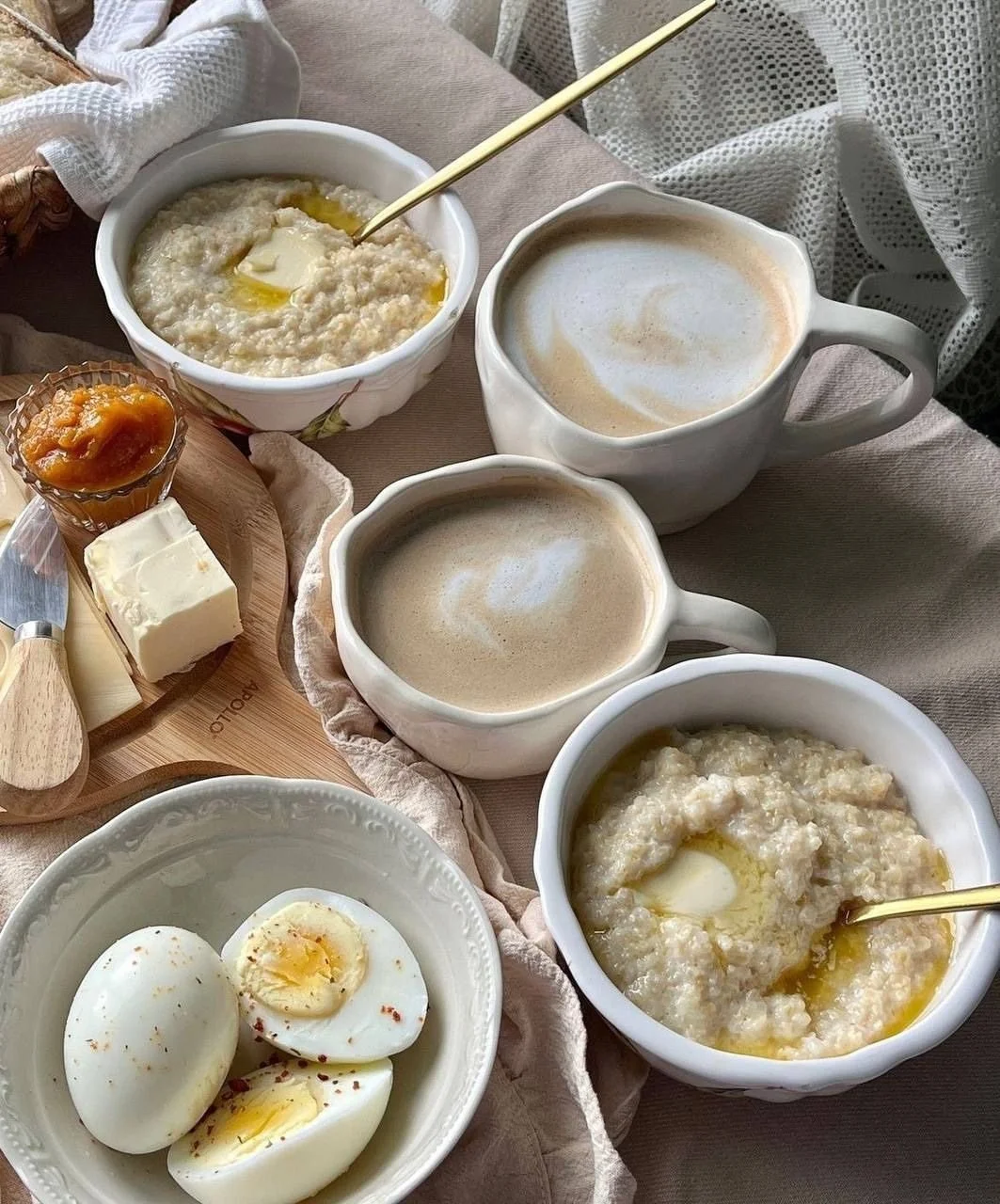
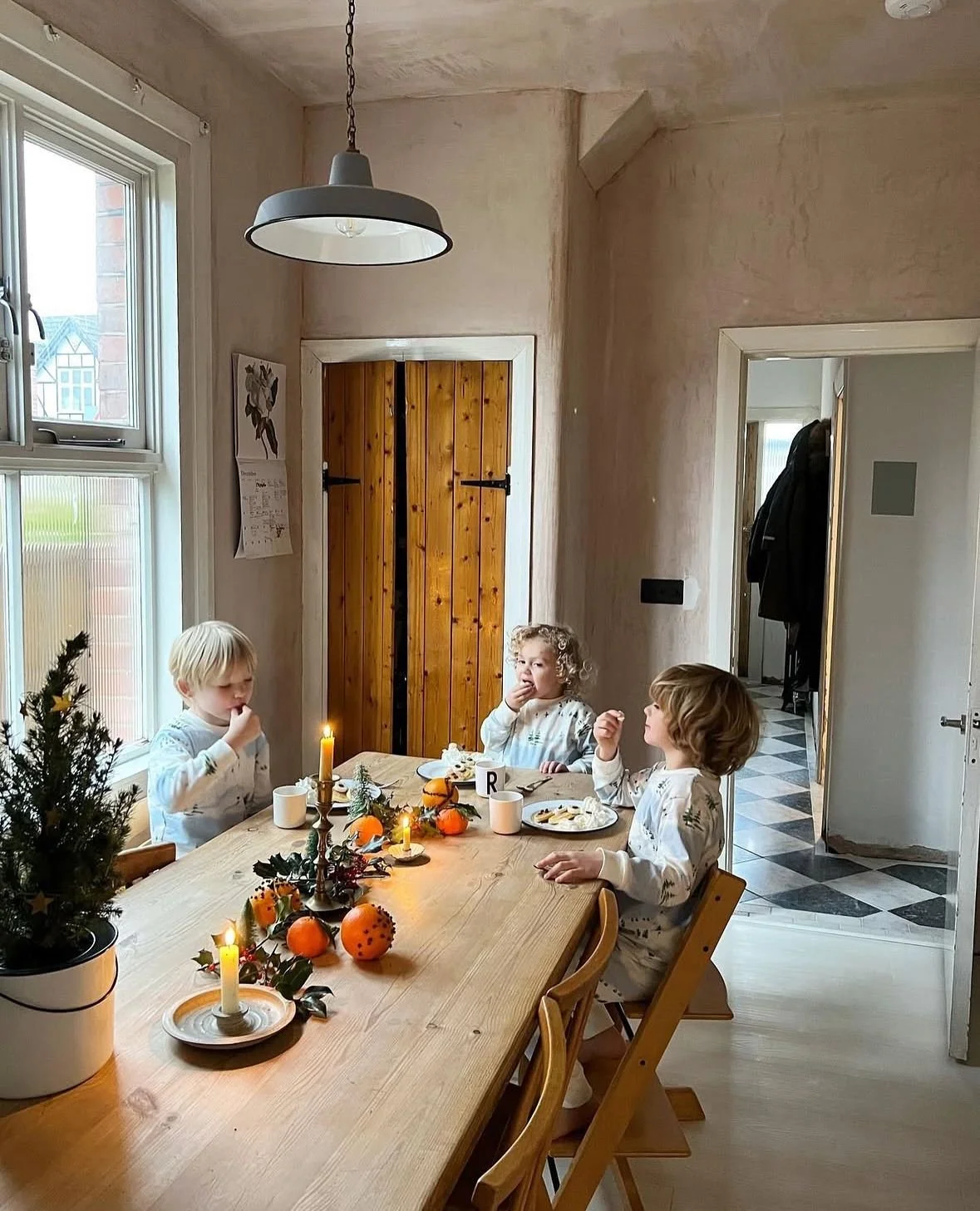
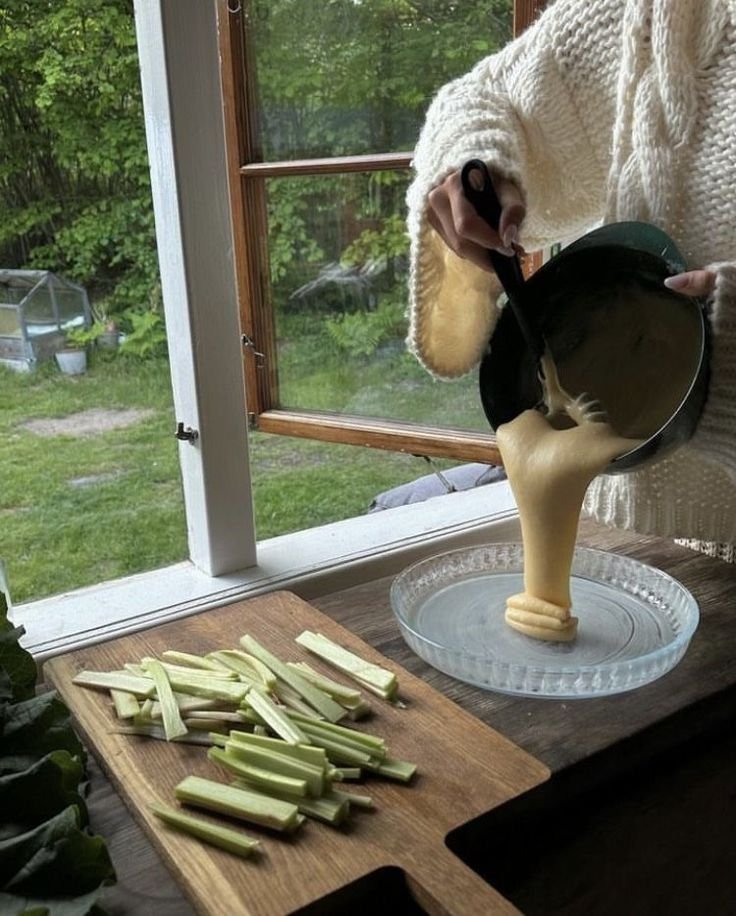
The kitchen glows with a low drum shade. Little mugs wait for their warm fresh milk, and mine listen as the kettle ticks toward its boil. Scripture is read aloud with the children gathered close. Eggs crack against the pan, bread is sliced, butter set out, and small hands stir and sprinkle. Their chatter circles around what we’ve just read — or sometimes worship music fills the room when requested, with a few dance moves if moods allow. It is still early, after all.
Movement & Play
When my husband joins us, we hand him the coffee we carefully prepared, and I find the space to unroll my mat — stretching and breathing while the children laugh and play nearby with him. The sun salutation takes on all its meaning here. Yoga in these hours is prayer: each breath a reminder of the life He first breathed into man (Genesis 2:7), each movement a reminder that this body is the vessel I keep (1 Corinthians 6:19–20). The children often echo some of their favorite positions in play — happy baby, puppy pose, garudasana — their little bodies moving beside mine, turning worship into laughter.
Outdoors & Light
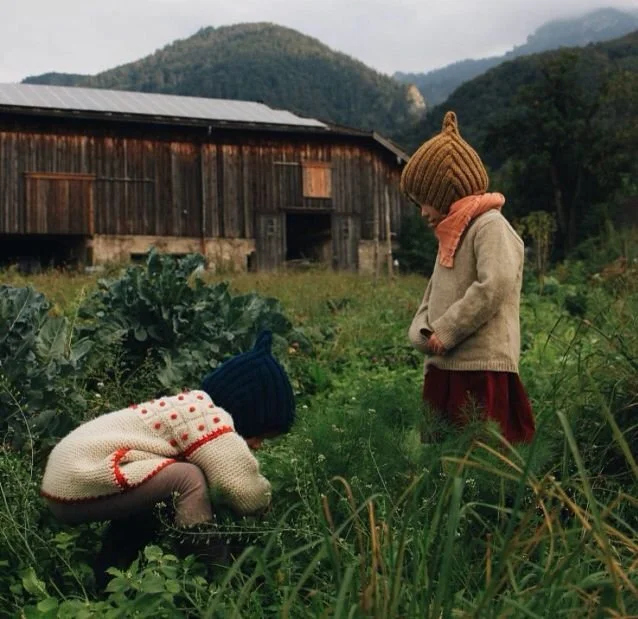
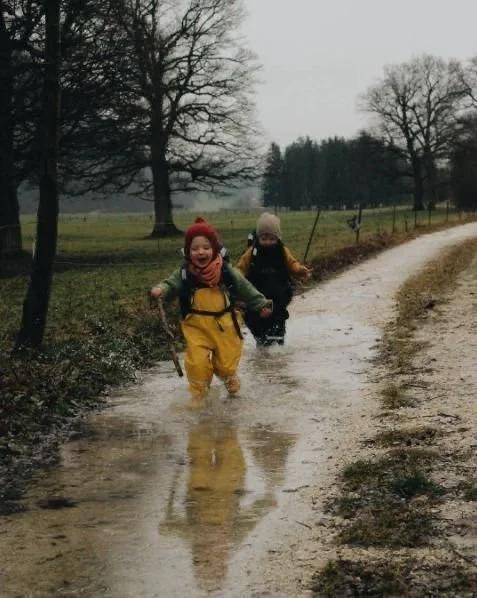
When breakfast is finished and the mat rolled away, we step outdoors, no matter the weather. Our youngest is bundled against me, clutching pinecones or splashing into puddles with his big brother — unless he is busy lifting rocks, uncovering the hidden world of small beasts. The dog trots happily, nose to the ground, alive in the crisp air and its endless smells. These walks — frosted grass beneath our boots, fresh puddles, breath rising white in the cold — set the rhythm of the day better than any clock. They align us with the light God has given, even if it is brief.
Receiving the Day
By the time the sun breaks through the clouds, we have already prayed, read, eaten, stretched our bodies, felt the earth beneath our feet, and walked the dog on his first round. That is the secret of these shorter days: they do not ask us to hoard the light, but to be ready early, and to receive it as gift.


Photos: Found via Pinterest, sources on clickthrough; we always aim to credit photos; if one needs crediting or removal, please contact us with the source.
Part III: Midday & Home
“He makes the barren woman abide in the house as a joyful mother of children. Praise the Lord!” — Psalm 113:9
If mornings are our anchor, midday is our hearth. My children would never come inside if they could, so when the weather is kind we spend most of the day out, from sunlight to sundown — or else we slip in and out between gusts of rain (we live in the UK, after all). But when the skies keep us in, the shorter days gather us close around food, books, play, indoor adventures, and rest. Our lives, our home, and in colder months especially the table becomes both classroom and altar, the kitchen a place where little hands and big hearts meet.
Cooking From Scratch
“Their fruit will be for food, and their leaves for medicine” — Ezekiel 47:12
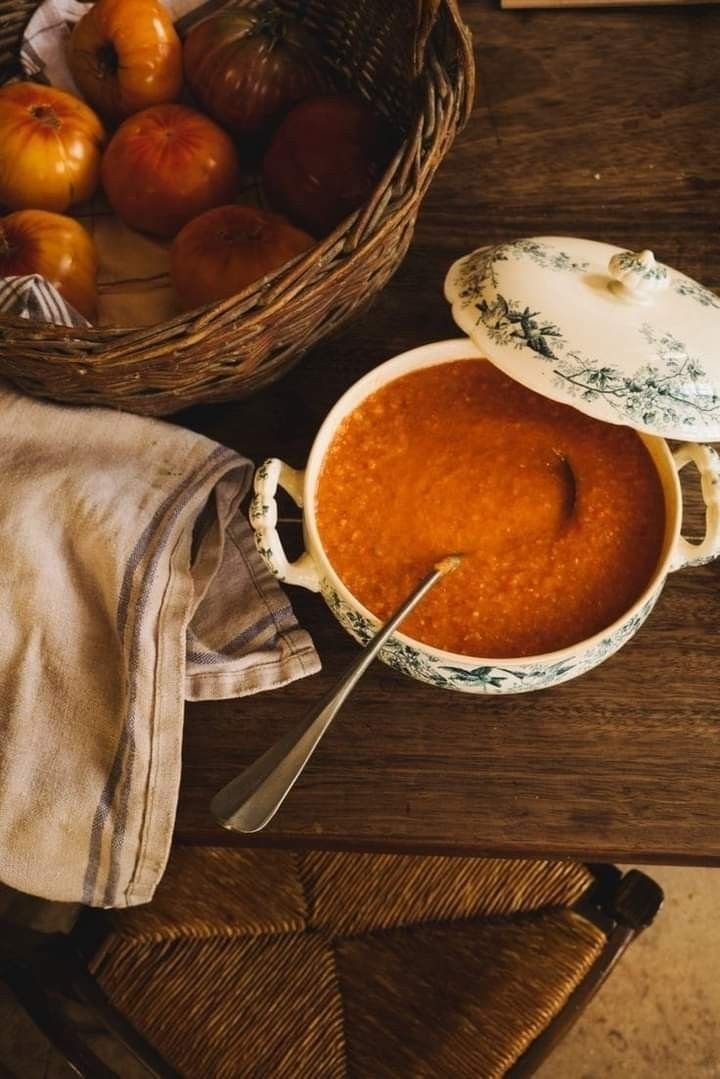
Bread rising, soup simmering, herbs stripped from their stems — the kitchen is never still for long. Everything is made from scratch, and these hours become lessons without ever needing to be labeled as such. Measuring flour turns into arithmetic, kneading dough teaches steady hands, tasting herbs sharpens the senses, waiting for bread to rise teaches patience, and sharing the first slice teaches gratitude. They learn how to observe, recognize, forage, harvest, prepare, and how to heal: turning plants into medicine or immune-supporting syrups. Harvesting elderberries for syrup, nettles for strength, chamomile for tea, or thyme for coughs teaches them more than recipes: it teaches them that God gave creation not only for food but also for healing, and that to know His provision is part of wisdom.
At the table, Scripture meets buttered bread; at the stove, conversation drifts from morning readings to why yeast makes dough grow. A toddler shapes a snake out of the dough, the eldest peels and cuts. In our home, cooking is not a pause from life, it is the place where life and learning meet.
Homeschool as Daily Life
“These words which I command you today shall be in your heart. You shall teach them diligently to your children, and shall talk of them when you sit in your house, when you walk by the way, when you lie down, and when you rise up” — Deuteronomy 6:6–7
We do not separate learning from living. Out of the kitchen, the children are mostly outdoors, looking for God’s creations to observe His wonder and learn all they can from it. “Look, look!”, “Did you know…” slips easily into conversation — an insect fact none of us knew before, discovered in the grass. They collect leaves for crafts, rocks for reasons they themselves don’t yet know, climb walls (or eat soil, truth be told), clean the chicken coop, or feed the neighbor’s horses.
When the rain pours too heavily, I insist they come back inside. Then they draw scenes straight from their wonderful minds, or from the Scripture we read in the morning, or they write down new words learned earlier. Our eldest often leads games that test their strength or invents projects from scraps, while the younger ones imitate, explore, or rest. This is unschooling in its truest sense: the day itself as teacher, the season as curriculum.
Rest & Renewal
Shorter days make rest feel less like indulgence and more like obedience — something He Himself wrote into creation. “Come to Me, all you who labor and are heavy laden, and I will give you rest” — Matthew 11:28
By early afternoon, the youngest is ready to nap, and the eldest often uses this time for all sorts of projects that need my help without little hands in the way — woodwork, a tricky Lego set, board games, or building forts. Sometimes he works beside us while I contact-nap with the baby, the house quieter but never still. Shorter days make rest feel less like indulgence and more like obedience — something He Himself wrote into creation.
Rainy-Day Rhythms
“How sweet are Your words to my taste, sweeter than honey to my mouth!” — Psalm 119:103
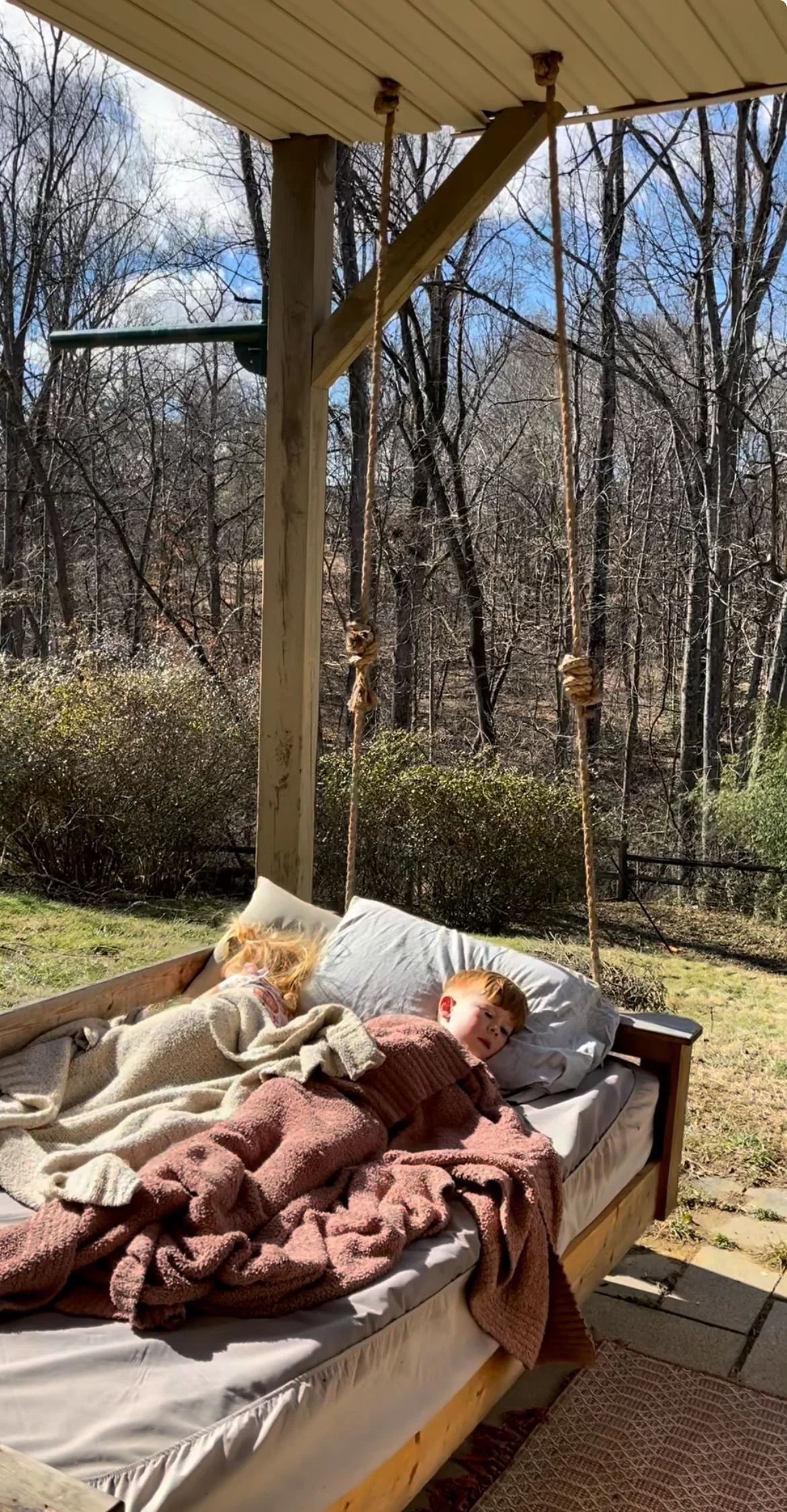
When weather keeps us in, the day does not feel wasted. Pinecones and acorns collected on walks become nature art. Pages are painted, stories told, board games unfolded, piano practiced. Sometimes worship music fills the rooms and little feet dance again, the morning’s energy softened but not stilled. Rain tapping at the windows becomes its own percussion, a reminder that even the storm is His.
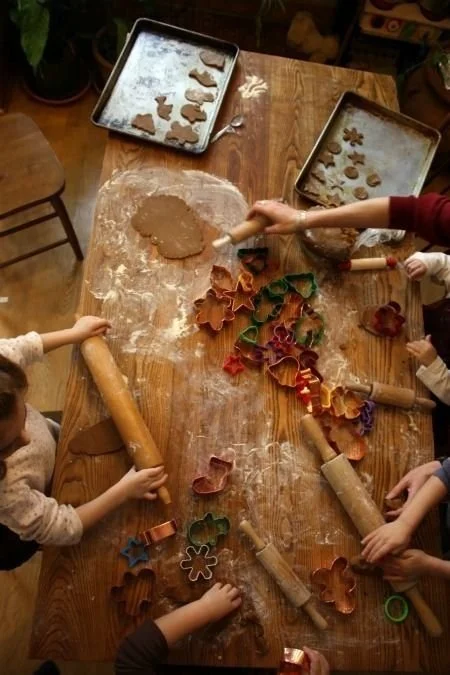
On such afternoons, we often take advantage of the slower hours to make a special dessert — one that requires more time and care than our usual pear crumble or apple sponge cake. Cinnamon buns rolled and rising, braided challah, a glossy tarte Tatin, layered honey cake, or slow-baked rice pudding perfumed with vanilla and nutmeg. These projects are not only treats but lessons in patience and delight: the reward of waiting as the kitchen fills with warmth and fragrance.
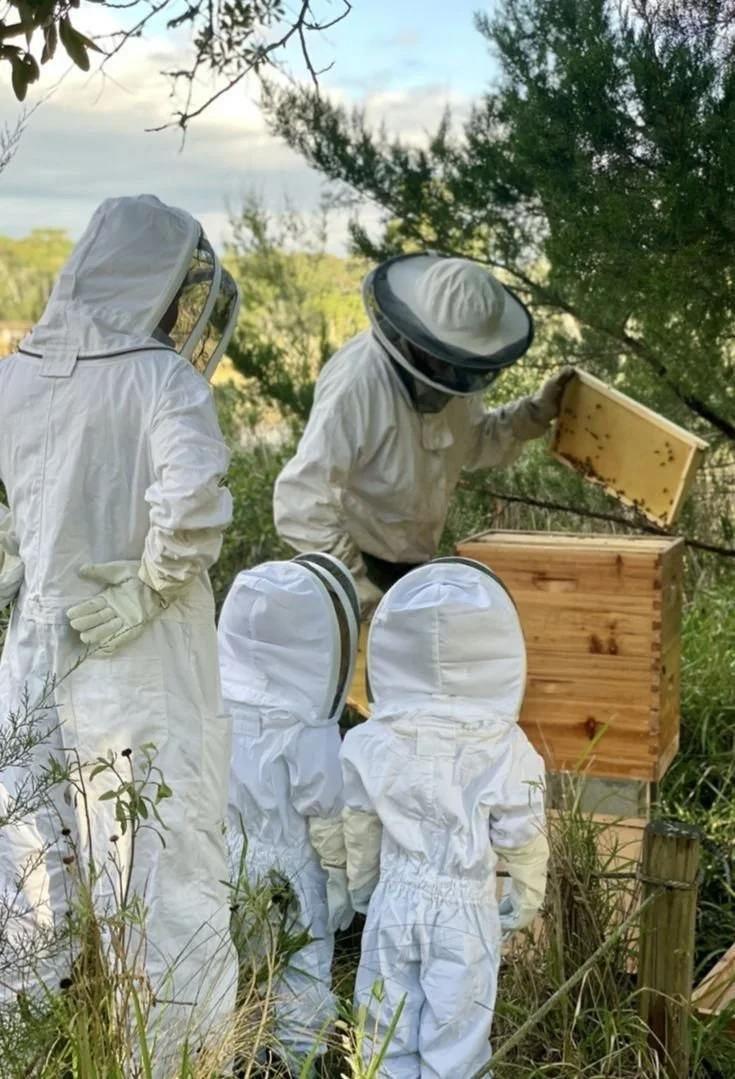

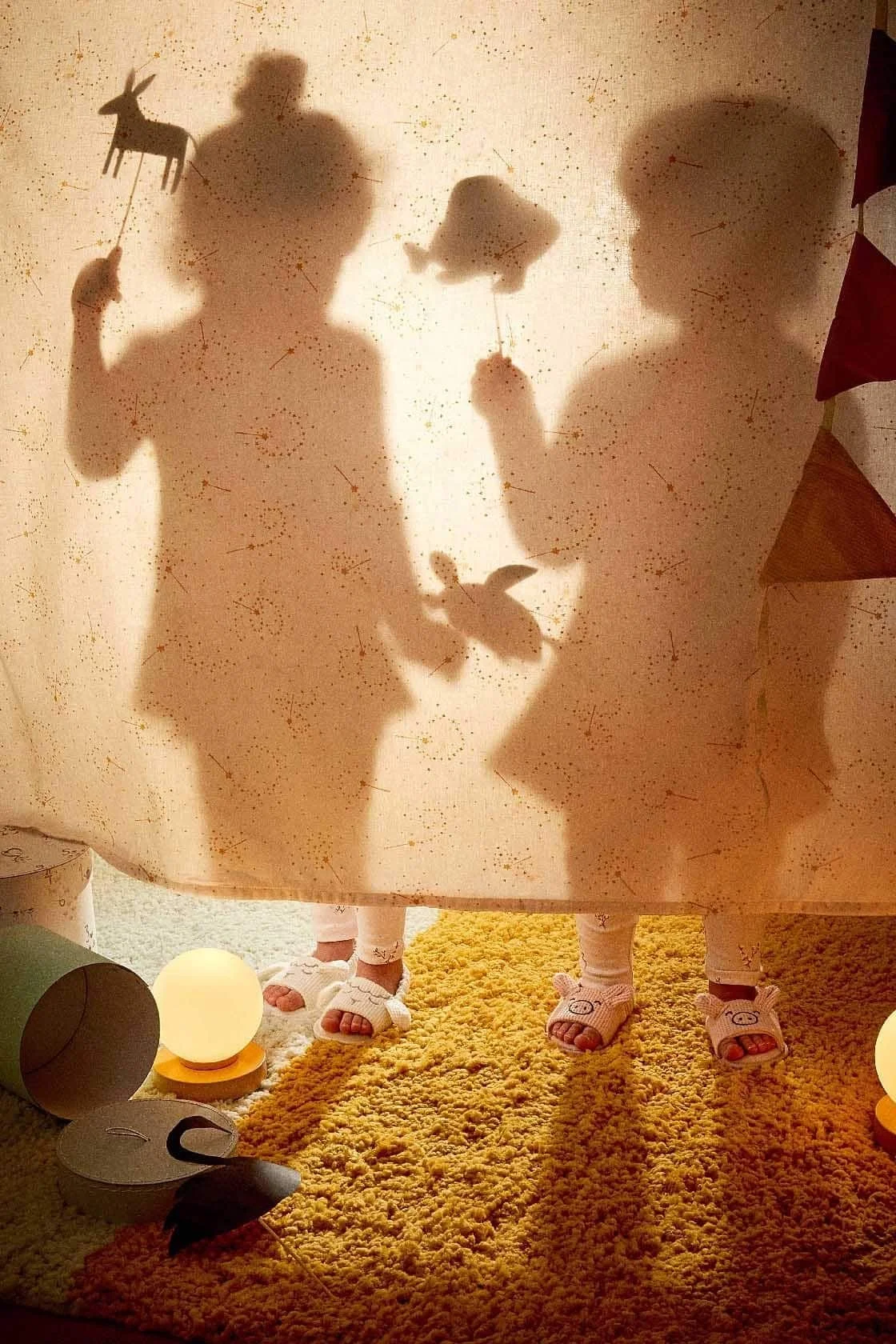
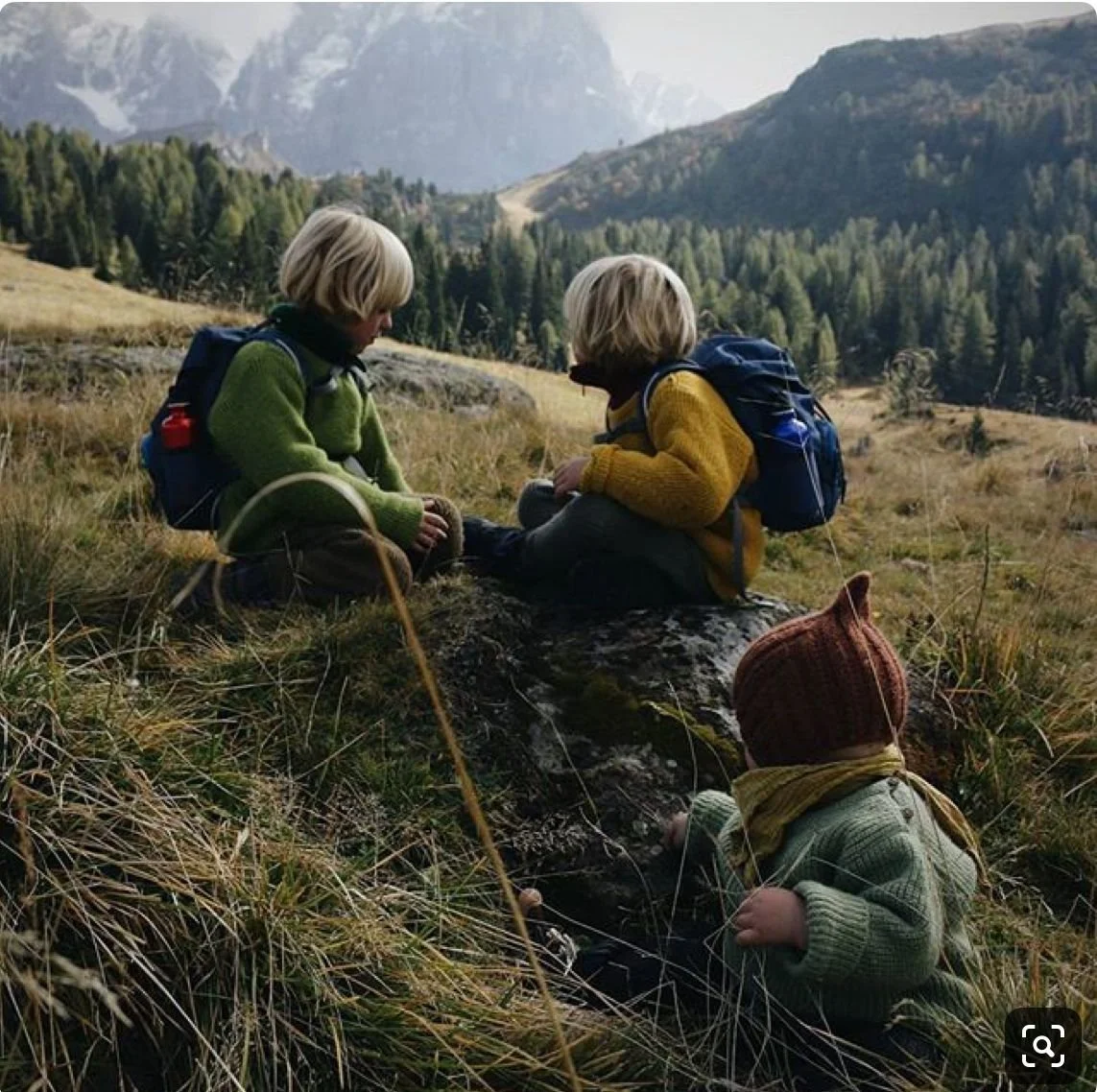
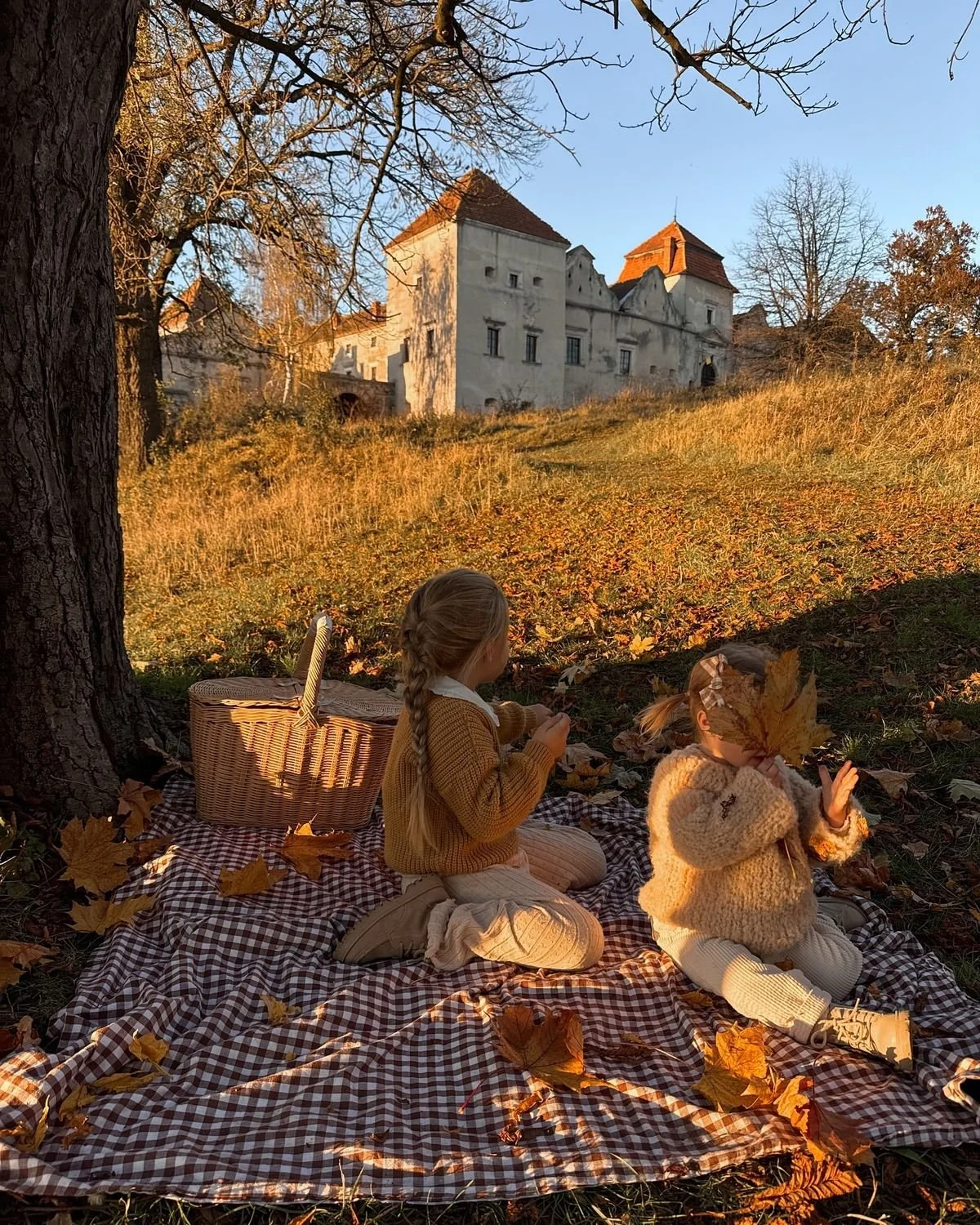
Photos: Found via Pinterest, sources on clickthrough; we always aim to credit photos; if one needs crediting or removal, please contact us with the source.
Part IV: Afternoon & Evening
If midday is our hearth, afternoons are our field. The hours when energy returns and the light calls us outward once more. Shorter days remind us that the window of brightness is brief, so we use it fully: for movement, for friends, for gathering, for play that expands the body and fills the soul.
Outdoors & Group Activities
“But those who wait on the Lord shall renew their strength; they shall mount up with wings like eagles, they shall run and not be weary, they shall walk and not faint” — Isaiah 40:31
Afternoons often take us beyond our garden. Swimming, diving, climbing, tennis, boxing, archery, or playgroups with other homeschooled children give ours both skill and courage, and a sense of belonging among like-minded friends. Sometimes it is simpler: a picnic packed into baskets and feeding the ducks, an autumn treasure hunt with friends in the woods, or a long wander with our dog where the eldest runs beside me, pausing to explore one thing or another. These are the hours when lungs fill, legs strengthen, and the delight of discovery becomes its own lesson.
“All your children shall be taught by the Lord, and great shall be the peace of your children” — Isaiah 54:13
While some children spend these hours in classrooms, ours spend them at our side, learning through life, under God’s sky, their curiosity free to lead the way. Here, we pass down our values and truths, not the shifting agendas or the twisted lessons woven into modern curriculum. We are deeply blessed to be able to live this way, and I can only encourage others to do so if they are able — for all these reasons and more.
Early Suppers
“So, whether you eat or drink, or whatever you do, do all to the glory of God” — 1 Corinthians 10:31
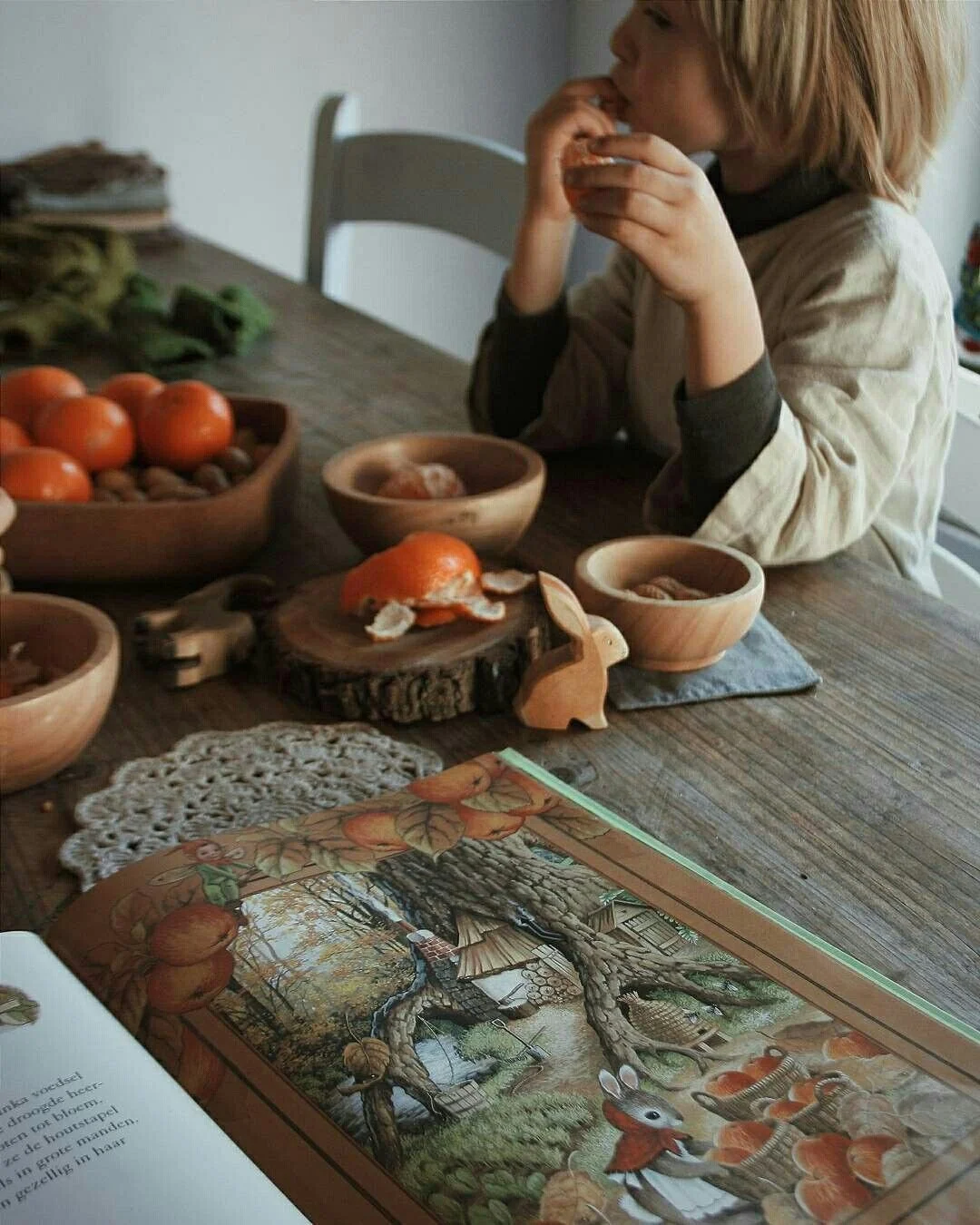
Before the light slips away, we gather indoors — back to the center of our home, the kitchen — to prepare and share an early dinner, usually around six. Lamps glow, the table fills, and warmth rises from the food. These early meals feel aligned with the season, reminding us that when the sun fades, so should our labor. Supper is less about the food itself and more about the gathering, about looking one another in the eye, about remembering who we are together.
Evening Scripture & Rest
“Come to Me, all you who labor and are heavy laden, and I will give you rest. Take My yoke upon you and learn from Me, for I am gentle and lowly in heart, and you will find rest for your souls.” — Matthew 11:28-29
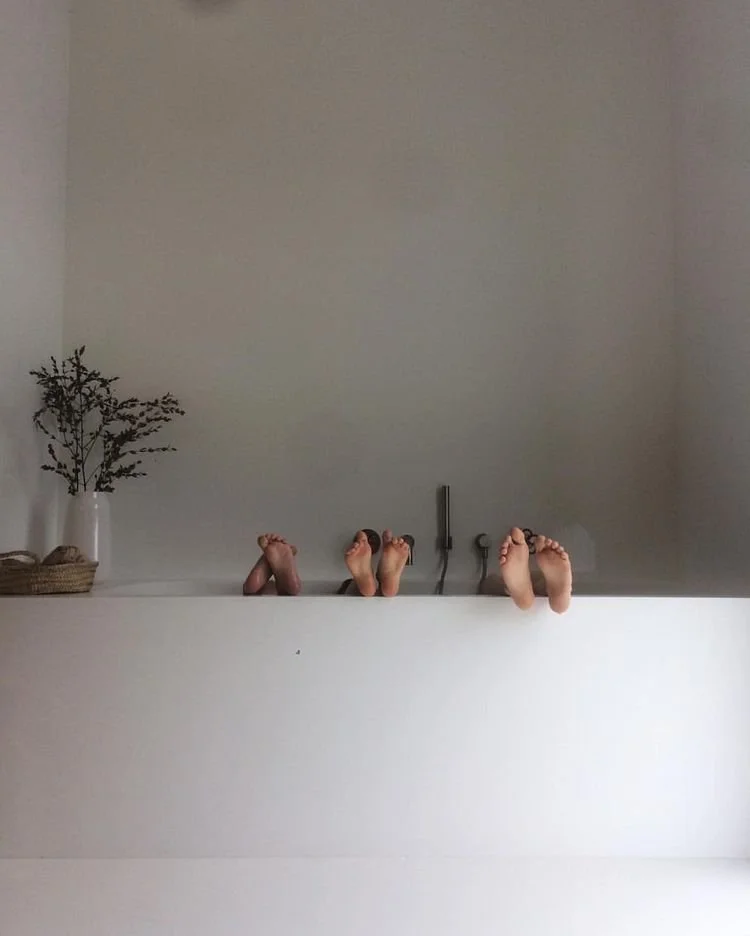
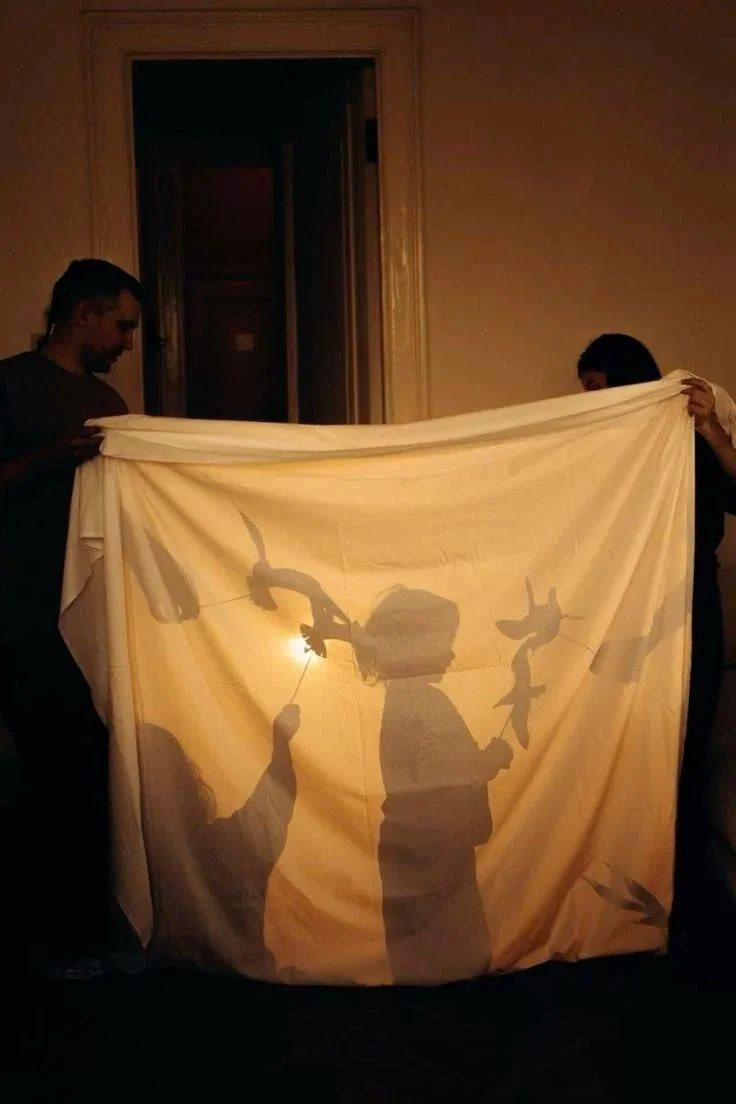
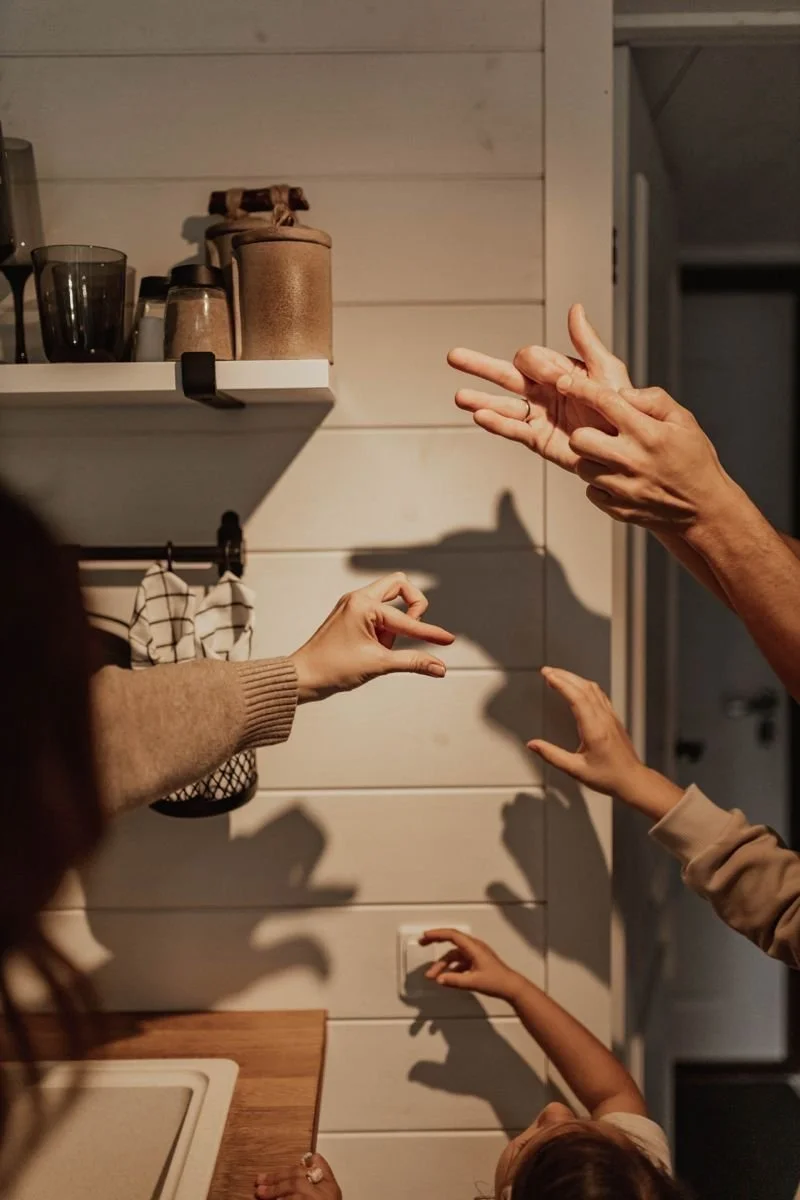
After dinner, we either slip into a slower cadence — a long and playful bath (unless the day’s mud demanded showers before supper), sometimes board games, sometimes a film, sometimes simply stories. Other nights, everything is hurried, the house buzzing with fatigue: showers as quick as a flash, pyjamas pulled on in haste, sleepy whining rising as I try to soothe and settle, always wanting them to be comfortable.
“I will both lie down in peace, and sleep; for You alone, O Lord, make me dwell in safety” — Psalm 4:8
Yet whether the evening drifts smoothly or unravels in weariness, it always closes the same way: we gather in bed and pray — speaking to Him about our day: “Did You see me jumping from the big rock?” “You’ve made slugs very slimy!” trying to show gratefulness for all the good of the day too: “Thank You for today, my friends, my parents, my brother.” “Thank You for making all these crabs at the beach and letting us observe them earlier.” We pray for whoever comes to heart, for whatever need weighs on us, and we ask for the restoring sleep only He can provide.
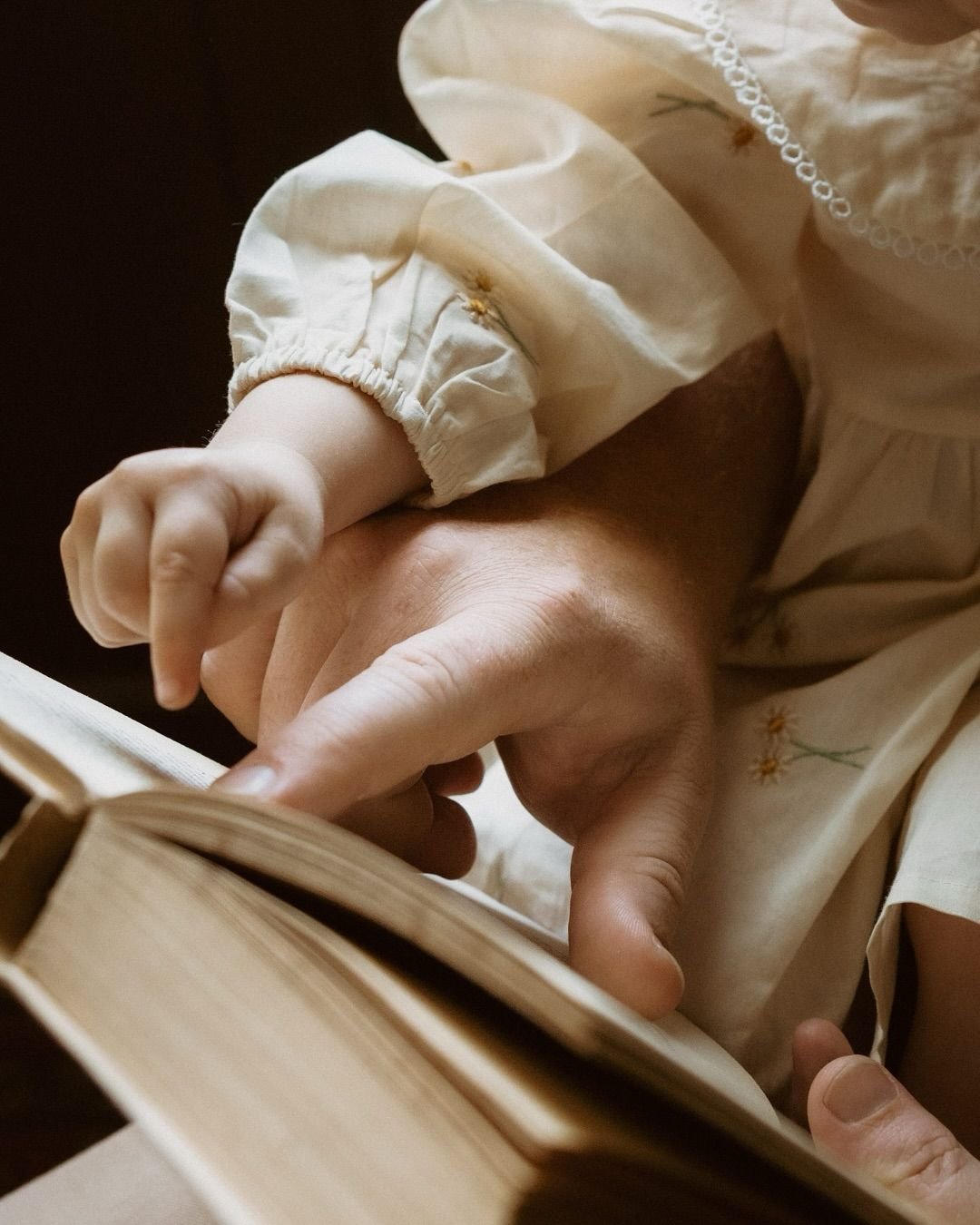
Then Scripture is read once more, the little ones nursing and softening into sleep, their eyes closing to the sound of God’s Word. The Word is the last thing to fill the house before night.
“It is vain for you to rise up early, to sit up late, to eat the bread of sorrows; for so He gives His beloved sleep” — Psalm 127:2
Evenings are not wasted hours but holy ones — given by God for gathering, for quiet, for prayer. Longer nights do not mean less life; they mean more of it where it matters most.
Photos: Found via Pinterest, sources on clickthrough; we always aim to credit photos; if one needs crediting or removal, please contact us with the source.
Part V: The Why of Longer Nights
“You have set all the borders of the earth; You have made summer and winter” — Psalm 74:17
It would be easy to resent the dark. To crave more daylight as if God had withheld something from us, to rush against the clock, to light the nights as though we could make them day. But the longer nights are no accident. He ordained this rhythm, folding purpose into the tilt of time itself.
The enemy would have us believe that darkness is empty, that shorter days mean less life, that night must be fought with constant light, screens, and endless striving. But God created the night to restore us, to gather us close, to draw us into family and into Him. He did not make the seasons to frustrate us — He made them to form us.
Longer nights invite us inward: into prayer, into the heart of the family, into rest. They remind us that our labor is not endless, that we are not sustained by our own strength but by His. When the days shorten, we feel it in our bones — not as lack, but as His call to slow, to soften, to lay down our burdens before Him.
“And the light shines in the darkness, and the darkness did not comprehend it” — John 1:5
So we learn not to hoard the light but to receive it, and not to fear the night but to embrace it. For night was His design too, and in His Word we are told again and again not to be afraid of it. In these darker months, we rediscover that longer nights do not mean less life, but more of it where it matters most: in His presence, in our homes, in the rest He ordained for His beloved.
Related Reads You’ll Love
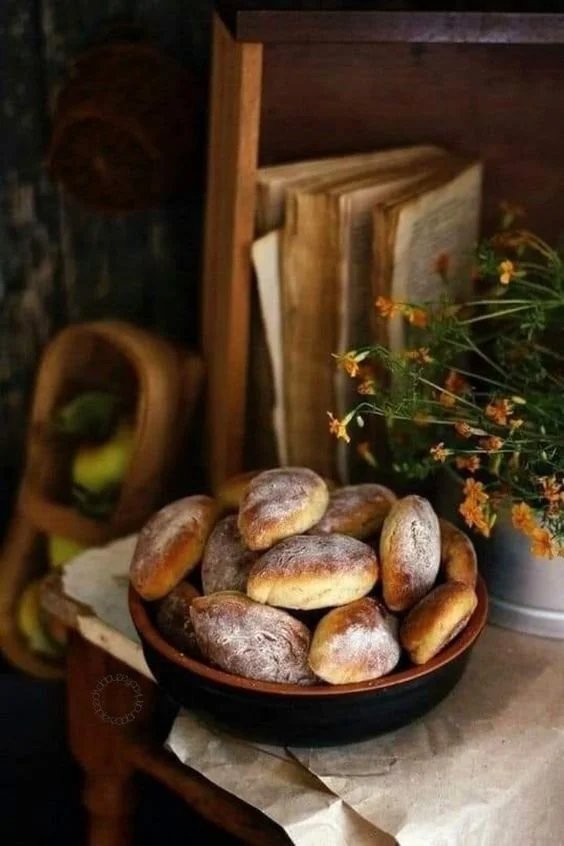
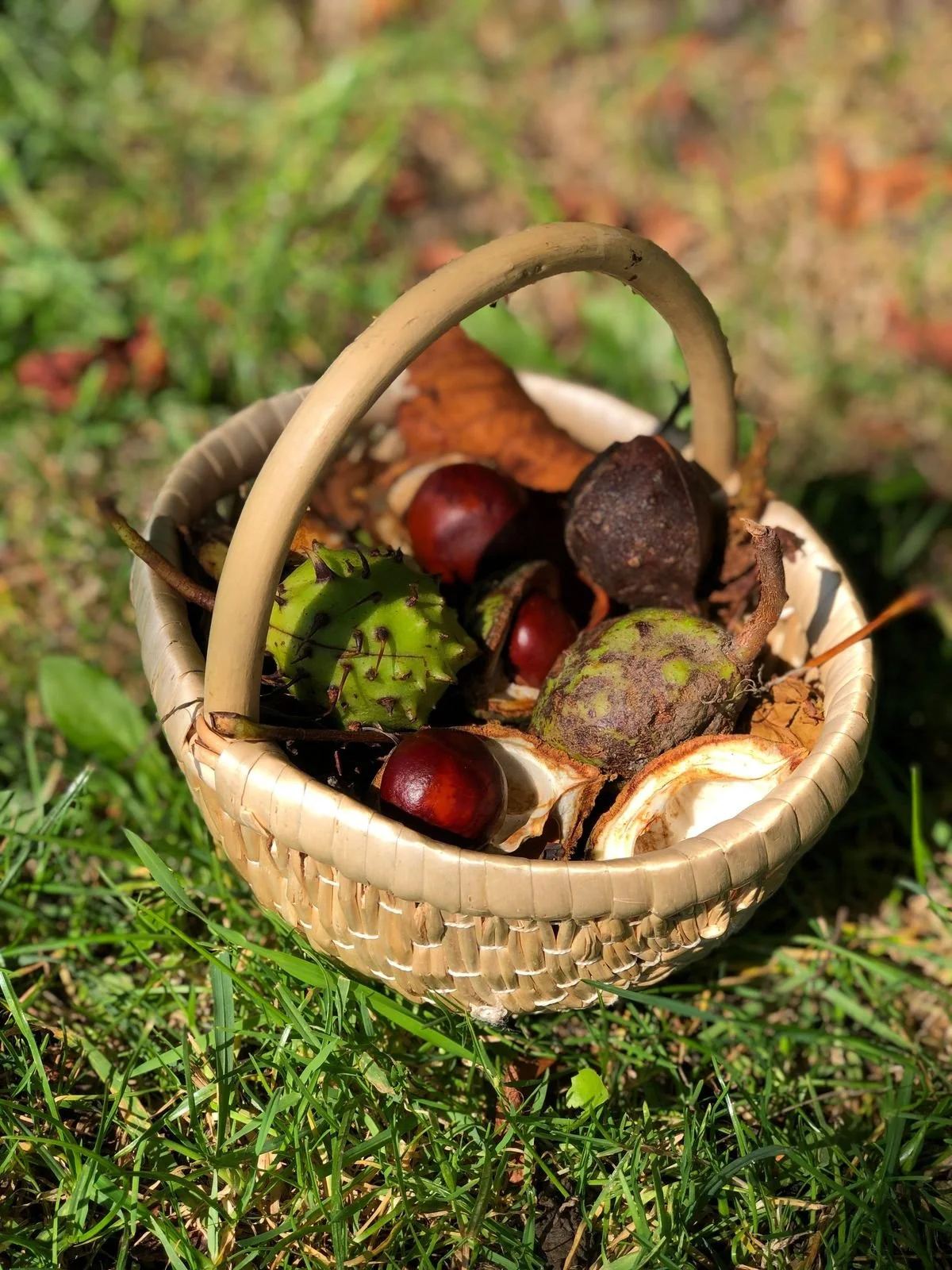
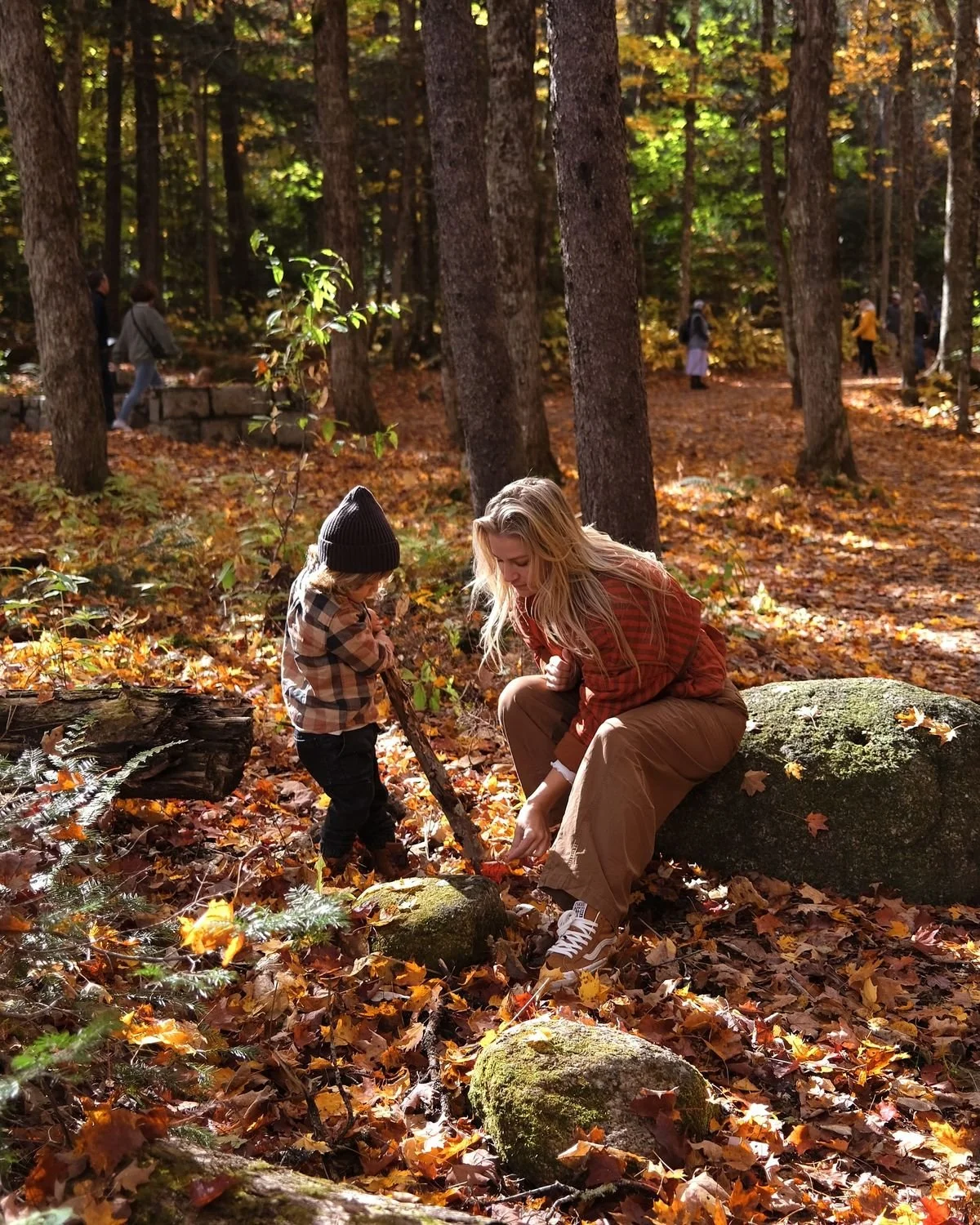


These decadent Apple-Cinnamon Brioche Buns bring the fragrance of fall into the kitchen, with deeply golden edges, soft pull-apart centers and moist ribbons of spiced apple. Finished with brown butter, maple and flaky salt, they are sweet, beautifully comforting and made for slow mornings, rainy afternoons and sharing warm from the oven.