
The Fat War: How Seed Oils Became Their Weapon
What to Cook With, And What to Never Touch Again, And Why
(And when you’re ready, there’s a free printable version of this fat guide waiting at the end of the article—one for your phone, and one for your kitchen drawer by the stove.)
The War in Your Kitchen
They told us it was healthier. That butter would kill us and margarine would save us. That lard belonged in dusty history books and canola was the oil of the future. But behind the shining labels and health claims lies a quiet war: fought not in headlines, but in kitchens. Not with weapons, but with what sizzles in your pan.
Most people don’t even realize they’ve surrendered.
Walk into nearly any modern home and the oils by the stove are seed-born, plastic-wrapped, and factory-birthed. Soulless. Chemically bleached, deodorized, and refined into something so far from food it would rot your gut before it could nourish your body. These are not oils. These are the slow poisons of modern convenience, sold as health and consumed as culture.
The truth is simple—and like most truths, ancient:
Fats were never meant to be extracted with solvents.
They were meant to be rendered, churned, or pressed—slowly, naturally, from what God gave us. From cream, not chemicals. From coconuts, not crude oil. From pasture, not process.
Real fats don’t come with warning labels. They come with nourishment.
They come with memory—your grandmother’s pan, golden ghee spooned over rice, the smell of butter browning for a birthday cake, a cast iron skillet thick with history. Real fats speaks of a time before heart disease became an epidemic. Before butter was demonized and obesity normalized.
This isn’t nostalgia. It’s war. And you’re either reclaiming your kitchen—or letting it be colonized by lies.
This article is your line in the sand.
We’ll walk through the truth behind seed oils, expose why they're destroying your health from the inside out, and lay out what to use instead—depending on what you’re cooking. From delicate beignets to seared meat to slow-simmered stew, there’s a better way. A holy way. A return.
Because even what you fry in carries weight—spiritually, physically, generationally.
“Butter of cows, and milk of sheep, with fat of lambs…” — Deuteronomy 32:14
They knew. We’ve forgotten. Let’s remember.
The Great Oil Lie
The Fat War: How Seed Oils Became Their Weapon
They didn’t just take butter off your table.
They orchestrated an exchange when you weren’t looking—life for decay, truth for profit, nourishment for disease.
A swap so subtle it slipped beneath the radar of an entire generation, dressed up in white plastic bottles and heart-healthy claims.
What once came from cows and coconuts, pressed with patience and reverence, was replaced by industrial waste.
Not metaphorically—literally. Cottonseed oil. Corn oil. Soy sludge.
These weren’t born in nature. They were scraped from the refuse piles of textile and feed operations, boiled and bleached into something barely edible, then marketed as health.
This was not food. It was a product.
Who Did This? Follow the Grease Trail…
The first to do it was Procter & Gamble. A soap company.
In the 1900s, they discovered they could hydrogenate cottonseed oil—industrial waste—and turn it into a fat-like substance.
They called it Crisco. It looked like lard. It had no life. It had no history. It had no soul. It was industrial grease.
But to sell it, they needed trust. So they partnered with the American Heart Association, injecting millions into "education" campaigns to demonize saturated fats and elevate their new product. And it worked.
People believed it. Why wouldn’t they? Doctors said so. Magazines said so. Labels said so.
By the 1950s, Ancel Keys, a government-backed researcher with globalist ties, popularized the lipid hypothesis—the now-debunked claim that saturated fat causes heart disease. His cherry-picked data laid the foundation for decades of food lies.
Meanwhile, the Rockefeller Foundation —how shocking!—, already invested in chemical agriculture and pharmaceutical expansion, poured money into reshaping medical schools, nutrition science, and public health messaging—all while promoting vegetable oils as the solution to America’s “fat problem.”
This wasn’t nutrition. It was infiltration.
What Are Seed Oils, Really?
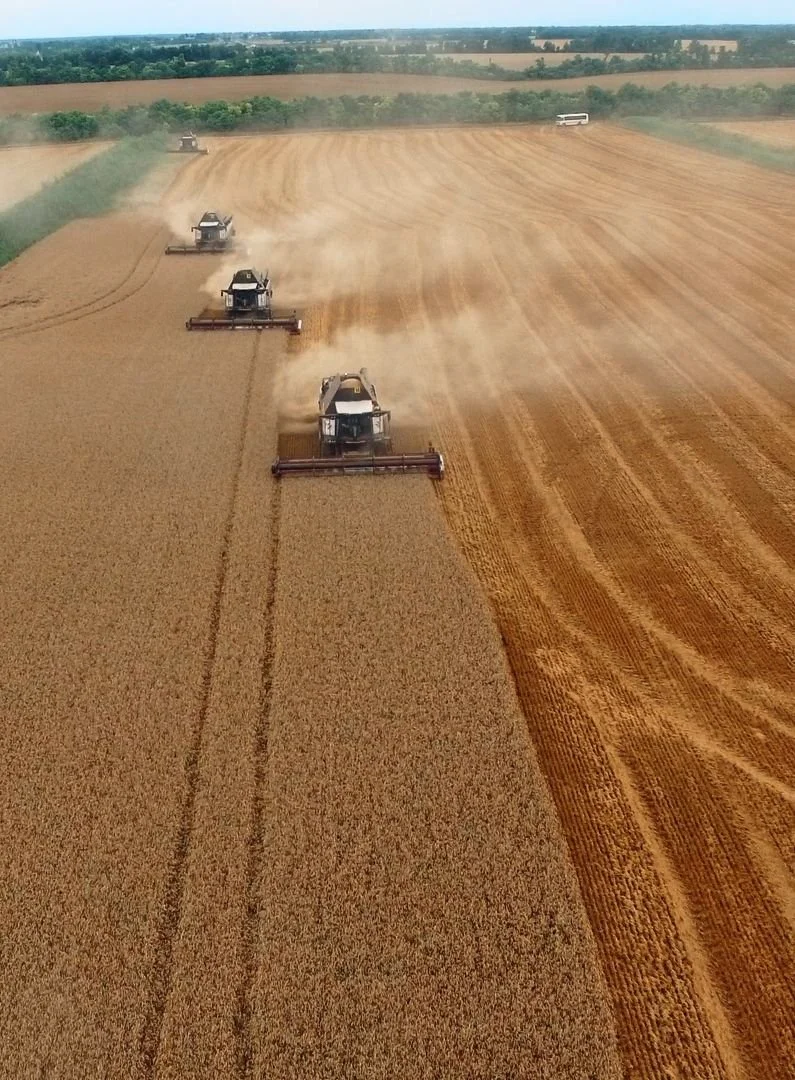
They come from seeds God never intended to be oils at all:
Canola (rapeseed)
Soybean
Corn
Sunflower
Safflower
Grapeseed
Cottonseed
None of them were ever meant to be fats.
These require chemical solvents like hexane —a highly flammable liquid and a known component of motor fuel.— to extract. They are then bleached, deodorized, and heated at extreme temperatures—creating toxic aldehydes and oxidized lipids that damage your cells, brain, hormones, and gut.
hese oils are rancid before they even hit the bottle.
Yet they’re in everything.
- Baby formula
- ’’Plant-based” products
- Vegan ‘‘milk’’
- Restaurants
- Hospital food
- Powders sold to breastfeeding mothers
- Health snacks
Why they want you on them
Because they’re…
Cheap to produce → high profit
Addictive and inflammatory → lifelong customers
Weakens the body → supports pharmaceutical dependency
Blocks true healing → disconnects us from God’s design
Masks spiritual decay → normalizes what is not natural
Because they destroy your hormones and fog your mind.
Because sick, inflamed, dependent people make perfect customers.
This is not a health movement.
It is a war.
The spiritual deception behind it all
They try to replace what God gave—the fat of lambs, the butter of cows, the pressed oil of olives—with a sludge they engineered.
Then they taught us to fear what was holy… and love what was cursed.
“Woe unto them that call evil good, and good evil; that put darkness for light, and light for darkness…” — Isaiah 5:20
But we were never meant to fry in chemicals. We were never meant to feed our children what the enemy manufactured. We were meant to cook in truth.
Now our daughters bleed too early.
Our sons are softened before they hit manhood.
Our elders forget.
Our bodies ache before they’re old.
And the wombs of a generation fall silent.
Not All Oils Are Equal, But Most Still Burn You
It’s easy to think it’s just “seed oils.” That once you toss the canola and skip the soybean, you’re safe. But the truth is more layered.
Not all oils are born from God’s design.
And not all that come from plants are meant to touch fire.
They want you to believe it’s all the same — if it comes from a seed, it must be clean. If it says “cold-pressed,” it must be safe. If it’s in the health aisle, it must be healing.
But confusion is one of the enemy’s oldest tools.
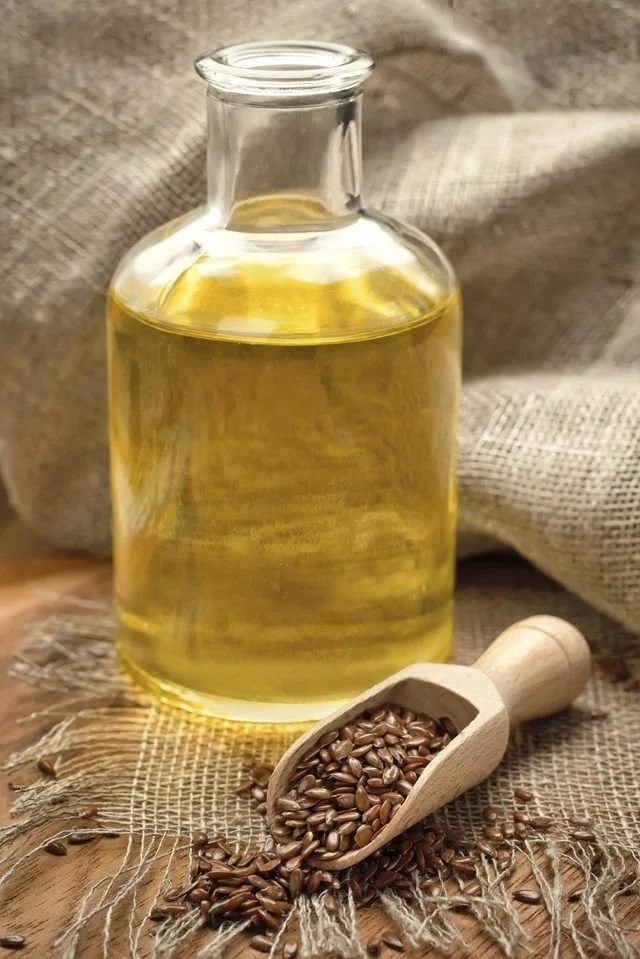
Some oils may begin as God-given—sesame, flax, hemp, peanut—but they were never meant to be extracted at scale, stored in clear plastic, heated, reheated, and consumed daily. Their molecules break fast, their structure oxidizes, and they do more damage than good when used the wrong way.
They were made to be used cold, in reverence, and in moderation.
Not fried. Not blasted. Not poured by the cup.
Flaxseed oil oxidizes almost instantly. It’s delicate, fragile, and turns rancid before it even reaches your shelf.
Hemp oil and walnut oil are no better—unstable under heat, bitter once broken down, and often stored in conditions that destroy their integrity before they’re opened.
Peanut oil, once natural in moderation, is now heavily refined, often GMO, and prone to oxidation from poor storage.
Rice bran oil is used in “clean” Japanese food products, but it too is industrial, heat-sensitive, and deeply processed.
Hazelnut oil is marketed as gourmet but breaks down quickly. Fragile, overpriced, and unstable—more shelf ornament than true nourishment.
Macadamia oil is high in monounsaturated fat, but modern and experimental. Not traditionally used in cooking, and rarely stored properly to remain stable.
Pumpkin seed oil, beautiful in color, is utterly unsuitable for heat. Once warm, its fragile nutrients become damaging compounds.
Avocado oil—even when labeled “pure”—is often a lie. Most bottles on the market are oxidized or cut with cheaper seed oils. Unless it’s cold-pressed, dark-bottled, and freshly sourced, it’s just another fraud in disguise.
Plant-based ghees are often nothing more than soy oil and palm oil blends, dressed up in Ayurveda and gold fonts. Fake holiness. Engineered grease.
Sesame oil has ancient roots, but in its modern form, it is no longer safe—unless raw, and rare.
And yet—these oils are everywhere, slipped into labels and recipes under the guise of “healthy fat.”
Just because it came from a plant doesn’t mean it came from the Creator. Not everything grown is meant to be extracted. Not everything pressed is meant to touch heat.
We’ve confused natural with safe, and tradition with current industrial practice. The oil you drizzle on hummus is not the oil they deep-fry your children’s food in.
If it can’t withstand fire, it has no place in your pan. Because what breaks in the pan, breaks in the body. And what oxidizes on the stove, oxidizes in your cells.
The body can only build with what it’s given. And when it’s given broken fat, it builds broken things.
The question isn’t only where it comes from. It’s what it becomes under heat, time, and pressure.
What to Use and When — The Fats That Feed
We were never meant to cook in fear. Never meant to worry about our health because of food itself— the very thing that was meant to nourish, not harm.
We weren’t designed to scrutinize every label, to calculate which option would cause the least damage, or wonder what toxins our food passed through before it reached our plate.
We were meant to eat freely, but in full consciousness, and more than this, in trust—trusting the land, the animal, the fire, and the God who made them all.
Real fat was never the enemy. It was the vehicle of warmth, memory, fertility, healing.
It gave color to cheeks, strength to skin, stability to the mind, softness to the womb.
The war was never against fat.
It was against the right fat.
There are fats that carry life, fats that hold under fire.
Fats that were stirred into stews long before lab coats existed.
Ghee
Butter, made stronger. All the water and milk solids removed, leaving only the pure, golden fat. It doesn’t burn, doesn’t foam, and it doesn’t turn bitter when heated.
Use it for:
— Frying beignets
— Crisping vegetables
— Flaky pastry
— Sauces and curries
It carries flavor the way honey carries memory.
Choose: Grass-fed, pure ghee only. And store it like you’d store something sacred.
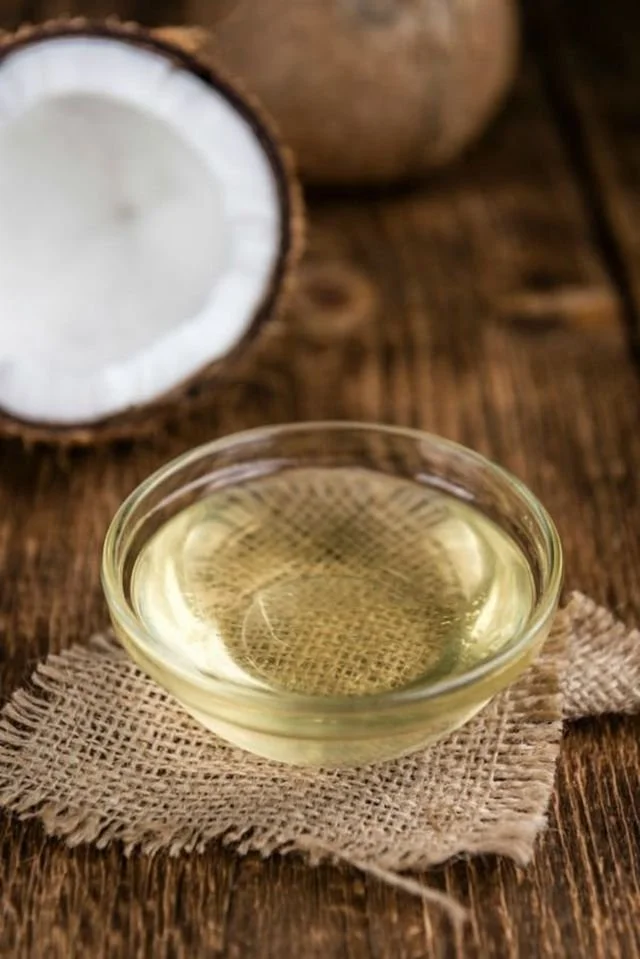
Coconut Oil (expeller-pressed or virgin)
Made from the flesh of the coconut, it’s full of lauric acid, stable even in tropical heat.
It doesn’t oxidize, doesn’t betray you under pressure.
Use it for:
— High-heat stir-frying
— Baking
— Frying pancakes for your babies
— Anything tropical or light
Expeller-pressed is nearly tasteless. Virgin carries a soft, sweet scent.
Both nourish, both endure.
Beef Tallow
The fat rendered from grass-fed cattle—rich in CLA, vitamin D, and truth.
It was once what every home used. Until it was labeled “dangerous” for competing with Crisco (industrial waste/seed oils).
Use it for:
— Golden fries
— Seared meat
— Sautéed mushrooms
— Slow roasts
It feeds the brain. Grounds the body. And smells like old recipes never written down.
When rendered well, its flavor is clean and mild—not “beefy” as many assume. It blends seamlessly into savory food without overpowering it.
But for pastries and sweets, you may want something gentler—like lard or ghee.
Choose: Grass-fed, pure ghee only
Leaf Lard
From pasture-raised pigs, especially the fat surrounding the kidneys—it’s the most delicate, neutral fat of all.
Use it for:
— Pie crusts
— Tortillas
— Fritters and sweet pastries
It melts without a trace. It lets the other ingredients sing.
Despite its source, it doesn’t taste like pork or bacon.
When properly rendered, it’s clean, mild, and beautifully neutral—ideal for baking.
Do not buy supermarket lard. Most are hydrogenated, industrial, and just as toxic as the oils we left behind.
Choose: Pasture-raised pigs, traditionally rendered
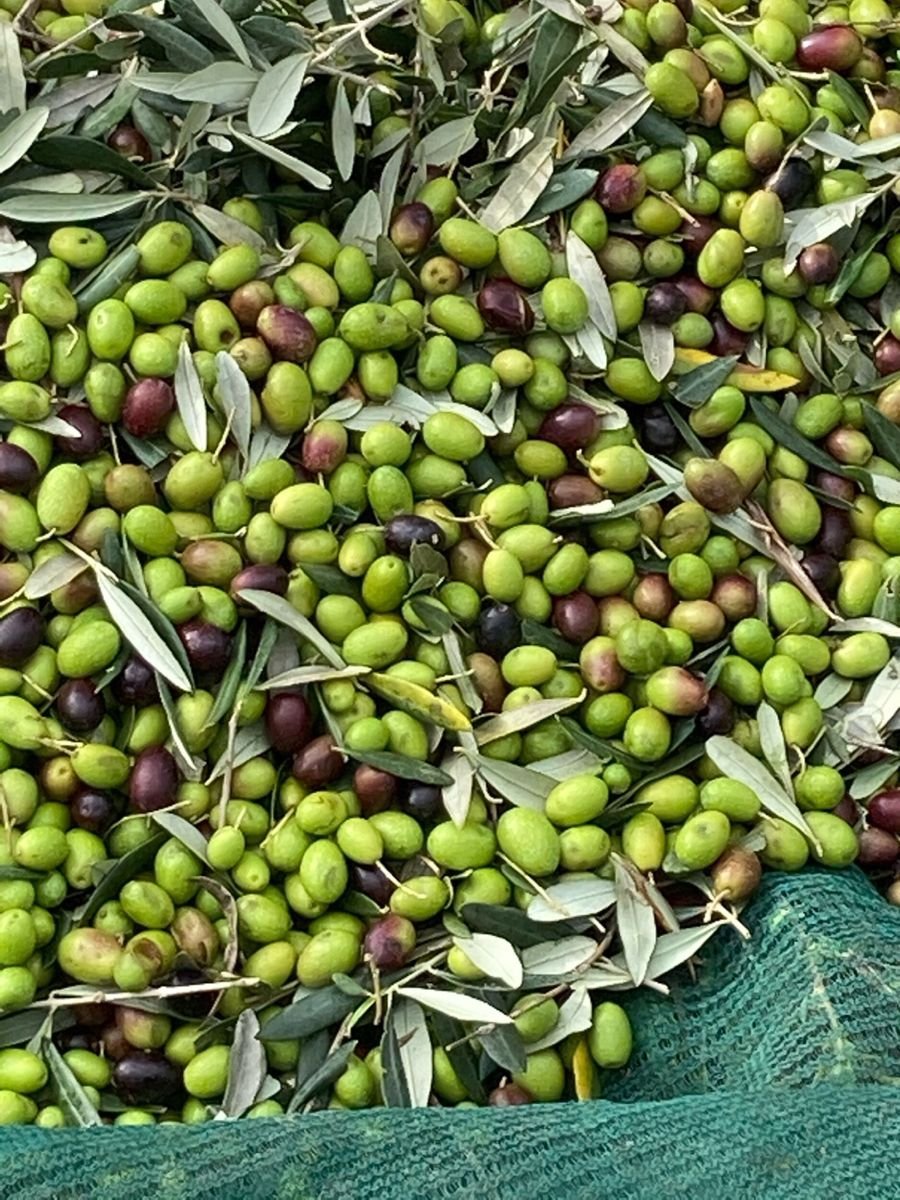
Olive Oil (Cold-Pressed Only)
A holy oil. A covering. A balm. But never meant for fire.
Use it for:
— Dressing food after it’s cooked
— Salad, dips, raw vegetables
— Gentle warm sautéing (not frying)
— Healing—internally and externally
Do not fry with it. Do not bake with it.
It turns bitter when burned. But used right, it’s Scripture in a bottle.
Choose: Cold-pressed only, virgin, in a dark glass bottle
Butter
Yes, real butter. Not blends. Not margarine. Not “light.”
It browns quickly—so don’t fry with it—but it's perfect for:
— Low-heat scrambling
— Finishing sauces
— Spreading on warm bread with honey
— Nourishing your little ones in the quiet hours
Choose: Unsalted, grass-fed
These are the fats that carry what your body remembers. They hold your cells together, they feed your brain, they bless your womb.
They were never banned by God. They were banned by industry. And now—they can return to the homes of those who are no longer deceived.
Download the Printable Guide
Need a reminder by the stove? I created a simple, one-page version of this fat guide you can save, print, or tape to your cupboard.
Here’s a phone friendly version if you rather keep it on your phone rather than your kitchen.
A closing note, and some encouragement…
This isn’t about being perfect.
It’s not about tossing everything overnight or panicking over what’s already in your cupboard. It’s about seeing clearly—so you can choose differently.
Start small.
Swap one bottle for another.
Make your pancakes in coconut oil. Fry your eggs in ghee. Roast your potatoes in tallow just once, and see how it makes you feel.
Trust your body again. Trust what’s simple. Trust what God made to hold up in heat, in time, in life.
The oils you use aren’t just about nutrition. They’re about integrity. They’re about refusing what was never ours to consume. They’re about healing—not only the body, but the home.
You’re not behind. You’re not too late.
You’re just awake now. That’s enough.
Begin now.
Related Reads You’ll Love


In our home, honey isn’t a remedy we reach for in urgency, it’s part of how we live. From scraped knees to face cleanser, discover how raw, local honey became our family’s daily companion for skin, healing, and immunity.