
Healing with Honey: How We Use It Daily
reintroducing A life lived with what was always meant to heal
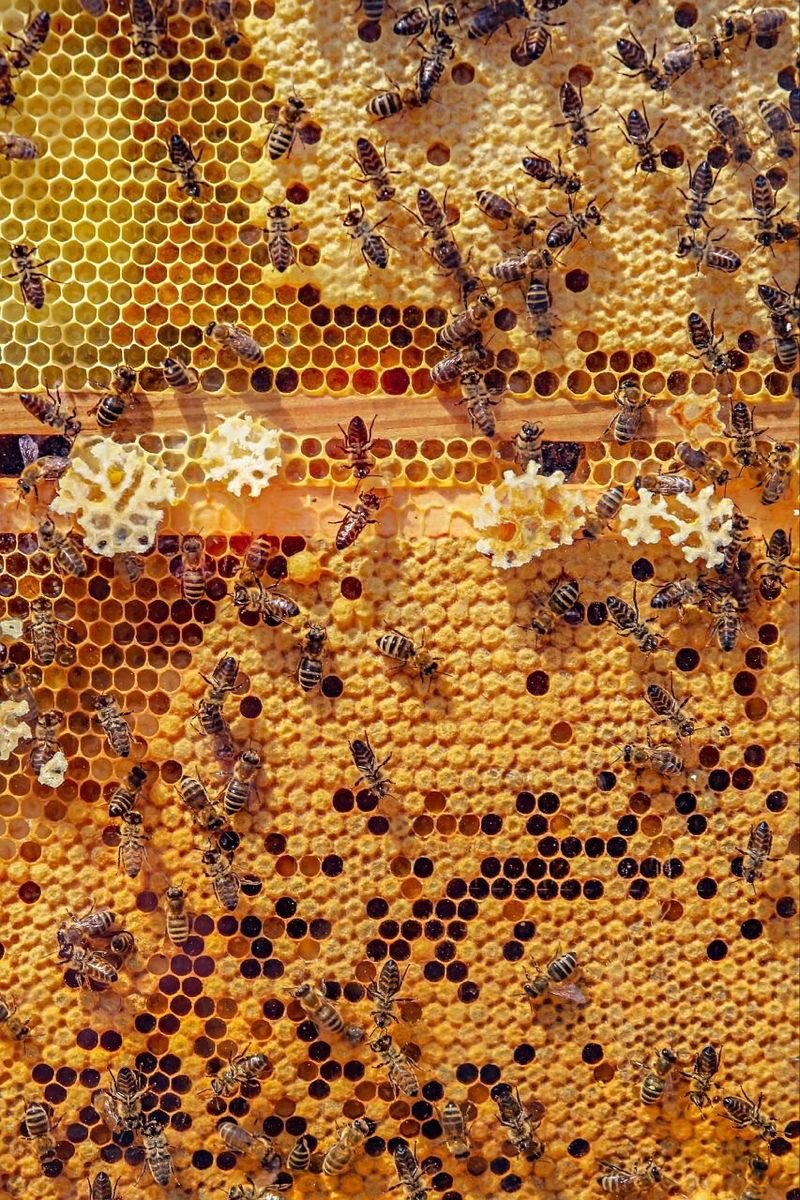
Image source unknown. If this image belongs to you, please contact us for credit or removal.
In our home, honey isn’t something we take when we’re sick. It’s something we live with.
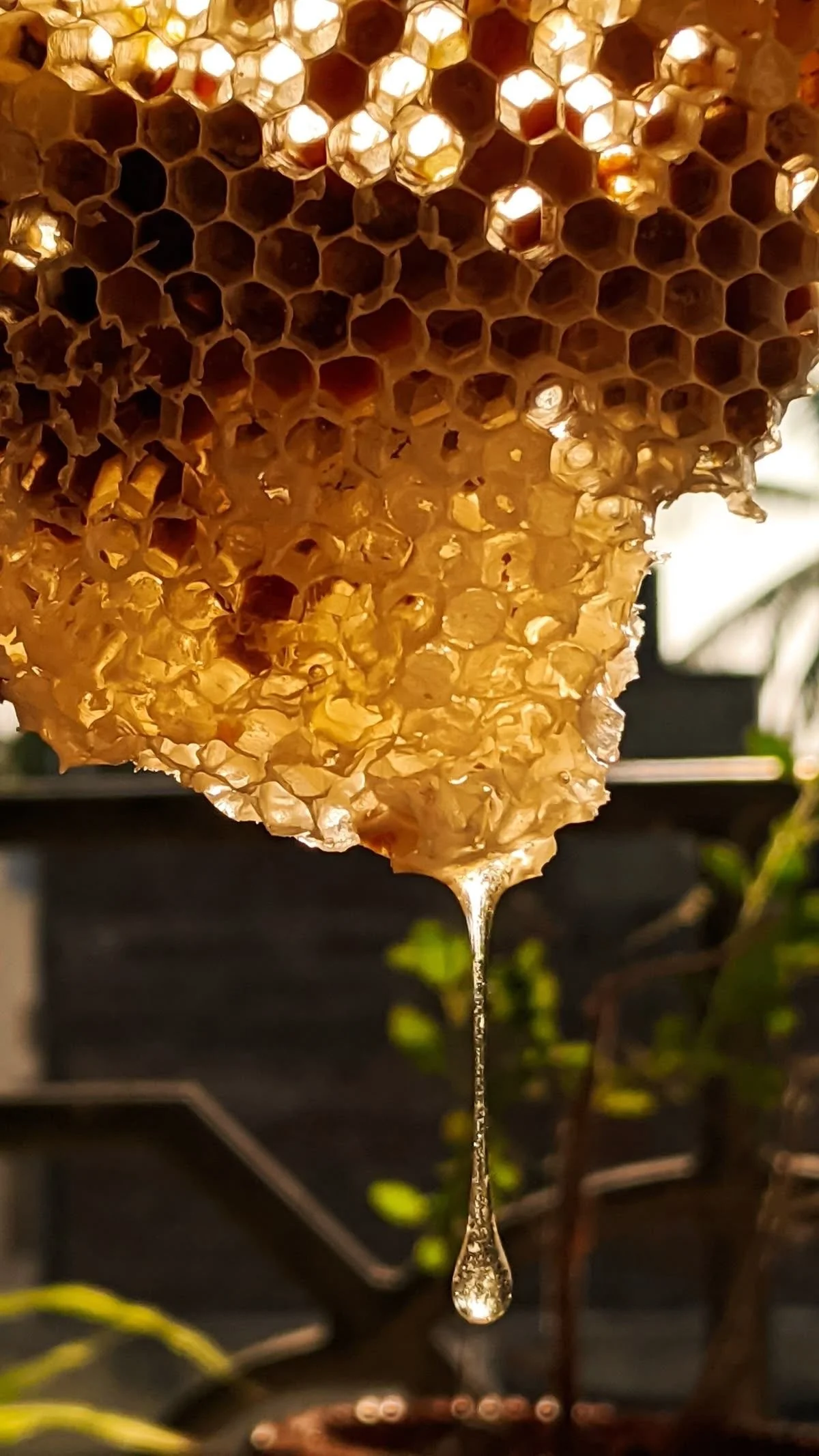
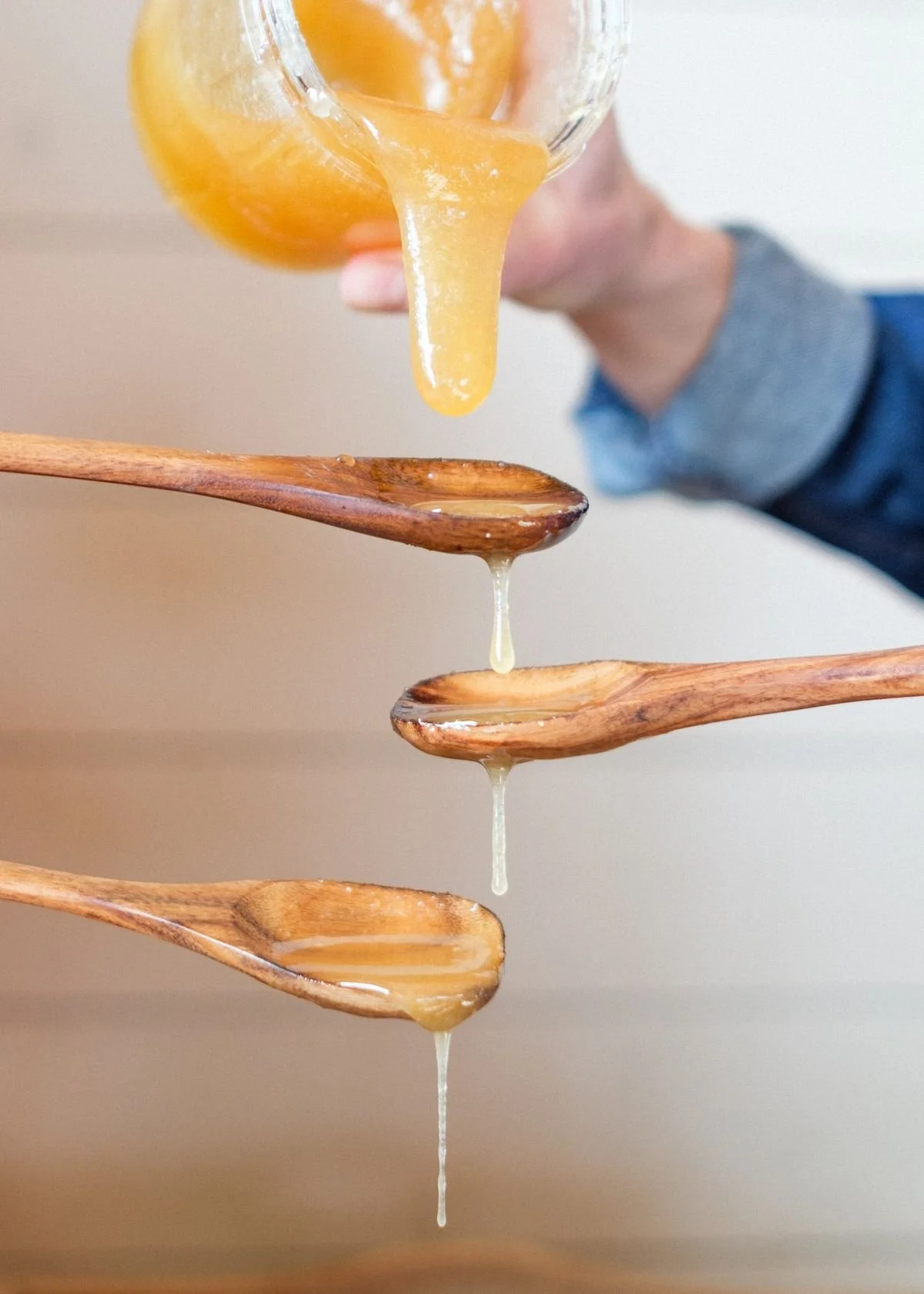
It’s there in the morning, catching the light on the table. It slips into warm milk at night, and into hot or iced teas in the afternoon. It disappears into sauces, cakes, and bread still warm from the oven. We eat it from the spoon, smooth it over skin, stir it into bathwater, press it straight onto scraped knees.
It isn’t a remedy we reach for in urgency, it’s simply part of how we live.
And that changes everything.
Honey as Daily Nourishment
We don’t measure it or ration it, and don’t treat it like a supplement to calculate.
Honey is simply part of our food.
A spoonful on its own when someone passes the jar, folded into yogurt, melted into porridge, or whisked into dressings. It sweetens, yes, but it also steadies. Real honey doesn’t jolt the body the way refined sugar does: it warms, settles and satisfies in a way that feels complete.
There’s something different about a sweetness that still carries minerals, pollen, enzymes, stories. Something that still remembers the field it came from.
If you’ve read What Makes Real Honey Healing, you know that this isn’t romantic language, it’s design.
God built honey with layers (antibacterial, prebiotic, restorative), and those layers remain when it’s left untouched. Strip them away, and you’re left with syrup. Leave them intact, and the body recognizes it as food.
We taste the difference and our bodies do too.
Skin:
Not Stripped but Cared For
I stopped using cleansers a while ago.
No bottles lining the sink, no foam promising clarity. Just honey and warm water.
Massaged gently over the face, it lifts what needs lifting without disturbing what should stay. It softens instead of stripping, and calms instead of correcting. Over time, the skin begins to regulate itself again. Less reaction. Less dryness. Less need for fixing.
It might be old-fashioned, but it works.
Honey was never meant to be isolated into an ingredient in a laboratory formula. It was meant to be used whole.
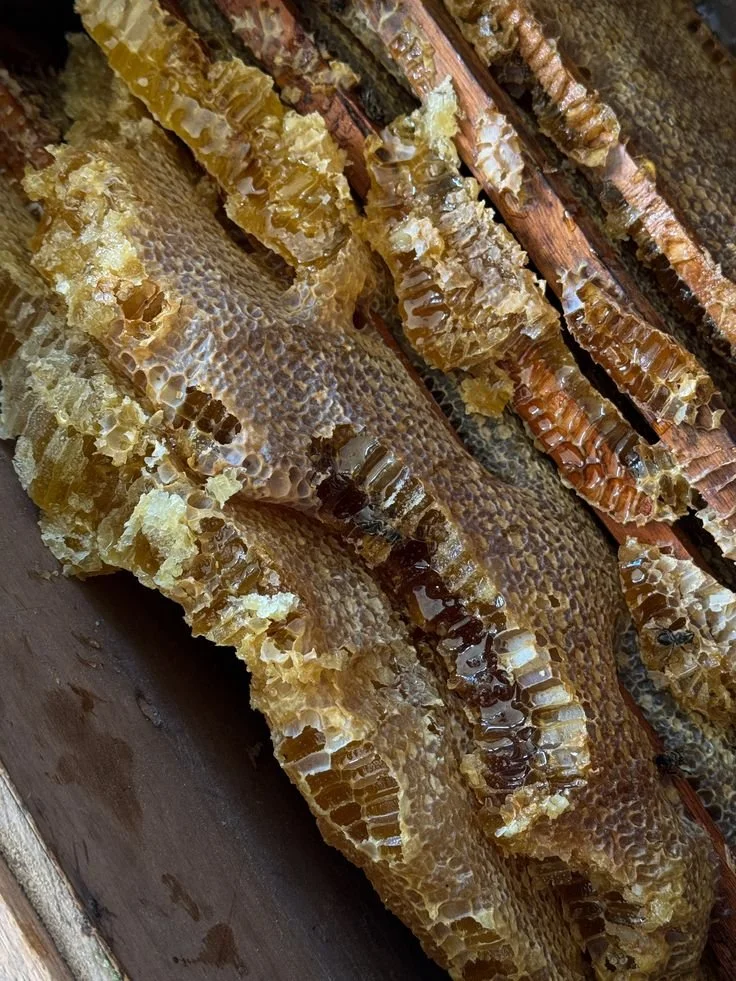
The First Thing We Reach For
When a child falls and skin breaks, when pimple starts to rise, when skin feels itchy or tight, we reach for honey before anything else.
Spread over a scrape, it seals and protects. There is no sting, no sharp chemical scent. Just warmth. The wound closes cleanly, the redness fades quickly, the skin repairs without fuss.
It’s hard to describe the confidence that grows from watching the body heal without panic.
We are not against medicine; but we no longer assume intervention must come first. The Lord provided substances that mend, soothe, and protect long before pharmacies did.
Sometimes the first answer is the simplest one.
Honey in the Bath
There are evenings when the house feels tired: long days, too much wind, too much cold. On those nights, I stir a spoonful of honey into warm bathwater.
The scent is faint but present, water feels silkier, children sink into it without knowing anything special has been added, yet they emerge softer, calmer.
Honey works through the skin as gently as it does through the mouth.
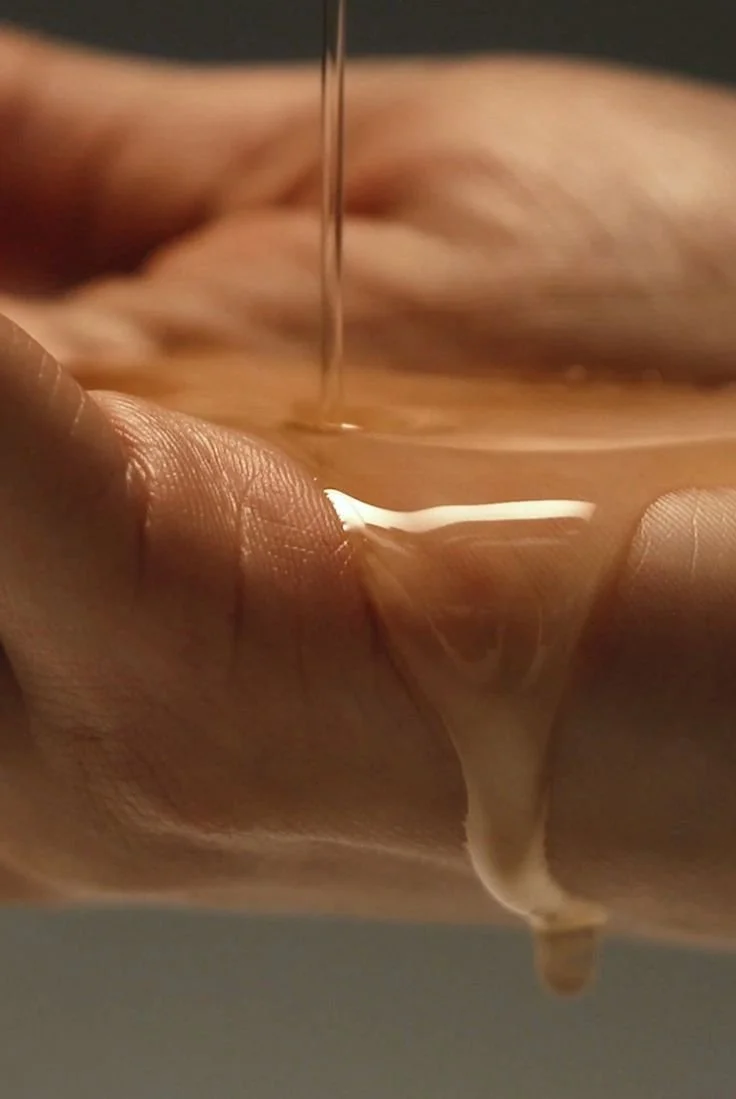
What Changed
We did not begin using honey to “boost immunity”, we simply began using it (among other things) the way it was always meant to be used: daily, locally, without interference.
And soon after, we stopped getting sick the way we once did. No dramatic shift, fewer interruptions. Fewer cough syrups, fewer creams, fewer —if any— medicines. Less cycling through remedies.
Part of it, I believe, is proximity.
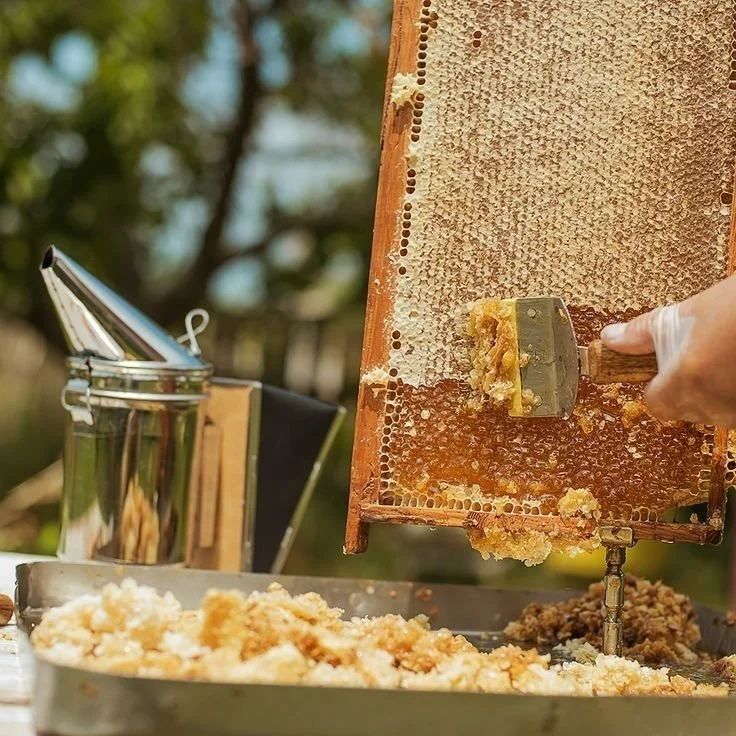
Our children know the beekeeper next door. They’ve seen the hives, watched the frames lifted carefully, learned that bees are not to be feared but respected. They are beginning to build hives themselves. In the near future, there will be one in our own garden.
Immunity is not only biological, it’s also relational. The more we live close to what God made, the less foreign it feels to our bodies.
Living With What Was Given
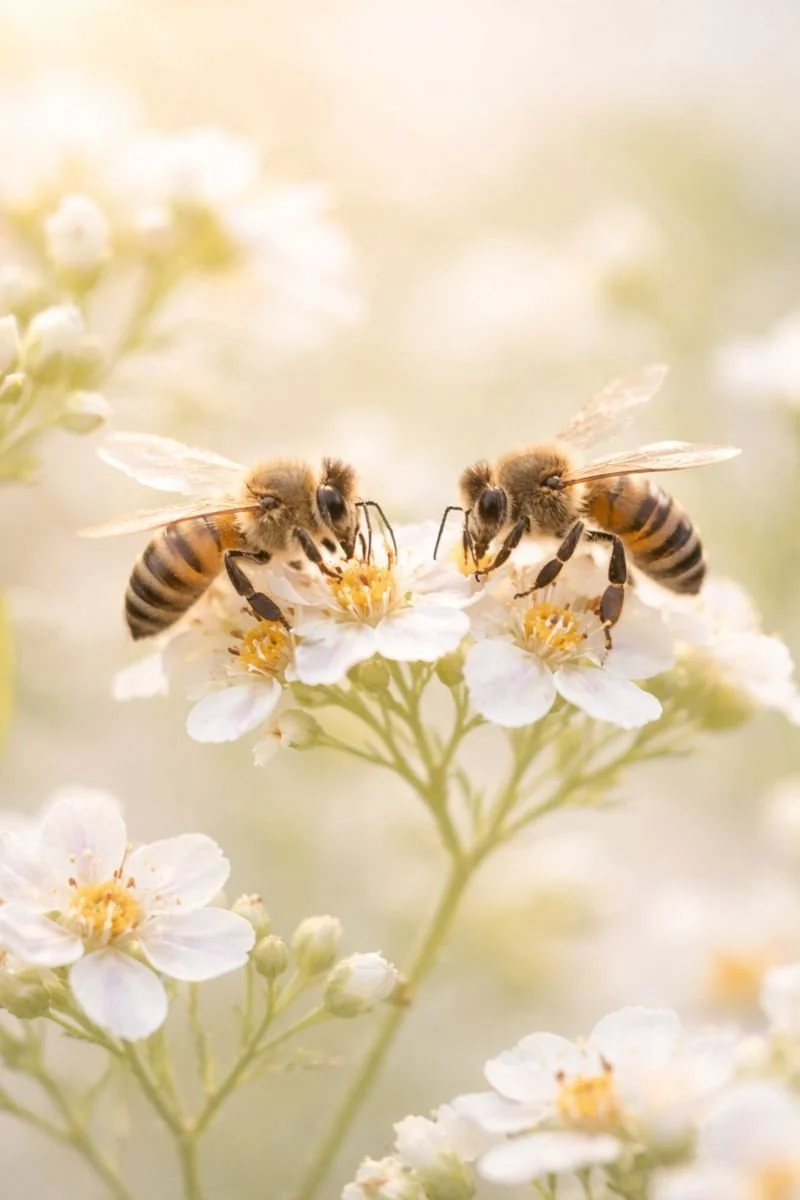
© Joanna Colomas Magazine
Honey has replaced more than products in our home, it has replaced reflexes.
We no longer reach first for something manufactured when something aches or flares, we reach for what was already here.
This isn’t about rejecting modern life. It’s about remembering that provision was written into creation from the beginning.
Every drop of real honey carries sunlight, wildflowers, the labor of bees, and the omnipresent generosity of God.
When we use it daily not fearfully, not ceremonially, but faithfully, we are participating in that design.
And that, more than anything, is what has changed our home.
“Pleasant words are like a honeycomb, sweetness to the soul and health to the body.” — Proverbs 16:24
Sweetness and health were never meant to be separated.
Featured Articles
DAUGHTERS OF ZION
Join a private space for daughters of God — a community of women who walk in truth and share a heart for faith, family, and home

Raw honey heals because it was designed to. From antibacterial enzymes to pollen, propolis, and wax, this article explains what gives real honey its power, and why most modern honey no longer carries it.