
How to Find Real Honey Today
A GUIDE TO SOURCING RAW, LOCAL, UNFILTERED HEALING HONEY
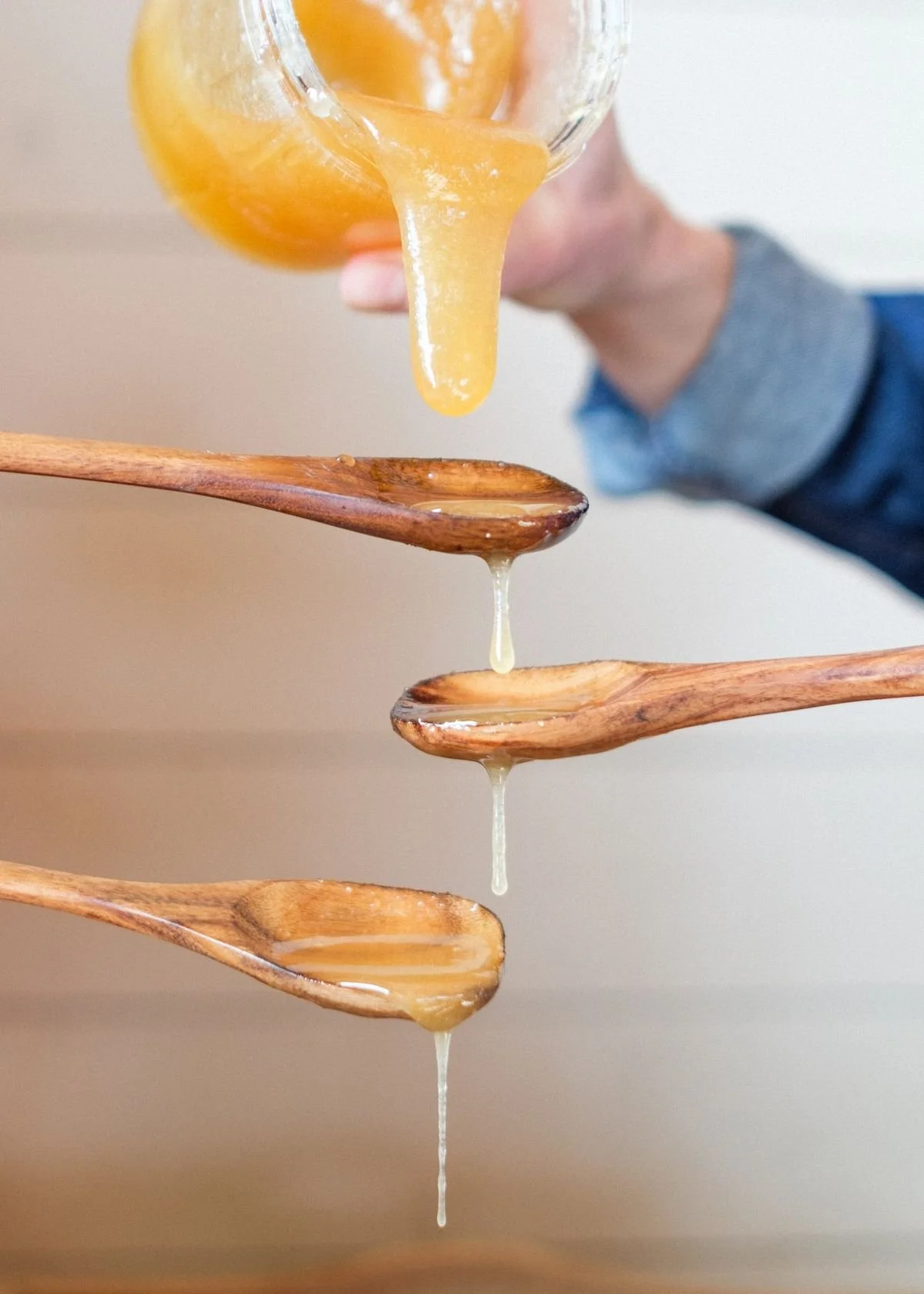
There was a time when honey was honey: you knew the hands that jarred it, the land that bloomed it, and the bees that made it.
But those days are fading, and in their place, plastic bottles line shelves, dressed in gold foil and soft promises, hiding behind words like “organic” and “pure, while inside, they hold nothing but syrup and sorrow.
Not all is lost.
Real honey still exists. It’s still gathered, still gifted, still glowing on the shelf of a farm stand or nestled in your neighbor’s pantry, you just have to know how to find it.
This is your guide: to traceable truth, unbroken supply chains, and jars that hold not only sweetness, but life.
Why Most Honey on Shelves Isn’t Real Anymore
The majority of honey sold in supermarkets (yes, even those you picked explicitly with reassuring labels such as ‘natural’, ‘pure’ or ‘organic’) is filtered, blended, ultra-heated, and often mixed with sugar syrups to cut cost and extend shelf life. Industrial blends with removed pollen, enzymes, and natural waxes; they strip honey of its medicinal properties and any trace of its botanical or geographical identity.
Worse, regulatory loopholes allow “honey” to carry the label even when it contains none of the elements that define it.
A sweetener? Yes. A healer? Not anymore.
What to Look For:
Non-NegoTiables for Real Honey
When searching for honey that nourishes, heals, and honors God's design, prioritize:
RAW
Unpasteurized and unheated. Heating even ‘just’ above ~35°C (95°F) destroys enzymes and antimicrobial properties.
Real honey may crystallize or vary in texture, that’s a good sign.
LOCAL
Bees that forage nearby collect pollen from your environment, aiding seasonal immunity.
Supporting local beekeepers also means transparency and traceability.
SINGLE-ORIGIN
Not blended. Not “a product of multiple countries.”
You want honey from one place, one harvest, one set of hives.
UNFILTERED
To retain its richness, look for “unfiltered”, “strained” at most, not ultrafiltered.
Visible bits of pollen, propolis, or wax? That’s real.
UNHEATED
Some small beekeepers use low, gentle warming (~30°C) to pour more easily, but never high heat. Confirm this if possible.
Questions to Ask Before You Buy
Whether at a farmers market, local shop, or online:
Is this honey raw/unheated?
Is this filtered honey? If so, how?
Is this from a single origin or blended?
Where are the hives located?
What plants or blossoms do the bees forage from?
Is anything added to the honey? Syrups, flavoring, essential oils?
Are the bees treated with antibiotics or chemicals?
What is the harvest date? (Honey does not go bad, recent harvests only indicate it hasn’t been warehoused for years.)
Beekeepers who make real honey will gladly answer, those who avoid your questions, don’t know, or give vague answers, often don’t work with the bees directly, or are simply reselling.
Red Flags to Watch Out For
“Product of EU & Non-EU Countries” (a red flag for global blends)
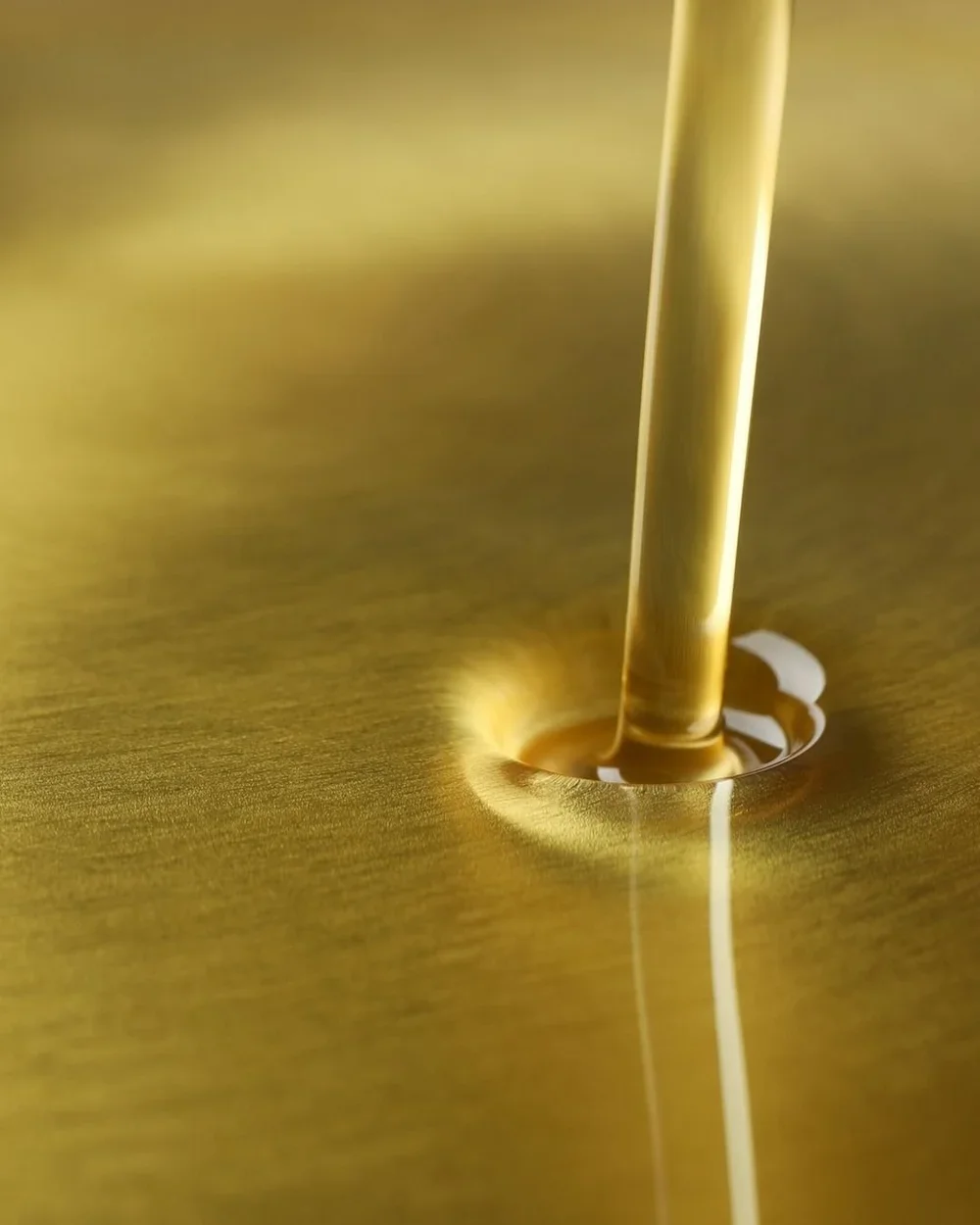
Ultra-clear, golden liquid (filtered and pasteurized for uniformity)
Labels that list “honey blend,” “infused with,” “light honey,” or “pasteurized” (although even when not mentioned it is likely pasteurized)
Shelf-stable for years with no crystallization
Added “natural flavors,” essential oils, or coloring
Vague origin, no mention of the beekeeper or location
Too cheap to be real: true honey is time-intensive to produce
Where to Start:
Sources You Can Trust
Local Farmers Markets
Talk to the beekeeper directly. Ask the questions above.
Beekeeping Communities
Local Facebook groups or forums often have recommendations.
CSA (Community Supported Agriculture) Boxes
Many include honey from nearby farms.
Online Marketplaces
Only buy from trusted sites where the source, treatment, and harvesting methods are clearly disclosed.
Specialty Organic Stores (last option)
Look for jars labeled raw, unfiltered, single-origin, with harvest info.
What About Manuka, Acacia, and Other Specialty Honeys?
These can be real and healing, but many are now industrialized too. If you buy Manuka, for example, ensure it’s certified (UMF™ or MGO rated), from New Zealand, and preferably from a small producer.
But remember: real local honey, made from wildflowers and weeds, is often more powerful than expensive imports if it’s fresh, unadulterated, and alive.
A Last Note
When you choose real honey, you’re not just sweetening tea. You’re supporting pollinators, nourishing your immune system, reclaiming healing from those who tried to patent it, teaching your children about nature, the land, and the hand of the Creator.
You’re tasting something that hasn’t been rewritten.
And in a world of imitation, that matters more than ever.
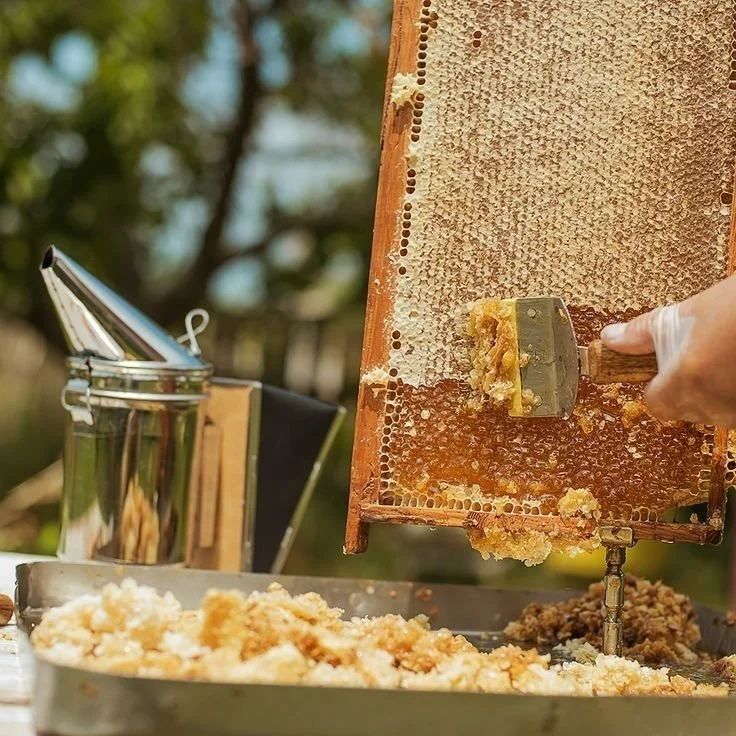

Most honey isn’t honey anymore. It’s been stripped of its pollen, diluted with syrup, and scrubbed of its healing power. Even your ‘organic’ and ‘natural’ honey. This is the story of how it happened, who did it, why, and how to reclaim the real thing.