
Nature Study When You Live in a City
Every nature study photograph looks the same. A meadow. A child with a magnifying glass kneeling in long grass. Nobody's neighbour is parking a van four feet away.
I know what that picture does to a mother in a flat with a balcony, because I have felt it myself. It says: this is not for you. Come back when you have land.
That is nonsense, and it is worth saying plainly.
The earth is the LORD'S, and the fulness thereof; the world, and they that dwell therein. — Psalm 24:1, KJV
© 2026 Joanna Colomas Magazine
The Sky Above a City Is the Same Sky
When I consider thy heavens, the work of thy fingers, the moon and the stars, which thou hast ordained. — Psalm 8:3, KJV
This is the part that changes everything, and almost nobody says it.
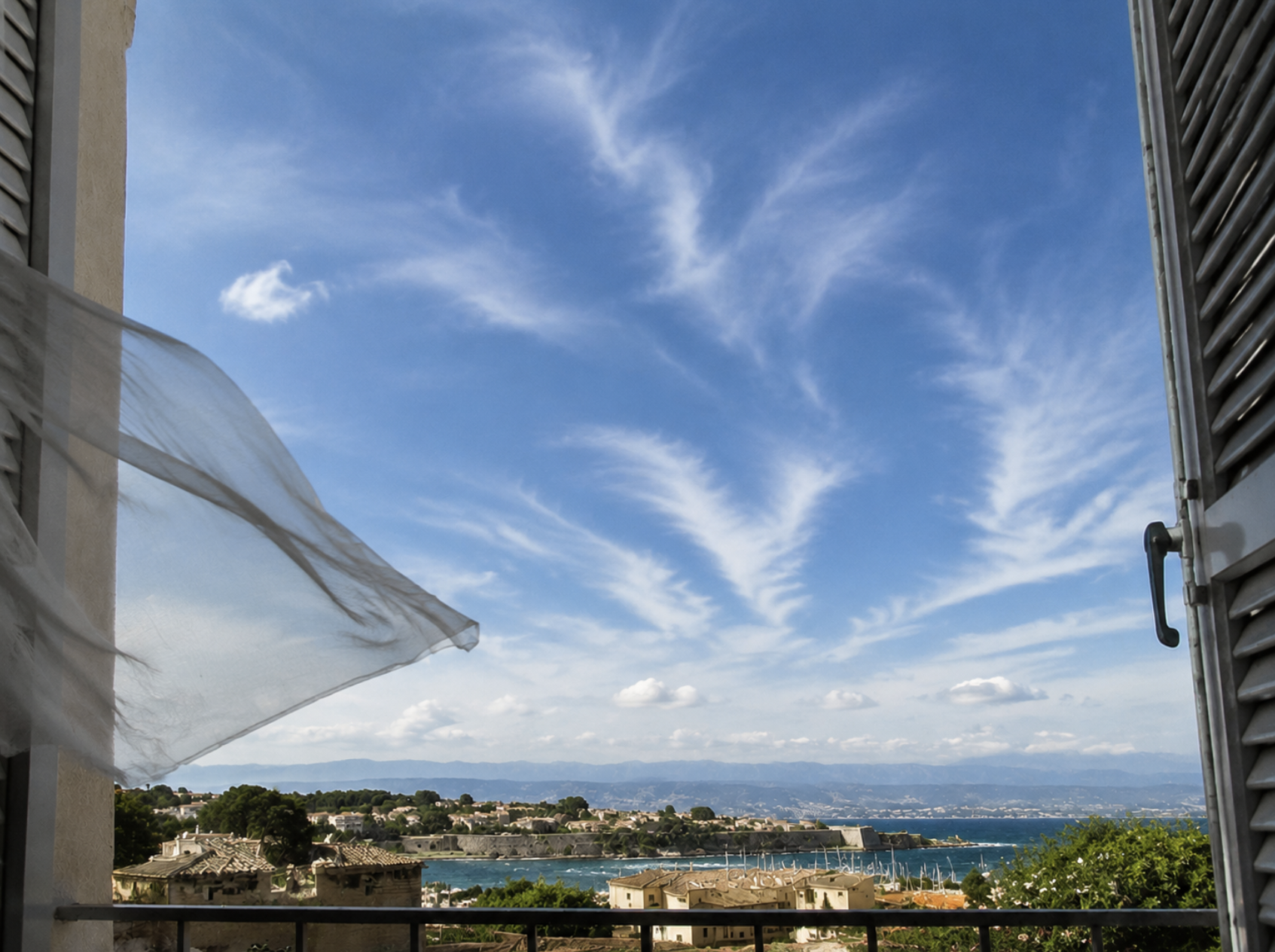
You may not have a hedgerow. You may not have a pond, or a wood, or a single tree you are allowed to touch. But the sky over your street is the identical sky over the meadow in the photograph. Same clouds. Same wind. Same birds crossing it. Same moon, at the same phase, on the same night.
There is no such thing as a lesser sky. It is the one part of creation that was never divided up, and your children have as much of it as anyone.
Choose a Standing Place
He hath determined the times before appointed, and the bounds of their habitation. — Acts 17:26, KJV
© 2026 Joanna Colomas Magazine
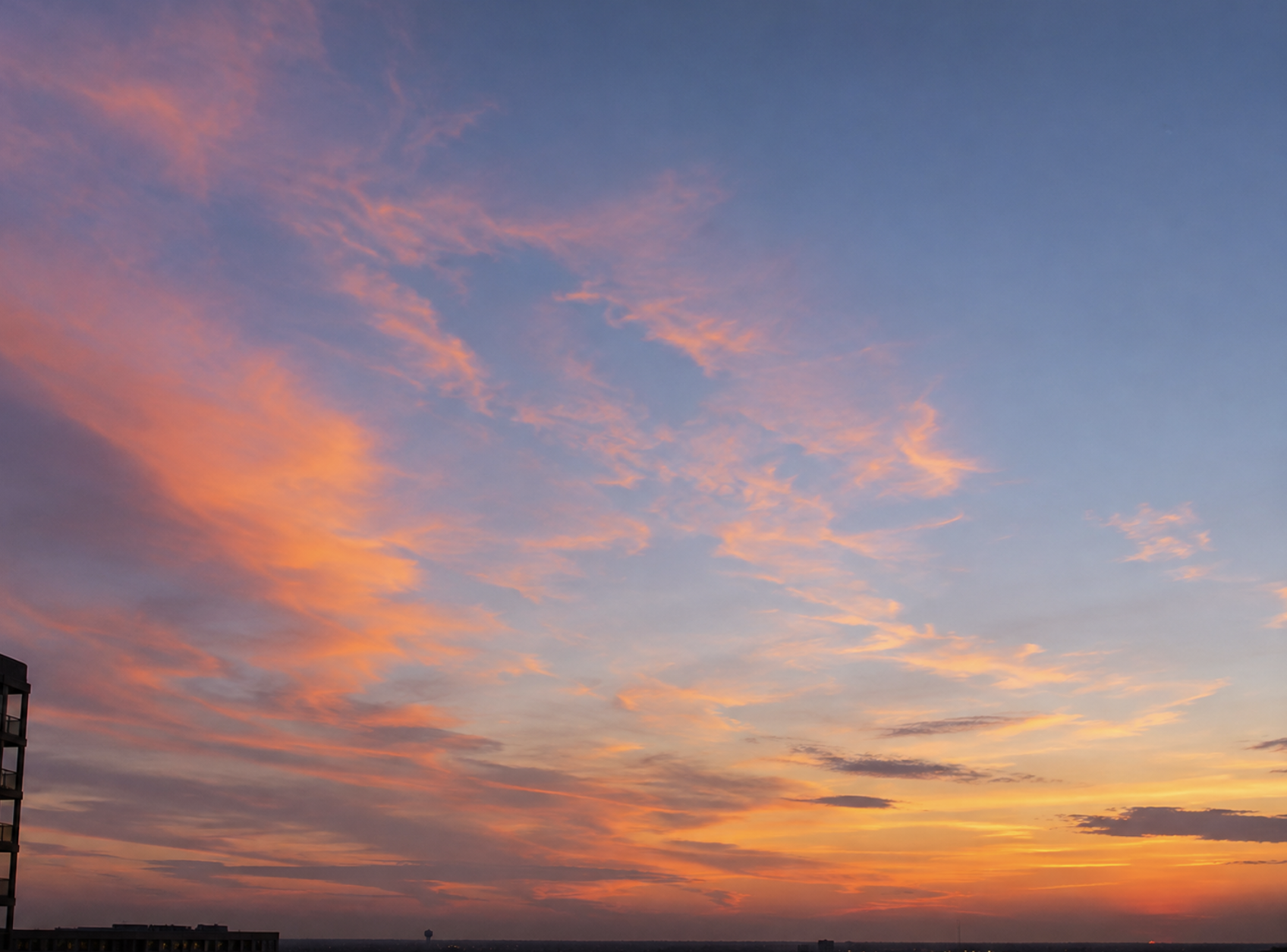
Here is where to begin, and it takes one minute.
Find a spot you can reach in under sixty seconds, in any weather. A doorstep. A landing window that opens wide enough to lean out of. One corner of a balcony. A step by the bins, honestly, if that is what you have.
It does not need to be pretty. It needs to be easy, because you will come back to it far more often than you expect, and the ones people choose for beauty get used twice.
Then find one thing near it that does not move. A chimney. A lamp post. The edge of the roof opposite. That is your fixed point, and from now on everything in the sky gets measured against it. Clouds pass it. Birds cross it. The moon sits above it or below it.
Ours is a telephone pole. It is not beautiful. It has told my children more about the wind than anything else we own.
What a City Gives You That a Field Does Not
Are not two sparrows sold for a farthing? and one of them shall not fall on the ground without your Father.— Matthew 10:29, KJV
This is not a consolation prize. There are things your children can observe that a child in a meadow genuinely cannot.

© 2026 Joanna Colomas Magazine
Wind behaves visibly around buildings. In an open field, wind is just wind. In a street it splits, funnels, drops to nothing behind a wall and roars at the corner two steps later. Stand your child at the end of a building and then behind it. That stillness is made of something. You cannot teach that in a field.
Birds use structures, and structures let you watch them. Ledges, eaves, gutters, aerials, scaffolding. A city bird is often at eye level and often unbothered by you, which is the opposite of every bird in a hedgerow.
Straight lines cross your sky. Aircraft leave trails of ice crystals. Some vanish in seconds; others widen and soften for an hour until you cannot tell them from natural cirrus. Watching one fade or spread is a real observation with a real answer, and it happens over cities far more than over fields.
Note:
And you can measure the light. Count what you can see from your street. Then count from somewhere darker that you already know in daylight, with an adult. The difference is the lesson. Not a sad one — a real one.
I will not pretend otherwise: you will see fewer stars from a lit street. Most families will never stand under a wilderness sky, and promising one is the fastest way to lose them. What I will say is that your eyes keep improving for half an hour in the dark, and almost nobody waits long enough to find out what their own street can offer.
The Ten-Minute Version
Be still, and know that I am God. — Psalm 46:10, KJV
On the days when there is nothing left in you:
Open the window. Look up. Say what colour the sky is at the top and what colour it is at the edge — they are almost never the same. Count the eighths of it that have cloud. Notice one thing that is moving.
Then close the window.
That is a complete observation. Write it down if there is a pencil nearby, and do not if there is not.
You Are Not Behind
The child in the meadow photograph is not ahead of yours. They are looking at grass while your child is learning to read the air over a street — and both are skills that travel.
A child who can look up from a balcony can look up anywhere, for the rest of his life. That is the whole of it, and no garden is required.
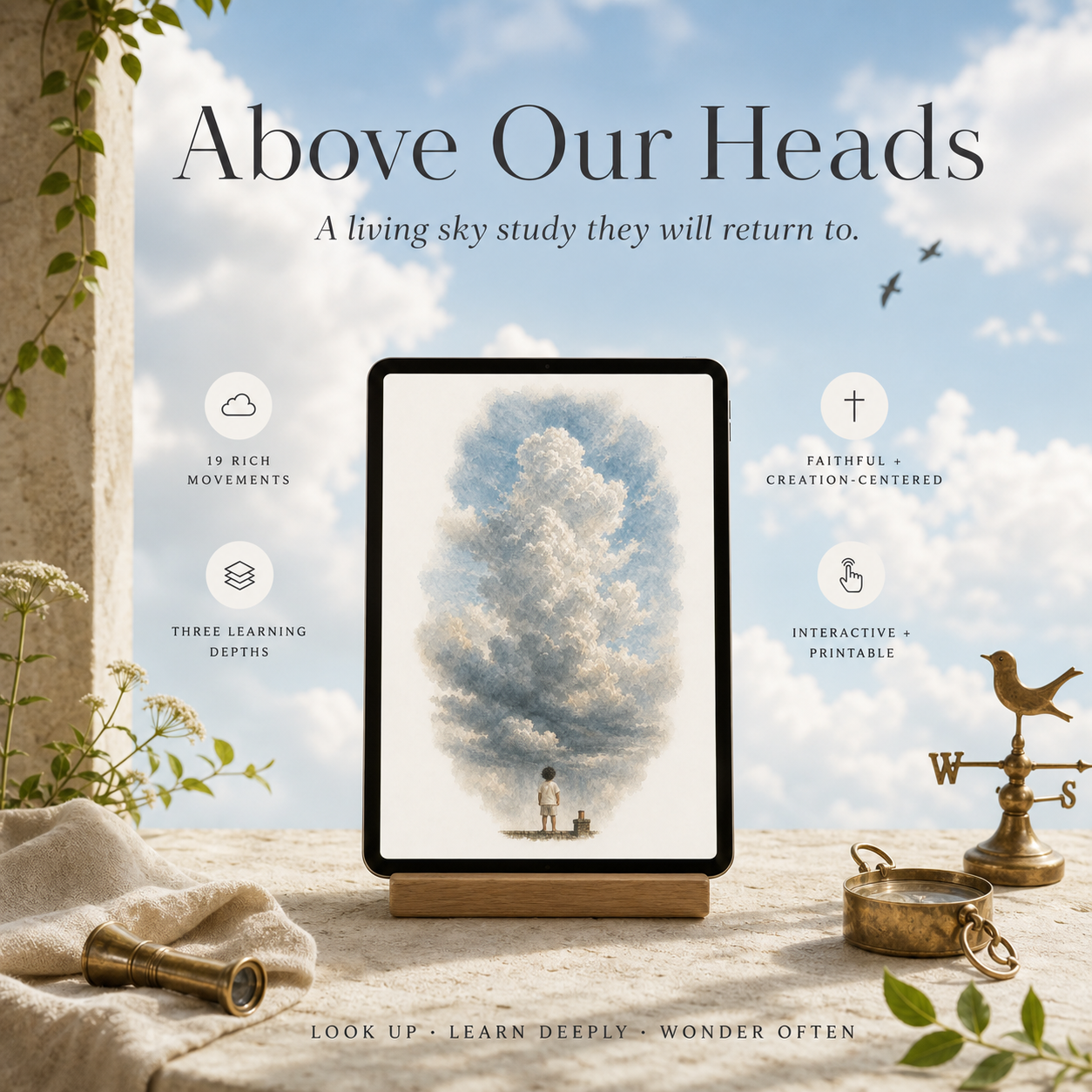
Above Our Heads is our sky study for ages 4 to 14 (it adapts).
Every of its 18 movements can work from a doorstep, a balcony or a window that opens — it was written that way on purpose.
The sky has been there the whole time
Your child has walked under it every day of their life and has probably never once been shown what to look at. Not because you failed to teach it — because nobody teaches it. We name clouds on a poster and move on.
Above Our Heads does the opposite. Your child chooses a standing place they can reach in under a minute, and a fixed point that does not move — a tree, a chimney, the edge of a roof. Everything in the sky is then measured against it. Clouds pass it. Birds cross it. The moon sits above it or below it.
From that one small decision, eighteen movements unfold.
What your child becomes
Not a student filling in blanks — a keeper of the sky.
- Reads a cloud by its shape and its base, and knows which two carry the rain
- Estimates sky cover in eighths, the way weather services actually record it
- Finds the wind without feeling it, by what it is doing to everything else
- Reads the signs before rain and writes them down before the first drop
- Names a bird by how it flies when they cannot see its colors
- Knows what a feather is built from, and why the parts hook together
- Watches a nest from far enough away that the parents keep coming back
- Tells weather from climate, and knows why one can be watched and the other cannot
- Tracks the moon for a full month and then reads their own record back
- Waits twenty minutes in the dark and watches a sky fill with stars that were there all along
And underneath all of it — patience. The sky does not perform on demand. It teaches a child to wait, and that is the deeper subject of the whole experience.
The month-long one
On the first day, your child opens a strip of thirty circles. Every time they happen to see the moon, day or night, they fill one in and date it.
Nothing is explained. Nothing is taught.
Four weeks later, Movement XVII opens — and it teaches your child nothing about the moon. It asks them what their own strip already knows. The pattern was in their handwriting the whole time.
Nothing else in this book takes that long, and nothing else lands like it does.
What is inside
The Experience
The interactive edition, opening in any browser on any device. Eighteen movements, a menu you can reach from any page without losing your place, and an evening mode that turns the whole book dark for early mornings and night skies. Every observation your child makes is kept. Their sky records, bird records and moon strip build across weeks and are read back to them later in the book.
Ten field cards
Pocket cards to carry outdoors. Reading a cloud. How much sky is covered. What the wind is doing. Before rain. Shapes that cross. Wings and what they do. Inside a feather. Beaks and feet. Nests from a distance. The moon this month. Plus the keeper's code and one blank, because ten was never going to be enough.
The printed Field Book
Three A4 files to print and write in, with the ruled lines already on the page. Print what you will use and leave the rest.
Eighty original paintings
Every plate in this book was painted by hand for it.
For the parent
A short, calm word for you. How to help without turning it into school, plain safety, and what to do on the tired day.
Faith at the foundation, not the edges
The works of the Lord are great, sought out of all them that have pleasure therein (Psalm 111:2). Scripture runs through this as its source, not its decoration. Your child learns to receive creation with gratitude before ever asking what could be done to it — that observation comes before intervention, stewardship before control, and that human wisdom has limits. All Scripture is King James Version.
Built for real family life
The weather decides, not the page order. Use the weather door: if it is windy, do the wind. If the moon is up, do the moon. The linear path is there for anyone who wants it and it is not the only way through.
Bad weather? An open window is a real observation post. So is a windowsill and ten minutes.
More than one child? Three depths — Early Years, Curious Years, Capable Years — run through every movement, so a four-year-old points at a cloud while a twelve-year-old times it and names the family. One sky, several depths, shared.
No printer? The Doorway stands alone. The printables wait.
City sky? Every movement works from a doorstep, a balcony or a window. The book never promises a wilderness sky, because most families will never stand under one.
Watched, never disturbed
The keeper's code comes before the first movement, and almost every line of it is something your child does not do. Nests are watched from a distance that lets the parents keep coming back. Nothing is touched — not nests, not eggs, not chicks. Recorded bird calls are never played outdoors. A feather is drawn where it lies. Nobody looks at the sun, at any time of day, through anything.
Every safety statement and every scientific claim in this book was checked against national weather services, ornithological bodies and space agencies before it was written.
Works anywhere in the world
Nothing here depends on your hemisphere, your latitude or your season. No planets are named, because which ones are up depends entirely on the date. No wind direction is called cold. The moon wording works north or south of the equator. Your child learns their sky, wherever they are standing.
The details
- Format: 1 interactive edition (any browser, any device) + 4 print-ready A4 files
- Length: 18 movements · 10 field cards · 80 original paintings · a 30-night moon strip
- Ages: 4–14, with three built-in depths
- Scripture: King James Version throughout
- Subject: Sky, weather, clouds, birds, feathers, nests, light, the moon, first stars
- Use: Homeschool, Charlotte Mason and nature-study families, Christian education, summer learning, family field days
- Delivery: Instant digital access. No account, no app, nothing to install.
One enormous sky, and one small person underneath it with their head tipped back.
You Might Love…
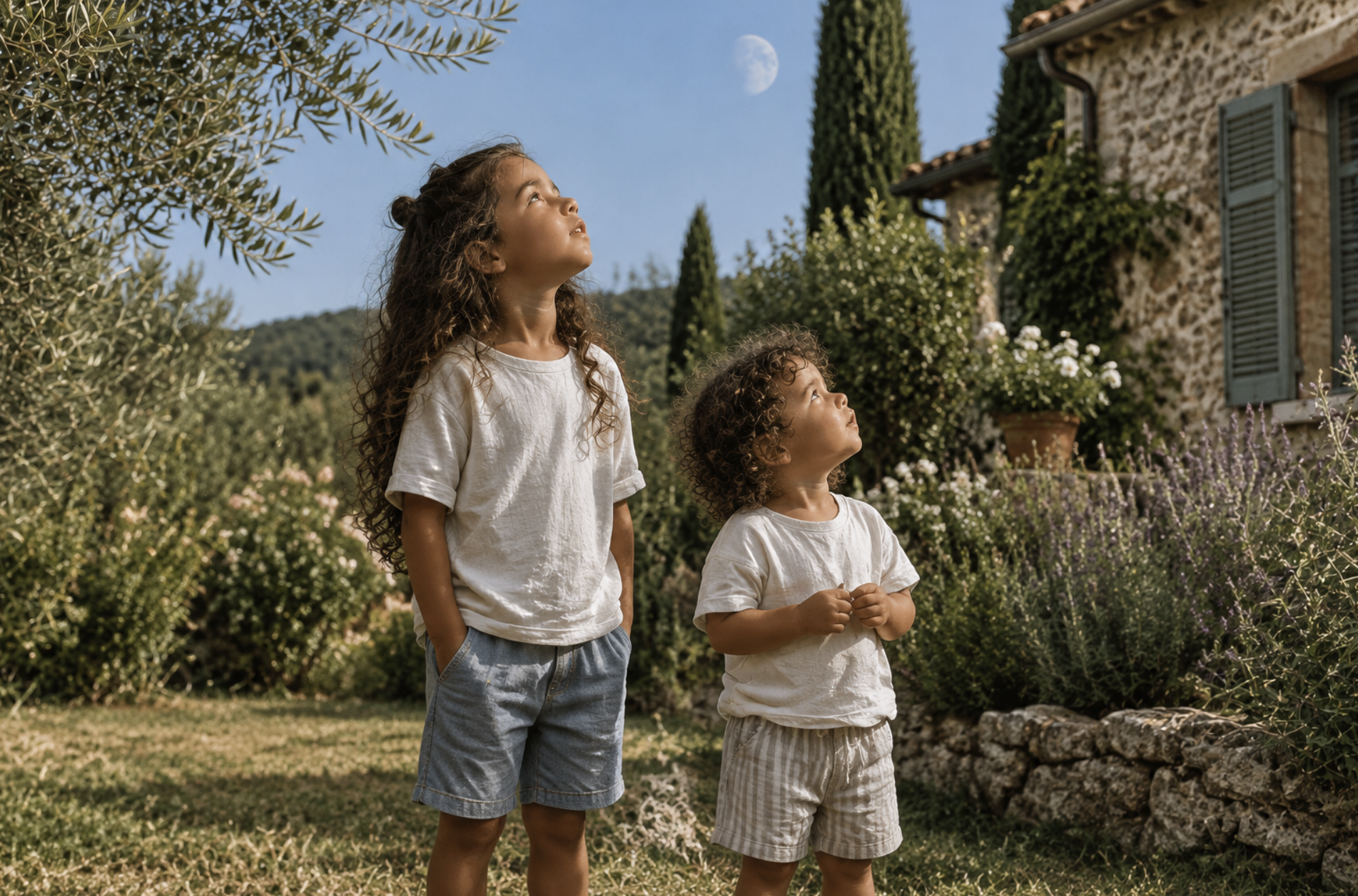
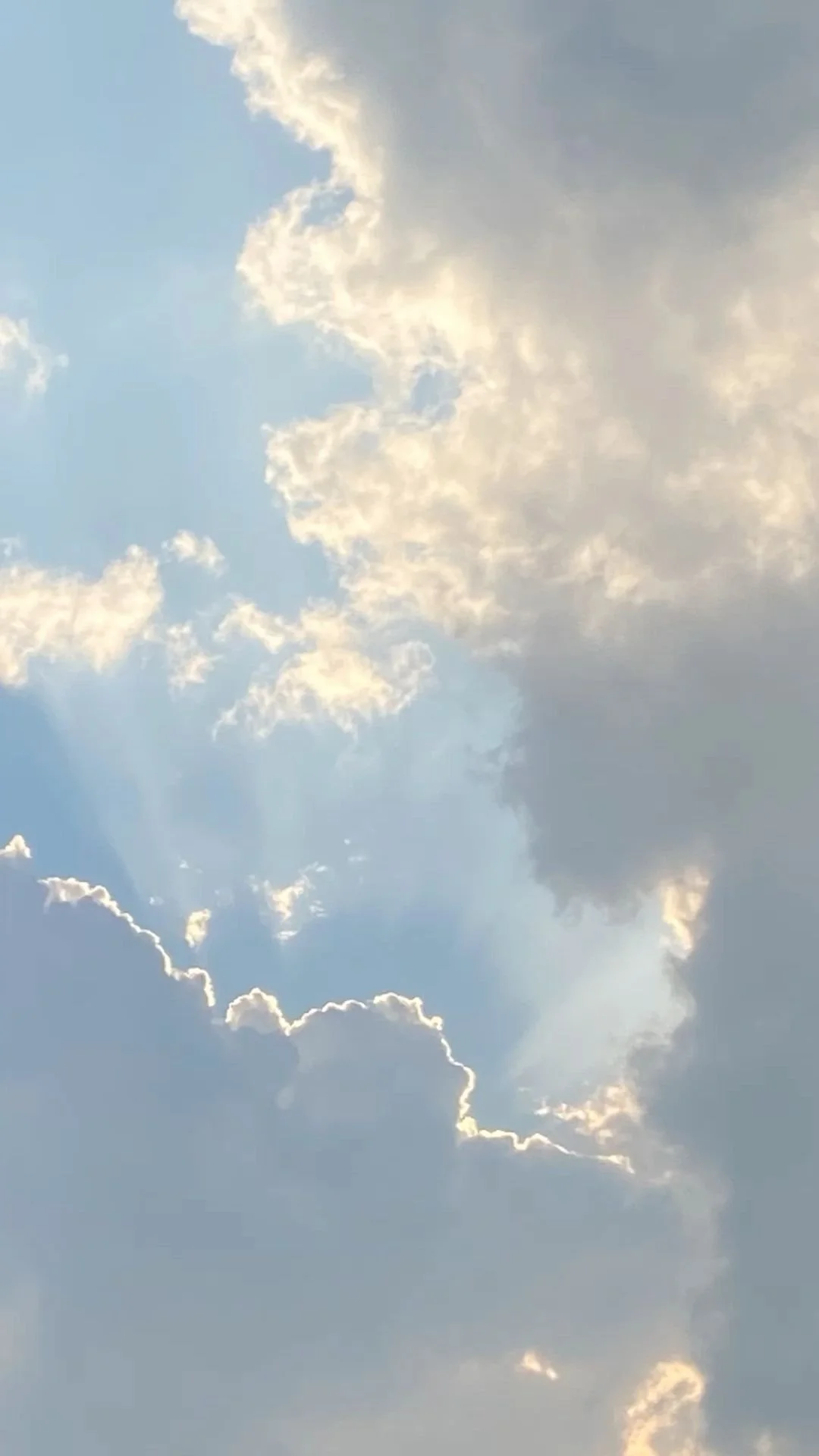

You do not need a forest, a garden, or a car. You need a window that opens and somewhere to stand — and a city gives your children things a field never will.