
A Complete Guide to Choosing Real Salt for Health, Healing, and Wholeness
Living Minerals
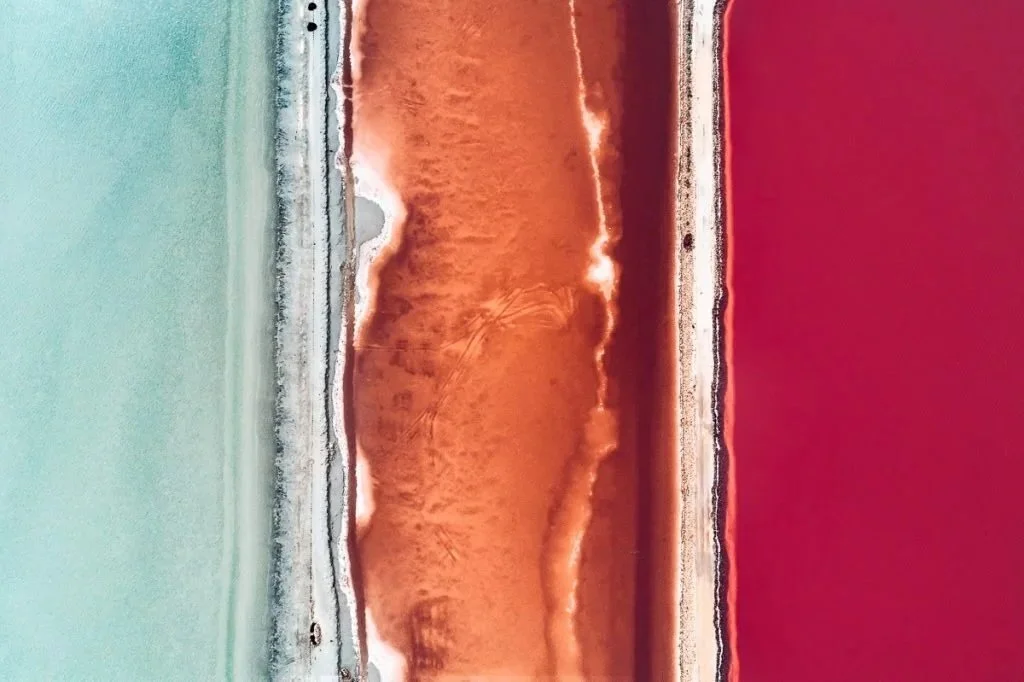
Why Real Salt Still Matters
This guide is a companion to the exposé Salt of the Earth, which revealed how our modern food system replaced God-given minerals with a lifeless substitute. But now that you know the truth, how do you return to salt that supports, heals, and restores?
This is your answer.
Real salt is not just seasoning. It’s mineral memory. It carries the signature of oceans, mountains, and time. When unrefined, salt delivers electrolytes, supports adrenal function, restores hydration, and tastes alive.
This guide will help you understand what each real salt offers, how to use them, and which one fits your needs best.
The Main Types of Real Salt
Each salt listed below is unrefined, mineral-rich, and alive. These are not the white powders of industry, but the textured, colored, moisture-loving salts of creation.
Celtic Sea Salt
(France)
Color: Light grey, moist, slightly sticky
Taste: Bold, oceanic, slightly briny
Rich in: Magnesium, calcium, potassium
Best for: Hydration, adrenal fatigue, mineral balancing, electrolyte drinks
Use: Daily seasoning, morning pinch in water, broths, ferments
Notes: Always choose "light grey" or "Sel Gris," hand-harvested and sun-dried, grind at home

Image of workers harvesting Celtic grey sea salt in France, source unknown. If this image belongs to you, please contact us for credit or removal.
Guérande Salt
(France)
Color: Pale grey to beige, less moist than Celtic
Taste: Milder than Celtic, clean and mineral-rich
Rich in: Calcium, magnesium, trace ocean minerals
Best for: Daily use, table salt alternative, mild palates
Use: Cooking, finishing, ferments, salting water
Notes: Harvested from the same marshes as Celtic salt but from lower layers. Slightly drier, more versatile for everyday cooking
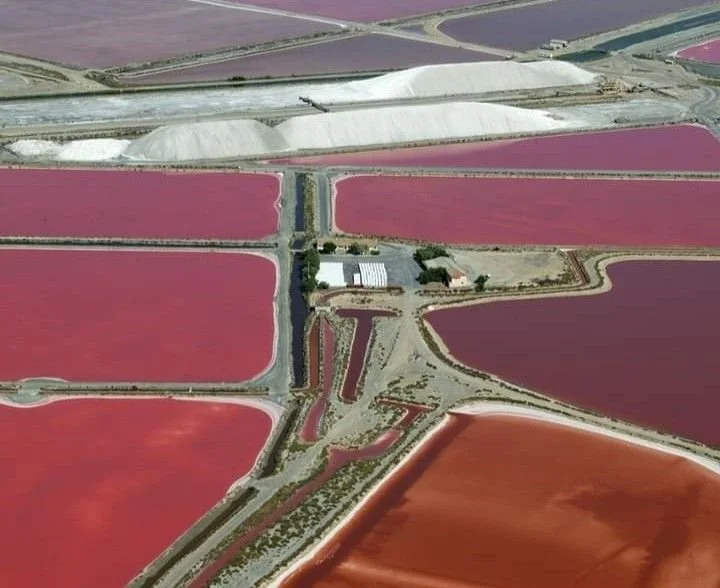
Image Les Salantes d’Aigue-Mortes, source unknown. If this image belongs to you, please contact us for credit or removal.
Sel Marin
(Unrefined Sea Salt)
Color: Off-white, slightly sandy or flaky
Taste: Mild, clean, mineral-light
Rich in: Sodium, minimal minerals compared to grey salt
Best for: Beginners transitioning from refined salt
Use: General cooking, baking, boiling water
Notes: Ensure it is labeled "unrefined" and sourced (e.g., Atlantic, Mediterranean). A cleaner alternative to table salt, but less therapeutic than mineral-dense grey salts

Himalayan Pink Salt
(Pakistan)
Color: Pale to deep pink, dry crystal
Taste: Milder, smooth, slightly sweet
Rich in: Iron, calcium, trace minerals
Best for: Iron support (anemia, pregnancy), detox baths, cooking
Use: General cooking, finishing dishes, soaking baths, scrubs
Notes: Opt for coarse chunks or crystals. Avoid ultra-fine bleached versions, you can always grind it around home.

Redmond Real Salt
(USA)
Color: Speckled pink-tan, dry
Taste: Mild, clean, slightly earthy
Rich in: Calcium, potassium, phosphorus
Best for: Budget-friendly daily use, kids, American local sourcing
Use: Table salt replacement, baking, sprinkling, general cooking
Notes: Great starter salt. Mined from ancient seabeds in Utah

Image by Austen Diamond, for Visit Utah.
Bolivian Rose Salt
(Andes Mountains)
Color: Pale pink-beige
Taste: Gentle, neutral
Rich in: Trace minerals
Best for: Delicate digestion, milder mineral intake
Use: Finishing dishes, light seasoning, visual appeal

Persian Blue Salt
(Iran)
Color: White with pale blue specks
Taste: Bright, mineral-rich, slightly bitter
Rich in: Sylvinite (potassium), rare minerals
Best for: Gourmet dishes, ceremonial use, topical scrubs
Use: Sparingly as finishing salt
Notes: Expensive and rare. Beware of imitations
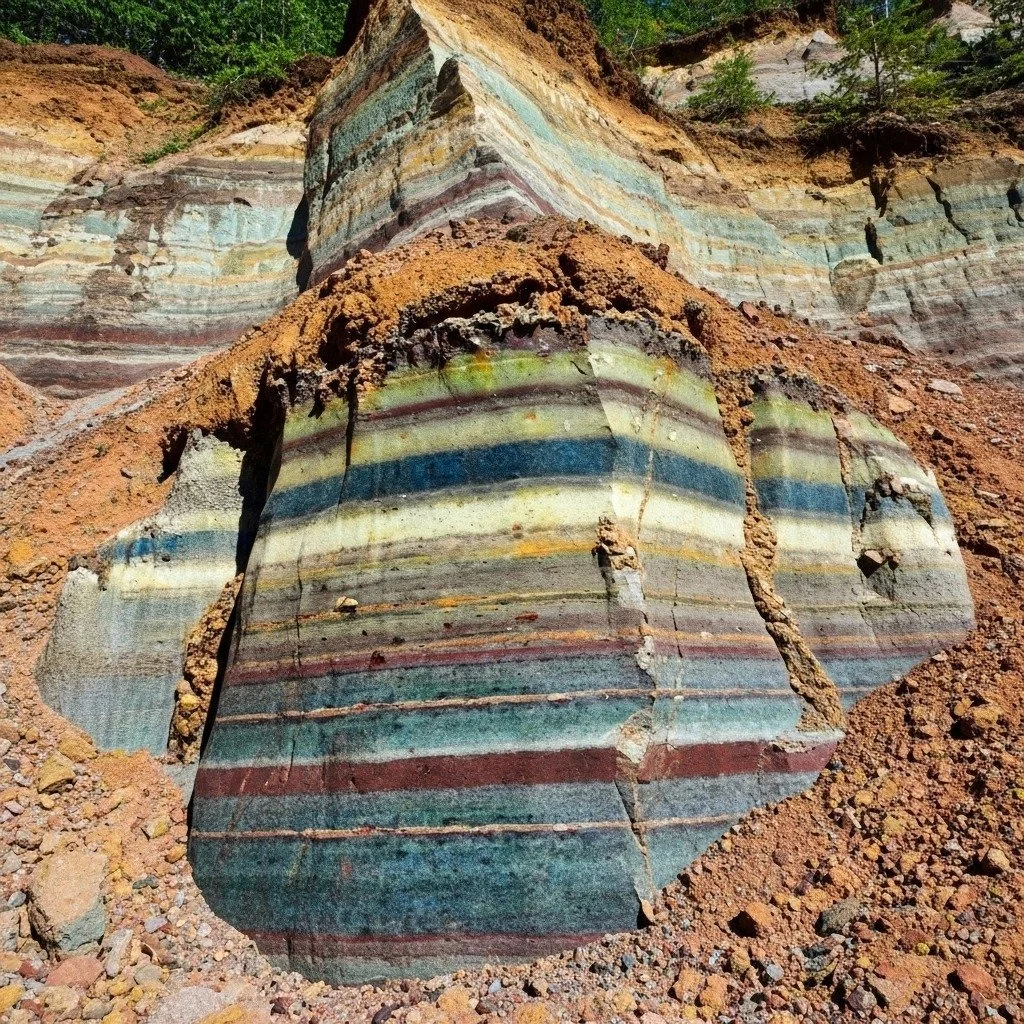
Image of Salt Glaciers In Zagros Mountains, lran, source unknown. If this image belongs to you, please contact us for credit or removal.
Icelandic Arctic Salt
(Iceland)
Color: Bright white, snowflake-like
Taste: Clean, subtle, pure
Rich in: Sodium, trace magnesium and calcium
Best for: Finishing fresh dishes, raw vegetables, clean diets
Use: Final touch to fish, salads, dairy, or delicate meals
Notes: Geothermally evaporated from Arctic waters, among the purest sea salts in the world. Excellent for those with sensitivities or mineral-light diets

Maras Salt
(Peru)
Color: Pale pink, beige, or sun-bleached white depending on the season
Taste: Mild, earthy, mineral-balanced
Rich in: Calcium, magnesium, potassium, trace Andes minerals
Best for: Everyday use, mineral rebalancing, sensitive systems
Use: Cooking, seasoning, warm water tonics, finishing
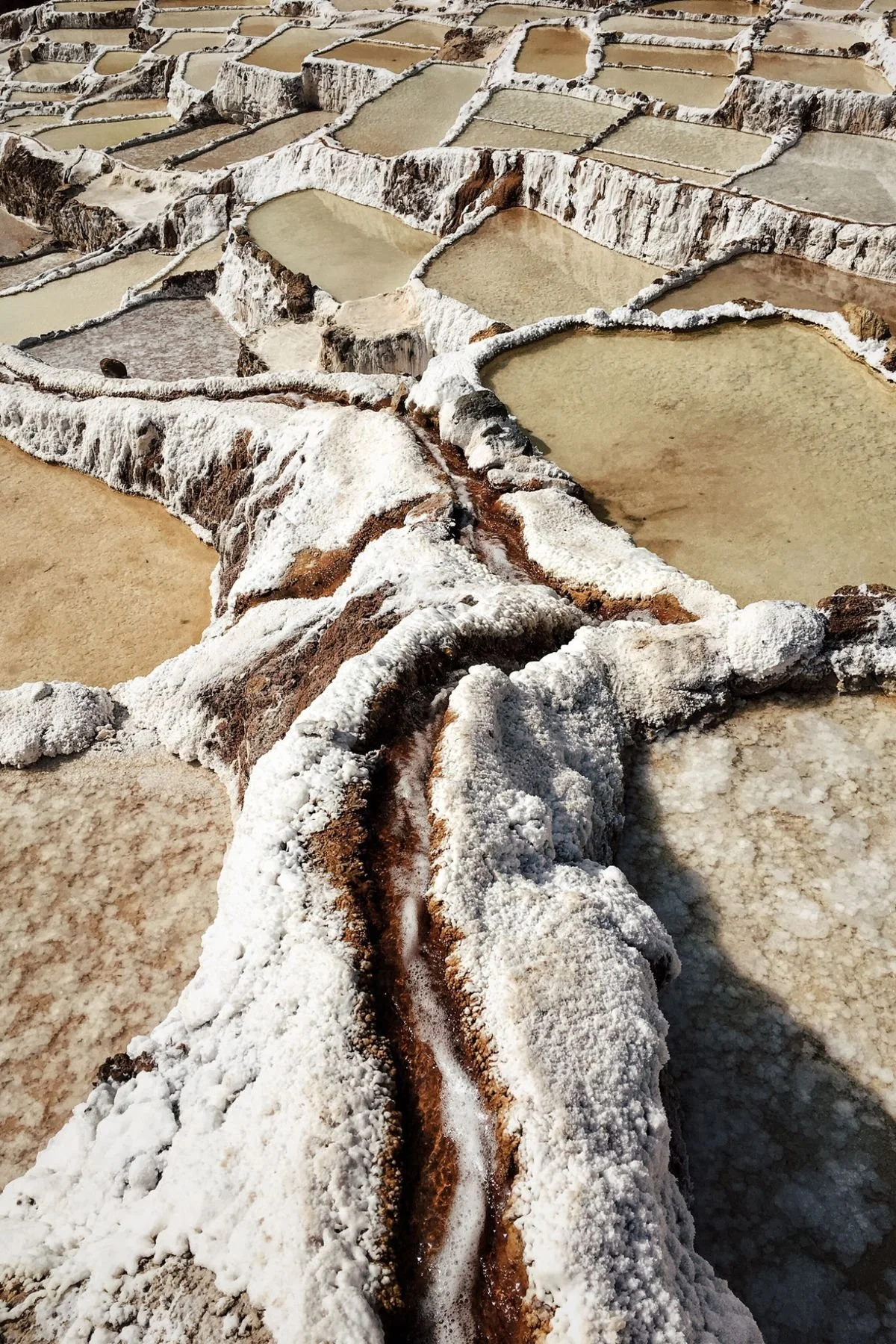
Notes: Harvested from natural spring-fed salt pools in the Sacred Valley, using ancient Incan methods. A sacred, sun-dried salt still stewarded by local families. Pure, healing, and beautifully aligned with natural living
Kala Namak
(India/Nepal)
Color: Dark pink to black
Taste: Sulfuric, bold, reminiscent of boiled eggs
Rich in: Sulfur compounds, small amounts of iron
Best for: Occasional digestive support, traditional Ayurvedic recipes
Use: Sparingly in chutneys, fermented pickles, or as a digestive remedy in small, intentional amounts
Notes: Unlike other salts in this guide, Kala Namak is not raw or naturally sun-dried. It is made by heating Himalayan rock salt with herbs and charcoal to chemically transform it. While valued in ancient medicine, it is not ideal for daily use and may not suit those with sulfur sensitivities, liver conditions, or during pregnancy.

Fleur de Sel
(France)
Color: Snow-white, moist delicate flakes
Taste: Soft, oceanic, elegant
Rich in: Trace minerals (minimal compared to others)
Best for: Finishing vegetables, soft cheeses, salads
Use: Raw dishes, visual elegance
Notes: Hand-harvested from top layer of salt pans. Expensive. Use sparingly
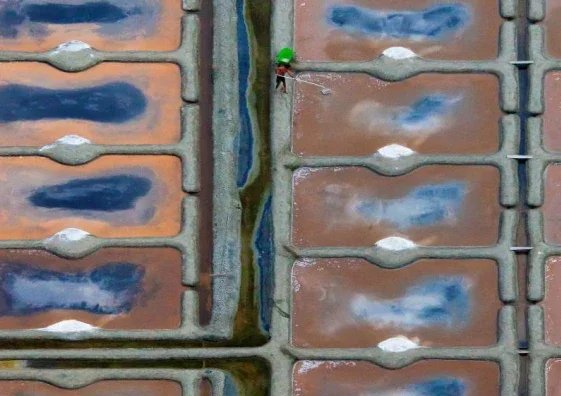
Therapeutic by Design:
Some Salts Were Made to Cleanse, Not to Consume
While the salts above are safe for daily nourishment, there are others in God’s design intended not for the table, but for healing.
These include salts like Dead Sea salt, Epsom salt, Hawaiian Alaea salt, or Black Lava salt.
Rich in minerals, clay, or charcoal, and traditionally used for bathing, cleansing, anointing, or ritual. They are not suited for daily consumption, but they remain part of the created order: tools for inflammation, skin repair, mineral absorption, spiritual restoration, healing body and soul.
Salt was given not only to flavor food, but to cure, to heal, to preserve, and to cleanse.
These healing salts may be rare or intense, but they serve their purpose in seasons of recovery, purification, or prayer, and they too deserve remembrance.
Salt Comparison Chart
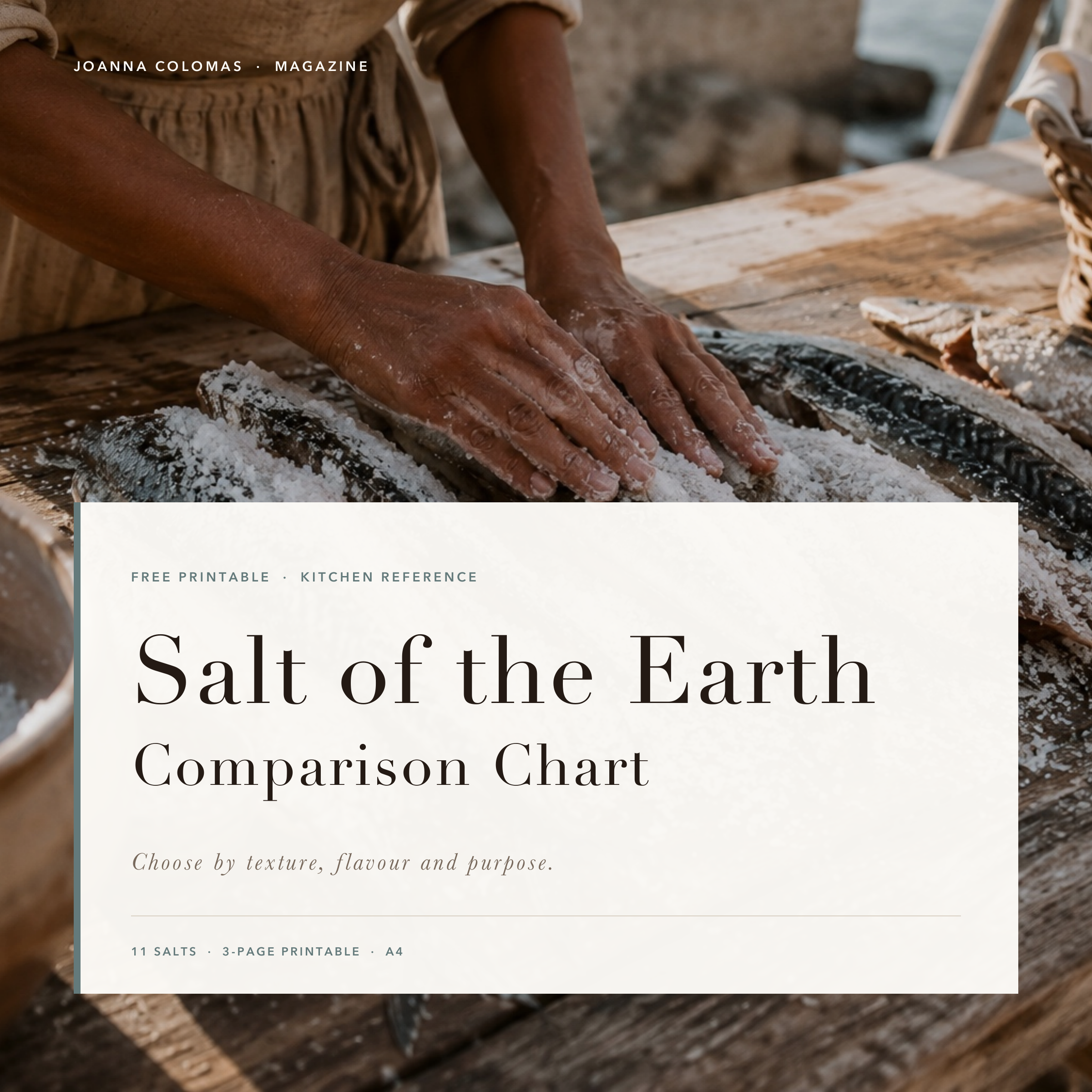
What to choose, why it matters, and when to use each
A clean, printable table designed to help you replace harmful, refined salts with mineral-rich, God-given ones — and know which is best for your season of life.
Whether you’re cooking for your family, fermenting vegetables, or soaking in a restorative bath, this chart gently guides you toward the salt that nourishes, heals, and honors your body’s design. Every salt listed has been vetted for integrity, purity, and purpose, so you can make choices rooted in both wisdom and wellness.
The matching article, Salt of the Earth, uncovers the truth behind bleached table salt and the industries that removed God's minerals from our kitchens. This companion chart is your practical, printable tool, perfect for pinning inside a pantry door or homemaking binder.
What's Inside:
✓ 13 natural salts compared side-by-side
✓ Color, taste, mineral content, and best uses
✓ Notes on sourcing, safety, and healing applications
✓ Designed with soft tones and ocean-inspired details
✓ Suitable for kitchen, wellness, or homemaking use
HOW TO USE
• Print and place on your fridge, pantry, recipe binder, or inside your homemaking planner
• Keep it near your stove as a quick daily reference
• Use it as part of your wellness or pantry reset
• Share it with a friend who is beginning her natural-living journey
BEST FOR
- Women replacing refined salt in their kitchens
- Families seeking safe, mineral-rich alternatives
- Nourishing traditional recipes, ferments & natural remedies
- Homemakers building a living pantry
- Anyone confused by Himalayan, Celtic, and “sea salt” labels
- Creating clarity, protection, and intention at the table
DOWNLOAD NOTE
This is a free resource: lovingly gifted to support women building homes of nourishment, intention, and truth.
Download now and bring clarity, beauty, and purpose to your salt shelf.
Once downloaded, it will remain in your personal library inside the shop.
How to Use Real Salt Daily
Morning Electrolyte Water:
Add a generous pinch of Celtic sea salt to a glass of warm water with fresh lemon.
Drink on an empty stomach to gently hydrate, support adrenal function, and awaken digestion.
Daily Cooking:
Replace all table salt with mineral salts like Redmond Real Salt, Celtic Sea Salt, or Himalayan.
Use for seasoning, boiling, baking, and finishing dishes.
Restorative Baths:
Add 1–2 cups of Celtic or Himalayan salt to a warm bath.
Soak for 20 minutes to absorb minerals, ease sore muscles, and support detox pathways.
Topical Healing:
Mix raw honey with finely ground Himalayan or Maras salt to create a soothing mask for blemishes, dull skin, or inflammation.
Leave on skin for 10–15 minutes and rinse with warm water.
Fermentation & Preservation:
Use Celtic or Redmond Real Salt for sauerkraut, pickles, kimchi, and kefir, ensuring live cultures thrive in a mineral-rich environment.
Choosing the Right Salt for where you are
Pregnancy & Postpartum:
Himalayan Salt for gentle iron support + Redmond Real Salt for easy digestion and balance
Adrenal Fatigue or Exhaustion:
Celtic Sea Salt
Rich in magnesium and full-spectrum electrolytes to rebuild mineral reserves
Mild Palates:
Redmond Real Salt
Smooth, neutral, and easy to tolerate for young or sensitive taste buds
Digestive Cleansing or Bloating:
Kala Namak
Use in very small, therapeutic amounts for its sulfuric digestive stimulation
Ceremonial Meals or Sabbath Table:
Persian Blue Salt or Fleur de Sel
Chosen not just for taste, but for beauty, symbolism, and presence
What to Avoid
Red Flags in Fake Salt
Not all salt is created equal, and not all “sea salt” is safe.
Much of what lines the supermarket shelves is chemically stripped, bleached, and bulked with fillers, then sold under labels that mean almost nothing.
Here’s how to spot a counterfeit
Pure white, dry powder, unless it’s a naturally flaked salt like fleur de sel, extreme whiteness often signals heavy refining and bleaching
“Free-flowing” claims, usually indicate added aluminum-based anti-caking agents
Iodized (unless plant-based), synthetic iodine is often added to restore what refining destroyed; if iodine is needed, choose kelp, or seaweed-sourced versions
No listed origin, vague labels like “sea salt” without region or harvest method are immediate red flags
Additives or E-numbers, anything listed beyond “salt” (or salt + natural minerals) should absolutely be avoided, especially agents like sodium ferrocyanide or “preservatives”
When in doubt, ask yourself: Was this salt touched only by sun, earth, and water, or tampered with in a lab?
Your body knows the difference.
which salts are truly worth bringing into your home?
My trusted brand list is curated with care, and never paid for.
JoannaColomas.com is free of ads, sponsorships, and affiliate links.
Since the beginning of 2024, I’ve committed to recommending only what we personally use in our home, trust, or have researched thoroughly.
Explore the list → Where to Buy Real Salt: Trusted Brands from Around the World
Return to Part I: Salt of the Earth – The Hidden War on Minerals
Let your salt be real again.
Featured Articles


Most salt sold today is not what it claims to be. Bleached, stripped, and chemically treated, refined salt has replaced the mineral-rich salt our bodies were made to receive. This article reveals how to tell the difference, and where to begin again.