
The Truth About Honey: What Happened to Nature’s Medicine
HOW HEALING HONEY WAS ALTERED
AND HOW TO RETURN TO THE REAL THING
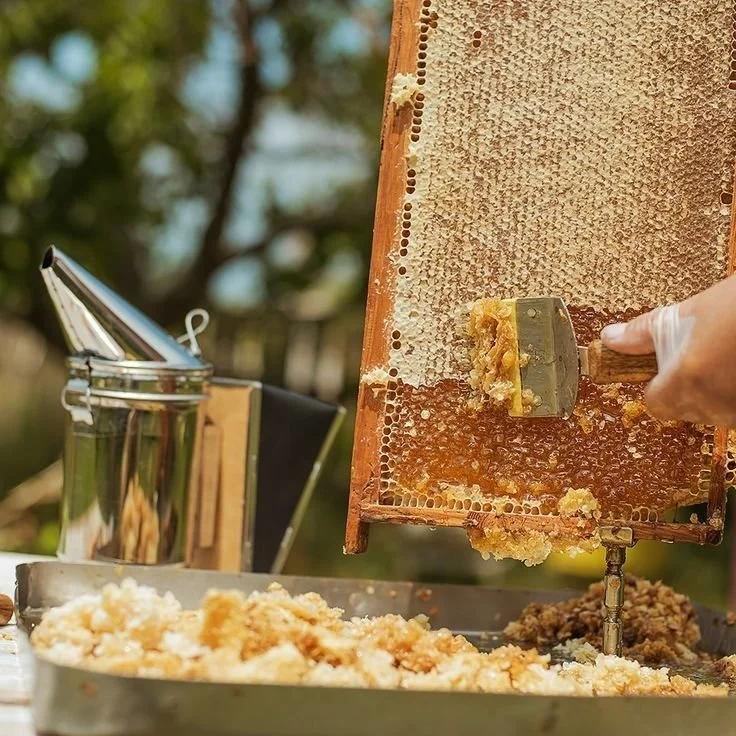
Image source unknown. If this image belongs to you, please contact us for credit or removal.
There’s a beekeeper next door, and because of him, we haven’t been sick in over a year.
Every morning (and throughout the day), there’s honey on our table.
Not the kind hidden behind golden labels and global distributors, but real honey. From our neighbor’s hands to ours, from hive to jar without interference.
Our boys know his bees by name. They’re learning how to build the hives themselves, how to harvest gently, and why the flowers matter. Soon, they’ll care for a colony of their own, right here in the garden.
We use this honey for everything.
In tea and warm milk, stirred into sauces, drizzled over cakes. For scrapes and wounds, for coughs and skin. Sometimes I pour it into the bath. I use it in place of cleanser, nothing else than honey and water to wash my face. And since we began, we haven’t needed anything else.
No pharmaceuticals. No syrups. No sterile ointments.
No sickness.
Just God’s design, uninterrupted.
But most people don’t know what real honey tastes like anymore.
Because what fills supermarket shelves, even in stores labeled “natural” and ‘‘organic’’, is no longer honey at all.
It’s been pasteurized, diluted, filtered, mixed, and masked, until what was once living medicine became a lifeless sugar syrup.
Don’t be deceived: this didn’t happen by accident.
It happened on purpose, slowly, profitably, and with permission from the very agencies meant to protect us.
And like they did with wheat, and salt, and oil… they rewrote the rules so they could sell us a counterfeit and call it clean.
This is not a theory, this is history. And what was done to honey must be named.
“Pleasant words are as an honeycomb, sweet to the soul, and health to the bones.”
— Proverbs 16:24
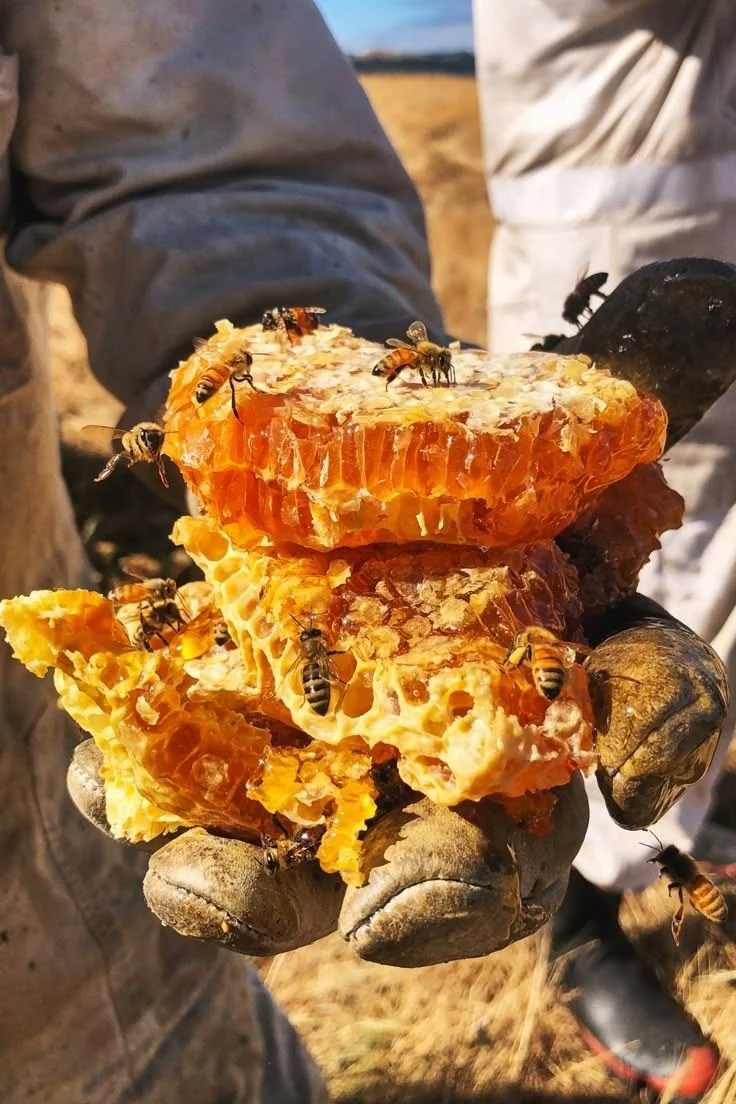
Image source unknown. If this image belongs to you, please contact us for credit or removal.
What Happened to Honey:
A Historical Look at How Nature’s Medicine Was Replaced
“But you would be fed with the finest of wheat; with honey from the rock I would satisfy you.”
— Psalm 81:16
The story begins in the hive, because it begins with the Lord.
For centuries, honey was revered across cultures as both food and medicine. It sweetened without decay, preserved what would otherwise spoil, healed wounds, eased coughs, anointed bodies, and was offered in sacred rites. It is more precious than gold, a symbol of divine blessing, a sign of abundance, and one of the few substances that never rots, only deepens in richness with time.
But as with most things God made potent, systems rose to dilute it.
In the 20th century, industrialization began to replace purity with profit. Local honey was pushed aside in favor of pasteurized, mass-produced blends.
Bees were treated as tools instead of honored pollinators.
Honey was filtered, boiled, bleached, mixed with sugar syrups or imported from countries with no quality regulation, often all at once.
Much of what’s labeled “honey” today is not honey at all. And yet, it still wears the name.
Here’s How It Went Down
-
Industrial Dilution Begins
Mass-market food companies begin to add filtered, pasteurized, and syrup-laced honey to processed goods.
Cheaper substitutes like high fructose corn syrup, beet syrup, and rice syrup become widely used in place of raw honey.
Result: stripped of enzymes, pollen, and healing properties, honey becomes "just another sweetener."
Source: The Honey Revolution: Restoring the Health of Future Generations (2007)
-
The Great “Honey Laundering” Decade
Early 2000s–late 2000s:
China becomes the largest global exporter of adulterated and ultra-cheap honey, flooding Western markets with mislabeled “pure honey”, diluted with sugar syrups, contaminated with antibiotics like chloramphenicol, fluoroquinolones, and even lead, as well as processed to remove pollen to hide origin.2008–2010:
Multiple international investigations begin to uncover the extent of this practice.
This includes illegal transshipment of Chinese honey through other countries to bypass tariffs and bans in the US and EU.
Official Source:
Include a now deleted proof by Homeland Security Government Affairs, and a NY Times full report of investigation magically vanished too:
- Summary from the New York Times
- Full US Senate documentation (archived PDF)
But still able to back it up through:
- Congress report on food fraud highlights honey’s adulteration risk and economic fraud history.
- Homeland Security seized nearly 60 tons of illegally imported honey destined for U.S. shelves ICE.GOV
- Independent Testing on Commercial Honey documents
- Investigation by Food Safety -
Landmark Study Reveals Most Store-Bought Honey Isn’t Honey
An independent investigation by Food Safety News tested over 60 jars of commercial honey across 10 states and found:
76% of supermarket honey in the U.S. had no pollen.
This includes brands like Walgreens, CVS, Target, and Safeway.
Organic or raw honey from farmers’ markets and co-ops did contain pollen.Official source:
“Tests Show Most Store Honey Isn’t Honey” – Food Safety News (2011)This marked a turning point: exposing how industrial processors use ultrafiltration to strip honey of its traceable origin and mineral content, making it shelf-stable but utterly dead.
-
EU-Wide Investigation: Nearly Half of Honey Is Fake
The European Commission tested imported honey across 16 member states and found:
46% of imported “honey” was adulterated, mostly with sugar syrups from rice, sugar beet, and wheat.
Most of this came from China, Turkey, and the UAE.Official source:
Again, a now vanished official report from the European Commission
- European Commission’s “From the Hives” Joint Report (2023)
- European Fraud Office Investigation, gone too! Surprise, surprise…
But here’s some backup:
- Food Watch press releaseThis confirms that adulteration is not a problem of the past. It is ongoing, systemic, and entirely known to international trade bodies.
-
Worse still, the FDA in the United States and EFSA in the European Union consistently failed to enforce origin labeling or punish fraud. In many cases, the regulators themselves shifted standards to allow ultra-filtered honey to be sold as real, as long as it “tasted” like honey and posed “no immediate harm.”
This wasn’t oversight. It was protection for the wrong side.
Today, honey is one of the most adulterated foods in the world, according to the European Commission’s Food Fraud Network. The sweetness remains, but the life has been removed, and poisons have been added.
And all the while, we were told to fear sugar, blame honey for insulin spikes, and treat it like a dessert.
But the truth is: what they sold us wasn’t honey.
Not anymore.
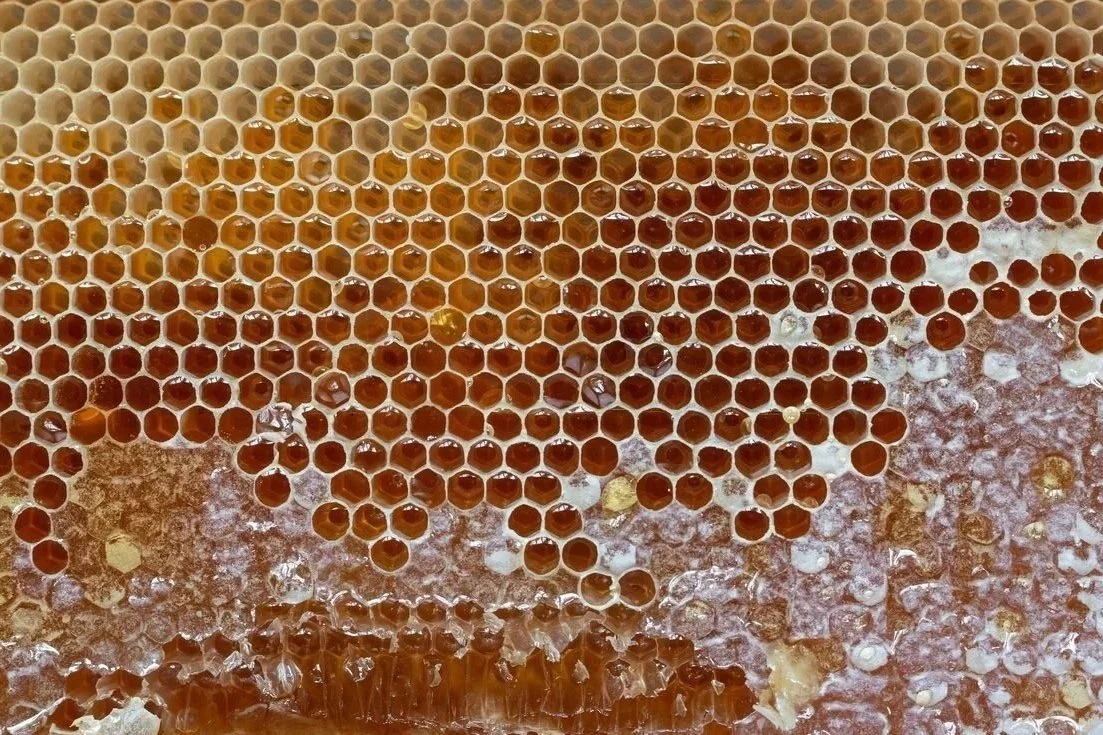
Image source unknown. If this image belongs to you, please contact us for credit or removal.
Why Target Honey?
Honey has been medicine since the beginning: not by invention, but by design.
Created in the hive, blessed by the Lord, and recognized across civilizations as food, offering, healer, and balm.
It works without side effects, preserves without refrigeration, heals wounds without pharmaceuticals, and it strengthens the body without artificial supplementation.
Honey is one of the rare gifts that unites nourishment, beauty, and healing in a single golden thread.
But precisely because of that, because honey is complete, it had to be replaced.
By the late 20th century, powerful alliances between industrial agriculture, pharmaceuticals, and global trade bodies began standardizing food not to nourish, but to control. Anything that offered too much: too much healing, too much immunity, too much connection to creation, became a threat to the industries built around sickness, artificial sweeteners, and shelf-stable dependency.
A Natural Healer in the Way of Synthetic Profits
Raw honey is antibacterial, antifungal, immune-boosting, and anti-inflammatory. It coats sore throats better than cough syrup, heals cuts better than many lab creams, and supports digestion better than supplements. In biblical cultures, it anointed the skin and was offered in the temple. In modern life, it could make hundreds of common products obsolete.
So they changed it, made it disappear without your knowledge, and we slowly forgot its power.
Governments removed country-of-origin labeling. Regulatory bodies allowed ultra-filtered, pasteurized, and even syrup-adulterated blends to still be labeled “pure honey.” Big agriculture poured corn syrup into the food system and lobbied to normalize artificial sweeteners. Pharmaceutical companies had no interest in promoting something that grows from flowers and trees, requires no patent, and cannot be controlled.
And behind it all, China flooded the global market with ultra-cheap fake honey, stripped of pollen, diluted with syrup, and laundered through other countries to avoid traceability.
Honey became a product instead of a provision. And the world forgot what it once was.
So why you ask?
A sickened population is far more profitable than a healed one.
Fake honey generates profit, hides supply chains, and keeps people consuming sugar while thinking they’re nourishing themselves.
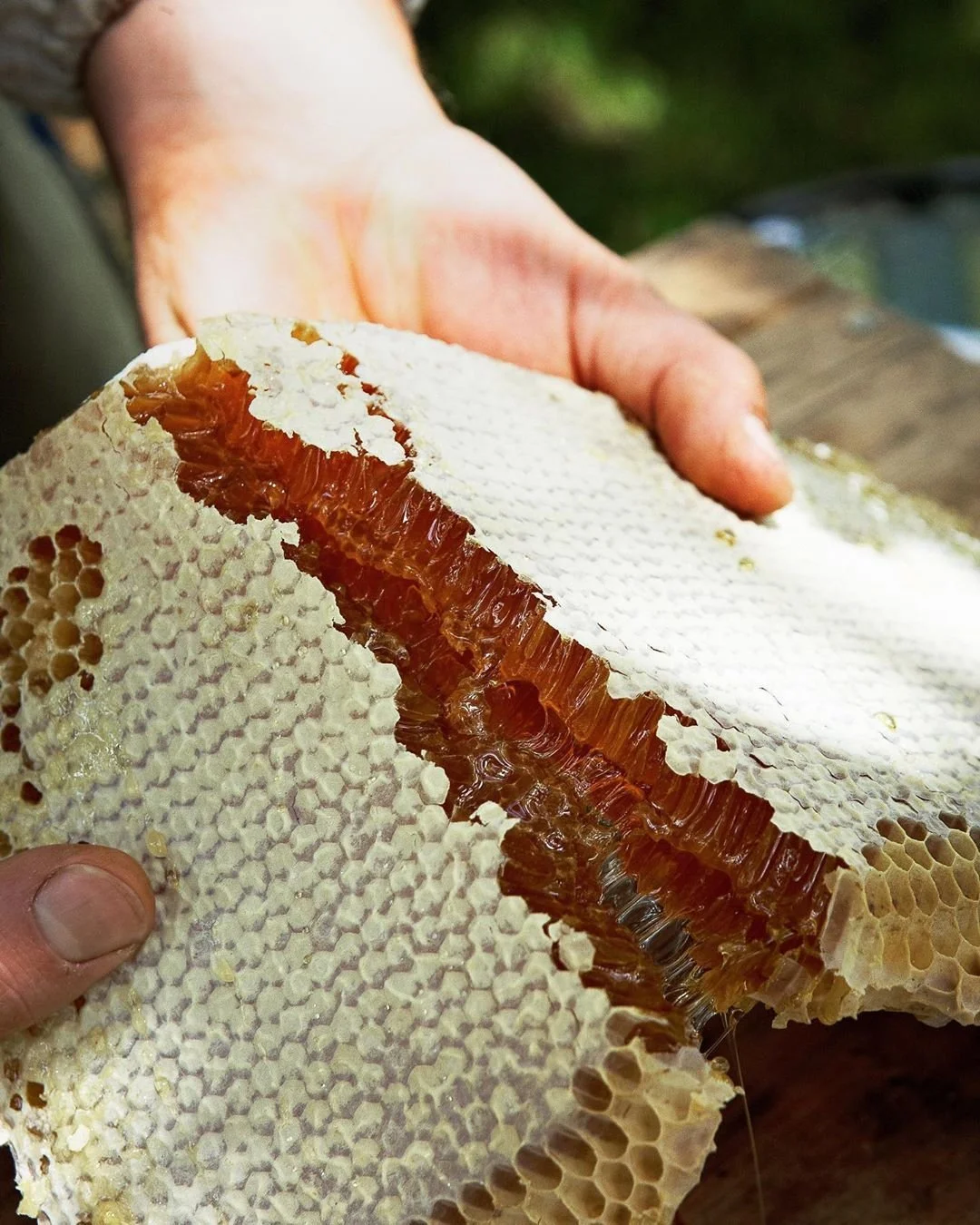
Image source unknown. If this image belongs to you, please contact us for credit or removal.
why & How Pollen Disappeared from Honey
Filtering, ULTRA-FILTERING, and the Hidden Agenda
Pollen is to honey what a fingerprint is to identity: it reveals the flower, the land, the life behind every spoonful.
In its natural state, raw honey contains microscopic grains of pollen that not only prove its botanical source but also carry enzymes, amino acids, and healing compounds designed by God for nourishment and repair.
But as explained above, in recent decades, industrial honey producers, including major Western and Chinese exporters began filtering out pollen entirely. Not for purity, but for opacity.
Why Remove Pollen?
Pollen tells the distinct story of each hive and honey: it reveals where the honey was made and by whom.
It exposes fraudulent labeling, long shipping distances, and false claims like “local” or “organic.”
Removing it allows corporations to relabel, repackage, and resell. Blending honeys from multiple countries (often low-cost exporters like China, India, and Brazil) while masking their true origin, is the most common tactic.
And so, industrial filtration became a tool, not of food safety, but of trade manipulation.
ULTRA FILTERING - Honey Becomes a Commodity
Ultrafiltration is a high-pressure process that removes not just pollen but virtually every trace of living compounds: turning honey into a sterile sugar syrup.
Unlike simple straining (as beekeepers might do to remove beeswax), ultrafiltration strips the honey of its biological identity.
What remains is a sweet substance devoid of enzymes, amino acids, vitamins, or benefit. Worse, it no longer meets the international definition of honey.
According to the European Union, honey is only honey when it contains pollen. But the FDA in the U.S. has no such requirement, opening the door for widespread relabeling. But don’t be misled, despite their rules, on our European shelves at least 50% honey jars does not contain pollen (more sources about this specific topic above under ‘‘What Happened to Honey: A Historical Look at How Nature’s Medicine Was Replaced’’).
Who Profits from Poison?
This is not just the doing of careless corporations or distant regulators.
The same forces that replaced living salt with bleached sodium, healing fats with inflammatory oils, and wholesome bread with gut-wrecking grains, did it again with honey.
Global supermarket chains profit from shelf-stable uniformity. Exporters benefit from mass bottling and cheap fillers like rice syrup and glucose. And regulators, influenced or directly funded by those same industries, adjusted the rules so that it could all remain legal, and invisible.
But if you follow the trail far enough, the faces remain the same.
The same investors behind the largest pharmaceutical labs sit on the boards of food conglomerates and “nutrition” councils.
The same families who built empires on war and patent medicine silently fund agricultural “innovation,” biotech labs, and leading universities.
They write the textbooks, own the labs, approve the chemicals, and teach future scientists how to look the other way.
A sick nation is easier to medicate. A tired people is easier to distract. And a population disconnected from God’s provision is easier to control.
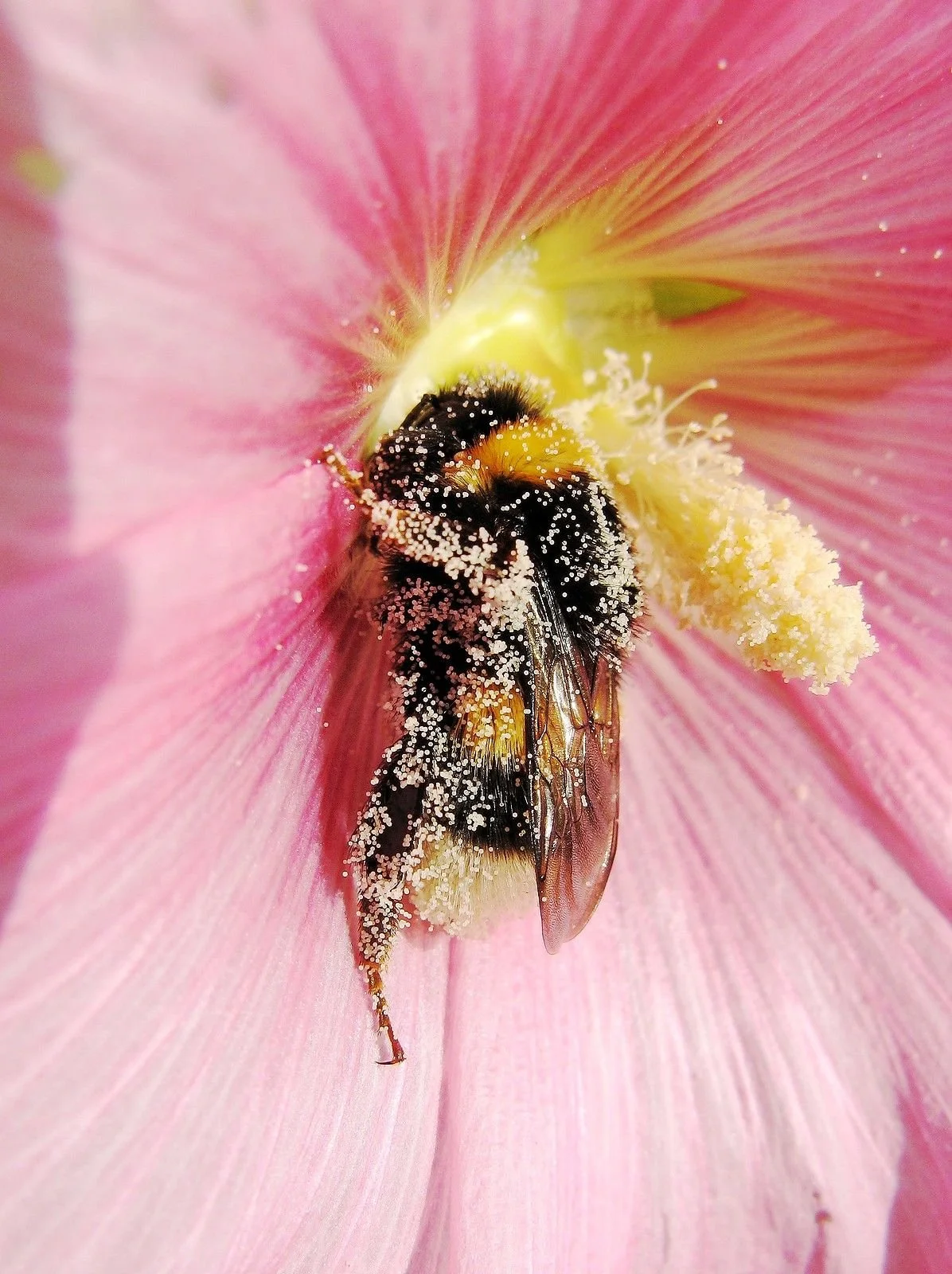
Image source unknown. If this image belongs to you, please contact us for credit or removal.
THE LIES ON THE LABEL
“Pure,” “Natural,” and “Organic” honey often isn’t.
They’ve been blended with foreign honeys, cut with sugar syrups, stripped of their pollen (also known as honey identity, and benefits), then repackaged, scrubbed clean of meaning, and sold back to you with a mark-up and a wink. Because for most manufacturers today, it’s not about what’s in the jar, but the illusion it sells from the shelf.
Here’s what those labels often hide:
“Pure Honey”
Legally, this can still include filtered, pasteurized honey, blended with other countries’ honeys, or even adulterated with syrup, as long as no additives are declared. The word “pure” isn’t regulated the way it sounds.
“Organic Honey”
In most countries, bees can fly up to 5 miles to forage, and their beekeepers can’t always guarantee they won’t encounter sprayed crops or GMOs. “Organic” certification applies more to handling than to origin. Worse still, some foreign “organic” honey is certified by agencies with no international oversight.
“Natural Honey”
A meaningless term. There’s no definition or regulation. Even syrup-laced, ultra-filtered blends can bear this label.
Red Flags to Watch For:
Overly clear or watery honey: Real honey is thick, often opaque or clouded, sometimes with crystals or sediment.
No crystallization: All real raw honey crystallizes over time. If yours doesn’t, it may be heat-treated or altered.
No origin listed: If the jar doesn’t say where the honey is from, or lists “blend of EU and non-EU honeys,” it’s likely a mix from multiple sources (often including China).
Low price: Raw honey takes labor, time, and care. If it’s unusually cheap, ask why.
HOW TO READ A JAR:
Look for words like:
Raw
Unfiltered
Single origin
Local (ideally from a named region or beekeeper)
Unpasteurized
Set/crystallized
Always buy directly from a source you trust: a beekeeper, a local market, a farm, or a supplier who can trace the journey from hive to jar.
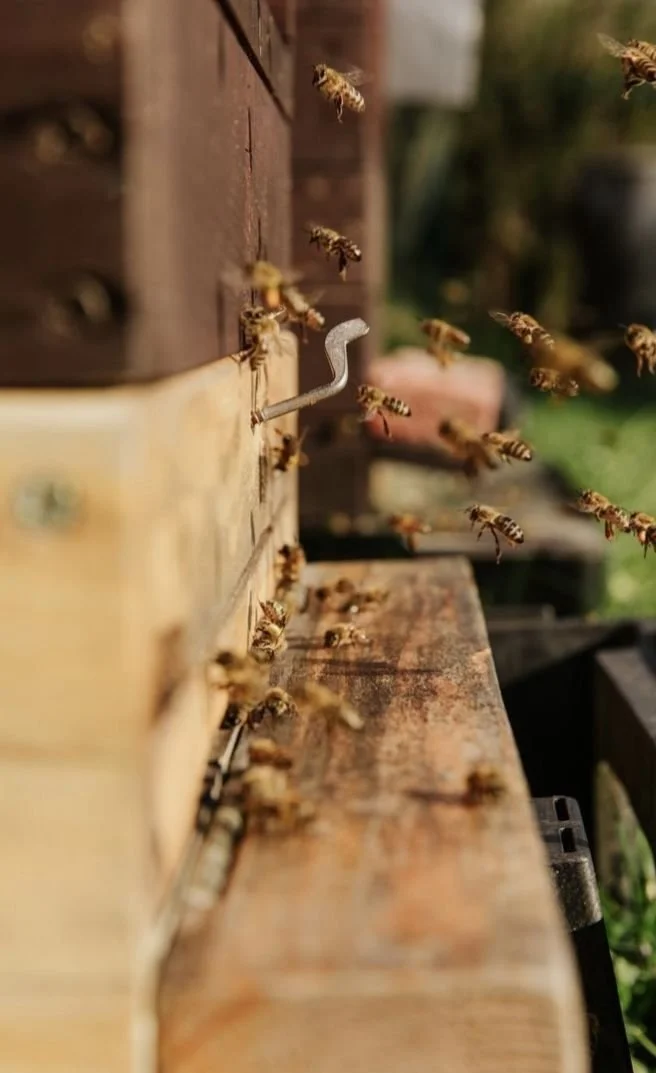
Image source unknown. If this image belongs to you, please contact us for credit or removal.
SCRIPTURES ABOUT HONEY
Honey flows through the Bible as both symbol and sustenance, a golden thread woven from Eden to Canaan, from temple offerings to parables of wisdom.
“He nourished him with honey from the rock, and with oil from the flinty crag.”
— Deuteronomy 32:13“Your lips drop sweetness as the honeycomb, my bride; milk and honey are under your tongue.”
— Song of Solomon 4:11
“Pleasant words are a honeycomb, sweet to the soul and healing to the bones.”
— Proverbs 16:24
“A land flowing with milk and honey.”
— Exodus 3:17
“How sweet are your words to my taste, sweeter than honey to my mouth!”
— Psalm 119:103
Honey was never just food. It was the taste of God’s faithfulness, the evidence of His design.
Returning to real honey, in its fullness, its richness, its raw and wild glory, is returning not only to health, but to the sweetness of the Lord’s provision.
Return to the source
Real honey still exists, raw, local, untamed. Not bottled in labs or sealed with corporate gloss, but harvested with care, as it always was.
It still heals, and nourishes, and still points us back to the One who made it.
Return to the real, and you return to the Source.
Frequently Asked Questions
How can I tell if honey is real?
Look for raw, unfiltered, single-origin honey from a local beekeeper. The label should clearly state its (single) origin and production method. Real honey may crystallize, this is a good sign. Never go for “blend of EU and non-EU honeys” or generic supermarket jars with no traceability.
Is crystallized honey bad or expired?
Not at all. Crystallization is a natural process and a hallmark of real, unpasteurized honey. Gently warm it in a bowl of warm water (never microwave) if you prefer it liquid. But many choose to eat it crystallized for convenience and taste.
Is raw honey better than organic honey?
Yes, because “organic” can still mean filtered, pasteurized, or imported. Raw means unheated and unprocessed, preserving the pollen, enzymes, and beneficial compounds that give honey its healing power.
How long does honey last?
Real honey never spoils. It may change texture or color over time, but it remains safe and healing. Archeological findings include 3,000-year-old edible honey sealed in ancient tombs.
Is supermarket honey fake?
In most cases, yes. Studies have found that up to 76% of store-bought honey is ultra-filtered or adulterated with sugar syrups. It may look like honey, but it no longer carries the healing benefits of the real thing.
Can I cook with raw honey?
Yes, but high heat destroys its enzymes and active compounds. Use it raw whenever possible, or stir into warm (not boiling) liquids, drizzle over cooked foods, or add after cooking.
What’s the best way to store honey?
Store in a sealed jar at room temperature away from direct sunlight. Do not refrigerate. Keep dry utensils when scooping to prevent contamination.
What’s the best kind of honey to buy?
Raw, local, single-origin honey. Seek out trusted beekeepers or regional producers. Our guide, How to Find Real Honey Today includes a downloadable list of vetted sources.
Does raw honey help with allergies or immunity?
Yes. Local raw honey contains trace pollen which may support immune regulation over time. It also has antimicrobial, anti-inflammatory, and antioxidant effects, especially when consumed regularly and in its raw form.
Can I use raw honey on my face or wounds?
Yes. Raw honey is a natural antibacterial and humectant. Use it as a face cleanser, mask, or spot treatment. It can also be applied to minor cuts, scrapes, or burns for healing support.
Featured Articles
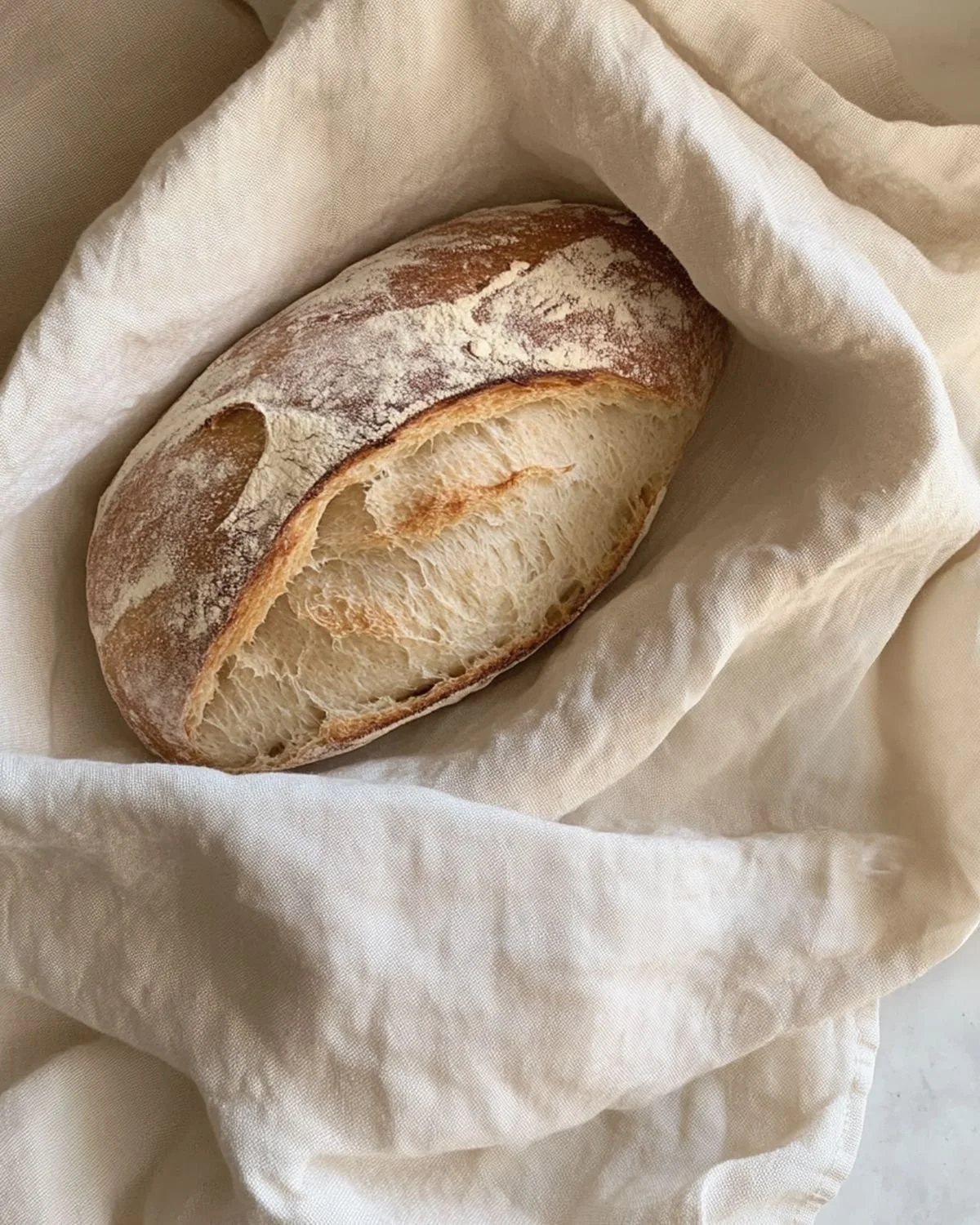
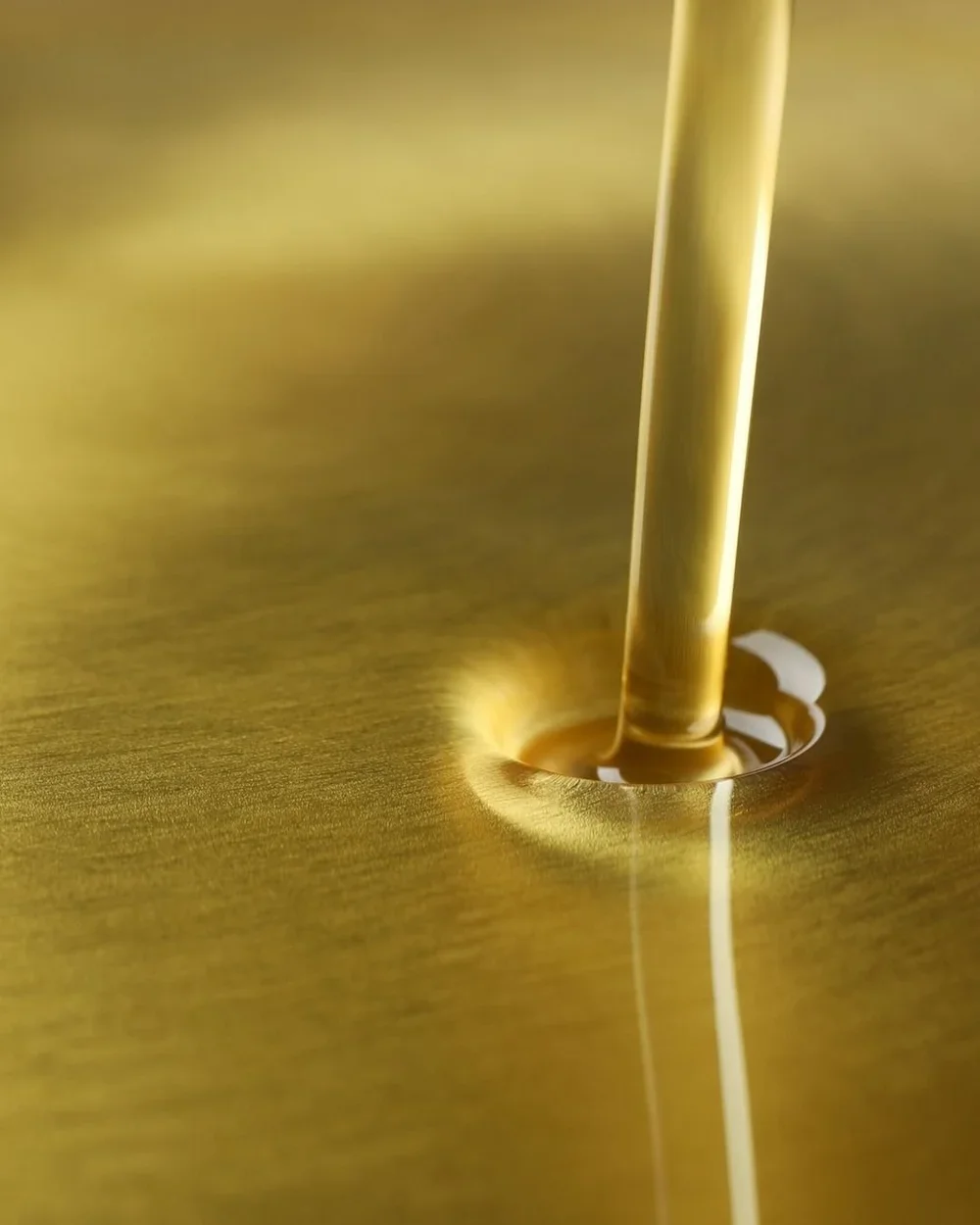

Real honey still exists, but you have to know how to find it. This guide walks you through what makes honey truly healing, the questions to ask before buying, the red flags to avoid, and how to source raw, local, unfiltered honey in a world full of imitations.