
Salt of the Earth
How We Lost God's Minerals, and How to Bring Them Back
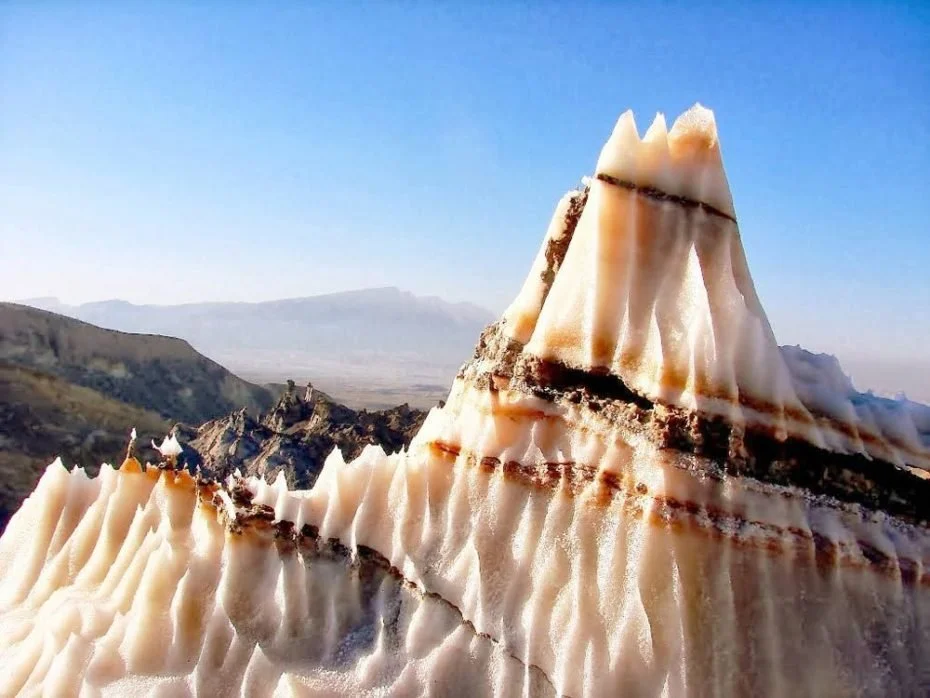
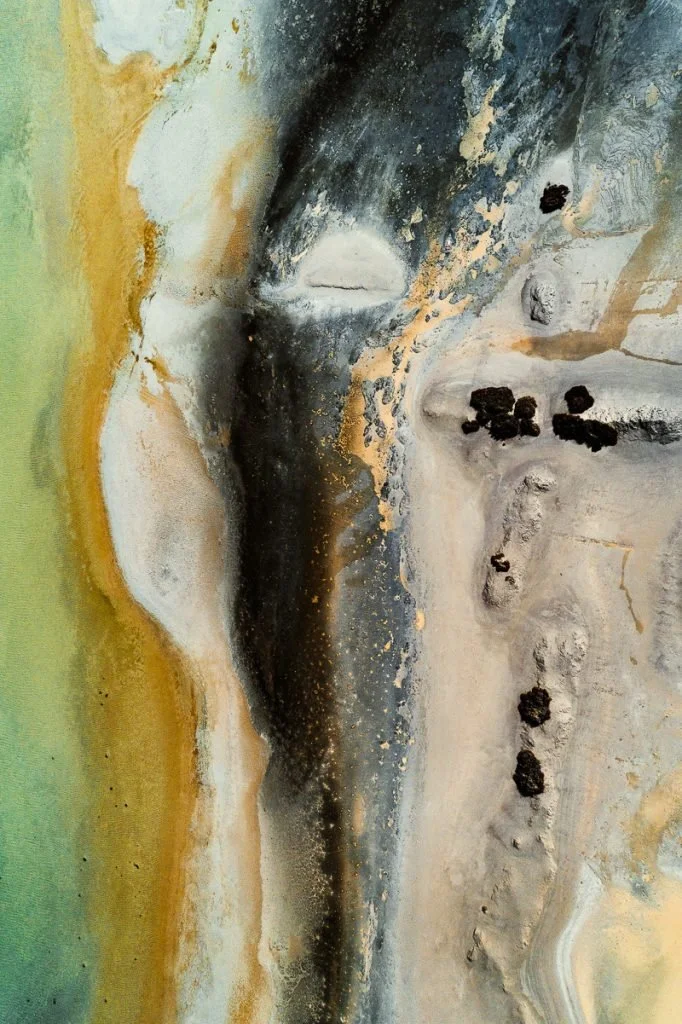
Image of a salt glacier in Iran, source unknown. If this image belongs to you, please contact us for credit or removal.
The Theft of God's Minerals and the Rise of Bleached Salt
There was a time when salt was not just seasoning, but currency. Sacred. Healing. Offered on altars and poured into wounds. When covenants were sealed not with ink but with salt. When Jesus looked at His people and said, "You are the salt of the earth" (Matthew 5:13), it was not a metaphor of convenience. It was a declaration of purpose.
Because salt preserves, purifies, sustains. It was not meant to be feared, but something happened.
And it didn’t begin with concern for health or hearts. It began, as these things often do, with greed.
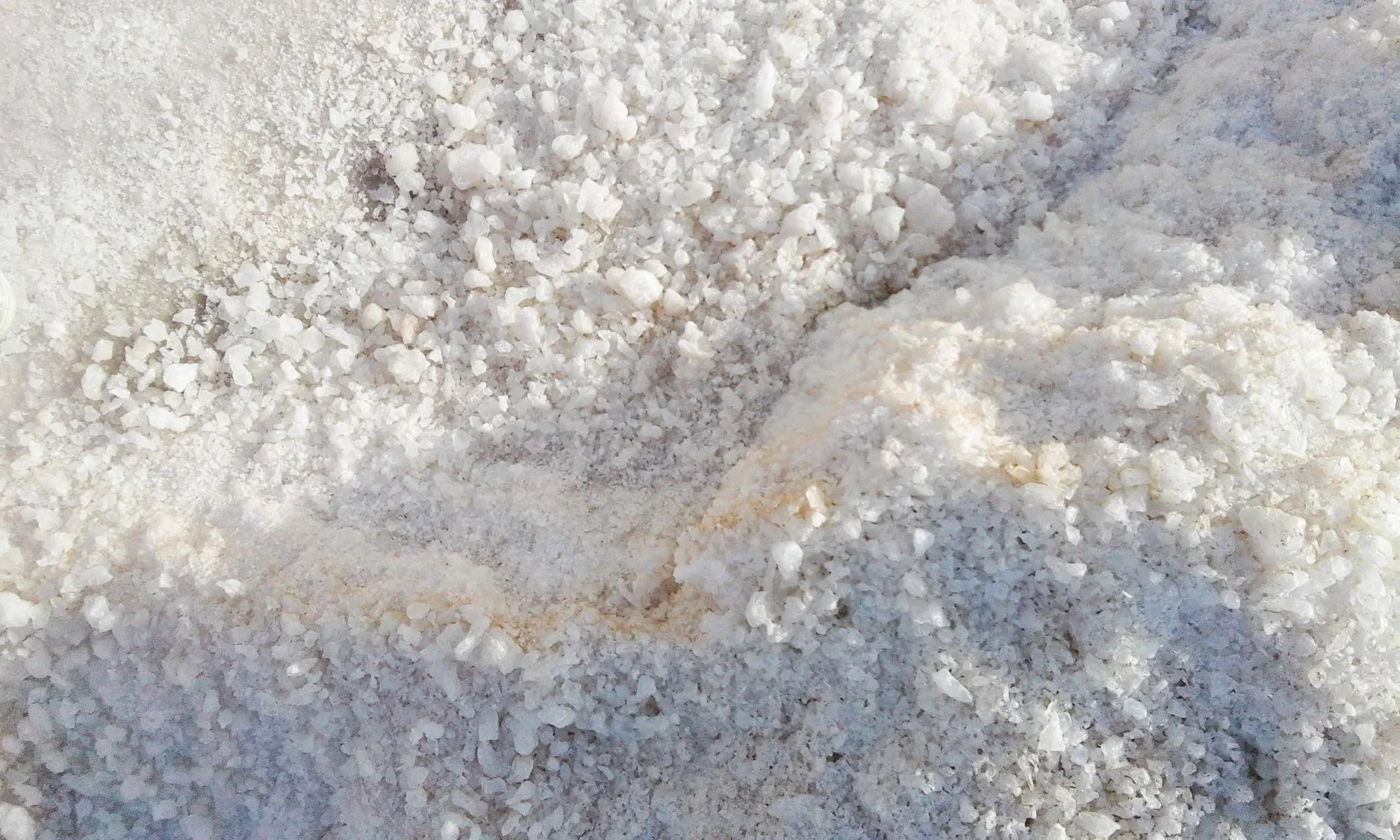
Image source unknown. If this image belongs to you, please contact us for credit or removal.
The Salt Switch: A Hidden History
In the early 20th century, just as food became industrialized and shelf lives replaced soul nourishment, salt was rebranded. The ancient sea minerals that once carried the balance of life were stripped, bleached, and processed into sterile white crystals.
Why? Not for your health.
They needed salt that was cheap, clean-looking, and compatible with machines.
Enter the modern salt industry, companies like Morton Salt began producing what they called “pure” sodium chloride: a lab-isolated compound devoid of the 80+ minerals God placed in real salt. To prevent it from clumping (because real salt draws moisture, life), they added anti-caking agents like sodium ferrocyanide and aluminum derivatives. Then they bleached it to give it that white, lifeless sheen.
And they called it progress.
They even removed naturally occurring iodine, only to add it back in synthetic form, claiming it was for your health. But the real iodine found in seaweed, eggs, and living salt? Gone.
The result? A product so far from creation, it doesn’t nourish, it depletes. It burdens the kidneys. It confuses the cells. It raises pressure because the body no longer recognizes it as food. And then they said: “Salt is dangerous.”
But it isn’t salt that betrayed the body, it’s the lie of man-made salt.
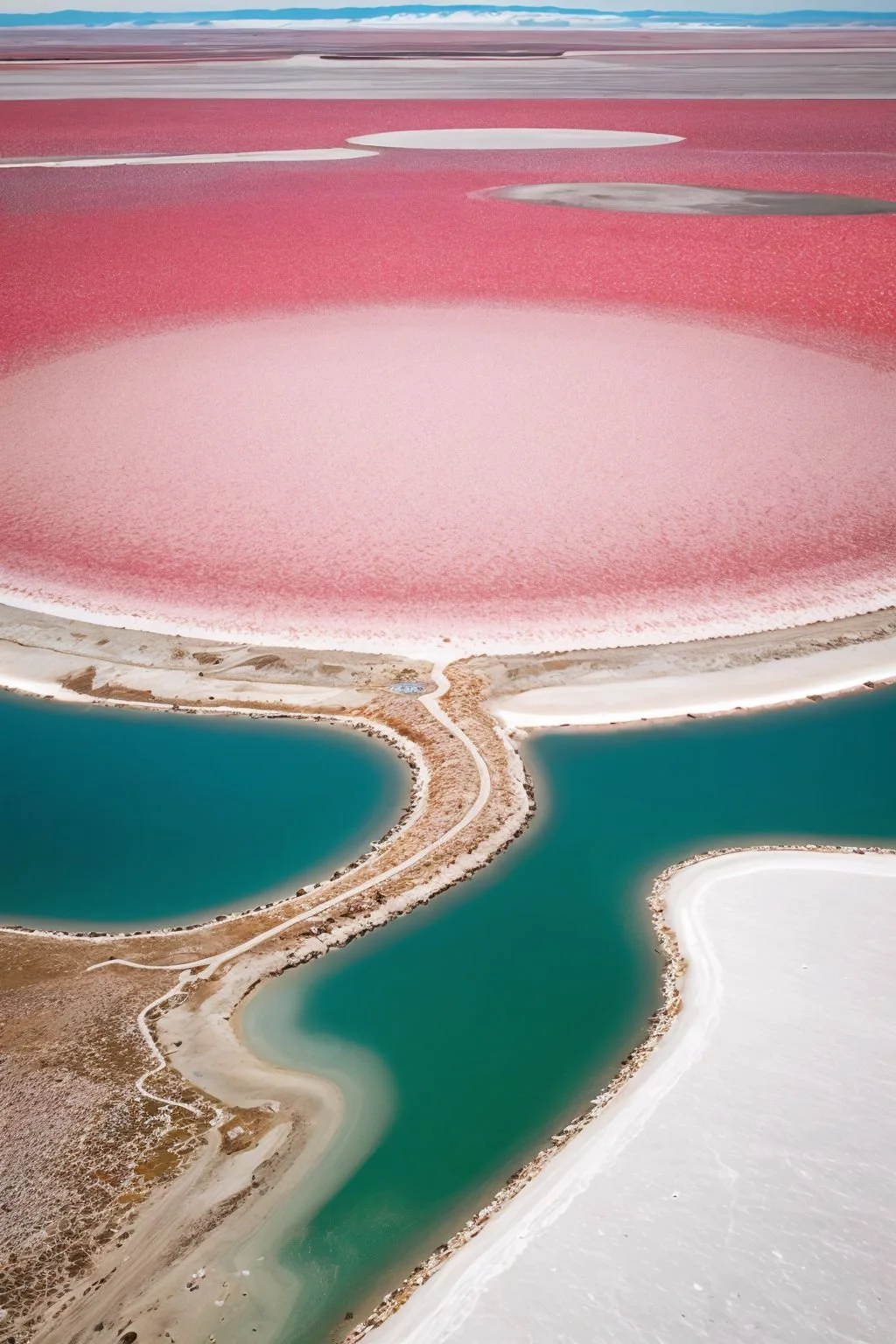
Image of Bolivia's Salar de Uyuni, source unknown. If this image belongs to you, please contact us for credit or removal.
The Disease They Blamed on Salt
As they poisoned the pantries and fridges with synthetic fats, refined sugars, and processed grains, they needed a scapegoat. Something visible, commonly used, familiar, and easy to fear.
Salt became that scapegoat.
Suddenly, doctors were told to tell mothers and fathers to cut down on salt, food companies rolled out “low-sodium” lines, cardiologists parroted the script, the press played along, the FDA approved. Meanwhile, the real culprit is sitting in everything:
bleached salt
refined sugar
seed oils
shelf-stable processed food
They tell you to fear what God made, and eat what man had altered.
And the people perished for lack of knowledge.
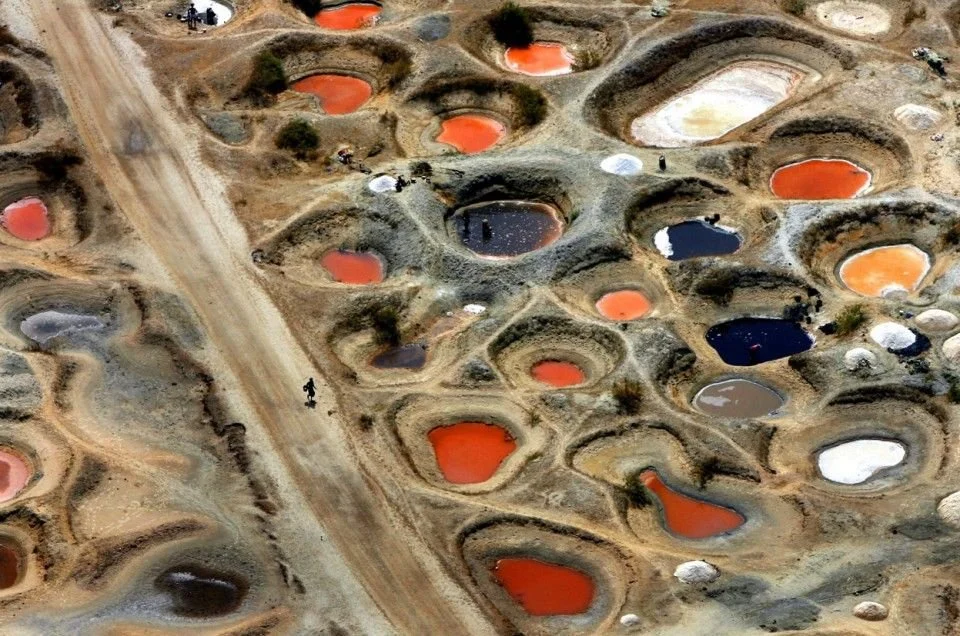
Image of pools of mineral colored water gathered on salt flats in holes on the Senegalese coastline, source unknown. If this image belongs to you, please contact us for credit or removal.
What Bleached Salt Really Does
Let this be clear: bleached, refined table salt is not neutral.
It does not simply "lack minerals", it disrupts the delicate systems of your body:
It draws water out of your cells
It spikes blood pressure unnaturally
It increases acidity
It weakens adrenal function
It fails to deliver electrolytes, leaving you more dehydrated the more you consume
It often contains chemical agents like yellow prussiate of soda (E535 or INS 535), which are banned in some countries
This is not salt. It is a counterfeit.
And the great tragedy is not only that people trust it, but that most households, restaurants, and even hospitals use it.
Words That Disguise the Deception
“Table salt”
“Free-flowing”
“Iodized” (unless from a natural source)
“Refined for purity”
“Clean, bright flavor”
These are not signs of quality. They are signs that your salt has been sterilized into something unholy.
Salt was not made to be bright white. It was made to be grey with moisture, pink with iron, flaky with trace minerals, textured like the land it comes from.

Image source unknown. If this image belongs to you, please contact us for credit or removal.
What Remains: A Path Back
This is not a call to fear, but rather a call to remember.
Remember what God created, remember that it is good.
And remember that the solution is not to remove salt from your life, but to restore the right salt to its place.
The salt that retains the rhythm of the tides, the salt that still hums with the memory of creation, the salt that heals.
Click here for a walk through the living salts of the earth: Celtic, Himalayan, Redmond, Bolivian, Persian, and more.
Their gifts, their uses, and how to choose the right one for your body, your life, and your season.
But for now:
Go to your pantry. If you see refined white salt, throw it out. Not tomorrow. Now. And begin again.
You are the salt of the earth. Not a shadow of it, not a substitute, not a sterile copy.
You were made to preserve what is good, to flavor what is bland, and to carry covenant.
So let your salt be real again.
Frequently Asked Questions
Is all white salt bad?
Yes — if it's refined, bleached table salt, it’s harmful. Even when labeled “sea salt,” many white salts have been stripped of minerals, bleached, and laced with anti-caking agents. True salt varies in color and texture — pink, grey, even slightly damp. God did not make snow-white powder. That was man’s doing.
What if my salt says “sea salt” — is that good?
Not always. “Sea salt” is a vague term and often misused. If it doesn’t say unrefined, sun-dried, or list its harvest location (like Brittany or Utah), it’s likely just industrial salt pretending to be natural. Check for origin, texture, and color — and avoid anything labeled “free-flowing” or “refined.”
What’s wrong with iodized salt? Don’t we need iodine?
Yes, we need iodine — but the synthetic iodine added to table salt is not well absorbed and often harmful. You can get iodine naturally from seaweed, fish, eggs, dairy, or unrefined sea salts, which contain iodine in its original form.
What are anti-caking agents — and are they safe?
Anti-caking agents are chemicals added to refined salt to keep it from clumping. Common ones include sodium ferrocyanide and aluminum compounds — some of which are banned in other countries. They offer no health benefit and should be avoided.
Can I still cook with refined salt if it’s all I have?
If you’re in transition, grace over guilt — but begin replacing it today. Start small: one bag of real salt, one switch on your table. Even using a pinch of unrefined salt in water daily can begin to rebalance your body. Don’t wait for perfect. Begin with better.
How do I know which real salt to use?
That’s what Part Two is for — a full breakdown of the salts still alive and mineral-rich: Celtic, Himalayan, Redmond, Bolivian, Persian, Kala Namak, Fleur de Sel, and more — how to choose them, use them, and what they’re best for based on your body’s needs.
Featured Articles




Celtic. Himalayan. Redmond. Fleur de Sel. Not all salts are equal, and not all are truly alive. This guide helps you understand the real difference, how to choose, and how each salt supports your body in a different way. Practical, beautiful, and rooted in design.