
Do Bread and Pasta Really Not Love You Back? The Truth About Modern Gluten
Modern Wheat, Digestion, and Choosing Better Bread
(and wheat products)
For many today, bread feels complicated.
What was once comforting now causes bloating, heaviness, brain fog, inflammation or fatigue. Wheat becomes something to “manage,” gluten something to fear. The body reacts, and the mind fills in the gaps with restriction, labels, and rules.
But the question worth asking is not why bread is bad,
it is why our bodies are responding differently to it.
The answer is not found in blame, nor in elimination, but in understanding how wheat, digestion, and modern life have quietly shifted.
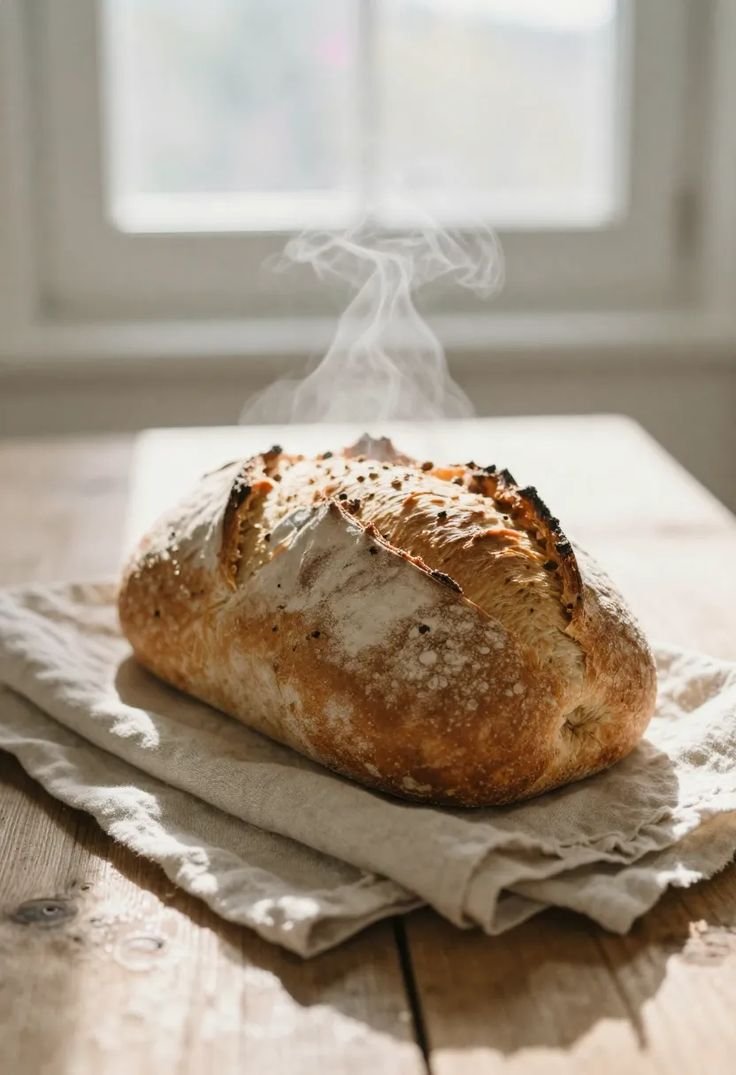
Image source unknown. If this image belongs to you, please contact us for credit or removal.
When the Body Speaks, It’s Worth Listening
Digestive symptoms are not failures, they are messages.
Bloating, discomfort, sluggishness, or inflammation after eating pasta or bread (or other wheat products) often point not to intolerance in isolation, but to a system under strain: the gut, the nervous system, the hormones, all working together.
Digestion does not happen in the stomach alone.
It begins in the brain, responds to stress, and depends on rhythm, rest, and timing.
When the body is overwhelmed, even foods that once felt safe can become difficult.
How Modern Wheat Became Harder to Digest
Wheat itself did not suddenly turn against us.
What changed was how it is grown, processed, and prepared.
Modern wheat is often:
hybridized for yield rather than digestibility
sprayed with chemicals that disrupt gut bacteria
milled into ultra-fine flours that then behave like sugar in the body
baked quickly with commercial yeast instead of slow fermentation
This combination alters how wheat interacts with digestion, especially in sensitive or under stress bodies.
The result is not always a true intolerance, but a loss of tolerance.
Image source unknown. If this image belongs to you, please contact us for credit or removal.
Fermentation: Where Bread Meets Digestion
For most of human history, bread was fermented slowly.
Traditional sourdough allows time for:
gluten to begin breaking down
phytic acid to reduce
minerals to become more available
the gut to receive food more gently
This is why many people who struggle with commercial bread feel markedly different when eating long-fermented sourdough.
The difference is not willpower. It is biology.
The Gut Lining, Inflammation, and Sensitivity
When the gut lining is irritated, by stress, antibiotics, poor sleep, ultra-processed foods, hormonal shifts etc., it becomes more reactive.
In this state:
wheat may feel inflammatory
digestion slows
bloating increases
fatigue follows
This does not mean wheat is the enemy. It often only means the gut needs support.
Sometimes, healing involves a pause. Sometimes, just better preparation. And sometimes, it involves slowing down the entire system, not just changing food.
Image source unknown. If this image belongs to you, please contact us for credit or removal.
Stress Changes Digestion More Than Food Alone
A tense nervous system cannot digest well.
Eating while rushed, anxious, distracted, or restrictive sends signals to the body that it is not safe to receive nourishment. Even the best bread can feel heavy in this state.
This is why fear-based food rules often backfire — especially hormonally. Chronic restriction elevates stress hormones, which further disrupt digestion, blood sugar balance, and appetite regulation.
Wellness is not found in tighter control, but in restoring trust between the body and food.
Nourishment Over Fear
For some women, removing wheat temporarily can be supportive while the gut heals. For others, switching to better-quality bread is enough. There is no single prescription.
What matters is avoiding extremes:
fearing bread entirely
or replacing it with highly processed “alternatives” that burden the body in different ways
Many gluten-free products are built from refined starches, gums, and seed oils — often harder on digestion than real, traditionally prepared bread.
Discernment matters more than labels.

Choosing Better Bread
Wellness does not require perfection but it does require alignment.
Bake your own. Make your own. Source from small mills. Learn to ferment. Bless your food.
If this is out of reach at some point, simpler occasional solutions at groceries:
Choose long-fermented sourdough, not commercial yeast bread
Opt for local bakers and small producers, especially at farmers’ markets, not big chains
Prefer organic wheat to avoid chemical desiccation
Favor ancient or heritage grains when available
Avoid ultra-processed “gluten-free” substitutes built from refined starches and seed oils
These are not rules, they are invitations back to nourishment.
Returning to the Body’s Wisdom
The body was designed to eat, digest, and be sustained.
When it reacts, it is not betraying us, it is asking for care.
Understanding wheat through the lens of digestion, stress, and preparation allows us to move away from fear and toward restored relationship with food.
“Give us this day our daily bread.” — Matthew 6:11
It remains a prayer for nourishment, not just of the body, but of the whole self.
For readers interested in the broader systems that shaped modern wheat and food processing, we explore this more deeply in our Remnant section.
Read Bread of Life or Loaf of Lies: The Truth About Gluten here.
Frequently Asked Questions About Gluten, Bread, and Digestion
Is gluten really the reason bread and pasta cause bloating?
Not always. Many digestive reactions are linked to modern wheat processing, rapid fermentation, and gut stress rather than gluten itself. For many people, switching to traditionally prepared bread makes a noticeable difference.
Why does modern wheat feel harder to digest than bread in the past?
Modern wheat has been hybridized for yield and speed, often treated with chemicals, and processed into ultra-fine flours. These changes affect how wheat behaves in the body and how the digestive system responds.
Is sourdough actually easier to digest?
Yes. Long-fermented sourdough helps break down gluten and phytic acid, making nutrients more available and digestion gentler compared to commercial yeast breads.
Are ancient grains better for digestion?
Many people tolerate ancient or heritage grains such as einkorn, spelt, or emmer more easily. These grains are closer to traditional wheat varieties and tend to be less aggressive on the digestive system.
Should I avoid bread completely if I have gut issues?
Not necessarily. Some bodies benefit from a temporary pause, while others respond well to better-quality bread. The goal is to support healing, not to create long-term fear or restriction.
Are gluten-free breads a healthier alternative?
Often, no. Many gluten-free products are highly processed and made with refined starches and seed oils, which can be harder on digestion than traditionally prepared bread.
How can I choose better bread if I don’t bake at home?
Look for long-fermented sourdough, minimal ingredients, organic wheat when possible, and bread from local bakers or small producers rather than large commercial chains.
Can stress really affect how I digest bread?
Yes. Digestion is closely tied to the nervous system. Eating while stressed, rushed, or anxious can make even good food feel heavy or uncomfortable.
Is it normal for digestion to change over time?
Yes. Hormones, stress levels, gut health, and life seasons all influence digestion. Sensitivity doesn’t mean failure — it often signals a need for support and gentler nourishment.
Why do some people think bread is easier to digest in Europe?
This is no longer a reliable rule. While European wheat was once less industrialized, much of it is now grown, processed, or even imported using similar large-scale methods. Digestibility depends far more on fermentation, grain quality, and individual gut health than on geography.
Related Reads



You might find this free product interesting

A clear, elegant kitchen companion returning you to God-given fats — and exposing the oils that were never meant for our bodies.
In every kitchen, there is a battleground — the place where nourishment is chosen, where families are shaped, and where the body is either strengthened or slowly worn down.
This printable guide gathers the fats God gave us at the beginning, the ones our grandmothers trusted and our great-grandmothers knew by heart. It also unveils the industrial oils that entered our world with deception, marketing, and hidden agendas — a truth explored in the accompanying article, The Fat War: How Seed Oils Became Their Weapon.
Designed in a warm, timeless palette, this A4 sheet slips into any homemaker’s binder, pantry door, or kitchen drawer — a gentle reminder that real food was always simple, steady, and meant to nourish.
Inside, you’ll find:
• Safe, stable, God-given fats for daily cooking, frying, and baking
• Industrial and inflammatory oils to avoid, with clarity and conviction
• Delicate oils to use only raw, and why
• A closing reminder to cook in truth, not fear — to choose what was good from the beginning
Perfect for mothers, homemakers, and those awakening to what has long been hidden. Let this guide be a lantern in your kitchen — steady, honest, and rooted in the wisdom God wove into creation.
WHAT’S INCLUDED
• 1× A4 high-resolution printable (JPEG/PDF depending on what you upload)
• Soft neutral design that matches Joanna Colomas Magazine’s aesthetic
• Easy-to-read categories:
– Safe, stable fats
– Oils to avoid
– Oils to use only raw
• Direct link to the full article for deeper understanding:
“The Fat War: How Seed Oils Became Their Weapon”
(found under The Remnant on the website)
HOW TO USE
• Print and place on your fridge, pantry, recipe binder, or inside your homemaking planner
• Keep it near your stove as a quick daily reference
• Use it as part of your wellness or pantry reset
• Share it with a friend who is beginning her natural-living journey
DOWNLOAD NOTE
This is a free resource — a small offering for women who want to cook with conviction, clarity, and truth.
Once downloaded, it will remain in your personal library inside the shop.
Related Categories

Is gluten really the problem or is modern wheat no longer what it once was? From sourdough and ancient grains to glyphosate and industrial bread, this article uncovers why so many struggle with wheat today, and how to return to real bread without fear or restriction.