
Bread of Life or Loaf of Lies — The truth about gluten
Gluten, Wheat, and What They've Done to Our Daily Bread

For centuries, bread was a gift. A humble, holy, and life-sustaining gift.
It was the food of families, of fields, of faith. It was never questioned. It was never feared.
Today, it is.
Gluten-free labels line every shelf, wheat is blamed for bloating, brain fog, inflammation, and even behavioral issues. Bread… the very thing Christ compared Himself to is now seen as a toxin.
But the truth, as always, lies not in the fear but in the facts.
This is not a war against wheat. It is a distortion of what wheat once was.
And this is not just a health matter, it’s a spiritual one, too.
Why Bread Matters So Deeply

Image source unknown. If this image belongs to you, please contact us for credit or removal.
Throughout Scripture, bread carries weight far beyond nutrition. It is a symbol of life, communion, and provision.
“I am the bread of life. He who comes to Me shall never hunger…”
— John 6:35
In the Old Testament, bread represented covenant and sustenance. In the New, it became a picture of Christ Himself—broken and shared.
To reject bread entirely is not merely dietary. It risks severing a deeper thread woven into human history: the sacred act of being fed by the hand of God.
So why the shift? Why the fear?
Because what many call "bread" today is no longer what God made.
What Happened to Wheat?
The wheat of today bears little resemblance to the wheat of Scripture.
Over the past century, traditional wheat varieties have been aggressively hybridized.
The reasons were industrial: higher yield, faster growth, easier processing. But the cost has been high.
Modern wheat:
Contains altered proteins that are harder to digest
Is stripped of natural fiber and nutrients during processing
Is often sprayed with glyphosate, a chemical linked to gut and hormone disruption
Is milled into ultra-fine, shelf-stable flour that behaves more like sugar in the body
In short: the wheat has been changed and so have our bodies’ responses to it.
But that doesn't mean wheat is inherently harmful. It means we need to look for the wheat that hasn't been touched by these changes.
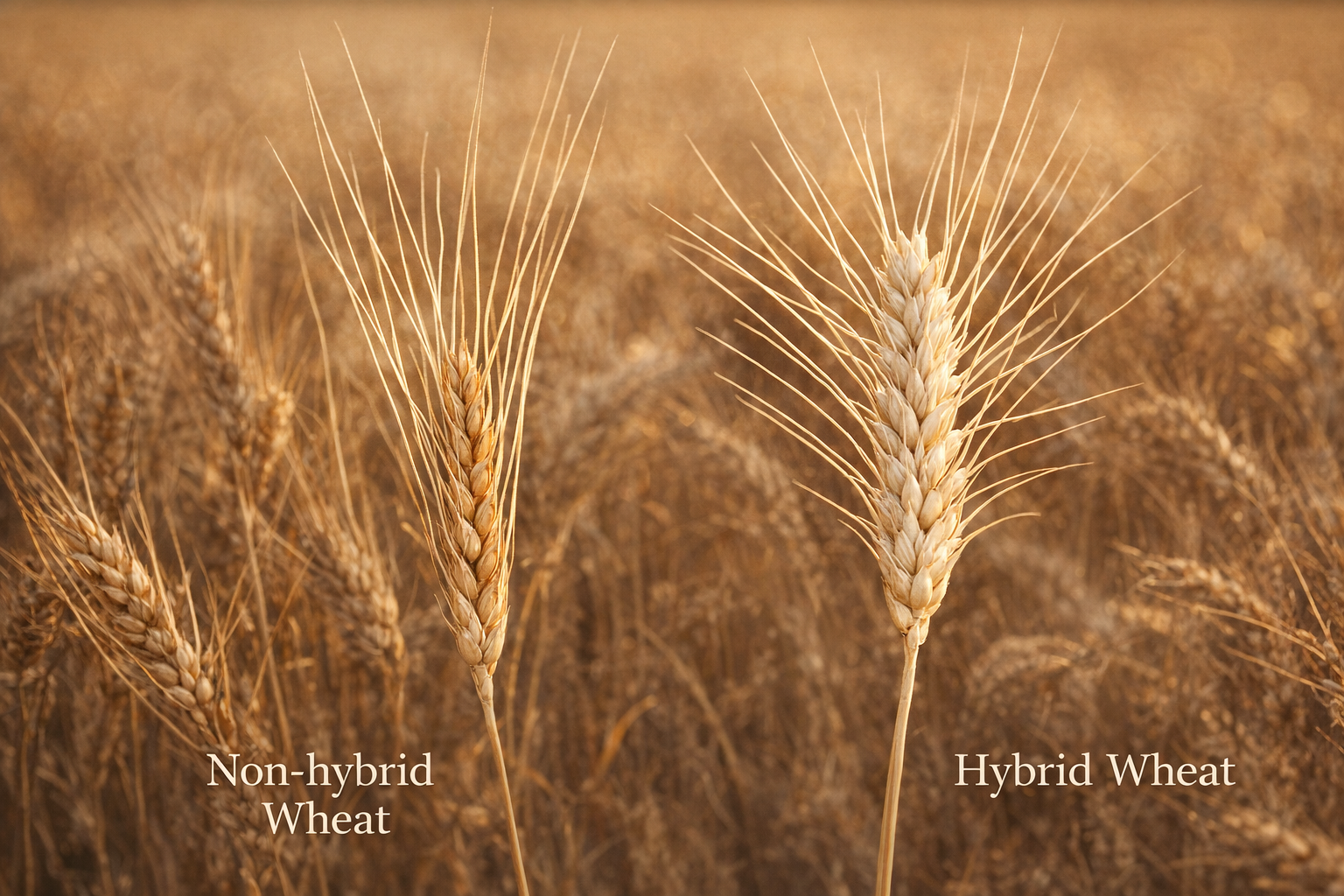
Image created for Joanna Colomas Magazine — I invite you to read: When Wheat was Wheat by Dr. Gary Young
The Misplaced Blame on Gluten
Gluten has become the easy villain. But in its original context, it wasn't a threat: it was a natural, functional part of the grain. The real issue lies in the quality and source of the grain, not in its God-designed components.
Many who struggle with “gluten” in commercial bread report no issues when eating:
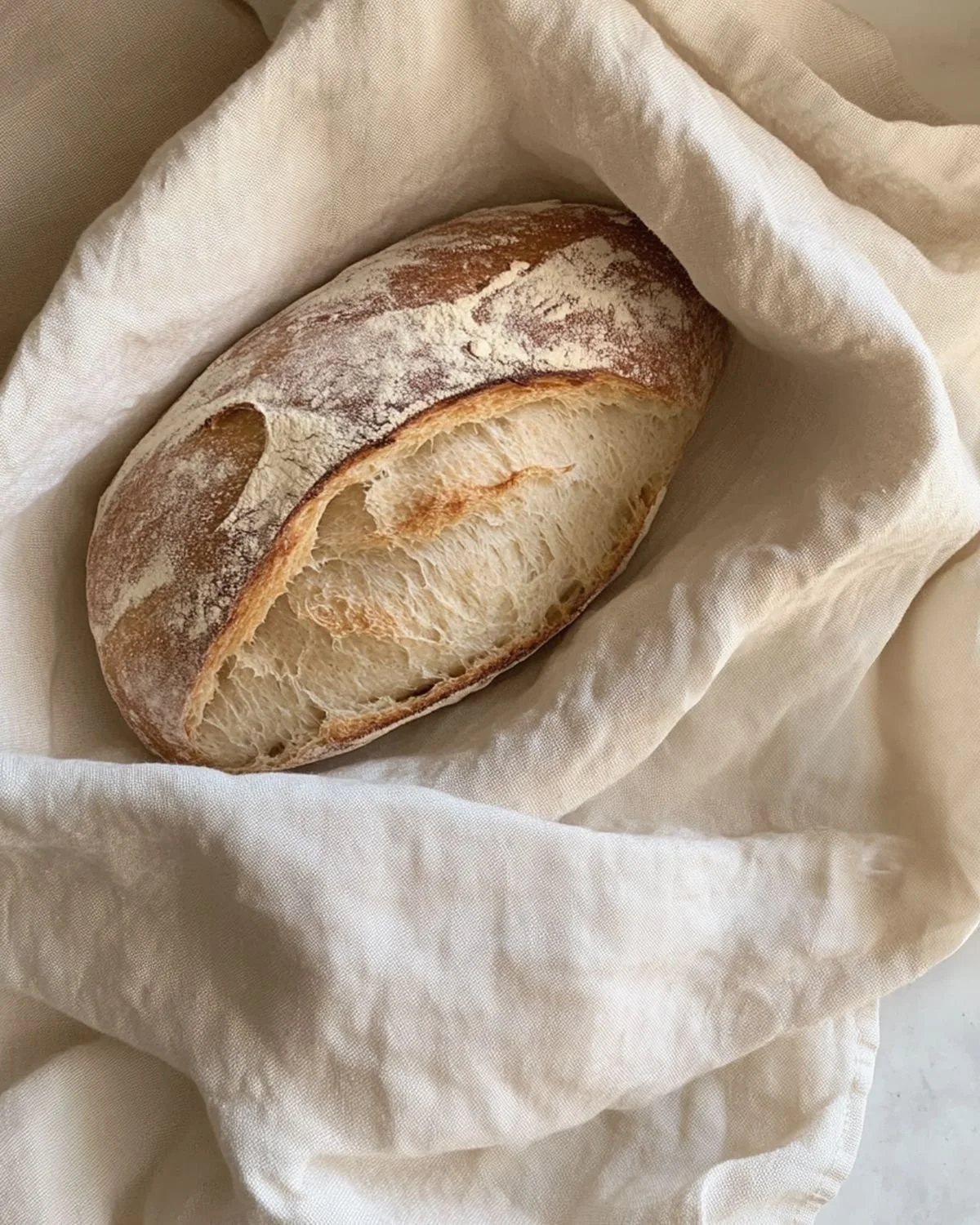
Traditional sourdough made with slow fermentation
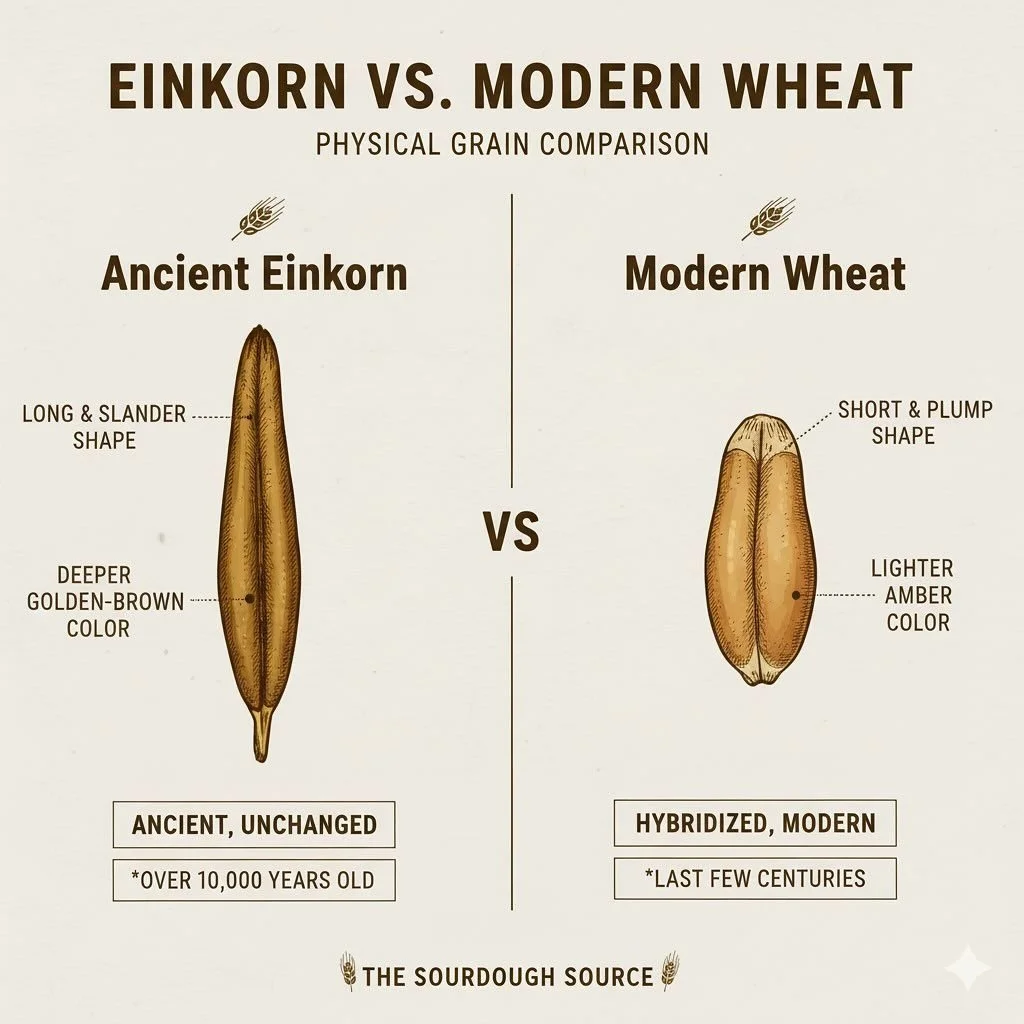
Ancient grains like einkorn, spelt, emmer, or khorasan
Stone-ground flours without additives
Organic breads from small-batch or European producers
These forms retain the integrity of the original grain, free from the chemicals and shortcuts of industrial agriculture.
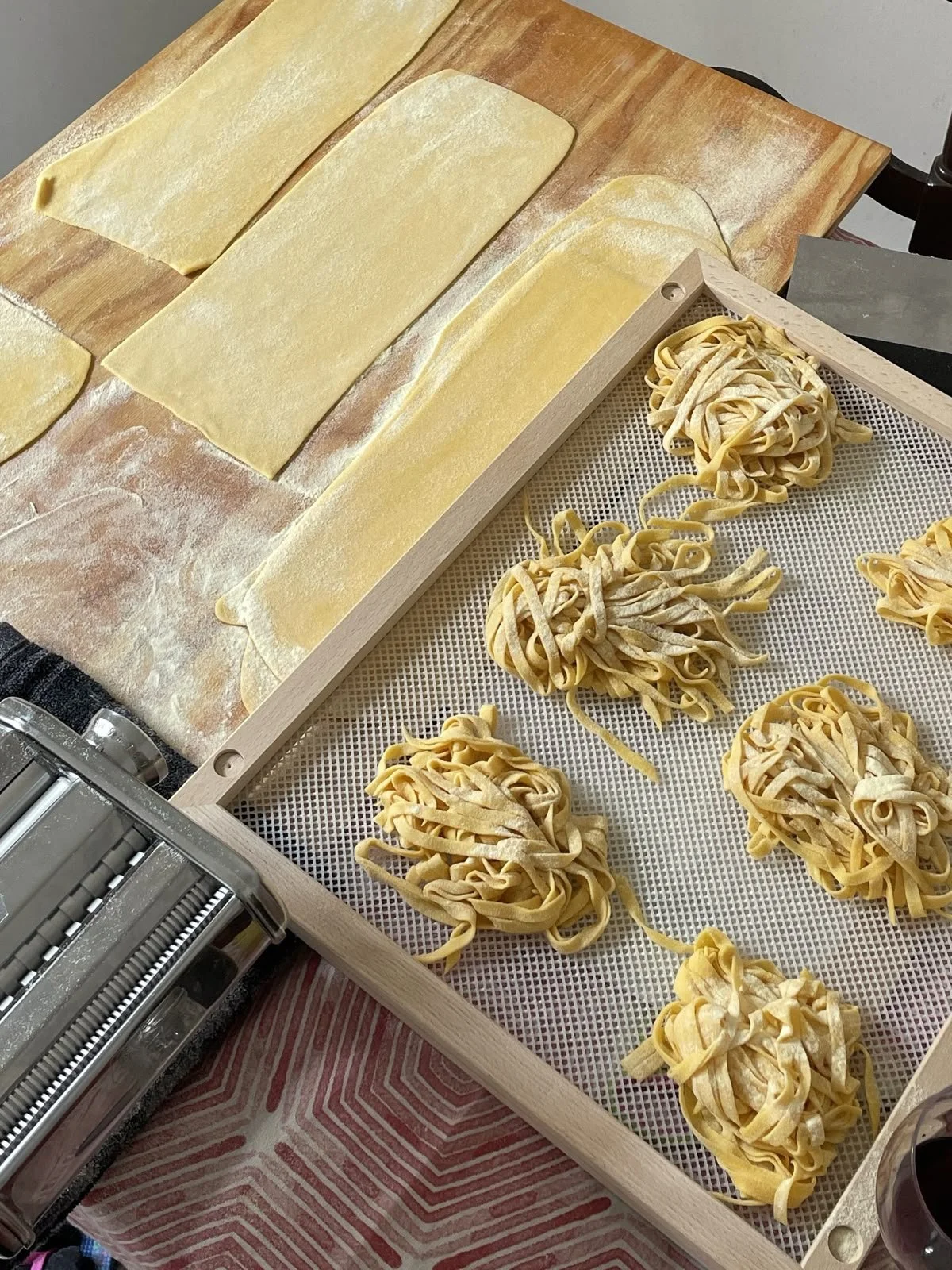
Image source unknown. If this image belongs to you, please contact us for credit or removal.
What Can We Eat Instead?
This isn’t a call to reject bread, but to reclaim it.
Safe, God-Given Options:
Einkorn, Emmer, and Spelt: These ancient wheats are closer to what our ancestors ate, and what our bodies still recognize.
Organic, long-fermented sourdough: Fermentation breaks down gluten and phytic acid, making the bread more digestible and nourishing.
European or regenerative farms: Many small farms still use traditional, chemical-free practices.
What to Avoid:
Bread with enriched, bleached, or ultra-processed flour
Commercial gluten-free products filled with seed oils, gums, or lab-derived starches
Grains sprayed with glyphosate, especially in non-organic U.S. wheat
This is about discernment, not restriction. It's not about fear either, it’s about freedom through understanding.
The “Clean Eating” Trap
Modern wellness culture has turned food into a source of anxiety.
The phrase “clean eating” often conceals disordered habits, not freedom. When food becomes something to fear or obsess over, it stops being nourishing, even if the ingredients are “perfect.”
God never asked us to micromanage every bite. He asked us to be faithful stewards: grateful, wise, and free.
Food is meant to:
Sustain, not stress
Nourish, not control
Connect us, not isolate us
A diet ruled by man-made rules leads to disconnection from our bodies, our faith, and each other. Returning to real, God-given food restores that balance.
Image source unknown. If this image belongs to you, please contact us for credit or removal.
What They Want to Replace Wheat With
Once bread was questioned, it created space for replacement. And the new offerings are not innocent.
We are now being sold:
Lab-grown meat and “smart food” (read more about it and how to differentiate them here)
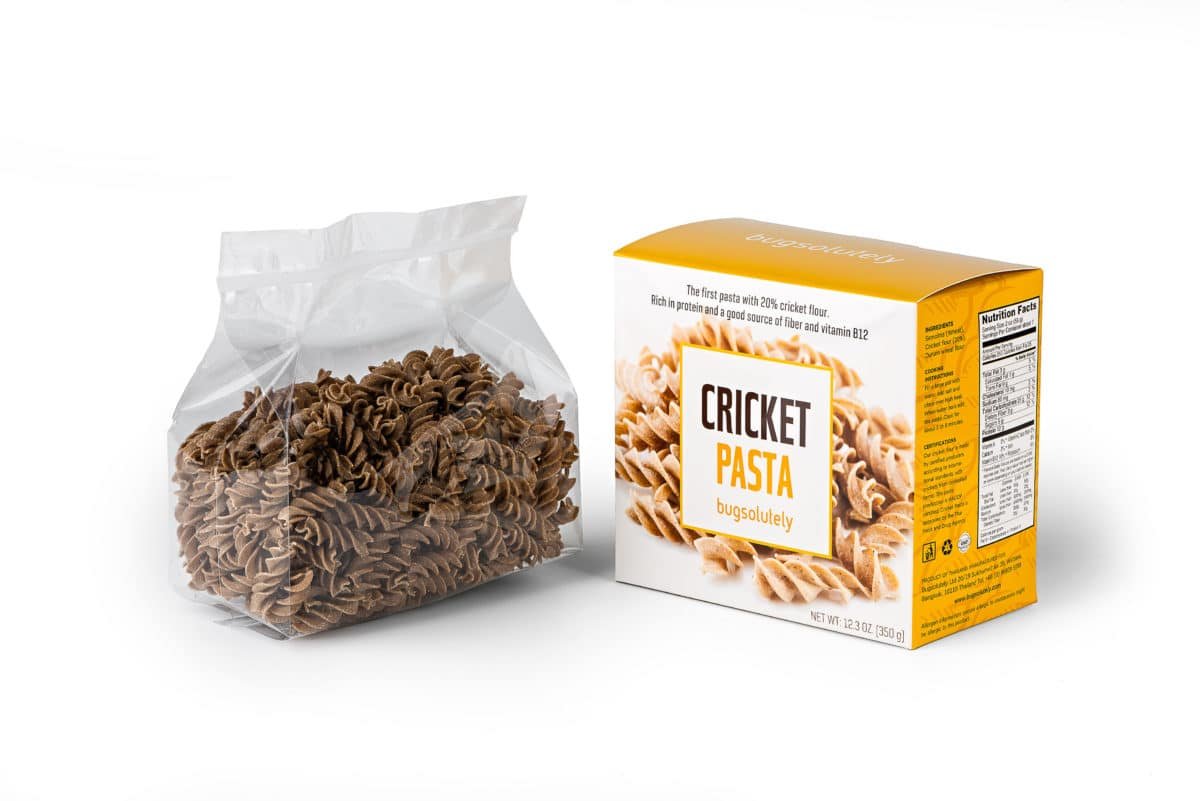
Cricket flour and synthetic proteins
Engineered, packaged, patented formulas with no soil or soul
Seed oils marketed as healthy or ‘vegetable oil’ (learn more here and download your free guide over here)
What began as nutritional advice slowly but surely opened the door for total food control.
Once they remove what God made, they can insert what they own, and sell it back to us.
But we don’t have to participate.

Solutions
The truth is not that bread is bad. The truth is that they broke it.
But God gave us wisdom, and ways to return.
Bake your own. Source from small mills. Learn to ferment. Bless your food.
When this is out of reach, there are still grounded choices available at the grocery store or local market:
Choose long-fermented sourdough, not commercial yeast bread
Opt for local bakers and small producers, especially at farmers’ markets, not large commercial chains
Prefer organic wheat to avoid chemical desiccation
Favor ancient or heritage grains when available
Avoid ultra-processed “gluten-free” substitutes built from starches and seed oils
For some bodies, a temporary pause from wheat may be necessary while the gut heals. This is not rejection — it is restoration. What matters is avoiding fear-driven replacement with industrial alternatives.
“Give us this day our daily bread.” — Matthew 6:11
It is still a prayer, still provision, still holy.
Let’s stop fearing what was never the enemy and stop blaming the gift for the damage done by greedy hands.
Let’s remember who the true Bread of Life is, and return to the table, eyes wide open, hands full of grace.
Frequently Asked Questions About Gluten and Wheat
Is gluten really bad for everyone?
No. Gluten itself is not inherently harmful for most people. Many issues attributed to gluten stem from how modern wheat has been altered and processed, rather than from gluten as it exists naturally in traditional grains.
Why does modern wheat cause bloating and digestive issues?
Modern wheat is very hybridized, often sprayed with glyphosate, and processed into ultra-fine flours. These changes can disrupt digestion, irritate the gut lining, and contribute to bloating or discomfort, especially in sensitive individuals.
Is sourdough easier to digest than regular bread?
Yes. Traditional sourdough is fermented slowly, which helps break down gluten and phytic acid, making it easier to digest and allowing better nutrient absorption compared to commercial yeast breads.
Are ancient grains better than modern wheat?
Many people tolerate ancient grains such as einkorn, spelt, and emmer more easily. These grains have not undergone the same level of industrial modification and are closer to what humans have consumed for centuries.
Should I completely avoid wheat if I have gut issues?
Not necessarily. Some people benefit from a temporary pause while healing, while others do well by switching to better-quality bread. The goal is discernment, not permanent restriction.
Are gluten-free products healthier?
Often, no. Many gluten-free products are highly processed and contain refined starches, seed oils, and additives that can be more inflammatory than traditionally prepared bread.
How can I choose better bread at the grocery store?
Look for long-fermented sourdough, minimal ingredients, organic wheat when possible, and bread made by local or small-scale producers rather than large commercial brands.
Featured Articles
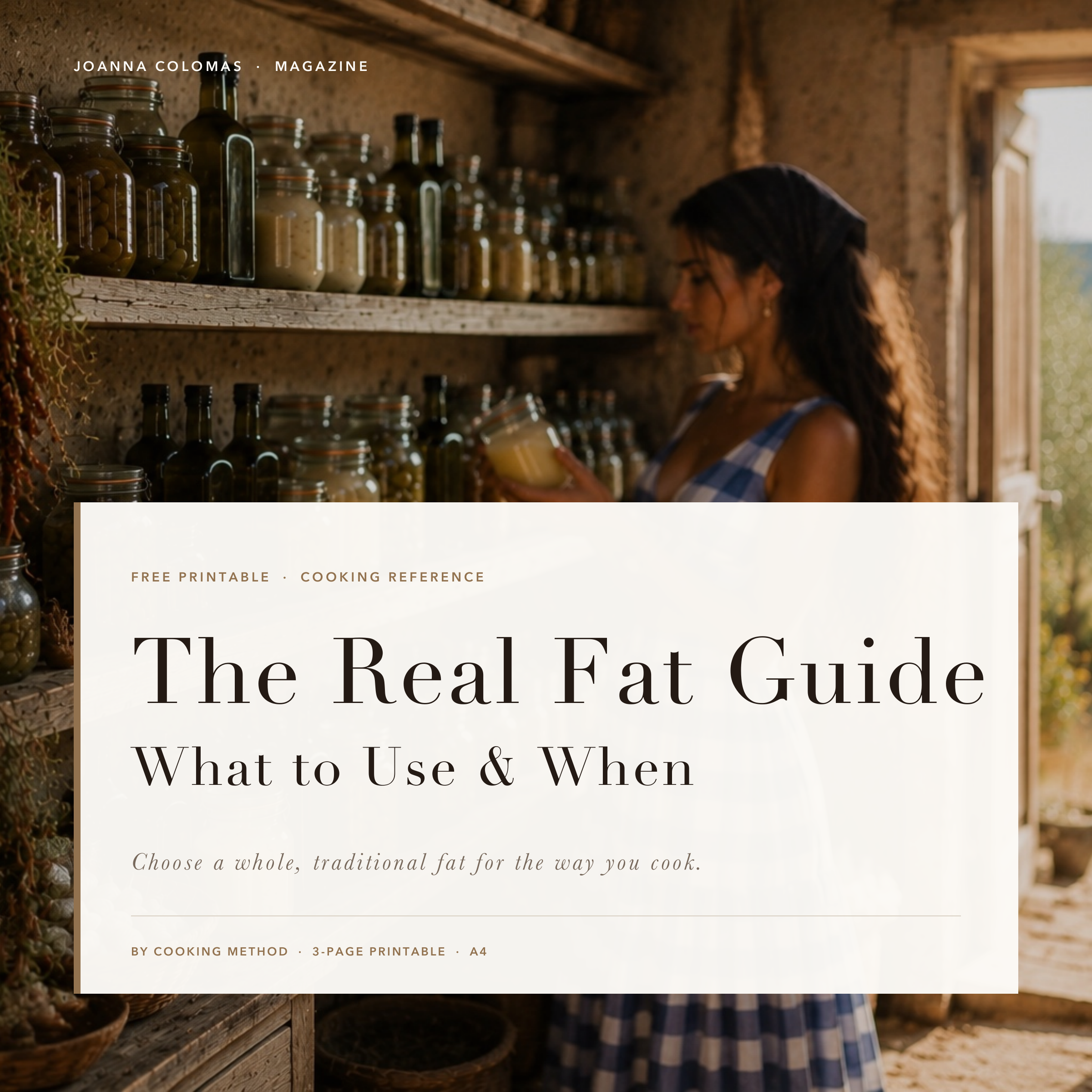
A clear, elegant kitchen companion returning you to God-given fats — and exposing the oils that were never meant for our bodies.
In every kitchen, there is a battleground — the place where nourishment is chosen, where families are shaped, and where the body is either strengthened or slowly worn down.
This printable guide gathers the fats God gave us at the beginning, the ones our grandmothers trusted and our great-grandmothers knew by heart. It also unveils the industrial oils that entered our world with deception, marketing, and hidden agendas — a truth explored in the accompanying article, The Fat War: How Seed Oils Became Their Weapon.
Designed in a warm, timeless palette, this A4 sheet slips into any homemaker’s binder, pantry door, or kitchen drawer — a gentle reminder that real food was always simple, steady, and meant to nourish.
Inside, you’ll find:
• Safe, stable, God-given fats for daily cooking, frying, and baking
• Industrial and inflammatory oils to avoid, with clarity and conviction
• Delicate oils to use only raw, and why
• A closing reminder to cook in truth, not fear — to choose what was good from the beginning
Perfect for mothers, homemakers, and those awakening to what has long been hidden. Let this guide be a lantern in your kitchen — steady, honest, and rooted in the wisdom God wove into creation.
WHAT’S INCLUDED
• 1× A4 high-resolution printable (JPEG/PDF depending on what you upload)
• Soft neutral design that matches Joanna Colomas Magazine’s aesthetic
• Easy-to-read categories:
– Safe, stable fats
– Oils to avoid
– Oils to use only raw
• Direct link to the full article for deeper understanding:
“The Fat War: How Seed Oils Became Their Weapon”
(found under The Remnant on the website)
HOW TO USE
• Print and place on your fridge, pantry, recipe binder, or inside your homemaking planner
• Keep it near your stove as a quick daily reference
• Use it as part of your wellness or pantry reset
• Share it with a friend who is beginning her natural-living journey
DOWNLOAD NOTE
This is a free resource — a small offering for women who want to cook with conviction, clarity, and truth.
Once downloaded, it will remain in your personal library inside the shop.

Dive into the heart of modern nutrition, where the intricate dance between the natural and the synthetic unveils the profound essence of what we choose to nourish our bodies with.