
What a Slow Summer Actually Costs
The Honest Math Behind the Kind of Summer We Keep Telling You to Want
Every slow-living page, including this one, will show you a garden and a full pantry and call it simple. Here is the actual math behind a summer like that — and what to do if yours doesn't add up the same way.
© 2026 Joanna Colomas Magazine
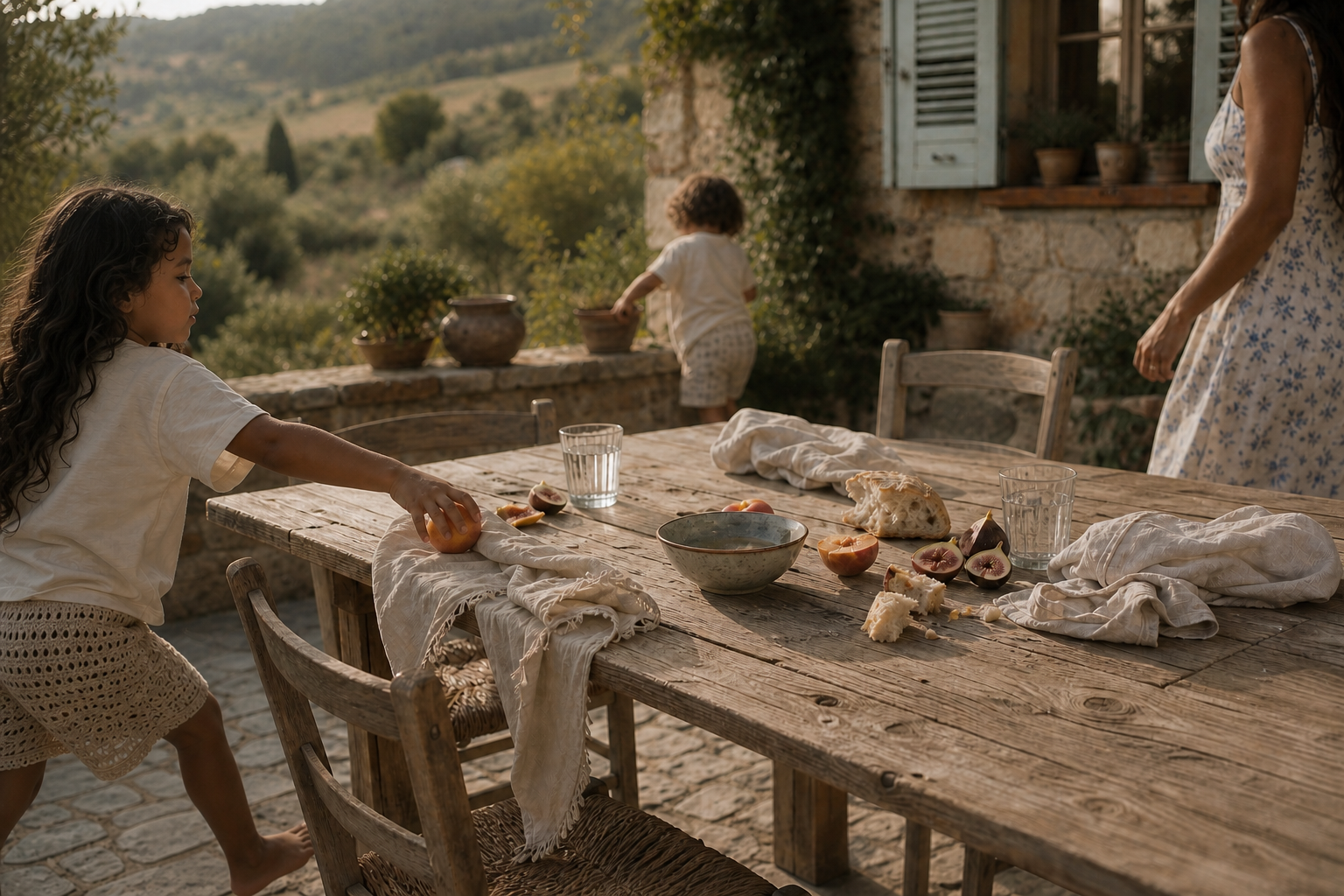
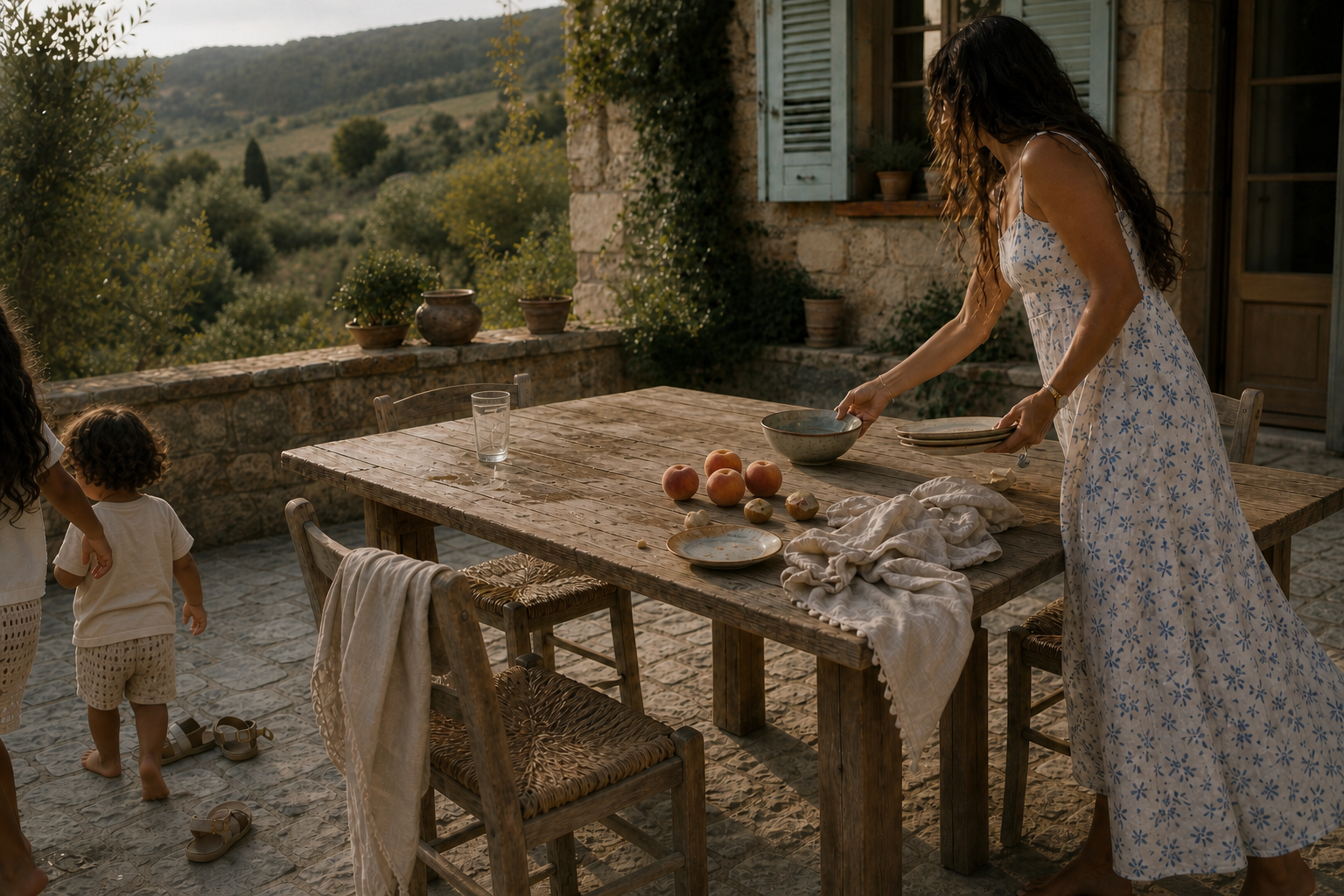
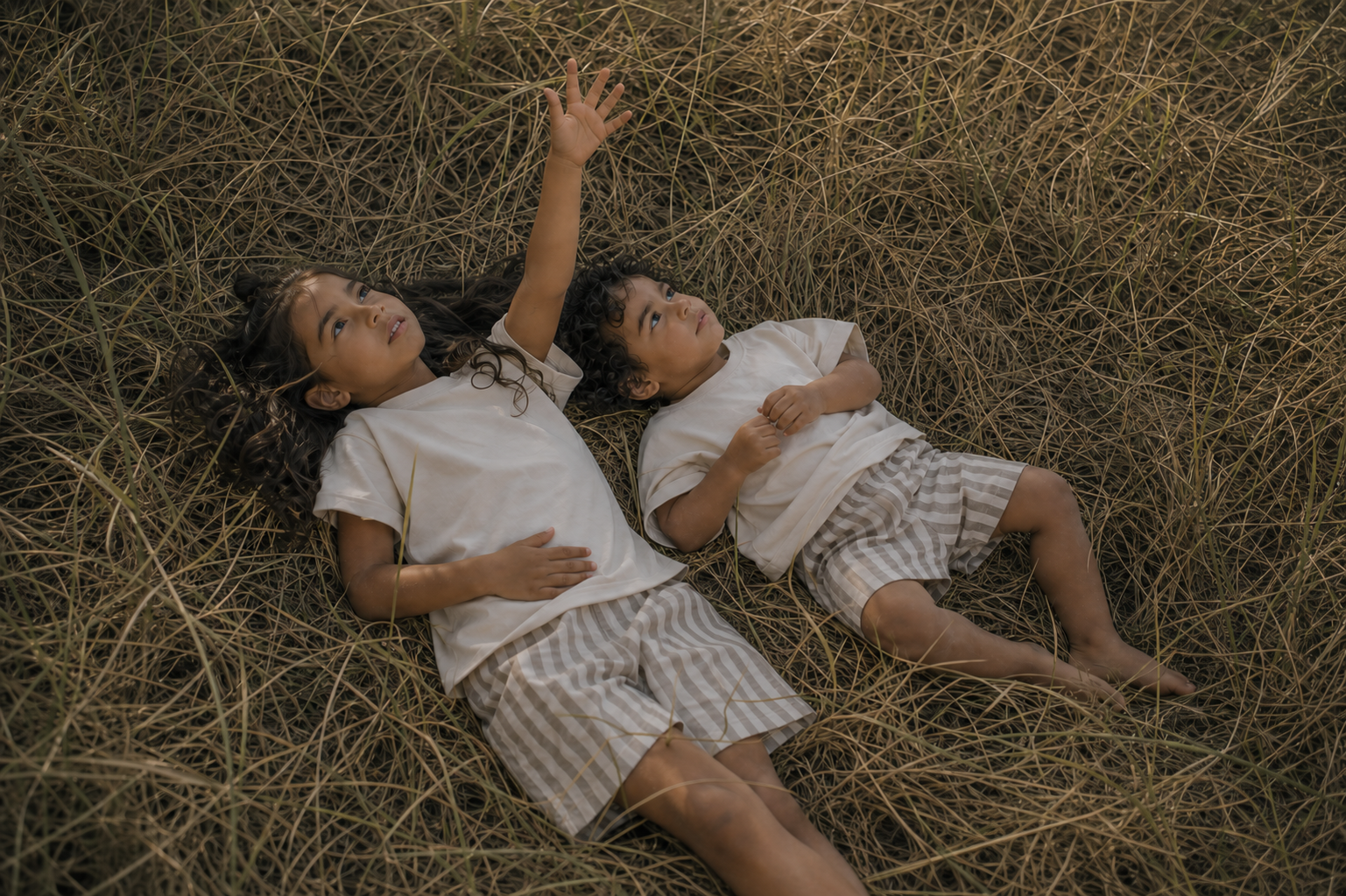
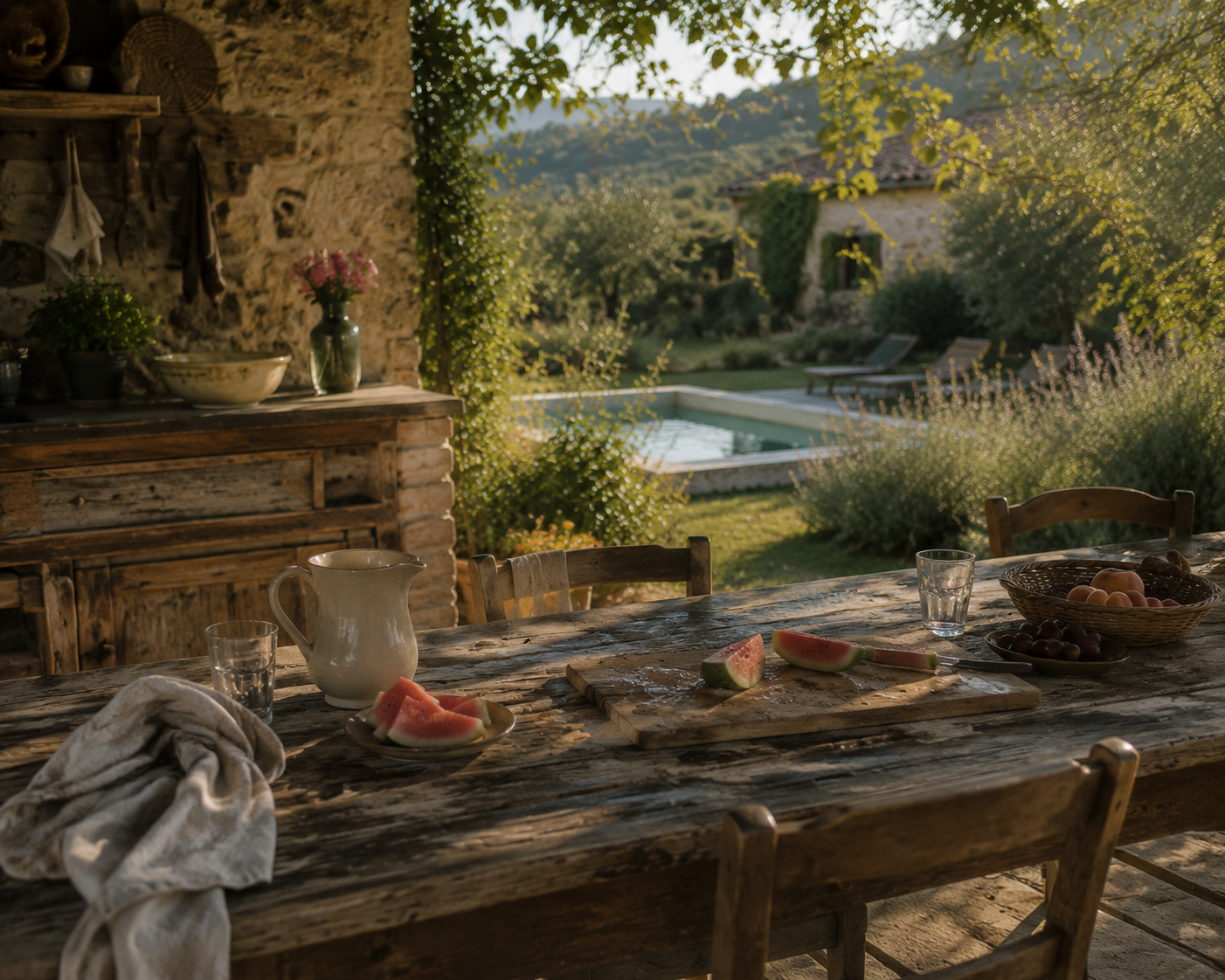
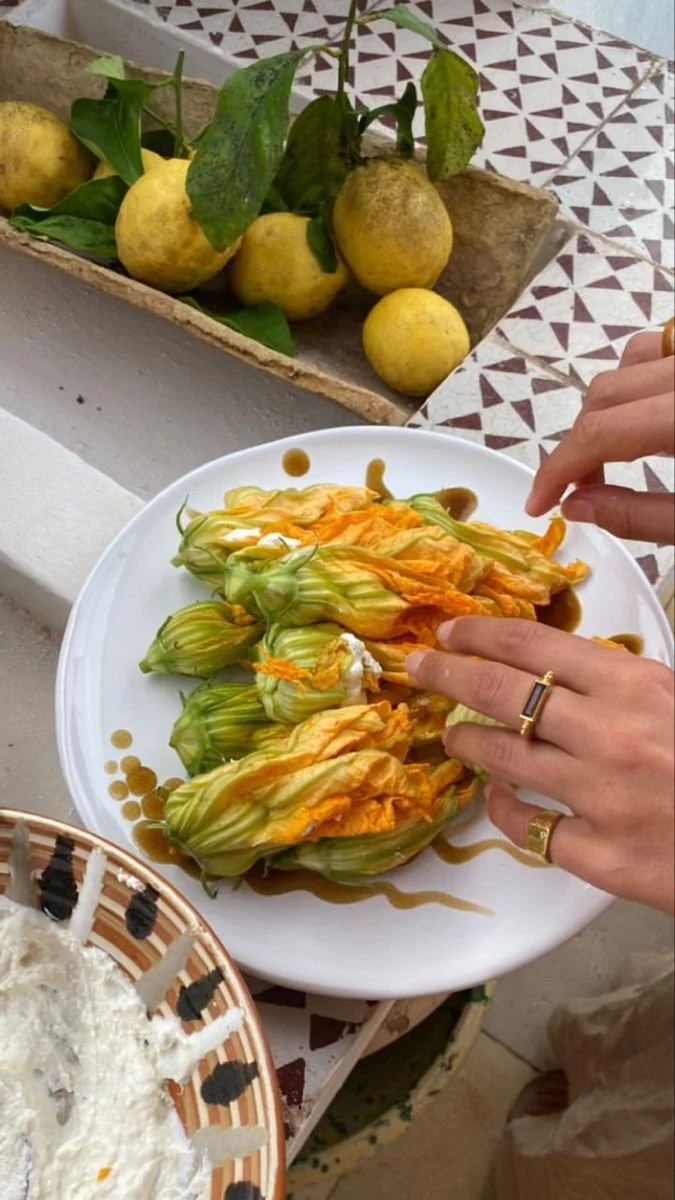
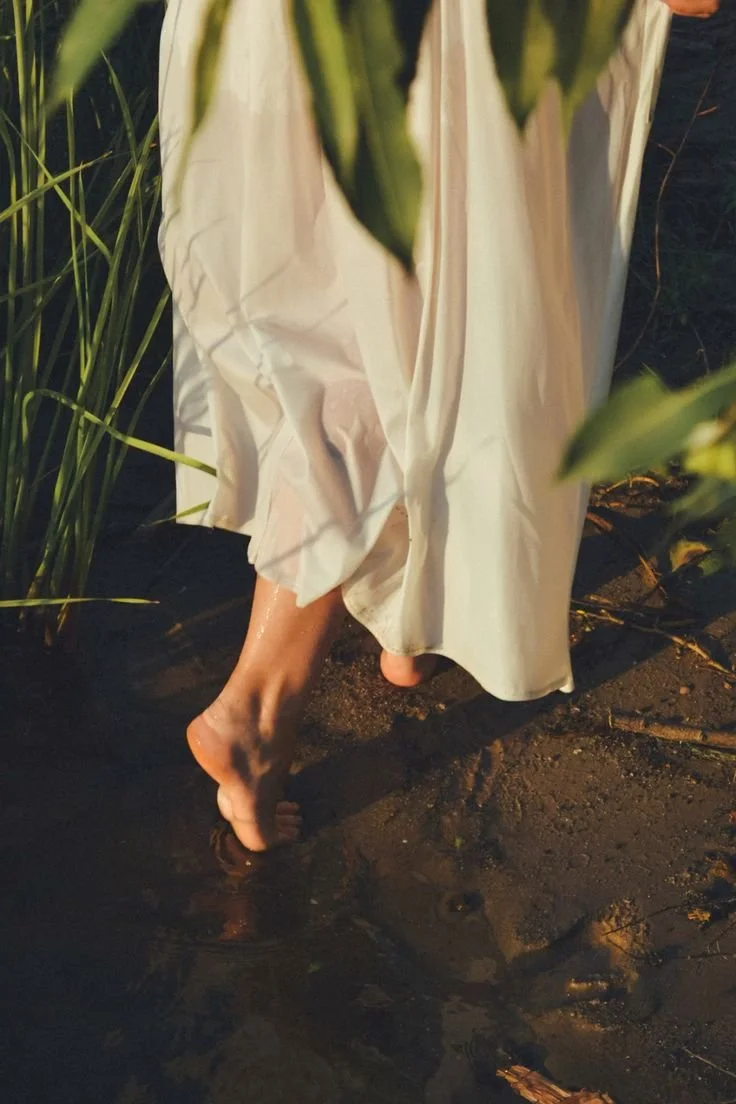
Somewhere on this site is a photograph of a linen tablecloth, a bowl of peaches, a child's bare foot on warm stone. It looks unplanned. Underneath it is a week where nobody in that house had anywhere else to be — its own kind of expensive, even when no money changes hands for it directly. Sometimes the cost is money. More often it's time: someone not working, or a working life loose enough to be present most days. Not every household has either to spend, and if yours doesn't, nothing about your summer is failing. It's carrying a cost the photograph never showed.
For a family already living and learning together, summer doesn't open up the way it does for a school household — your days were already yours. But June still brings the invitations: a friend's camp, a museum intensive, riding lessons for the horse-crazed one. None of it required, and the pull toward it real anyway — the sense many of us carry, that these warm months are when a life like ours should expand further, do more, cost more. It adds up regardless, camp or no camp, school calendar or none. Doing that math next to a magazine — including this one — that photographs a version of summer costing nothing at all only makes it heavier.
Here is the math, roughly, because a promise like that one deserves it: a family that spends one afternoon at the pool each week, two museum trips, a week of riding camp, ice cream after the beach, and groceries that stretch further because everyone's home all day can spend hundreds, sometimes thousands, over a summer without ever buying anything that looks extravagant on its own. A family with one parent home full-time may spend less of that cash and far more of that time. Another may spend more on childcare so the work doesn't stop. The numbers are never quite the same twice. The calculation is always there.
What Paul Knew About Both Directions
© 2026 Joanna Colomas Magazine
Long before anyone photographed a bowl of peaches beside a linen tablecloth, another man wrote about abundance and scarcity from a prison cell — with considerably less control over his circumstances than a summer calendar. "Not that I speak in respect of want: for I have learned, in whatsoever state I am, therewith to be content. I know both how to be abased, and I know how to abound: every where and in all things I am instructed both to be full and to be hungry, both to abound and to suffer need" (Philippians 4:11–12). He isn't choosing a side. He isn't telling the abundant household to feel guilty for its ease, or the empty one to feel ashamed of its lack. He learned to be content in both directions, because contentment was never actually about which direction he was standing in.
That's the thing the linen-tablecloth photograph can't show you, and the thing worth taking from it instead of the tablecloth: the goal was never the unhurried afternoon itself. It was whatever made a man content in a cell and content in a palace by the same means. If your summer doesn't look like the photograph, you haven't missed the point of it. You may be closer to the actual point than the photograph was.
The Free Enrichment Nobody Markets

© 2026 Joanna Colomas Magazine
Here is what's actually true, and rarely said out loud: most towns already offer real enrichment for free, and it isn't marketed as such. The public library's summer program is often genuinely built — a real weekly schedule, visiting performers, science demonstrations, a finish-line prize that costs you nothing but a card. Many library systems also lend museum and zoo passes the same way they lend books; check yours before you assume the aquarium is a splurge. Park districts and county recreation departments run classes and drop-in days — art, swimming, nature programs — for a fraction of private lesson pricing, often a quarter of the cost, for the same instruction, the same tired, sun-pink child at pickup. None of it gets marketed the way the paid programs do, because nobody's paying to advertise it to you — you have to go looking for it once, at the start of summer, and then it runs itself.
The Trade
© 2026 Joanna Colomas Magazine
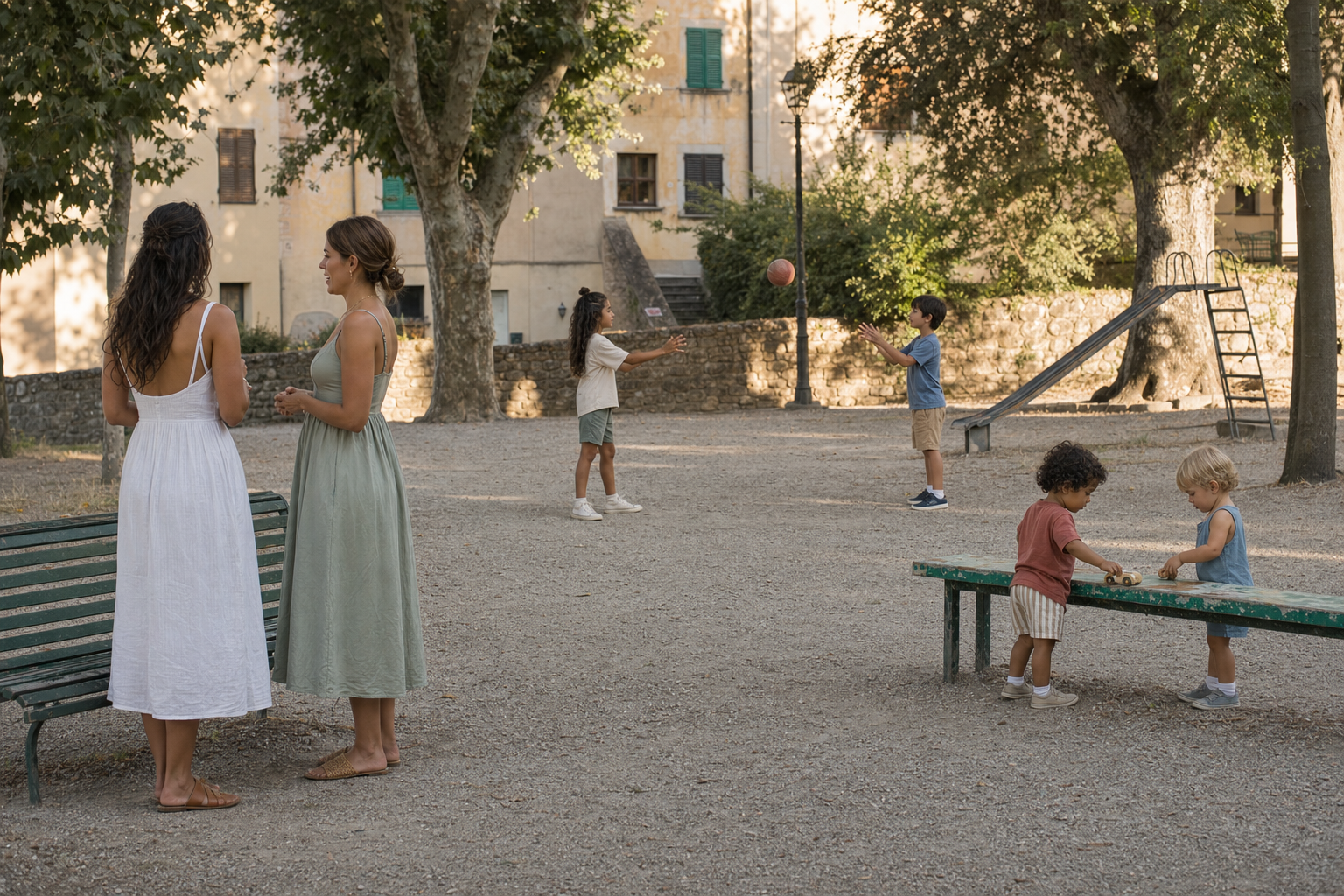
The other real strategy costs no money at all, and it's the one nobody teaches, because it requires trusting your neighbors more than most of us are taught to. Find two or three other families — the ones whose children you'd actually leave your own with — and trade one full day a week. You take all the children on Monday. She takes them Tuesday. Someone else takes Wednesday. You have time for yourself for the cost of one day given, and every child gets three different houses, three different mothers, three different sets of snacks and rules and games, which is its own kind of rich. This isn't a co-op in the formal sense, with a binder everyone signs. It's a few women texting each other in May: what if we tried this. Most of the ones who try it keep doing it every year after. And if you don't have those families yet, start smaller — one afternoon instead of one day, and let it grow from there.
The One Splurge Rule
© 2026 Joanna Colomas Magazine
And for whatever doesn't fit either of those — the one activity your child has been asking about since March, the single week of the camp with the horses or the lake — give yourself permission to pay for exactly one thing, and let it be enough. Not the whole summer's worth of what other families are doing. One thing, chosen on purpose, paid for without guilt, and everything else built around library cards and trades and days with nowhere to be. A summer doesn't need to be uniformly funded to be a good one. It needs one or two real yeses, and permission to let the rest be ordinary.
Daily Bread
© 2026 Joanna Colomas Magazine
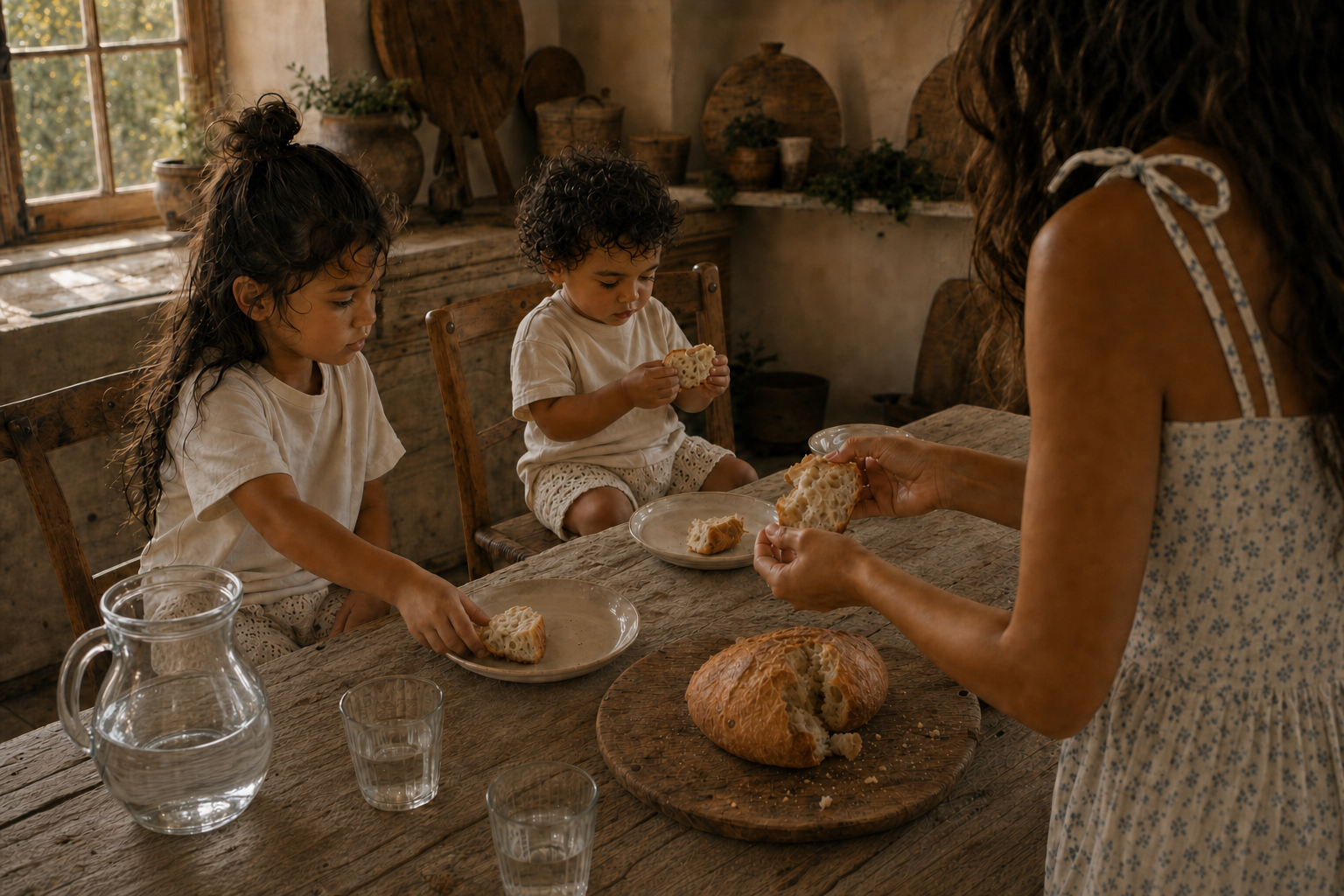
Whatever the number in your head actually is — the one from that math a few paragraphs back — it isn't a verdict on how well you're doing this summer. It was never the tablecloth, or the pool, or the camp with the horses, that made any of it good. "Give us this day our daily bread" (Matthew 6:11) is still, all these centuries later, an entire prayer on its own — not give us abundance, not give us the aesthetic. Enough, for today. That's allowed to be the whole of what you're asking for.
The photograph was never the point. The life behind it was — and a faithful summer can be built around a library card as surely as around a lake house, because peace was never found in either. We'll probably still photograph the peaches, here and everywhere else. But now that we've done the math instead of skipping past it, we'll try to remember to tell you what the photograph never could: that whatever you can actually afford this summer, in money or in time, was always allowed to be the whole of it.
You Might Love…


Long before children can explain what beauty is, they are learning what is worth stopping for. This intimate reflection considers how a mother’s attention—to creation, music, goodness, food and ordinary family life—can teach her children to notice the beauty already present around them.