
The Forgotten Summer Skills Every Child Should Learn Before Autumn
Summer has always been more than a season of leisure. For generations, it was a season of apprenticeship.
Long before childhood became filled with schedules, screens, and endless entertainment, summer offered children something far more valuable: the opportunity to become capable. Boys and girls learned by doing: they spent long days outdoors, worked alongside adults, cared for younger siblings, gathered food, mended broken things, tended animals, and gradually discovered that they were able to contribute meaningfully to the life of their family and community.
In many ways, summer was preparation for life itself.
As autumn already approaches once more, this is an invitation to ask a different question.
Rather than wondering how to keep our children occupied for the remainder of the season, we might ask:
What skills can they carry with them into every season that follows?
To help you put these ideas into practice, I've created an interactive Summer Skills Guide — a place to plan the season, track what they learn, and keep the memories. You'll find it just below.
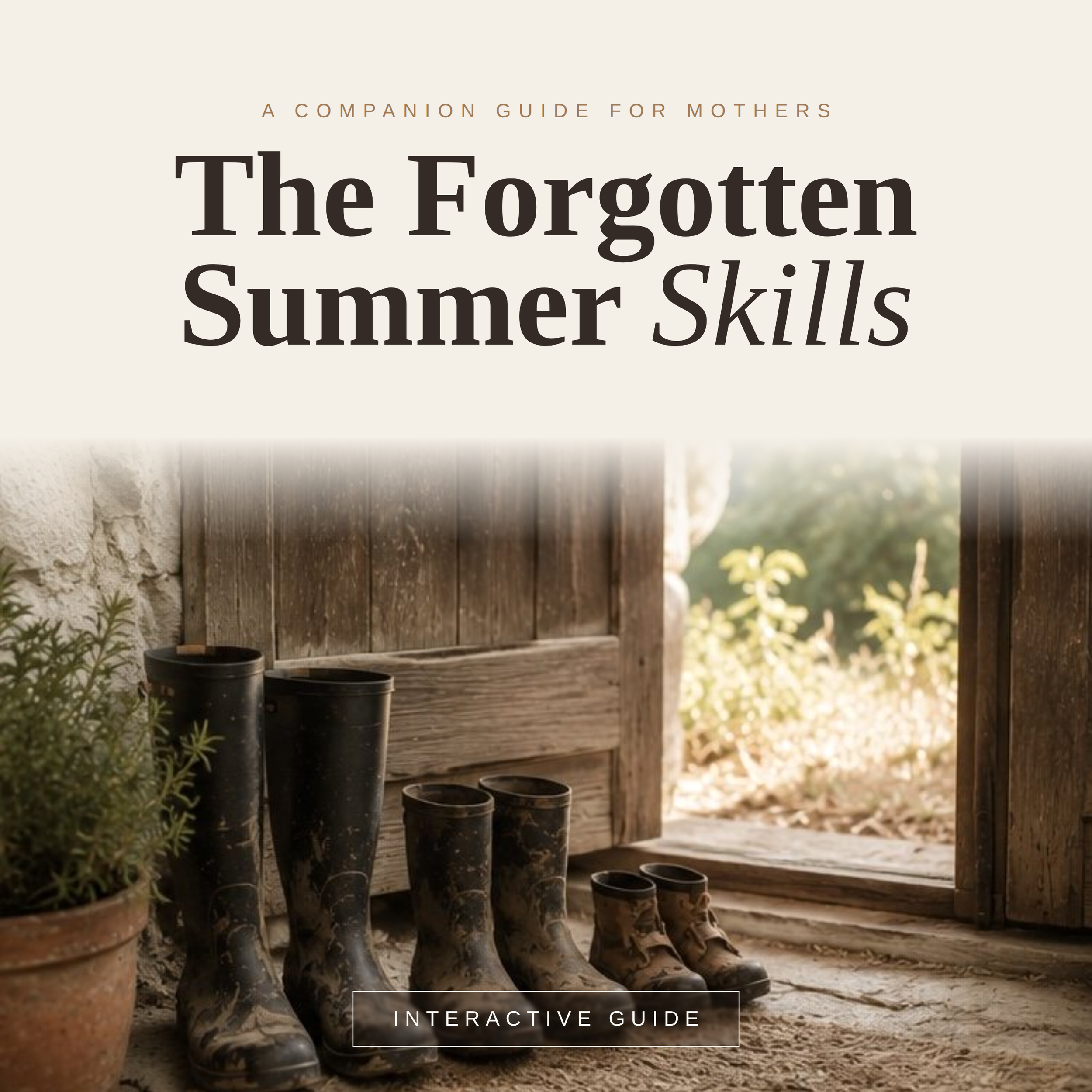
The summer a child learns to knead the bread, mend the tear, and read the weather is the summer they carry into every year after.
Most of what makes a person capable was never taught in a classroom. It was learned at a mother's side — in the kitchen, the garden, the walk home at dusk. This is a companion for that work: a place to decide what your children will learn this summer, to keep it in view through July and August, and to hold onto it once the season has passed.
It is not a workbook for children to fill. It is written for you — the one deciding what a summer is for.
Because it is built as a living guide rather than a printable, it remembers where you left off. What you check, write, and record stays saved, so it grows alongside the season instead of sitting in a drawer.
What is inside
— A place to name what this summer is for, before it fills with everything else — Skills of the home: bread, mending, the work of keeping a house — Outdoor competence: a tracker for the things learned in the open air — Character and inner life: five passages of Scripture to keep by heart — Family traditions begun this summer, written down before they are forgotten — A closing reflection to remember the season by
Thirteen chapters, with room to write and return.
How it is made
✓ Fully interactive — check, write, and track; your work is saved as you go ✓ Evening Mode — a warm, low-light view for reading after the house is quiet ✓ Print at home — keep a paper copy for the family binder if you prefer ✓ Editorial photography throughout, in the magazine's own hand ✓ KJV Scripture woven through — the framework, never the lesson ✓ Opens on any device: phone, tablet, or desktop
How to use it
Open it on any device and begin where you like. There is no schedule to keep and nothing to finish by a certain date. Mark a skill as it is learned. Write a memory as it is made. Your entries stay saved on your device, waiting each time you return.
Please note
This is a digital product: an interactive guide, delivered as a download. Nothing is shipped. For one family's use.
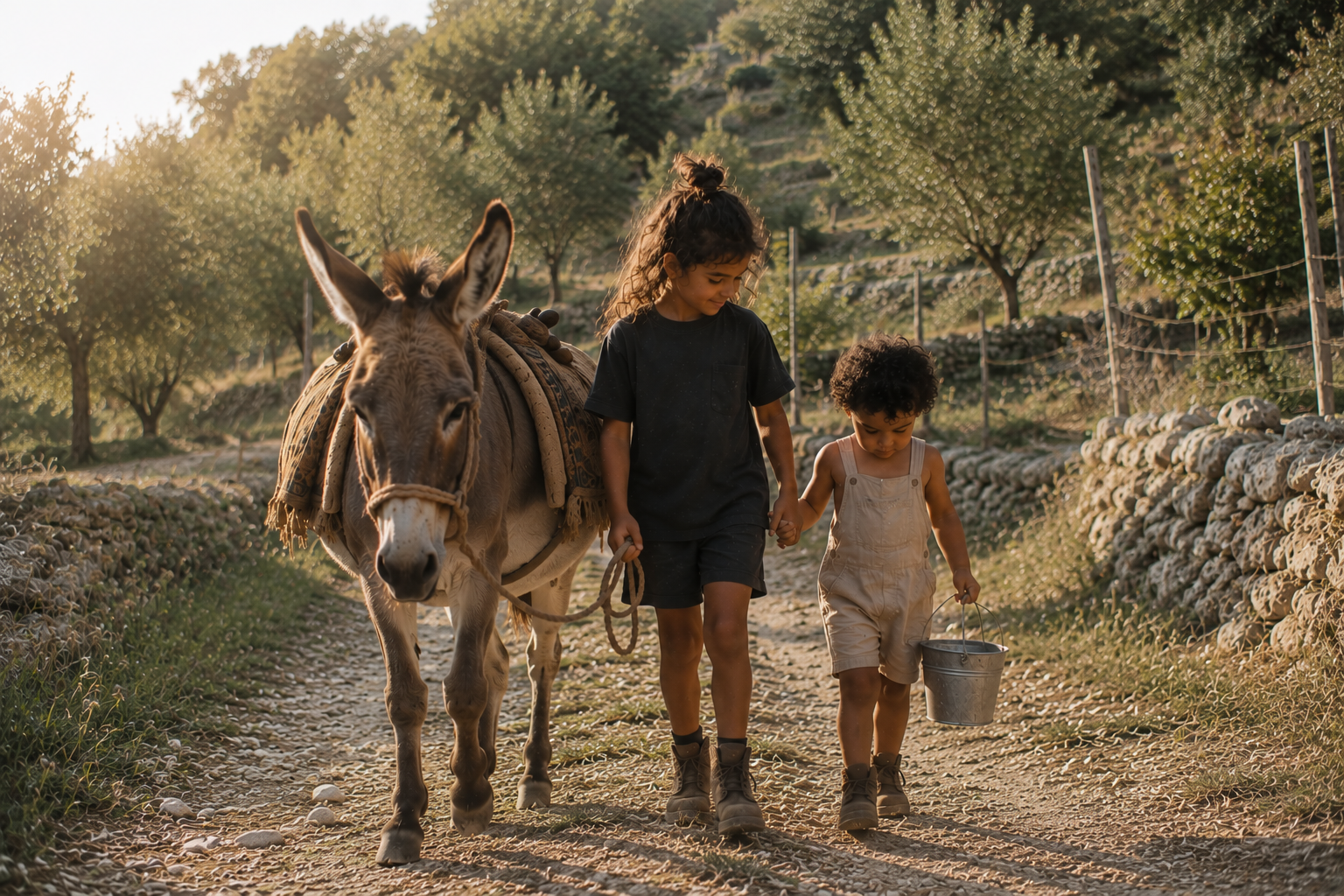
Here are some of the forgotten summer skills worth passing on during the warmest and happiest days of the year.
© 2026 Joanna Colomas Magazine
A Note to Parents
Children develop at remarkably different rates. The suggestions throughout this article are not age-based recommendations, but invitations to observe your own child carefully and prayerfully.
Parents know their children best. New responsibilities should always be introduced gradually, taught intentionally, and closely supervised until both skill and maturity have been demonstrated.
Capability grows through trust, guidance, and relationship; not through simply handing a child a tool or task and walking away.
Parents and caregivers remain solely responsible for determining what activities, tools, and responsibilities are appropriate for their individual child and circumstances.
Identifying the Living World Around Them
© 2026 Joanna Colomas Magazine
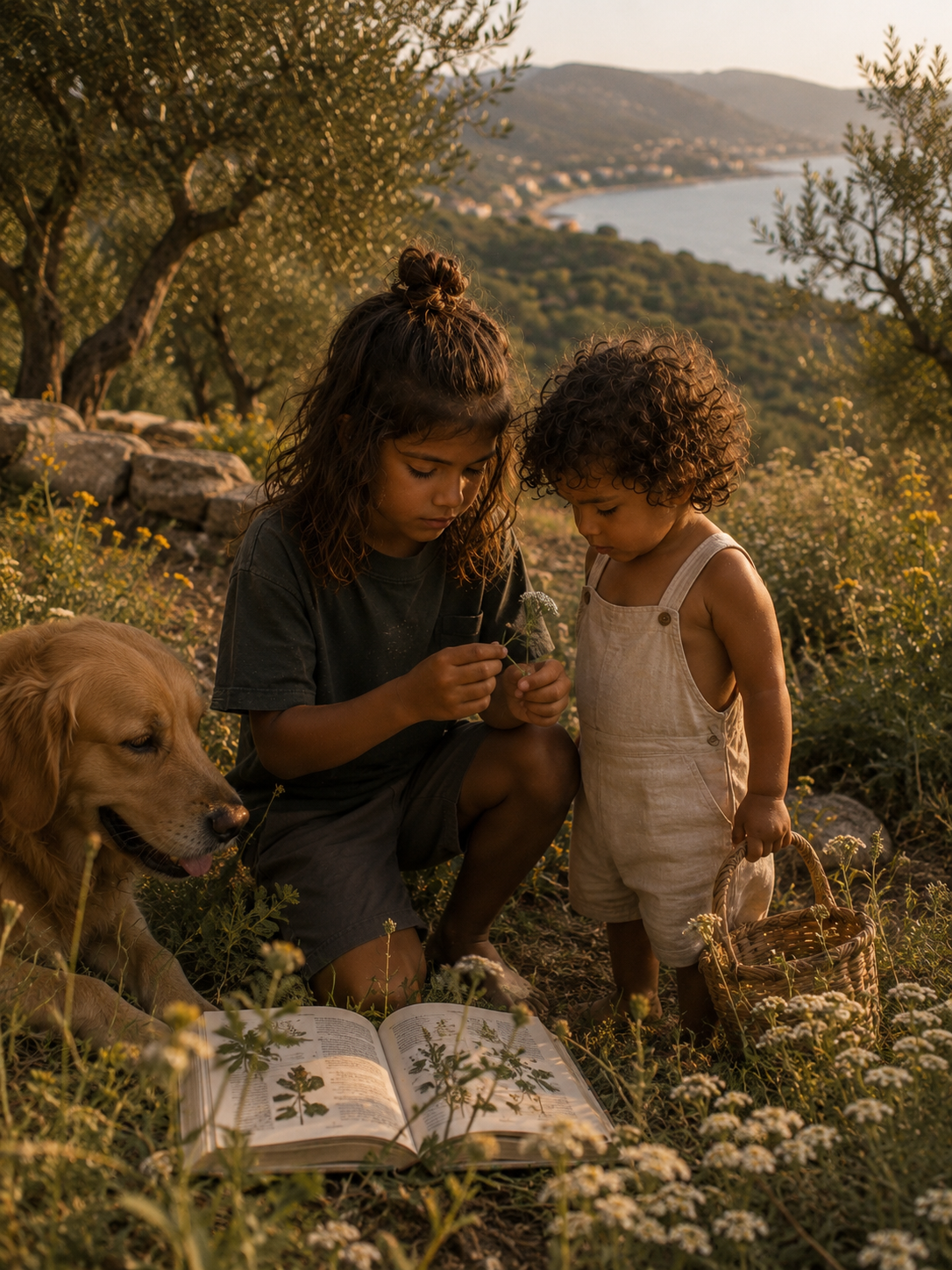
Many children can navigate a tablet with remarkable ease yet cannot name the trees growing in their own garden, let alone region.
Summer offers the perfect opportunity to learn:
common wildflowers
native trees
birds and their songs
arthropods (insects, myriapods, chelicerates, crustaceans)
edible berries, fruits, roots and herbs
poisonous plants to avoid
Knowledge of creation cultivates both wonder and stewardship. A child who knows the names of the living things around him is far more likely to love and care for them.
"The earth is the LORD'S, and the fulness thereof; the world, and they that dwell therein."
— Psalm 24:1
Preparing Simple Food
© 2026 Joanna Colomas Magazine
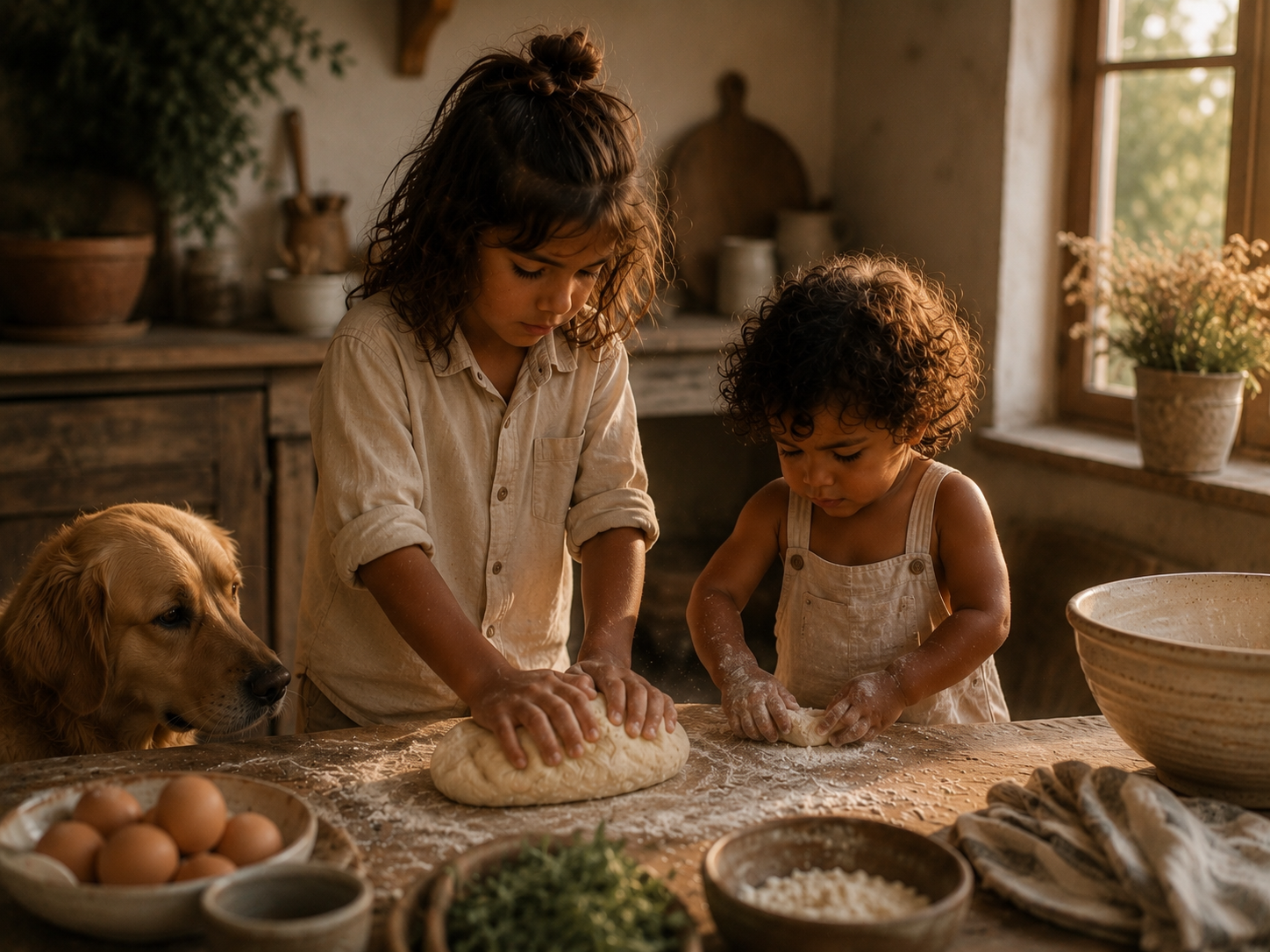
Every child, regardless of age, can learn to prepare something.
A toddler can wash vegetables. A young child can stir batter or knead dough. Older children can learn to prepare entire meals for the family.
By the end of summer, children might know how to:
scramble eggs
bake bread, muffins and cookies
make soup and smoothies
prepare a simple breakfast
wash and prepare produce
set a beautiful table
Cooking teaches far more than recipes. It cultivates responsibility, hospitality, patience, and generosity.
"She looketh well to the ways of her household, and eateth not the bread of idleness."
— Proverbs 31:27
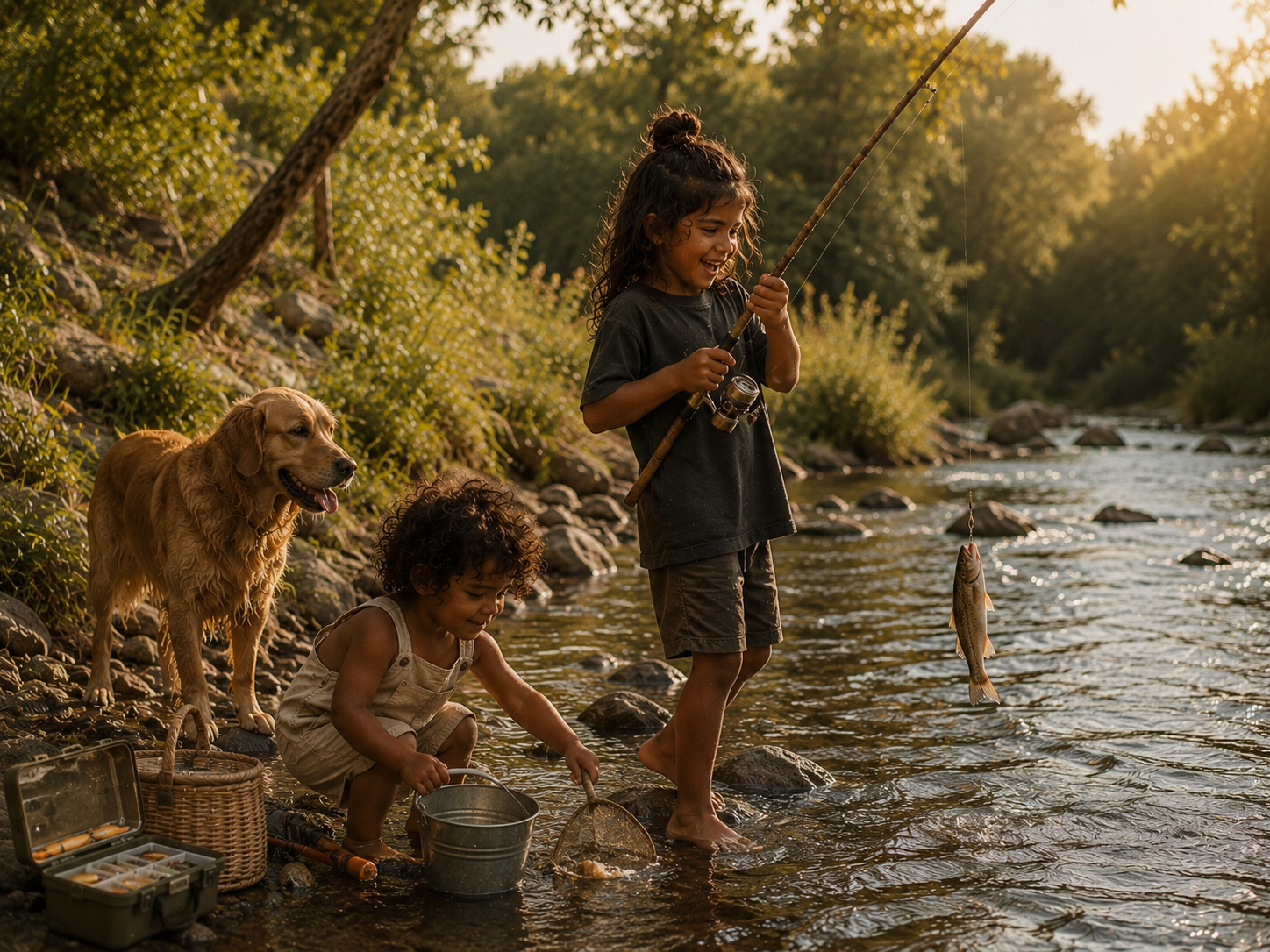
Using Tools Safely
© 2026 Joanna Colomas Magazine
Children are often far more capable than modern culture assumes.
Under patient supervision, summer is an ideal time to introduce:
pocket knives
hammers
hand drills
gardening tools
sewing needles
kitchen knives
Learning to use real tools fosters confidence, competence, and respect for both work and craftsmanship.
Children entrusted with responsibility frequently rise to meet it.
"And whatsoever ye do, do it heartily, as to the Lord, and not unto men."
— Colossians 3:23
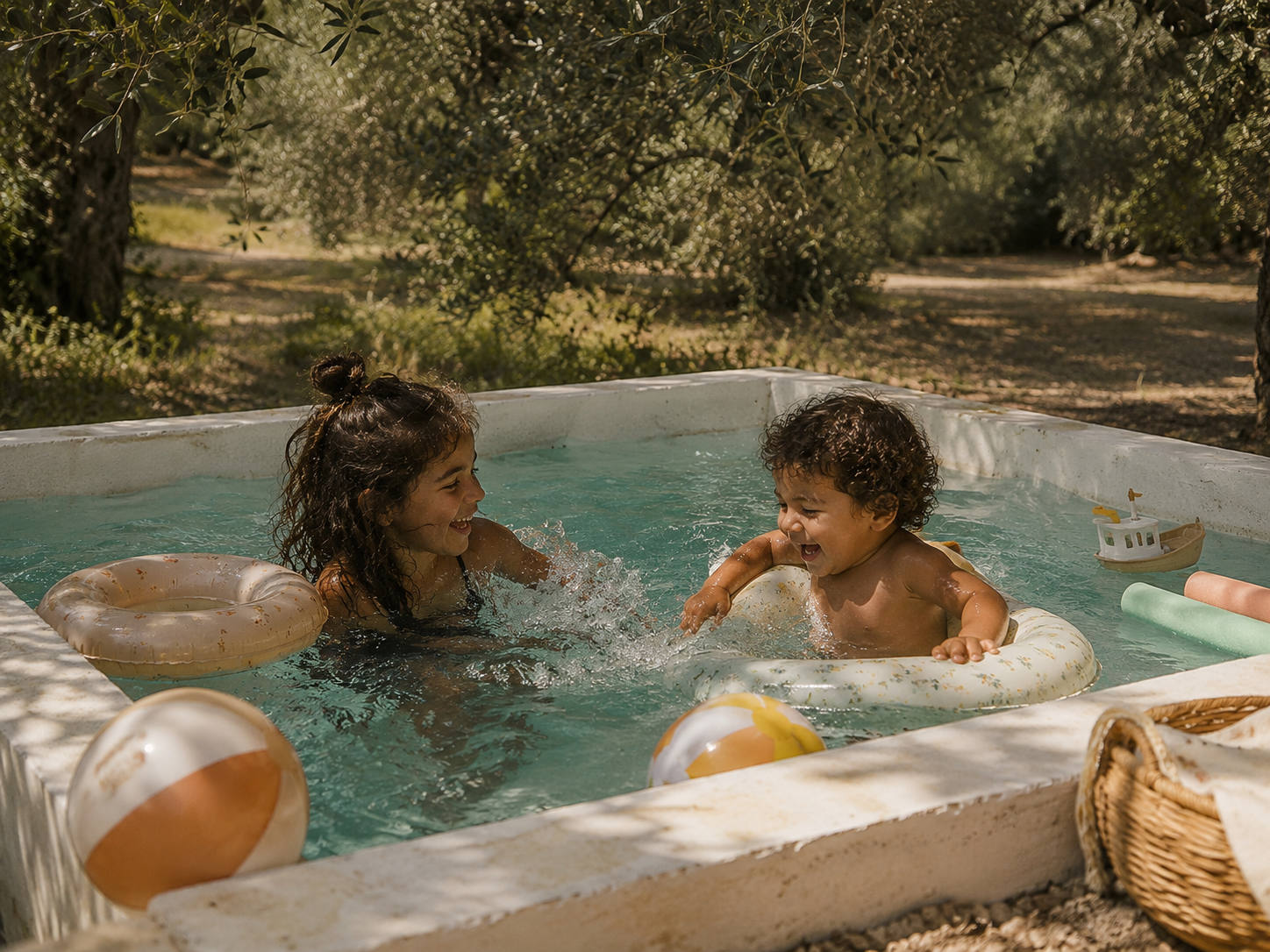
Swimming and Water Safety
© 2026 Joanna Colomas Magazine
Whether at the sea, a river, a lake, or a pool, confidence in water is one of childhood's most important skills.
Beyond learning to swim, children should understand:
how currents work
basic rescue principles
water boundaries
how to recognize danger
when to ask for help
Water can be a source of tremendous joy, but also demands wisdom and respect.
"When thou passest through the waters, I will be with thee; and through the rivers, they shall not overflow thee."
— Isaiah 43:2
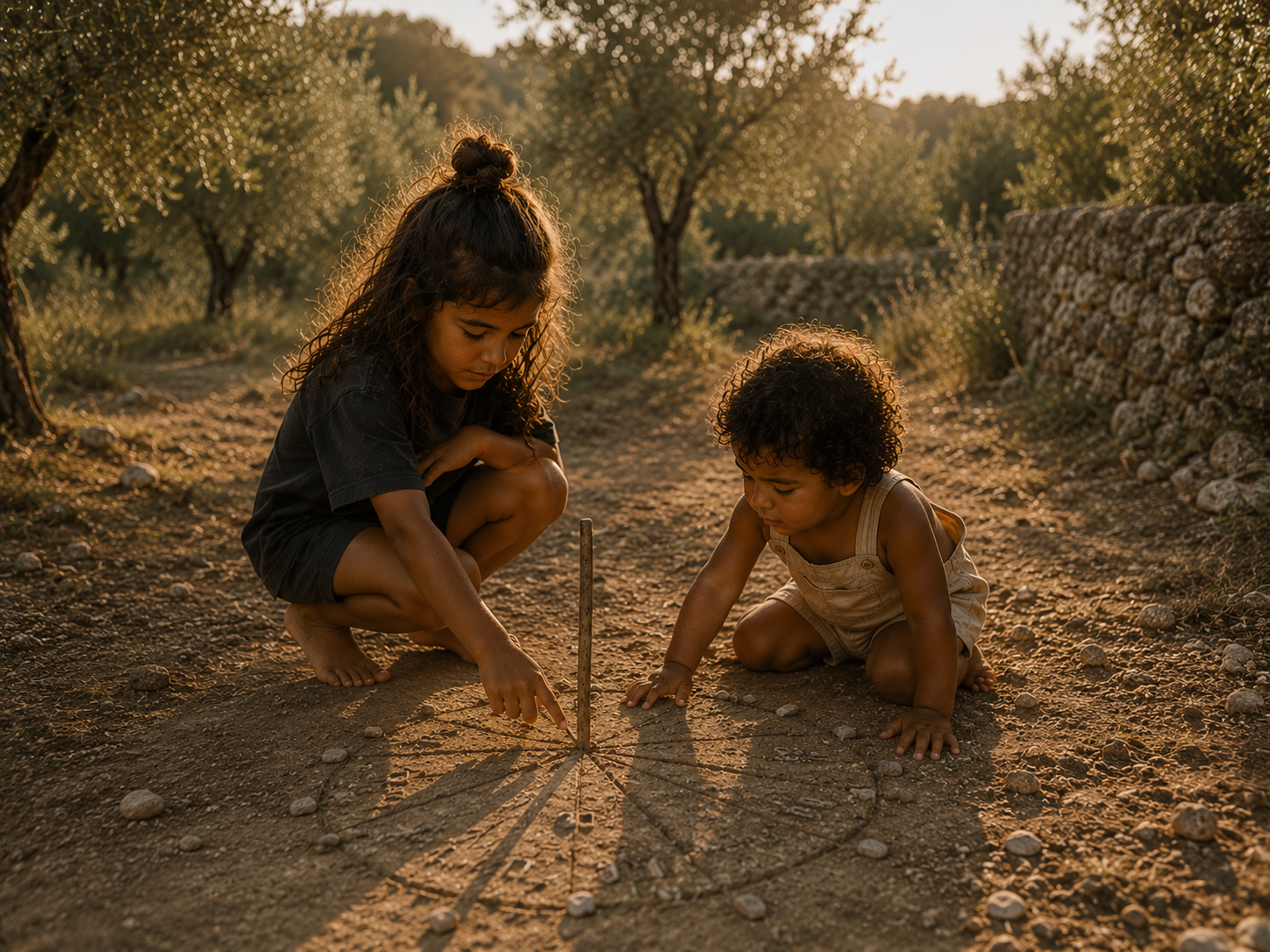
Finding Their Way Without Technology
© 2026 Joanna Colomas Magazine
Maps, compasses, landmarks, and an awareness of the natural world were once ordinary knowledge.
Allow children opportunities to:
read simple maps
follow trails
identify north using the sun
observe weather changes
memorize routes
The ability to navigate builds both independence and resilience.
"Thy word is a lamp unto my feet, and a light unto my path."
— Psalm 119:105
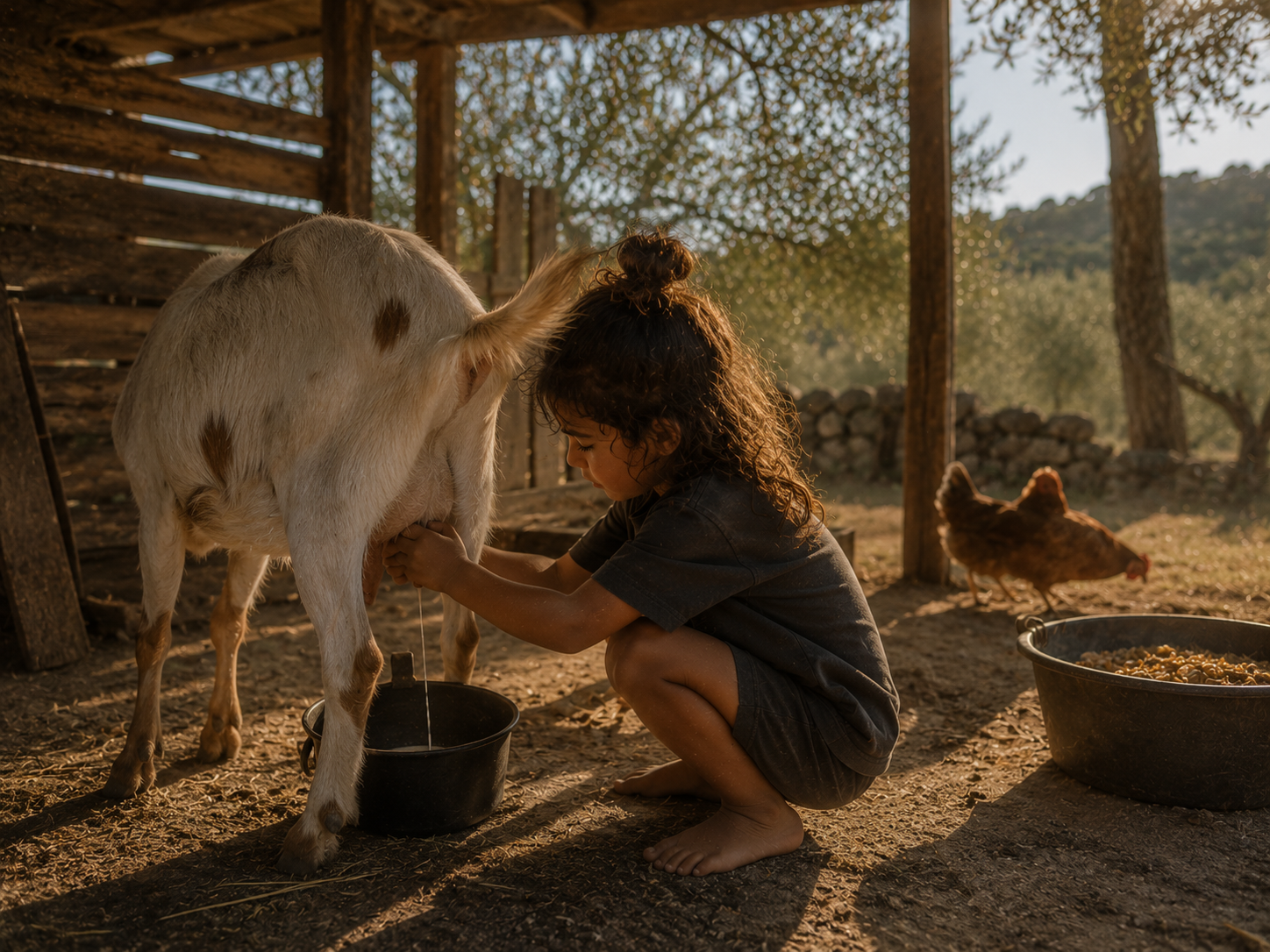
Caring for Living Things
© 2026 Joanna Colomas Magazine
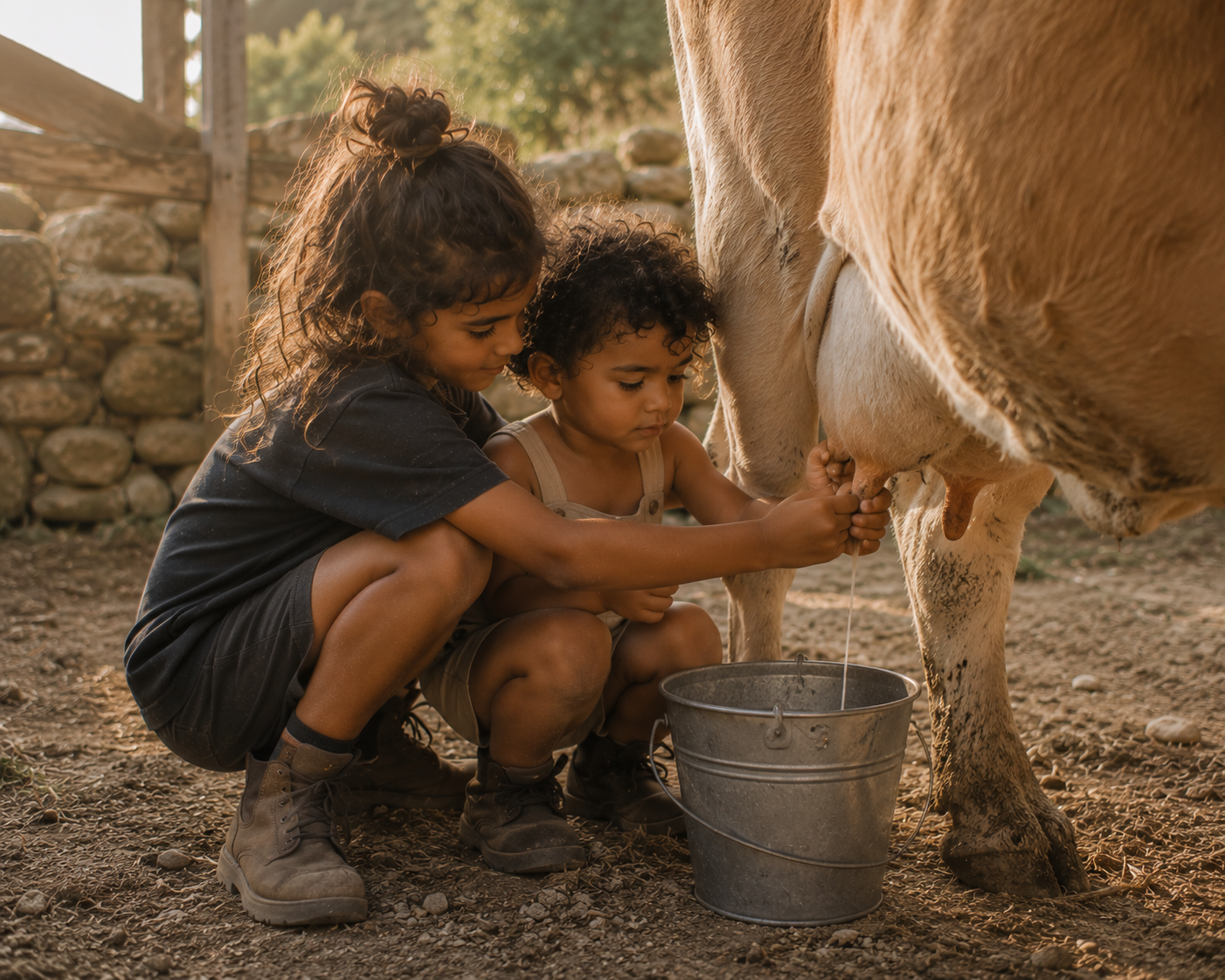
Whether tending a garden, feeding chickens, watering seedlings, collecting eggs, milking a goat, grooming a horse, or caring for younger siblings, children flourish when entrusted with meaningful responsibility.
Summer offers countless opportunities for children to participate in the real work of family life:
sowing seeds and harvesting produce
collecting eggs
feeding and watering animals
weeding garden beds
preserving seasonal harvests
grooming and exercising animals
milking under close supervision
learning the rhythms and responsibilities of stewardship
Even for families without a homestead, the principle still applies through pets, gardens, community farms, neighbors' animals, etc.
"And the LORD God took the man, and put him into the garden of Eden to dress it and to keep it."
— Genesis 2:15
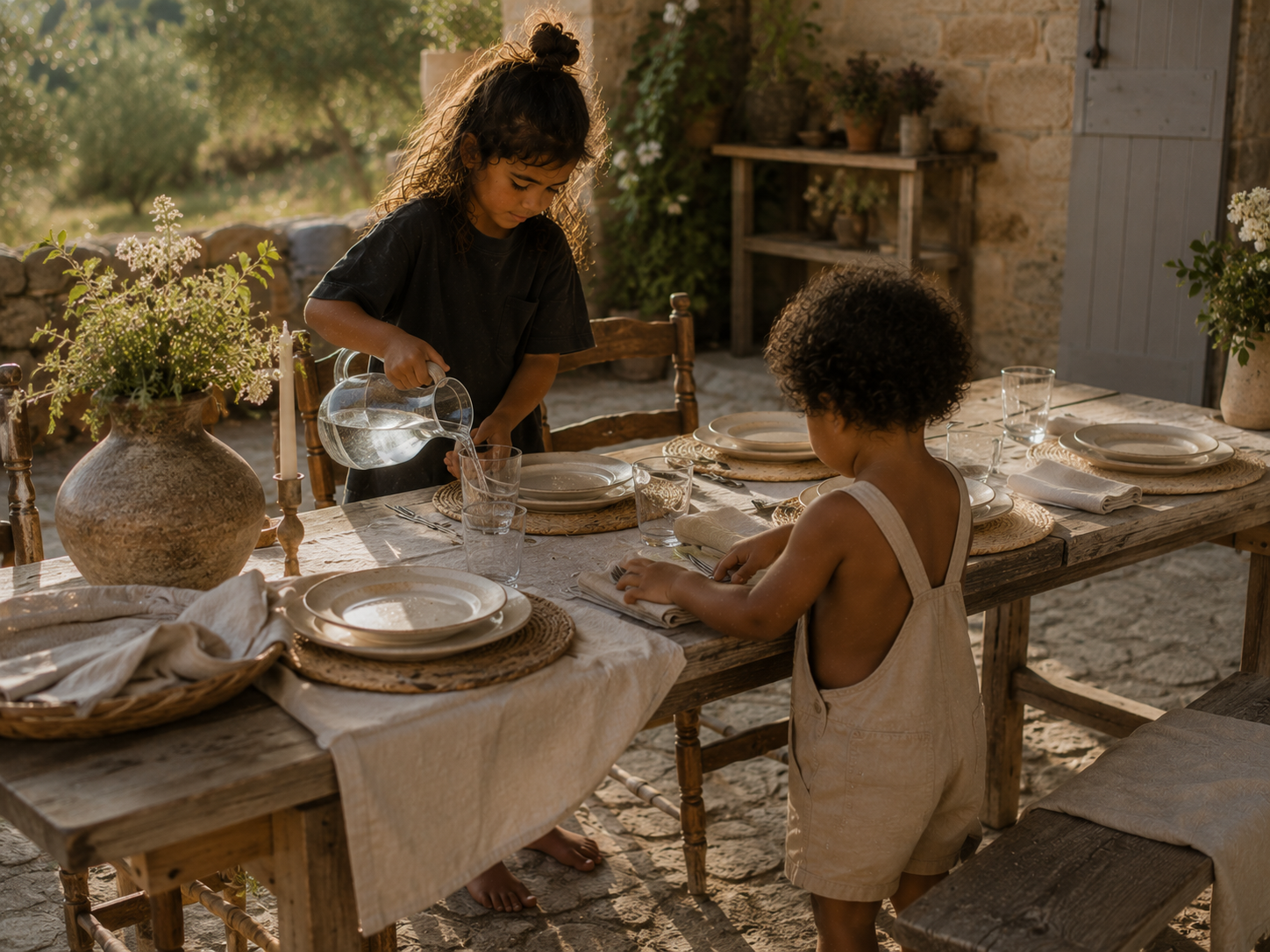
Hospitality
© 2026 Joanna Colomas Magazine
One of the most beautiful skills a child can learn has nothing to do with survival and everything to do with love.
Children can learn to:
welcome guests warmly
pour drinks
set a table
serve others first
write thank-you notes
participate in family meals
Hospitality is one of the ways we make others feel seen, valued, and loved.
"Be not forgetful to entertain strangers: for thereby some have entertained angels unawares."
— Hebrews 13:2
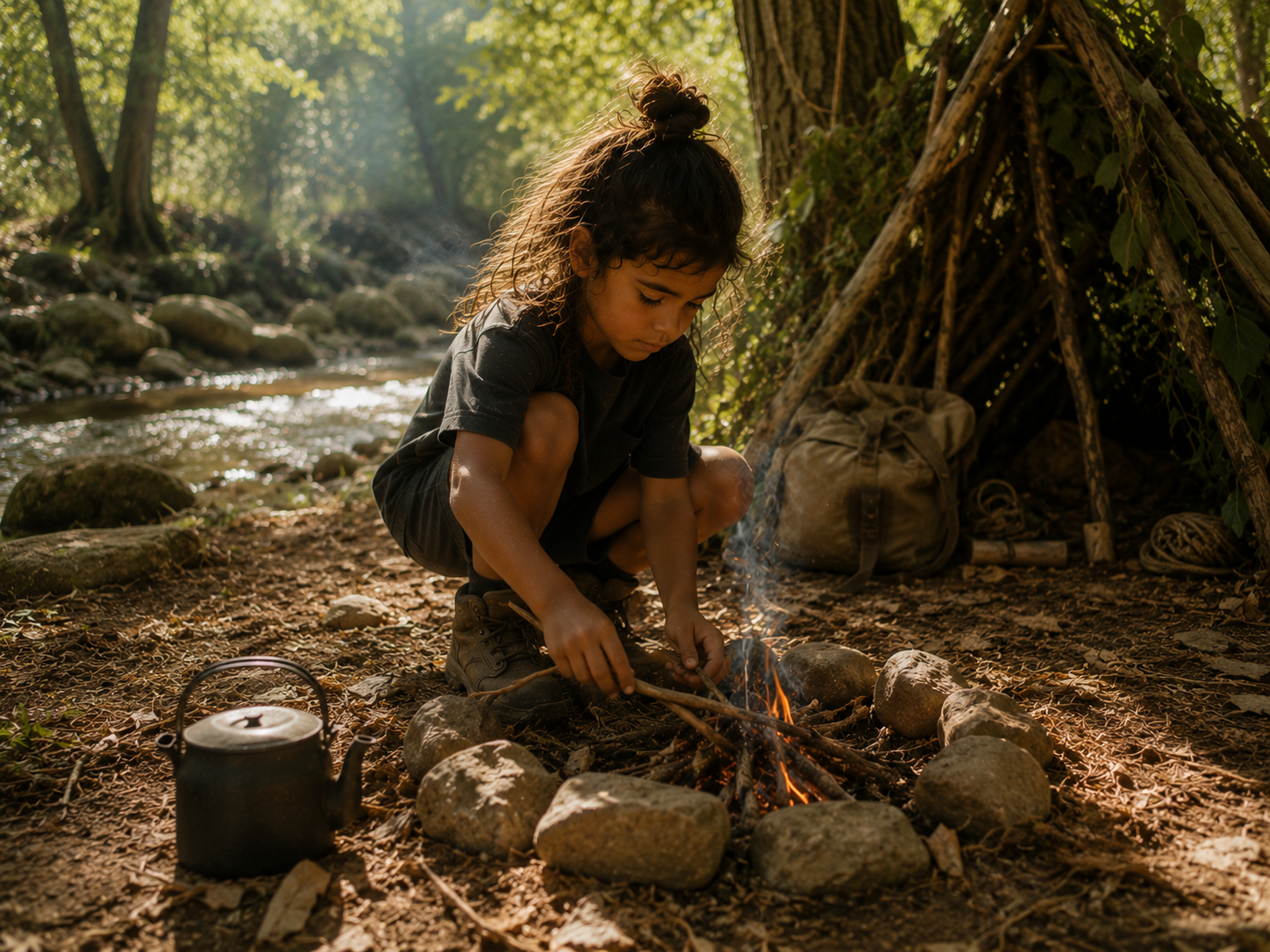
Developing Outdoor Competence
© 2026 Joanna Colomas Magazine
Childhood has always unfolded outdoors.
Long before organized activities and constant supervision became the norm, children spent countless hours exploring woods, fields, rivers, and coastlines, gradually learning to move through the natural world with both confidence and respect.
Summer offers an ideal opportunity to cultivate these often-forgotten skills.
Depending on family circumstances, local customs, and individual readiness, children may learn to:
safely build and tend a fire
tie useful knots
pack and carry their own day bag
recognize changing weather patterns
fish
forage alongside knowledgeable adults
build simple shelters
navigate familiar trails
ride horses or care for them
responsibly operate age-appropriate farm or outdoor equipment under close adult guidance
These skills are not merely practical. They foster resilience, sound judgment, independence, and a deep sense of belonging within God's creation.
A child who learns to confidently navigate the world outdoors often carries that confidence into many other areas of life.
"The heavens declare the glory of God; and the firmament sheweth his handywork."
— Psalm 19:1
Boredom, Solitude, and Imagination
Certainly, the most forgotten skill of all is learning simply to be.
Unstructured summer afternoons invite children to create, imagine, build, read, explore, and dream.
Not every moment needs to be curated.
Often, it is in the spaces we leave empty that childhood unfolds.
"Be still, and know that I am God."
— Psalm 46:10
A Childhood Rooted in Capability
Before autumn arrives, there is plenty of time.
Time to teach a child to bake bread, identify an oak tree, sharpen a pencil with a pocket knife, swim confidently, tend a garden, welcome a guest, or navigate a woodland path.
These are not merely summer activities. They are the building blocks of capable, confident, and grounded adulthood.
And years from now, long after the toys have been forgotten, these are the lessons our children will remember most.
Childhood passes remarkably quickly. Summers even more so. Long after the toys have disappeared and the days themselves have blurred into memory, a child who knows how to bake bread, read the wind, welcome a stranger, care for an animal, or find his way home will carry those gifts into adulthood. These are the quiet inheritances that shape families for generations.
Continue the Journey
If this article resonated with you, the Summer Skills Guide was created to help you turn these ideas into real family memories.
Inside you'll find interactive planning pages, seasonal checklists, practical activities, equipment lists, skill trackers, challenges, family traditions, and simple ways to gradually introduce each responsibility according to your own child's readiness.
It isn't about filling every day with more to do.
It's about helping children leave summer carrying something far more lasting than memories.
The summer a child learns to knead the bread, mend the tear, and read the weather is the summer they carry into every year after.
Most of what makes a person capable was never taught in a classroom. It was learned at a mother's side — in the kitchen, the garden, the walk home at dusk. This is a companion for that work: a place to decide what your children will learn this summer, to keep it in view through July and August, and to hold onto it once the season has passed.
It is not a workbook for children to fill. It is written for you — the one deciding what a summer is for.
Because it is built as a living guide rather than a printable, it remembers where you left off. What you check, write, and record stays saved, so it grows alongside the season instead of sitting in a drawer.
What is inside
— A place to name what this summer is for, before it fills with everything else — Skills of the home: bread, mending, the work of keeping a house — Outdoor competence: a tracker for the things learned in the open air — Character and inner life: five passages of Scripture to keep by heart — Family traditions begun this summer, written down before they are forgotten — A closing reflection to remember the season by
Thirteen chapters, with room to write and return.
How it is made
✓ Fully interactive — check, write, and track; your work is saved as you go ✓ Evening Mode — a warm, low-light view for reading after the house is quiet ✓ Print at home — keep a paper copy for the family binder if you prefer ✓ Editorial photography throughout, in the magazine's own hand ✓ KJV Scripture woven through — the framework, never the lesson ✓ Opens on any device: phone, tablet, or desktop
How to use it
Open it on any device and begin where you like. There is no schedule to keep and nothing to finish by a certain date. Mark a skill as it is learned. Write a memory as it is made. Your entries stay saved on your device, waiting each time you return.
Please note
This is a digital product: an interactive guide, delivered as a download. Nothing is shipped. For one family's use.
Related Reads You’ll Love
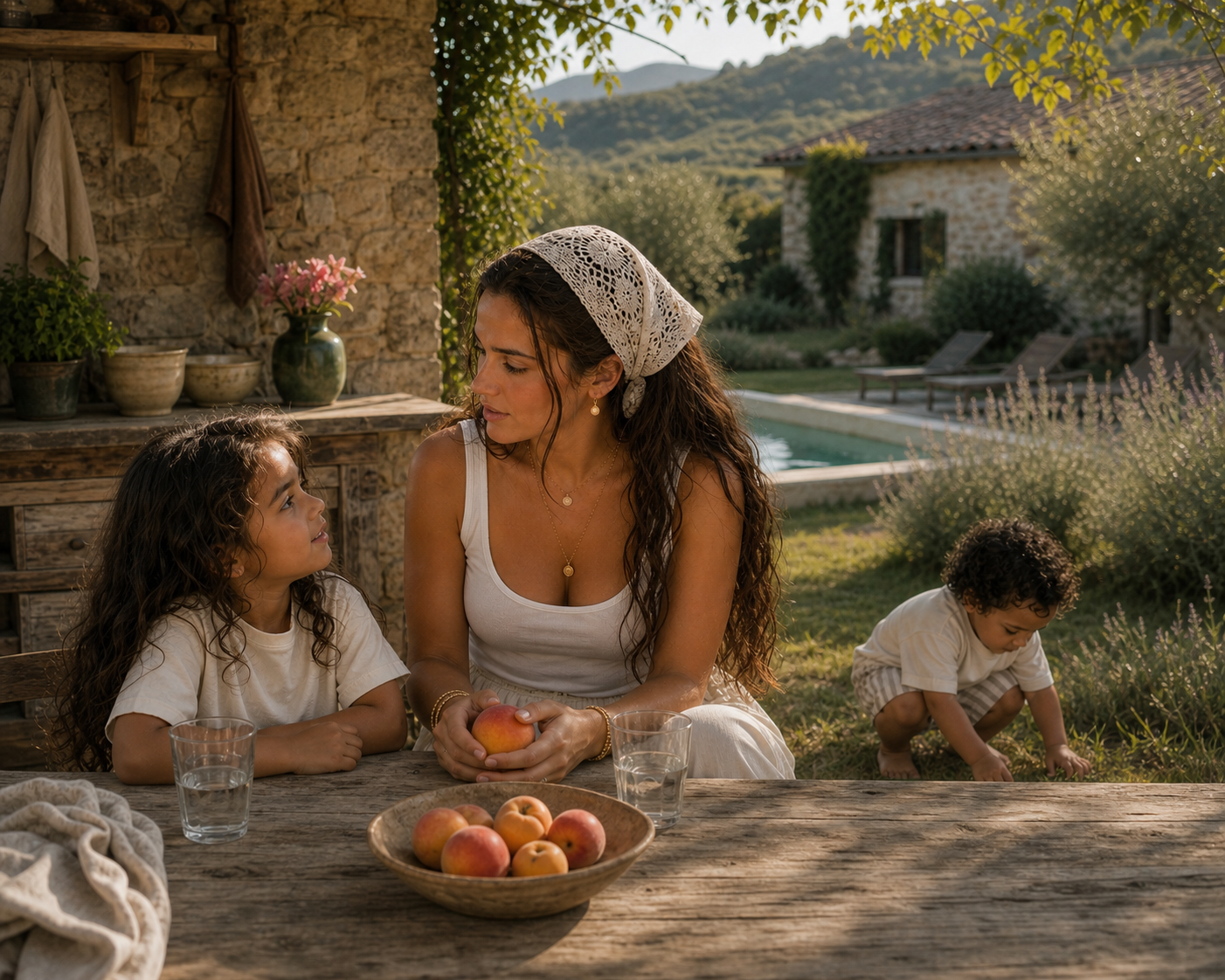

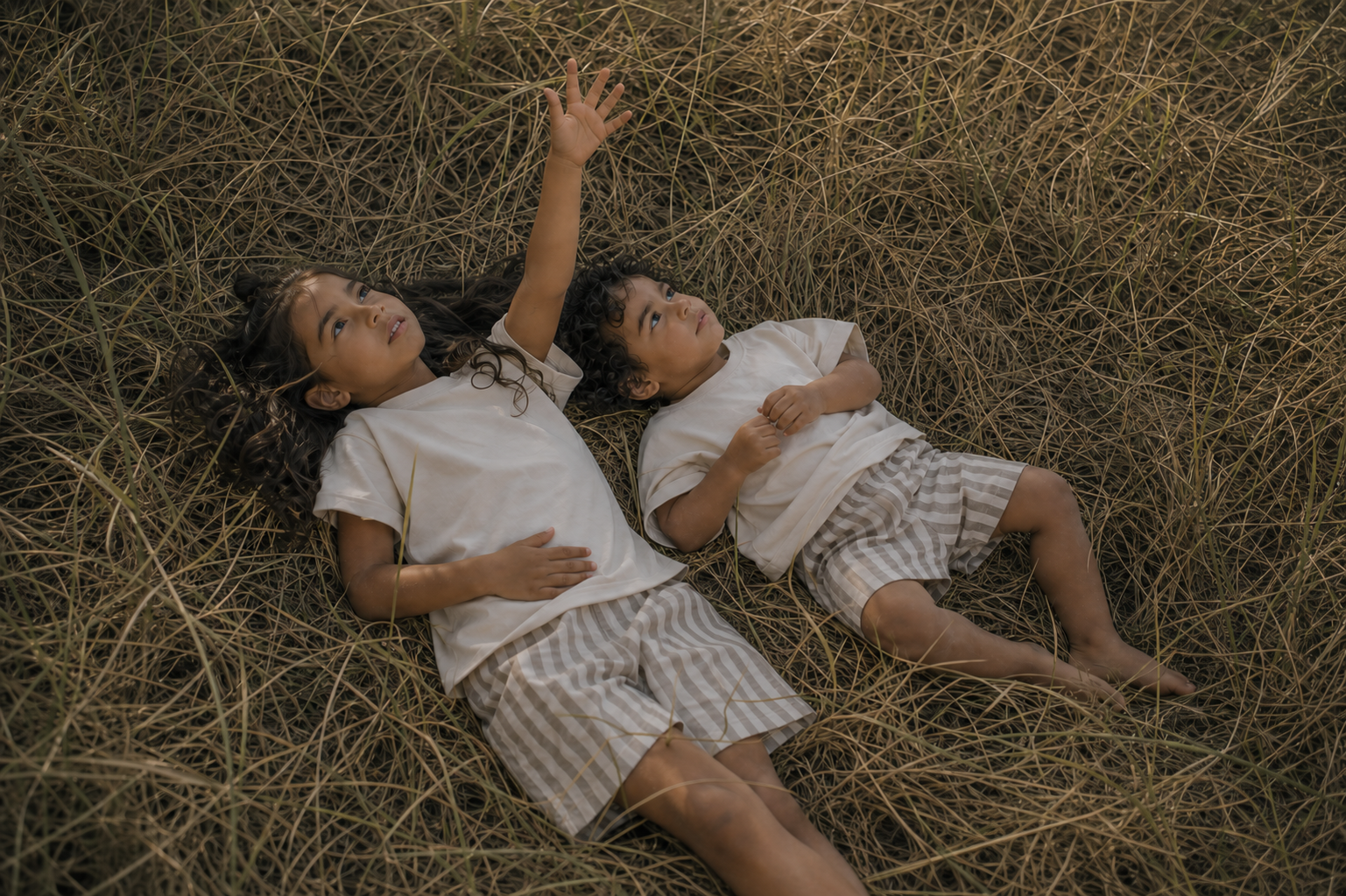
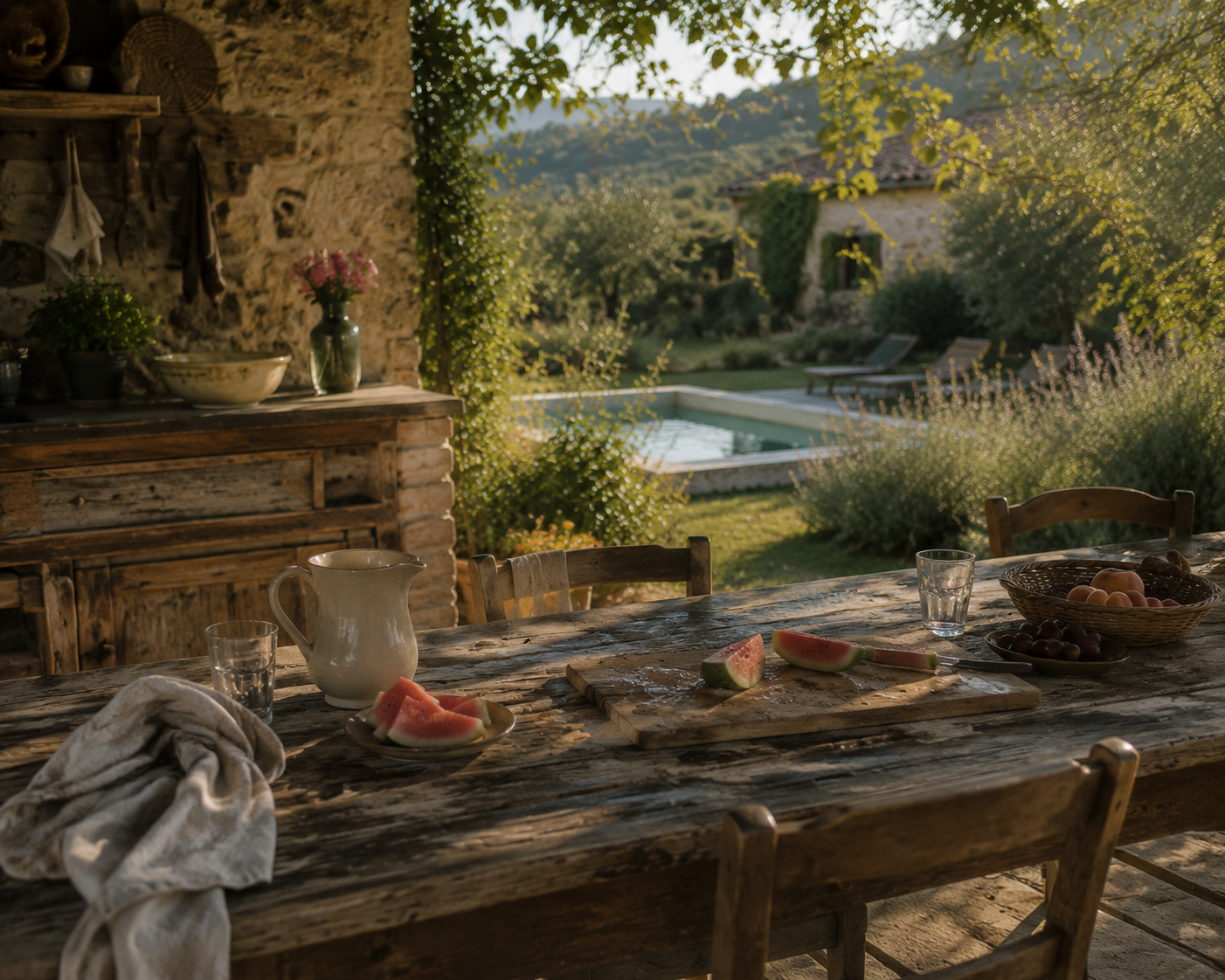



Long before children can explain what beauty is, they are learning what is worth stopping for. This intimate reflection considers how a mother’s attention—to creation, music, goodness, food and ordinary family life—can teach her children to notice the beauty already present around them.