
What Our Children Learn From the Way We Notice Beauty
© 2026 Joanna Colomas Magazine
THE WORLD IS ALWAYS OFFERING US SOMETHING TO NOTICE.
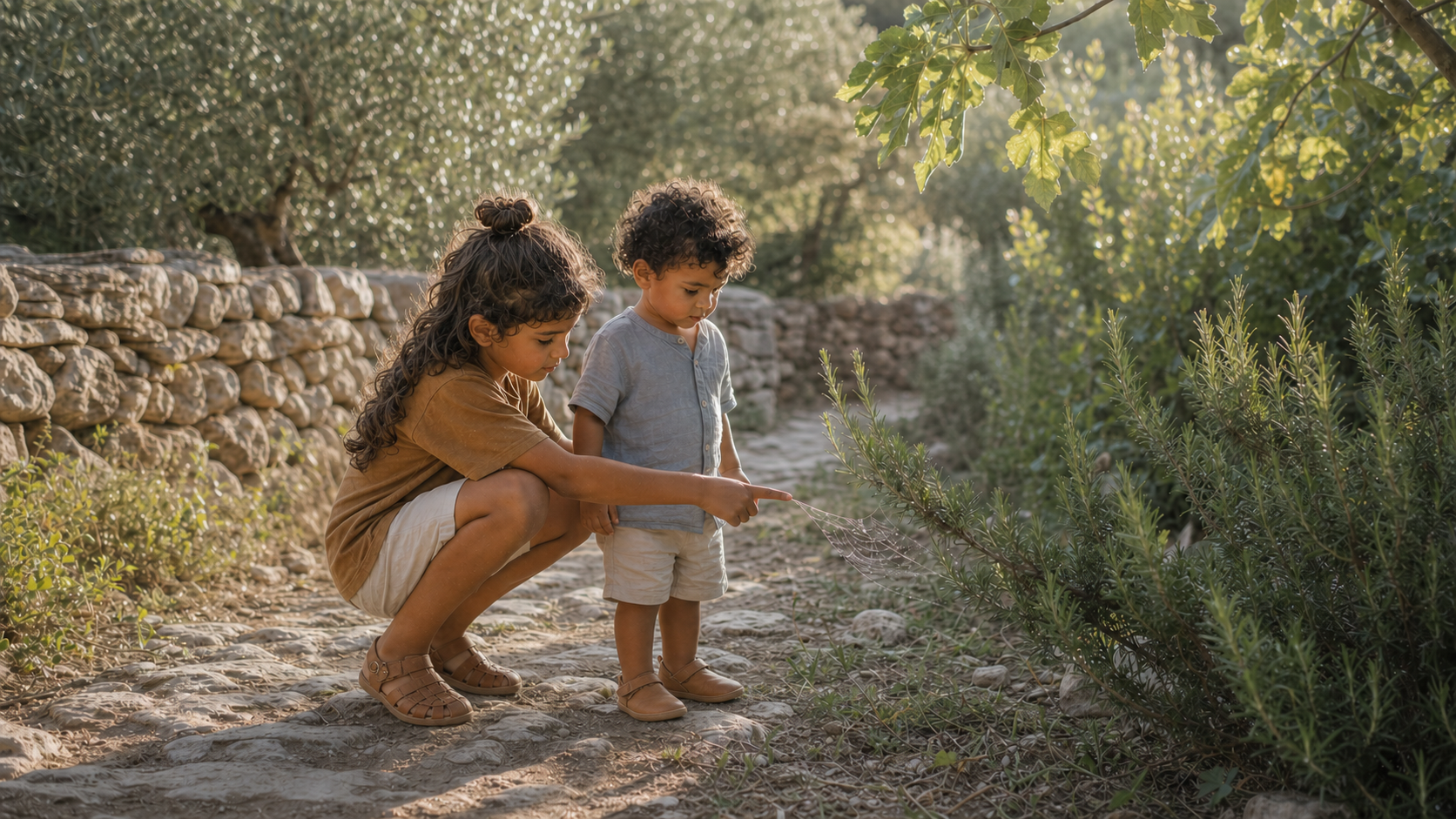
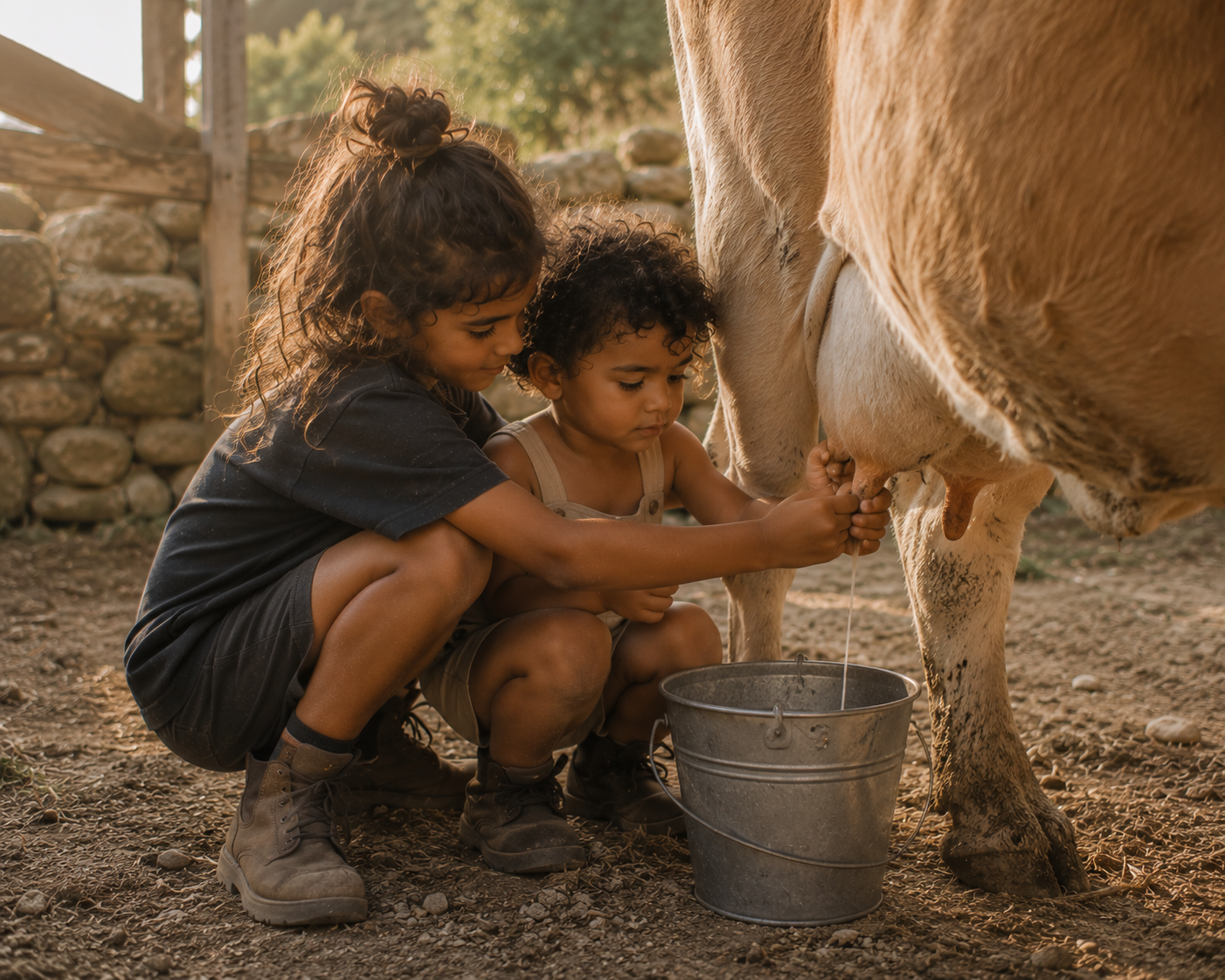
It happens in the middle of an ordinary day. You are carrying cups to the sink, looking for the missing sandal, or answering a question from the other room when a child calls, “Come and see.”
It may be a beetle turning itself over on the path. A stripe of light on the wall. The inside of a fig. Something so small that, from where you stand, it scarcely seems to warrant the journey across the room.
But the child has already stopped. For a moment, the whole world has narrowed to this one thing.
There is more being formed here than we might think. Children learn what deserves attention partly by watching where ours rests. Before they know the names of trees or paintings or pieces of music, they notice what makes the grown woman beside them look again.
A PAUSE, IF YOU WOULD LIKE ONE What is the loveliest thing within sight of you now?
Look away from this page for ten seconds. Nothing needs to be arranged first. Perhaps it is steam leaving a cup, a sleeping face, clean washing moving at the window, or the green of a tree beyond a car park.
If nothing appears beautiful at first, notice where the light has fallen. Begin there.
Attention is part of what we give them
A child may live among good things and still learn to pass them without seeing. Another may grow up with little that the world would call beautiful and remember the blue glass on a grandmother’s sill, the smell of tomatoes cut for lunch, and a voice singing while the floor was swept.
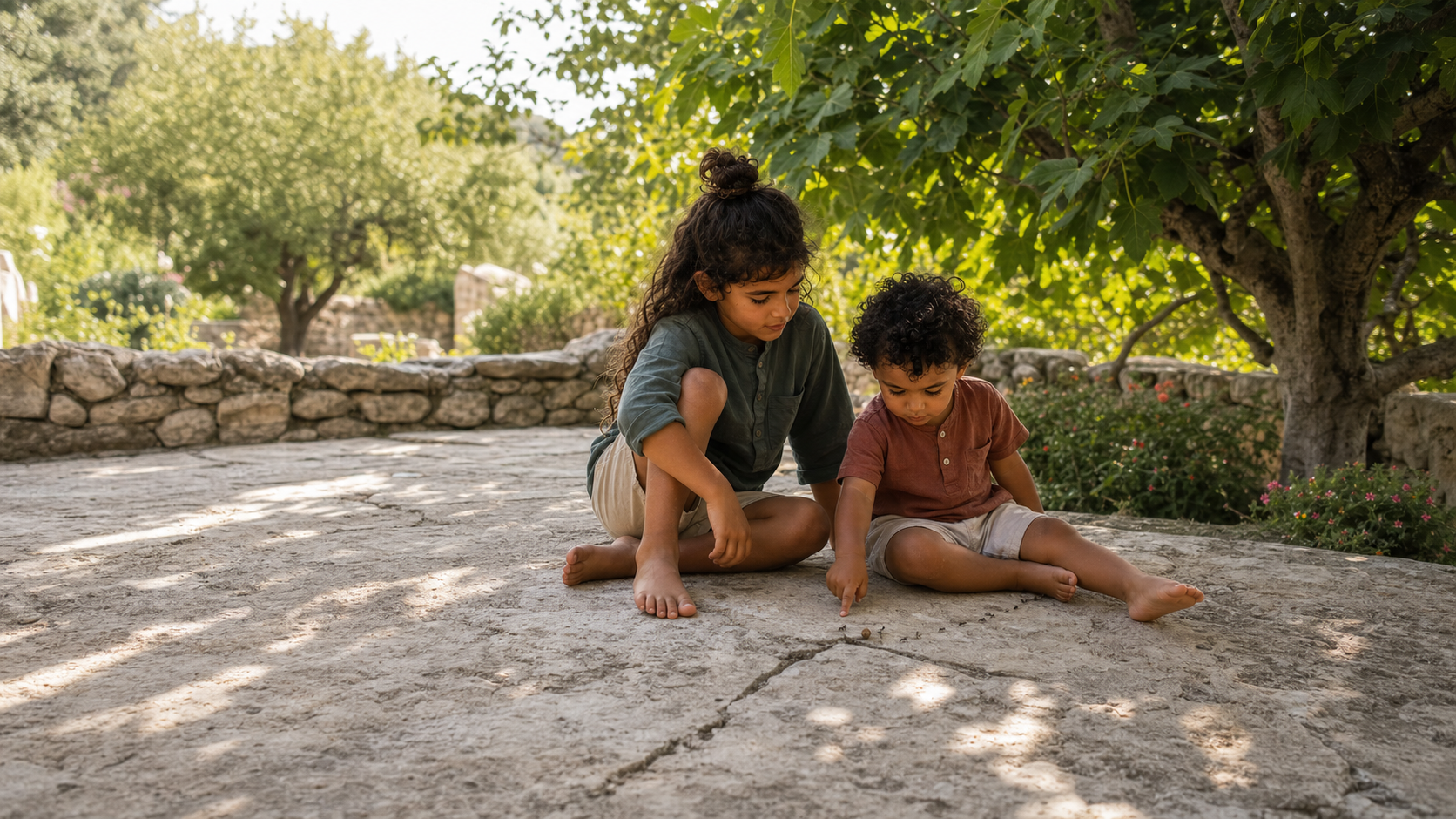
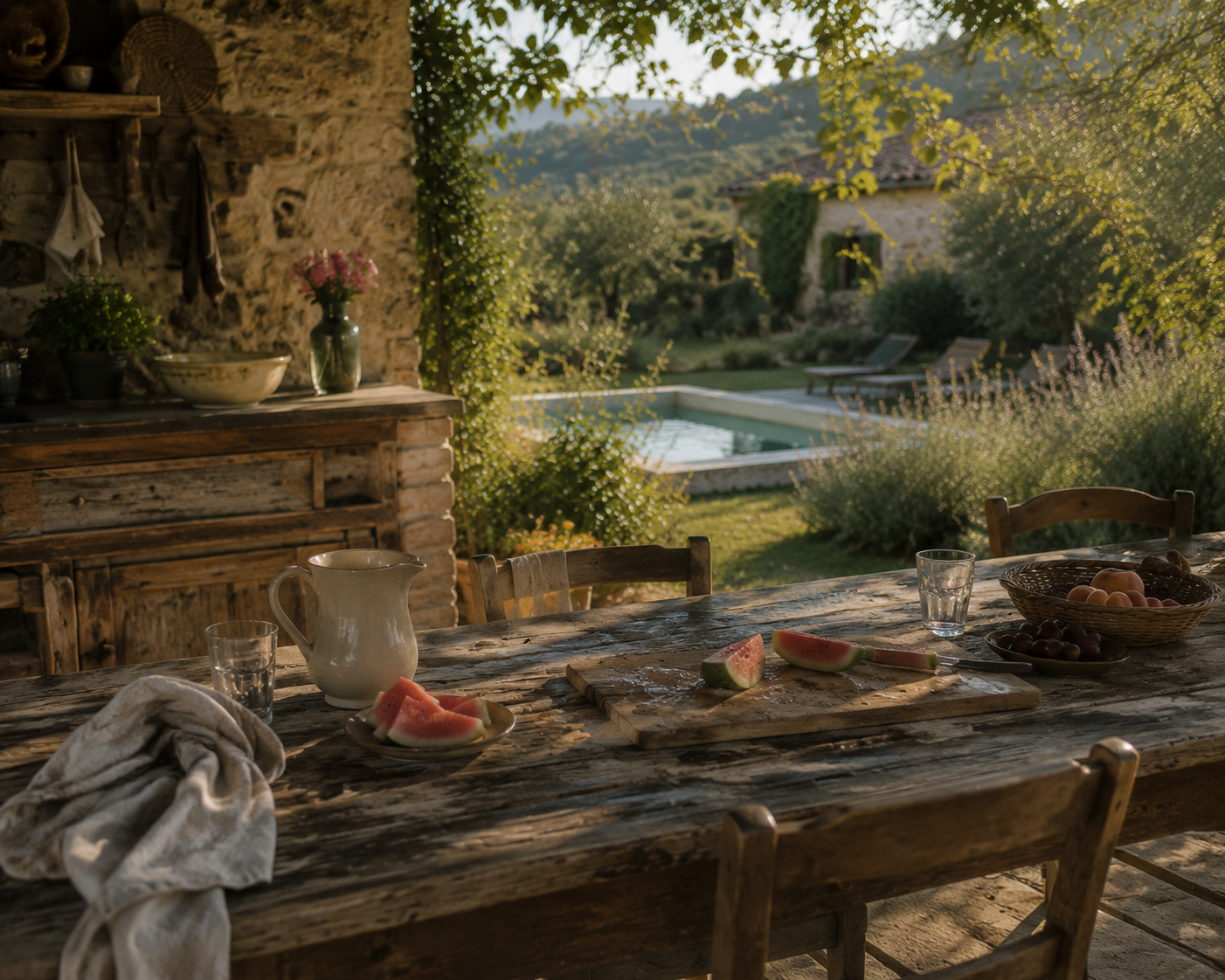
Beauty has never belonged only to expensive rooms or distant places. Often it comes to a family without announcement: rain beginning against a hot pavement, blackberries staining small fingers, a younger child making room on the step.
What we name acquires weight. “Look at the light on those leaves.” “Listen to that bird.” “Did you see the way she helped him?” A sentence may last five seconds. Yet it tells a child: this is worth your notice. Do not hurry past.
This is not a call to perform wonder all day. There will be moments when the pan is boiling over and the answer to “Come and see” must be “Tell me about it while I finish this.” Love is not measured by our ability to stop every time. But one true pause can interrupt a habit of hurry—for the child and for us.
Begin with the beauty that already reaches you
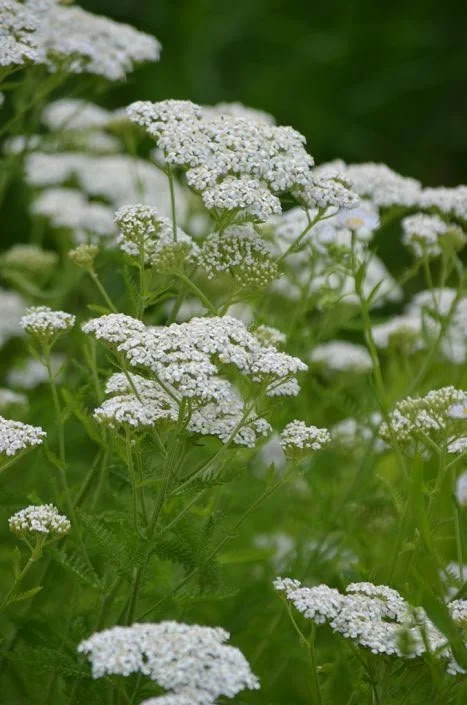
Some women know the names of wildflowers. Some can hear when a violin is out of tune. Some make a bowl of fruit look abundant without trying. Others notice workmanship, colour, a well-turned sentence, or the courage it took for someone to say, “I was wrong.”
You need not become an expert in every beautiful thing. Your children do not need a curator standing over their childhood. They need to see that something good can arrest an adult’s attention—and that receiving it with gratitude is a sane way to live in God’s world.
A SMALL DISCOVERY What kind of beauty already reaches you?
Choose the answer that feels most like you. There is no better kind of seeing.
Beauty is larger than prettiness
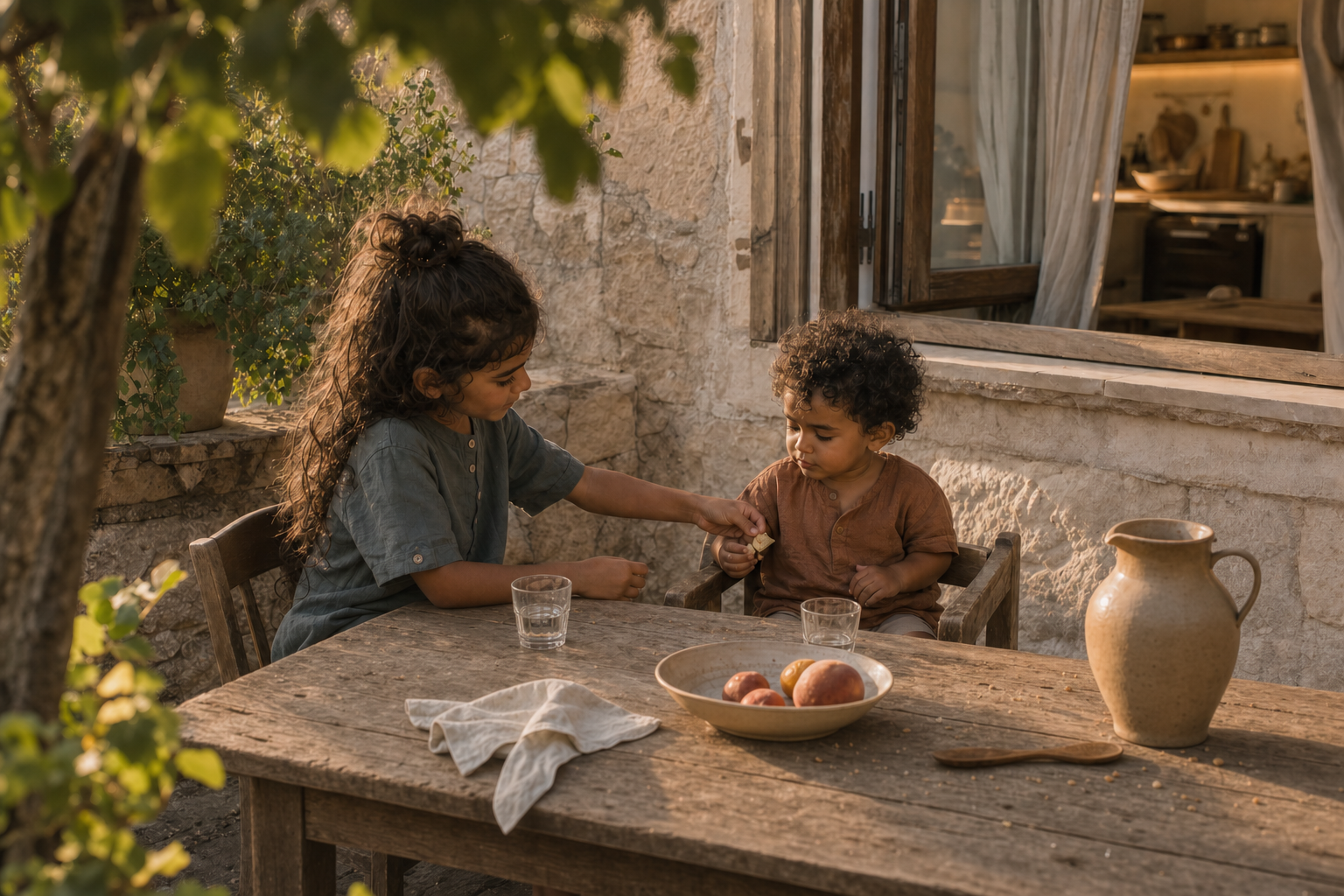
There is beauty in the peach and in the bowl that holds it. There is also beauty in the hand that gives the last piece away.
If beauty is taught only as appearance, a child’s vision becomes thin. The created world tells a fuller truth. A spider’s web is beautiful because it is ordered to its purpose. A worn wooden spoon may be beautiful because it has served a family for years. Forgiveness can be beautiful because something broken has been met with mercy rather than pride.
This matters in a culture that trains the eye toward surfaces. The beauty worth passing on includes what is true, well-made, fruitful, generous and alive. It makes room for the old face, the muddy garden, the repaired chair, the meal that is plain but shared.
“The works of the Lord are great, sought out of all them that have pleasure therein.” — Psalm 111:2
The verse does not rush us past the works to reach the lesson. It permits us to seek them out—to take pleasure in what the Lord has made, and let that pleasure turn back toward Him.
A question that may change the evening
Many family questions ask for a report. What did you do? What did you learn? Did you have a good day? A child who has no ready answer may say “nothing” and return to the crust of bread on her plate.
There is another question you might borrow:
What did you notice today
that you would have been sorry to miss?
It makes no demand for a remarkable day. The answer may be a red bus, the cold side of the pillow, a dog waiting outside the bakery, or the moon visible before supper. The question tells the family that attention itself matters.
There may be no answer the first time. Let the question sit on the table. It will begin to travel with them.
FOR YOUR TABLE TONIGHT Would you like to keep the question close?
What did you notice today that you would have been sorry to miss?
No one needs a profound answer. “The jam on my toast” is an answer.The home becomes a place that sees
Over time, this way of looking leaves small evidence. A feather on the mantel. A drawing held to the refrigerator by the same old magnet. A piece of music requested again. A child who calls you to the window because the clouds have changed colour.
The home need not become more impressive. It becomes more awake.
And perhaps this is one of the unrecorded gifts a mother gives: not a childhood filled with beautiful things, but eyes trained to find what was already there. Eyes that recognise goodness. Eyes that do not confuse cost with worth. Eyes that can look upon creation and know there is a Giver.
ONE SENTENCE TO KEEP What do you hope beauty will mean in your home?
It will be here when you return on this device.
You Might Also Love
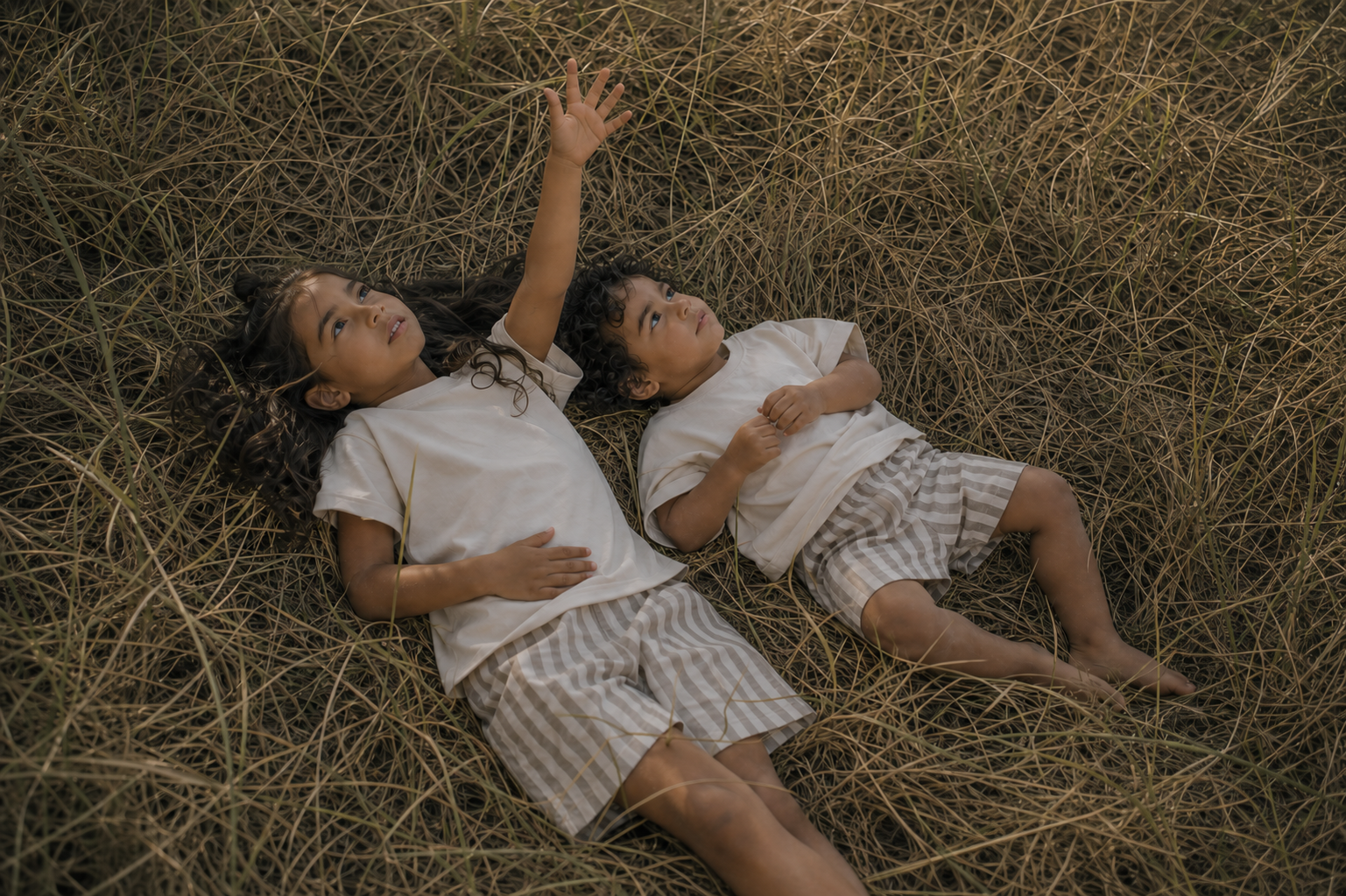
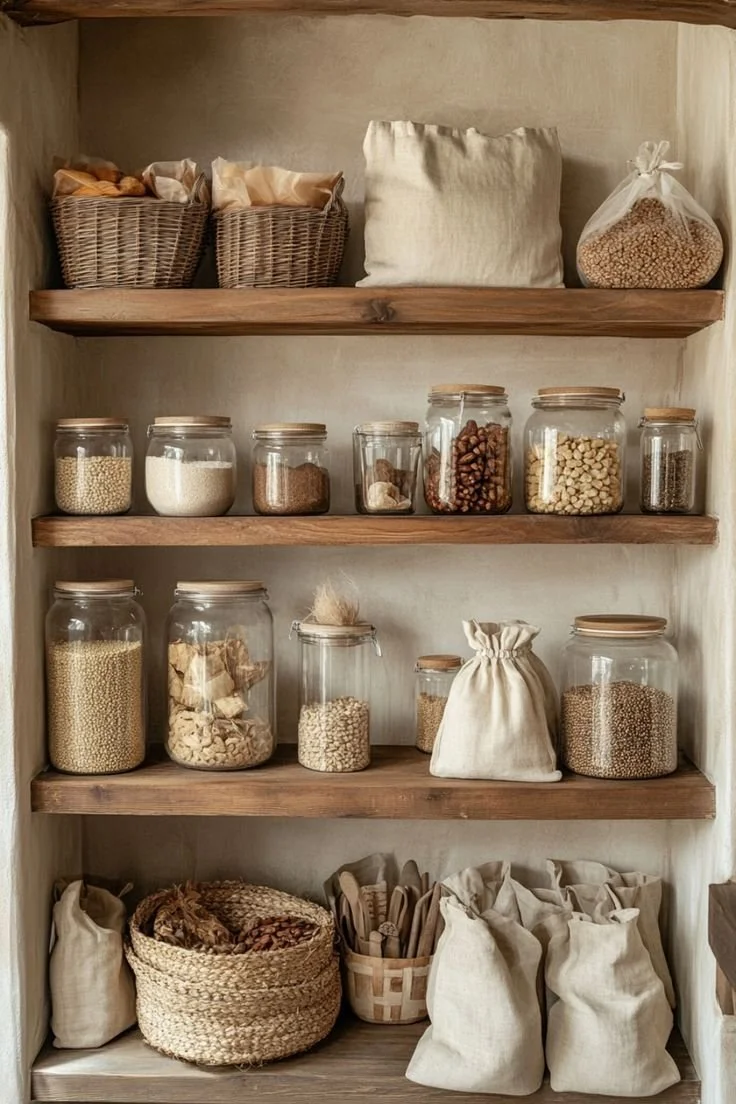

Long before children can explain what beauty is, they are learning what is worth stopping for. This intimate reflection considers how a mother’s attention—to creation, music, goodness, food and ordinary family life—can teach her children to notice the beauty already present around them.