
What Halloween Really Means in the Spirit Realm
Leaves are slowly turning from green to a warm and autumnal color spectrum, retiring one by one to the ground for the year. Windows no longer stand wide open as they did through the golden months; the air carries that faint chill that makes us reach for sweaters and steep tea instead of pouring it over ice. Cinnamon rises from the pot. And every shop window blooms with skulls and severed hands, witches in flight, teeth bared and laughing, blood spattered and sold as décor.
A season meant for harvest and gratitude turns itself inside out, catechizing children to giggle at the grave and wear fear like a costume. I grew up in it: costumes, candy, parties, horror marathons, even ghost stories whispered among headstones. “Nothing bad happened to me,” I used to say. But that is precisely how a counterfeit works: it sugars the poison, calls it play, and lets you swallow darkness one harmless bite at a time.
This is not a quaint tradition. It is not autumn’s innocence. It is a ritual dressed as recreation: a stage built for the kingdom of darkness, rehearsed each year until the macabre feels mundane. Culture calls it fun; Scripture calls it fellowship with demons. Every symbol, every mask, every mock grave, every glowing pumpkin carved with a grin, preaches a sermon of death. Every doorbell rung for “trick or treat,” every costume born of fright—each one echoes the same old story of fear, with a heavier meaning yet dressed as fun. We hang it in our homes, we parade it in our streets, we hand it to our children as if it were healthy, innocent, fun and sane.
Halloween is not just a date on the calendar. It is a spiritual contract renewed by the unknowing, a night that feeds the appetite of the unseen. Those who move in darkness wait for this season; they have for centuries. They call it Samhain, when the veil between worlds thins and spirits are invited near. They light fires, they cast spells, they divine, summon, and sacrifice. And now, the modern world—so certain of its sophistication—plays along, dressing its rebellion in costumes and glitter, calling death a game.
But no matter how modern we think we are, the spiritual realm has not evolved. The same spirits still answer when they are called. The same doors still open when darkness is entertained. The same enemy still smiles when laughter becomes the lullaby that puts discernment to sleep.
Halloween is not a child’s game. It is an ancient satanic feast repackaged for modern unbelief, a counterfeit liturgy meant to desensitize the heart to sin, to make rebellion look innocent, and train the soul to find beauty in the grotesque.
And so, while the world decorates its porches with skeletons and blood, we choose to close our door—to refuse the masquerade of the dead, to protect our children from what parades as play. Because every season carries a spirit, and this one has made its allegiance known.
Photos: Found via Pinterest, sources on clickthrough; we always aim to credit photos; if one needs crediting or removal, please contact us with the source.
Take Off the Mask: What Halloween Actually Is
To understand what parades through our streets each October, we must look beyond the candy wrappers and porch lights to its roots—the soil from which this night was grown.
Long before pumpkins were carved and sold by the millions, the night belonged to Samhain: the Gaelic festival that marked the dying of the year. It was not celebration; it was appeasement. Fires were lit to frighten spirits, disguises were worn to confuse them, and offerings were laid out to appease whatever crossed over. It was believed that the veil between the living and the dead had thinned, that unseen forces could pass freely among men. Fear ruled the season, and darkness was honored so it would not harm.
By the eighth and ninth centuries, the institutional church—already far from the purity and simplicity of the apostles’ faith—fixed November 1 as All Saints’ Day, first in Rome and then across the Western world. Pope Gregory III began the observance; Pope Gregory IV decreed it universal. Its eve became All Hallows’ Eve—the night before the holy.
But this act was never commanded by God. It was a decision of men—an attempt to sanctify what He never asked to be kept. Scripture records no feast of saints, no call to merge the holy with the pagan. God’s appointed times were given long before, and He warned His people not to imitate the customs of the nations:
“You shall not worship the Lord your God in that way.” — Deuteronomy 12:31
What was meant to be set apart was mixed again. The fires kept burning, the disguises remained, and the fear never left—only changed its clothing. It became religion in costume: a man-made attempt to polish what God had already told us to abandon. And still today, many repeat the ritual, calling it remembrance, unaware that it is neither commanded nor blessed.
The spiritual realm is not myth; Scripture affirms it again and again. We are told not to seek mediums or spiritists because such contact is real, not imaginary. When Saul called upon the witch of Endor to summon Samuel, the spirit did appear—and Saul was condemned for it (1 Samuel 28). When God forbids witchcraft, sorcery, and necromancy (Deuteronomy 18:10–12), it is not because these things are fairy tales, but because they are forbidden gates that lead to bondage.
The unseen world is real, but it is not ours to touch. From Eden onward, the enemy has whispered the same temptation: you will not surely die; reach for what God has withheld. Yet every time man reaches across that line, he finds himself entangled. Halloween, like Samhain before it, teaches the same rebellion—approach the veil, play with what you do not understand, and call it harmless.
But for those who belong to Christ, there is no need for fear—only clarity. Jesus has already triumphed over every principality and power (Colossians 2:15). The same God who forbids the darkness also shields His own from it. When we walk in Him, we walk in light; when we call on His name, the shadows have no claim.
Halloween is not just history—it is a living rehearsal of that ancient invitation to trespass. And we are called, in every generation, to answer differently.
What we now call Halloween is a hybrid of macabre and merriment—a ritual of darkness wrapped in the language of fun. The spirits are now decorations, the offerings replaced by candy, the fear unchanged, only muffled with laughter. Yet beneath the surface, the message has never changed: death is power, fear is entertainment, and the spirit world is to be courted, not feared.
This is the true grammar of Halloween. It has always been a conversation between the living and the dead—a celebration of the thinning veil. We simply renamed it, sanitized it, and sold it to our children.
Every symbol still preaches the same sermon: the jack-o’-lantern, born from the legend of a cursed soul wandering between heaven and hell; the witch, the embodiment of rebellion that Scripture calls an abomination; the costume, a remnant of disguises once worn to deceive spirits. Even the words trick or treat echo a bargain—appease me, or be cursed.
These are not coincidences of history; they are continuations. The same darkness that demanded appeasement at Samhain now demands amusement at Halloween. The ritual hasn’t disappeared—it has merely been rebranded.
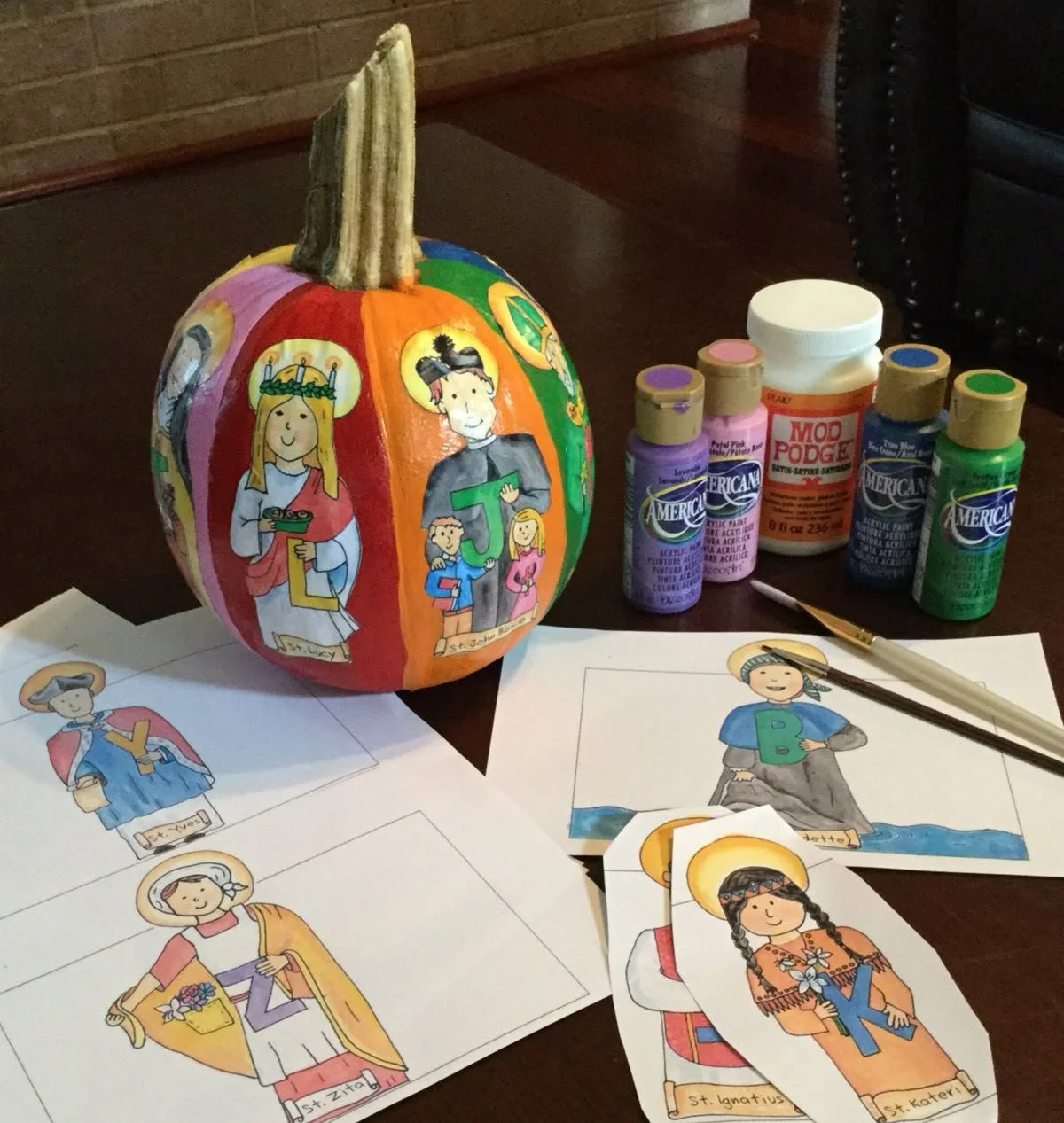
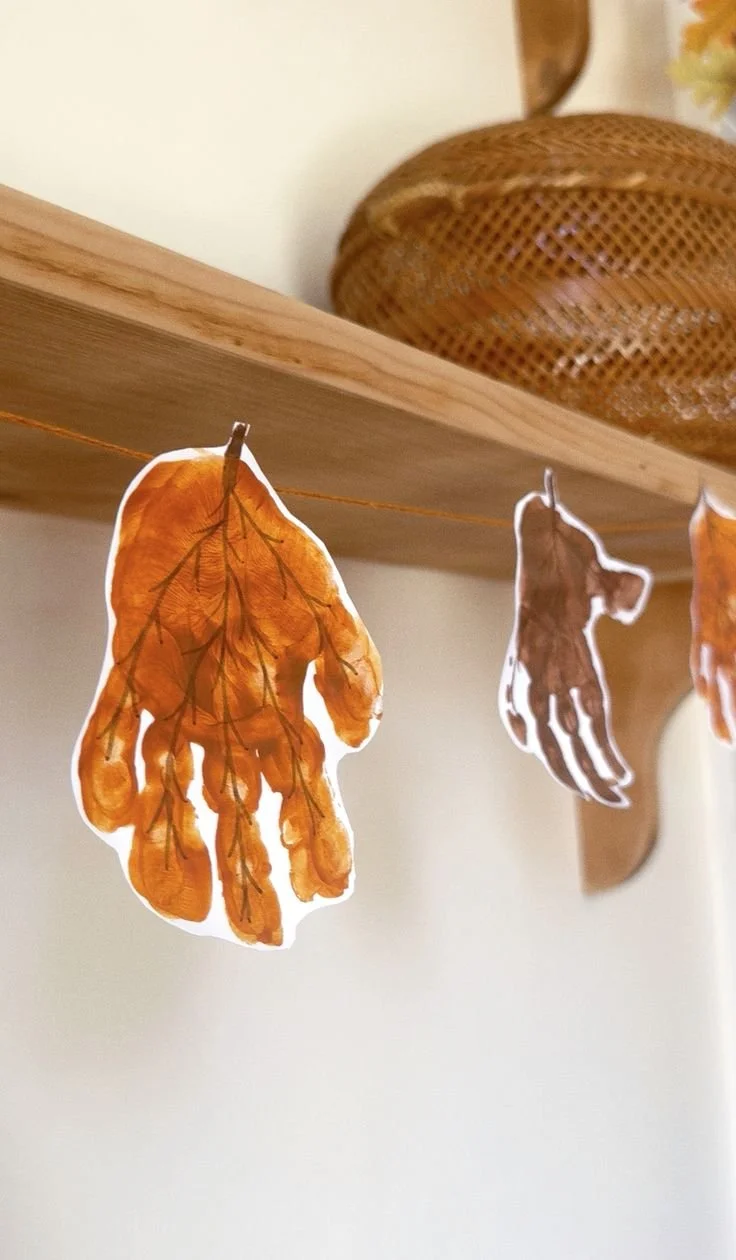
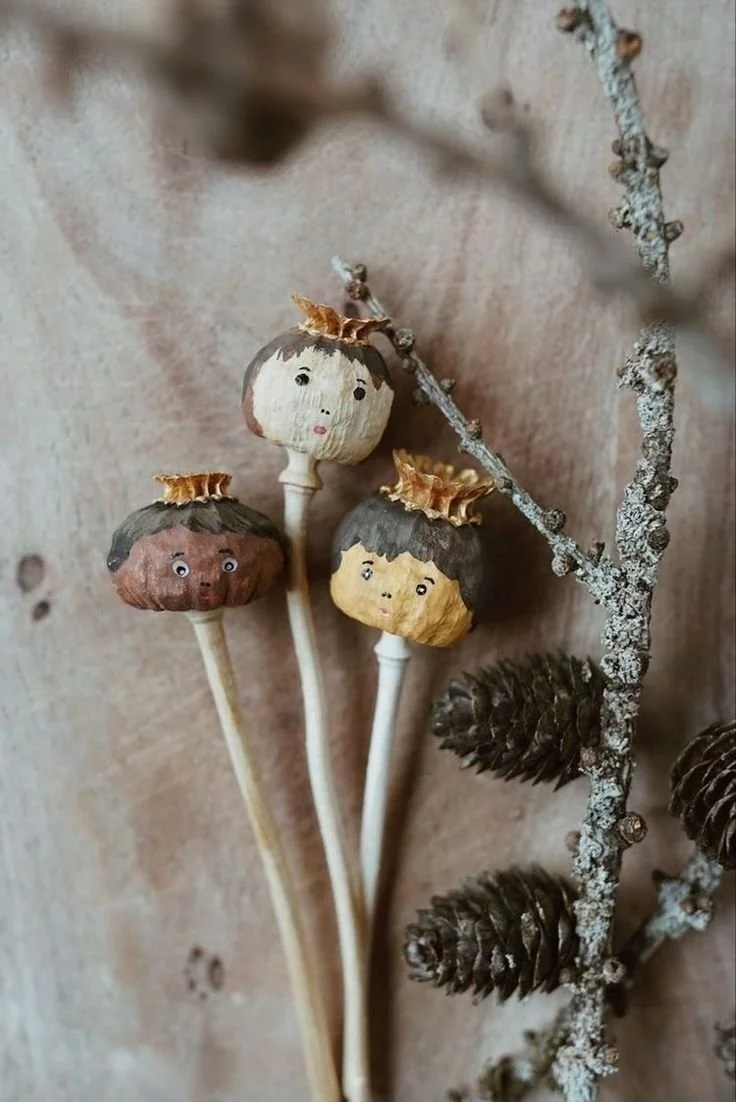
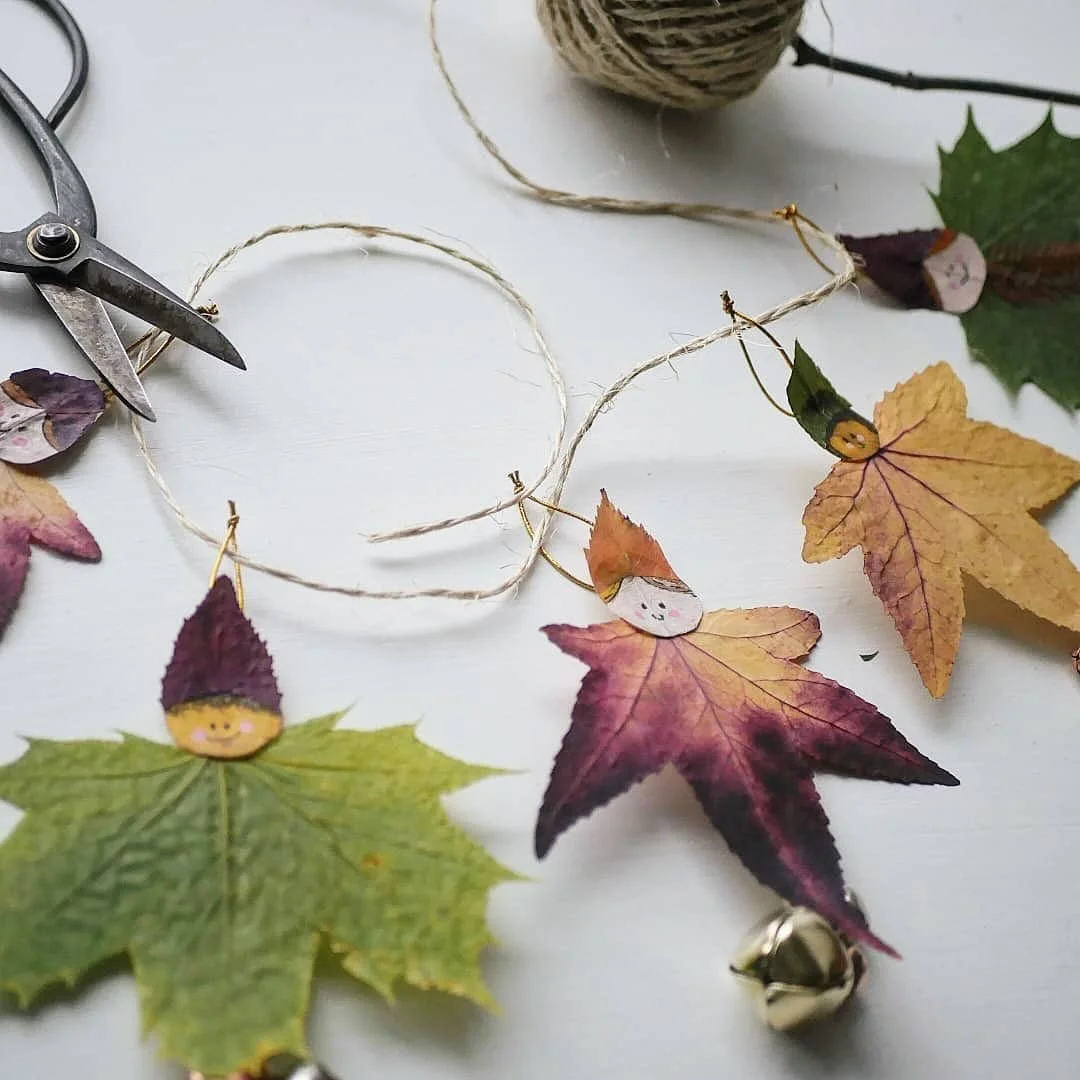
You are welcome to celebrate the season, children will want to; the living way.
Photos: Found via Pinterest, sources on clickthrough; we always aim to credit photos; if one needs crediting or removal, please contact us with the source.
In Their Own Words: What Practitioners Say About This Night
If you think the darkness has vanished—listen. Those who serve it still speak. The night may wear a friendlier mask, but it has not changed its master. Beneath the candy and cobwebs, Halloween remains what it always was: a feast of the dead, a ritual of invitation, a night for sacrifices and offerings, a calendar event for the occult.
Wiccans, pagans, and Satanists do not hide it. They call this night holy. They publish their rites, timing their spells and ceremonies to the final hours of October. Their own words unveil the truth the world refuses to see.
“Demons and spirits have free reign for one night… It gives even the most mundane people the opportunity to taste wickedness for one night. Hail Satan!” — Church of Satan, Halloween XXXIV
“Samhain is a potent time, when the veil between worlds is thinnest. It is a night to honor the dead and invite them to join the rite.” — Order of Bards, Ovates, and Druids
“Samhain is one of the most powerful nights of the year for spellwork and divination… when the Thin Veil between the worlds is lifted.” — Wiccan source texts
“It was a time of fairies, ghosts, demons, and witches. Winter itself was the Season of Ghosts, and Samhain is the night of their release from the Underworld.” — Modern Druidic commentary
These are not myths whispered by alarmists—they are the words of practitioners. The same voices that once lit fires on the hills of ancient Europe still echo in our modern world, now amplified by books, blogs, and online covens. They do not deny the night’s power; they proclaim it.
They speak of the veil, the Otherworld, the invitation. They speak of ancestor veneration and divination, of rituals performed under the moon to open doors that should remain sealed. In the ancient world such rites were fed by blood—animals laid upon altars, fields offered in sacrifice to false gods. Scripture tells us how far the corruption reached:
“They even burned their sons and their daughters in the fire to their gods.” — Deuteronomy 12:31
The Lord called those deeds an abomination and warned His people never to imitate them. The same spirit still hungers today. It still demands worship, bodies on an altar for a young-blood-thirsty master, it still feeds on the glorifying of morbidity and fear, on the casual mockery of death, on the world’s fascination with what is unearthly, on any heart that toys with darkness. Whether through ancient fire or modern festivity, the desire is the same—to taste what is forbidden and call it freedom.
And the world plays along. Children chant “trick or treat” while others chant invocations. Both are acts of exchange, though only one knows it. The veil is celebrated, not feared. The forbidden is marketed as entertainment. The old spirits are courted again, this time with bad sugar and plastic masks. And they rejoice for it. Those who serve darkness have said openly that they thank the world for letting its children celebrate their feast. What looks like play is training—each year teaching young hearts that what God calls evil can be wrapped in laughter and light.
The world calls it harmless, the spiritual realm calls it by name. This night is claimed, not by culture, but by the kingdom that opposes God. It has always belonged to those who mock the light, those who parade death as freedom, those who turn rebellion into ritual.
The enemy has never hidden Halloween; he has only made it fashionable.
Photos: Found via Pinterest, sources on clickthrough; we always aim to credit photos; if one needs crediting or removal, please contact us with the source.
What Happens in the Unseen (and Why It Matters)
Every earthly ritual mirrors a reality in the unseen. When people gather under the banner of death, the invitation does not stop at the human realm. The spiritual world answers. The same spirits that demanded offerings in ancient times still respond to attention today; they do not age, repent, or forget.
Scripture tells us plainly that our struggle is not against flesh and blood but against principalities, powers, rulers of darkness, and spiritual hosts of wickedness in heavenly places (Ephesians 6:12). These forces do not rest. They are territorial, ancient, and patient. And every year, as October’s shadow spreads, the world unknowingly rehearses allegiance to them—dressing as death, laughing at demons, trivializing hell.
This night is not neutral. It is a stage on which fear and fascination with darkness are performed, and those performances are invitations. Behind every costume that mocks the grave and every song that celebrates horror, something unseen listens, waiting for agreement. The enemy has always sought worship—if not through faith, then through fascination.
God does not leave His people ignorant of this. He names the danger directly:
“There shall not be found among you one who practices witchcraft, or a medium, or a spiritist, or one who calls up the dead. For all who do these things are an abomination to the Lord.” — Deuteronomy 18:10–12
Again, these commands exist because the contact is real. The spiritual world is not a metaphor; it is a realm with its own laws and loyalties. To entertain it is to signal interest. To imitate it is to open the door a little wider.
When the world celebrates Halloween, it thinks it is pretending. But in the unseen, there is no pretend. Darkness does not recognize “fun” or “fiction.” It only recognizes welcome.
Yet the child of God has nothing to fear. The blood of Christ speaks louder than every curse. His authority stands above every throne of wickedness. Where He is invited, darkness flees; where His name is exalted, the counterfeit loses its hold. The command is simple and ancient: have no fellowship with the unfruitful works of darkness, but rather expose them (Ephesians 5:11).
That is why we close our door on this night—not out of superstition, but out of allegiance. The unseen is real, and so is our Redeemer. We choose to fill our homes with the light that darkness cannot comprehend.
Harmless Fun? No, It Forms Souls
“Harmless fun” is the disguise every corruption wears at first. The serpent did not promise Adam and Eve damnation; he promised knowledge, a little taste of what was forbidden. Halloween works the same way—by rebranding rebellion as recreation. The world calls it innocent because it has forgotten that innocence is not measured by laughter, but by alignment.
Even when no visible harm occurs, formation happens. Every choice, every image, every joke about death and evil teaches the soul what to love and what to laugh at. When children learn that fear can be funny and darkness can be delightful, something subtle but lasting shifts inside them. The enemy does not need their worship; he only needs their comfort with what offends God.
Costumes become catechisms. Plastic scythes, fake blood, and “cute witches” rehearse the vocabulary of rebellion. Halloween fun replaces discernment, and repetition writes belief. A child who learns to giggle at horror will one day fail to recognize it. And a culture that treats evil as entertainment soon loses its instinct to resist it.
Scripture warns that the heart is shaped by what it beholds: “Do not be deceived: evil company corrupts good habits” (1 Corinthians 15:33). What we celebrate, we normalize. What we normalize, we eventually defend. And what we defend, we become. That is how generations drift—from delighting in the light to making peace with the dark.
The truth is simple: you cannot dabble in death and remain untouched by it. You cannot parade sin and expect it to stay make-believe. The line between play and participation is thinner than the world admits. Every Halloween, the boundary blurs a little more, and another generation learns to smile at what should make them tremble.
Receipts from History (No Soft Edges)
We said it, we repeat it: the evidence is not hidden; it is simply being ignored. History leaves its receipts for those willing to look. Even the most secular sources admit that Halloween’s symbols and rituals trace back to Samhain—the festival of death, spirits, and fear.
- Samhain’s nature was spiritual, not seasonal:
Historical texts describe it as “fraught with danger, charged with fear, and full of supernatural episodes.” Fires burned through the night to repel spirits; disguises and offerings were meant to manipulate unseen powers. Fear was not a side note—it was the language of worship, for in trying to drive the spirits away, they still acknowledged and served them.
- Sacrifices and offerings were central:
Archaeological and literary records confirm that animals and crops were offered to Celtic deities. While some later sources speak about human sacrifice, the point remains the same: the night existed to feed something that demanded appeasement.
- All Hallows’ Eve was a merger, not a sanctification:
In the eighth and ninth centuries, the Roman church fixed November 1 as All Saints’ Day and absorbed the pagan eve before it. The fire of Samhain was never extinguished; it was rebranded (by the Church itself — humans, not God). As centuries passed, the two merged until fear and festivity spoke the same tongue.
- Modern occultists still treat it as holy:
The Church of Satan declares Halloween one of its most important observances—“the night demons and spirits have free reign.” Pagan and Druidic orders call it a sacred night for spellwork, divination, ancestral rites, and of course, sacrifices. Their literature does not whisper this; it announces it, loudly.
- The symbols preach sermons of their own:
The jack-o’-lantern descends from the tale of a cursed wanderer trapped between heaven and hell, carved first from turnips to ward off spirits before becoming the pumpkin’s grin we see today. The witch, the familiar, the skull—all are inherited emblems of rebellion and death. They were never neutral; they were borrowed from the vocabulary of the damned and marketed as décor.
- Even the data of the natural world reflects distortion:
Each year, studies show pedestrian fatalities spike dramatically on Halloween night—children struck on dark streets as crowds roam in costumes. The world fears poisoned candy when the true danger walks in plain sight: darkness, distraction, and the imitation of death.
Every symbol, every shadow, every offerings, every cultural echo bears witness: this night has always belonged to fear, and fear has always belonged to the enemy. History does not sanitize it; it confirms it.
“Fear not, for I am with you; Be not dismayed, for I am your God. I will strengthen you, Yes, I will help you, I will uphold you with My righteous right hand.’” — Isaiah 41:10
What This Means for a Christian Home
We do not fear October, but we do not fellowship with darkness either. The call is not to hide in panic but to stand in clarity. God never asked His people to mimic the world in order to reach it; He asked us to be separate, to be light, to be holy.
“Come out from among them and be separate, says the Lord. Do not touch what is unclean, and I will receive you.” — 2 Corinthians 6:17
Our homes are sanctuaries. Whatever we welcome through the door begins to shape the atmosphere inside. When we hang symbols of death, we teach our children to be comfortable with it. When we choose holiness instead, peace settles where fear once lingered. The border between the world and the believer’s home should be clear enough that even a child can see and sense which kingdom it belongs to.
So we close the door on Halloween—not from superstition, but from allegiance. We refuse to dress darkness in humor, to disguise rebellion as play. Instead, we reclaim the season as it was meant to be: a time of gratitude for harvest, of fellowship, of beauty and prayer. We fill our tables with warmth and our conversations with praise. We celebrate the living, not the dead.
In our house, the light stays on for a different reason: to remind every watching eye, human or unseen, that Jesus Christ reigns here. The same hand that warns against darkness also shelters those who trust in Him. And that is why we can stand without fear.
“The Lord is my light and my salvation; Whom shall I fear? The Lord is the strength of my life; Of whom shall I be afraid?” — Psalms 27:1
How to Speak to Children (and to Those Who Once Celebrated)
Our words form the first walls of protection around the hearts entrusted to us. We do not frighten our children into obedience (Ephesians 6:4); we anchor them in truth (Proverbs 22:6). Even the smallest one can understand light and dark, good and evil, holiness and imitation. When truth is spoken gently but firmly, it settles deep and stays.
For Little Ones: keep it simple.
“We celebrate God’s light, not scary things.”
Turn their attention toward the beauty of what God made—leaves changing, harvest tables, the warmth of home. Let them see that choosing light is not loss; it is joy.
For Older Children: give them understanding; explain with honesty and calm.
“Some people think darkness is fun, but it isn’t. A long time ago, people believed they could talk to spirits or control things through magic. God warned them not to, because those spirits aren’t pretend—they’re real, and they don’t come from Him. When people play with that kind of power, they invite something harmful, even if they don’t mean to. That’s why we stay close to Jesus. His light protects us, and His power is enough—we never need to pretend or copy what the world does. Instead, we can fill our night with good things, like cooking, games, stories, movies, stargazing, and thanking God for the season.”
Then offer a better way—invite them to host a harvest evening, to bake, to sing, gather with loved ones, to thank God for the season. Replace the counterfeit with the real.
For Those Who Once Celebrated Halloween: freedom is not found in pretending it never happened but in learning what it was and choosing differently.
“Many of us grew up celebrating it, not realizing what it represented. God isn’t angry that we didn’t know—He’s inviting us to see clearly now. Once we understand that Halloween was never His idea, we can choose differently. There’s no shame in the change; it’s a sign of growth. You don’t have to throw everything away at once—just begin turning your home toward the light. If a decoration or tradition carries darkness, replace it with something that honors life: candles instead of cobwebs, prayers instead of fear, gratitude instead of gore. Every small shift reclaims ground for God. The past doesn’t define you—the decision you make today does.”
“Therefore, if anyone is in Christ, he is a new creation; old things have passed away; behold, all things have become new.” — 2 Corinthians 5:17
The transition does not have to be loud or public.It begins in the heart and move through the home—what you allow, what you display, what you celebrate. Holiness does not announce itself; it simply shines.
We will explore this more deeply in a coming piece—a gentle, practical guide for families learning to turn away from Halloween and toward the holy. But for now, know this: turning from darkness is not a loss of tradition; it is the recovery of truth. You are not leaving something behind—you are returning home.
At the heart of it all, Halloween calls itself a celebration, but every generation must decide what it celebrates. We were not made to dance with death or to borrow the language of the grave. We were made for life—for holiness, beauty, and light that cannot be imitated by shadows.
The world may laugh, but laughter cannot rewrite truth. Behind the masks and glitter, this night still rehearses rebellion. Yet the people of God are not called to join the chorus—we are called to stand apart and shine.
So we close the door to darkness and open the windows to praise. We teach our children that light is stronger, joy is purer, and freedom is found only in Christ. We fill the season not with fear, but with gratitude. We will not lend our worship to what mocks our King.
“For you were once darkness, but now you are light in the Lord. Walk as children of light.” — Ephesians 5:8
Related Reads You Might Love

Some questions don’t disappear with time or explanation. They linger, not as doubt, but as something unresolved. This is about what happens when those questions finally find the place where they can rest.